Eastern Kentucky’s Rural Education Story Starts With Local Experience
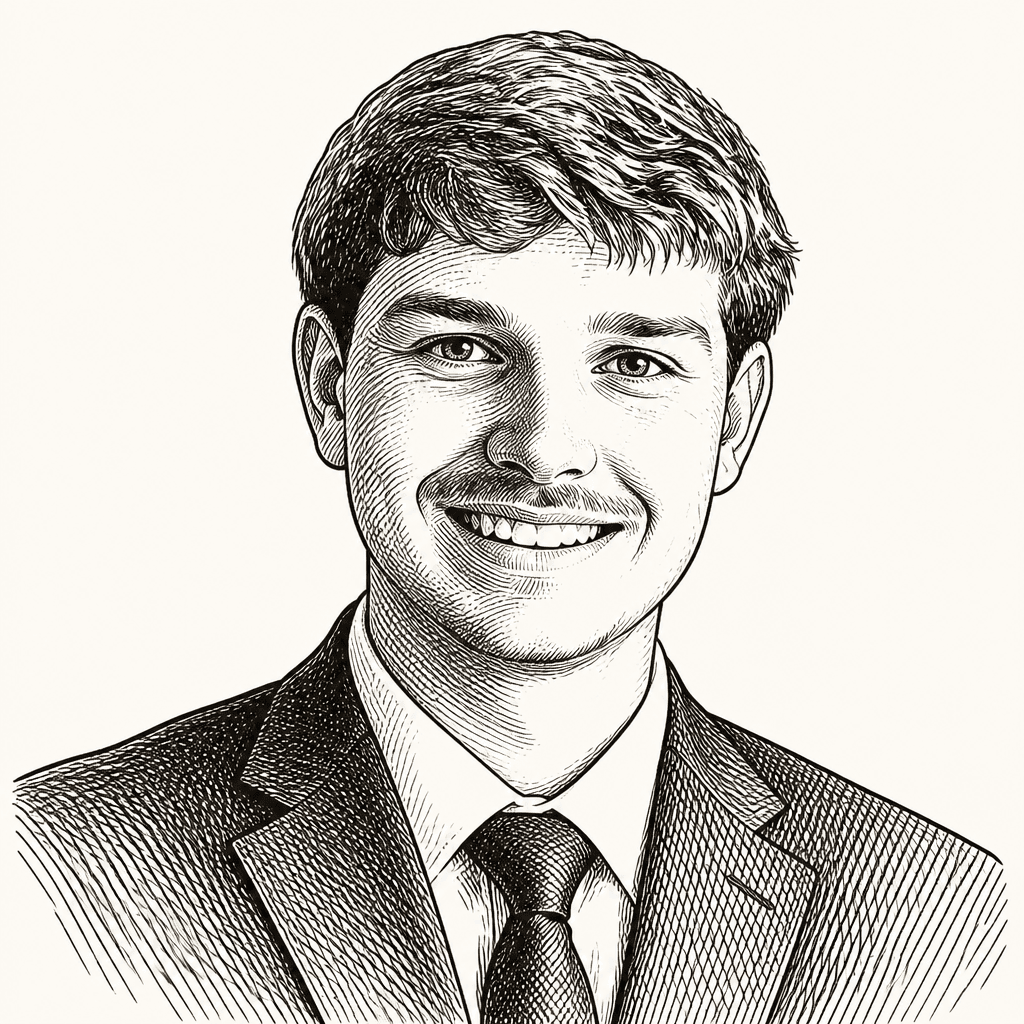
Trey Jackson’s Rooted + Rising welcome video introduces him as an Eastern Kentucky youth journalist whose authority comes from having lived and studied in the rural education system he plans to document. Jackson argues that national conversations often overlook his region, and says his work will focus on local institutions he knows directly, including his public high school in London, Kentucky, and the University of the Cumberlands, where he sees people trying to address challenges and build reasons for students and talent to stay.

Jackson’s authority is local and experiential
Trey Jackson joins Rooted + Rising from Eastern Kentucky with a background tied closely to the region he intends to cover. He is a senior at the University of the Cumberlands, plans to attend UK for law school next fall, has been a licensed real estate agent for about a year, owns a real estate marketing business, and has completed internships with federal agencies. He presents that mix of local education, regional work, and public-sector exposure as part of what he can bring to the cohort: a way to “enhance rural voice.”
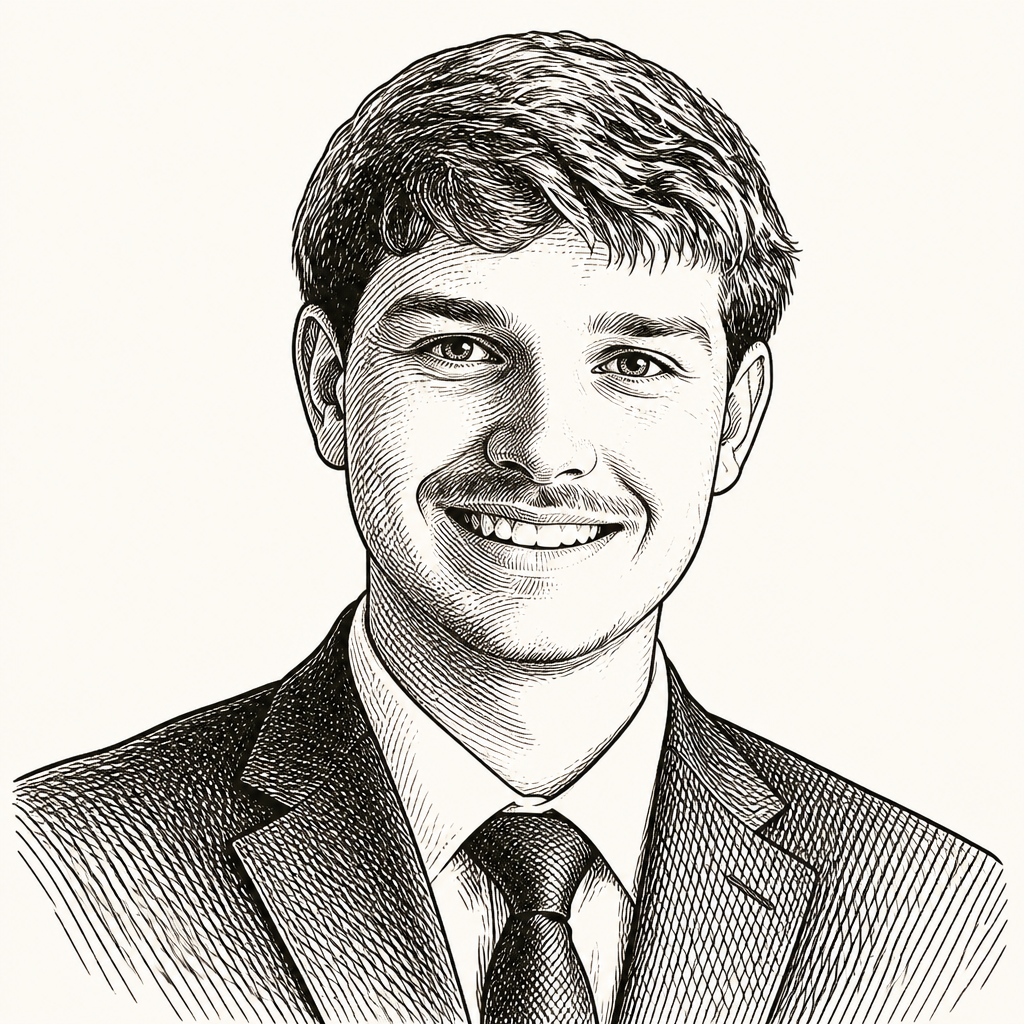

The education connection is the center of his introduction. Jackson says he has been in rural education his whole life: he attended public high school in London, Kentucky, then went to college about 30 minutes away. His starting point is not a detached policy frame but direct familiarity with the schools and communities he plans to document.
I know this area and I feel the challenges that we see here. And I've been in rural education my whole life.
That line defines the role he is taking on. Jackson describes Eastern Kentucky’s educational challenges as something he has “seen” and “felt,” and he locates his authority in proximity: high school in London, university nearby, and professional experience rooted in the same area.
The agenda is to show overlooked institutions and the people trying to build from them
Trey Jackson says Eastern Kentucky is often overlooked in national conversations. What he explicitly wants to bring forward are stories that highlight the region “for the better,” show what it has to offer, and make visible the work already happening in local education.
He names two reporting priorities. The first is his public high school in London: both the issues facing it and the changemakers working there. The second is the University of the Cumberlands, where he points to work aimed at keeping people in Eastern Kentucky and attracting new talent from elsewhere.
The agenda that emerges from those comments is practical rather than abstract. Jackson is not presenting a general theory of rural education. He is setting up a place-based inquiry into institutions he knows directly: what problems are visible inside them, who is trying to improve conditions, and how local schools and universities are working to make Eastern Kentucky a place where people stay or choose to come.
Jackson closes by inviting people to follow the Rooted + Rising journey and share their thoughts. The invitation fits the work he describes: documenting what is happening in rural education in his area while opening the process to response from others.