Community-College Reform Shifts From Completion to Post-Graduation Outcomes
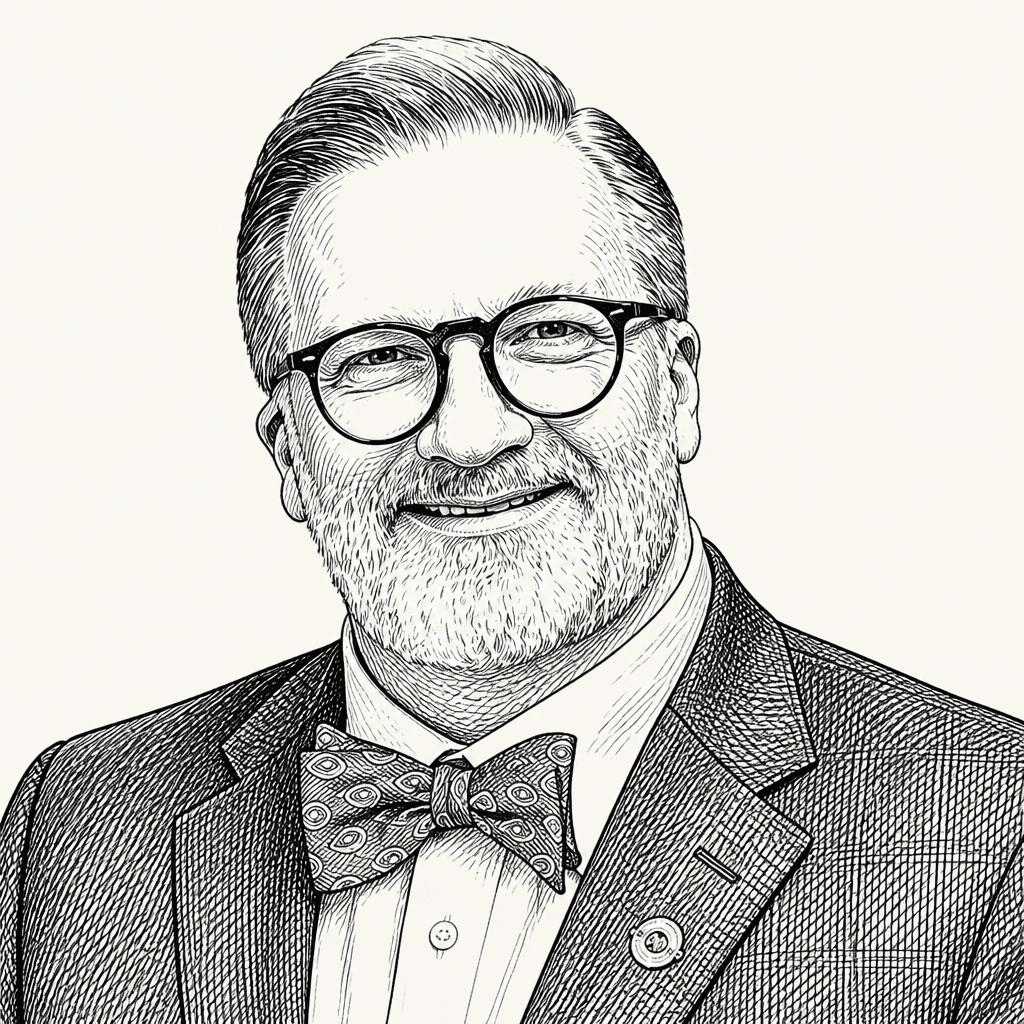 Russell Lowery-Hart
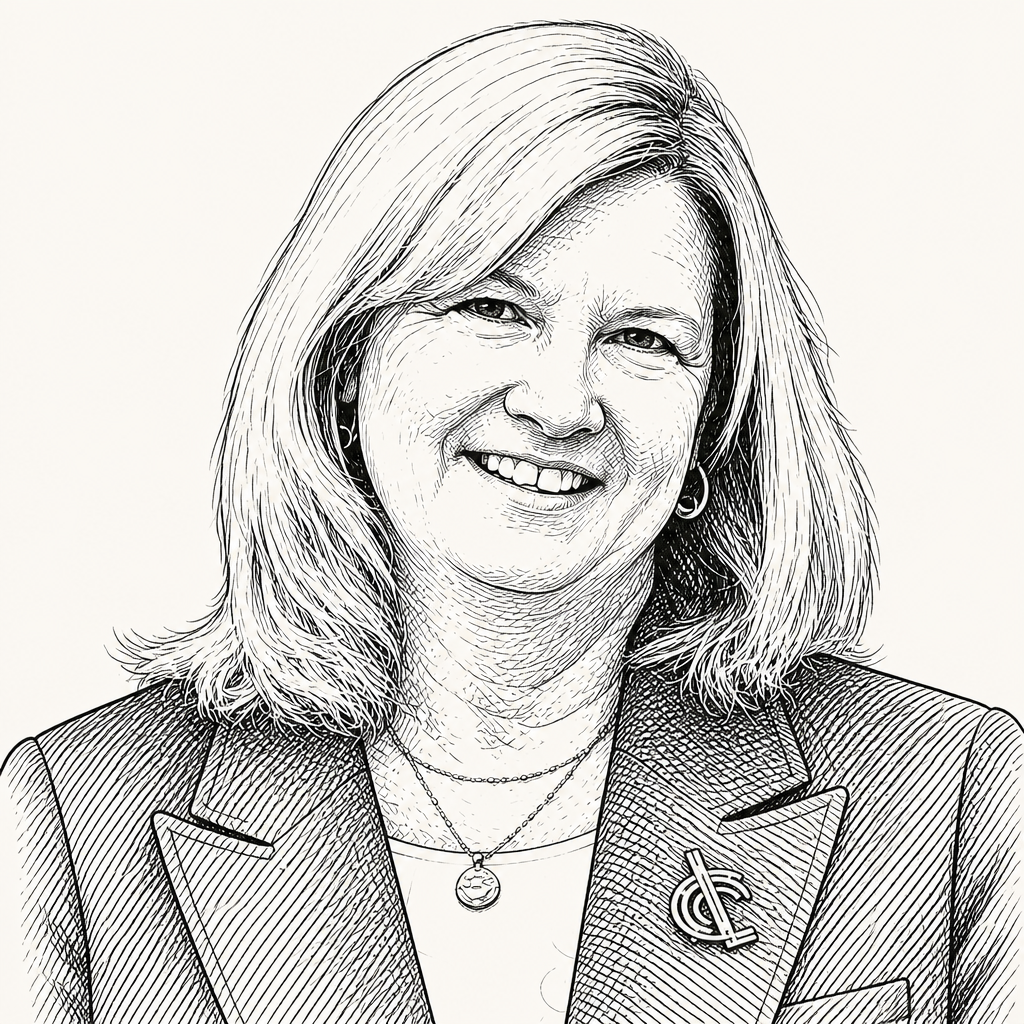
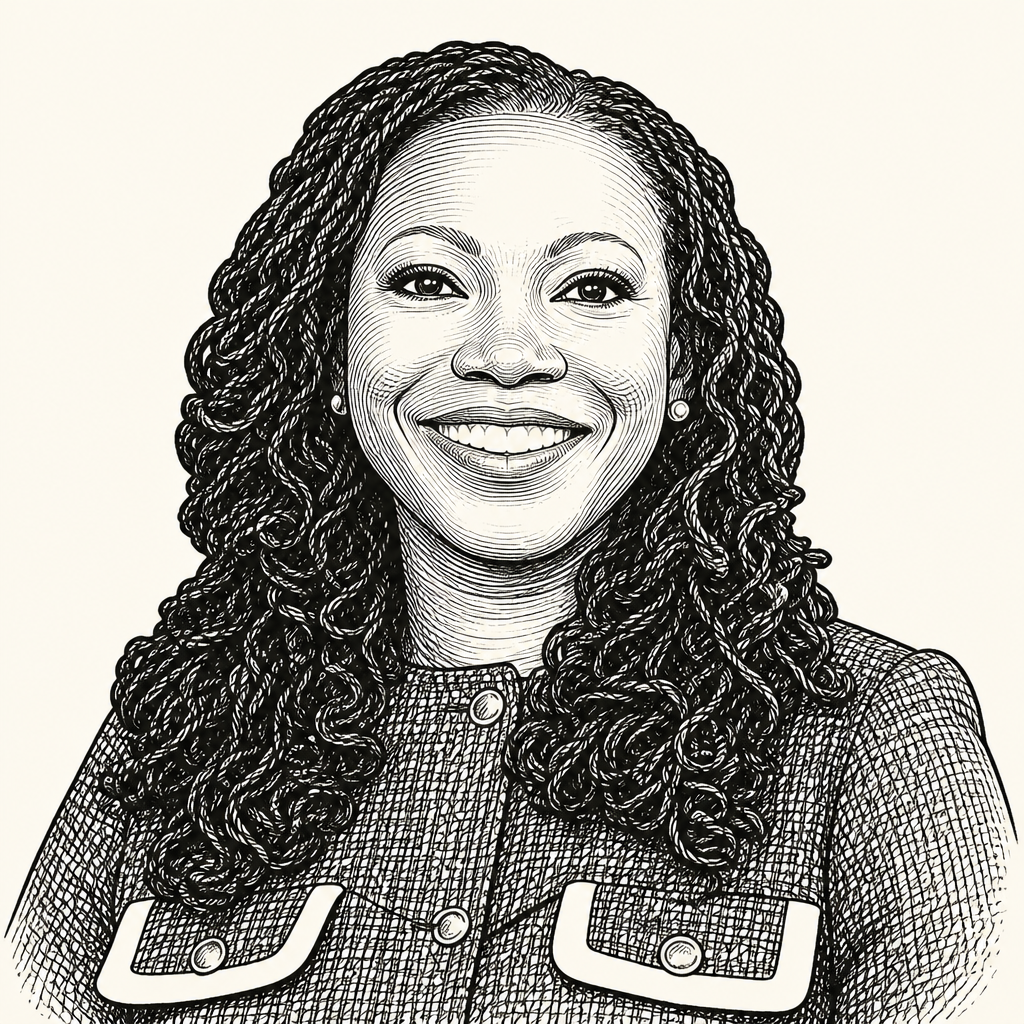
 Marcia Ballinger
 Falecia WilliamsThe Aspen InstituteWednesday, September 16, 20263 min read
Community-college reform should be judged not only by access and completion, but by what happens to students after graduation, argues Marcia Ballinger, president of Lorain County Community College. Ballinger, Russell Lowery-Hart of Austin Community College District and Falecia Williams of Prince George’s Community College describe the Aspen fellowship as training leaders to confront institutional data, build reform agendas with peers, and tie student outcomes to their colleges’ economic role in their communities.
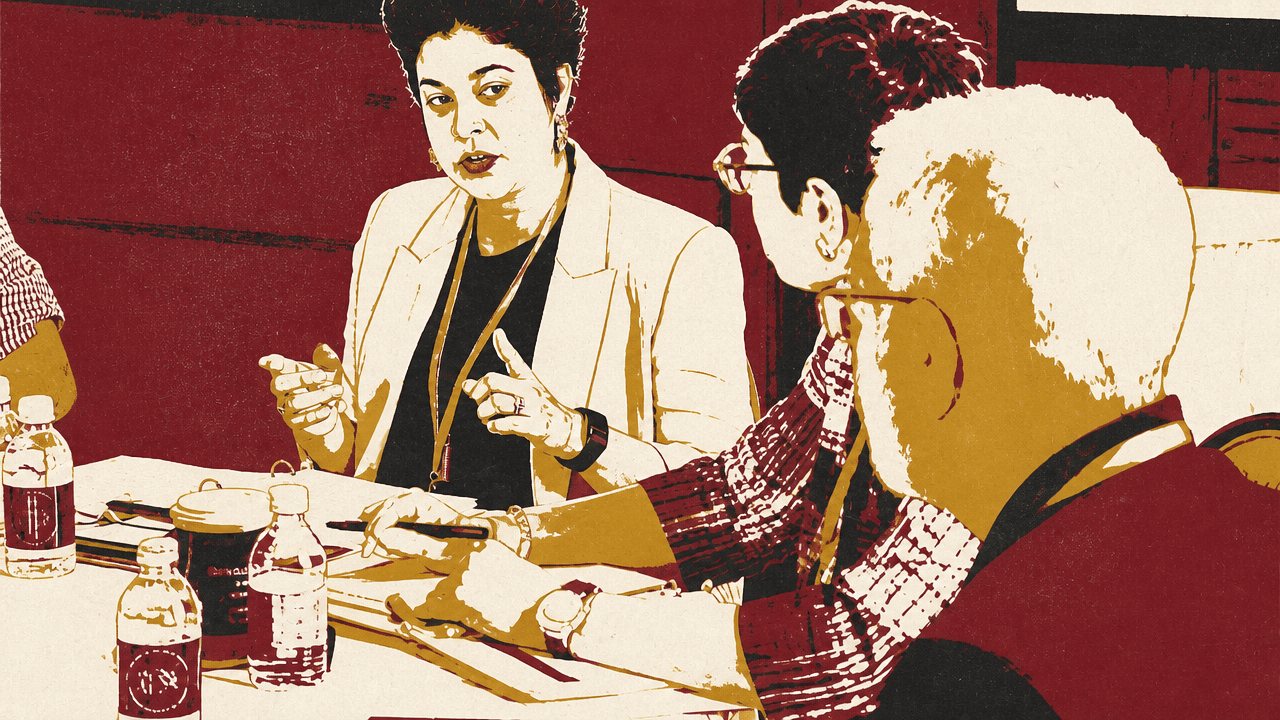
Community-college reform is accountable for what follows graduation
Marcia Ballinger describes a change in what community-college reform should be accountable for. Access and completion remain part of the work, but neither is the endpoint. In Ballinger’s framing, what matters most is what happens after students graduate—and whether a college is committed to improving those outcomes.
She places that commitment in a “3.0 framework” that extends beyond access and completion. The framework directs attention to post-graduation outcomes rather than treating a credential as the final measure of success.
It extends beyond access, it extends beyond completion. This really is about what matters most, and that is post-graduation outcomes and being committed to driving that change.
For Falecia Williams, putting students at the center of institutional work was the starting point. She says the Aspen fellowship was instrumental in helping her do that. As a new president, she drew on the cohort experience as a foundation for leading from what she calls the mindset of a reformer: finding strategies that will lead to the most promising outcomes for students.
Data and peers make reform a shared leadership practice
The reform model depends on confronting institutional performance. Marcia Ballinger calls confronting data and learning to use it “a foundation of the program.” Her emphasis is on using data to unite the college around a common purpose: achieving greater outcomes.
The fellowship, in Russell Lowery-Hart’s description, builds the capacity to lead that work with others. He calls the fellowship itself “transformation,” while defining success as introspection, reflection, and growth—both as a person and as a leader, and alongside colleagues participants will need.
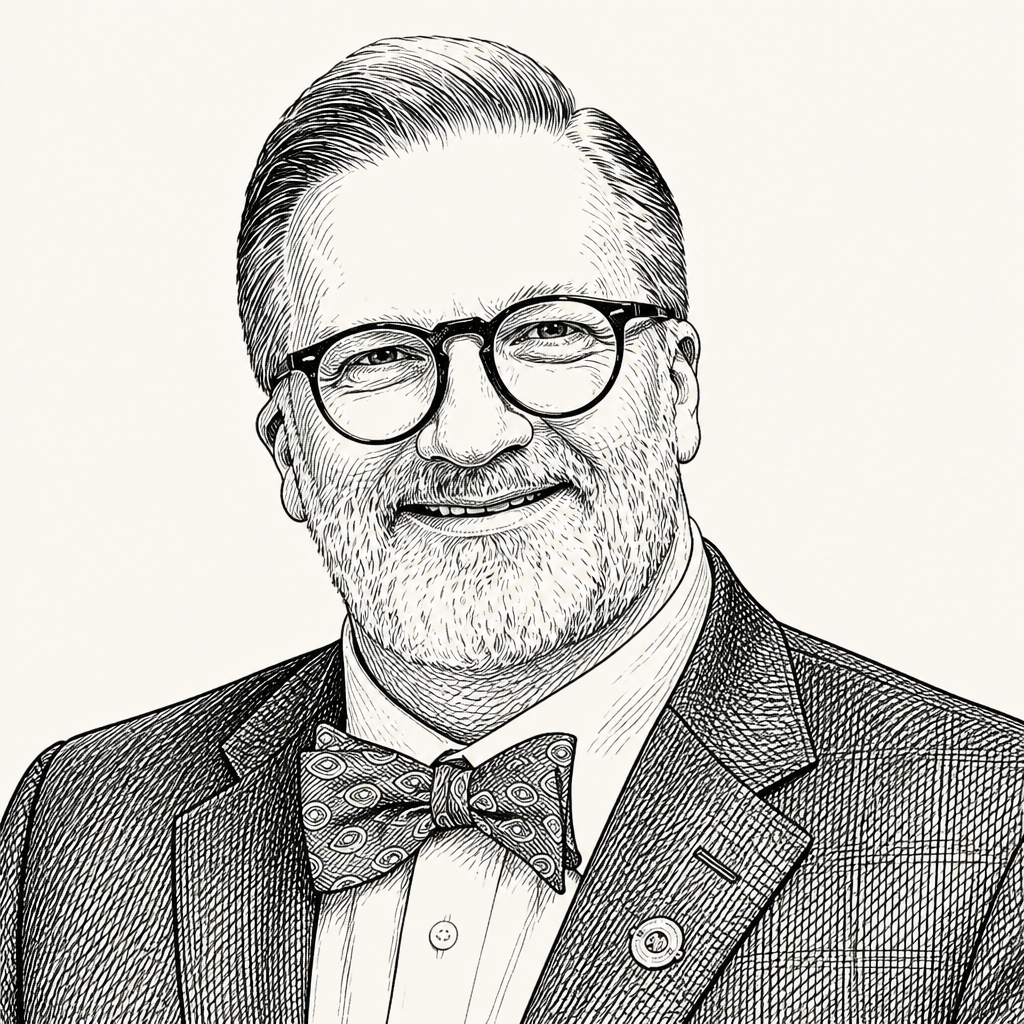
Success in the fellowship looks like introspection, reflection, growth, not just as a person and as a leader, but growth with other colleagues that you're going to need more than you ever thought you would.
Williams describes the cohort as an enduring connection as well. Having participated as a fellow, she says she feels privileged to return and work with others who share the same aspirations.
Student outcomes connect the college to its community
Lowery-Hart gives the 3.0 framework a broader rationale. Russell Lowery-Hart describes the transformation as the point at which college and community become “glued together.” In his account, community colleges step in as primary economic drivers for the economy.
The 3.0 transformation is the moment that college and the community become glued together.
The claim connects the focus on post-graduation outcomes to a wider community role for the college. Ballinger sees particular significance in the emergence of a decade of leaders from the program, whom she credits with fundamentally changing student-success reforms at community colleges across the country, at a time when such reform is needed most.