U.S. Anti-Liberalism and Retrenchment Are Weakening the Postwar Order
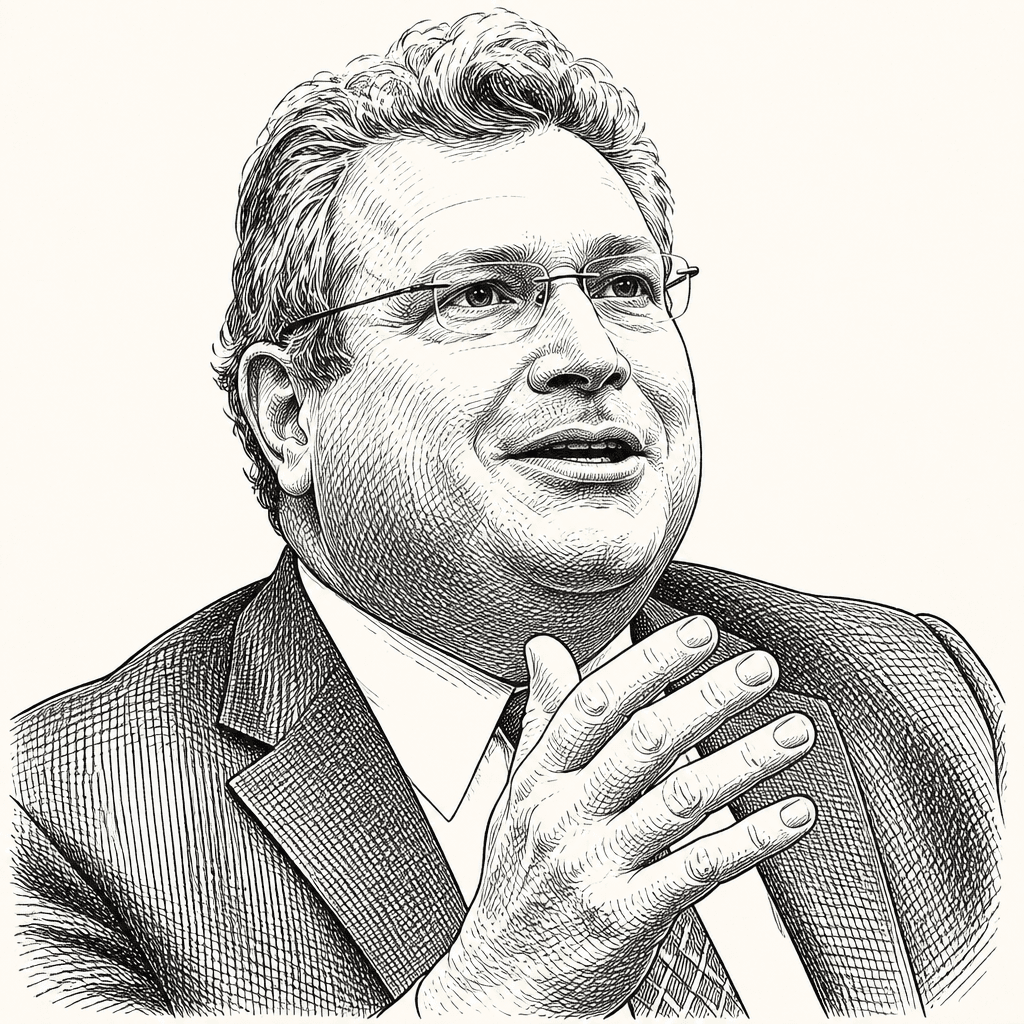
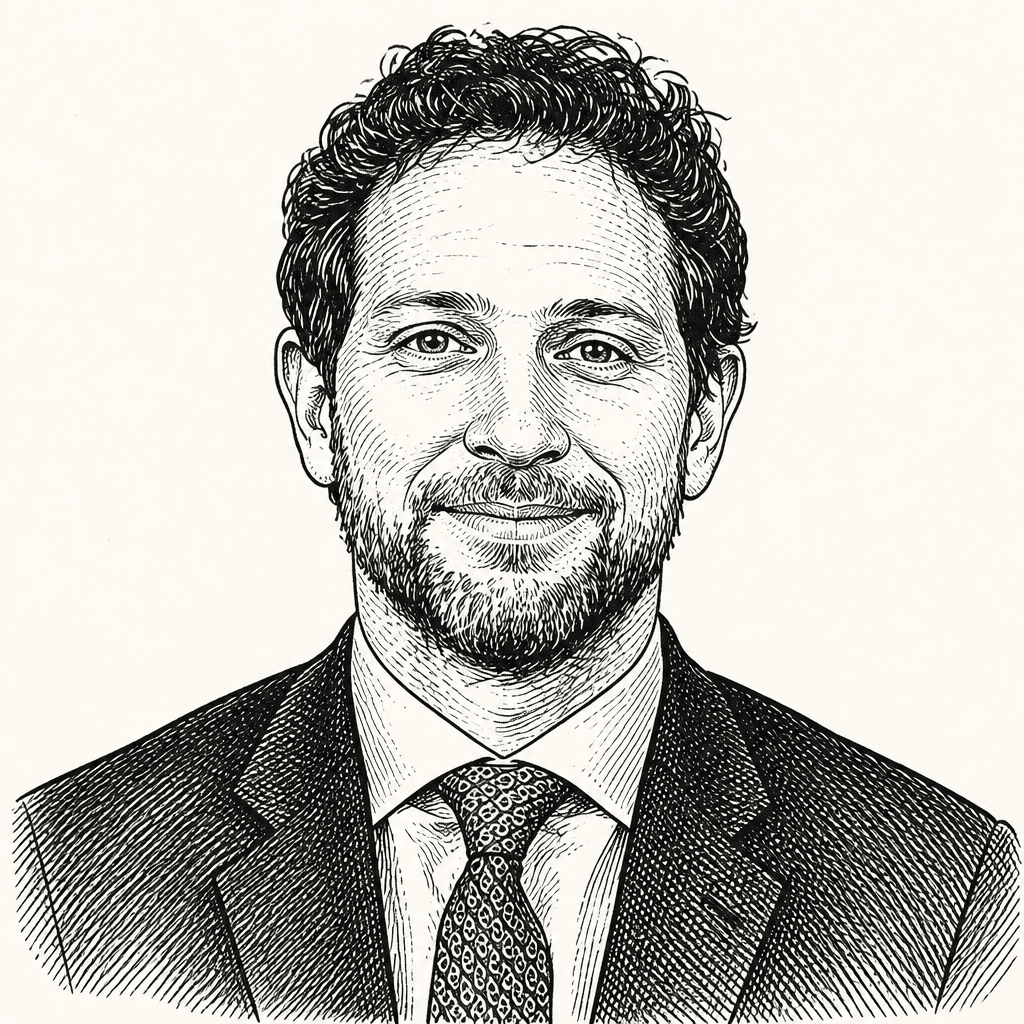
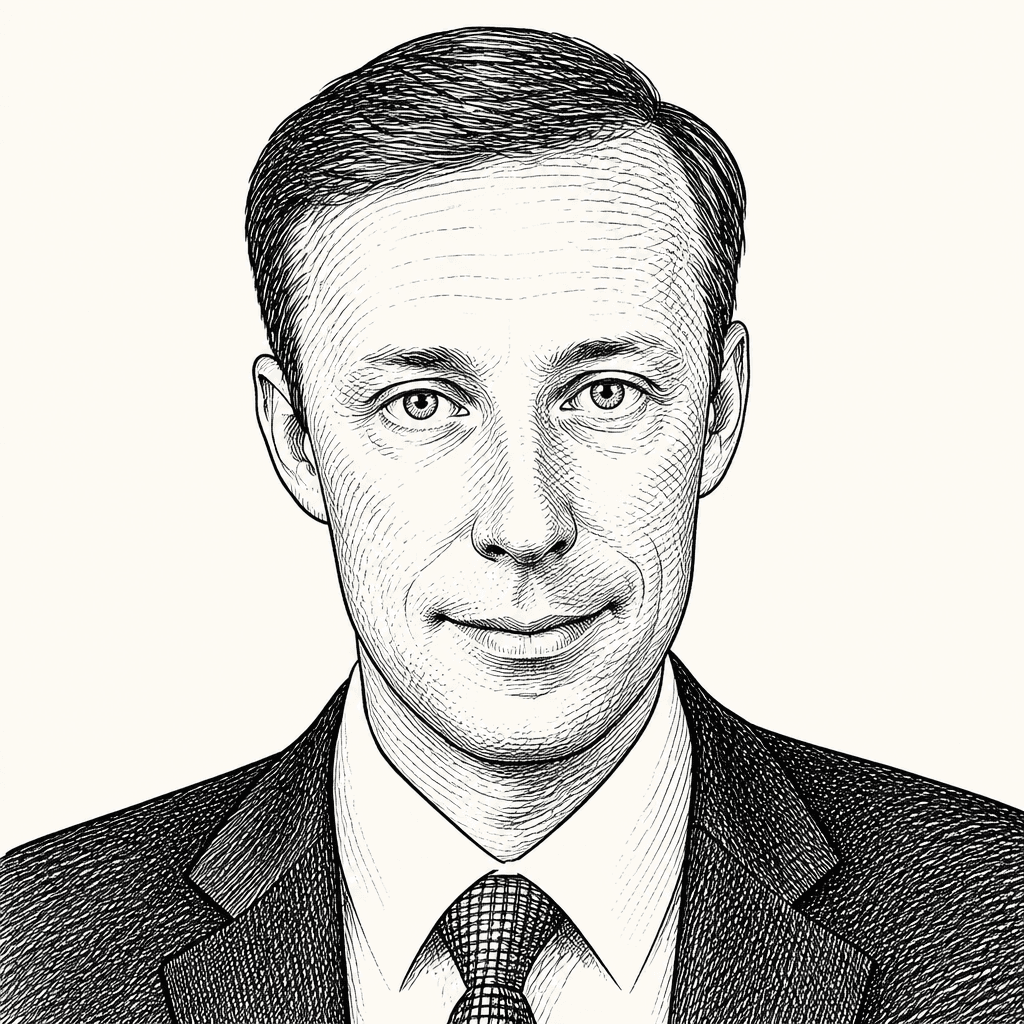
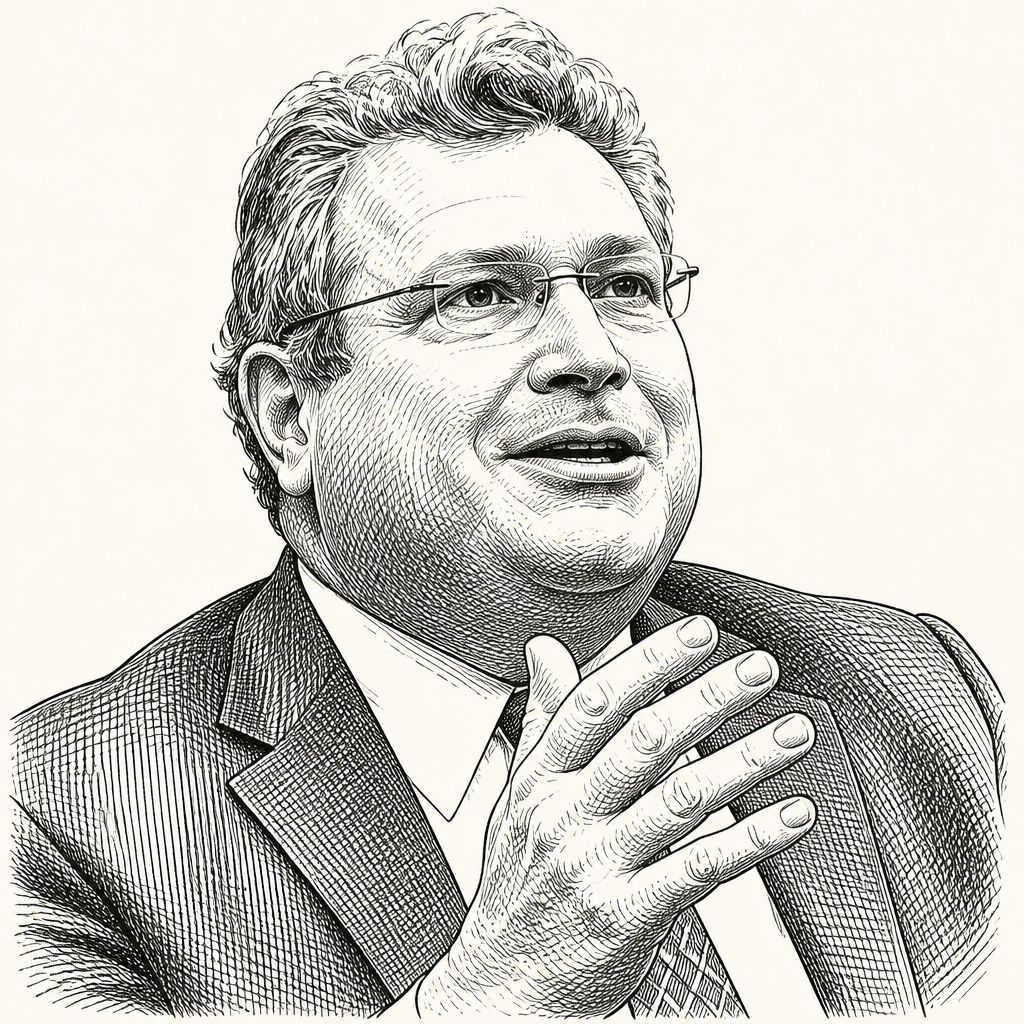
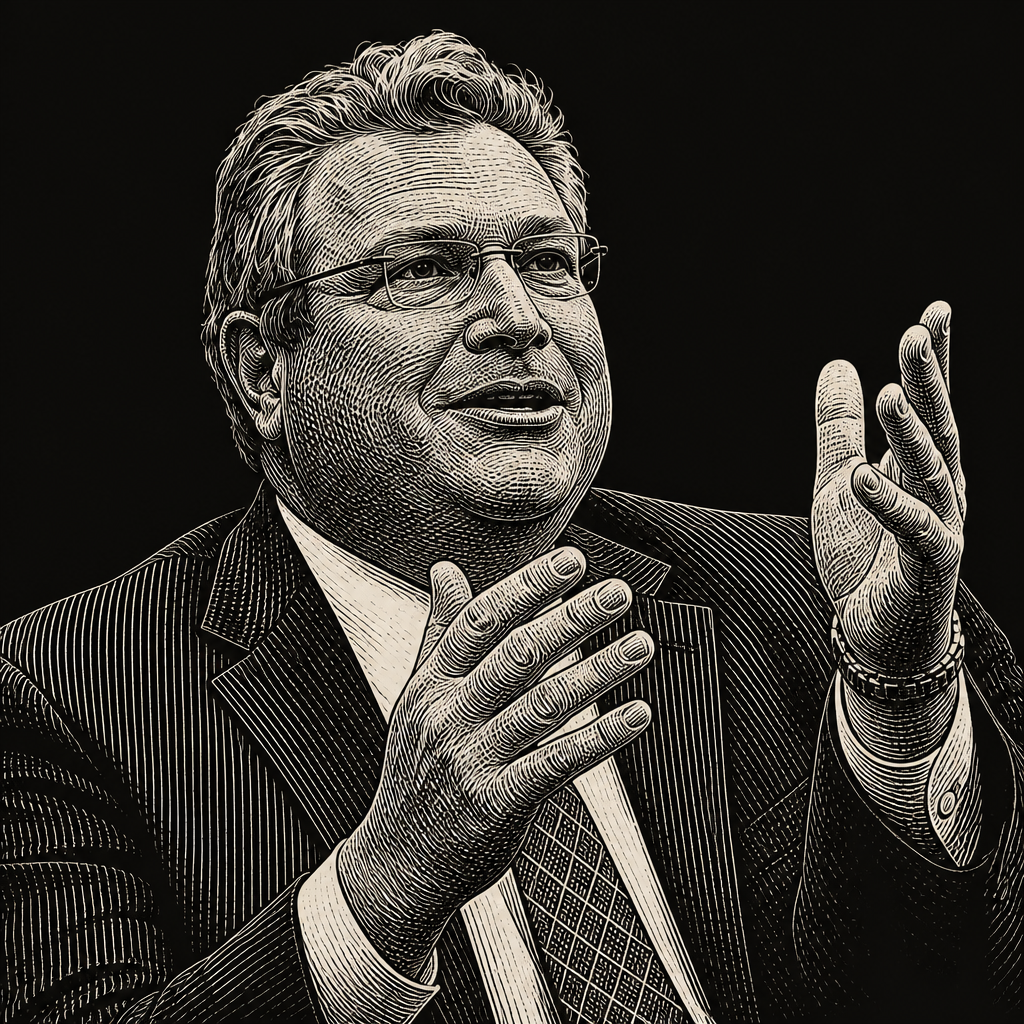
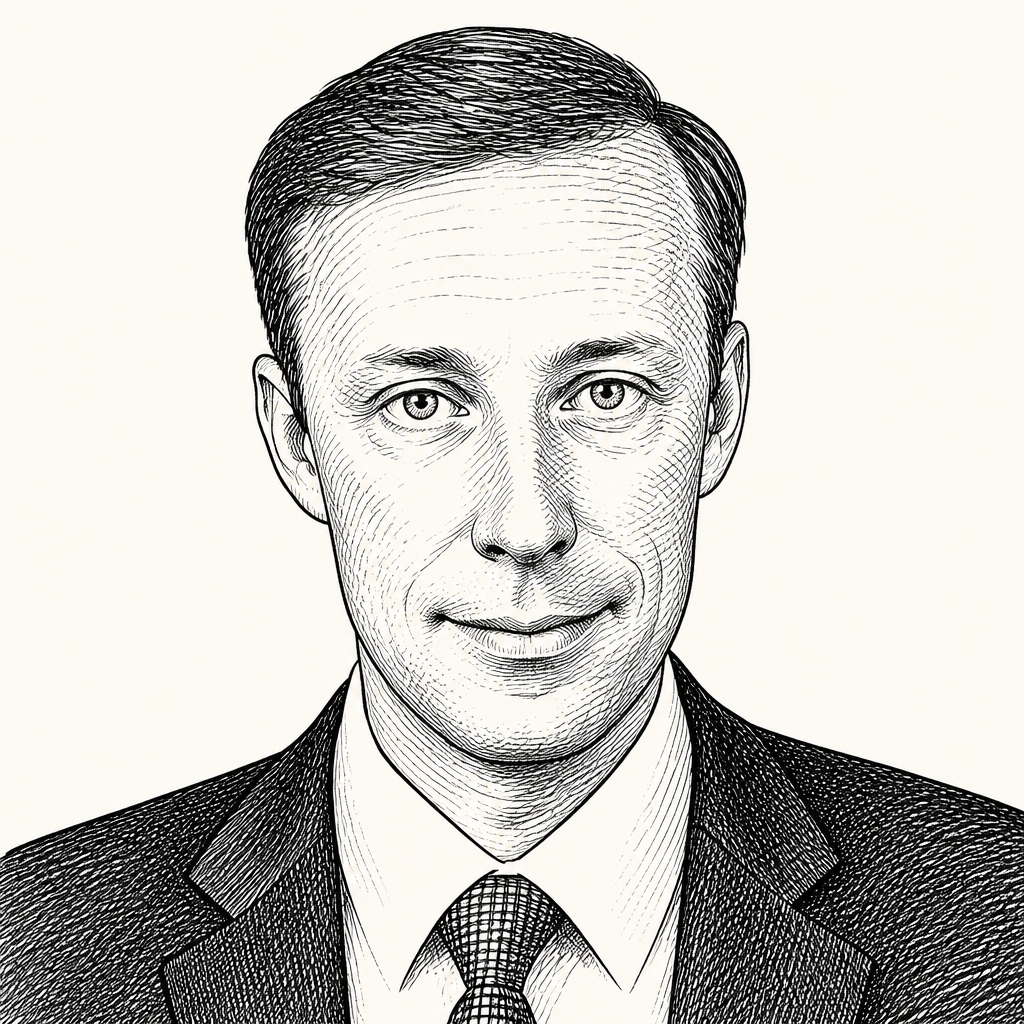
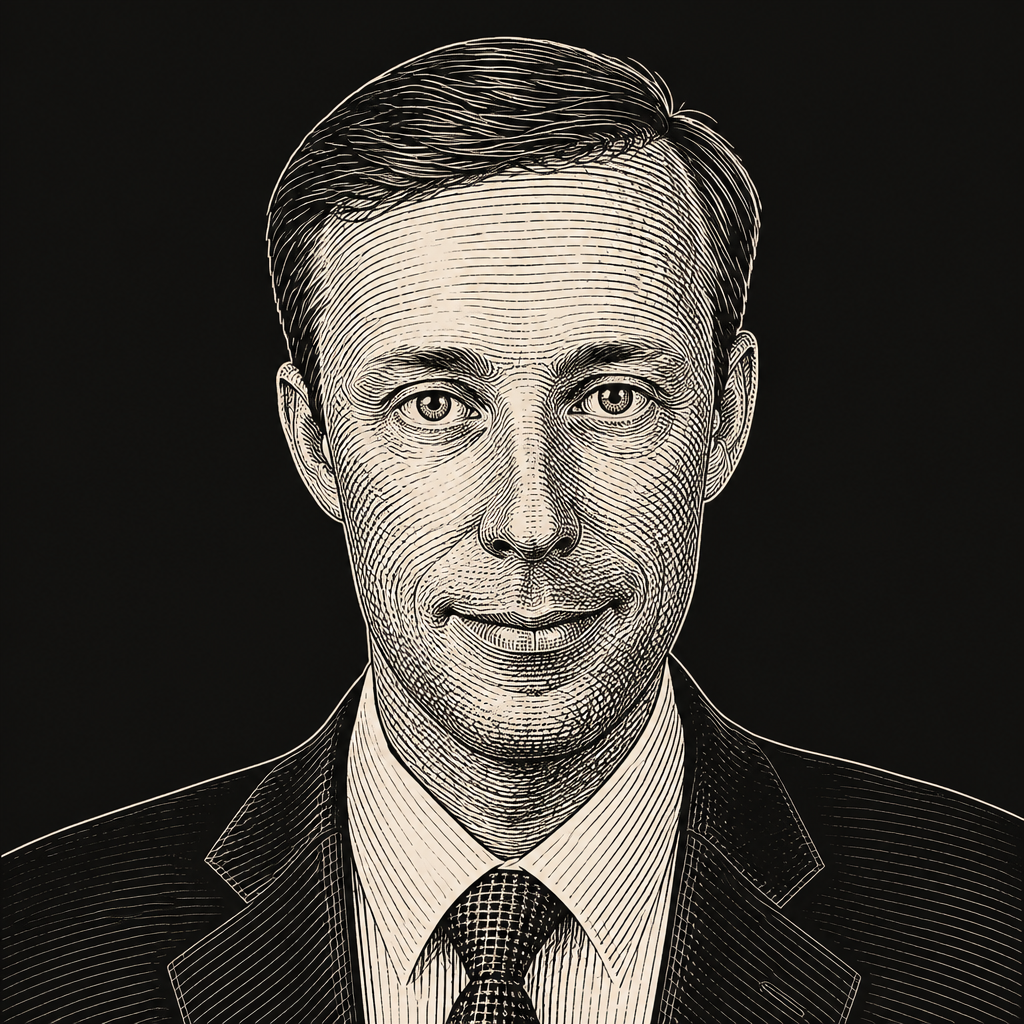
Foreign policy analyst Robert Kagan argues that the United States is not simply declining but voluntarily abandoning the liberal principles and global commitments that gave its power strategic purpose. In a live Aspen Ideas Festival conversation with former national security officials Jake Sullivan and Jon Finer, Kagan links America’s retrenchment abroad to an anti-liberal turn at home, warning that the result could be a more unstable multipolar world and a domestic test over whether the country still believes in the Declaration’s universal claims.
American power is being voluntarily unmade, not simply exhausted
Robert Kagan’s warning is not that the United States has run out of power. It is that a country with unmatched advantages is voluntarily giving up the strategic habits and domestic principles that made those advantages matter. American military strength, economic scale, innovation, capital markets, and alliances still compare favorably with any rival’s. What is collapsing, in Kagan’s account, is the will to use that power for the postwar purpose that gave it coherence: sustaining an international order built around American leadership.
The danger is therefore not simple decline. It is strategic abdication joined to an anti-liberal domestic turn.
Kagan frames the moment through two recurring patterns in American history. The first is a struggle over national identity. The United States, he argues, was founded on universal principles rather than an ethnic or religious definition of the nation. The founders, as Kagan puts it, “had a chance to create a country that was built for white Anglo-Saxon Protestant men,” but instead chose principles associated with the Declaration of Independence. That choice was contested from the beginning. Slaveholding America rejected human equality explicitly; later movements returned to a view of the United States as a white Christian country. Periods of liberal advance have repeatedly been followed by reaction.
The second pattern is an oscillation between high international involvement and retrenchment. Since the 1890s, periods of overseas engagement have been followed by regret, rejection, and withdrawal, then eventually by renewed engagement when disorder abroad becomes intolerable to Americans. The United States can afford this oscillation because, since the end of the 19th century, it has been essentially secure from foreign attack. Much of its foreign policy has therefore been voluntary. It can choose to project its identity abroad, or choose not to.
The present moment is dangerous because both cycles have turned at once. The United States has entered what Kagan calls “a conservative, anti-liberal, anti-Declaration period” in domestic politics while also becoming unhappy with the scale of its global commitments. Donald Trump presides over that double movement, but Kagan does not treat him as its origin. The forces were present before him.
We're in a double cycle. We've moved into a conservative, anti-liberal, anti-Declaration period in our politics. And we've moved into an unhappiness with the extent of our global involvement at the same time. And Donald Trump is sort of presiding over this. But I can't say that he caused it.
The historical analogy hanging over the argument is the 1920s and 1930s. Then, Americans washed their hands of the world; the world behaved in ways Americans disliked; eventually the United States returned, but too late to avoid catastrophe. Asked by Jake Sullivan whether there is a way out of the current cycle without depression or world war, Kagan offers little reassurance. Without the anti-liberal turn at home, he thinks the country might already have been moving back toward greater concern about world disorder. Instead, that movement has been “completely stymied.” His expectation is that the United States will respond to growing threats, but if history is a guide, it will respond too late to avoid the disaster that forces the response.
The democratic crisis is a struggle over the Declaration, not only a problem of institutions
Robert Kagan’s account of democratic decline begins where his account of foreign policy begins: with identity. He does not primarily frame the crisis as “the failure of our democracy.” He frames it as the latest phase in the long struggle over what America is. The liberal consensus that prevailed after World War II and through the civil rights era has broken down. The movement behind Trump, in Kagan’s view, is fighting against the gains of the civil rights movement because those gains reduced inherited privileges.
Those privileges are not necessarily economic. Many Trump supporters, he notes, are not economically advantaged. But the movement is driven far more by cultural issues — which he says are really racial and religious issues — than by economics. Trump, in his formulation, is “doing nothing for these people” materially, but he is “hating the right enemies.” Those enemies, Kagan says, are mostly people of color. Immigration politics, in this account, is not fundamentally about illegal immigration. It is about changing the complexion of the country and trying to turn it back.
Trump is personally decisive, but not because he invented the underlying force. The structural force was there to be captured, and he captured it deliberately. Kagan points to Trump’s early political rise around the claim that Barack Obama was not a real American. That was not, Kagan says, a dog whistle. It was an explicit racialized appeal aimed at the first Black president.
Still, Kagan does not think the same risk would exist under almost any other Republican politician. The movement Trump represents is, in his telling, acting out of desperation because it is trying “to cling to an America that no longer exists”: an America with a white majority and a white Protestant majority. Without someone as willing as Trump to break institutions in pursuit of personal power, Kagan thinks the country would be at much less risk.
We should not lose sight of the ugliness at the core of us. We can blame Donald Trump all we want, but this is also us.
The Declaration of Independence is central to the warning. Kagan says Abraham Lincoln made the Declaration the founding document, but many Americans have not regarded it that way. He names Russell Vought and related intellectual currents as people who, in his view, do not believe in the Declaration and are trying to overturn a system based on it. The planned celebration of the country’s 250th birthday therefore carries an irony for him: the very principles being celebrated are the ones he believes are under attack from within the government.
Power always produces a reaction, and the Middle East shows what happens when strategy disappears
Robert Kagan’s recent writing on Iran and the Middle East is not a conversion to noninterventionism. It is an insistence that American power has consequences, and that those consequences must be measured against an actual strategic purpose. Jake Sullivan read aloud a paragraph in which Kagan had argued that even terrorism from the Middle East was “a consequence of American involvement, not the reason for it”; that Islamist militants would have had little interest in attacking “an indifferent nation 5,000 miles and two oceans away” had the United States not been deeply involved in the Muslim world since the 1940s; and that “they have hated us not so much because of who we are, but because of where we are.”
The point was not that the United States should mechanically get out of the Middle East under all circumstances. It was that Americans are too often shocked when other countries or movements react to American action. Kagan draws the same lesson from Pearl Harbor: the United States imposed an embargo on Japan knowing that war was a real possibility, even if Americans did not expect the attack on Pearl Harbor itself. The broader principle is that wielding power changes the environment. It produces reactions. The United States must ask whether the reaction is worth it.
The answer depends on the larger goal. The Persian Gulf mattered, he says, because the United States had a global strategy: it supported allies in Europe and Asia, maintained an international system, and took responsibility for overall security. If maintaining that order requires opening a strait or protecting a critical region, Kagan is prepared to defend the use of power. But if the United States is simultaneously abandoning that order — pulling away from Europe while Russia wages war, weakening commitments elsewhere — then a war in the Persian Gulf becomes incoherent.
If we're going to exercise power, we're going to get a reaction. And then we have to decide, is the reaction worth it or is it not worth it. But it has to be for something. And that's what I feel like, this was for nothing.
That distinction also frames his answer on Iraq. Pressed by Jon Finer on whether the United States overreached after 9/11, Kagan does not fully repudiate the Iraq war. He says that after 9/11 Americans were less tolerant of threats they already knew existed, and Iraq was a pre-existing threat. In the terms he had laid out, he says, the decision “made sense.” He also argues that despite the failures of the war, Saddam Hussein was removed, regime change occurred, Iraq has held six democratic elections, and Iraq is no longer a threat to its own people or the region in the way it was before.
Finer adds an important qualification: the war came at enormous cost in Iraq. Kagan does not contest that in the exchange. What he says he regrets most is the effect the Iraq war had on the American public’s attitude toward the world. That effect matters because public exhaustion after ambitious interventions is one of the mechanisms that sends the United States into retrenchment.
Kagan’s view of Israel is similarly stripped of sentimentality. He says Israel was founded on a contradiction: it was to be a Jewish state, which necessarily privileged Jews, and also a liberal democratic government. Long before his 2016 writing on the subject, he says, Israel was becoming more of a Jewish state and less of a liberal democracy. He calls it “at least an imperfect democracy,” but does not treat that alone as dispositive for the U.S.-Israel relationship. The United States has allies with which it does not share all values perfectly.
The deeper point is that Americans came to speak as if supporting Israel were a vital strategic interest. Kagan says it began instead as a moral obligation after World War II and the Holocaust. He regards that as noble, but distinct from strategy. Much of U.S. Middle East strategy, in his telling, came to be about defending Israel’s interests because Israel was an ally and because Americans felt an obligation to it — not because Israel’s regional vision was one the United States should adopt.
Israel is supposed to operate in Israel’s interests, not America’s. Those interests diverge. In Kagan’s view, Israel’s vision for the Middle East has rested on the belief that Arab and Muslim publics should not be empowered democratically because their opinions are feared; strongmen are preferred as controllers. He says that is not a sustainable long-term position for the region, and “should never have been America’s position.”
Russia may see an opening because the American guarantee is no longer taken seriously
Robert Kagan thinks the direction of U.S. policy toward Europe is visible enough that denial is no longer plausible. Trump’s goal, he says, is to pull out of Europe, and the signals are clear. Europeans had a powerful interest in denying that possibility for as long as they could, but he does not think they are in denial anymore.
That matters because Vladimir Putin may see a narrow and unusually favorable opportunity. Kagan describes the Russian leader as watching the United States pull away from Europe while European states are left more to themselves. Putin cannot know how long that condition will last. He may calculate that the current American posture gives him a window to weaken Ukraine and intimidate Europe before the United States potentially “become[s] the United States again” after another election.
The supply routes into Ukraine are a particular concern. Kagan says he has long been surprised that Putin has not made a more serious attempt to cut them off. Those routes cross borders and are vulnerable. Even a mistaken drone attack in Romania, he says, can serve a purpose if it threatens people on the other side of the border and contributes to intimidation. Putin may still wait for Trump to make the next move — which Kagan predicts could include cutting Ukraine off entirely, including intelligence sharing. But Putin also wants to weaken European support for Ukraine directly.
Polish-Ukrainian tensions over historical grievances are, in Kagan’s view, exactly the sort of development Putin needs. The “shadow war,” which he says is increasingly no longer in the shadows, is designed to intimidate Europeans as they lose their great protector. The unresolved question is Putin’s risk tolerance. Kagan says Putin has been relatively risk averse so far, but that could change if the war goes badly for him or if the strategic opportunity created by American withdrawal appears too valuable to miss.
On a direct Article 5 test, Kagan is cautious. He does not claim to know Putin’s plans. He points to possible scenarios involving Kaliningrad, additional missile deployments, or the use of Russian-speaking populations in Baltic states as a pretext for intervention. Putin has used claims about defending Russian people before, and Kagan says the opportunities exist. What he cannot know is whether Putin wants to avail himself of them.
The underlying point is not that Russia is strong. Jon Finer describes Russia as a declining power that cannot compete directly with the United States in a meaningful sense, and Kagan does not push back on that framing. The danger, as the exchange frames it, is that declining powers can still create crises when security guarantees weaken and adversaries believe the old deterrent may not function.
China’s problem was the U.S. alliance system; American policy may be weakening that obstacle
Robert Kagan’s earlier confidence that American decline was exaggerated rested heavily on the structure of the postwar order. China, he argues, faced a very hard problem: the United States had “ironclad alliances” with the strongest countries around China. For any Chinese ambition to exercise global power, regional hegemony seemed to him a prerequisite. If China could not dominate its own neighborhood, it was difficult to see how it could rule or lead globally. The denial of real spheres of influence to both Russia and China was one of the central achievements of American power after World War II.
That assumption is now less secure because U.S. policy is changing. The likely future, in Kagan’s view, is not a neat U.S.-China bipolar competition. It is a more genuinely multipolar world, more like the 19th century or early 20th century: a system in which every nation is essentially for itself because the United States can no longer be relied upon to protect them.
That world would not mean easy Chinese dominance. Kagan does not think Japan will quietly accept regional Chinese hegemony. Instead, he expects older regional dynamics to return, with major and middle powers becoming more assertive. Before World War II, Japan was the power pressing China; in the future, China may be the one pressing Japan. In Europe, he expects Germany to become a great power again — not necessarily illiberal or dangerous, but more openly a great power. He also expects Iran to become a larger power. The result is a more diffuse world, not simply a transfer of leadership from Washington to Beijing.
Jake Sullivan challenges whether Kagan is weighting military power too heavily. If power in 2026 is increasingly exercised through economics, technology, supply chains, rare earths, or artificial intelligence, China might become the world’s leading power without first dominating its region militarily. Kagan does not dismiss the question, but he says he has heard versions of it before. After the Cold War, many argued that geoeconomics would replace geopolitics, that the nation state was declining, and that traditional power mattered less. Kagan says the past 30 years have contradicted those claims.
His answer is that sovereignty and military coercion remain central because states still care about whether they fall under the sway of greater powers. If Japan feels threatened by China, that creates an unavoidable geopolitical problem for Beijing, whatever China’s supply-chain advantages. If Europe rearms, that affects Russia. And territorial ambition, which many assumed had become obsolete, has returned to the center of world politics. Russia has tried to seize territory. China remains preoccupied with what flag flies over Taipei. Even Americans, Finer notes, now talk about territorial acquisition.
Taiwan is the test case of whether the United States still sees global order as a vital interest. Kagan thinks Xi Jinping would probably prefer Taiwan to “fall naturally” under Chinese sway, especially if U.S. neglect leaves Taiwan with no choice but to enter a relationship on Beijing’s terms. He also says Xi is “obviously playing the KMT card” toward that end. Russia’s experience in Ukraine may make a direct military move less attractive. But Xi, like Putin, cannot know whether the United States might reverse course in four years. That uncertainty may make the present look like a window.
Kagan is careful not to overstate the 2027 point. He says there had been discussion that Xi wanted to “get it done by 2027,” but adds that he does not know how serious that ever was. Given Trump, however, he thinks Xi might be more willing to act, and he sees China as more aggressive now, including in the South China Sea — while acknowledging that China is always somewhat aggressive there. The one thing Xi can be sure of, Kagan says, is that Trump will not “play hardball” on the details because he wants a deal.
Whether Taiwan is a vital U.S. interest depends on the premise. Kagan rejects a narrow materials-based answer. One can say chip manufacturing is vital in the same way oil is vital, but that does not settle the strategic question. Taiwan was not inherently a vital U.S. interest, he says. It was a necessary interest if the United States was trying to maintain the global order. If it is not trying to maintain that order, the answer changes.
A more multipolar world would put Germany, Japan, and nuclear choices back at the center
Robert Kagan’s multipolar future is not an abstract balance-of-power chart. It is a world in which American protection no longer suppresses old strategic problems. Germany and Japan are central because, after World War II, the United States made long-term troop commitments in both countries. Kagan describes them as “the straws that stirred the drink” in their respective regions. Stable, democratic security relationships with Germany and Japan reduced the chance that Europe and Asia would fall into the disarray that had defined earlier eras.
If those relationships break down, old patterns return. Germany’s rearmament is the clearest example. Kagan’s preference is that Germany rearm within the European Union, in a way that reassures other European countries rather than unnerving them. But he warns that the EU itself was born under what he calls the “American paradise”: the United States solved Europe’s security problem by keeping Germany and France off each other and allowing Germany to prosper without becoming threatening. Without that deus ex machina, Europeans must manage Germany’s size and power themselves.
This is not a prediction of a malign Germany. Kagan says Germany can be a liberal great power. But he expects it to become a great power nonetheless. Even when the postwar order was healthier, Germany’s economic dominance produced tension in Europe. He also points to the persistence of old feelings between countries such as Germany and Poland, and to the capacity for German nationalism, visible in the strength of the AfD. His betting instinct, he says, is that Germany is more likely to lead on its own, preferably with others, than to act purely within the EU framework.
Jake Sullivan adds that German leaders may now mean not only that France cannot be relied upon in a Baltic contingency, but that the United States cannot either. Kagan agrees. Germany is not rearming to satisfy Trump, he says. It is rearming because it faces a serious threat to its east and knows the United States will not be there for it.
The same logic drives the expectation of nuclear proliferation. Countries such as Japan, Germany, and Poland are non-nuclear states facing potential threats from nuclear-armed powers. For decades, the United States protected their security. If the United States is no longer reliable, they must decide how to defend themselves. Kagan expects nuclear weapons to be seen increasingly as an essential prerequisite in a world where every country must protect itself.
He also expects nuclear diplomacy to become much more important. He notes that John Mearsheimer regards proliferation more favorably, but Kagan’s own view is that a world with many more nuclear weapons probably greatly increases the likelihood that they will be used at some point.
There is no going back to the old alliance model, even if Trump leaves office
Robert Kagan’s advice to a future president who wants to rebuild alliances is not to promise restoration. The world cannot simply return to the post-World War II arrangement in which allies rely on the United States for their basic security. The task is to manage a multipolar world in which like-minded states cooperate more equally, with the United States still the strongest among them if it behaves well enough to earn some trust.
That applies equally to allies. Kagan says he could not advise Europeans to “throw in their lot with the United States again.” The reason is not only Trump. It is also uncertainty about what comes after Trump. Even if Democrats win in 2028, he does not believe the Democratic Party is automatically returning to the role played by the party of Dean Acheson or Harry Truman. Democrats, he says, have long been divided and often dubious about America’s global role; in some periods, Republicans were more wedded to the world order than Democrats.
Nor does he assume Trump-era policies will be easy to reverse. Tariffs, for example, generate revenue and create constituencies. Jake Sullivan, drawing on the Biden administration’s experience with earlier China tariffs, reinforces the point: even more limited tariffs became difficult to change because companies and workers began relying on them. Kagan adds that Democrats themselves are not averse to some protectionism. MAGA will not disappear, and neither will the foreign-policy sentiments it represents.
The result is a constrained form of hope. Kagan welcomes the possibility of political change in 2028, but says the United States should not try to recreate the unique circumstances that followed World War II. A more realistic aim would be a cooperative, more equal relationship with partners who assume more responsibility for their own defense.
The unpopular premise is that moral compromise does not eliminate the need for power
Asked for an unpopular opinion, Robert Kagan first jokes that he likes the Yankees. His more substantive answer is that belief in the centrality of power has itself become unpopular. He understands why. The American founding is in many ways suspicious of power; the constitutional system checks it; that suspicion has helped protect democracy. But he rejects the conclusion that power can therefore be escaped.
His premise is Niebuhr-like: using power morally compromises those who wield it, but that does not mean power must not be used. It means it must be used with awareness of the moral danger. That is the thread connecting his defense of American global leadership, his refusal to sentimentalize alliances, and his criticism of purposeless war. The postwar order, he argues, was built on American power. Sustaining it required morally fraught decisions. But abandoning power does not produce innocence; it produces a different world, one in which other states use power under fewer constraints.
That is also why Kagan defends Woodrow Wilson from what he sees as caricature. Wilson is often portrayed as a woolly-headed idealist, but Kagan says he understood the real world better than his critics and was focused at the Paris peace talks on sustaining European security. At America’s best, Kagan says, it has followed fundamentally Wilsonian policies.
He recommends Paul Kennedy’s work — especially beyond The Rise and Fall of the Great Powers — because Kennedy studied the interaction of power and belief in foreign policy. That interaction is Kagan’s own recurring subject: nations do not act from material interest alone, but ideals without power do not shape the world.
The hope Kagan allows is civic, and it returns to the Declaration
Robert Kagan’s final note of hope is not a policy forecast. It is an image of a different America. He points to New York celebrating sports victories, with crowds in which “there weren’t three people in a row who had the same skin color.” That, he says, is the America he loves: the melting pot. He also points to the way Americans have embraced the World Cup, including stories of people in Lawrence, Kansas falling in love with the Algerian team. In a period of xenophobia, he sees reminders that Americans can still be open to the world.
But even that hope turns immediately into a warning. Kagan says the challenge will be the 2026 elections. He expresses “absolute confidence” that if Democrats appear likely to win, the Trump administration will try to stop it. That is his forecast, and it is where his civic hope becomes a test: the America he still loves will have to come out and defend its principles.
The warning closes the circle of his argument. The same Declaration principles that define the liberal idea of America abroad are, in his view, under pressure at home. The foreign-policy question and the domestic question are therefore not separate. Whether the United States can remain a reliable power in the world depends on whether it still understands itself as a country founded on universal principles rather than blood-and-soil nationalism.