Youth Sports Providers Are Missing a $5.7 Billion Afterschool Funding System

Kari Pardoe of the Ralph C. Wilson, Jr. Foundation argues that youth sports providers are missing a major path to growth by treating afterschool as a separate field. Drawing on work in Southeast Michigan and Western New York, she says sports organizations that see themselves as youth development providers can use afterschool networks, training systems, and public funding to reach children who are not already in organized sports.
Youth sports is leaving afterschool infrastructure on the table
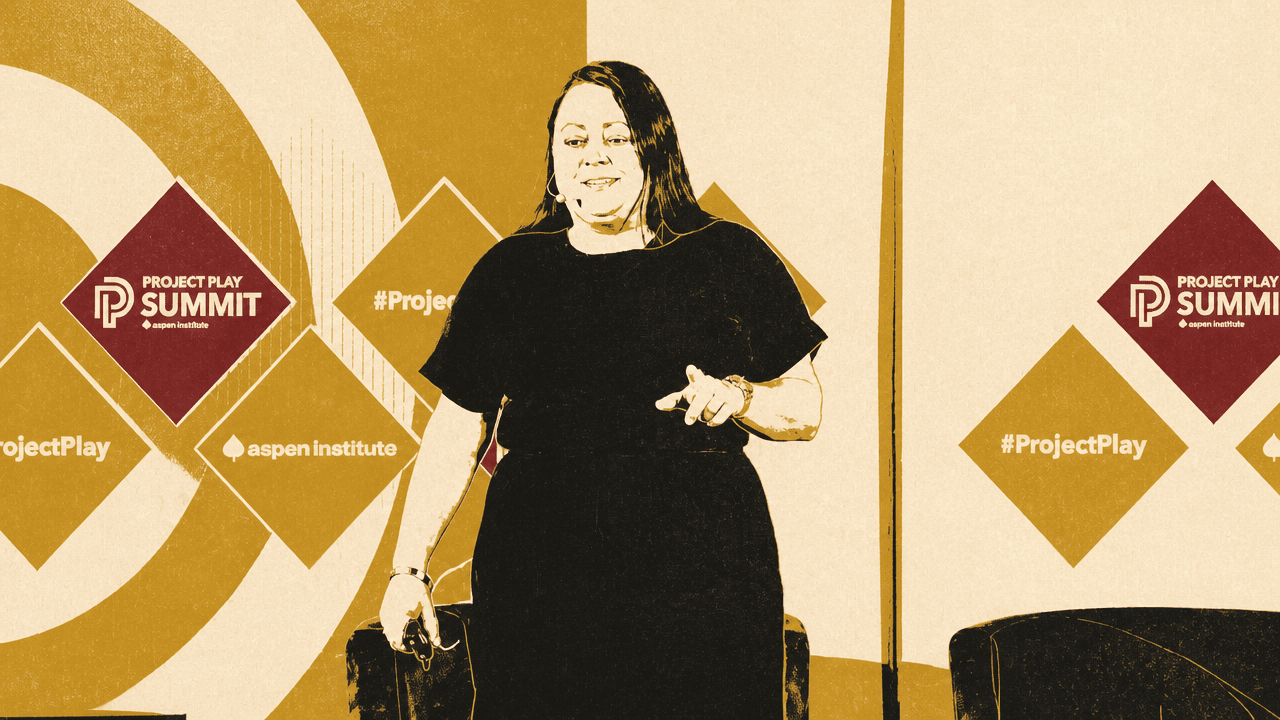
Kari Pardoe argues that the path to expanding youth sports participation runs through a field many sports providers do not yet identify with: afterschool and youth development. Speaking from her work at the Ralph C. Wilson, Jr. Foundation in Southeast Michigan and Western New York, Pardoe frames the issue as practical rather than semantic. If the goal is to move youth sports participation from 58% to 63% by 2030, the strategy cannot only be to retain children already in sports. It has to find additional venues where young people already are, or where families want them to be.

Afterschool is one of those venues. Pardoe cites the America After 3PM survey from the Afterschool Alliance, describing it as the largest household survey conducted every five years on the subject. According to the survey, parents of nearly 30 million children want afterschool programs, while 22.6 million children are actively engaged in programs. For Pardoe, that gap is not just an afterschool capacity problem. It is an opening for sports providers that want to reach children who are not already in organized sports.
The equity argument is central. Pardoe notes that children in high-income families are approximately twice as likely to participate in organized sports as children in low-income families. If youth sports remains primarily a separate market of teams, leagues, fees, and transportation demands, the gap is likely to persist. Afterschool programs, by contrast, are already built as youth-serving systems and often operate in the hours when sports programming also takes place.
The problem, as Pardoe presents it, is that the two sectors are not organized to see each other clearly. A slide shown during the talk states the issue directly: “Although sports often takes place afterschool, youth sports providers do not see themselves as afterschool providers, thus are missing out on opportunities for better coordination and funding.”
That distinction matters because Pardoe does not describe youth sports merely as recreation. “Most youth sports programs are youth development,” she says. If sports providers accept that identity, they can begin to use the infrastructure afterschool leaders have already built.
The afterschool field already has systems sports providers could use
Pardoe points to statewide afterschool networks in all 50 states as a ready-made structure for policy work, partnership development, quality improvement, systems building, and training. Her claim is not that sports providers need to become traditional afterschool programs in every respect. It is that they could benefit from the professional development and funding systems the afterschool field has spent years creating.
That includes training tied to youth development and coaching. Pardoe connects those opportunities to the “eight plays” the audience is working to address, saying the professional development available through afterschool systems can directly relate to coach training. The implication is that the youth sports field does not need to build every support system from scratch if it recognizes the overlap between coaching, youth development, and afterschool practice.
The benefit runs both ways. Afterschool programs already give children time to play and have fun, but Pardoe says many do not necessarily know the best way to integrate sports. Sports providers have expertise afterschool programs can use: how to introduce children to multiple sports, how to structure play, and how to use sports sampling so children can discover what they enjoy and might continue.
That is the operational version of Pardoe’s argument. Afterschool programs can provide access, setting, and youth-development infrastructure. Sports organizations can provide sport-specific knowledge and programming. The missing piece is coordination.
A slide from Project Play Southeast Michigan, the Michigan Afterschool Partnership, and 63x30 reduces the proposed solution to one sentence: “Let’s get these sectors TALKING!” Pardoe treats that as the first phase, not the full answer. Before funding, policy, or program design can align, the fields have to recognize themselves as working on the same youth development problem.
Southeast Michigan is being used as a test case for changing practice
In Southeast Michigan, Pardoe says the work has begun with “changing hearts and minds” through communications and storytelling. The Michigan Afterschool Partnership, one of the statewide afterschool networks, recently hosted an event with afterschool programs that heavily focus on youth sports. The event was meant to lift up those programs as examples, educate champions and policymakers, and connect the work with Project Play Southeast Michigan.
The next step is more deliberate convening. Pardoe says that within six months, Project Play Southeast Michigan, the Michigan Afterschool Partnership, the Fun Play Foundation, and the Afterschool Alliance plan to host a summit in Southeast Michigan bringing together afterschool and youth sports programs. The agenda will focus on partnerships, collaboration, policy, and strategy. Pardoe’s emphasis is simple: “First we’ve got to get everyone in the room.”
The same partners are also planning a Hill briefing in Washington, D.C., in early 2027 on the importance of youth sports and afterschool. In Pardoe’s telling, the local and national work are connected. Southeast Michigan is not only a regional initiative; it is also a way to develop examples, language, and policy arguments that can travel.
Her clearest program example is PeacePlayers Detroit. Pardoe describes PeacePlayers as part of an international program working with young people ages 10 to 18, using basketball and training as the hook, but fundamentally operating as a youth development program. In Detroit and surrounding areas, she says, PeacePlayers is currently engaging 275 young people.
Initially, PeacePlayers was working inside programs about two days a week and wanted to expand to new sites. Pardoe says the foundation instead supported the organization in expanding duration and intensity at its existing sites, moving from two days a week to three or four days a week with the same students.
That change had a funding consequence. By increasing time with students, PeacePlayers became eligible to apply for state afterschool programming funding. Pardoe says the organization received its first grant of $138,000 to support and expand the work.
The example is important because it makes Pardoe’s argument concrete. The point is not only that sports and afterschool leaders should network more. It is that program design choices—such as duration, intensity, and site strategy—can determine whether a sports-based youth development organization can access public afterschool dollars.
The public funding landscape is much larger on the afterschool side
Pardoe’s funding case rests on the gap between existing afterschool investment and newer dedicated youth sports funding. A national map shown during the talk is titled “The Math” and highlights a total investment figure of $5.72 billion, with states color-coded for afterschool, youth sports, or both.
Pardoe says every state receives 21st Century Community Learning Center dollars supporting afterschool programs. Beyond that, she says 28 states plus Washington, D.C., have additional state dollars for afterschool and summer funding, totaling about $5.7 billion.
Dedicated youth sports funding is much smaller, though growing. Pardoe credits the Fun Play Foundation’s work and says that in the last year, four states plus D.C. had funding for youth sports, totaling about $22.2 million and change. She notes that both funding streams are growing, with particular expectation that the Fun Play work will continue to expand.
| Funding area | Reach described by Pardoe | Amount described |
|---|---|---|
| Afterschool and summer funding | 28 states plus Washington, D.C., in addition to federal 21st Century Community Learning Center dollars received by every state | About $5.7 billion |
| Youth sports funding | Four states plus Washington, D.C. | About $22.2 million and change |
For Pardoe, those numbers are the strongest argument for collaboration. Youth sports providers seeking to increase access are operating next to a much larger afterschool funding and policy infrastructure. Afterschool providers, meanwhile, are serving children and families who want more play, sports, and social opportunities. Treating the two fields as separate leaves participation, expertise, and money underused.
The ask is to stop treating sports as outside youth development
Pardoe’s closing instruction to sports leaders is direct: “Do not sit on the sidelines anymore.” She asks them to return to their communities, regions, and states and begin conversations with afterschool partners. The work she describes includes partnership-building, collaboration, and “changing hearts and minds” so that youth sports organizations understand themselves as youth development programs and afterschool systems understand sports as a tool for engagement and access.
She also points attendees to resources in the summit app from the national and state partners named throughout the talk, including materials for finding statewide afterschool networks, research, and tools to help organizations tell their story.
The underlying claim is that public funding for afterschool is not incidental to the youth sports access problem. It is one of the major existing systems through which access could expand—if sports providers are willing to identify as part of the youth development field and design their programs accordingly.