Brain Health Care Is Moving From Late-Stage Treatment to Early Prevention
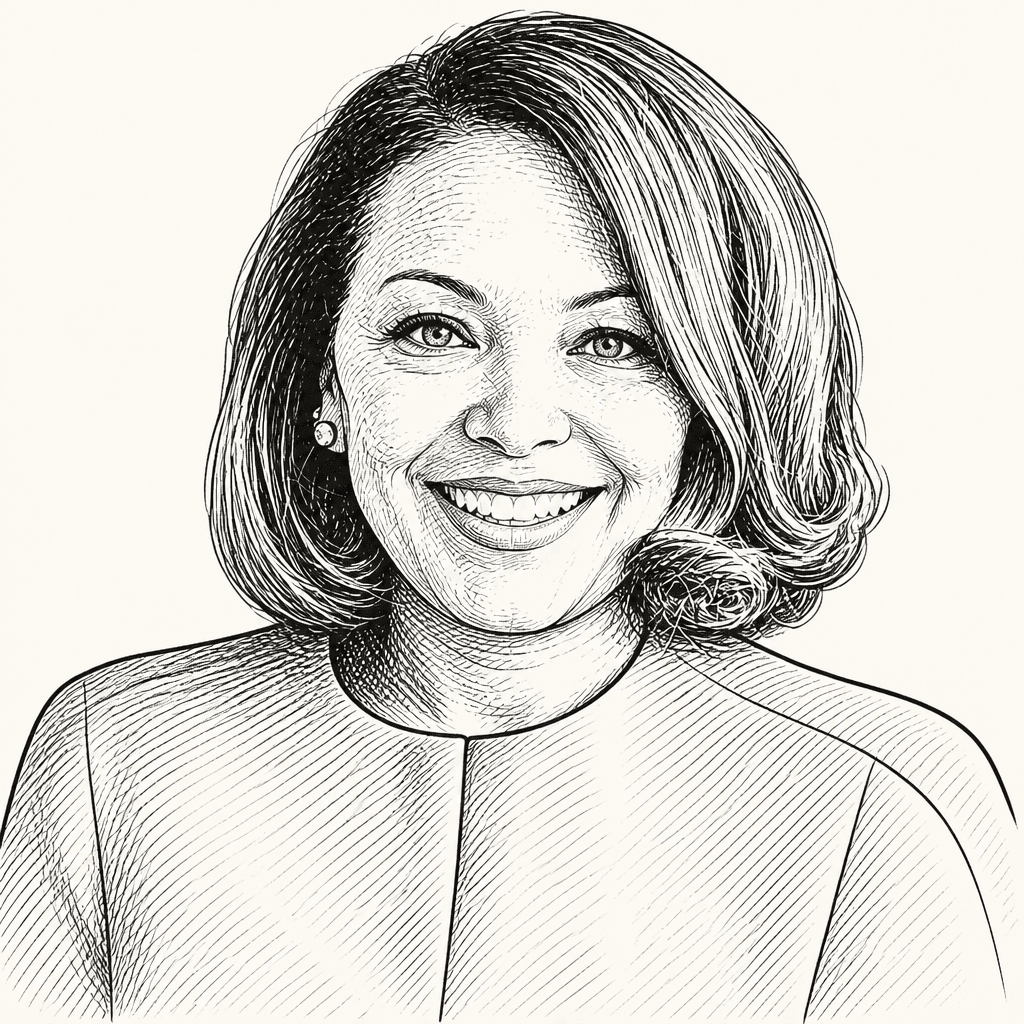 Wendy BartieJill Weiss
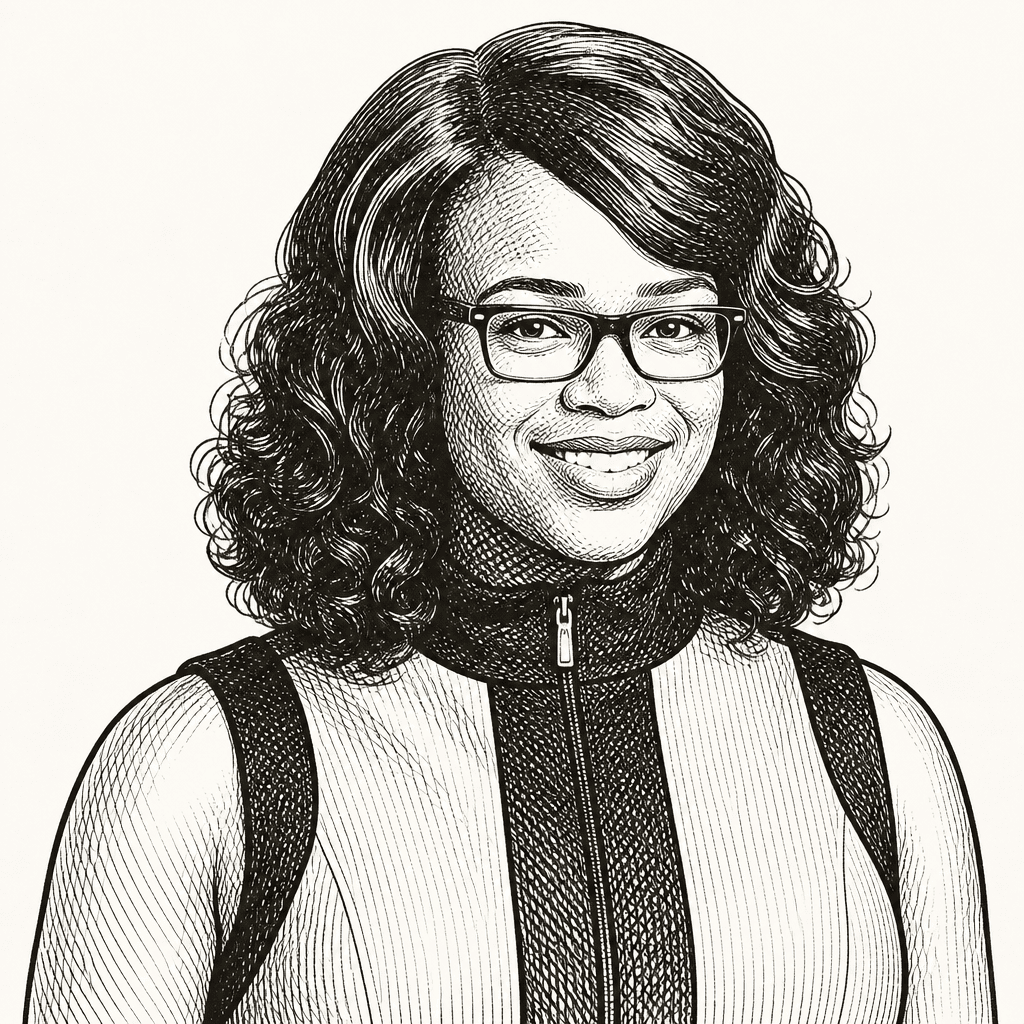 Mani Keita
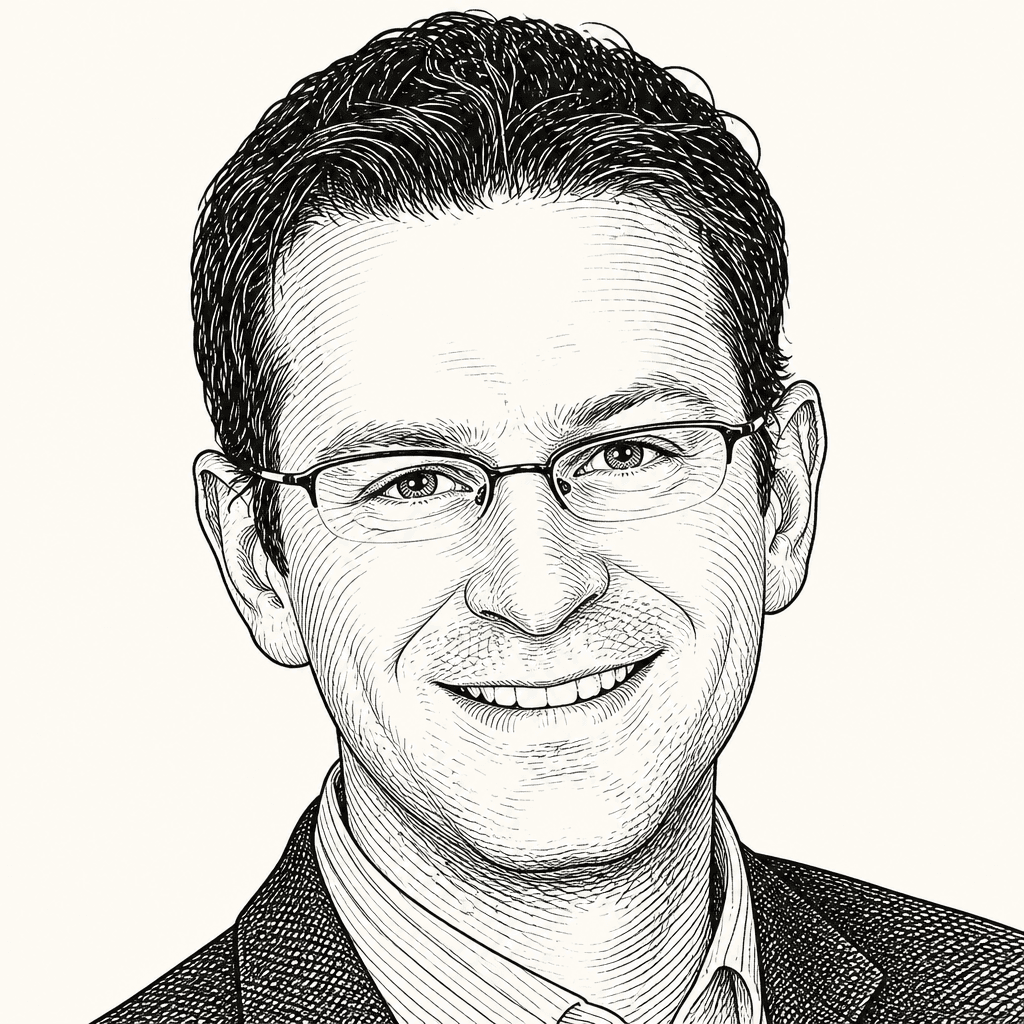 Richard IsaacsonChristina WilliamsThe Aspen InstituteWednesday, June 24, 202616 min read
At Aspen Ideas: Health, Arianna Huffington, preventive neurologist Richard Isaacson and Bristol Myers Squibb executive Wendy Bartie argued that brain health should be treated as a lifelong continuum, not a late-life dementia problem or a separate mental-health category. Their case was that earlier risk detection, specific daily interventions such as sleep, exercise and nutrition, new medicines, and less fragmented systems of care need to work together. Bartie put the access test bluntly: innovation matters only if people can actually reach it.

Brain health now spans teenagers, caregivers, workers, and late-life disease
Brain health was defined broadly: not only Alzheimer’s disease, not only late-life cognitive decline, and not only clinical mental illness, but a continuum from teenage brain fog and mental well-being through cognitive resilience and neurodegeneration.
? arianna-huffington described a cultural shift away from seeing brain disease as a “disease of despair,” where people preferred not to know their risk because they assumed nothing could be done. In her account, newer scientific data has made the field more actionable: how people eat, sleep, move, exercise, manage stress, and connect with others can materially affect brain health. She framed that as a source of optimism, especially if it makes people more willing to learn their genetic or biomarker risks because there are behavioral levers to pull.
Huffington cited Richard Isaacson’s estimate that 47% of Alzheimer’s and cognitive decline is preventable, and contrasted the trajectory of Alzheimer’s with cardiovascular disease: since 2000, she said, cardiovascular disease has declined while deaths from Alzheimer’s have risen by more than 140%.
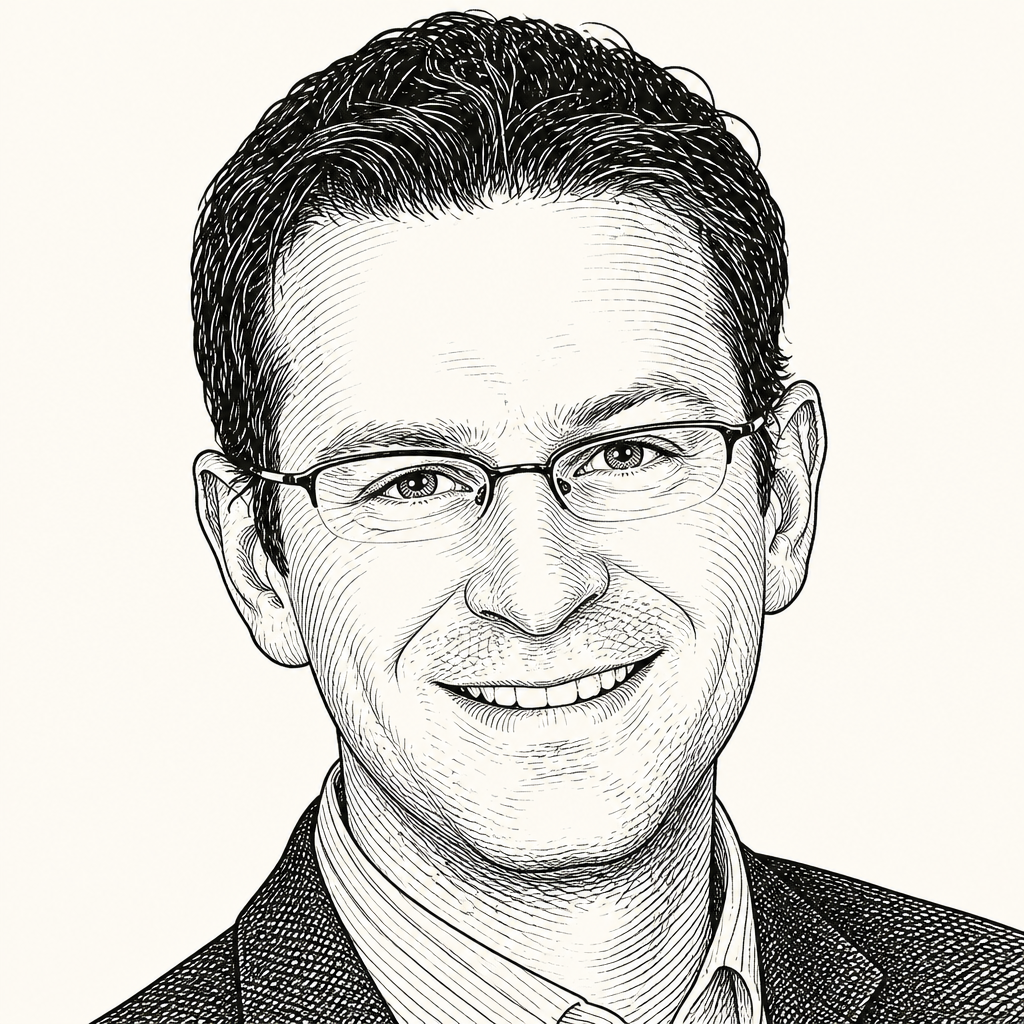
Wendy Bartie widened the frame beyond aging and dementia. She said brain health affects every generation, including teenagers experiencing sadness and isolation, young adults with identifiable mental health conditions, working-age people affected by untreated mental illness, and older adults diagnosed with Alzheimer’s.
| Measure | Figure cited | Speaker |
|---|---|---|
| Teenagers ages 13 to 17 who report being sad or isolated | 40% | Wendy Short Bartie |
| Mental health conditions identifiable by age 14 | 50% | Wendy Short Bartie |
| Mental health conditions identifiable by age 24 | 75% | Wendy Short Bartie |
| Lost workplace productivity attributed to mental health conditions | Equivalent of 12 billion days each year | Wendy Short Bartie |
| Global Alzheimer’s diagnosis frequency | Every three seconds | Wendy Short Bartie |
| Alzheimer’s and cognitive decline described as preventable | 47% | Arianna Huffington, citing Richard Isaacson |
For Bartie, those figures make brain health more than a scientific or business issue. It is, she said, a “human imperative” because it affects families, communities, and every generation. Her proposed response was deliberately combined: scientific innovation, evidence-based behavioral modification, and systemic changes that expand access to care.
Exercise is Isaacson’s first prescription for changing brain risk
Richard Isaacson put exercise at the center of prevention. His shorthand was blunt: “as your belly size gets larger, the memory center in the brain gets smaller.” He connected body composition, metabolic health, amyloid accumulation, and memory, arguing that people can act on brain risk before symptoms appear.
Isaacson described amyloid as a “sticky protein” associated with Alzheimer’s disease and related conditions. Anti-amyloid drugs exist, he said, but exercise can also affect amyloid biology. He said his group has shown in mice and humans that exercise can “reduce and loosen up” amyloid, or at least slow its accumulation. The practical implication was not simply “move more,” but match the exercise plan to the person’s measurable risks.
Walking for 15 minutes, he said, is useful physical activity, but not necessarily the same as exercise prescribed for a specific brain-health goal. For someone with excess belly fat, the relevant intervention may be 45 to 60 minutes of fast walking, possibly in a fasted state in the morning, to burn through glucose and enter what he called “fat burning mode.” For others, strength training may be central because, in Isaacson’s account, muscle mass increases metabolic rate and supports long-term body and brain health.
His repeated instruction was to “know your numbers”: body fat, muscle mass, bone density, and other measures that make a plan specific. He used his own osteopenia as an example of why even clinicians and men should not assume they are outside the need for screening.
That emphasis on measurement was also tied to reducing fear. ? arianna-huffington pointed to emerging tools such as p-tau blood tests that can give people a sense of Alzheimer’s risk, arguing that people may be more willing to know their status if they believe there are modifiable factors they can act on.
Isaacson’s version of prevention is not generic self-improvement. It is risk-stratified behavior change: if belly fat is the problem, treat belly fat; if muscle is inadequate, train muscle; if bone density is low, identify it and act.
Food advice becomes useful only when it becomes specific
Richard Isaacson said that decades ago, linking food and brain health was treated almost as heresy. Now, he argued, “you are what you eat when it comes to brain health.” His first dietary rule was intentionally simple: the “ELF diet,” meaning “eat less food.” Americans eat too much, he said, with portion sizes that can surprise people from other countries.
But he did not reduce brain nutrition to calorie restriction. He pointed to the Mediterranean-style diet as a strong brain-health pattern, along with mostly plant-based eating and Blue Zone-style dietary patterns. He distinguished dietary patterns from specific nutrients and argued that precision nutrition is where the field is heading: some people, depending on genes and biomarkers, may benefit more from particular interventions than others.
His examples included omega-3 fatty acids, available from algae or fatty fish, and B-complex vitamins in people with elevated homocysteine. Homocysteine, he noted, is measured with a blood test. He described a study showing that people with elevated homocysteine who took B-complex vitamins and had adequate blood levels of omega-3 fatty acids slowed brain shrinkage over time and sustained memory.
The point was not that everyone should take the same supplements. It was the opposite: “maybe not everyone needs to take B vitamins and not everyone needs to take omega-3s,” but some people may. In Isaacson’s framing, the future is a targeted recommendation — “you should eat this, not that” — based on a person’s biology.
? arianna-huffington pushed the practical side of the same problem. Telling people to follow a Mediterranean diet often fails because people do not know what that means in daily life. Her answer was to make changes concrete and small enough to start: recipes, anti-inflammatory foods, and what Thrive calls “microsteps,” rather than generic instructions that leave people overwhelmed.
Medication and behavior are not competing theories of care
A recurring tension was the old binary between drugs and lifestyle. ? arianna-huffington said the culture has often treated prevention and treatment as separate: either one uses drugs, or one relies on behaviors; either disease is prevented, or once disease happens, little remains to be done. She argued that this binary is breaking down and that “there is absolutely no drug that is not enhanced with behaviors.”
Wendy Bartie described how Bristol Myers Squibb’s patient education efforts try to incorporate sleep, diet, exercise, stress reduction, and human connection into treatment plans. She quoted Huffington’s formulation back to her: evidence-based behavioral modification coupled with scientific innovation is more powerful than either alone.
The clearest systems proposal came when Bartie described clinical trial design. The standard phase three model compares an innovative medicine with the standard of care, looking for improvement in efficacy and safety. Bartie asked what would happen if a third arm were added: patients receiving the innovative medication plus lifestyle modification — adequate sleep, social connection, stress reduction, brain-supportive food, and exercise.
She said she would expect those patients to do better than patients receiving pharmacological intervention alone. The broader implication was that brain health cannot be treated as disconnected parts: medicine over here, sleep over there, stress somewhere else, access elsewhere. Bartie described the current system as fragmented, with “the left hand” not working with “the right hand,” and argued for a connected ecosystem.
Huffington paused on the significance of the claim. It may sound like common sense, she said, but it is “revolutionary” to hear a pharmaceutical executive talk about daily behaviors enhancing a drug. For her, that signals a cultural shift in which daily behaviors can be elevated to medical interventions and incorporated into health care rather than left outside it.
Preventive neurology moves the intervention window decades earlier
Richard Isaacson described “preventive neurology” as an attempt to get ahead of neurodegenerative disease rather than waiting for memory symptoms.
Preventive neurology is trying to basically get ahead of things.
Alzheimer’s and related diseases, he said, begin in the body and brain decades before the first signs of memory loss or other symptoms. That long preclinical period creates time for risk identification and brain-healthy choices.
The goal, in Isaacson’s account, is to understand a person’s risk factors for cognitive decline and “get that person off the road to Alzheimer’s disease.” He emphasized that people may take different roads to Alzheimer’s, which complicates both research and treatment. A single cure-all drug is unlikely to fit that reality; different people may need different prevention or treatment plans.
Women’s brain health was his central example. Isaacson said two out of every three brains affected by Alzheimer’s disease are women’s brains. He argued that prevention for women needs to start early, particularly around perimenopause, when estrogen drops rapidly. In his studies, he said, amyloid begins to rise during that transition.
Isaacson was sharply critical of the black box warning around hormone replacement therapy, calling it one of the worst things he could recall in medicine for women in the United States. He argued that the studies behind the warning involved hormones derived from horse urine and, in his view, missed the distinction with bioidentical hormones. The clinical example he offered was explicitly his prevention framing: a woman in perimenopause, with falling estrogen and one or more copies of the APOE4 variant, may be a candidate for early intervention intended to reduce Alzheimer’s risk.
Wendy Bartie added that women are affected at higher rates by Alzheimer’s and also carry a large share of caregiving. At the same time, she said, women hold more economic power than before. The combination — higher disease burden, higher caregiving burden, and greater economic centrality — makes women’s brain health a generational issue, not a narrow clinical concern.
Isaacson also described the payment problem. In the Alzheimer’s Prevention Clinic, he said, the clinic received 27 cents on the dollar for every dollar billed to insurance. His conclusion was that the United States has a “sick care system, not a healthcare system,” and that preventive neurology requires shifting the landscape earlier, identifying high-risk populations sooner, and paying for interventions before disease is advanced.
Workplace brain health becomes part of patient care
Wendy Bartie said Bristol Myers Squibb defines brain health broadly, from mental well-being to cognitive resilience to prevention of neurodegeneration. That continuum was part of the reason the company launched a Thrive brain-health program for its 34,000 employees, whose ages, according to ? arianna-huffington, range from 18 to over 80.
Bartie’s explanation centered on caregiving and emotional load inside the workforce. She described Bristol Myers Squibb’s annual Patient Week, when employees pause regular work to hear from patients and reconnect with the purpose of serving people with serious disease. In one session, she interviewed a colleague who had adopted a child they knew was HIV-positive. HIV became manageable; schizophrenia became the central, long-term challenge for the family.
Looking into the audience during that interview, Bartie said she saw employees carrying the same despair, burden, and weight of caregiving. That changed the frame from looking “through the window” at patients to looking “in the mirror” at colleagues. If employees are expected to serve people with serious disease, she argued, the company has to equip them to show up well themselves.
She listed internal policies meant to create that space: two “quiet weeks” each year, when meetings are canceled and employees focus on higher-level work requiring deeper thought; a vacation policy that lets people take time when they need it without questions; and a $1,000 annual stipend for mental health, defined individually. For Bartie, that might mean a spa; for someone else, exercise or another form of support.
The Thrive partnership, as she described it, encourages sleep, exercise, eating well, connection, and daily microsteps. The business rationale was not separate from the human one. If 34,000 employees are doing well, she argued, they are better positioned to affect patients with serious disease.
Sleep is the nightly waste-removal system Isaacson says prevention cannot ignore
? arianna-huffington called sleep the neglected modifiable factor in brain health, noting that a recent JAMA-published POINTER study did not mention it. Her claim was both biological and practical: billions of dollars have gone into amyloid drugs, but sleep, she said, is the “best, fastest, simplest” way to clear amyloid toxic proteins from the brain.
Richard Isaacson supported the mechanism with his own formulation. Exercise may loosen amyloid plaque, and diet and other behaviors may slow its accumulation, he said, but if someone is not sleeping, “the trash ain’t going to be taken out at night.” He said he had been wrong earlier in his career to normalize burning the candle at both ends. Medical training and on-call culture may encourage that, but he now sees it as harmful for brain health.
He also linked stress, rumination, and constant worrying to brain aging. His sleep advice was procedural rather than abstract: track sleep if tracking helps rather than worsens anxiety; make a plan for sleep; prioritize it; create a wind-down period; avoid phones and bright light before bed; go to sleep and wake around consistent times; and use rituals that help. He described his own 9:30 p.m. alarm to walk the dog and start the bedtime sequence.
Huffington’s strongest practical rule was charging phones outside the bedroom. The ritual matters, especially for children: the phone does not sleep with you, and if parents follow the same rule, it is not punishment but hygiene.
Her broader point was that behavior change often starts with something so small it does not trigger resistance. If meditation feels like a 20-minute burden, a 60-second reset may be possible. She said the latest neuroscience shows it takes 60 seconds of conscious breathing, gratitude- or joy-based imagery, or music to move from the sympathetic to the parasympathetic nervous system.
Access has to reach people where they already show up
Wendy Bartie described a mental health “treatment desert” in the United States: people may know they need care and still have nowhere realistic to go. Her answer was public-private partnership and systems that bring care to people rather than assuming people can navigate to it.
Her example was indirect but revealing. A nephew studying mental health at the University of Chicago expected to work in a conventional mental health setting, but was assigned to an animal hospital. He was initially upset. Then, week after week, he encountered people arriving with sick pets who were also dealing with domestic violence, isolation, loneliness, grief, and the need for someone to talk to. Bartie used the story to argue that access points for care may not look like traditional clinics. People need support where they already show up.
She pointed to Bristol Myers Squibb Foundation’s Activate Brain program, which deploys mental health workers into rural America where people may not be within reasonable distance of a physician or mental health provider. She also cited telemedicine as a way to expand access when face-to-face care is not available. The work, she said, is not limited to the United States; the foundation is also working in Africa and Brazil, focusing on places with high need and low access.
Her health-equity formulation was direct: “Where you live should not determine if you live.” It also should not determine whether someone can get care. Bartie connected access with stigma reduction, arguing that people should seek care for brain-health conditions as they would for high blood pressure, diabetes, or high cholesterol.
Brain health is health.
The next innovation frontier is democratization, not only new molecules
Richard Isaacson acknowledged that neuroscience R&D is expensive and difficult, and that some companies have abandoned it because of the cost. He also said the underlying diseases remain poorly understood. In Alzheimer’s, he said, he is not certain he knows what causes the disease, and different people may arrive there through different paths.
That complexity led him back to personalization and access. He did not dismiss drugs, but he argued against the idea of a “magic drug” separated from behavior. The principle he used was synergy: drug plus behavior; software plus access to a licensed health care provider through telemedicine; “one plus one equals three.”
His own research priority is software that expands access to preventive neurology. In the Alzheimer’s Prevention Clinic he founded, the waiting list was four and a half years when he left five years ago. In response, his group put clinic processes into free NIH-funded software: patient questions, cognitive assessments, tracking, and six-month follow-up. He identified the platform as retainyourbrain.com and said a randomized controlled trial paper was under review.
He also described at-home testing as a promising direction. Mobile phlebotomy and conventional blood draws exist, but they create friction. His lab has worked on a 10-drop blood approach — he joked that it is “not Theranos” because it is 10 drops, not one — to measure roughly 80, 90, or almost 100 brain proteins using newer technology. The underlying goal is to bring down cost, lower barriers, and make testing easier to complete.
? arianna-huffington added another category of intervention: cognitive training. She described using BrainHQ daily as an alternative to a crossword puzzle, with difficulty increasing as performance improves. Isaacson said many people do not realize there are 20-year data showing brain-training games associated with better health outcomes two decades later. He framed such tools as real behavioral interventions, not entertainment detached from health.
New drugs matter only if people can actually get them
Wendy Bartie said neuroscience has less biomarker maturity than oncology, where she spent 18 years before leading corporate affairs. In oncology, she said, biomarkers have helped the field understand cancer more clearly, though unmet need remains. The brain is harder.
She said Bristol Myers Squibb has developed the first novel treatment for schizophrenia in 30 years, while emphasizing that more remains to be done. She also described development work in Alzheimer’s disease, including medicines aimed not only at symptoms but also the underlying disease; medications for agitation associated with autism; drugs for bipolar 1 disease; and an early-stage asset for ALS, or Lou Gehrig’s disease.
Her formulation of the company’s posture was that Bristol Myers Squibb does “the hard things because disease is hard.” She acknowledged that the company is sometimes successful and often not, but said the work continues because clinical trials and development decisions involve people whose lives researchers are trying to save.
Access remained the limiting principle.
Innovation without access is just interesting.
The point of the work, in Bartie’s view, is not only to create new therapies but to ensure that people can get them.
Bartie closed that answer with a non-pharmacologic recommendation: practice joy and gratitude every day. She framed it not as a substitute for science but as a daily practice that can improve mental well-being and, ultimately, brain health.
The harder daily problem is deciding what to do, and what to ignore
Once brain health is framed as modifiable, people face a crowded field of supplements, products, practices, and “healthy” claims. The audience questions pressed on that burden.
Jill Weiss asked about creatine. Isaacson said he has been pro-creatine for about 20 years for potential muscle building, though he was careful about the strength of evidence. On brain health, he said he is “not a no” and more of a yes, and that he takes creatine every day. But he was not convinced it helps brain health, and one study using a very large dose in symptomatic people was not enough to change his practice. More research is needed.
For broader brain-health claims, Isaacson’s rule was evidence plus judgment plus restraint. Prevention rarely offers the kind of phase three trial medicine often wants; a 20-year comparison of Mediterranean-style diet, Blue Zone diet, and other dietary patterns is unlikely. People still have to make decisions. Isaacson said he weighs prospective randomized data, retrospective population studies, clinical judgment, and the oath to “do no harm.” If the goal is to reduce risk for a disease someone may never get, and an intervention has a meaningful chance of causing harm, he is unlikely to recommend it. Huffington endorsed the same principle: if there is evidence of harm, avoid it; if something may help and appears not to hurt, it may be reasonable.
Mani Keita raised the problem of decision fatigue. As a population health researcher and mother of a toddler, she said postpartum brain health made the issue concrete for her: brain fog was high, brain health felt low, and accessible maternal mental health support helped. But the expanding list of brain-health “to-dos” can itself become burdensome.

Bartie answered with social realism. People need to be able to say where they are, and people around them need to say they have been there too. No one operates at 100% in every part of life every day. Her practical answer was community, shared coping mechanisms, realistic expectations, systems of care, and education that those systems exist.
Huffington translated the same problem into behavior design. Break changes into “microsteps” that are “too small to fail.” If 45 minutes of strength training is too much, do five minutes. If cardio is hard to start, pair it with watching a show. She called this habit stacking: put something hard on top of something already desired. For food, she recommended swaps rather than total reinvention — replacing a habit with a less harmful alternative rather than demanding an immediate leap into a perfect diet.
Christina Williams asked about social prescribing, community engagement, creative arts, nature engagement, and longer-term illnesses such as dementia and Alzheimer’s. Isaacson said that was not his exact area of expertise, but agreed that care needs to meet people where they are, bring therapeutic options into communities, and communicate them in understandable ways. In Alzheimer’s and dementia, he said, the field is still behind, though he sees progress.