Brain Health Moves From Late-Life Treatment to Preventive System Design
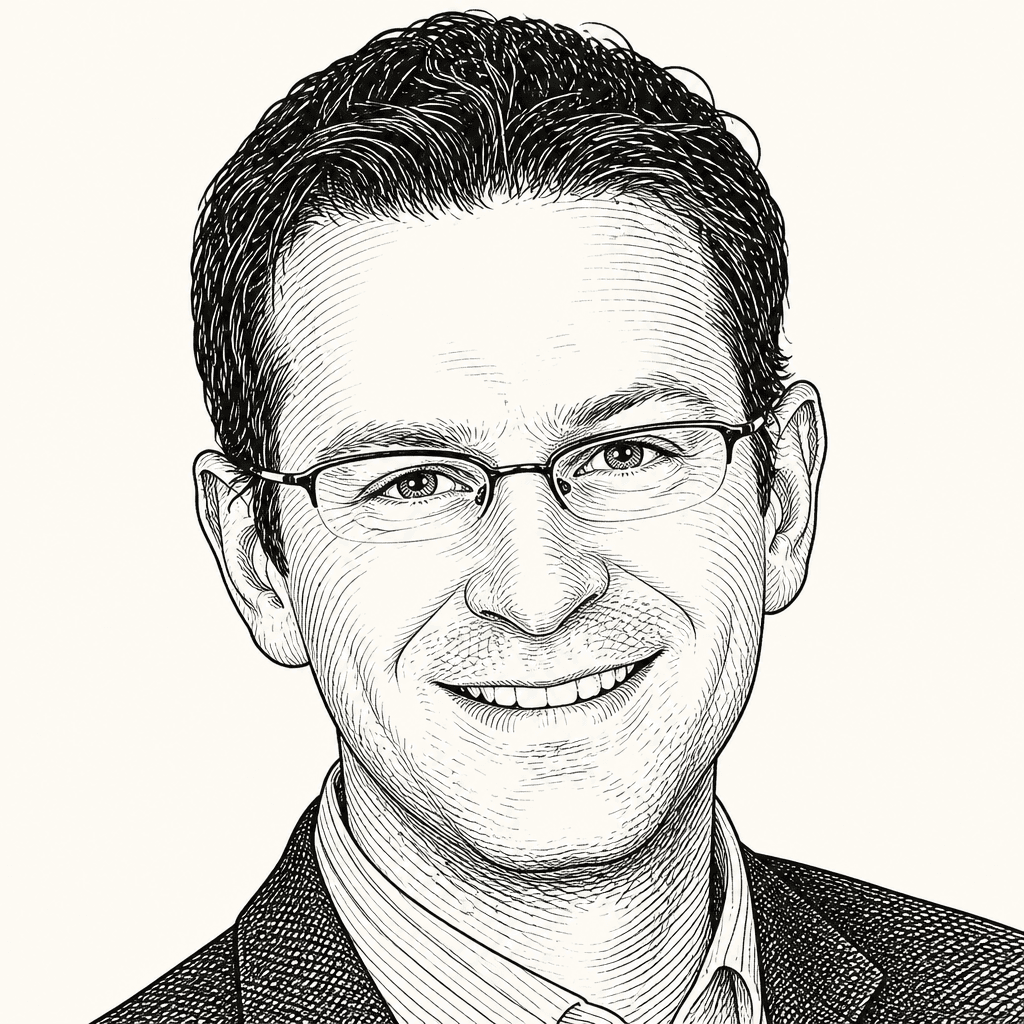 Richard Isaacson
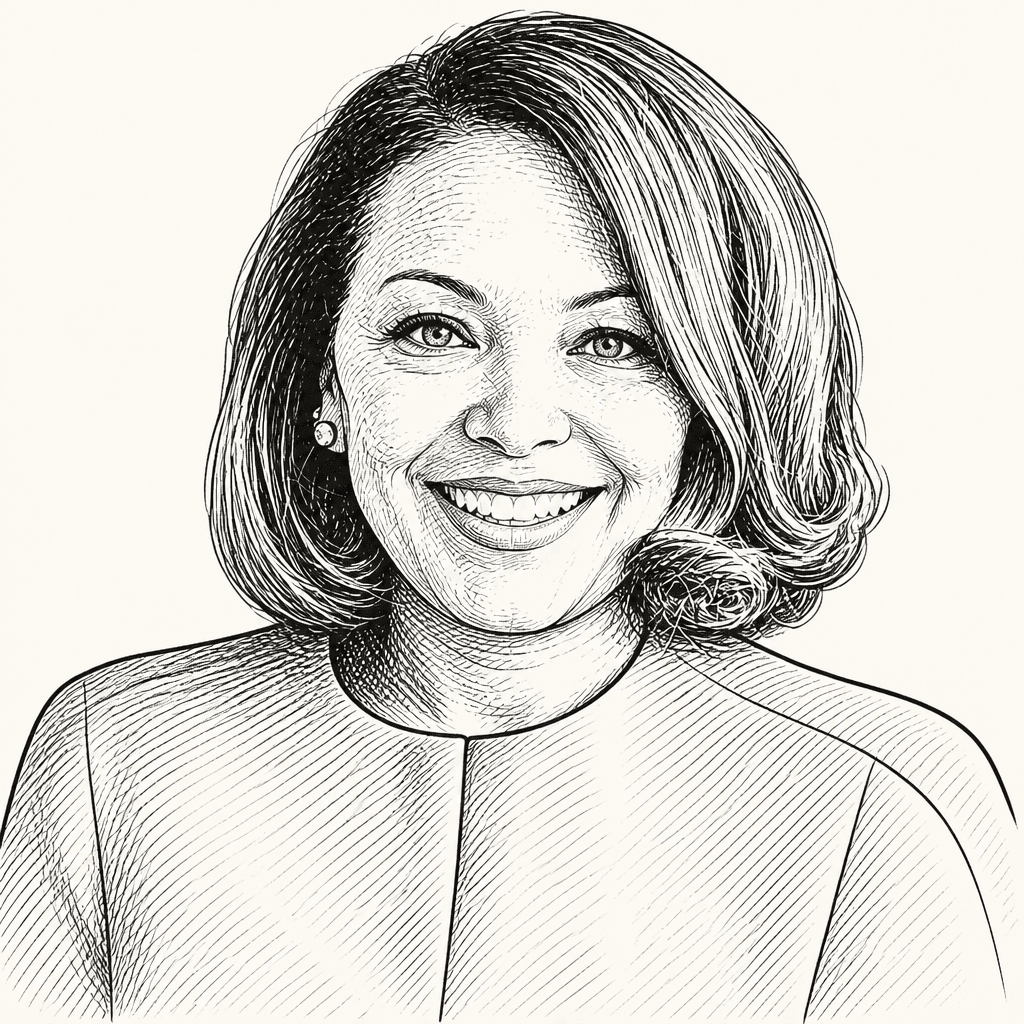 Wendy BartieThe Aspen InstituteTuesday, June 30, 202619 min read
Arianna Huffington, Bristol Myers Squibb’s Wendy Bartie, and neurologist Richard Isaacson argue that brain health should be treated as a continuum running from everyday cognition and mental health to Alzheimer’s disease, not as a set of isolated conditions. Their case is that prevention, medicines, testing, workplace design, and access to care have to be connected, because daily behaviors such as sleep, exercise, food, stress reduction, and social connection can shape risk and may strengthen medical treatment rather than compete with it.
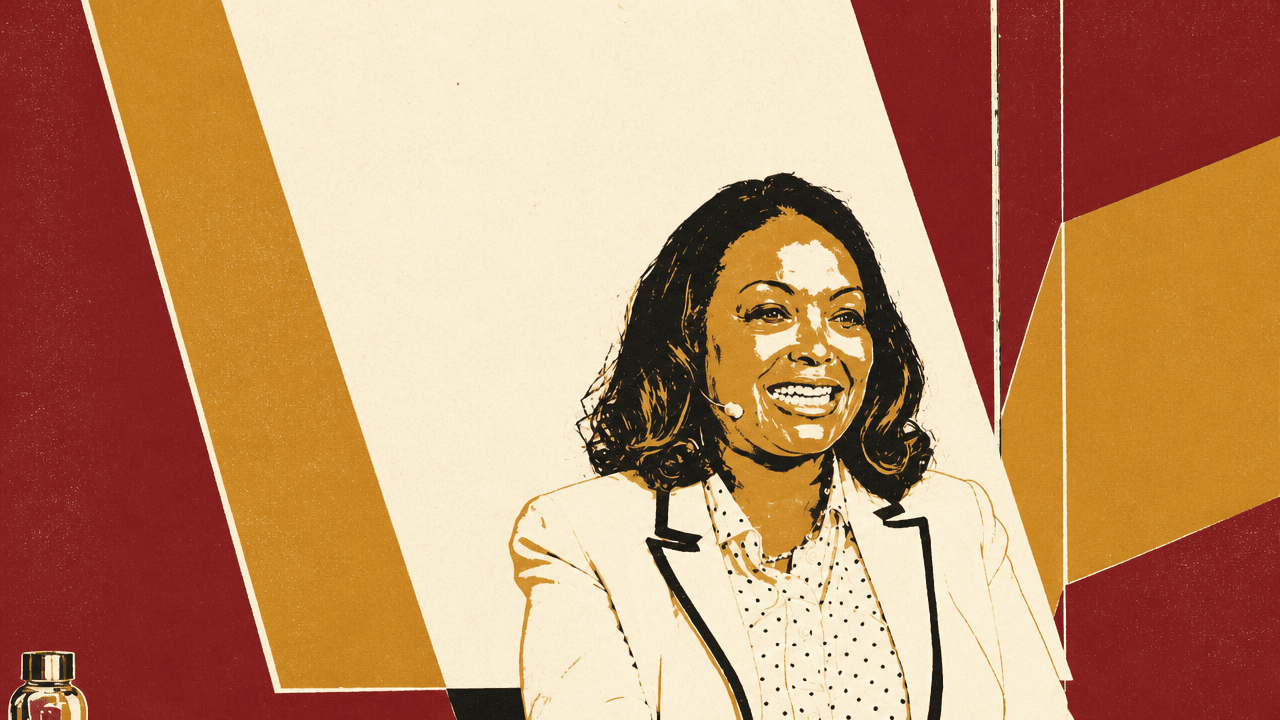
Brain health now spans prevention, disease, and system design
? arianna-huffington set the central premise: brain health is no longer only a late-life specialty problem, or a diagnosis people avoid because they assume nothing can be done. She described it as a continuum that can begin with teenage brain fog and extend through cognitive decline and neurodegenerative disease. In that frame, daily behavior belongs in the same serious conversation as genetics, biomarkers, medicines, and care delivery.
Huffington treated that shift as a source of optimism. If risk can be modified, she argued, people have less reason to avoid learning where they stand genetically or biologically. She pointed to emerging blood tests, including p-tau tests, as tools people may be more willing to use if the result is not experienced as fate. Food, sleep, movement, stress management, and social connection, in her view, are not wellness extras. They are instrumental to brain health.
She cited a line she attributed to Richard Isaacson: 47% of Alzheimer’s and cognitive decline is preventable. She also contrasted the trajectory of Alzheimer’s with cardiovascular disease, saying that since 2000 cardiovascular disease has declined while Alzheimer’s deaths have surged by more than 140%. The point was not that medicines are secondary. Huffington said the coming decade will bring more life-saving drugs. But she placed the immediate emphasis on what people can do every day.
Wendy Bartie made the scale argument. Brain health, she said, affects every generation, and its consequences already extend across schools, workplaces, families, and care systems.
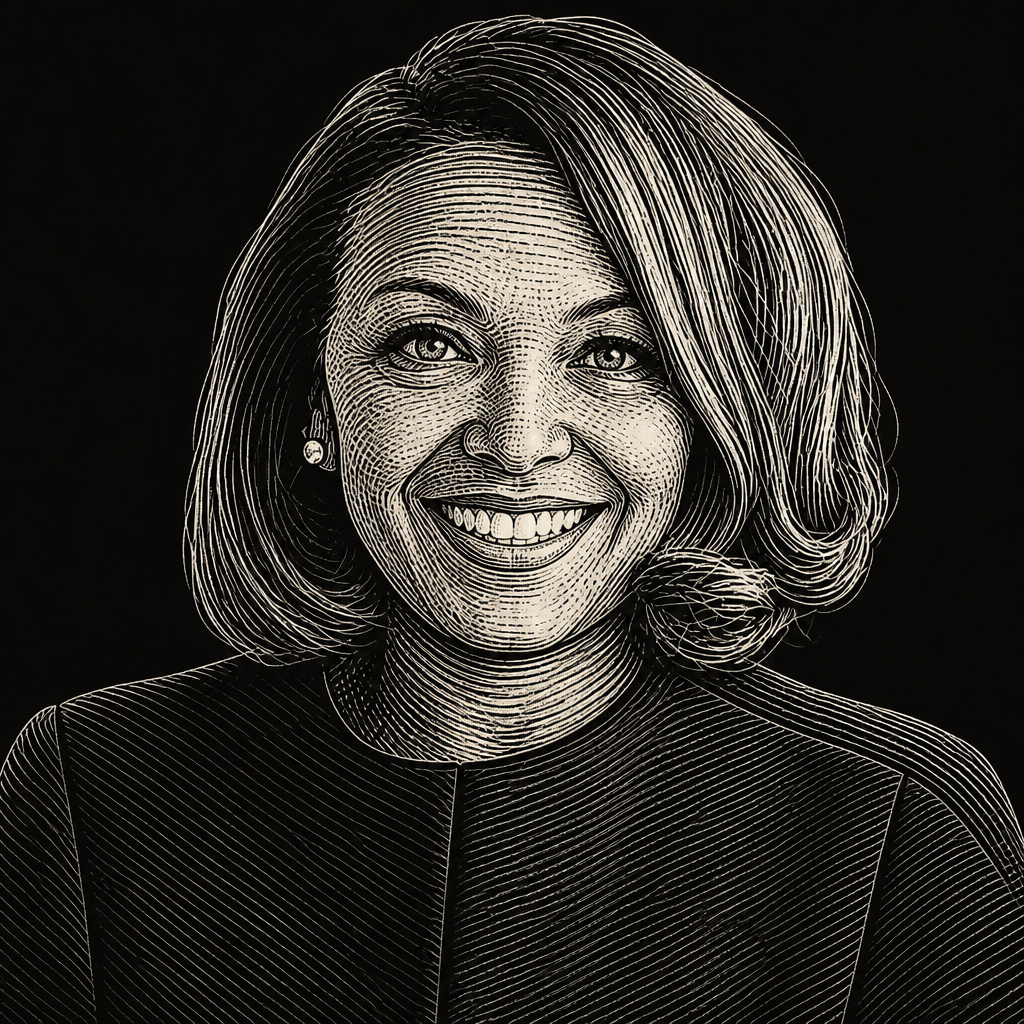
Bartie listed several figures: 40% of teenagers ages 13 to 17 report that they are sad or feel isolated; 50% of all mental health conditions are identifiable by age 14; 75% are identifiable by age 24; the workplace loses the equivalent of 12 billion days of productivity each year because people are struggling with mental health conditions; and every three seconds someone globally is diagnosed with Alzheimer’s disease. At that rate, she said, roughly 900 people would receive an Alzheimer’s diagnosis during the panel.
For Bartie, brain health cannot be treated as only a scientific issue or a business issue. She called it “a human imperative” requiring scientific innovation, evidence-based behavior change, and systemic access to care.
| Measure | Claim made by Bartie |
|---|---|
| Teen mental health | 40% of teenagers ages 13 to 17 report being sad or feeling isolated |
| Early identification | 50% of mental health conditions are identifiable by age 14 |
| Young-adult identification | 75% of mental health conditions are identifiable by age 24 |
| Workplace impact | Equivalent of 12 billion days of productivity lost each year |
| Alzheimer’s diagnoses | One person globally diagnosed every three seconds |
Exercise mattered most when it became a prescription, not a slogan
Richard Isaacson put exercise at the center of prevention, but he distinguished general activity from a targeted prescription. He repeated the formulation Huffington had introduced: as belly size gets larger, the memory center in the brain gets smaller. The point was not simply cosmetic or metabolic. Isaacson connected body composition to brain structure and to Alzheimer’s-related pathology.
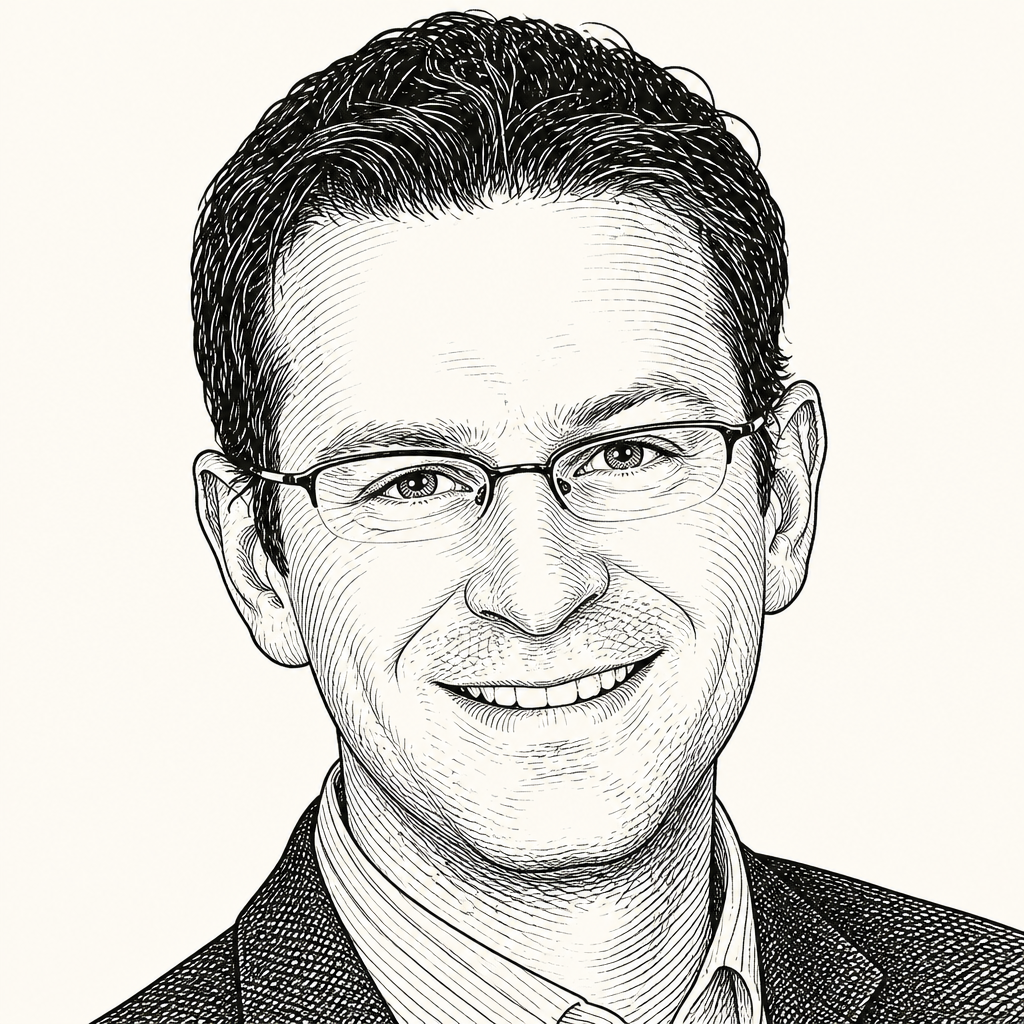
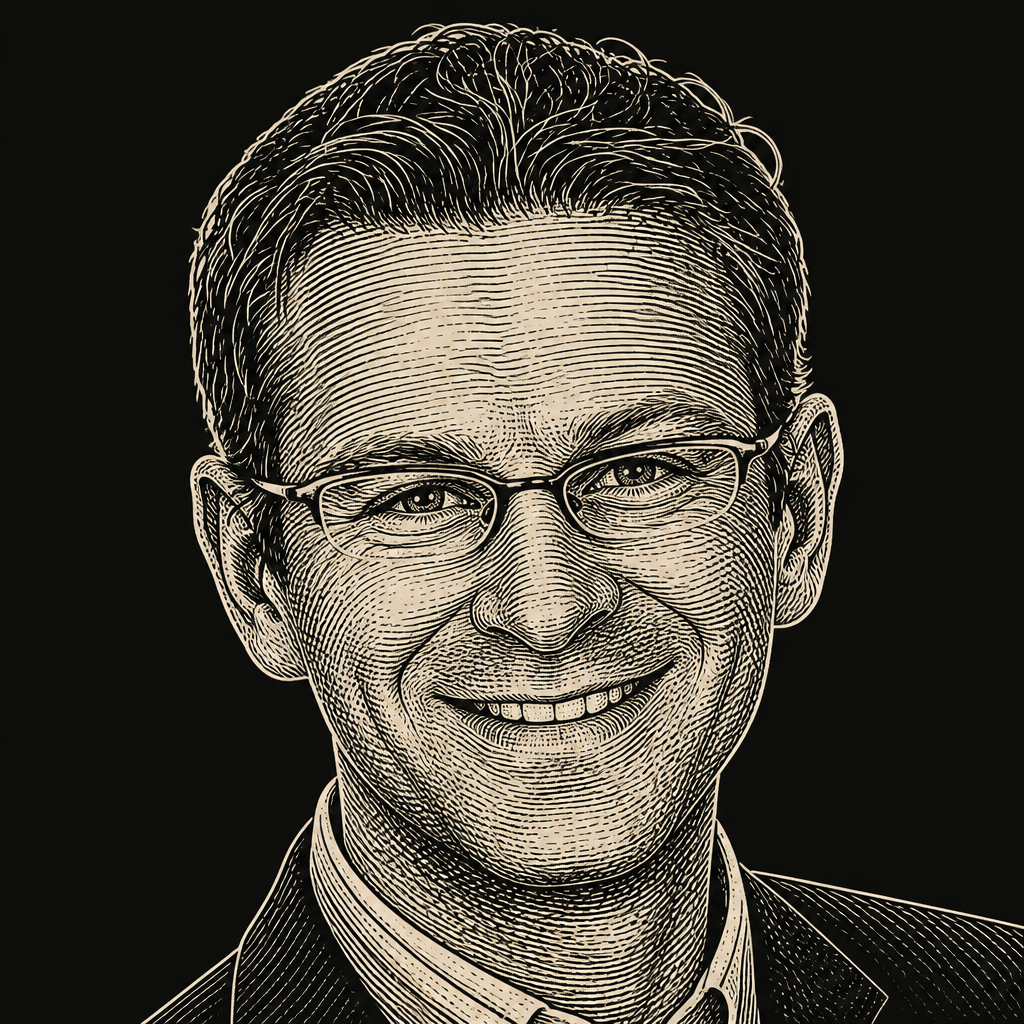
He described amyloid as a “sticky protein” associated with Alzheimer’s disease and said exercise can reduce or loosen amyloid, or at least slow its accumulation. He said this has been shown in mice and humans. That claim sat beside, not against, anti-amyloid drugs: Isaacson’s argument was that people have an immediate non-drug intervention available to them.
The specificity mattered. Isaacson said a 15-minute walk is good physical activity, but not necessarily physical exercise in the sense needed for fat loss. For someone with abdominal fat, he suggested that the relevant prescription may be 45 to 60 minutes of fast walking, possibly in the morning while fasted, to move from burning glucose into “fat burning mode.” For muscle, he emphasized regular strength training, increasing weights carefully and avoiding injury.
The broader principle was measurement. Isaacson urged people to “know your numbers”: body fat, muscle mass, and bone density. He specifically told women to check bone density, then added that men should as well, noting that he himself has osteopenia and that his case is largely genetic. His argument was that brain-health advice should be targeted to the person’s actual risks and physiology rather than delivered as a generic injunction to move more.
Huffington linked this to reduced fear around diagnosis. If people know they can modify risk through behavior, she said, they may be less afraid to undergo tests that indicate current risk. The frame was preventive rather than fatalistic: measurement should lead to action.
Food as medicine did not mean one universal diet
Richard Isaacson said that decades ago, saying “you are what you eat” in brain health felt like heresy. Now, he said, it is acceptable to talk about food as medicine. But his version of the argument was not a single branded diet. He moved between eating less, adopting brain-healthy dietary patterns, and matching nutrients to individual biology.
His first answer to “what is the brain-healthy diet?” was the “ELF diet”: eat less food. The point was simple portion awareness and intentional eating. He then pointed to the Mediterranean-style diet as an “amazing” dietary pattern and endorsed mostly plant-based and Blue Zone-style eating as healthy patterns.
He separated dietary patterns from specific nutrients. Omega-3 fatty acids, he said, are brain-healthy fats available from vegetarian sources such as algae or from fatty fish. He also discussed B-complex vitamins in the context of homocysteine, an easily measured blood marker. Isaacson described a study from roughly a decade earlier in which people with elevated homocysteine who took B-complex vitamins and had adequate omega-3 levels in the blood slowed brain shrinkage over time and sustained memory.
The conclusion was not that everyone should take the same supplements. Isaacson explicitly said not everyone needs B vitamins, omega-3s, or the same dietary changes. His view was that brain-health nutrition is moving toward precision nutrition: targeted recommendations about what a person should eat or avoid.
Huffington’s practical emphasis was implementation. Telling someone to follow a Mediterranean diet often leaves them unsure what that means, she said. She pointed instead to easy recipes, anti-inflammatory foods and drinks, and “micro-steps” that make behavior change less overwhelming. The behavioral issue, in her account, is not merely whether people accept the science. It is whether they can translate it into repeatable daily practice.
The drug-versus-lifestyle binary was the wrong frame
A major tension was the old binary between drugs and lifestyle. ? arianna-huffington said she likes working with pharma precisely because that binary is beginning to break down. Her formulation was direct: people have often believed either that disease can be prevented through behavior or that once disease occurs, behavior no longer matters. She argued that “there is absolutely no drug that is not enhanced with behaviors.”
Wendy Bartie gave the pharmaceutical version of the same claim. She described patient education at Bristol Myers Squibb as including sleep patterns, diet, exercise, stress reduction, and human connection alongside medicines. She then proposed a change to the clinical-trial paradigm. In a standard phase three trial, she said, an innovative medicine is compared with standard of care for efficacy and safety. But she asked what would happen if a third arm added lifestyle modification: adequate sleep, social connection, stress reduction, the right foods, and exercise.
Her claim here was explicitly prospective. Bartie did not say such a third-arm model had already proved superiority in the setting she described. She submitted that patients receiving both pharmacological intervention and behavioral modification would do better than those receiving pharmacological intervention alone. She treated this as where science needs to go: toward a connected ecosystem rather than a fragmented system where “the left hand isn’t working with the right hand.”
Evidence-based behavioral modification coupled with scientific innovation where necessary is far more powerful than either of the two alone.
Huffington called it culturally significant to hear a pharma executive say daily behaviors can enhance a drug. She argued that the implication is to elevate daily behaviors to medical interventions and integrate them into the health care system.
Richard Isaacson agreed forcefully. He said it “grinds my gears” that Western medicine has not embraced this. In chronic diseases associated with aging, he argued, a drug or “magic thing” is not enough if the rest of the system is neglected. People who do well, he said, “do it all.”
Preventive neurology starts before memory symptoms
Richard Isaacson used “preventive neurology” to describe an effort to get ahead of neurodegenerative disease before the first memory symptoms appear. Alzheimer’s disease and other neurodegenerative diseases, he said, begin in the body and brain decades before symptoms. That long preclinical period creates time for brain-healthy choices, medical conversations, and targeted interventions.
His practical definition was to understand a person’s risk factors for cognitive decline and then do something to get that person “off the road to Alzheimer’s disease.” That requires earlier identification of high-risk populations and a system willing to pay for prevention rather than only treatment.
Women’s brain health was his main example. Isaacson said two out of every three brains affected by Alzheimer’s disease are women’s brains. He argued that prevention has to begin early, especially during the perimenopause transition, when estrogen drops rapidly. He said his studies have shown amyloid beginning to rise during that period.
Isaacson then offered a pointed critique of the black box warning around hormone replacement therapy. In his view, the research behind that warning used hormones from horse urine and “missed the forest for the trees.” He contrasted that with bioidentical hormones. The article should not smooth that into general clinical guidance: Isaacson presented it as part of his argument for risk-targeted preventive neurology, especially for women in perimenopause who also have one or more copies of the APOE4 variant, which he described as increasing risk. In that scenario, he argued, intervention may help get that woman off the road to Alzheimer’s.
Wendy Bartie added that the gender issue is not limited to incidence. Women, she said, are affected at higher rates, carry a large burden of caregiving, and now hold more economic power than before. Those realities make women’s brain health a generational and economic issue, not merely a clinical one.
Isaacson’s prevention argument also exposed a payment problem. He said the Alzheimer’s prevention clinic received 27 cents on the dollar for every dollar billed to insurance. “We live in a sick care system, not a health care system,” he said. Prevention may be scientifically sensible, but the reimbursement system he described is not built to support it.
The workplace became a test case for brain health infrastructure
Wendy Bartie described Bristol Myers Squibb’s employee brain-health work as an extension of the same continuum: mental well-being, cognitive resilience, and prevention of neurodegeneration. ? arianna-huffington said the company had launched a Thrive Brain Health Program for its 34,000 employees, whose ages ranged from 18 to over 80. The point was to apply brain-health knowledge internally, not only to patients.
Bartie explained the decision through a caregiver story from the company’s Patient Week, an annual event in which employees step away from normal work to hear directly from patients. She interviewed a colleague who had adopted a child known to be HIV-positive. The family was able to manage the child’s HIV, but the child was later diagnosed with schizophrenia, which became the major health challenge the colleague and his wife managed for years.
While interviewing him, Bartie said, she looked into the audience and saw colleagues carrying the same burden, despair, and weight of caregiving. That produced what she called a shift from looking “through the window” to looking “in the mirror”: if the company’s work is to serve people with serious disease, its own 34,000 employees need support to show up well.
She listed several policies. Twice a year, the company holds “Quiet Week,” during which employees are supposed to cancel meetings and focus on higher-level work requiring deeper, more intentional thought. The company changed its vacation policy so people can take time off when they need it, “no questions asked.” It also provides a $1,000 annual stipend for mental health, which employees can spend in whatever way fits them.
Bartie connected those policies to the daily behaviors already under discussion: sleep, exercise, food, connection, and support for people in remote settings who can become isolated quickly. Her argument was that employee brain health is not a perk separate from the company’s mission. If 34,000 employees are doing well, she said, they can better affect people with serious disease.
Huffington added one specific behavioral intervention: a 60-second reset. She said neuroscience supports the idea that a person can move from the sympathetic to the parasympathetic nervous system in 60 seconds through conscious breathing, images that bring gratitude or joy, or music. Her practical claim was that people may resist being told to meditate for 20 minutes, but almost no one says they do not have 60 seconds.
Sleep was treated as amyloid clearance, not just recovery
? arianna-huffington called sleep the neglected modifiable risk factor. She said a recent major JAMA-published pointer study did not mention sleep, even though billions of dollars have been spent developing amyloid drugs. Her provocation was that the “best, fastest, simplest way” to clear amyloid toxic proteins from the brain is sleep.
Richard Isaacson agreed and acknowledged that his own earlier attitude toward sleep had been wrong. He described the physician mentality of burning the candle at both ends as bad for brain health. Stress is bad, he said, and rumination or constant worry is “really bad,” aging the brain in a particular way. But sleep was the factor he singled out as the one he personally had underestimated.
You loosen up the plaque by exercising on a regular basis, and you maybe slow the accumulation, the buildup of the plaque by eating well and doing the right things, but if you're not sleeping, and you're burning the candle at both ends, and you're otherwise doing everything right, the trash ain't going to be taken out at night.
For Isaacson, sleep is not optional recovery time; it is part of the process by which the brain clears waste. His advice was behavioral and environmental. He tracks his sleep, though he acknowledged tracking can make some people worry and behave worse. He prioritizes sleep, creates a wind-down period, avoids phones before bed, avoids bright light before bed because of melatonin suppression, tries to go to bed and wake at similar times, and uses an alarm that tells him to walk the dog and go to bed around 9:30.
Huffington’s most emphatic micro-step was charging the phone outside the bedroom. For families with children, she framed it as phone hygiene rather than punishment: the phone does not sleep with you.
Access problems were geographic, cultural, and hidden in plain sight
Wendy Bartie said the United States has mental health treatment deserts: many people who recognize they need care still have nowhere to go. Her solution was not only more treatment, but care delivered where people already are. She called for public-private partnerships that build systems of access.
Her example came from her nephew, who returned to school for a master’s degree in mental health at the University of Chicago. He was assigned to intern at an animal hospital and initially objected because he wanted to work more directly with mental health patients. But each week, Bartie said, he called with stories of people who came in because of sick pets and revealed deeper needs: domestic violence, isolation and loneliness, or grief over the potential loss of a pet. For Bartie, the lesson was that mental health needs appear in places that do not look like mental health settings.
She described a Bristol Myers Squibb Foundation program called Activate Brain, designed to deploy mental health workers into rural America, where people may not be able to drive to a physician or mental health provider in a reasonable area. She also pointed to telemedicine as a way to expand access when face-to-face care is not available. The foundation, she said, is doing related work in the United States, Africa, and Brazil, going where needs are high and access is lowest.
Bartie also emphasized stigma. Brain health conditions, she said, should be discussed and treated like high blood pressure, diabetes, or high cholesterol.
You should also get care for brain health conditions because brain health is health.
The access problem is therefore not only the absence of clinicians or clinics; it is also whether communities are educated, whether people know how to find care, and whether they feel permitted to seek it. Her sharpest formulation was about geography: where a person lives should not determine whether they live or whether they can get care.
Innovation meant democratizing prevention, testing, and treatment
Richard Isaacson first emphasized the difficulty of neuroscience research. He said many companies have abandoned neuroscience because of cost, while others continue because the diseases are complicated and the need is high. He also admitted uncertainty about Alzheimer’s disease: “I don’t really understand what causes Alzheimer’s disease,” he said, adding that different people may take different roads to it.
That uncertainty reinforced his precision approach. If different people reach Alzheimer’s through different pathways, each may need a different plan to get off that path. He said women may need therapies A, B, and C, while men may need X, Y, and Z.
Isaacson then turned from basic science to tools available now. His emphasis was democratizing access. The Alzheimer’s prevention clinic he helped start had a four-and-a-half-year waiting list when he left five years ago, he said. In response, his team put parts of the clinic into software: the questions he asks patients, cognitive assessments, and tracking. The free NIH-funded software, retainyourbrain.com, was tested in a randomized controlled trial over six months, he said, with a paper under review. He did not present the paper as published evidence; he described it as forthcoming if it clears review.
His model was not software replacing care. It was software plus access to a licensed health care provider through telemedicine. He compared that to the drug-plus-behavior model: the principle is synergy, where “one plus one equals three.”
He also described at-home testing as a priority. His group has worked on a technology using ten drops of blood — he explicitly joked that it is “not Theranos,” because it is ten drops, not one — to measure roughly 80, 90, or almost 100 brain proteins. Isaacson presented this as research his lab has been working on, not as a broadly available diagnostic standard. The point, again, was access and cost. It is hard to get people to complete blood draws, and easier if more can be done at home.
Wendy Bartie addressed the drug pipeline from Bristol Myers Squibb’s perspective. She noted that oncology has benefited from biomarkers and is better understood than the brain. In brain disease, she said, unmet need remains broad. She referred to what the questioner called the first novel treatment for schizophrenia in 30 years and said more remains to be done there. She also said Bristol Myers Squibb is developing innovation in Alzheimer’s disease, including not just symptom treatment but the underlying disease; medications to treat agitation associated with autism; drugs to treat bipolar 1 disease; and a very early-stage asset for ALS.
Innovation without access is just interesting.
For Bartie, scientific work that patients cannot reach does not meet the need. That principle tied the pipeline discussion back to the earlier access discussion: innovation has to include not only discovery, but distribution, affordability, stigma reduction, rural reach, and systems that connect patients to care.
Evidence standards become harder when prevention targets people who may never get sick
The practical challenge is that brain-health advice arrives in a world crowded with claims, products, obligations, and tradeoffs. Jill Weiss asked about creatine, noting that it is “all the rage right now” and asking what it does for brain health.
Richard Isaacson said he has been pro-creatine for about 20 years, but mainly for potential muscle building, not because he is convinced of its brain-health effects. From a brain-health perspective, he said, “I don’t know.” He takes creatine every day and is more of a yes than a no, but he said the evidence is not enough to change his practice. He mentioned a study in symptomatic people using a very large dose, but said more research is needed.
A broader question asked how to evaluate the many things that claim to be brain healthy. Isaacson’s answer combined evidence, clinical judgment, and risk. He joked that he uses “eeny, meeny, miny, moe,” then said he balances available science, prospective randomized data, retrospective population studies, clinical gut, and the oath to do no harm.
His prevention logic makes the harm threshold especially important. If the goal is to reduce risk for a disease a person may or may not ever get, and the intervention could cause harm in even a small percentage of people, he said he is unlikely to recommend it. Huffington extended the same principle to creatine: if there is no evidence of harm, it may help or may not help, but the absence of harm matters.
Micro-steps answered decision fatigue without denying it
Moni Keita asked the question that complicates every behavioral prescription: what happens when the list of to-dos itself increases decision fatigue? Keita, who said she leads population health research at Deloitte and is the mother of a young toddler, described her postpartum brain health as “zero” and brain fog as “a hundred.” She said she benefited from accessible maternal mental health support, and she praised structural supports because they reduce the burden of individual decision-making.
Wendy Bartie answered by lowering the fantasy of total performance. People need to become comfortable saying where they are, she said, and people around them need to say they have been there too. Sharing experiences, coping mechanisms, and hope was part of her answer.
Bartie described the common tradeoff: when someone is “killing it at work,” their child may be ordering dinner through DoorDash; when they are doing everything at home, a presentation or deliverable may suffer. “That’s called life,” she said. None of us, in her account, gets to operate at 100% in every part of life every day.
Her answer combined personal grace with systems: create access to care, educate people that systems exist, and build community around those who have already been through similar situations. It also included humor: Keita was told, as a parent, that she would not sleep for the next 18 years.
? arianna-huffington returned to micro-steps as the way to make behavior change feasible. The smallest possible action should be “too small to fail.” If someone cannot do 45 minutes of strength training, she suggested five minutes with a kettlebell while coffee is brewing. She called this habit stacking: placing something difficult on top of something already liked or already routine. She said she added cardio to watching “silly shows,” using the treadmill or bike instead of the couch.
She also described swaps rather than abstinence. Her example was a friend who loved Cheetos and was guided toward an alternative snack rather than told to jump from Cheetos to kale salad. Her conclusion was that self-judgment often stops behavior change more than lack of information.
Community and social prescribing widened the definition of care
Christina Williams pushed the discussion into social prescribing, community engagement, neuro arts, creative arts, and nature engagement. She said neuroscience is showing that creative arts and nature engagement can enhance brain health and more immediately decrease anxiety and depression. Her question was how social prescribing might help longer-term illnesses such as dementia and Alzheimer’s.
Richard Isaacson said social prescribing was not a main focus of his expertise. Still, he endorsed the principle of meeting people where they are, addressing their actual situations, bringing therapeutic options into different communities, and communicating in understandable ways. He said Alzheimer’s and dementia are behind the times, though additional funding and public discussion are helping the field make progress.
That answer connected back to Bartie’s emphasis on human connection and to her closing recommendation, which she explicitly separated from clinical trials and drug pipelines: practice joy and gratitude every day. Bartie argued that focusing on what is good, rather than only what feels bad, can improve mental well-being and ultimately brain health.
The implication for systems was concrete. Employers cannot treat brain health as a private employee resilience problem while designing work that undermines sleep, focus, and connection. Clinicians cannot treat behavior as a generic handout if prevention depends on risk, biomarkers, life stage, and feasibility. Health systems and pharmaceutical companies cannot treat innovation as complete if people in rural communities, treatment deserts, or stigmatized conditions cannot reach it. And public health cannot ask individuals to carry an expanding to-do list without building environments that reduce the decision burden.