Communities Need to Keep More of the Value Their Work Creates
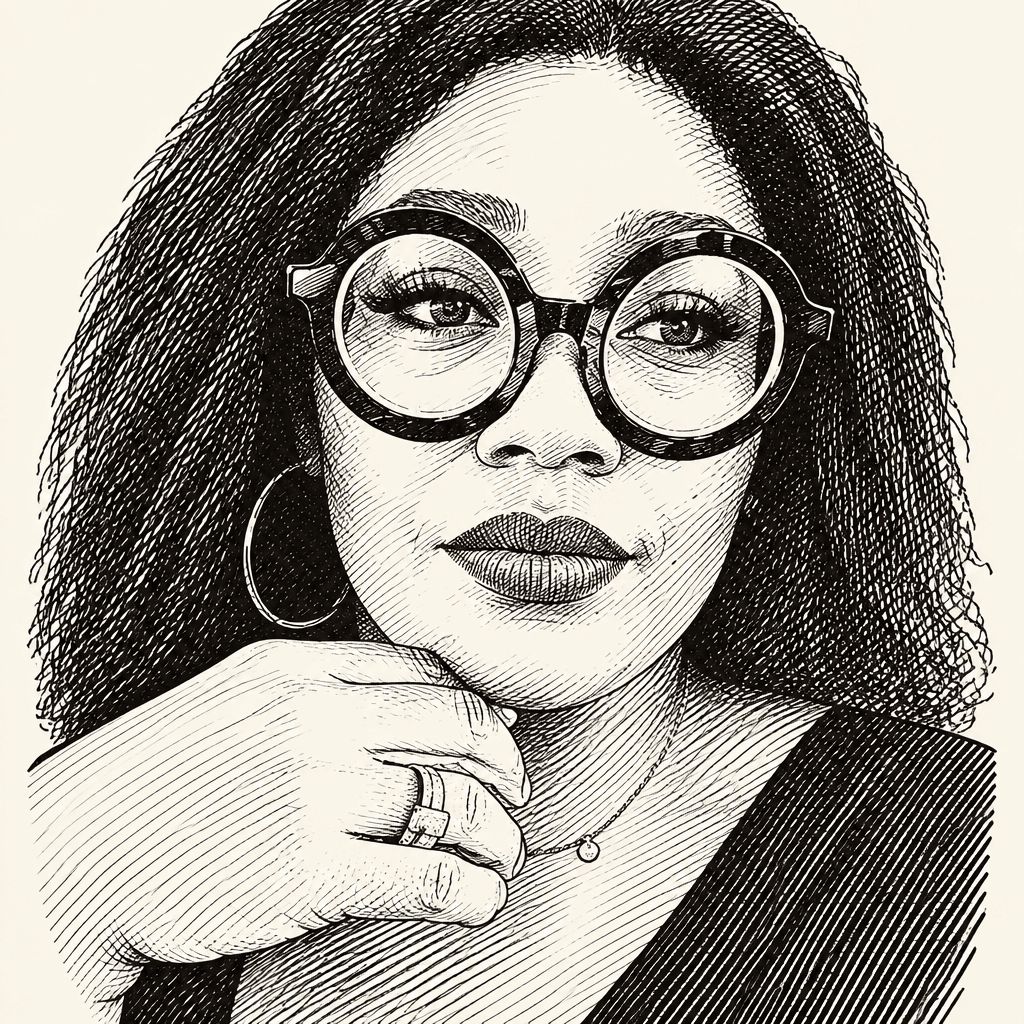
At Aspen Ideas: Economy in Tulsa, author and spoken-word artist Jerica Wortham argues that communities should measure success not by what they manage to create, but by whether the people who create it can keep any of its value. In her performance “No More Moral Victories,” she calls for budgets, paid work and lasting resources that let artists and neighborhoods sustain what they build and pass something on to the next generation.
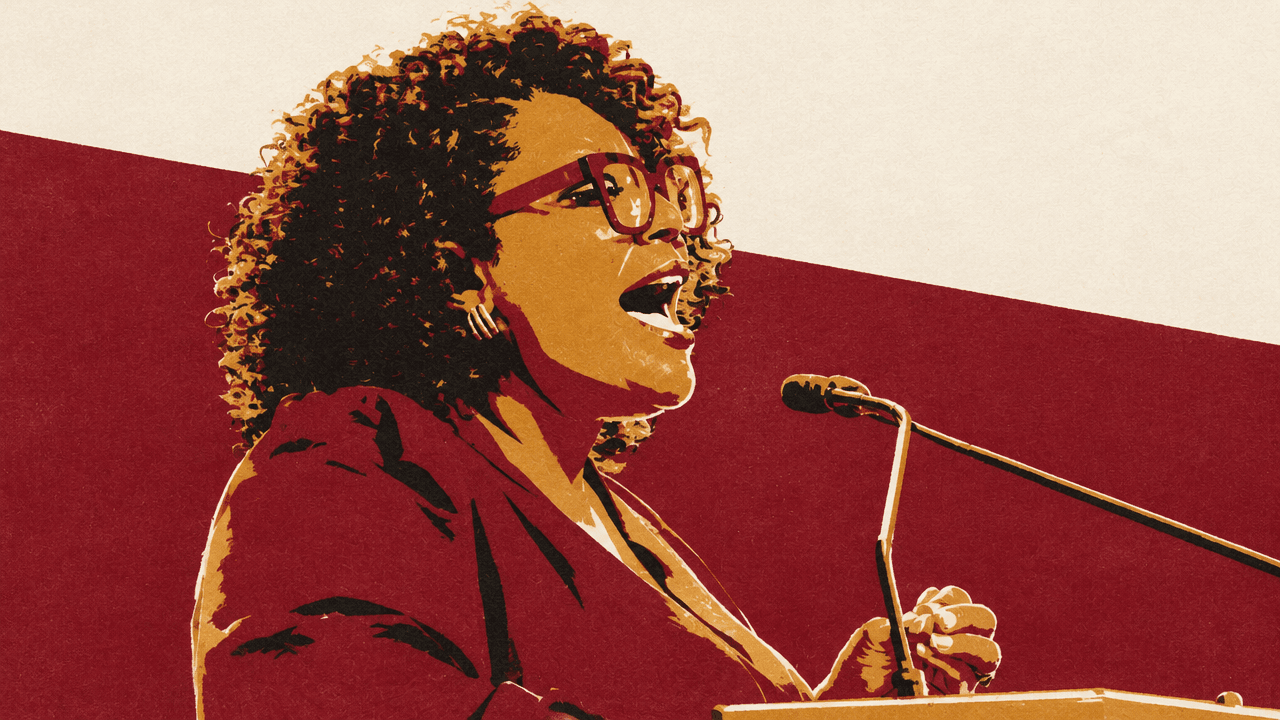
Making something is not the same as keeping it
Jerica Wortham asks for a different measure of a win. Communities, she says, have made “ways out of no way” so often that somebody started budgeting for the miracle: leaving resources out, expecting people to bring their own money, their own people and their own bodies to hold up what others were willing to let fall.
They did the work. They made something beautiful, filled the room, swept it afterward and went home with applause still ringing—and the light bill still due. Wortham is not dismissing what it took to build. She is asking what remains for the people who built it.
She wants to hear about businesses with enough left over after payroll for their owners to take their children somewhere; neighborhoods where people can afford to grow old; and artists whose work brings people downtown who can afford to live there, too. The question is not only how a community creates value, but whether the people creating it can keep any of what they make.
An inheritance should give the next generation more than endurance
Wortham makes that distinction personal. As a mother, she hears someone calling from the next room—someone who needs dinner or help with a word. Her children are also watching what the world does with their mother’s work, and learning what to expect for their own.
If every dream handed to them comes with instructions for enduring denial, she asks, what is that teaching them? Wortham honors the people who went without, worked until their hands hurt and still reached for her. But she wants their sacrifices to have somewhere to go: a paid-off house, a business passed down, or a child with time to discover what they love before asking what it pays.
The inheritance she wants is something a family can hold onto and pass forward. “Look what we grew. Look what we get to leave you,” she says she wants to be able to tell her children.
That inheritance also includes the conditions that let culture continue. Wortham names music, gathering places and stories that help children locate themselves in cities changing around them. For that to last, she says, children need rooms to learn to sing, dance, paint, write or perform; the people teaching them need to be paid; and the lights need to stay on long enough for something to take root. “That is infrastructure too.”
The value created must flow back to the people who create it
Wortham describes a cultural ecosystem as more than a place to make work. It needs people to learn from, somewhere to show the work, and a way to earn a living while helping somebody else begin. “An ecosystem needs something pouring back into it.”
That return matters even when the work is valued mainly through what it gives a city. People travel for what they can feel there: music coming from a doorway, a mural they stop to photograph, an evening they wish would last longer. Wortham’s point is that someone made those experiences. “Put them in the budget.”
She applies the same question to machines being taught to make things faster. Whose hours become their own? Who gets to go home earlier? Who owns what their imagination made? For Wortham, those are connected questions: whether the value created by people’s work returns to them, and whether they can pass something on. The decisions have “descendants,” she says, because children will live inside their consequences.
A gathering matters when its commitments outlast the room
Wortham’s test is what happens after people leave. The work needs somewhere to go: into a budget, onto a calendar, or into an agreement somebody actually follows through on. The feeling in the room has to last long enough to change somebody’s circumstances.
She wants to go home to her children with something to show them—something they will get to keep, and that will still be theirs when she is no longer there to hold it together. Invoking Denzel Washington’s words, “I’m from around the way, I’m leaving with something,” she asks the plenary to build something the next generation can keep.