Local Networks Help Communities Turn Relationships Into Shared Opportunity
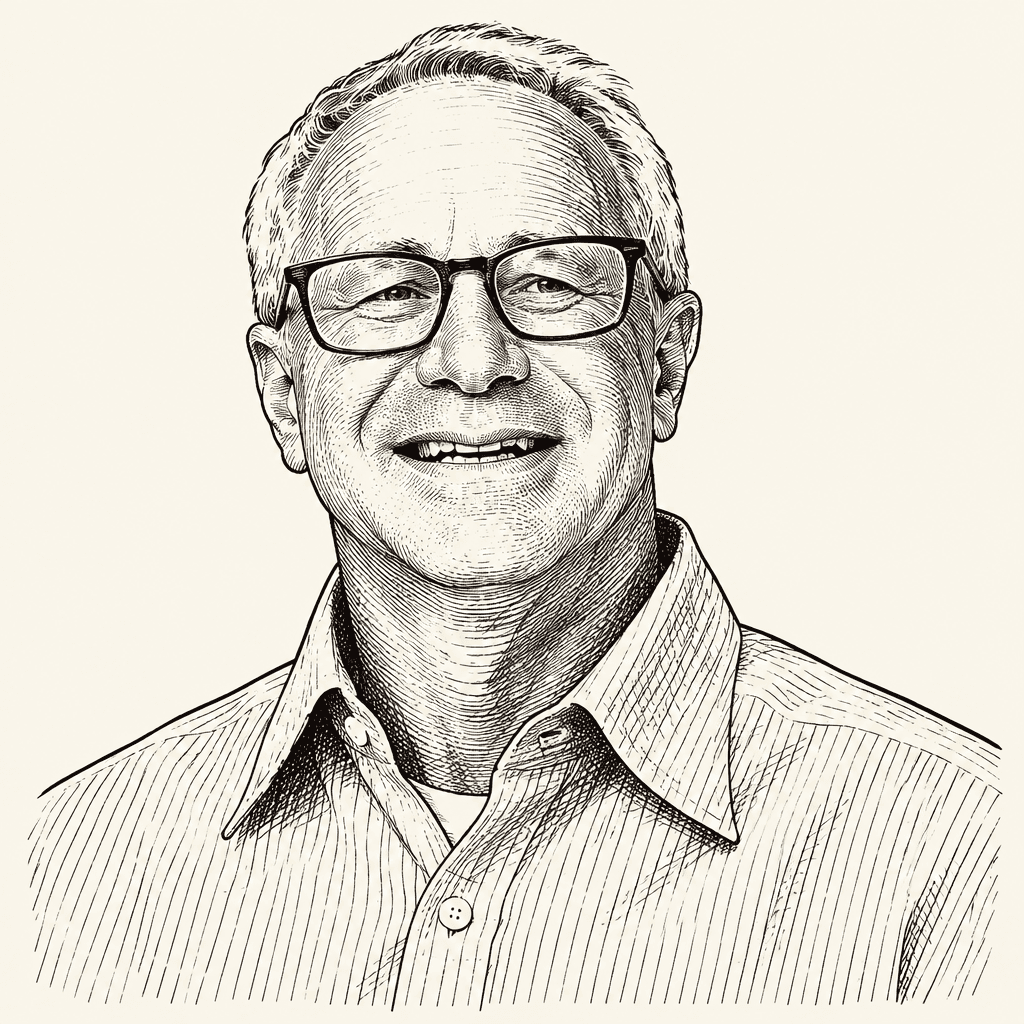 Ken LevitJackie DuPontRenee McKinneyRichard Florida
 Joy Hofmeister
 Tommy LoperThe Aspen InstituteMonday, October 26, 202611 min read
At Aspen Ideas: Economy in Tulsa, Tommy Loper of the Aspen Institute argues that communities can have many programs yet remain “systems poor” if the organizations behind them lack strong relationships. In a Tulsa nonprofit cohort, network mapping showed a 120% increase in collaborative links, 90% of them between organizations working together for the first time, Loper said. He argues that building these connections helps communities make better use of existing institutions and tackle shared problems.

A place thrives when relationships connect institutions that already do important work
A community can have a great many programs and still lack the relationships that let people learn from one another, share resources and work across organizational boundaries. Tommy Loper described this as the difference between being “program rich” and “systems poor.” In his account, the work of building a thriving place includes creating the conditions for connection—not just adding another program.

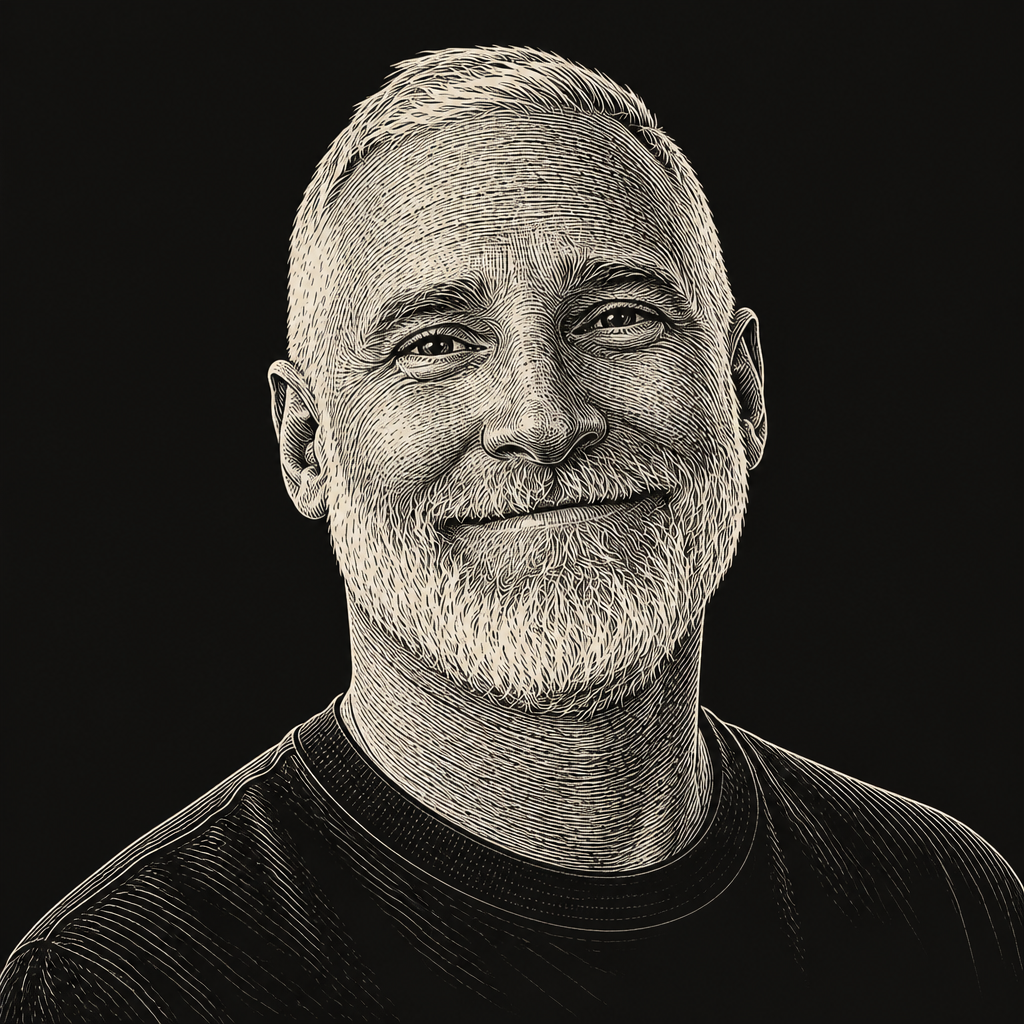
That distinction shaped a Tulsa collaboration cohort organized by the Coretz Family Foundation with Leadership Tulsa and the Aspen Institute as a learning partner. Jackie DuPont, executive director of the foundation, said Tulsa has many nonprofits, but many were working in isolation. The foundation brought together 12 organizations working across education, criminal justice reform, housing and economic mobility. More than 90 nonprofits applied, DuPont said, signaling strong interest in having time and resources to collaborate.
The first year was devoted to building relationships, trust and a shared understanding of the barriers to working together. One practical barrier was that nonprofit leaders were being asked to set aside time they did not have. The foundation provided participation stipends so executive directors could take part without treating the work as one more unpaid obligation. It also gave the group room to move beyond the needs of individual organizations and consider issues affecting the community as a whole.
Loper said the Aspen Institute helped the cohort see and measure what was happening between organizations. In 200 one-on-one interviews he conducted for other network work, a recurring response was that without a particular experience, people would never have met someone they later came to know as a partner. The cohort’s network mapping showed a 120% increase in collaborative relationship links, he said; 90% of those links were between organizations working together for the very first time.
The figures describe more than new introductions. DuPont said that in the cohort’s second year, participants began three collaborative projects of their own. The foundation provided seed funding, then stepped back. Her point was not that funders should prescribe collaboration, but that they can change the conditions around it: provide time, space and resources, and let the people closest to the work decide what joint work is useful.
Trust and time are part of the design
For Loper, convenings work when they create a “third space”: somewhere outside home and work where people can be together. That can mean a large gathering or a small group of four or five. But putting people in the same room is not enough. Relationships take time, and trust cannot be hurried to meet an agenda.
Loper cited a formulation from Reverend Jen Bailey: change happens at the speed of relationships, and relationships happen at the speed of trust. A useful gathering, he argued, gives people space to understand one another and to be curious about differences rather than smoothing them over. It also needs trusted facilitators who can help guide the work without pretending that everyone begins from the same perspective.
The Tulsa cohort illustrates why that patience matters. DuPont said participants began by identifying obstacles within their own organizations. As trust developed, they could “zoom out” and discuss problems that crossed organizational lines. In her view, collaboration cannot be mandated; it has to be cultivated. A funder can support the conditions, but the relationships and shared projects have to become the participants’ own.
Loper’s broader account of network-building makes the same point at a different scale. The aim, he said, is to shorten “relational distance”: to bring people who might be several connections apart into a first-degree relationship, where they can know one another, empathize and work as partners. That is not a substitute for organizations or public programs. It is connective tissue between them—something communities may lack even when they have many services and capable leaders.
The Aspen Institute’s Weave project offers another example of this relational work. Loper said it began in 2016 with David Brooks, after a national listening tour, to recognize community leaders whose influence comes from trust rather than elected office or a formal organizational role. These are the people others turn to when something happens—the “go-to” people who are relational, solutions-oriented and trusted. Weave gives them a platform to share how they see the world and build relationships with one another. Like the Tulsa cohort, it starts by recognizing existing connections and creating opportunities for them to deepen and extend.
Micropolitan towns hold regions together, but need networks of their own
Joy Hofmeister’s 1050 Forward program focuses on Oklahoma micropolitans: communities with populations of 10,000 to 50,000 that serve as regional hubs for rural areas. They are places where people from smaller communities may go to have a baby, visit a hospital, shop, bank or worship. Hofmeister, a former Oklahoma state superintendent of public instruction, said she became interested in the leaders who hold these regional systems together after leaving elected office and considering the communities children would inherit.


1050 Forward brings together cross-sector leaders from multiple micropolitan communities to build trust, learn from one another and solve local problems. The network is now forming its fourth cohort, Hofmeister said. Its purpose is not only to help each town address its own needs, but to find problems shared across places and build momentum across the state.
The program’s “100-day civic challenge” asks fellows to start and finish a project that increases civic engagement in their community. In Stillwater, fellows including the hospital CEO, the county United Way leader, a lawyer and an executive from a foster-care nonprofit saw that local nonprofits lacked enough board members—and that prospective board members could benefit from learning about their responsibilities. They created a “board university,” recruited experts to provide training and matched participants with nonprofit boards suited to their interests. About 50 people registered, Hofmeister said. The Chamber of Commerce embraced the effort and plans to run it annually.
The project is small enough to be completed in 100 days, but it also produced something the community can continue. For Hofmeister, civic health—people volunteering and taking responsibility for service—is part of economic and educational progress, not an unrelated concern. The fellows’ work also created an opening for a wider network: by its third cohort, members of different communities had independently produced a document setting out how they would work together on shared issues.
Local networks matter because national institutions inspire less trust
Richard Florida placed these efforts within a larger argument about American civic life. He said the country’s strength lies less in centralized government than in “distributed capitalism”: entrepreneurial networks of places able to mobilize local resources and energy. The same decentralization that lets communities act, he argued, can also contribute to national division. Local initiative is both a source of American capacity and part of the country’s tension.
Florida pointed to a striking difference in trust: in the polling data he cited, confidence in national institutions had fallen below double digits, while about 85% of people expressed some degree of trust in localities. He suggested that proximity and choice help explain the gap. People are closer to local institutions and have more say in choosing them.
The argument does not mean local networks can replace national policy or public institutions. It does suggest why the capacity to convene local actors matters, especially when national government is not providing the support communities need. Florida’s question was how to extend that capacity beyond places fortunate enough to have a major foundation, corporation or university able to act as an anchor.
He praised 1050 Forward for linking smaller communities, pointing out that rural towns have not had the same network-building infrastructure available to mayors or larger cities. Digital technology, he added, has expanded people’s freedom to choose where to live. During the pandemic, he said, many people moved to rural places sometimes called “Zoom towns.” But rural communities still need durable ties to one another and to institutions that can help them thrive.
Florida listed several features he sees in successful rural communities: proximity to a major metropolitan area, significant airport connections, a major college or university, a substantial arts and cultural presence, or—in Colorado—a mountain. He also noted a difficulty in measuring rural success: the most successful rural communities often grow into micropolitan or metropolitan places. As regions expand outward, some places cease to be rural. Anchor institutions, then, are not just economic assets; they can help a community build capacity over time.
Anchor institutions can help, but not every place has one
Universities have played a major role in the reinvention of some American cities, Florida said. He recalled Carnegie Mellon’s shift toward robotics and computing under its former president Dick Cyert, and cited Stanford’s role in the Bay Area, MIT and Harvard’s in postwar research and development, and the University of Texas at Austin’s role in building Austin’s technology ecosystem. He also pointed to Vanderbilt’s growing influence in Nashville.
In Florida’s view, a few universities understand how to use their institutional position to shape a regional economy. Many others do not have the time or staff capacity. He suggested that organizations with experience building networks could help higher education institutions learn how to contribute more effectively to their communities.
Ken Levit pushed back on relying too heavily on universities. Oklahoma’s large public universities and some private institutions are doing well, he said, but colleges face demographic and economic pressures. The presence of an institution does not guarantee it can provide the resources or regional leadership that a community needs.
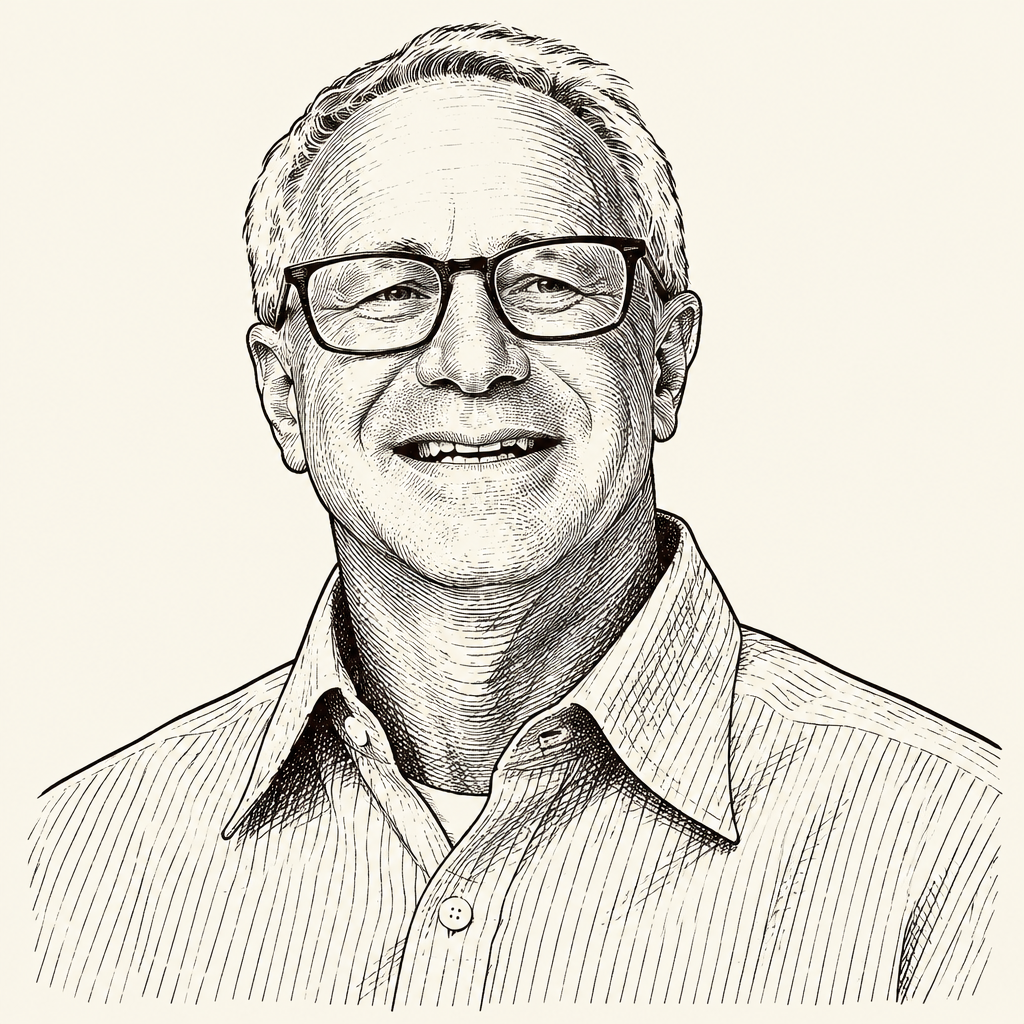

Florida answered that a crisis can create an opportunity to reconsider what universities are for. He argued that higher education has often emphasized cognitive skills, while automation may make social capabilities more important to people’s work. He distinguished among manual skills, cognitive skills and social skills: manual skills, he said, are broadly distributed across people and places; cognitive skills are more concentrated; social skills develop between people, in relationships and networks.
That distinction informed the panel’s discussion of education. Hofmeister said children and communities need to be prepared to use new technologies, but that social connection gives her hope for how they will navigate change. She urged leaders to curate gatherings intentionally and invite people who are often left out—including arts representatives in economic-development discussions, and people who will experience or be affected by a decision.
DuPont emphasized education that helps children develop emotional competence and social connection. Florida responded that emotional competence was precisely the kind of capacity he had not previously known how to name. He described visiting Marygrove, a school in a disadvantaged Detroit neighborhood that serves children from six weeks old through high school, with the University of Michigan’s education college located there. He saw it as a “teaching school” that supports children’s emotional and social development as well as their academic learning.
The exchange complicates the idea that networks are simply a tool for economic development. If social skills are consequential, then schools and community institutions have a role in helping people build them. Convenings may help adults form partnerships; children also need places where they can learn how to relate, communicate and work with others.
Economic development should preserve the community it changes
Florida’s praise for Tulsa was rooted in what he sees as its organizing principle. He said he initially expected to focus on familiar economic-development mechanisms: incubators, Tulsa Remote and innovation districts. After repeated visits, he concluded that Tulsa’s work began from a different premise—building a more inclusive community and directing resources toward people who are least advantaged.
He called this “community-enhancing economic development,” in contrast with approaches centered primarily on jobs, startups or technology transfer. In his account, Tulsa’s work in early-childhood education, Teach for America and other community efforts reflects that broader starting point. Florida said economist Tim Bartik looked at Tulsa Remote and saw positive indicators: people coming who wanted to be part of the community, movement on education and jobs, and little displacement.
Florida did not describe Tulsa as finished or free of problems. He named continuing challenges involving race, class, disadvantage, and the relationship between newcomers and people who have long lived in the city. His larger concern was the pace of change. When wealthier newcomers and sophisticated developers discover a place, he warned, investment can arrive quickly and erase parts of a community’s history. His question was how Tulsa can keep what he called its “Tulsaness” while continuing to develop.
Levit questioned whether the shift Florida predicted was already happening. Florida insisted that it was, pointing to his experience in Bentonville: he had warned local leaders to prepare for change, he said, and was later brought back to work on housing affordability. For him, the timing of a warning matters: by the time the change is obvious, it may already be difficult to manage.
Florida characterized Tulsa’s starting point as different from the economic-development approaches he described as centered on jobs, startups and technology transfer. His concern was that growth could erode the community and history that, in his view, had shaped Tulsa’s approach.
Welcoming people requires more than attracting them
The discussion of Tulsa’s appeal turned from tourism to the infrastructure of belonging. Florida said tourism can contribute significantly to successful downtowns. He offered a rough breakdown: residents account for about 10–15% of downtown activity, workers 20–25%, and visitors—local, regional, national and international—about 60%. Tourism can bring money that supports investment, he said, provided it reflects a city’s character rather than overwhelming it.
DuPont spoke to a different measure of Tulsa’s draw. She came to the city with Teach for America in 2010 and said she felt connected from the moment she arrived, in part because people welcomed her and invested in young people. Tulsa became home because of its people, purpose and opportunities to contribute—not because it was the place where she was born.
Andrea Williams, who also made Tulsa home, described the infrastructure needed to help both newcomers and longtime residents find their place. Her work with Tulsa Remote and Rooted focuses on people navigating transitions: moving to a new city while also dealing with events such as grief, divorce, becoming an empty nester or leaving a job. A person who moves is not only finding a neighborhood; they may also be working out who they are in a changed life.
Williams said newcomers need introductions and opportunities to become immersed in the community so they can contribute. But she also stressed the people already there who may feel left out or pushed to the margins by change. Belonging cannot be designed only for new arrivals.
Florida connected this work to a point made by someone he had met in Phoenix: solutions that are personalized and intensive do not always scale easily. A network is built person by person, he said, even when the goal is community-wide change. Loper added that rituals can serve as relational infrastructure. When he moved from Washington, D.C., to Rehoboth Beach, Delaware, the Polar Bear Plunge gave him a shared experience with thousands of residents before he knew what his place in the community would be. The question, he suggested, is how communities can offer newcomers—and visitors—a meaningful way to enter local life.