Brain Health Care Is Shifting From Late Treatment to Integrated Prevention
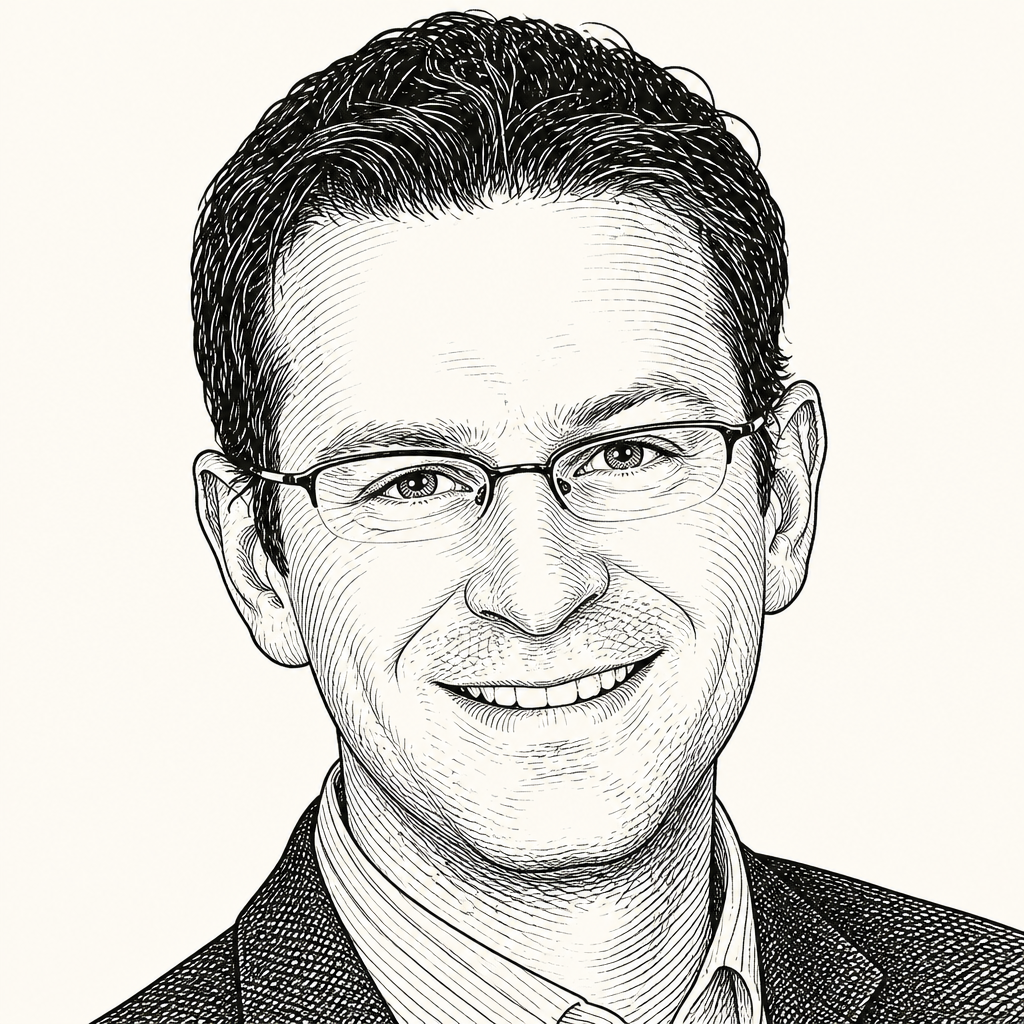
 Richard Isaacson
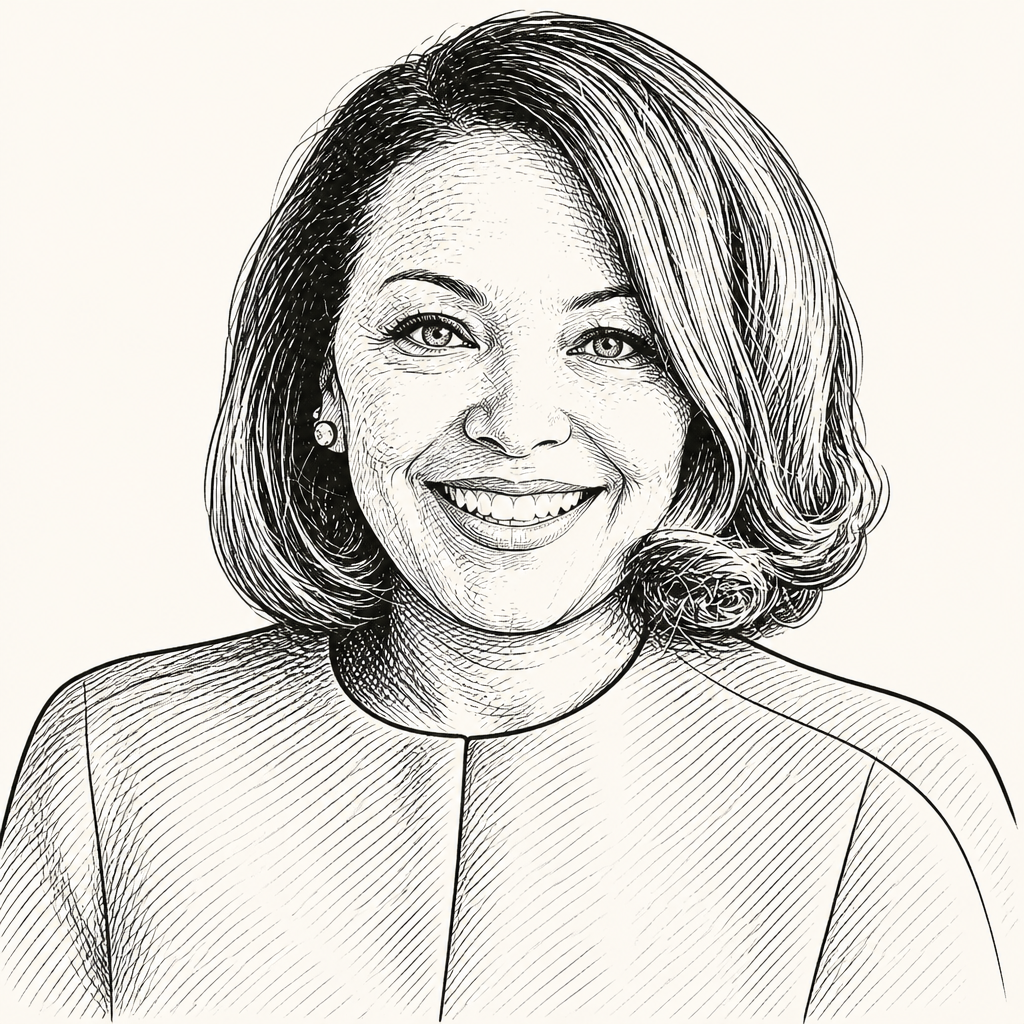
 Wendy Bartie
 Mani KeitaThe Aspen InstituteThursday, July 2, 202619 min read
At an Aspen Ideas Festival panel, Arianna Huffington, Richard Isaacson and Wendy Bartie argued that brain health should be treated as an integrated prevention problem rather than a late-life specialty concern. Using Alzheimer’s, mental health, workplace stress and drug development as reference points, they made the case for earlier risk detection, more specific behavioral prescriptions, continued pharmaceutical innovation and care models that expand access. Their shared warning was that separating medicine from daily behavior, or innovation from access, leaves the central problem only partly addressed.
Brain health is being recast as integrated prevention
? arianna-huffington framed the central shift in brain health as cultural as much as scientific: the subject has moved, in her description, from “the fringes” and from an aging-related “disease of despair” toward a continuum that can begin with brain fog in a teenager and extend through cognitive decline later in life. The reason for that shift, she said, is a growing body of scientific data suggesting that daily behaviors can materially affect brain health.
The prevention model she laid out rests on five modifiable domains: food, sleep, movement and exercise, stress management, and social connection. Genetics still matter in that model, but they are not destiny. Huffington argued that people are more likely to learn where they stand genetically, or through newer blood-based risk markers, if they also understand that behavior can change risk.
She cited Richard Isaacson’s statement that 47% of Alzheimer’s disease and cognitive decline is preventable, calling it an “extraordinary stat.” She also drew a contrast between cardiovascular disease and Alzheimer’s: since 2000, she said, cardiovascular disease deaths have declined while deaths from Alzheimer’s have surged by more than 140%.
Wendy Bartie widened the frame beyond Alzheimer’s. Brain health, as she described it, is not a late-life specialty issue. It affects teenagers, workers, caregivers, patients with psychiatric disease, and families living with neurodegeneration. She grounded that claim in a set of burden figures: 40% of teenagers aged 13 to 17 report feeling sad or isolated; 50% of all mental health conditions are identifiable by age 14; 75% are identifiable by age 24; 12 billion days of workplace productivity are lost every year because people are struggling with mental health conditions; and every three seconds someone around the world is diagnosed with Alzheimer’s disease.
| Measure | Figure given |
|---|---|
| Teenagers aged 13 to 17 who report feeling sad or isolated | 40% |
| Mental health conditions identifiable by age 14 | 50% |
| Mental health conditions identifiable by age 24 | 75% |
| Lost workplace productivity tied to mental health conditions | 12 billion days per year |
| Global rate of Alzheimer’s diagnosis | One person every three seconds |
Bartie’s conclusion was that brain health is not only a scientific or business imperative, but a “human imperative.” It affects families, communities, workplaces, and systems of care. The response she called for is not a single intervention, but a combined model: scientific innovation, evidence-based behavior change, and systemic reforms that improve access to care.
That integrated model became the through-line of the discussion. Drugs matter. Behavior matters. Risk detection matters. Access matters. The mistake, the speakers repeatedly suggested, is treating any one of those as sufficient by itself.
Exercise is treated as the highest-yield intervention, but not as generic activity
Richard Isaacson put exercise at the top of the behavioral hierarchy. Regular exercise is, in his judgment, “by far the number one thing” a person can do to reduce risk of cognitive decline. He linked it to the biological mechanisms now familiar in Alzheimer’s research, especially amyloid, the “sticky protein” associated with Alzheimer’s disease and related conditions.
Isaacson said exercise can “reduce and loosen up” amyloid, or at least may slow its accumulation. He said this has been shown in mice and in humans. His argument was not that exercise replaces drugs, but that a target being pursued pharmacologically can also be affected through daily behavior.
He also warned against treating any movement as sufficient. Walking for 15 minutes is useful physical activity, he said, but it is not necessarily the exercise prescription required for a person who needs to lose visceral fat or improve metabolic health. For someone with excess belly fat, he described a more targeted approach: 45 to 60 minutes of fast walking, potentially in the morning while fasted, to burn through available glucose and enter a fat-burning state.
As your belly size gets larger, the memory center in the brain gets smaller.
The phrase Huffington highlighted from Isaacson was deliberately blunt. Isaacson presented it as a modifiable warning, not a shaming device. The practical implication, for him, is that people should know their numbers and build an individualized plan: body fat, muscle mass, bone density, and other markers that help determine what kind of exercise is most needed.
Strength training was central to that prescription. Brain health is hard to sustain without muscle mass, Isaacson said. Increasing muscle speeds metabolic rate and can produce benefits over years. He cautioned people to increase weights carefully and avoid injury, but he was clear that resistance training should be part of a regular program.
The practical distinction was between advice and prescription. Exercise was not presented as a wellness slogan. It was described as an intervention that depends on the person’s risk profile, body composition, and goals.
Food is medicine only if the recommendation gets specific
Richard Isaacson said the idea that “you are what you eat” in brain health would have sounded like heresy decades ago. Now, he said, food as medicine is legitimate to discuss, but still too often handled too generically.
He began with what he jokingly called the “ELF diet”: eat less food. His point was that people in the United States often eat too much, and that portion size itself is part of the problem. He then distinguished between dietary patterns and targeted nutrients. As a broad pattern, he endorsed a Mediterranean-style diet and mostly plant-based eating, referring also to “blue zone type eating.”
The more specific claim was about precision nutrition. Certain people, with certain genes or blood markers, may benefit from particular nutrients more than others. Isaacson pointed to omega-3 fatty acids as “brain healthy fats,” available from vegetarian sources such as algae or from fatty fish. He also discussed B-complex vitamins in connection with homocysteine, an easy blood test. He described a study from about a decade earlier in which people with elevated homocysteine who took B-complex vitamins and had adequate blood levels of omega-3 fatty acids slowed brain shrinkage over time and sustained memory.
That example mattered because it showed the model Isaacson favors: not universal supplementation, but identifying who needs what. Not everyone needs B vitamins. Not everyone needs omega-3s. Not everyone needs the same dietary change. The direction of travel, in his account, is toward personalized recommendations: eat this, not that, based on a person’s markers.
? arianna-huffington connected that point to implementation. Telling people to “go on a Mediterranean diet” is often too vague, she said. People need practical recipes, easy substitutions, and small steps that make behavioral change less overwhelming. Thrive’s language for this is “microsteps”: changes small enough to begin immediately rather than ideal plans that collapse under their own ambition.
The same implementation logic surfaced when Mani Keita asked about decision fatigue. Speaking as a population health researcher and mother of a young toddler, she said postpartum brain health had been a major issue for her, and that accessible maternal mental health support had helped. But the list of healthy behaviors can itself become another burden. Structural supports, she noted, reduce the cognitive load of prevention.

Bartie answered by emphasizing honesty and community. People need to be able to say clearly where they are, and people around them need to be willing to say they have been there too. She rejected the expectation that people can perform at 100% in every domain at all times: when someone is “killing it at work,” a child may be ordering dinner through DoorDash; when someone is doing everything needed at home, the work presentation may not be the best it could have been. “That’s called life,” she said.
Huffington’s answer was more tactical: shrink the entry point. Five minutes with a kettlebell while coffee brews. Cardiovascular exercise stacked onto watching light television. Food swaps that move someone away from a less healthy habit without demanding a total identity change. Her example was a friend attached to Cheetos who was redirected toward an alternative snack rather than told to start eating kale salad.
Behavior change, in this account, often fails not because the intervention is unknown, but because the pathway into it is too large, too judgmental, or too abstract.
The drug-versus-behavior binary is being rejected
Wendy Bartie argued that medicine and behavior should not be treated as competing frameworks. Bristol Myers Squibb’s patient education work, as she described it, is increasingly focused not only on medications but also on sleep, diet, exercise, stress reduction, and human connection. Those behaviors are presented as part of treatment, not as decorative advice around the edges.
She described a potential change in how clinical trials might be designed. The standard phase three trial, she said, compares an innovative medicine with a standard of care, measuring efficacy and safety. Her proposed question was what happens if a third arm is added: innovative medication plus lifestyle modifications. That would mean studying patients who are also getting adequate sleep, improving social connection, practicing stress reduction, eating well, and exercising.
Bartie said she would expect those patients to do better than patients receiving pharmacological intervention alone. She did not present that as an already-proven trial result in the session; she presented it as the direction science and care models need to go.
? arianna-huffington called it “revolutionary” to hear a pharmaceutical executive speak about daily behaviors as enhancers of drugs. Her argument was that this marks a cultural moment in which daily behaviors can be elevated to the level of medical interventions and incorporated into the healthcare system.
Isaacson strongly agreed with the rejection of the binary. Western medicine’s failure to fully embrace this, he said, “grinds my gears.” For chronic diseases associated with aging, patients need “it all.” A drug or “magic thing” is unlikely to work optimally if everything else is moving in the wrong direction.
The strongest alignment among the speakers was here. No one argued that behavior replaces medicine. No one argued that drugs are irrelevant. The shared claim was that the separation itself is the problem.
Preventive neurology starts decades before memory symptoms
Richard Isaacson described “preventive neurology” as an attempt to get ahead of neurodegenerative disease rather than waiting for cognitive symptoms. Alzheimer’s disease and other neurodegenerative diseases, he said, begin in the body and brain decades before the first signs of memory loss or other symptoms. That long preclinical period creates an opportunity to identify risk factors and alter a person’s trajectory.
His phrase was “get that person off the road to Alzheimer’s disease.” Preventive neurology, as he described it, means determining who is at heightened risk and intervening early enough that decline is delayed or prevented.
Women’s brain health was his central example. Two out of every three brains affected by Alzheimer’s disease are women’s brains, Isaacson said. The field needs to begin earlier, particularly during the perimenopause transition, when estrogen drops rapidly. In studies he referenced, amyloid levels began rising during that transition.
Isaacson was sharply critical of the black box warning around hormone replacement therapy, calling it one of the worst things he could recall happening to women in medicine in the United States. He argued that the warning missed the forest for the trees because, in his account, the relevant studies used hormones derived from horse urine, while bioidentical hormones are a different matter. He did not present hormone therapy as universally indicated; he tied the preventive question to individual risk factors, including whether a woman carries one or more copies of the APOE4 variant, which increases Alzheimer’s risk.
Wendy Bartie added that women face a double burden. Women are affected by Alzheimer’s at higher rates, she said, and also carry much of the caregiving burden. At the same time, women hold more economic power than before. Her conclusion was that the downstream generational impact makes women’s brain health not optional.
Isaacson also pointed to a reimbursement problem. The Alzheimer’s prevention clinic he founded, he said, received 27 cents on the dollar for every dollar billed to insurance. “We live in a sick care system, not a healthcare system,” he said. Preventive neurology therefore requires not only science and behavior change, but payment models that support care before diagnosis.
Sleep is where the brain’s trash gets taken out
? arianna-huffington singled out sleep as the neglected modifiable risk factor. She said a recent JAMA study on modifiable risks did not mention sleep, even though sleep, in her framing, is one of the simplest ways to clear amyloid-related toxic proteins from the brain.
Richard Isaacson said he had personally been wrong about sleep. As a physician, he had previously accepted a culture of burning the candle at both ends and relying on “mind over matter.” He now described that as bad for brain health. Stress is harmful, he said; rumination and constant worrying are especially harmful; and poor sleep undermines other efforts.
He returned to the amyloid frame as an attributed explanation: exercise can loosen amyloid plaque, and good diet and other behaviors may slow accumulation, but if a person is not sleeping, “the trash ain’t going to be taken out at night.” The metaphor was central to how he explained sleep’s function.
His practical recommendations were concrete. Track sleep if tracking helps rather than worsens anxiety. Make a plan for sleep. Prioritize it. Create a wind-down period. Avoid phones before bed. Avoid bright lights that suppress melatonin. Try to go to bed and wake up at similar times. Decide intentionally whether napping helps. Build a personal routine, whether that includes warm milk or another cue.
Huffington made one recommendation especially emphatic: charge the phone outside the bedroom. She described Thrive’s “phone bed,” a charging station meant to make that practice ritualized, and argued that children should learn phone hygiene as a normal household rule: phones do not sleep with people. If parents follow the same rule, she said, it becomes less like punishment and more like brushing teeth.
She also argued for 60-second stress resets. According to the neuroscience she invoked and asked Isaacson to verify, focusing on conscious breathing, images that bring gratitude or joy, or music can help move the body from the sympathetic to the parasympathetic nervous system in about a minute. Her point was again implementation: many people resist being told to meditate for 20 minutes, but almost no one says they do not have 60 seconds.
Brain health at work is not only an employee benefit
Wendy Bartie said Bristol Myers Squibb defines brain health broadly inside its workforce: from mental well-being to cognitive resilience and through the prevention of neurodegeneration. The company has 34,000 employees, ranging, as Huffington noted, from age 18 to over 80. That range reinforced the idea that brain health is a continuum across life stages, not a late-life specialty topic.
Bartie explained the internal rationale through a Patient Week story. Each fall, she said, the company asks employees to disconnect from routine work and spend a week reconnecting with patients and the purpose of the company’s work. During one such week, she interviewed a colleague who had adopted a child who was HIV positive. The family expected HIV to be the major healthcare challenge; instead, the child was later diagnosed with schizophrenia, and that became the long-term challenge for the colleague and his wife as caregivers.
As Bartie looked into the audience during that interview, she said she saw employees carrying similar burdens: despair, weight, and responsibility for people they loved. That made the issue less like looking through a window at patients and more like looking in a mirror at the workforce.
The company responses she described were structural. Bristol Myers Squibb has two “quiet weeks” a year, during which employees are expected to cancel meetings and focus on deeper work. The company changed its vacation policy so people can take time when they need it, “no questions asked.” It also provides a $1,000 annual stipend employees can spend on their mental health in ways that fit them personally, whether exercise, spa visits, or something else.
Bartie connected those policies to service. If employees are expected to support people with serious disease, she said, they need to be equipped to show up as the best version of themselves. Sleep, exercise, food, connection, and stress management are not only private wellness concerns; in her account, they affect the company’s capacity to do difficult work well.
Access is the structural test of the brain health model
Wendy Bartie repeatedly returned to access. She described mental health “treatment deserts” in the United States, where people may recognize the need for care but have nowhere to go. Her answer was public-private partnership and delivery models that meet people where they are.
One example came from her nephew, who returned to school for a master’s degree in mental health and was assigned to an animal hospital in Chicago for his internship. He initially wondered why he was not placed in a conventional mental health setting. But each week, Bartie said, he encountered people who came in with sick pets and were also dealing with domestic violence, isolation, loneliness, or grief. The setting revealed unmet mental health needs that would not necessarily appear through traditional channels.
Bartie used that story to argue for care in unexpected places. Through the Bristol Myers Squibb Foundation, she said, the company has a program called Activate Brain that deploys mental health workers into rural America, where people may not be within reasonable driving distance of a physician or mental health provider. She also pointed to telemedicine as a way to expand access when face-to-face care is not available.
The work, she said, is not only in the United States. She mentioned efforts in Africa and Brazil, with the stated goal of going where needs are high and access is lowest.
Her equity claim was simple: where a person lives should not determine whether they live, or whether they can get care. She also argued that stigma must be reduced by treating brain health conditions like other health conditions. People talk about high blood pressure, diabetes, or high cholesterol and seek care for them; they should be encouraged to seek care for mental health and brain health conditions in the same way. “Brain health is health,” she said.
Christina Williams later asked about social prescribing, community engagement, creative arts, nature engagement, and emerging neuroscience suggesting these activities can improve brain health and reduce anxiety and depression. She wanted to know how social prescribing might help with longer-term illnesses such as dementia and Alzheimer’s.
Isaacson said social prescribing was not a central area of his expertise, but he endorsed the broader principle of meeting people where they are. Care teams, in his view, need proactive plans to find people in different communities, bring therapeutic options suited to them, and communicate in ways they understand. He said Alzheimer’s and dementia care are behind the times, though he saw progress through funding and more public discussion.
That answer did not present social prescribing as a proven dementia intervention. It placed it inside the broader access problem: people cannot benefit from interventions they cannot reach, understand, afford, or sustain.
The innovation agenda is shifting toward democratized prevention
Richard Isaacson was candid about the difficulty of neuroscience research. Some companies have abandoned the field because it is expensive, he said, and the diseases are complicated. He also said he is not certain what causes Alzheimer’s disease. Different people may take different roads to Alzheimer’s, which means each person may need a different plan to get off that road.
That uncertainty informed his emphasis on tools available now. He did not dismiss basic science, but argued that existing tools can already affect future outcomes. His research focus is democratizing access through software, at-home testing, and integration with clinical care.
He described free NIH-funded software at retainyourbrain.com and said a research paper was under review. The software grew out of the Alzheimer’s prevention clinic he founded, which had a four-and-a-half-year waiting list when he left five years earlier. To scale the clinic’s approach, he said, the team put into software the questions he asks patients, the cognitive assessments, and the tracking used in follow-up. People were then tracked over six months in a randomized controlled trial.
Isaacson’s model was synergy: software plus access to a licensed healthcare provider through telemedicine, analogous to drug plus behavior. He described it as “one plus one equals three.”
At-home testing was another priority. He distinguished current work from overhyped one-drop blood-testing claims, explicitly saying, “this is not Theranos.” The approach he described uses 10 drops of blood, not one, and Isaacson said the technology can measure roughly 80, 90, or almost 100 brain proteins using new technology his lab has worked on in South Florida. The goal is to reduce cost, make testing easier, and bring more of the prevention process into people’s homes.
? arianna-huffington added another category of intervention: cognitive training. She mentioned BrainHQ as something she personally uses daily, comparing it to a game that becomes harder as one improves. Isaacson said there are 20-year data showing that brain-stimulating training games can have better health outcomes decades later. He added that he has no commercial affiliation with the product. His larger claim was that lifestyle and behavioral interventions are “real interventions,” not motivational extras.
Drug development remains essential, especially where options have been stagnant
Wendy Bartie described Bristol Myers Squibb’s neuroscience work in the context of unmet need. She noted that she had spent 18 years in oncology, where biomarkers have helped clinicians understand cancer better than medicine currently understands the brain. In neuroscience, she said, unmet need remains widespread.
Huffington framed Bristol Myers Squibb’s schizophrenia work as a first novel treatment in the space in 30 years, and Bartie emphasized that more remains to be done. She also listed work in Alzheimer’s disease, including attempts not only to treat symptoms but also the underlying disease; medications for agitation associated with autism; drugs for bipolar 1 disease; and an early-stage asset for ALS, which she called devastating.
Her formulation of the company’s role was that Bristol Myers Squibb “does the hard things because disease is hard.” She acknowledged that research often fails, but said the work continues because clinical trials and development decisions are tied to people whose lives may be changed or saved by innovation.
Access again conditioned the value of that innovation. Bartie said her team often uses the phrase: “innovation without access is just interesting.” The point was that a medicine that cannot reach patients does not satisfy the purpose of the research.
She closed that answer by moving outside formal R&D and urging people to practice joy and gratitude daily. In her view, focusing on what is good rather than only what is bad can improve mental well-being, which in turn supports brain health.
Prevention requires evidence, humility, and a low tolerance for harm
During the audience questions, Jill Weiss asked about creatine, noting that it is “all the rage” and asking what it does for brain health. Isaacson answered cautiously. He said he has been pro-creatine for about 20 years for muscle-related reasons, though he was careful even there. For brain health, he said he does not know. He personally takes creatine every day, and he is “more of a yes” than a no, but he is not convinced that the evidence proves a brain-health benefit. He mentioned a study involving symptomatic people taking a very large dose, but said that study was not enough to change his practice.
A second audience question asked how to evaluate the many things that claim to be brain healthy. Isaacson’s answer was a blend of evidence hierarchy, clinical judgment, and risk management. Prospective randomized data matter. Retrospective population-based studies matter. Clinical instinct also plays a role. But the controlling principle, he said, is “do no harm.”
Prevention complicates evidence standards because the outcomes may take decades to appear. Isaacson said medicine is unlikely to produce the kind of phase three clinical trial that compares, for example, a Mediterranean-style diet with a Blue Zone diet over the necessary time horizon. People still have to make decisions before perfect evidence arrives.
That is where harm matters. If an intervention is intended to reduce risk for a disease a person may or may not ever get, and the intervention carries a meaningful chance of harm, Isaacson said he is unlikely to recommend it. Huffington applied the same principle to creatine: she takes it because she sees no evidence of harm and thinks it may help, but she would avoid recommendations where there is evidence of harm.
The exchange exposed a tension running through the whole discussion. Brain health prevention cannot wait for perfect long-term trials on every behavior, food, supplement, or digital intervention. But that does not mean every claim should be accepted. The practical standard offered was evidence where available, humility where uncertain, and a high bar for exposing healthy people to downside risk.