A 30-Year Retirement Requires Income, Not Just Savings
 Ida Rademacher
 Jaime Magyera
 Karen Andres
 Allison Schrager
 Thasunda DuckettThe Aspen InstituteTuesday, June 30, 202619 min read
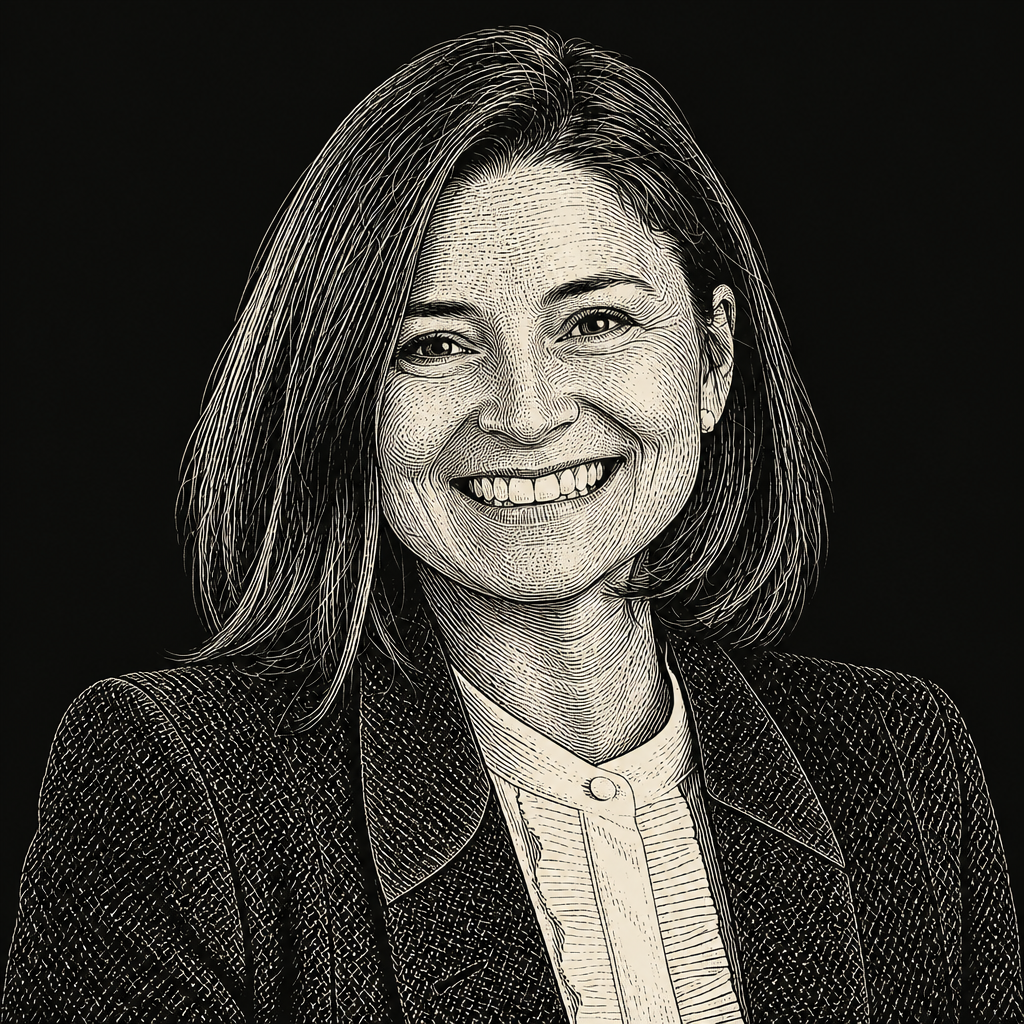
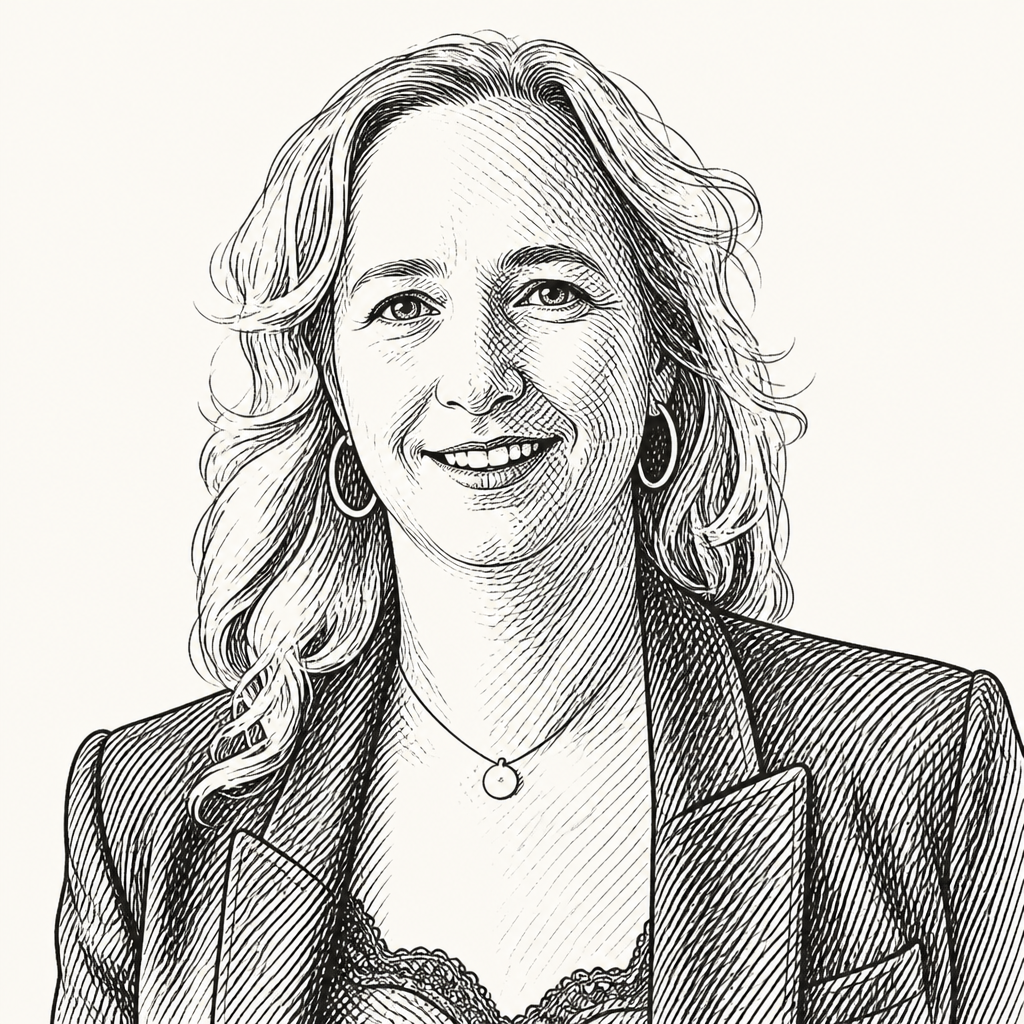
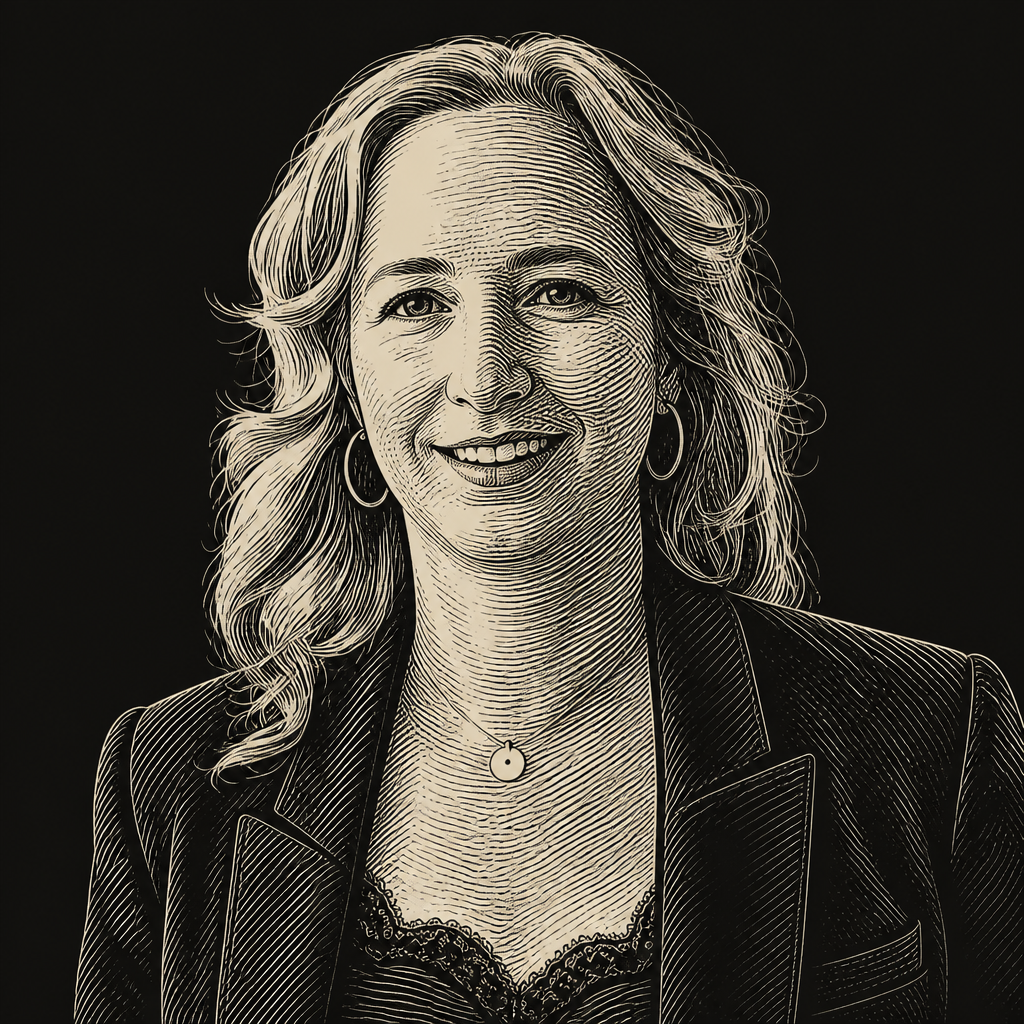
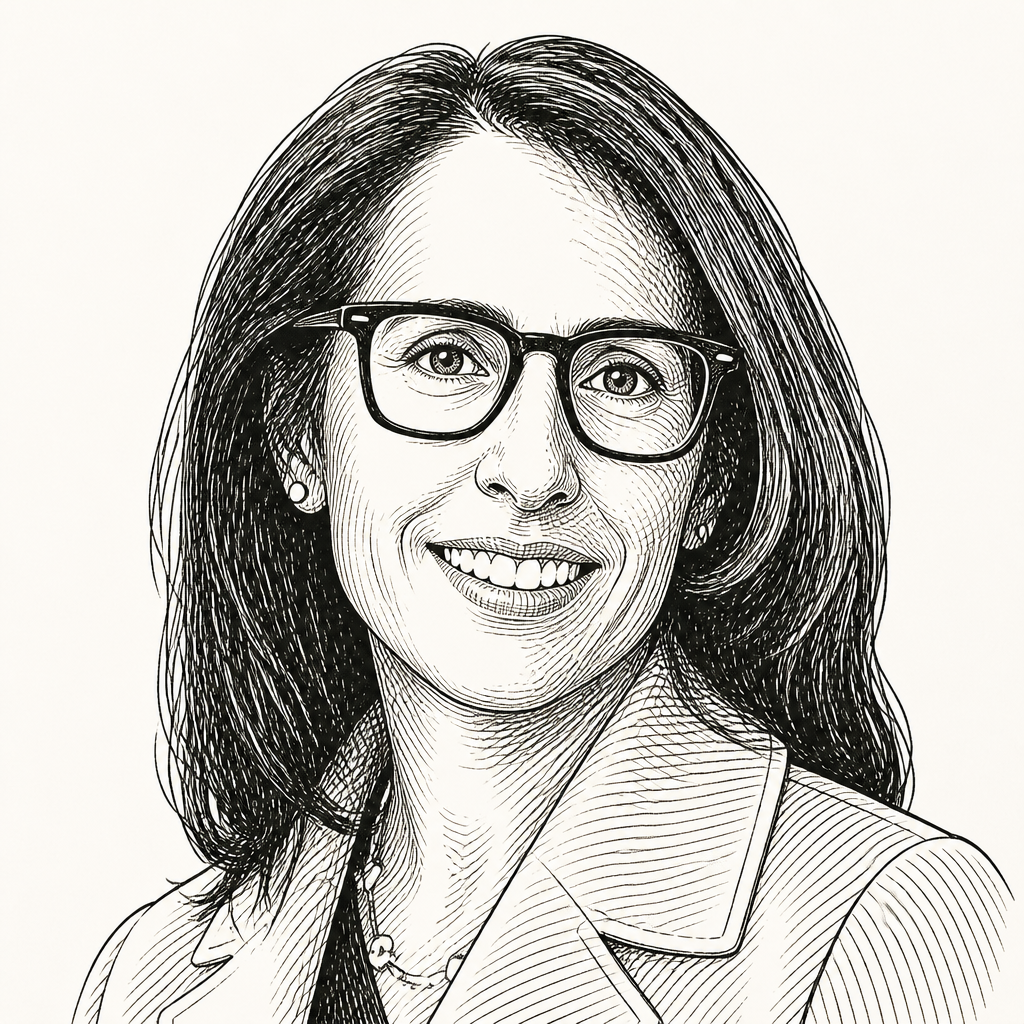
At the Aspen Ideas Festival, Karen Andres, Allison Schrager, Jaime Magyera, Thasunda Duckett and Ida Rademacher framed longer lifespans as an affordability problem for a retirement system still built around shorter lives, uneven workplace access and account balances rather than dependable income. Their central argument was that a 100-year life requires more than urging households to save more: plans must start earlier, use automatic defaults, preserve liquidity, widen access and embed guaranteed income before retirement.

The 30-year retirement is now a financing problem, not a fringe case
By 2032, the United States will have more people over 65 than children under 15, Karen Andres said. Globally, she said, the same demographic crossover will happen by 2070. The same year carries a second pressure point: Andres noted that the Social Security trust fund is set to deplete in 2032. Her framing was the core problem beneath the discussion: how to make longevity “not a risk to be managed, but a gift to be enjoyed and passed down to future generations.”
A retirement system built for short retirements is now being asked to finance lives that may stretch decades beyond work. Allison Schrager described the shift bluntly: retirement once meant financing perhaps five or 10 years outside the labor force. Now, the system is being asked to finance retirements that may last 30 years. That shift is arriving as baby boomers strain Social Security and as the first generation retires with significant defined-contribution assets rather than traditional pensions.
The result, in Schrager’s view, is a live test of the defined-contribution system. A 401(k)-style account can help people accumulate wealth, but it was not originally designed to provide a stable paycheck over an unknown number of years. The financial challenge is not only that more people may live to 100, but that many more will live well into their 90s, with rising costs and uncertain health needs.
Jaime Magyera rejected the idea that financing a 30-year retirement is unrealistic. “It’s mandatory,” she said. Longer lives do not come with flat expenses: healthcare, caregiving, and other needs rise as people age. At the same time, the responsibility for retirement has shifted away from employers and government plans and toward individuals.
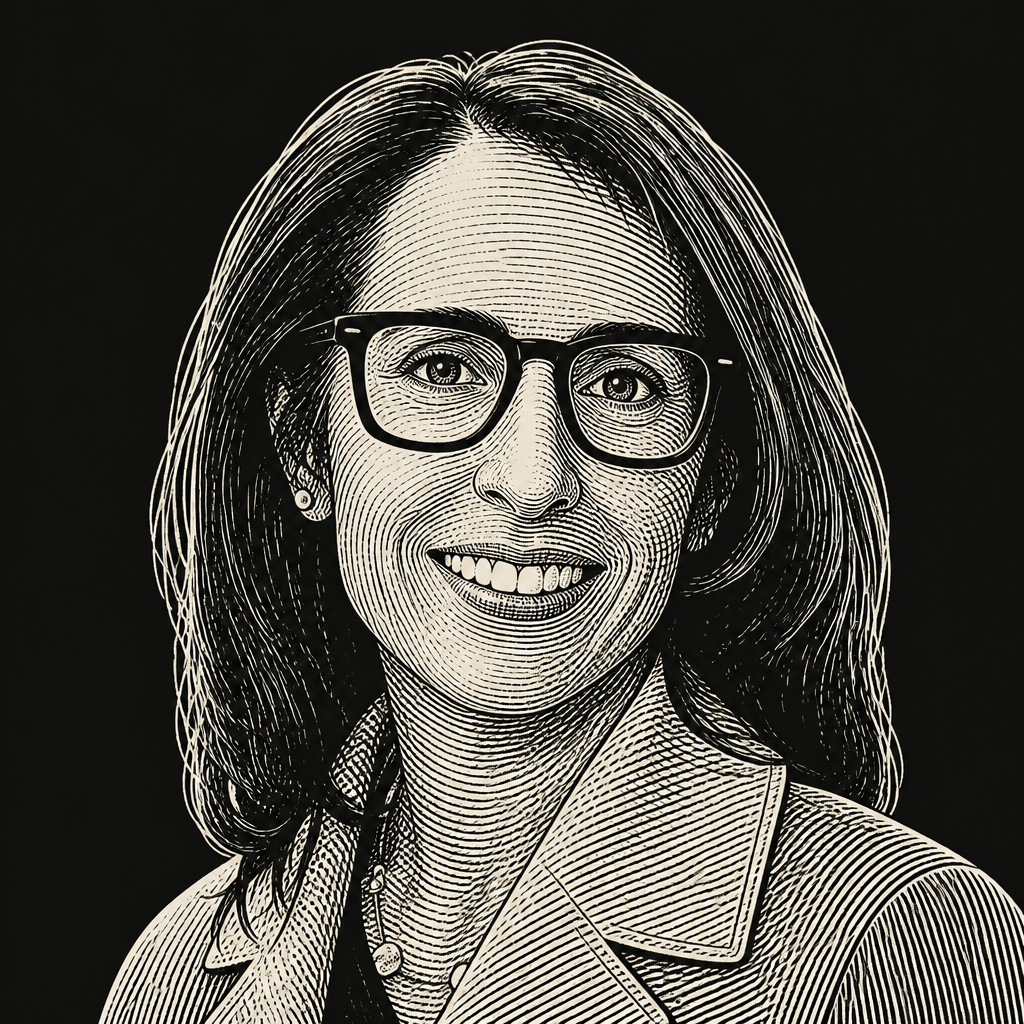
Magyera’s optimism rested on a different shift: capital markets and retirement products have also modernized. BlackRock, she said, is “a retirement company” in the sense that more than half the assets it manages are in service of helping people save for retirement. But its research also surfaced the basic affordability gap. In BlackRock’s “Read on Retirement” study, Magyera said confidence was up, yet account balances suggested people had only 50% to 60% of what they needed. When asked whether they could save more, respondents said they wanted to, but could not. Healthcare, student debt, childcare, and other costs were already crowding out savings.
Her conclusion was that the retirement conversation cannot stop at “save more.” If households do not have room to increase contributions, the system has to help existing savings work harder. That means shifting the frame from saving for retirement to investing for retirement.
| Measure | Figure cited | Speaker |
|---|---|---|
| Retirement resources covered by current balances in BlackRock’s analysis | 50%–60% of what people needed | Jaime Magyera |
| Americans at risk of running out of money | 45% | Thasunda Duckett |
| National savings gap | $4 trillion | Thasunda Duckett |
| Americans without access to a workplace retirement plan | 59 million | Thasunda Duckett |
| Median retirement savings for a 60-year-old in America | $24,000 | Ida Rademacher |
The numbers were not presented as separate problems. They were the same problem seen from different points in the system: workers unable to save more, older adults approaching retirement with modest balances, millions without workplace plans, and a defined-contribution architecture that often leaves people with an account balance rather than a plan for income.
The income gap is not just a savings gap
The retirement shortfall has three parts in Thasunda Duckett’s account: a savings gap, an access gap, and a guarantee gap. Social Security was never designed to replace 100% of income, and the defined-benefit pension system that once supplemented it has largely receded. In the 1970s, she said, more than 70% of Americans had a defined-benefit plan; today, that number is below 12%.
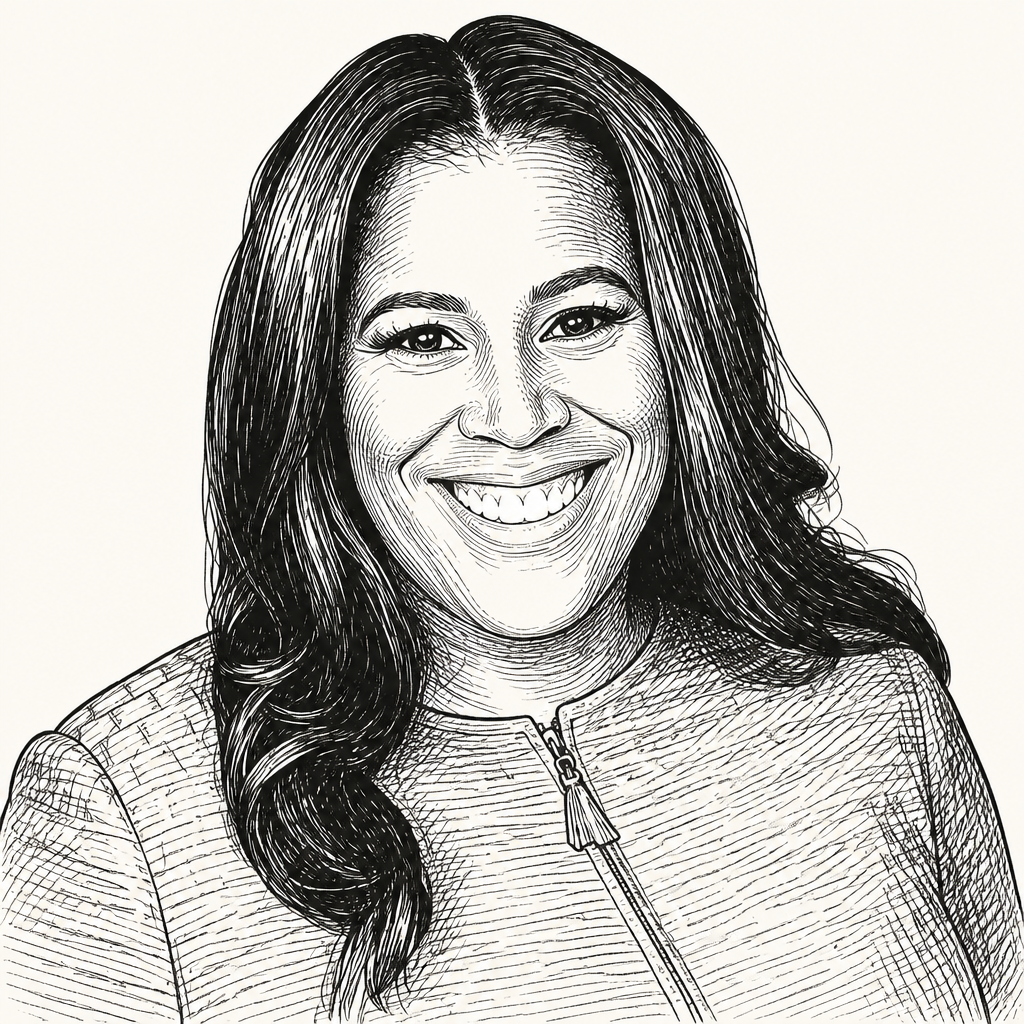
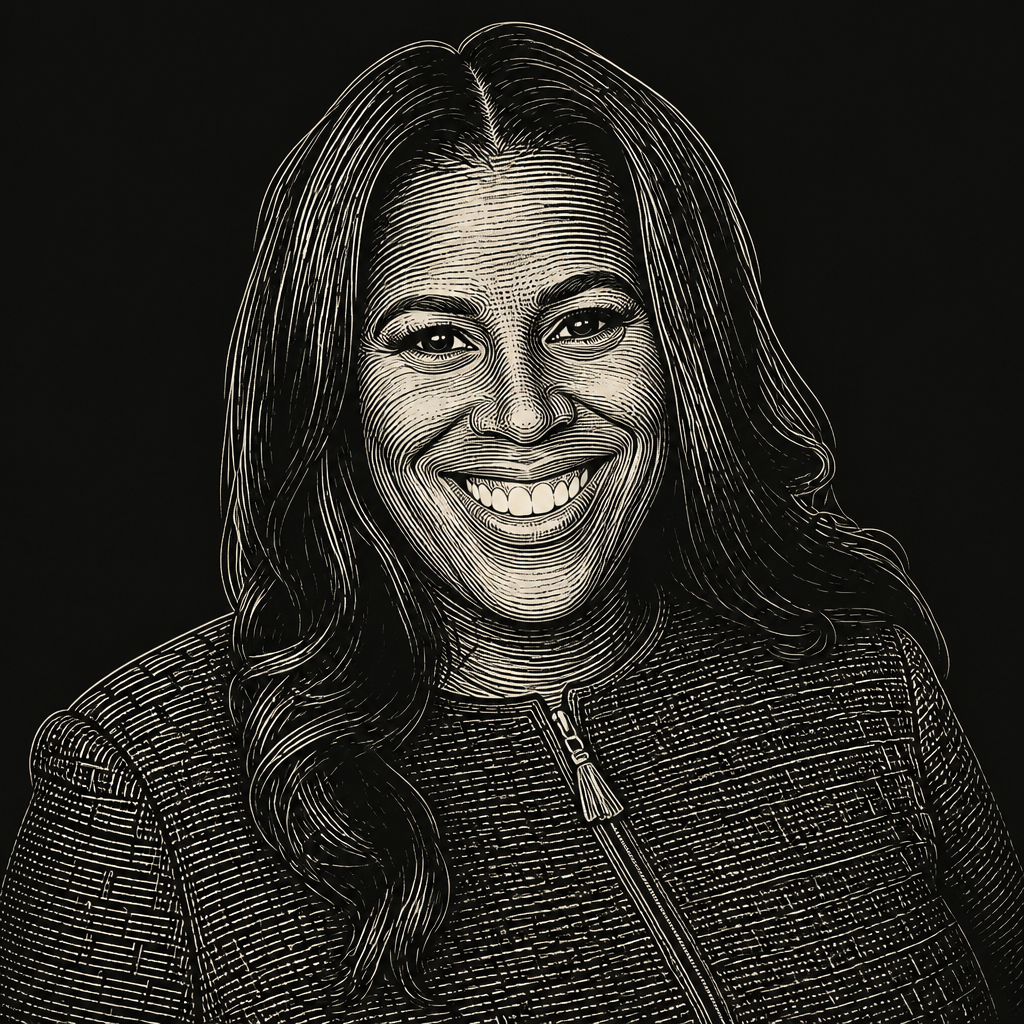
The savings gap is the $4 trillion shortfall. The access gap is the 59 million Americans without workplace retirement plans. The guarantee gap is about turning accumulated assets into dependable income.
We know that income has to be the outcome.
That guarantee gap is the hardest part of a longer life. An account balance tells a worker what has been accumulated. It does not tell a retiree how much can safely be spent, how long health will hold, whether care costs will spike, or whether markets will cooperate in the wrong decade. Duckett said the 4% rule is not enough, because decumulation — converting savings into retirement income — is where the system has to become much more serious.
TIAA’s own model, she said, was built around that premise. The firm has existed for more than 100 years with income as the outcome, especially in higher education and healthcare. Duckett described participants who are 100 years old and still receiving checks, with daughters or granddaughters relieved that a parent is financially okay. That income came from embedding fixed or variable annuities into retirement arrangements, rather than treating guaranteed income as an optional late-life product.
The guarantee does more than provide psychological comfort. In Duckett’s argument, it also allows people to stay invested longer and seek higher returns because their basic needs are covered by a paycheck they will not outlive. If a retiree has confidence that necessities are covered, the rest of the portfolio can take more appropriate long-term risk.
The same income problem looks different from the household balance sheet. Ida Rademacher said the prospect of a 100-year life is a triumph. At Aspen Ideas Health, she had heard that people over 90 are the fastest-growing population segment by percentage. But longevity remains unequal: there is still a 10- to 15-year discrepancy in life expectancy based on income and ZIP code.


Her critique was that the United States has built a retirement system for a roughly 70-year life and then shifted many of the risks onto households. Those risks include healthcare, childcare, eldercare, savings, investment decisions, and longevity itself. Households, she said, are “the smallest unit in the economy” and least able to manage that level of risk.
Rademacher resisted an either/or debate between public protection and private ownership. The answer, she said, has to include both pooled protection and capital-market participation. She pointed to the UK and Australia as countries that are farther ahead in confronting longevity issues, while acknowledging that even they have not fully solved the decumulation problem. Her phrase for the direction of travel was succinct: “the future of wealth is income.”
She also connected Social Security’s financing problem to broader labor-market pressure. If productivity gains increasingly accrue to technology rather than wages, then wage compression becomes more than an individual savings problem. Wages also generate payroll taxes, and payroll taxes fund Social Security. In that world, capital income may need to play a larger role not only in individual portfolios, but also in the way society structures pooled risk and retirement security.
Automatic design is doing work that financial literacy cannot
The practical savings agenda centered on defaults: automatic enrollment, automatic escalation, and default contribution rates that start as soon as a person enters the workforce. Thasunda Duckett argued that the most powerful force in retirement saving is compounding, and that employers and plan designers should make it easy to begin early. She suggested a default contribution rate of at least 6%, or up to the employer match, so workers do not leave matching dollars on the table. If workers cannot afford the full rate, plans should auto-escalate by 1% a year.
A key point in Duckett’s argument was that people often reduce contributions because of a temporary life event, not because they have permanently decided against retirement saving. If they are not automatically escalated back, she said, they can lose 20 years of compounding because “life was lifing.” Her answer was not to remove choice, but to design plans that recognize the difference between a temporary interruption and a lifelong outcome.
She later put a number on the re-enrollment logic: when people are opted back in, 80% to 90% do not go back down. They had been solving for a moment, not making a permanent retirement decision.
The same design logic applied to financial education. Schrager noted that financial literacy is falling even as financial lives become more complex. In a later exchange about what plan design looks like in practice, an unnamed speaker in the transcript described a target-date-fund approach: asset allocation across equities and fixed income, mostly public-market exposure today, with the view that private-market exposure should also be considered. The point was that a worker should not need deep financial literacy if an employer automatically enrolls them into a professionally managed, rebalancing, age-appropriate portfolio.
That system works best when automatic enrollment, automatic escalation, and managed asset allocation operate together. The aim is to remove friction and keep people in a risk-managed portfolio over their lives.
Duckett put it more directly: “We’re not gonna educate ourselves out of this.” Education matters, she said, but people are better equipped to learn when they have something concrete to understand. The industry’s greatest innovation, in her phrase, will be simplicity.
Simplicity will be our greatest innovation.
Simplicity did not mean eliminating agency. Duckett said individuals still have to be able to reduce contributions, opt out, or make choices as life changes. But the system should not convert one financial shock into decades of lost compounding.
Her personal example was her father, who worked for more than 30 years scanning boxes and driving trucks. When she looked at his retirement, she found that he had a 401(k) plan and a pension, but the pension was insufficient and he had never contributed a dollar to the 401(k). The plan existed, but it had not reached him. Once she explained the benefit and the catch-up opportunity, he immediately maxed out contributions. At the time, she said, she was making $26,000 a year.
For Duckett, the lesson was that employers have to ask whether their plans reach the people “furthest removed” from leadership. Asset allocators have to design plans with fiduciary discipline. Insurers have to protect the underlying guarantees. Policymakers have to keep making access easier. And employers have to look at their own data and ask who is being left out.
Education still has a role, especially when it connects to a person’s actual financial life. Duckett pointed to corporate employee education, state financial-literacy requirements in high school, community colleges, and AI-enabled tools. But she stressed quality and life-cycle relevance. People need to understand compounding through different stages of life, and near retirement they often need human advice because “money is emotional.” A model may answer technical questions, but many people also need someone to understand their story, burdens, family obligations, and desire to leave something behind.
Affordability and liquidity determine whether people can take risk
A worker cannot be expected to make long-term investments if every short-term shock forces a withdrawal. Ida Rademacher brought the affordability problem back to a stark number: the median 60-year-old in America, she said, has $24,000 saved for retirement. That is not the median among people inside 401(k) plans; it is the median in America. Combined with tens of millions lacking workplace access, she argued, the problem cannot be reduced to financial literacy or individual discipline. It is a design problem.
That is why Aspen’s work, she said, moved from thinking about a retirement income lab to a retirement income and affordability lab. The two cannot be separated. Rademacher pointed to what she called the “collapse of private long-term care insurance,” the unknown costs of healthcare in retirement, and the burden that falls on family members when older adults cannot pay.
Rademacher’s broader work on “essential wealth” asks what level of income and assets allows people to perform the basic functions they need in life. Liquidity — the ability to manage a financial shock and recover while staying on track — is central. She said it is the highest correlate in the Consumer Financial Protection Bureau’s work linking financial conditions to subjective and objective well-being.
You can't swing a baseball bat when you're standing in a canoe.
Some level of stability is required to take risk. A country cannot expect households to invest, start businesses, or participate in growth if they are constantly forced to liquidate long-term assets to survive short-term shocks.
Emergency savings appeared in the discussion as part of the retirement system rather than a separate benefit. An unnamed speaker in the transcript argued that people fail to save for retirement partly because immediate bills and shocks consume available cash. When employers offer emergency savings accounts, the speaker said, employees are 70% more likely to save for retirement because they have a buffer.
That is why the panel repeatedly treated retirement as more than a retirement problem. Retirement is an outcome produced by lifelong decisions and conditions. It is tied to emergency savings, early savings, family obligations, labor-market choices, and the broader economy.
Early saving was another part of that affordability frame. If lives are longer, saving and investing windows also need to lengthen. A speaker from the asset-allocation side said a $1,000 early account invested over 18 years could grow toward the $24,000 median that many Americans have at age 60. Waiting until age 24, 30, 45, or 60 makes it much harder to fund a 30-year retirement.
Rademacher described “Trump accounts” as one possible government role: universal access to an IRA at birth. Capturing 18 additional years of capital accumulation, she argued, changes the starting point. But she resisted beginning the public-policy conversation with redistribution. A growing economy, she said, starts with who has a stake in the primary distribution and who has upside in prosperity. Redistribution depends on a thriving and dynamic economy, but the prior question is how people participate as producers, not only consumers.
Government’s role, in her account, runs across a continuum. It can shape the structure of capital markets just as product innovation does. It can help establish access. It can help define floors of dignity and agency. The point was not that government alone should solve the problem, but that the retirement system will require public-private partnership.
Annuities are unpopular, but the demand is for what they do
The defined-contribution system accumulated balances before it solved income. Allison Schrager named that flaw the “original sin of retirement”: the shift to defined contribution as a wealth-accumulation vehicle, not an income vehicle. People look at retirement as an account balance rather than as a stream of future income. That creates an emotional and practical hurdle when they are asked to annuitize part of their wealth.
Schrager said she loves annuities as an economist, and joked that “you’ll never find three bigger fans of annuities” than the panelists. But the annuity puzzle remains: people want protection against outliving their money, yet they often do not buy products that provide that protection. She described the complexity of retirement consumption: early retirement may include travel and higher discretionary spending; later retirement can bring declining health and expensive care needs. One formulation she cited captured the problem: “70 is the new 60, but 80 is still 80.”
Thasunda Duckett’s response was that annuitization works better when it is embedded during accumulation rather than presented as a separate decision at age 65 or 70. TIAA’s track record, she said, came from building annuities into the plan over decades. Waiting until retirement and asking someone to buy an immediate annuity is a harder solve.
Her broader plan-design argument was that retirement portfolios should include equities, bonds, insurance, and, increasingly, alternatives. Ordinary workers, she argued, should be able to access potential higher returns in a fiduciary-managed way, so the K-shaped economy does not widen because only wealthier investors can participate. But that higher-return opportunity has to sit alongside protection. If workers are giving money to an insurer with the expectation that it will be there 40 or 50 years later, the insurer’s rating and balance sheet matter.
Duckett also acknowledged that annuities have “gotten a rap,” especially in retail markets where they have historically been seen as expensive and hard to understand. The industry, she said, has to do better because research repeatedly shows that people want what an annuity provides but do not like annuities as a category.
In a later asset-allocation exchange, an unnamed speaker described a model “almost like a modernized personal pension”: a portfolio that brings together active management, public and private markets, and the option to create a guaranteed income stream for life. The speaker emphasized that the portfolio construction matters, and that a paycheck for life cannot be solved only at retirement. It has to begin much earlier.
The liquidity objection remained central. People want lifetime income, but they do not want to give up access to their money. In response, the same thread of the discussion treated guaranteed income as one portion of a target-date fund. Part of the fund can provide an annuity-like income stream while the rest remains liquid. In that design, the system can manage both longevity risk and liquidity risk.
The retiree demand for income showed up in survey numbers cited during the discussion. A speaker said 90% of retirees in a survey wished they had some type of secure income because they could not easily convert a nest egg into a spending plan. The speaker added that 54% of retirees in the survey had access to a pension and said it made life much easier; they wished more people had access to one.
| Retiree response cited in the discussion | Figure cited |
|---|---|
| Retirees who wished they had some type of secure income | 90% |
| Retirees who had access to a pension and said it made life much easier | 54% |
Duckett found cause for optimism in the policy environment. SECURE Act reforms, she said, created momentum through auto-enrollment, auto-escalation, and safe harbor provisions that make it easier to put annuities in plans. Retirement reform has attracted bipartisan support, which she treated as one of the few reasons to believe the system can still be modernized.
The people missed by the system are reached too late or not at all
The automatic workplace system works best when it reaches people early, keeps them enrolled, raises contributions over time, and turns part of the balance into income. But several groups sit outside that clean design: Gen X, who entered the defined-contribution era too late to get the full benefit of compounding; gig and contract workers, who may not have an employer plan at all; and women, whose work and caregiving patterns often reduce balances even when savings rates are strong.
One exchange about BlackRock’s retirement research highlighted a counterintuitive generational split: Gen Z was described as the generation most confident about retirement, even though younger people are often distressed about jobs, housing, and current finances. Gen X, by contrast, looked more vulnerable.
The explanation offered was system exposure. Gen X is less confident and less prepared because it was not in the system long enough. Younger workers may have better outcomes because they have more years of automatic saving and investing ahead of them. For older workers and retirees, the most urgent need is predictable income rather than another lecture about long-run compounding.
Thasunda Duckett added a balance-sheet explanation. Gen X is the smallest generation, she said, and is carrying obligations in both directions: adult children of the large boomer generation, who are living longer, and parents of millennials and Gen Z, who are navigating a different economic design. Gen X often does not live near aging parents in the way prior generations did, which increases caregiving complexity. The balance sheet pressure is therefore not only personal retirement insecurity, but the sandwich-generation burden.
That burden connects the retiree crisis to younger households. When older adults do not have enough income, adult children and grandchildren absorb the cost. Duckett emphasized that the crisis is not only for people retiring now. It is also for the generations coming up, who may divert wages to support parents because parents did not know about or did not use benefits available to them decades earlier.
The spending economy also depends on solving the income problem. Earlier in the discussion, Jaime Magyera used Australia to make the point that even strong defined-contribution systems can fail if retirees are afraid to spend. Australia had strong superannuation plans, she said, but people were not spending their money. That mattered not only for retirees’ quality of life but for the economy, because older households will increasingly fuel consumption. If they hoard balances because they lack confidence, the economy loses spending from a growing age group.
Duckett argued that the closest thing to a defined-benefit plan inside a defined-contribution system is guaranteed income. Different firms may build it in different ways, but the common direction is to modernize defined contribution so it can do more than accumulate balances. Her optimism came from the alignment she sees among large asset managers, insurers, employers, policy institutions, and bipartisan legislation.
The same reach problem is sharper for workers who never enter the employer-centered system. Independent contractors, gig workers, part-time workers, small-business employees, and people with multiple 1099 jobs may not have access to automatic enrollment, employer matches, or plan-based guaranteed income.
In response to an audience question about younger independent contractors, an unnamed speaker described that population as part of the access gap. Duckett had earlier cited 59 million Americans without a workplace plan; the later response referred to 57 million while describing the broad category of people outside the employer-centered system. These workers often face volatile income, pay both sides of the payroll tax, and have more difficulty securing health insurance. The workforce is leaning further in those directions, the speaker said, which makes a workplace-only retirement architecture increasingly incomplete.
The response also linked the issue to young people’s fear and what the speaker called the “financial nihilism” conversation: why are some people turning to prediction markets rather than long-term saving? It may not simply be attraction to risk; it may be that the system designed to work best for people still leaves many out.
The same speaker contrasted the United States with Australia’s superannuation system through a personal example: as an international student working a temp job in Australia, the speaker said, even that work arrangement brought inclusion in the savings system. The system “didn’t leave anybody out.” In the speaker’s account, that design helped Australia build “the deepest per capita market in the history of the world” over 25 years because coverage was universal across work arrangements.
Another later response added that gender cuts through the access problem. Women, the speaker said, save at higher rates than men, but have smaller balances because they are more likely to move in and out of the workforce and provide care. They are also not asking for guaranteed income, even though longevity and caregiving risks can make income protection especially important.
At the same time, that speaker emphasized that a 401(k) is not the only way to save. Anyone can open an IRA or savings account, the speaker said, and many Americans are already opening brokerage accounts and buying S&P 500 index funds. The system still has to do more to help people understand how to use those tools, but lack of a 401(k) does not mean saving is impossible.
The access problem therefore has two layers. One is institutional: building systems that do not exclude people based on employer, job type, hours, contract status, generation, or caregiving pattern. The other is practical: helping people outside workplace plans find and use available accounts before years of compounding are lost.
Higher returns only help if protection stays in the design
“Alpha,” in Thasunda Duckett’s explanation, means more returns. In retirement design, the point is to make a dollar work harder over a longer life by giving participants access, where appropriate, to stronger through-the-cycle return opportunities.
But Duckett immediately paired the return discussion with protection. More exposure to alternatives, or staying invested longer in equity markets, can create more opportunity for a dollar to grow. It can also create volatility and require patient capital. The reason to put those tools inside a retirement plan is that they can be managed with fiduciary discipline and paired with protection, rather than offered as a stand-alone bet.
Her example was a split of risk and protection: one dollar seeking growth, with another portion moving toward protection. The exact numbers were illustrative, but the design principle was central. If the system becomes fixated only on returns, it loses the boring foundation that lets ordinary people tolerate risk. The guaranteed or protected part is what gives participants confidence to accept exposure to markets and alternatives elsewhere in the portfolio.
That point tied together several threads that otherwise sound separate: annuities, liquidity, emergency savings, target-date funds, and access to private markets. The argument was not that households should be pushed into more risk because they lack enough money. It was that people can take productive risk only when the plan architecture gives them enough stability not to panic, opt out, or spend down long-term assets in a short-term crisis.