Community Colleges Must Organize Around Completion, Not Enrollment
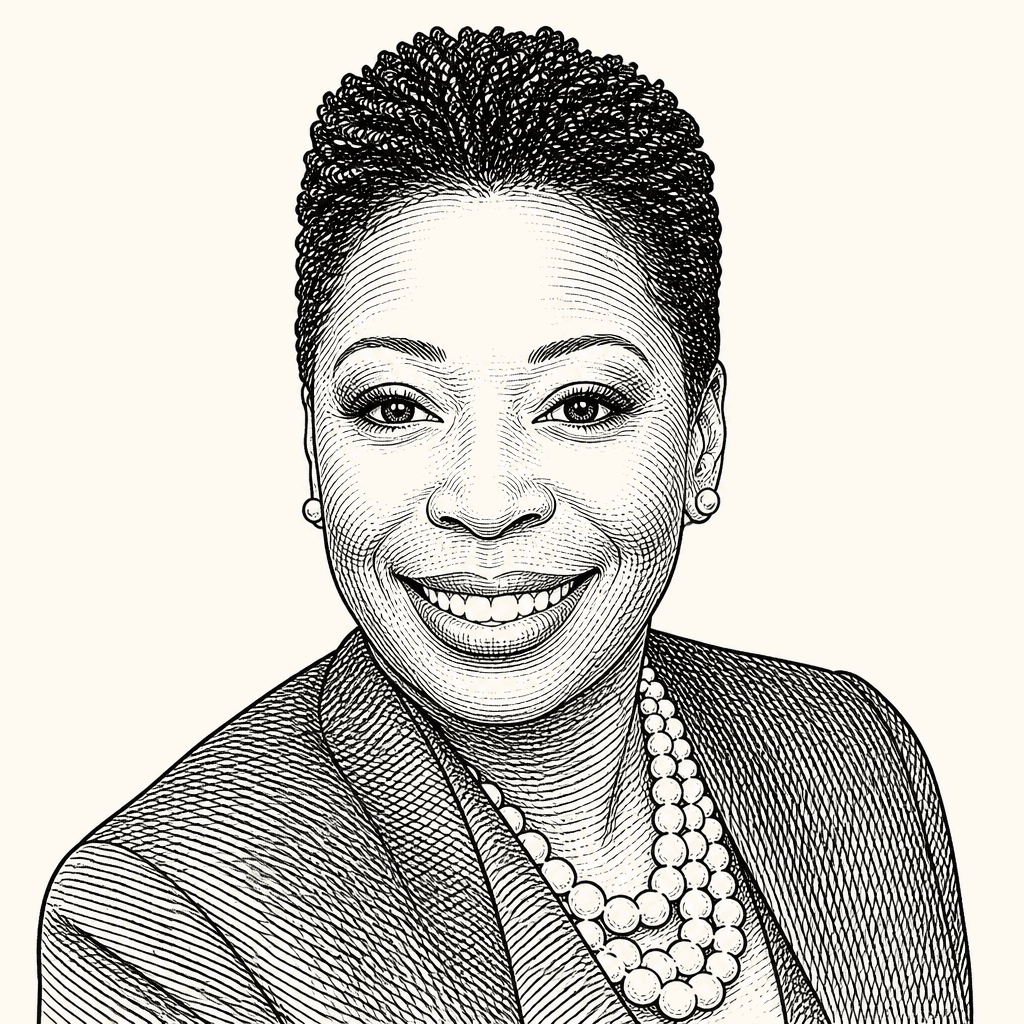 Pascale Charlot
 Maria Harper-Marinick
 Russell Lowery-HartThe Aspen InstituteWednesday, September 16, 20263 min read
Aspen Institute fellowship leaders and alumni argue that community colleges should organize around student completion and labor-market outcomes, not enrollment alone. Russell Lowery-Hart, chancellor of Austin Community College District, says those measures must shape institutional systems, budgets and decision-making, while Pascale Charlot and Maria Harper-Marinick describe the Aspen Rising Presidents Fellowship as preparing prospective college presidents with the evidence, tools and leadership frameworks to drive that change.

Student success must shape how a college operates
For Russell Lowery-Hart, enrollment is not the endpoint against which a community college should organize itself. It is “the beginning of the conversation.” The consequential measure is completion—and, alongside it, whether students reach labor-market outcomes.


That shift is operational rather than rhetorical. Completion and labor-market outcomes, Lowery-Hart says, must be integrated into a college’s operations, budgeting, and systems. In his account, these are not student-success goals delegated to a separate initiative while the institution’s core machinery runs on other priorities. They belong in the places where a college sets priorities, directs resources, and builds processes.
Aspen helped us understand that enrollment was the beginning of the conversation and that it became about completion.
Lowery-Hart describes the fellowship’s contribution as leadership preparation centered on evidence and institutional movement. Leaders need to know how to access data and use it, he says, but also how to talk about it: how to make it part of a conversation that can “galvanize and move colleges to reform.”
The point is not simply that institutions should collect better information. Data has to become usable in decisions about systems, budgets, and outcomes—and legible enough to support reform across the college.
The fellowship prepares potential presidents to lead institutional change
Pascale Charlot describes the Aspen Institute College Excellence Program fellowship as designed to identify potential presidents deeply committed to improving student-success outcomes. The commitment is not framed as a general aspiration to lead; it is tied to the results institutions produce for students.
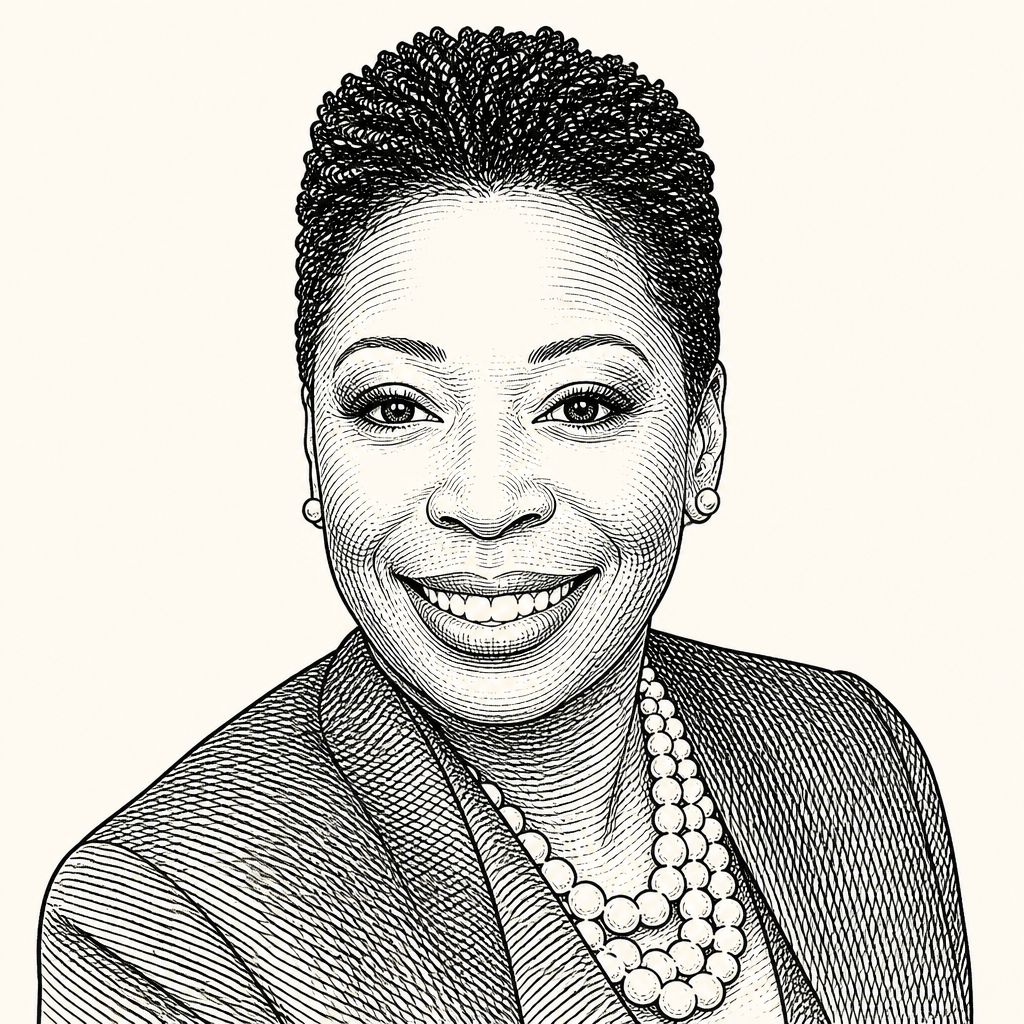

Charlot says the fellowship provides frameworks that give participants “the language and the tools to lead the transformation in their institutions.” Lowery-Hart’s account supplies a practical example of what that can require: using data not only to understand outcomes, but to make those outcomes consequential in how a college operates.
Maria Harper-Marinick describes the fellowship as an opportunity for people who want to engage in leadership “for transformation, for impact, for the real work in our communities.” Her framing places institutional change beyond internal management. The work of a college matters because of what it can do in the communities it serves.


Charlot places that work in a forward-looking higher-education agenda. For people interested in helping build the future of the sector, she says, there is no better time to reimagine what that future could be. In the terms supplied by the fellowship’s leaders, that means making student success visible in completion, labor-market outcomes, and the institutional systems that influence both.
Academic programs sit within a larger pathway to opportunity
Harper-Marinick grounds the leadership agenda in a broader public-purpose claim about community colleges and their academic programs.
We cannot think about a pathway to the American dream without thinking about the academic programs in our community colleges.
Her statement gives the outcomes focus a larger stake. The article’s synthesis is that if community-college programs are part of a pathway to opportunity, institutional attention cannot stop at enrollment. Lowery-Hart’s emphasis on completion and labor-market outcomes identifies the measures he believes should instead be carried into a college’s operations, budgets, and systems.
The fellowship’s model joins that public purpose to concrete institutional practice: identify prospective presidents committed to student success, equip them with frameworks, language, and tools, and prepare them to use data in ways that can move a college toward reform.
The Aspen Institute’s closing graphic directs prospective applicants and nominators to learn about the Aspen Presidential Fellowship at as.pn/risingpresidents.