Public Health Crises Test Authority, Partnerships, and Public Confidence
 Elliot Gerson
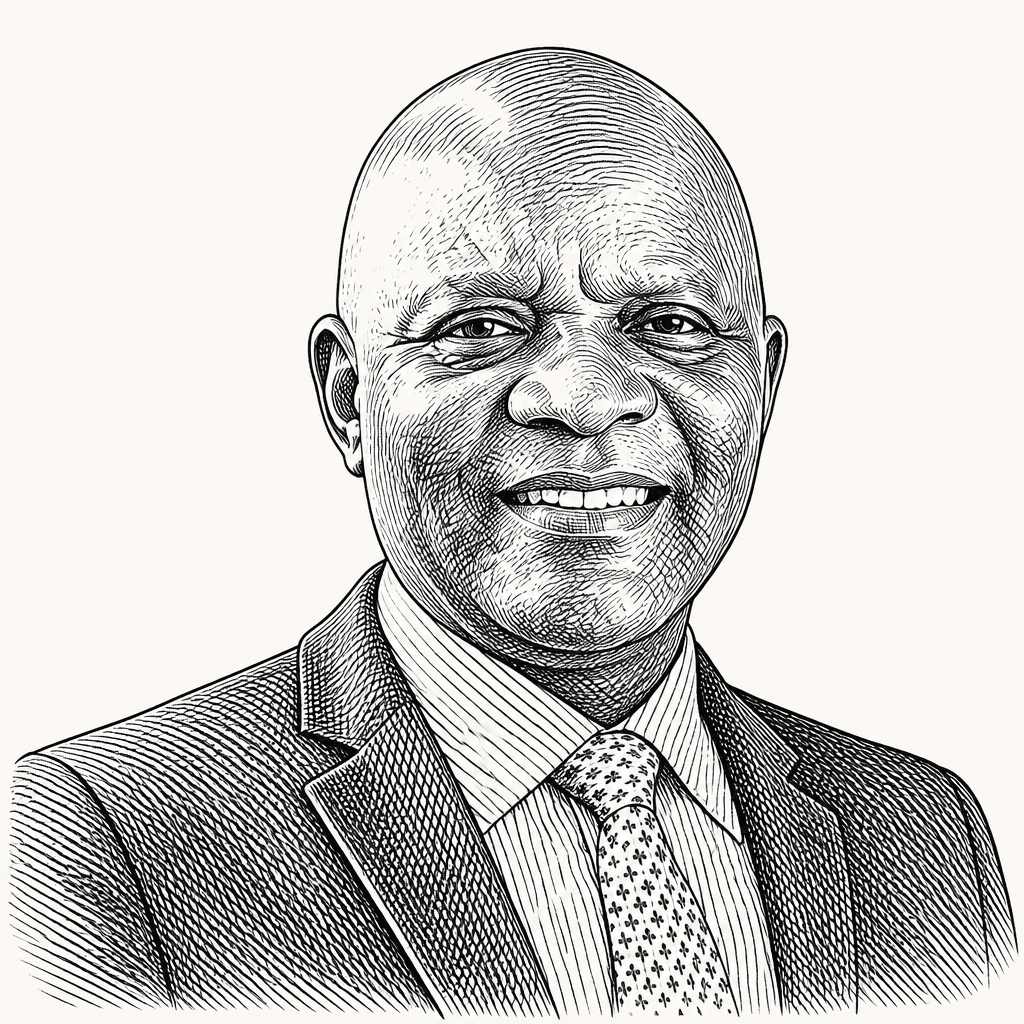 John Nkengasong
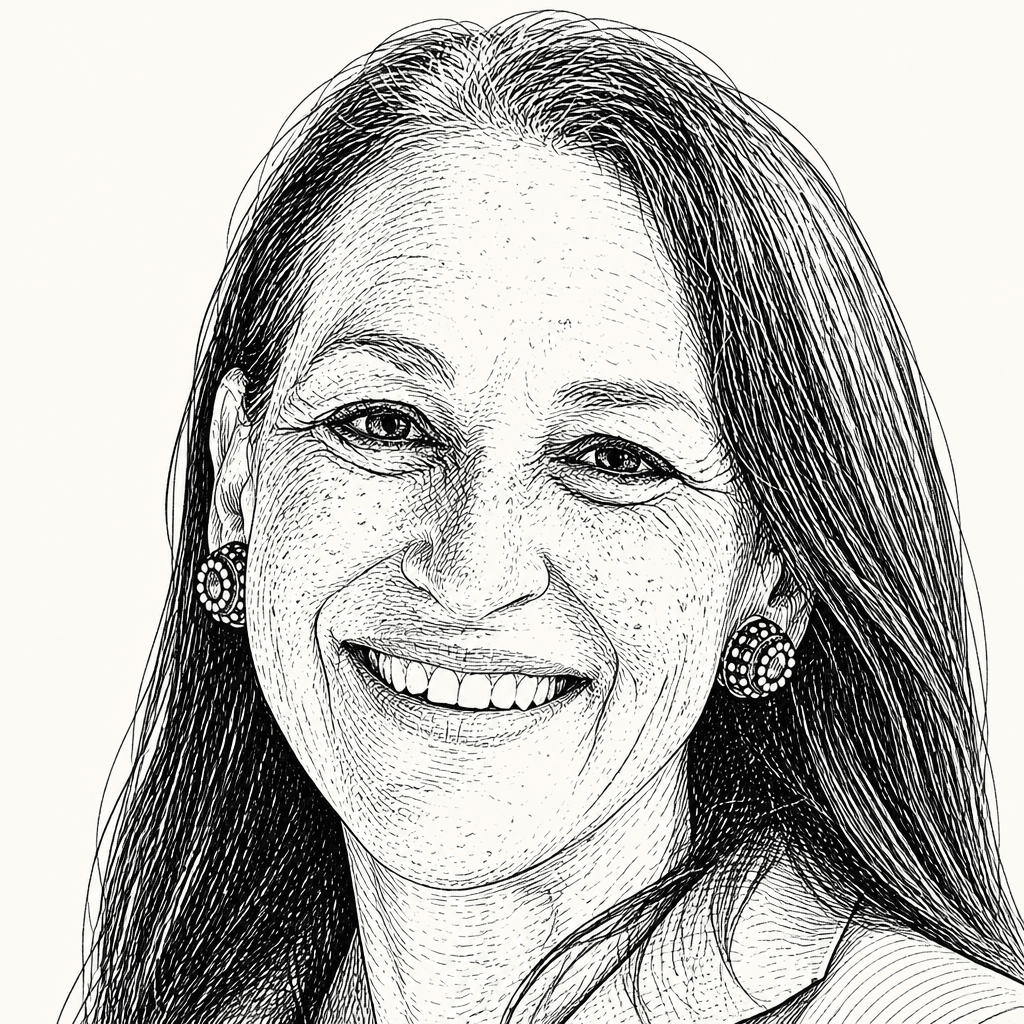 Margaret HamburgBethlemThe Aspen InstituteTuesday, June 30, 202620 min read
At Aspen Ideas: Health, John Nkengasong, Alex Azar and Margaret Hamburg argued that crisis leadership in public health depends less on improvisation than on authority, trust and institutional capacity built before emergencies hit. Drawing on COVID-19, Operation Warp Speed, drug-resistant tuberculosis in New York and Ebola in the DRC, they made the case that leaders must align political power with technical judgment, work through credible partners, and communicate uncertainty without inflating or minimizing risk.
The recurring test was alignment before speed
Public health leaders described crisis management less as command performance than as the work of aligning authority, systems, incentives, and credibility before events overwhelm formal structures. The crises they discussed differed sharply: COVID-19 across Africa and the United States, drug-resistant tuberculosis in New York City, Ebola in the Democratic Republic of Congo, vaccine misinformation, and damage to global health and biomedical research systems. But the practical test was the same: whether leaders could connect political power, technical judgment, institutional capacity, and public confidence quickly enough to matter.
| Crisis case | Constraint the speaker emphasized | Leadership mechanism |
|---|---|---|
| COVID-19 across Africa | 55 countries, limited diagnostics and vaccines, and a young Africa CDC | Political capital, diplomacy, and a continental strategy organized around coordination, cooperation, collaboration, and communication |
| Operation Warp Speed | Scientific uncertainty, manufacturing risk, and private-sector incentives | Government de-risking of trials and manufacturing through a public-private partnership |
| Drug-resistant TB in New York City | Fragmented systems, homelessness, HIV/AIDS, and cross-agency responsibility | Mayoral authority, budget control across sectors, and accountability for execution |
| Ebola in DRC | Late detection, conflict, weak trust, and difficult vaccine delivery | Community-level trust, contact tracing, dignified burial, and cross-border diplomacy |
For John Nkengasong, the founding director of the Africa Centres for Disease Control and Prevention, COVID-19 was the hardest assignment of a 30-year public health career. Africa CDC was still being built when the pandemic hit. Nkengasong had gone to the African Union after the 2014–2016 Ebola crisis in West Africa, convinced that Ebola — not a respiratory infection — should not have been able to cripple a whole subcontinent. The lesson he drew was institutional: Africa needed its own public health agency.
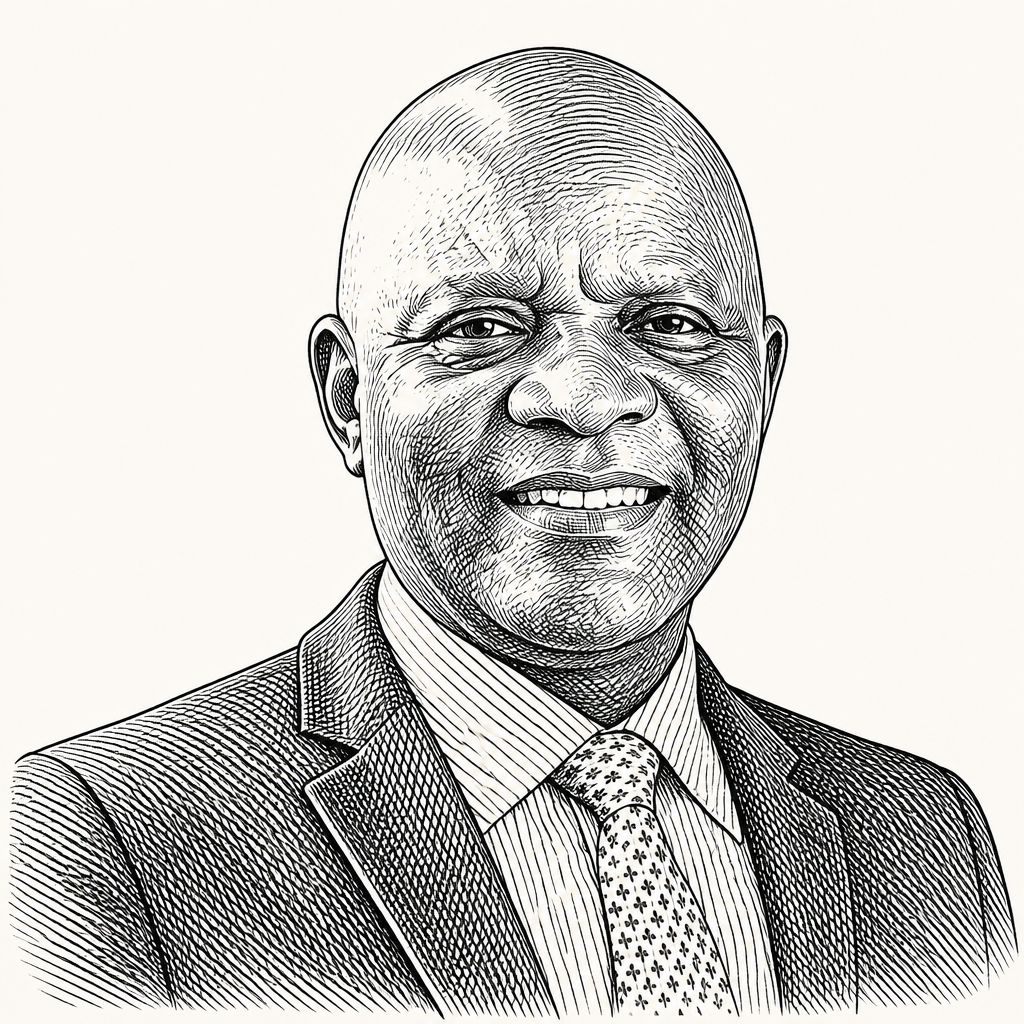
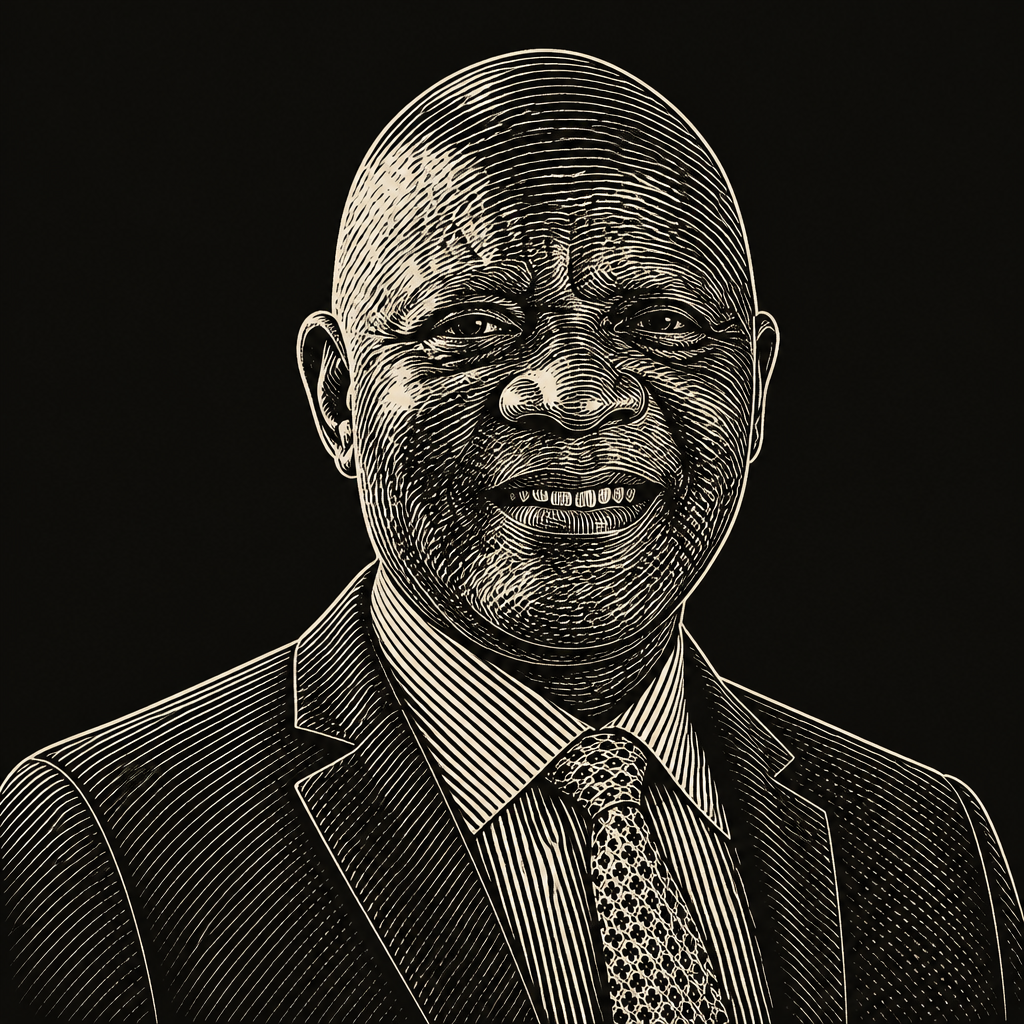
When COVID arrived, Africa CDC had only recently moved beyond the stage of “running from corridor to corridor” with a laptop, writing strategic plans, job descriptions, and proposals to get the institution endorsed and staffed. Then President Cyril Ramaphosa of South Africa, then chair of the African Union, asked Nkengasong for a continent-wide strategy to take to the G20.
Nkengasong’s answer was deliberately simple: four Cs — coordinate, cooperate, collaborate, and communicate effectively. Africa could not copy China’s early pandemic response, he said, pointing to China’s ability to build a 2,000-bed hospital in two weeks. The continent had to act as one.
That required political capital before it required supplies. Every two weeks, Ramaphosa convened 55 heads of state for three-hour sessions with Nkengasong, where they could hear the public health assessment, ask what they were facing, and understand what could be done together. Nkengasong described that repeated engagement as the diplomatic mechanism through which Africa CDC mobilized diagnostics, PPE, and vaccines.
The scale mattered: 55 countries, roughly 1.5 billion people, more than a thousand languages, limited diagnostics, limited vaccines, and direct pressure from presidents asking what to do. Nkengasong’s account did not present coordination as an administrative detail. It was the way to reduce the burden of a continental crisis from an unmanageable set of national demands into a shared political project.
Operation Warp Speed worked by respecting private-sector incentives
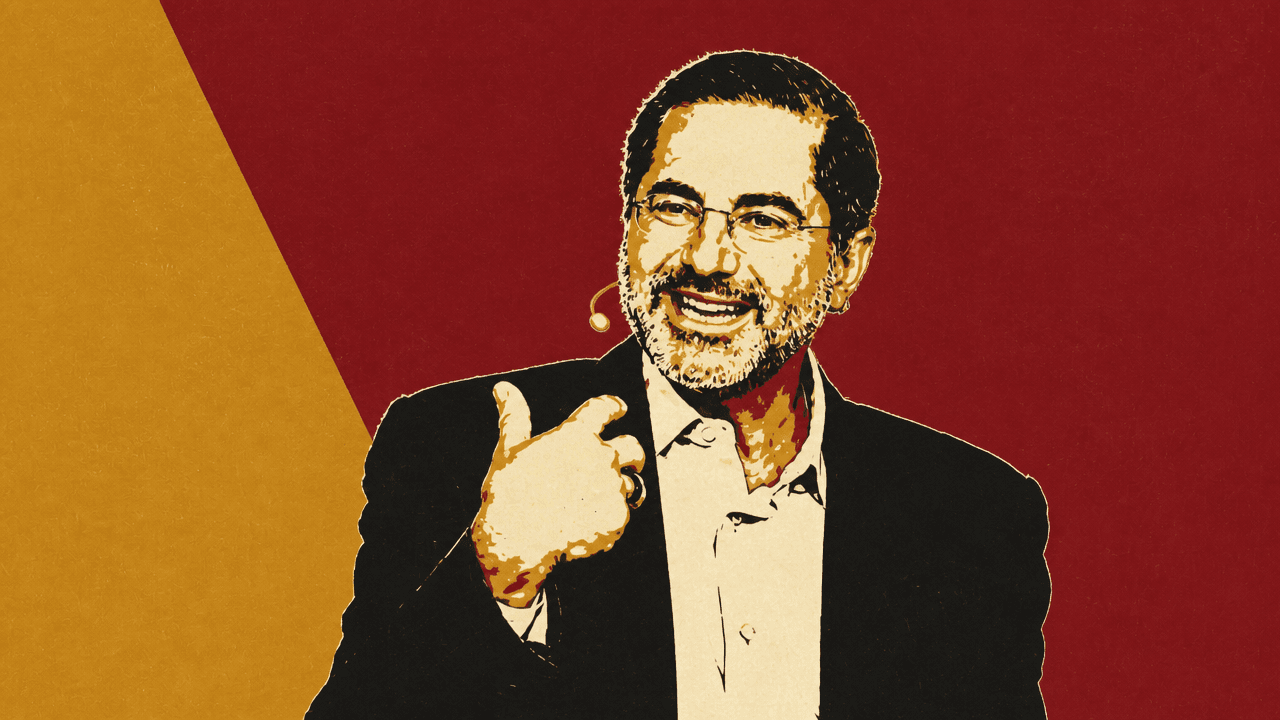
? alex-azar framed Operation Warp Speed as a public-private partnership in the fullest sense of that phrase. He compared it to the Manhattan Project and Apollo: not government programs that merely contracted out tasks, but collaborations between government and private or academic actors.
The distinction mattered to him because, in his view, government cannot execute projects of that kind by treating its partners as adversaries. The Manhattan Project, as Azar described it, was not only the Department of War; it involved Berkeley, the University of Chicago, Savannah River, and other partners. Apollo was not only NASA; it involved Lockheed Martin, Boeing, General Dynamics, Raytheon, and others. Operation Warp Speed, he said, required the same mentality with biopharma.
Azar’s core management claim was that the government succeeded by understanding the pharmaceutical industry’s incentive structure rather than trying to remake it. Drawing on his experience leading Lilly USA, he said the government treated industry’s incentives around R&D, manufacturing, commercialization, and distribution as a given, then worked inside them.
That meant de-risking investment. The government funded clinical trial investments and stood up phase 3 trials while candidates were still in phase 1. It invested across three vaccine mechanisms of action, with two candidates in each category — in Azar’s words, building and managing a portfolio of risk the way a drug company CEO would. It also de-risked manufacturing. A typical company would not manufacture at scale until after phase 3 success; Operation Warp Speed made hundreds of millions of vaccine doses at risk starting in June 2020, before knowing whether the vaccines would work.
Azar said that when Pfizer and Moderna vaccines were “on approval” in December, about 38 million doses were quality-controlled and ready for release, with another roughly 45 million to 50 million already manufactured and in quality control. That inventory existed, in his account, because the government had absorbed risk before efficacy was proven.
He was equally explicit about what he thought went wrong in communication. When Operation Warp Speed was announced in May 2020, Azar said he used the language of corporate leadership: a “BHAG,” or Big Hairy Audacious Goal, from Jim Collins’s management vocabulary. The aspiration was an FDA-authorized vaccine by the end of the year and enough vaccine for all Americans by the first quarter of 2021. Azar said he expressed that goal conditionally — “we would be very lucky,” “we would like to have,” “it would be great,” “our audacious moonshot type goal.” But, he said, media coverage turned that into a promise that there would be a vaccine before year-end and that every American would have it “in their arm” by December 31.
That created two leadership problems. First, public expectations hardened around the most ambitious version of the target. Second, members of his own broader public health world publicly called the goal fanciful or political; one subordinate, he said, described the president as being in “la la land.” Meanwhile, Azar had recruited Moncef Slaoui, Carlo de Notaristefani, and Gus Perna to lead the effort on a Manhattan Project basis, and he was trying to hold the team together while outside voices said the effort was laughable.
We actually can make this happen. We can get vaccines in seven months, which no one in human history has ever done before.
His retrospective lesson on the rollout was almost the opposite of the initial announcement. When the vaccine trial data came back strong and doses were ready, he said the country had its first real “glimmer of hope” in months. The mood was excitement and relief. But in hindsight, he said, it might have been better to tell the public in December that distribution would be “creaky,” frustrating, and supply-constrained until later — that by April 1 vaccines would be plentiful, but the interim would be hard.
That would have been an “undersell, overdeliver” approach. Azar acknowledged that it did not match the national mood at the time. People wanted hope. But he treated the mismatch between operational reality and public expectation as one of the costs of crisis communication.
Hamburg’s tuberculosis response depended on political authority, not only science
Margaret Hamburg described New York City’s drug-resistant tuberculosis resurgence as a crisis that became solvable only when political will, public health expertise, resources, and cross-sector authority were aligned. As city health commissioner, she said she received laboratory data showing that tuberculosis was a much more serious problem than she had understood. In medical school, she had learned about TB largely as a disease of historical interest. In New York, it was persistent, under-addressed, concentrated in the poorest parts of the city, and expanding.
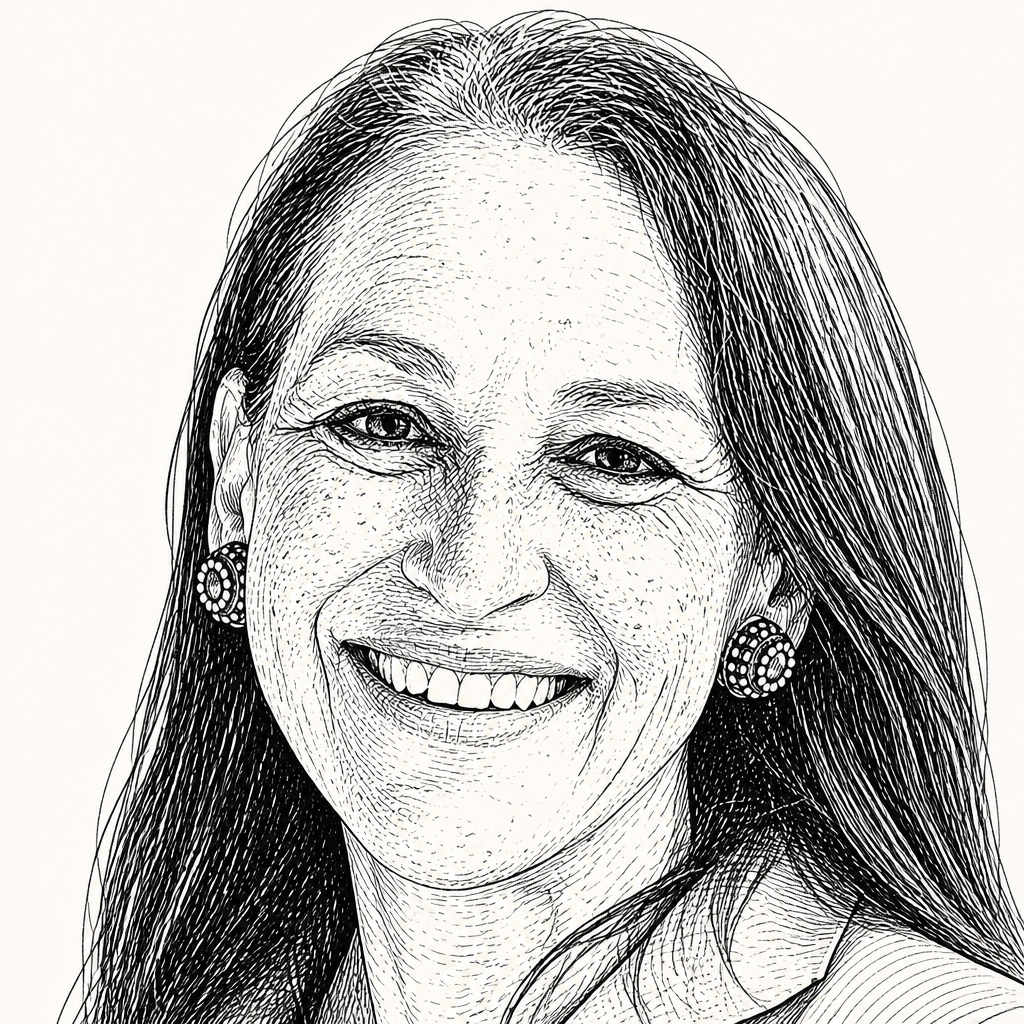
The context made the threat worse. HIV/AIDS increased vulnerability to active TB disease. Homelessness created conditions for contagion. The healthcare system was fragmented. Many healthcare workers, like Hamburg herself, had not trained in settings where tuberculosis was common and therefore were not prepared to treat it well. Drug resistance was higher than expected.
Hamburg took the problem to Mayor David Dinkins and explained the seriousness and urgency. TB is respiratory and can spread person to person. Not everyone exposed develops active disease, but she said the conditions for a serious epidemic were present and unfolding. Dinkins trusted her assessment and told her, “You tell me what to do and I’ll support you.”
The mayor then did something Hamburg described as unusual. He publicly empowered her across government, introducing her to a convening of government, private-sector, and nonprofit stakeholders as the “TB czarina” and making clear that every entity in the room had a role and would be accountable. He also gave her authority not only over the health department budget, or even the public hospital system’s health budget, but over TB-related spending needs in criminal justice, homeless shelters, drug treatment programs, and other parts of city government.
That authority made an integrated strategy possible. The city could send workers into the streets to find TB patients and make sure they completed treatment, because TB requires a long course of medication. It could change shelter design, moving away from large armory-style shelters that functioned as “incubators” for spread and toward apartment-style shelters where people could be treated without exposing others or being exposed themselves. It could address TB density in the criminal justice system.
Hamburg emphasized that the plan itself was not conceptually exotic. It was “not rocket science.” The hard part was creating the conditions to execute it across sectors. With political will, resources, accountability, collaboration, and coordination, she said, the city turned the problem around faster than she expected, despite social and structural factors that could have worsened it.
She also rejected fatalism. Some told her TB could not be addressed effectively unless poverty was cured first. Her answer was that poverty remained unresolved, but TB had become far less of a problem. The disease still persists, she added, and globally remains among the highest public health threats while still being under-addressed.
Ebola response turns on whether people believe the system will help them
Trust appeared in the discussion at three levels: between political leaders and technical officials, between public health systems and communities, and between countries that need to cooperate despite other conflicts. The speakers treated trust not as reputation management, but as an operating condition. Without it, data do not arrive, people do not disclose illness, vaccines do not become vaccination, and cross-border containment fails.
John Nkengasong treated the current Ebola outbreak in the Democratic Republic of Congo as a matter that should concern everyone. The reasons, in his account, were specific: the strain, he said, does not have a vaccine; diagnostics are improving but not yet where they need to be; the affected region is experiencing active rebellion; the outbreak was detected late; and its trajectory resembles, in worrying ways, the early trajectory of the 2014 West Africa outbreak.
The delay matters because Ebola response depends heavily on stopping community seeding early. Nkengasong said the West African outbreak became so devastating because of delay in calling it in, allowing the virus to embed in communities. That, he said, is a “no-no” for Ebola response.
He nevertheless saw leadership at multiple levels, including in the DRC health ministry. But he returned repeatedly to the same operational point: in the absence of a ready vaccine for the strain, responders are “literally fighting Ebola in that region with your naked hands.” The tools are traditional epidemiology — contact tracing, community engagement, and trust.
Trust is not a slogan in that setting. It determines whether community members tell responders that someone is sick inside a hut or house. Nkengasong said he had seen, in West Africa and in the same DRC region, families deny that people with fever were inside. Responders need communities to believe that their people will be treated with dignity, including through dignified burials, before they will disclose what is happening.
He described the required contact tracing intensity as roughly 90% to 95%. Without available vaccination, the substitute is building protective blocks through the community itself: training people to notice who is absent from church or school, ask why, and check. The work extends to surrounding villages and neighborhoods before visible spread appears.
Even when vaccines exist, Nkengasong warned, vaccination does not automatically follow. In 2018, during an Ebola outbreak in Equateur, responders arrived with Guinean vaccinators and vaccines. They knew how to conduct ring vaccination. But the community resisted because it did not know the outsiders and asked why vaccination could not be done by local community members. The lesson he drew was blunt: vaccines without vaccination do not go anywhere. If he were advising DRC’s health minister, he said, he would invest in community trust because that is what will “break the backbone” of viral circulation.
? alex-azar’s account of Ebola in the DRC reinforced the point from the perspective of U.S. health diplomacy. He distinguished between the 2018 Equateur outbreak, which he described as easier because the major challenges were transportation and safe burial practices, and the later outbreak in eastern DRC. The eastern DRC, he said, was among the worst possible places for Ebola: weak governance, 174 warring groups, civil war, little infrastructure, and attacks on Ebola treatment centers.
Azar said he was meeting weekly, and later sometimes two or three times a week, with his crisis team. NIH and CDC personnel were in the field. NIH was developing monoclonal antibodies, while companies including Regeneron and vaccine developers such as J&J and possibly GSK were part of the response. The situation, in his view at the time, had pandemic potential.
Frustrated by lack of progress, Azar said he called Dr. Tedros Adhanom Ghebreyesus, head of the World Health Organization, and told him they were going together into eastern DRC. Azar described traveling with his team, meeting President Félix Tshisekedi and the health ministry in Kinshasa, flying to Goma, and then being transported by MONUSCO peacekeeping forces into Butembo. The trip was televised. Azar and Tedros went into an Ebola treatment center at a time when such centers were being firebombed and shot up because communities saw them as places people went to die.
The symbolism was deliberate. Azar described standing with Ebola patients who had been cured by monoclonal antibodies, including a child holding an Ebola-free certificate. Faith leaders and community leaders saw the encounter. In Azar’s telling, the system shifted: people began going to Ebola treatment centers to receive monoclonal antibodies and vaccination. By June 2020, he said, the outbreak that he feared could become the next major Ebola disaster had been controlled — though, as he noted, little attention was paid because COVID-19 dominated public attention.
Hamburg added a separate leadership lesson: major crises do not suspend the rest of an agency’s work. A leader must deploy resources to the acute threat and set priorities, but also keep other critical functions running. Crises do not occur in isolation.
Azar also emphasized the role of U.S. convening power. He said the United States and Africa CDC helped bring together President Tshisekedi, President Paul Kagame of Rwanda, and President Yoweri Museveni of Uganda — leaders from countries in the Great Lakes region with difficult relationships. Azar said he did not think a single case crossed into Uganda or Rwanda during that outbreak, despite porous borders and heavy movement. He attributed that containment to collaboration among countries that were not natural partners, with the United States and Africa CDC helping make it happen.
Not every signal should be turned into a crisis
Margaret Hamburg drew a distinction between slow-building threats that must be confronted early and isolated events that leaders can accidentally amplify into public panic. She said many public health situations feel like a New Yorker cartoon she remembered: an executive’s desk with two boxes labeled not “in” and “out,” but “too early” and “too late.”
The discipline, in her view, is to face emerging problems directly without declaring a full-blown crisis before the evidence supports it. One failure mode is denial: saying a problem is nothing until it is too late. Another is escalation: taking a serious but bounded event and making it a citywide emergency.
Her example came from New York under Mayor Rudy Giuliani. A young boy presented with bruises that were initially suspected to be child abuse, but the cause turned out to be “flesh-eating bacteria,” or group A strep. The case had been in the news. Giuliani wanted to announce it publicly. Hamburg advised against doing so because it was not a citywide crisis; it was a specialized medical case.
The mayor announced it anyway. Hamburg said the result was a disproportionate public reaction. Group A strep also causes strep throat, and people began calling for schools to close if any child had strep throat, on the theory that it might lead to transmission and ultimately flesh-eating bacteria. What began as one tragic case became a citywide crisis narrative.
Her point was not that public officials should hide information, but that they must avoid amplifying threats beyond their actual scale. Social media, she said, has made that harder because escalation is faster and officials cannot control the narrative.
? alex-azar added that public health officials face a structural “no win.” He quoted former HHS Secretary Mike Leavitt: in the absence of a public health crisis, everything done to prepare will seem excessive; when the crisis hits, everything done will seem inadequate. Public health leadership is judged against both invisible prevention and visible failure.
Misinformation rewards candor, not paternalism
There was no simple communications playbook for misinformation. The advice was narrower and more practical: do not assume official authority is persuasive by itself, do not attack the identities or loyalties through which people receive information, and do not wait until a crisis to establish who can be trusted.
Margaret Hamburg’s first response was that everyone is struggling. ? alex-azar said the first principle is not to be paternalistic. Public officials should say what they know, what they do not know and wish they knew, and what their plan is to learn it.
Azar cautioned against attacking other people’s sources of authority. His view was that if public officials attack “somebody’s gods,” they are unlikely to succeed. The better approach, he said, is to put forward the best available information with candor and data — to “show the work.”
Hamburg agreed that partnerships are critical because the official public health voice may not be the most trusted or effective communicator in every community. Leaders need to know which voices have influence and work with them. That depends on credibility built before a crisis. If a leader or institution has established trustworthiness, it is more likely to be heard when misinformation and disinformation are circulating. If that trust has been squandered, or never built, the institution begins from a weaker position.
John Nkengasong went further, calling misinformation and disinformation among the greatest threats to public and global health. The trust problem, he said, has to be addressed in “peace time.” Once a crisis begins, everyone claims authority.
He also distinguished ordinary misinformation from state-sponsored disinformation. During his time at the State Department, where he said he established the Bureau of Global Health Security and Diplomacy, one unit was devoted to identifying and countering state-sponsored misinformation. He said some states actively target U.S. global health efforts. As an example, he recalled traveling to Addis Ababa and later seeing Russian misinformation about what the delegation had been doing there — material he said had nothing to do with the actual purpose of the trip. The goal was not necessarily to “win,” he said, but to confuse the population.
That means public health communication cannot wait for emergencies. Nkengasong argued that disinformation must be countered actively and in real time, during ordinary periods as well as crises.
Azar also answered a question about the politicization of COVID vaccines and broader vaccine skepticism. He described vaccines as central to his public health career, citing involvement after 9/11 in smallpox vaccination, development of a modern biologic smallpox vaccine, anthrax vaccine work, Project BioShield, SARS, monkeypox, MERS, and pandemic flu planning under Secretary Leavitt. He said one of his first press conferences as secretary concerned a flu spike, when he gathered public health leaders in the command center and urged vaccination on national television without first calling the White House for approval.
He said he wished he understood the full depth of current vaccine skepticism. One factor, in his view, is that public health has become a victim of its own success. Because vaccines have made diseases such as measles, polio, and diphtheria feel distant or unrealistic as threats, people discount the benefits. In behavioral economics terms, he said, the benefit feels far away while perceived risk feels close.
He also said mandates did not help. Americans, he suggested, are inclined to resist being told what to do. The political climate around vaccine approval and rollout was damaging “on either side of the fence,” though he did not reduce the problem to one cause.
Azar nevertheless reaffirmed his belief in vaccines as one of the great public health achievements, alongside clean water and sewers and antibiotics. He used smallpox to stress that vaccine-preventable threats are not abstract. Half a billion people died of smallpox in the 20th century, he said, even though a smallpox vaccine had existed for roughly 150 years.
Biomedical research capacity is a crisis before the next emergency makes it visible
Margaret Hamburg argued that public health leadership does not end when a formal position does. People who have held major public roles continue to be asked for guidance and are still expected to speak when institutions are at risk. The challenge, she said, is how to make a difference when the “levers of power” are no longer in hand and when interventions may be dismissed as political.
Her current concern was the state of the United States biomedical research and public health ecosystem. Hamburg called it a serious crisis and said the country appears to be taking “a wrecking ball” to a system that, in her view, has made the United States preeminent in biomedical science and research for decades. The damage, as she described it, is both near-term and long-term: important work may fail to advance now, while future generations may become uncertain about pursuing scientific careers.
Hamburg did not argue for restoring the old system unchanged. She said crises can create opportunities to rebuild and think about new models, especially when previous systems had problems that were difficult to change while things were going well. But she emphasized that the work of rebuilding must begin now.
She also used Operation Warp Speed and Ebola vaccine development to make a broader point about scientific preparedness. Breakthroughs do not happen overnight. Operation Warp Speed harnessed the strengths of the biomedical product-development ecosystem, but it built on long-term investments in vaccine research and human biology funded by NIH and pursued by industry and academic researchers over many years. Present opportunities in science depend on past investments, and future opportunities require continued investment.
Vaccine-information integrity is part of public health infrastructure
Margaret Hamburg gave the Vaccine Integrity Project as an example of leadership from outside formal government authority. She helped design and implement it because she was concerned about what had happened to the infrastructure supporting access to vaccine information.
The project’s aim, as she described it, was not to create a “shadow government,” but to ensure that critical databases are maintained, analytics are performed, and the public, healthcare providers, and professional organizations have access to trustworthy, science-based information about vaccine safety, efficacy, and indications for use.
Hamburg underscored that vaccines remain among the most effective tools to prevent serious disease and death. But that protection depends on people knowing when, why, and how to access vaccines — and trusting the sources that provide that information.
U.S. global health diplomacy is a self-interest project, not charity
The final substantive exchange turned to concerns about the dismantling of global health programs and what that means for trust in medicine, science, and public health practice. Bethlem asked about “the current administration’s recent actions with UNAIDS,” which she described as the agency being eliminated, and asked what practitioners could do to combat misinformation and prevent chaos from getting out of control.
John Nkengasong answered by placing U.S. global health leadership at the center of modern public health progress. The United States, he said, has been the global health leader “with a very distant second.” When it has “shown our best leg forward,” the world has been better off: smallpox eradication, HIV/AIDS, PEPFAR, the Global Fund, and polio were among the examples he named.
But rapid dismantling of global health programs, he said, has created skepticism and distrust of U.S. intentions. Since leaving the Biden administration and joining the Mastercard Foundation, Nkengasong said he had traveled widely across Africa and spoken with ministers of health and heads of state. The leading question he heard was: how do we trust you?
Public health gains, he stressed, are achieved over the long haul, not in five or ten years. Sanitation, vaccination, and antibiotics took years of partnership and trust. He warned that history will judge what current actions mean for the United States and the world.
His closing point was strategic rather than charitable: global health is not something the United States does for others because it is kind. “It’s for us.”
Hamburg agreed with the concern, saying that, in her view, the dismantlement of UNAIDS and other global health programs has damaged trust around the world. It has also damaged on-the-ground capacity to provide routine critical care and respond to emerging outbreaks, she said. When Azar described the last Ebola response, Hamburg said, he had infrastructure, expertise, and capabilities available that may no longer be mobilizable in the same way.
? alex-azar’s final note was more conditional. He said the United States has been and can continue to be a unique and transformational force for good through global public health diplomacy. But he also said existing programs have not been perfect. He encouraged people to work with the current administration, even if they question its tactics, to make programs more efficient, more responsive, more direct to patients, and more outcome-focused. His hope was that redesigns would remain committed to HIV/AIDS, multidrug-resistant TB, polio, and other major challenges — and perhaps improve how they are addressed.