Leadership’s Long-Term Test Is What Communities Can Keep
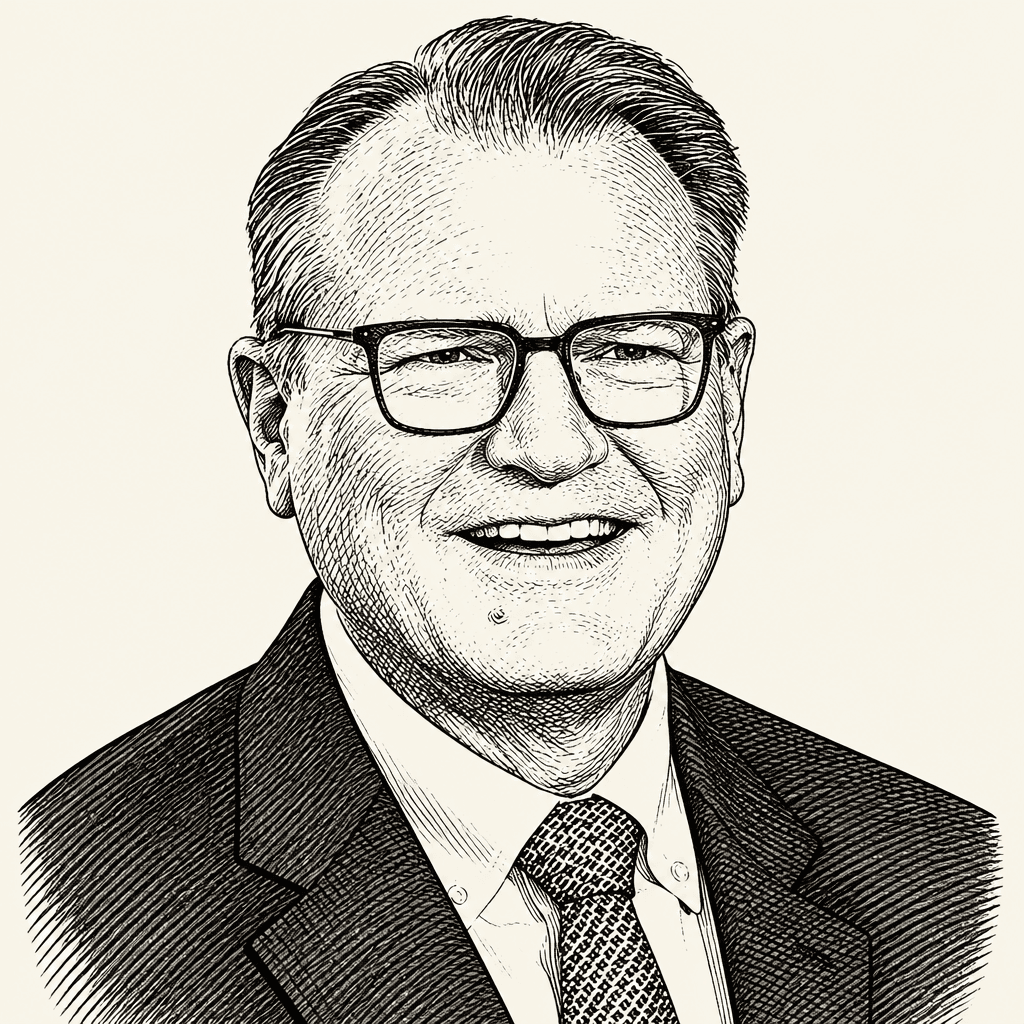 Tom Halverson
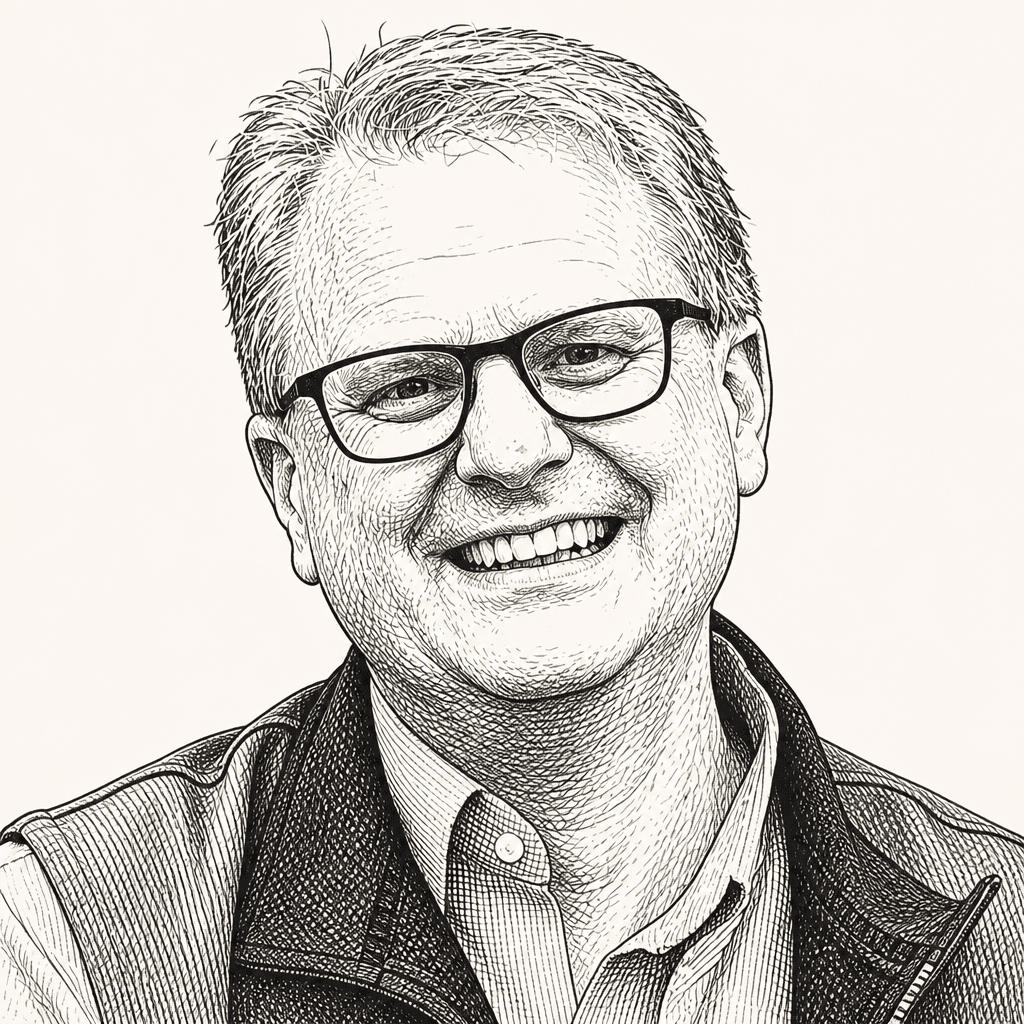 Stace Lindsay
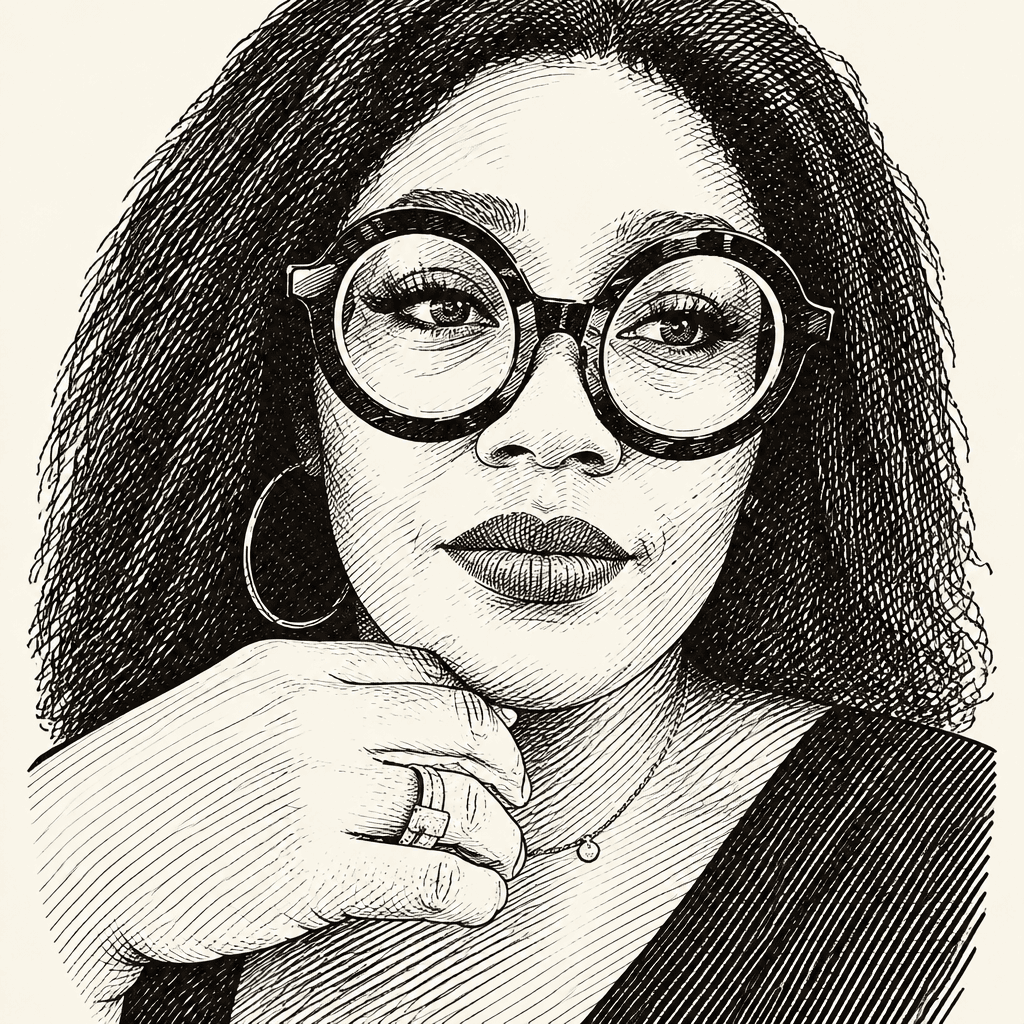 Jerica Wortham
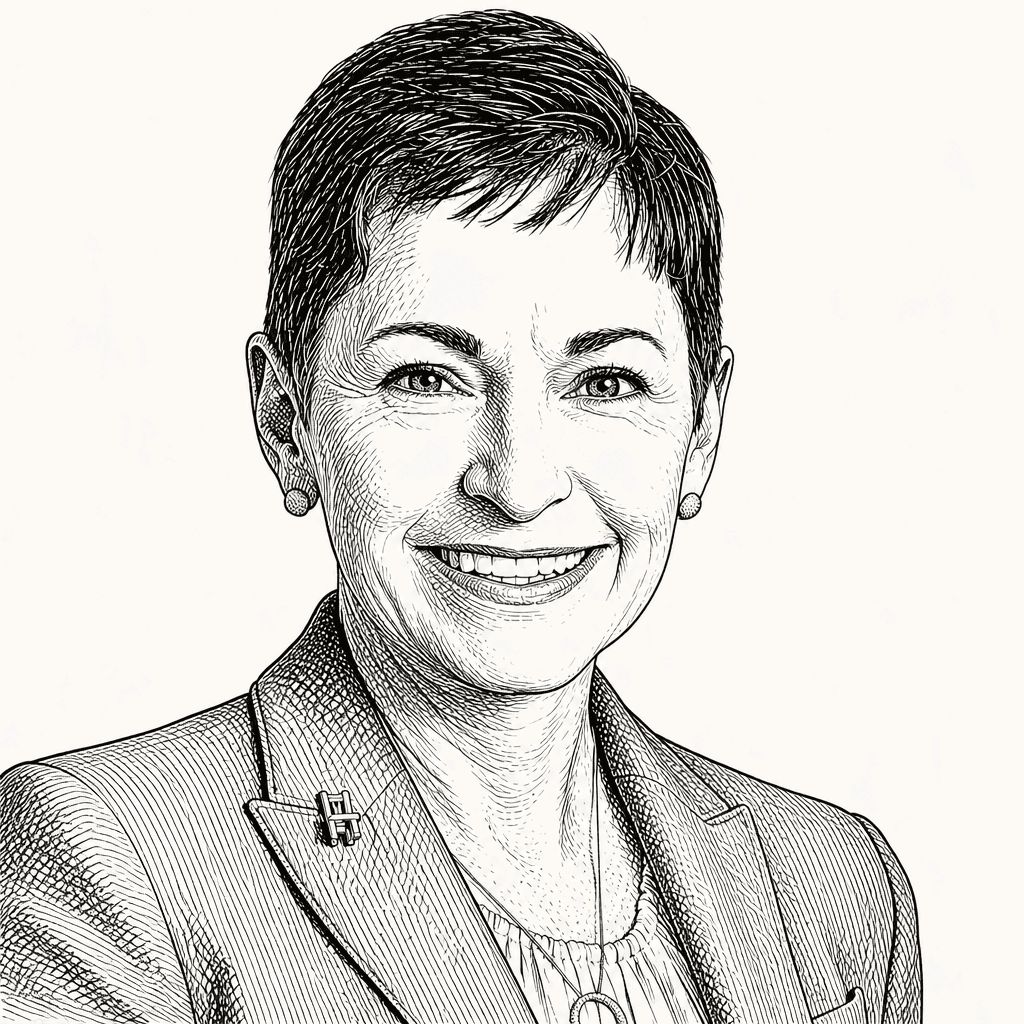 Penny PenningtonThe Aspen InstituteSunday, October 18, 202610 min read
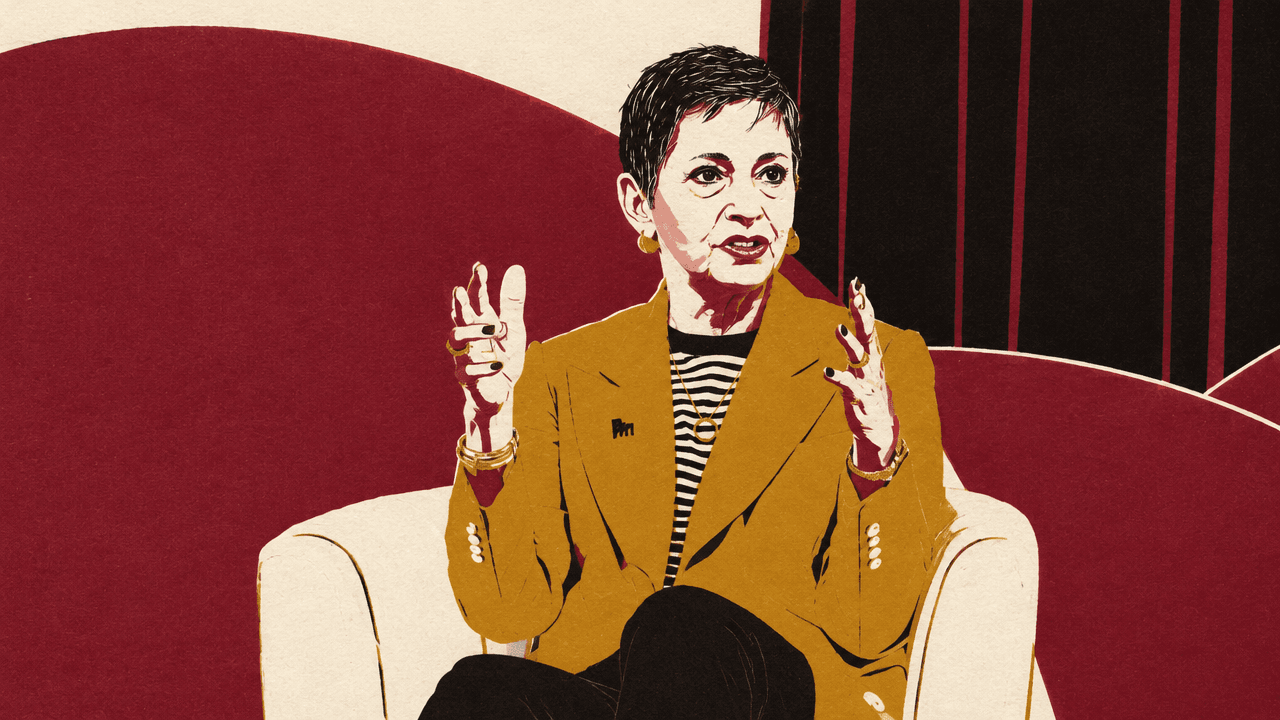
At Aspen Ideas: Economy in Tulsa, Edward Jones managing partner Penny Pennington and CoBank CEO Tom Halverson offered different accounts of what leaders owe the next generation. Pennington argued that ownership, financial education and sustained local investment can help people build lasting opportunity; Halverson pointed to cooperative institutions and warned that fiscal and economic pressures could narrow future generations’ choices. Both measured leadership by whether the institutions and conditions leaders leave behind can keep working after they are gone.
Leadership is measured by what people can keep
Jerica Wortham’s challenge to leaders was to move beyond “moral victories.” Communities, she said, have repeatedly supplied their own money, labor, and people to make projects succeed, then gone home to applause and bills still unpaid. The test is not only whether people can build, but whether they can keep what they build: businesses that support families, neighborhoods where residents can afford to grow old, and creative workers who can live near the places their work helps bring to life.
Wortham connected that test to inheritance. As a mother, she said, future generations are not an abstraction; they are children watching what happens to their mother’s work and learning what to expect for their own. She wants earlier generations’ sacrifices to lead to durable assets—a paid-off home, a business passed down, or a child with time to discover what they love before asking what it pays. Cultural spaces belong in that account too: rooms to learn and perform, teachers who are paid, and lights kept on long enough for work to take root. “That is infrastructure too,” she said.
Her demand was for commitments that survive the event: budgets, calendars, and agreements that people follow through on. That question—what gets passed on, and what makes it last—framed the discussion among Stace Lindsay, Penny Pennington, and Tom Halverson. Lindsay asked what each had inherited and what they owed those who would come after them. Their answers linked leadership to ownership, financial education, community investment, and the policies that shape people’s opportunities over time.
Ownership gives stewardship a durable form
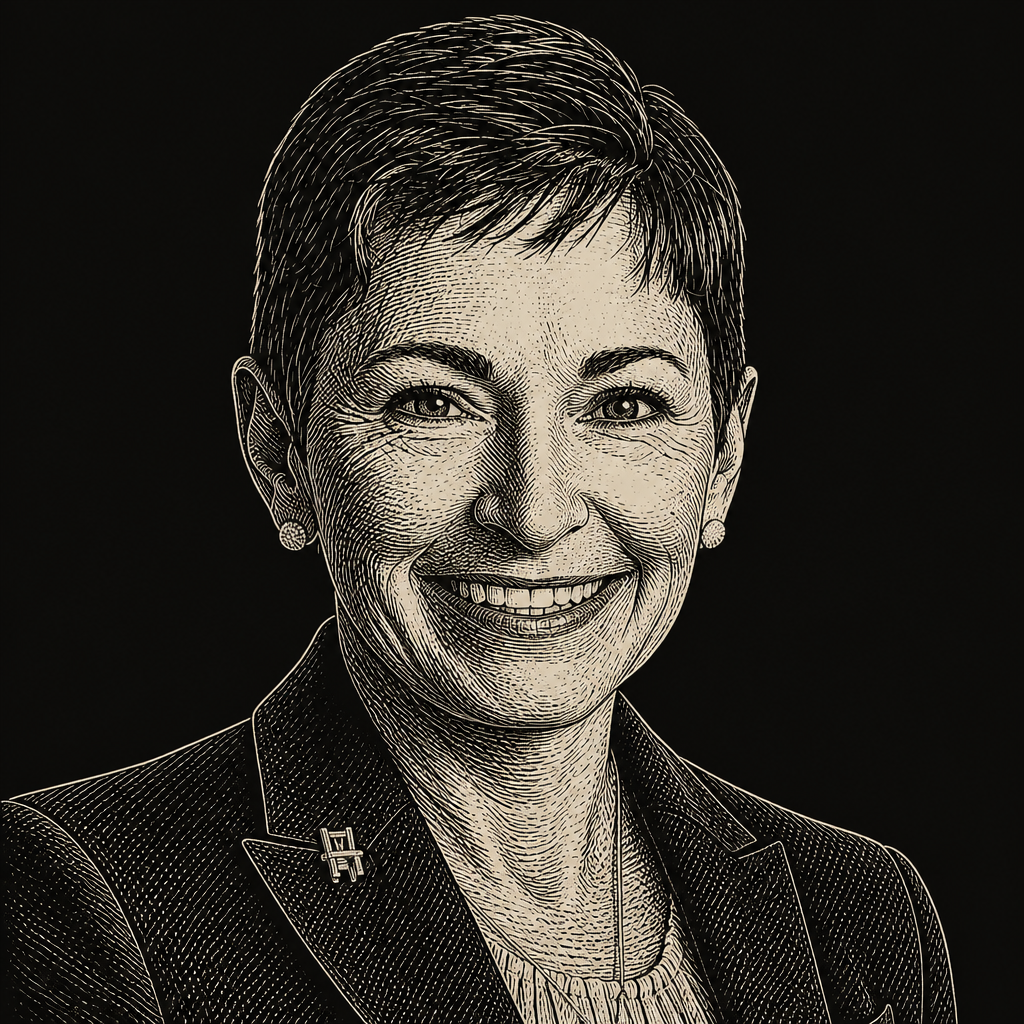
Pennington described her personal inheritance as a combination of aspiration and practical instruction. Her parents, Peggy and Hal, had grown up in Northwest Alabama, including a period without indoor plumbing, before moving to Nashville after college. When Pennington was 14, she worried that she might be the first generation in her family not to excel beyond what her parents had achieved. Her father told her that this was not how it worked in their family—or in America: she had been given blessings and would do something with them to make a difference.
At 20, she got another lesson. Her father called to ask whether she had a 401(k) and told her to contribute the maximum. Pennington did not know what a 401(k) was. The exchange, she said, captured both the inheritance of opportunity and the importance of financial education. Not everyone gets that kind of guidance at home.
She sees a related responsibility in her role at Edward Jones. The firm is a private partnership, and nearly 40,000 of its 55,000 colleagues own part of it. Pennington described herself as the chief fiduciary of a partnership agreement that is 52 years old. Her job, as she framed it, is to care for that agreement while expanding opportunity for colleagues by producing value for the firm’s nine million clients. She said she would like to see more partnership agreements that give ownership to the people who create value in their organizations.
For Pennington, ownership is not simply a way to distribute financial returns. It is a structure that gives employees a stake in the organization they help build, and gives a leader responsibility for preserving that arrangement. She connected the firm’s ability to serve clients and create opportunity for colleagues to the long-term work of stewardship: keeping the agreement intact while enlarging the value it can support.
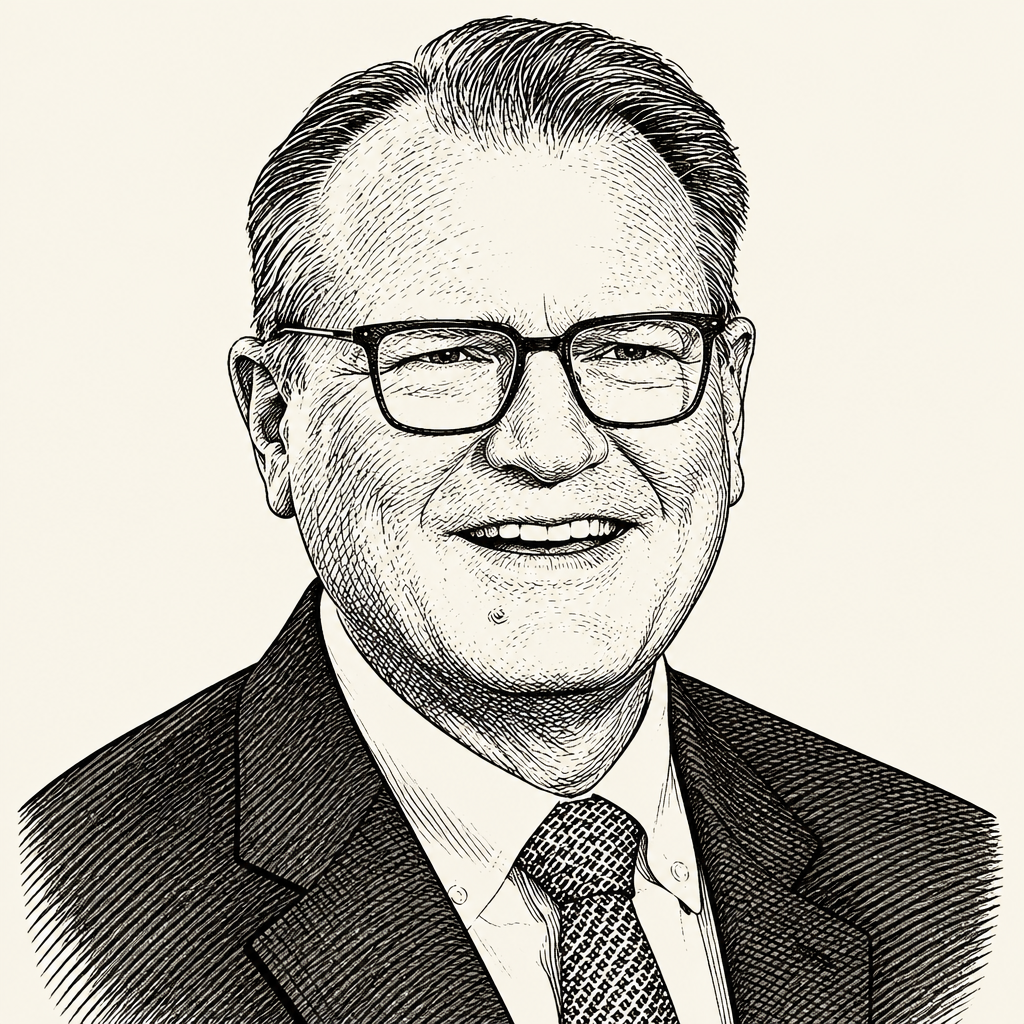
Halverson described a different institutional model. The child of immigrant farmers in north-central Iowa, he grew up in several Midwestern states and later spent 16 years working overseas, in Europe and Asia. His financial-services career took him to about 65 countries. After many years at a publicly traded company, where he said profit maximization was the corporate purpose, he wanted work that could use his experience while giving something back.
CoBank is cooperatively organized and owned by thousands of cooperative companies and institutions across the United States. Halverson said he values the chance to support rural communities through their member businesses: a farmer-owned elevator or a local power-supplying cooperative, for example. These can be linchpin businesses in small towns. Because the customers own the bank, he said, its work can be tied directly to the vitality of those customers and the places where they operate. He said he can see that impact across the country and explain it to his children and grandchildren.
The two models differ, but both speakers made ownership part of the answer to what leadership owes the future. Pennington emphasized colleagues sharing in the value they create inside a firm. Halverson emphasized an institution owned by cooperatives whose businesses are embedded in local economies. In both cases, the leadership task is not only to deliver results now, but to preserve an arrangement through which those results can continue to reach people beyond the current executive’s tenure.
Long-term investment has to reach households and places
Asked what she hoped would be true 25 years from now, Pennington named two priorities. The first was improving financial fulfillment, which she defined as having money align with one’s deepest values and highest aspirations, and being able to use resources purposefully.
Pennington said Edward Jones had made a pledge to improve financial fulfillment and was now measuring progress. She cited research the firm had just completed with Gallup: 16% of Americans and 12% of Canadians said they felt financially fulfilled. She said 32% counted themselves as financially stressed, while half of Americans were in the middle—people who might look successful on paper but felt anxious. Edward Jones, she said, had committed to improving people’s financial progress toward their goals as well as their confidence in reaching them.
Pennington also said clients of Edward Jones—including middle-class and high-net-worth clients—reported higher financial fulfillment. She described good financial advice as correlated with that outcome, while noting the question of where people get advice and when it begins. Her own financial education started with her father’s guidance when she was 14. Since that kind of instruction is not available to everyone, she said, expanding access is part of the work. Her account links household financial confidence not only to individual choices, but to whether people receive useful guidance early enough to act on it.
Her second example was local infrastructure in St. Louis. Pennington said the firm’s founder, Ted Jones, established the Katy Trail, which she described as a 247-mile rail-trail network that may reach 400 miles over the next few years. Edward Jones has also established urban infrastructure that connects to it: the Brickline Greenway. She called the project an equitable economic development effort to be built over the next 10 years. For her, carrying it through requires more than a plan; it requires building trust locally and taking part in the solution across the St. Louis metropolitan area.
Halverson described CoBank’s long horizon through its ownership structure. The bank’s customers own it, and, as he put it, it is not going to be sold. During his first decade as CEO, the company had nearly doubled in size and earnings. He hoped it would continue to grow over the next 25 years—not simply to make money, but to increase what it could do for its owners and their communities.
That work includes a standing commitment, supported by the board and owners, to direct 1% of earnings to charitable causes. Halverson said some of the money goes to matching small grants for customers who want to support their local communities, and some goes to land-grant universities. He put the annual total at about $17 million, based on earnings of $1.7 billion. The money reaches communities across the country. He said he received more feedback from grant recipients than from the bank’s transactions, because those grants made the institution’s local impact especially visible to him.
He also saw responsibility beyond the bank’s own operations. CoBank spends time in Washington working on legislation and trying to improve the policy environment for rural communities and businesses. Halverson called that work difficult, but necessary if rural places are to succeed five, 10, 15, or 25 years from now. His argument connects local investment to national policy: a cooperative can finance and support member businesses, but the conditions in which those businesses operate also matter to their ability to endure.
The pressures on the next generation are already taking shape
Halverson’s view of the long term was more cautionary. He said he remained confident in the United States’ underlying strengths, but warned of what he called “self-inflicted wounds and headwinds.” He pointed to a large budget deficit, inflation he described as sticky, an unsustainable fiscal situation, negative demographic trends, and a Social Security trust fund he said would run negative during the next president’s term. These were his forecasts and concerns, not certainties he claimed to resolve.
He argued that the pressures could make it harder for individual investors five to 15 years from now to find the same opportunities for wealth generation available to his and Pennington’s generations. He described current borrowing as a transfer from children and grandchildren to support greater consumption today. The question that worried him most was who would pay for it. In his view, budget deficits and inflation disproportionately burden people at the lower end of the income distribution, while the wealthiest had done best over the preceding five to 15 years.
Halverson said future generations would face difficult fiscal, monetary, and public-policy decisions, whatever their politics. They would be painful and unpopular, he said, but necessary if today’s leaders wanted to leave their children and grandchildren a better situation. That warning complicates the panel’s other examples of stewardship: lasting institutions and local investment matter, but leaders also have to consider the public conditions that can either support or undermine people’s ability to build wealth.
Pennington brought that concern back to family decisions. She described a large transfer of wealth underway between generations, involving both extremely wealthy families and middle-class households. She said 50% of Americans would receive some form of wealth transfer, which could range from enough for a car down payment to enough to buy an island. Her point was that wealth is moving, and those who receive it will live with the economic pressures Halverson described. Their values and decisions will help shape the communities and economy they inherit.
Yet, Pennington said, families often avoid the conversations that could prepare them. She cited Edward Jones research showing that people would rather not receive an inheritance than talk with their families about it. As money moves between generations, family businesses and community assets may move too—or may not. She argued for bringing younger people into discussions about values, legacy, community, and what one generation owes the next.
Taken together, the speakers’ examples put financial inheritance in a wider frame. Pennington’s account of her father’s advice shows how family knowledge can affect a person’s ability to use financial tools. Her concern about family conversations points to the decisions that shape how wealth and businesses pass between generations. Halverson’s warnings ask whether the wider economic and policy environment will give those generations comparable opportunities. For both, inheritance is not only a transfer of assets; it is also the transfer of information, institutions, and conditions that determine what people can do with them.
The test of leadership is whether the work continues
Asked for one piece of advice, Halverson focused on what he hoped to leave behind at CoBank. A successful business mattered, he said, but more important was leaving a strong team and a culture in which people perform at their best and keep raising the bar. He said that if he succeeded, the day after he left, no one would know he was gone. His measure of leadership was whether the organization could continue doing its work without depending on him.
Pennington offered a different emphasis: leaders should resist pessimism as a substitute for purpose. She said pessimism can sound intellectually persuasive because it brings data and identifies what is wrong, but she rejects the idea that it is the more serious stance. Hope, in her view, is created when leaders take problems off the “too hard to solve” pile and act on them. The work is incremental: “a little bit at a time, progress over perfection.”
Her answer and Halverson’s meet at the point of action. One described building a team and culture that outlast a leader; the other described making progress by taking responsibility for difficult problems. Wortham’s opening demand supplied a concrete measure for both: when leaders leave the room, the work should have somewhere to go—into budgets, agreements, and institutions that leave the next generation something it can keep.