Edward Jones and CoBank Tie Leadership to Long-Term Community Stewardship
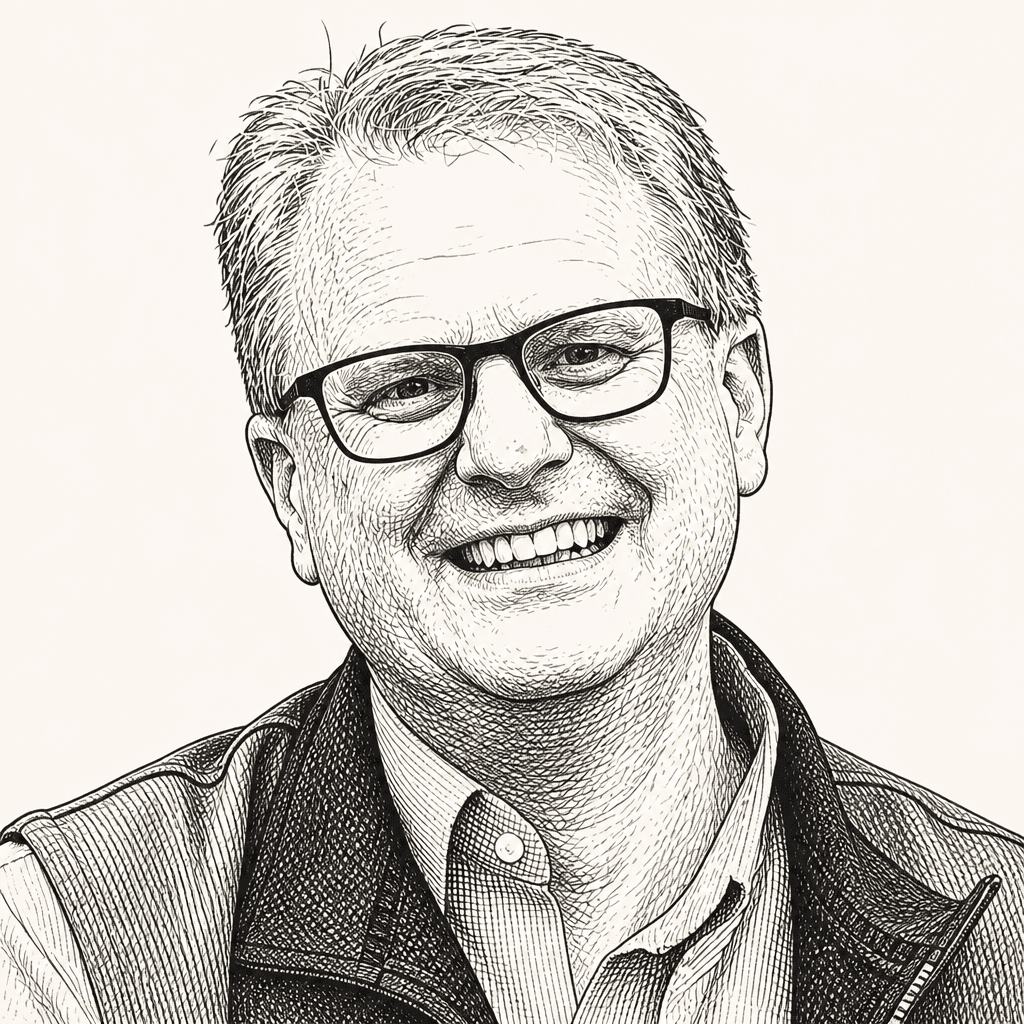
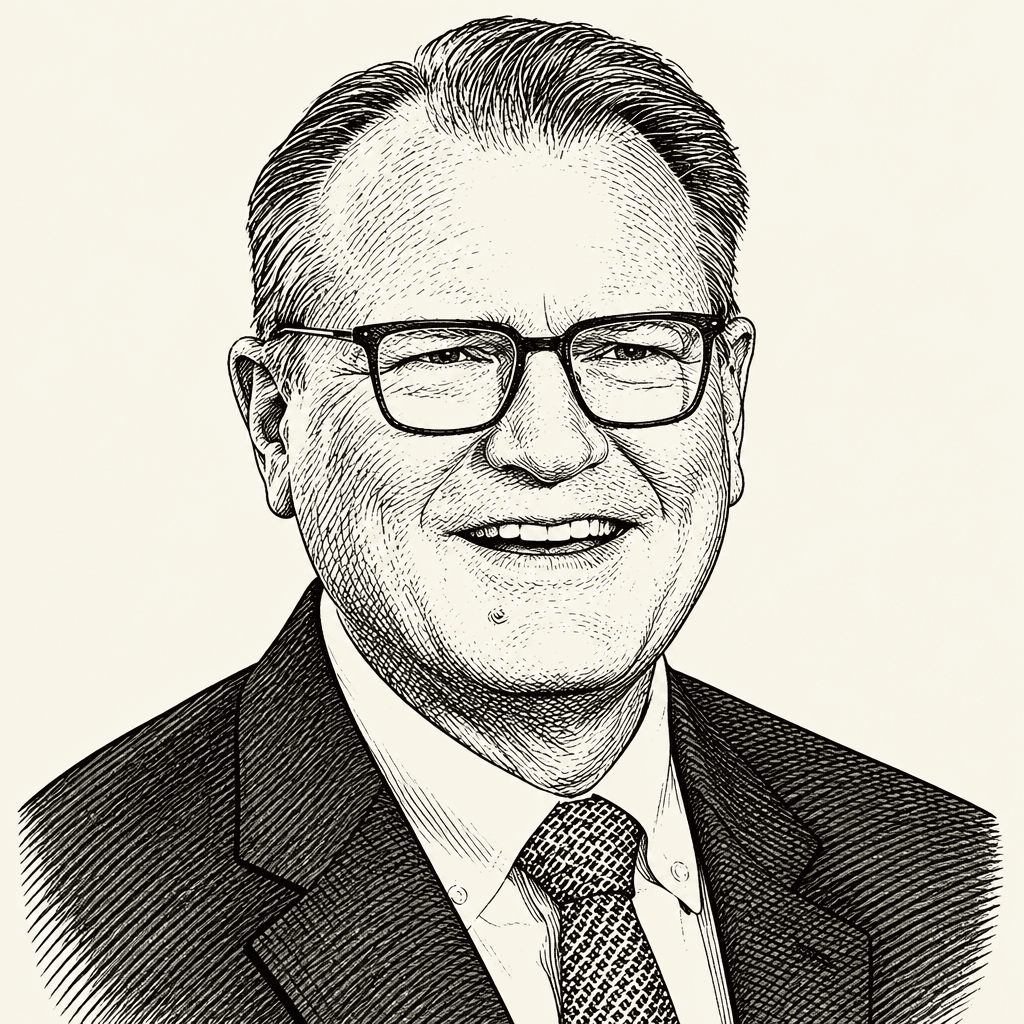
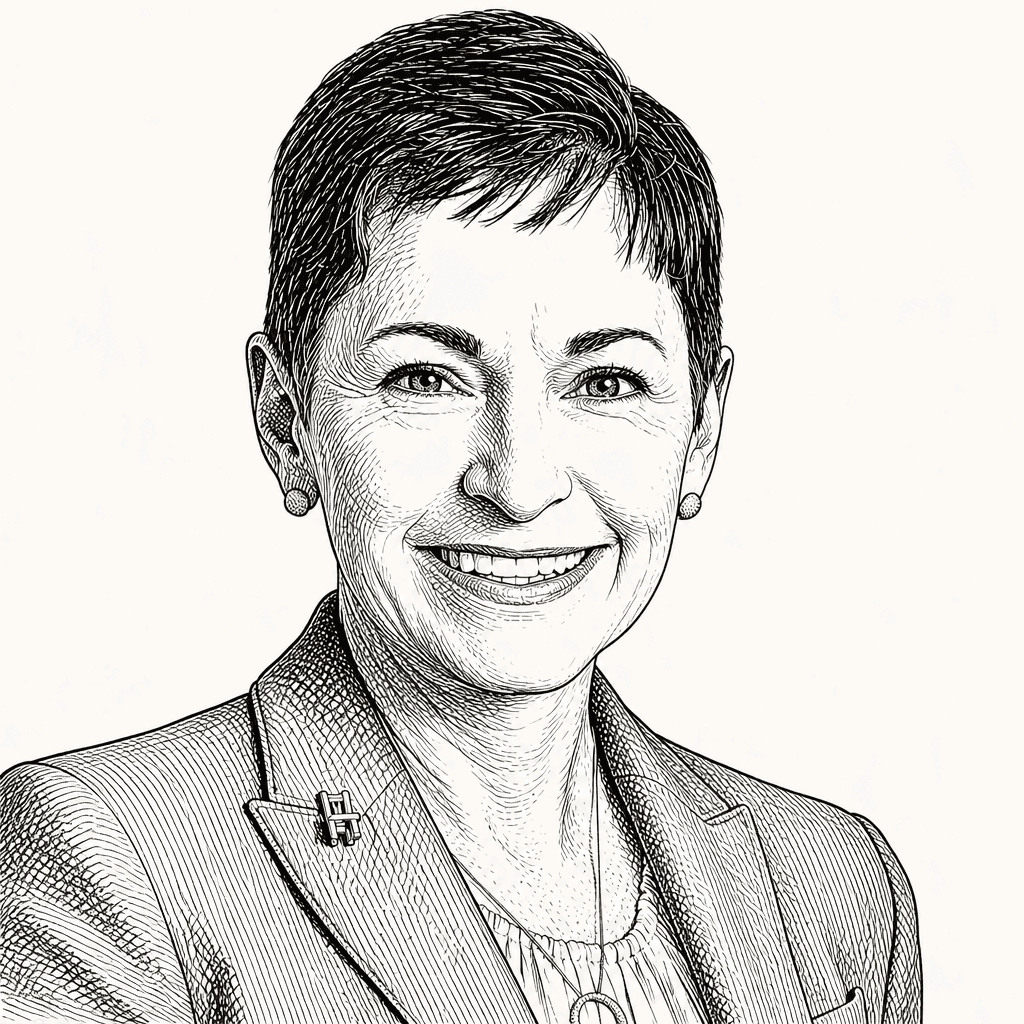
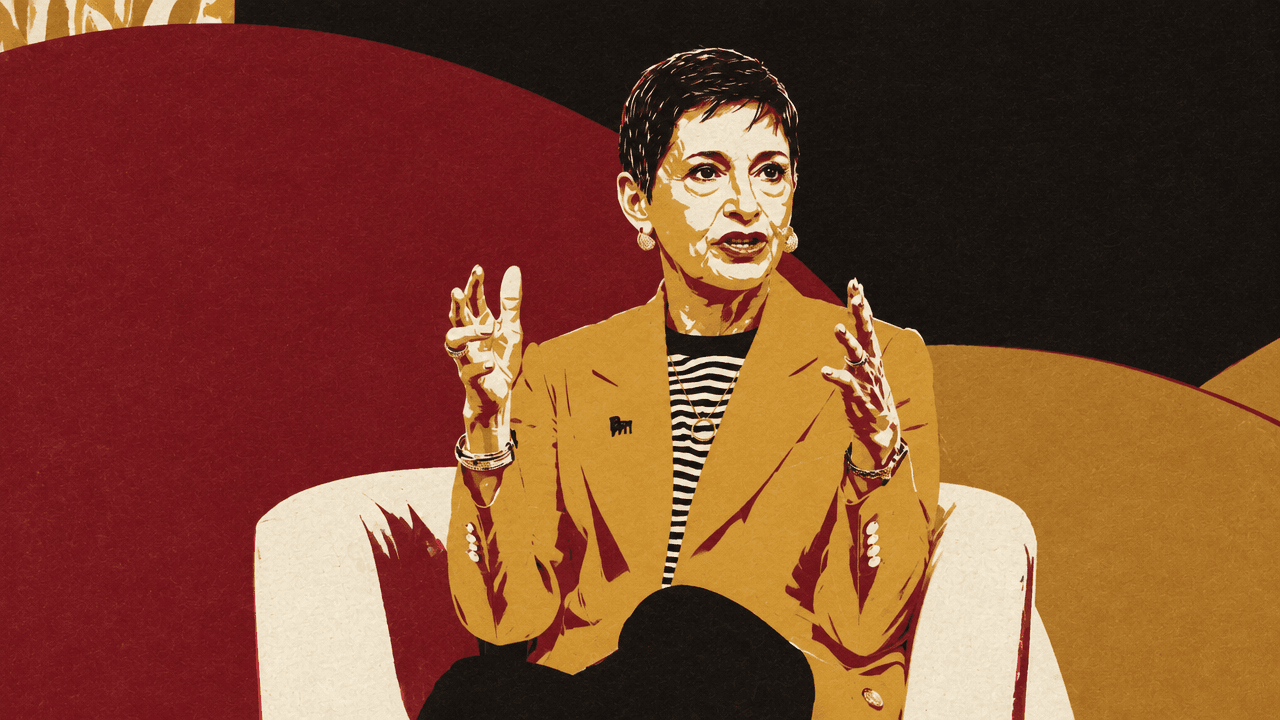
At Aspen Ideas: Economy in Tulsa, Edward Jones managing partner Penny Pennington and CoBank CEO Tom Halverson argued that long-term leadership is a form of stewardship: executives must care for the institutions they inherit while strengthening the communities and opportunities they leave to future generations. Moderated by Aspen Institute leadership executive Stace Lindsay, the discussion also addressed the risks that could narrow those opportunities, including the US fiscal outlook and the transfer of wealth between generations.
Inheritance turns leadership into stewardship
Stace Lindsay framed the discussion around inheritance: what people receive from those who came before them, and what they owe to those who come after. He connected that question to earlier conversations about wealth over the next 100 years and the Pope’s encyclical on artificial intelligence, as well as a seminar where the group read the Declaration of Independence and Frederick Douglass’s “What to the Slave Is the Fourth of July?” The shared question was what people inherit—and what obligations that inheritance creates. That framing links the personal histories of Penny Pennington and Tom Halverson to the institutions they lead and the communities those institutions are meant to serve.
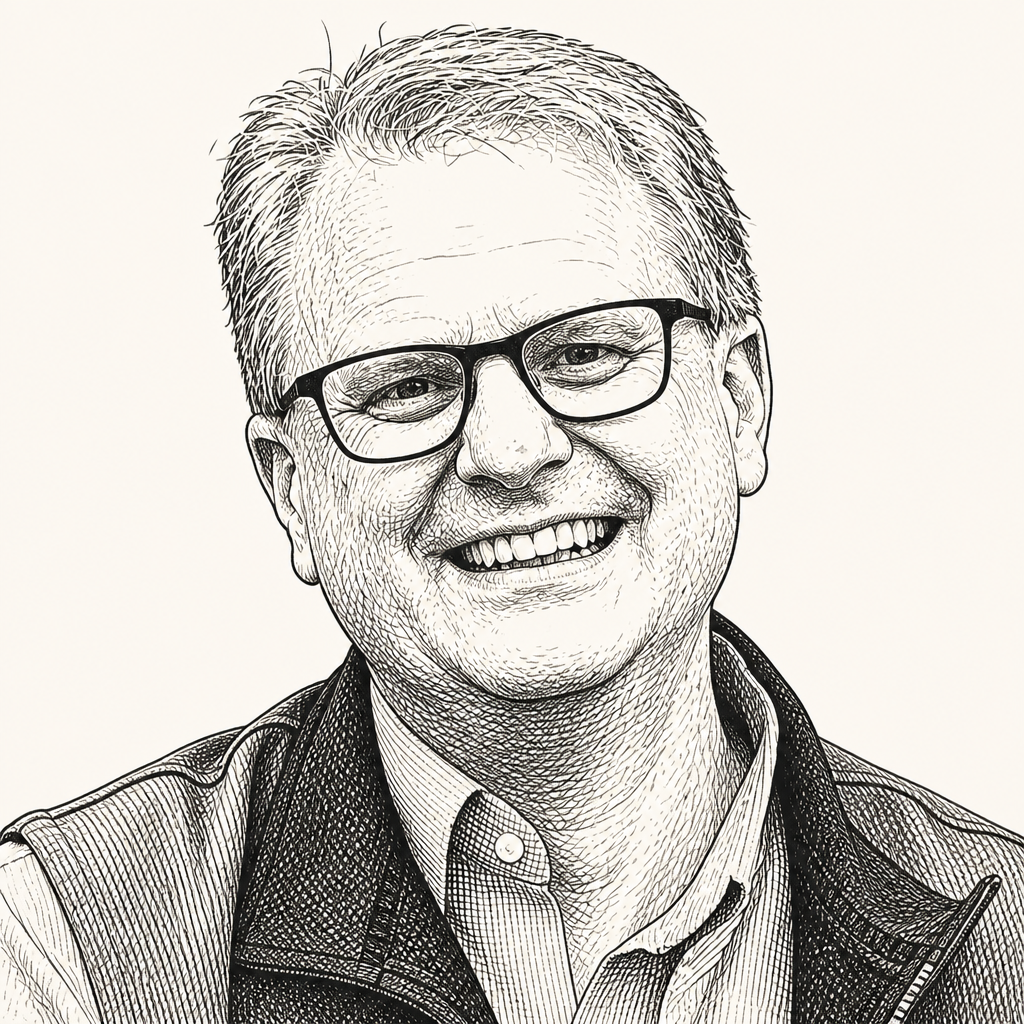
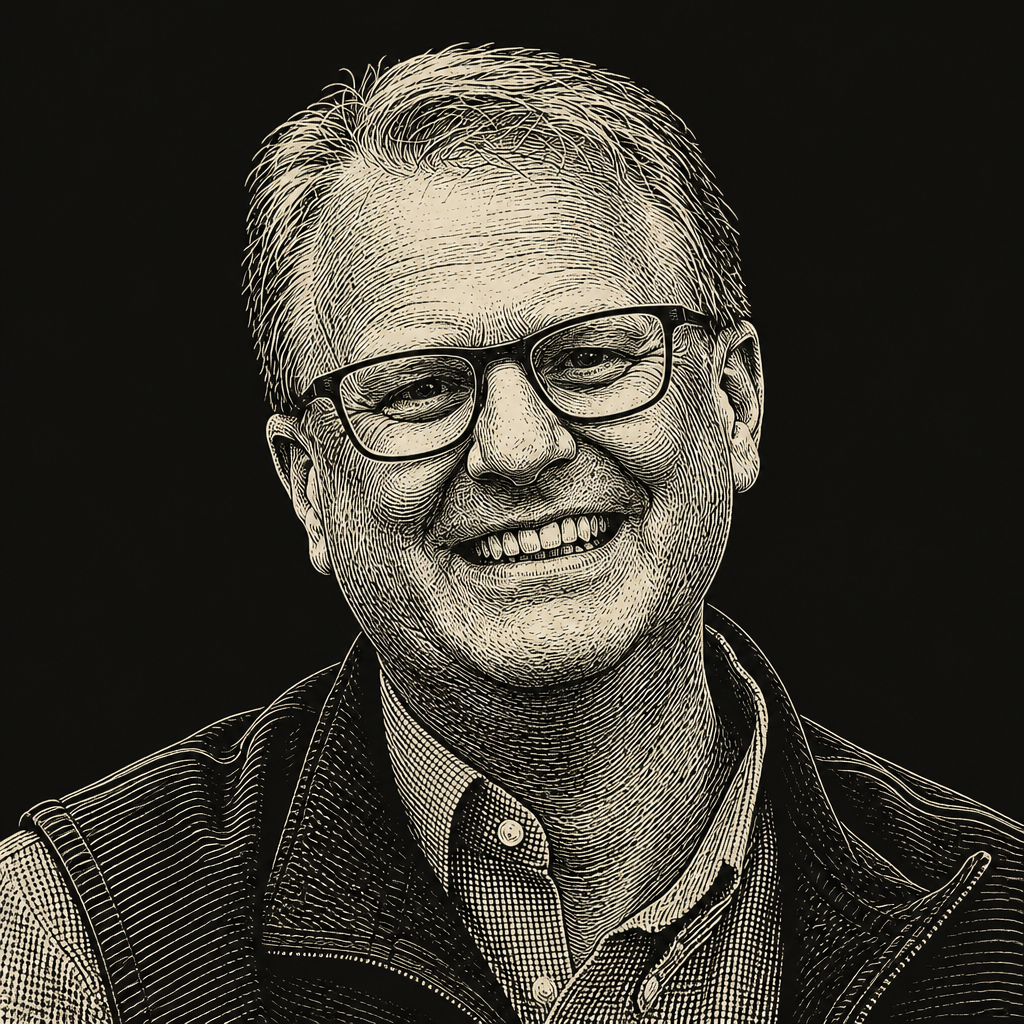
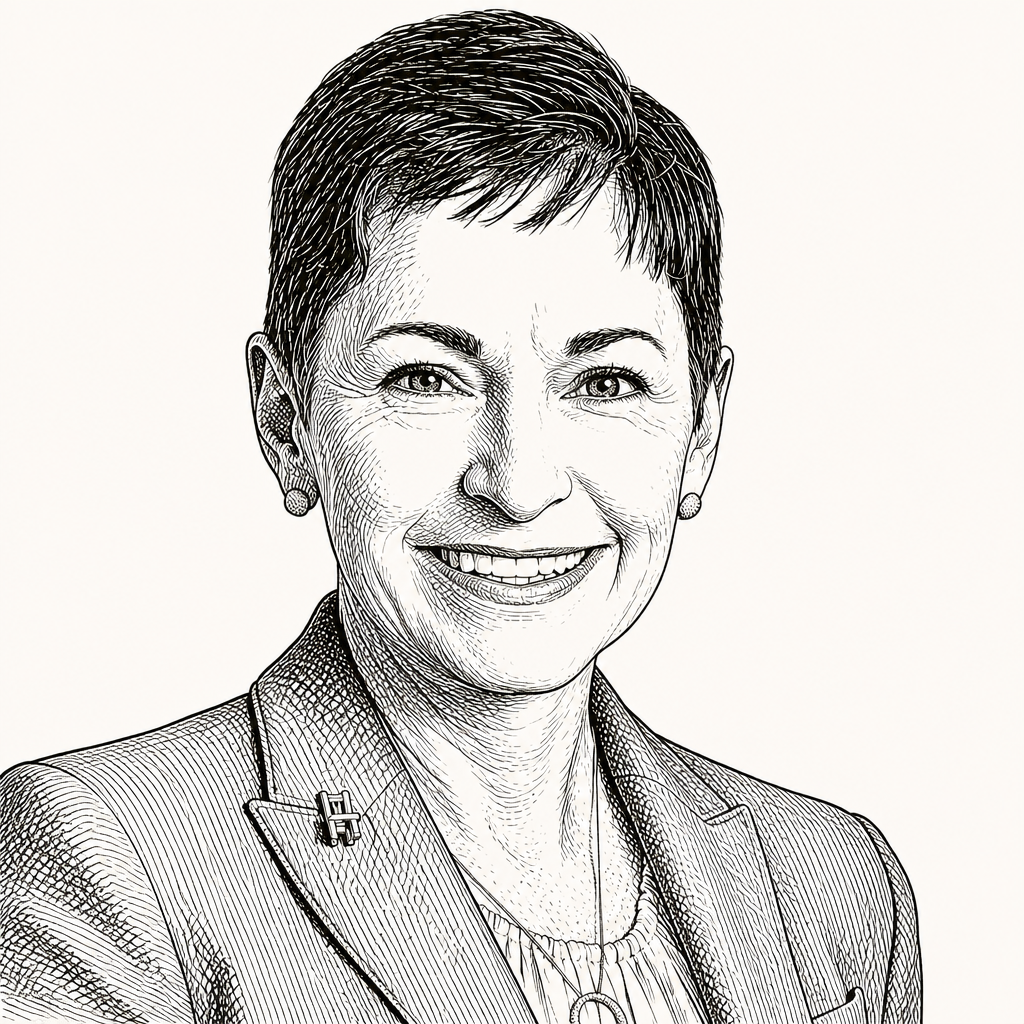
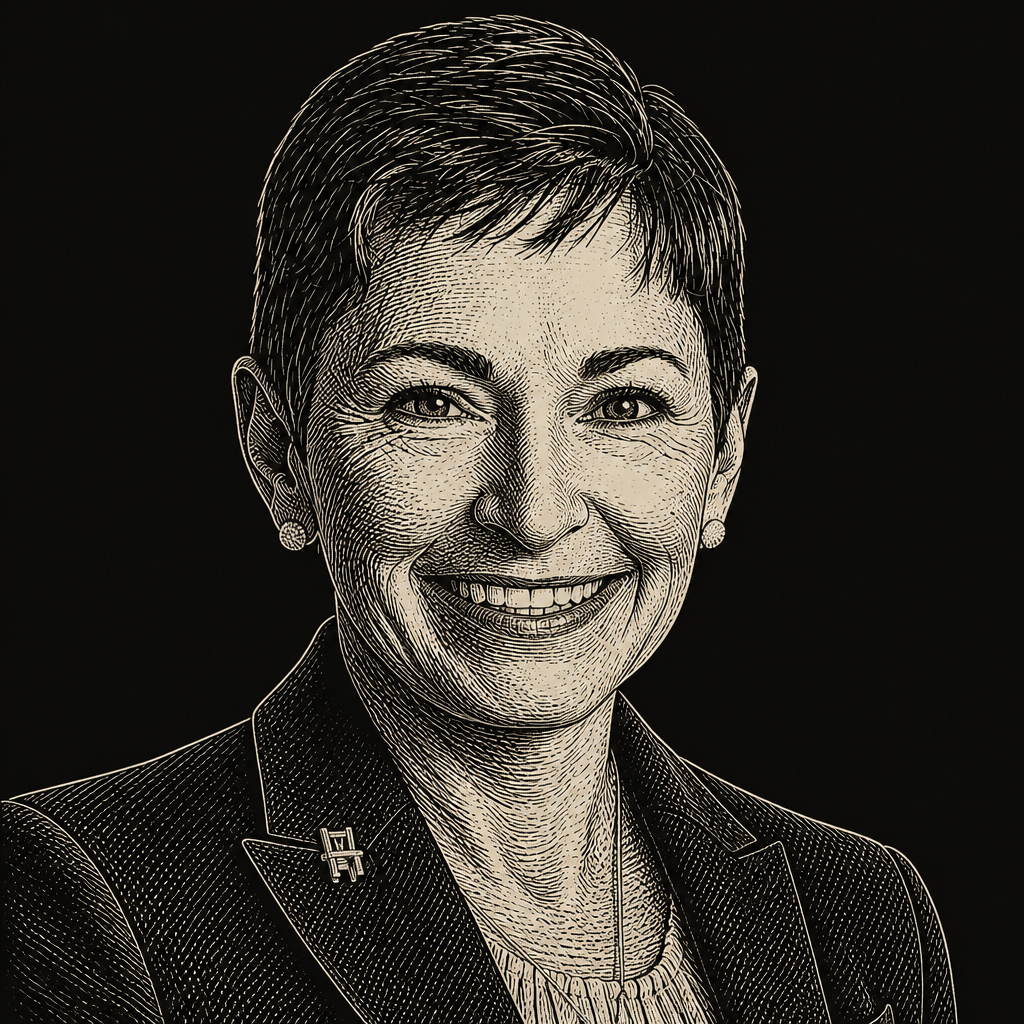
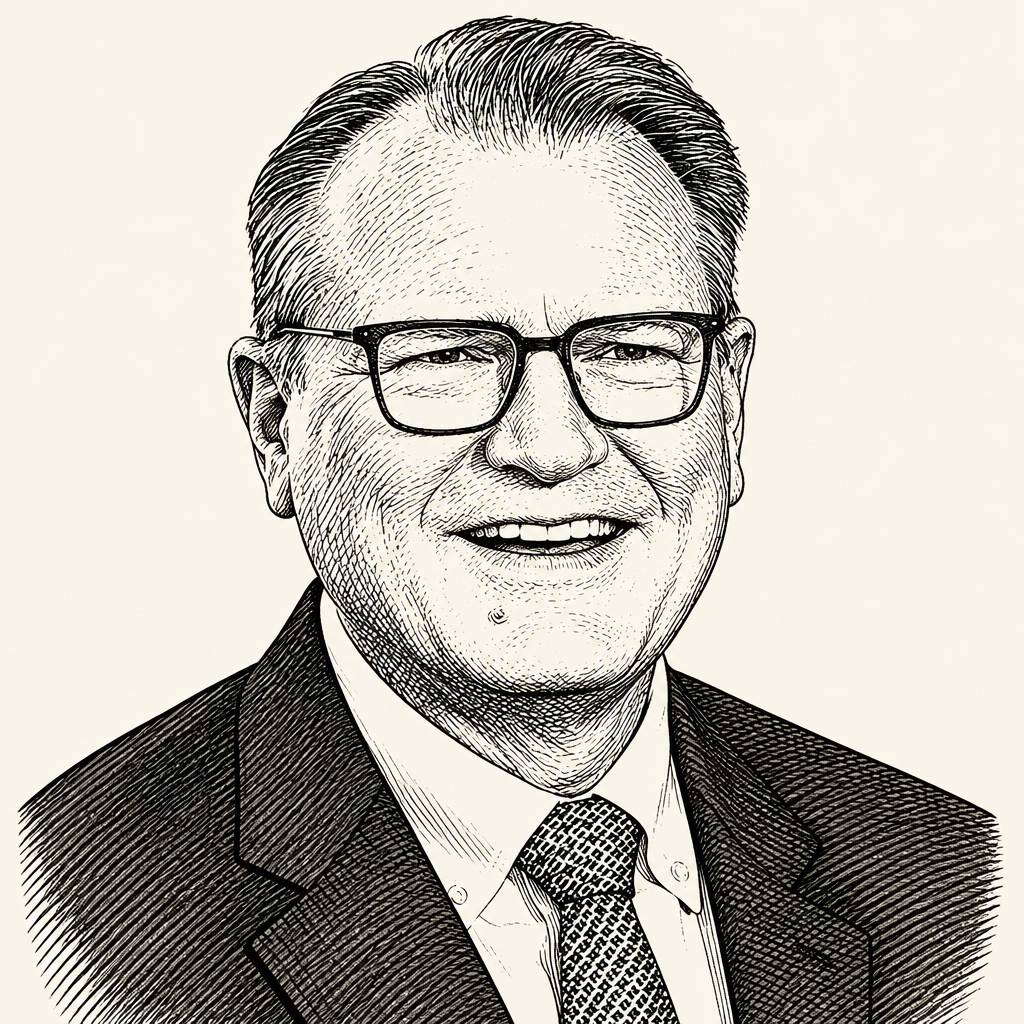
Pennington described her inheritance as both an expectation and a practical education. Her parents, Peggy and Hal, grew up in Northwest Alabama, at one point without indoor plumbing, and moved to Nashville after college. When Pennington was 14, she worried that she might be the first generation in her family not to excel beyond what her parents had achieved. Her father told her that was not how it worked in their family or in America: she had blessings and should use them to make a difference.
At her first job, when she was 20, her father called to ask whether she had a 401(k). Pennington did not know what one was. He told her to max out her contributions. She sees that exchange as part of the financial education she inherited—guidance that not everyone receives at home.
At Edward Jones, the inheritance she stewards is organizational. The firm is a private partnership with an agreement that is 52 years old. Nearly 40,000 of its 55,000 colleagues own part of the firm, and Pennington described herself as the agreement’s chief fiduciary. Her responsibility, she said, is to care for the partnership and enlarge colleagues’ opportunities by producing value for the firm’s nine million clients in the United States and Canada. She would like to see more organizations give people ownership in the value they help create.
Halverson’s path to CoBank was less planned. The child of immigrant farmers in north-central Iowa, he grew up across Midwestern states, then pursued a financial-services career that took him to about 65 countries and included 16 years living in Europe and Asia. After years in publicly traded companies where profit maximization was the corporate purpose, he considered how to use his accumulated experience in a way that gave something back.
CoBank offered a different relationship between institution and community. The bank, which Halverson joined 13 years ago, is cooperatively owned by thousands of companies and institutions across the country. Its customers often anchor small towns: a farmer-owned elevator or a local power cooperative, for example. Halverson said he is committed to leaving rural places better than he found them—not only generating results for owners, but contributing to the vitality of members and their communities. That impact, he said, is visible enough to explain to his children and grandchildren.
Long-term value means strengthening the places owners depend on
The question of what leaders owe future owners shaped both executives’ hopes for the next 25 years. Lindsay had asked them to distinguish hope from optimism as they described what they wanted their work to make possible. Pennington answered with two ambitions: more people should feel financially fulfilled, and leaders should help build communities through lasting local projects.
Pennington described Edward Jones’ goal of improving Americans’ and Canadians’ “financial fulfillment”: having money align with one’s deepest values and highest aspirations, and being able to use resources purposefully. The figures she cited came from research Edward Jones conducted with Gallup. That research found that 16% of Americans and 12% of Canadians felt financially fulfilled. Another 32% described themselves as financially stressed, while about half of Americans were in the middle. Some in that middle group may look successful on paper, she said, but remain anxious about money. Edward Jones has pledged to improve people’s progress toward their financial goals and their confidence in reaching them.
Pennington said the firm’s clients—including middle-class households as well as high-net-worth clients—report greater financial fulfillment. She described good financial advice as correlated with that outcome, while emphasizing the question of access: where advice is available and when people first learn how to manage money. Her own introduction to financial planning began at home, with her father’s guidance about both aspirations and retirement planning. Edward Jones, she said, wants more people to have that kind of support; not everyone has the benefit of a family member who can provide it.
She also pointed to local infrastructure as part of the work of building community over time. Edward Jones founder Ted Jones established the Katy Trail, which Pennington called the longest bike rail-to-trail network in the country: 247 miles, with the possibility of reaching 400 miles over the next few years. In St. Louis, the company has established urban infrastructure connecting to the trail through the Brickline Greenway. Pennington described it as an infrastructure and equitable economic-development project expected to be built over the next decade. She said its success also depends on trust built locally, and that she wants to contribute to that work. The project, in her account, makes the long-run question concrete: community-building requires attention to the particular place and the trust among people who live there.
For Halverson, long-term stewardship means running CoBank as a business its customer-owners will own indefinitely. He said the company is run on the assumption that it will continue to be owned by its customers, rather than sold. During his first decade as CEO, he said, the company had nearly doubled in size and earnings. He hopes it will continue to grow over the next 25 years—not simply to increase returns, but to do more for its owners and the communities where they live and work.
That commitment includes setting aside 1% of earnings each year for causes, with the support of CoBank’s board and owners. Some funds provide matching small grants to customers giving in their local communities; others go to land-grant universities and other recipients. Halverson calculated the annual commitment at $17 million, based on earnings of $1.7 billion. He said he hears more from grant recipients than from people responding to the bank’s transactions or financial statements. For him, those responses make the local effect of the commitment especially visible.
The obligation, in Halverson’s account, reaches beyond the bank’s own operations. He said CoBank also works to improve the national policy environment so rural businesses and communities can thrive. He spends time in Washington working on legislation, a task he placed in the “hard-to-do pile.” For him, running the institution well and supporting its owners are not enough if the wider conditions for rural communities to succeed are deteriorating.
Fiscal risks could narrow the opportunities future generations inherit
The leaders’ long-term ambitions depend not only on what their organizations do, but also on the economic and policy conditions around them. Asked what could get in the way, Halverson turned to the country’s fiscal outlook. He said he remains “long USA Inc.” and believes the United States has the best intrinsic hand of cards of any country, but argued that the country also faces self-inflicted wounds and worsening headwinds.
In Halverson’s assessment, those include a gigantic budget deficit, inflation he expects to remain sticky, what he called an unsustainable fiscal situation, and negative demographic trends. He also forecast that the Social Security trust fund would run negative during the next president’s term. He argued that these pressures could make it harder for individual investors five to 15 years from now to find the same opportunities for building wealth available to his and Lindsay’s generations.
He framed the fiscal burden as borrowing from children and grandchildren to support consumption now, personalizing the tradeoff with the example of a larger house and a fancier car. The costs, he warned, would not fall evenly. In his view, deficits and inflation disproportionately hurt people at the lower end of the income distribution, while the wealthiest have done best over the past five to 15 years. He expects difficult fiscal, monetary, and public-policy choices ahead, which he described as painful and unpopular regardless of political affiliation. In his view, those choices will be necessary to leave future generations in a better position.
Pennington agreed with the macroeconomic concerns, then brought the issue into family decisions. She described wealth as moving between generations on a scale she called unprecedented: wealth held by two generations is being transferred to three generations. Half of Americans, she said, will receive some kind of wealth transfer. It may be enough for a car down payment or enough to buy an island, but either way, the money is in motion.
Pennington argued that the transfer will shape the lives and economic choices of the generations receiving it. Yet, she said, Edward Jones research found that people would rather not receive an inheritance than talk with their family about it. That silence matters, in her view, because money can move businesses between family members or out of family ownership altogether, changing what happens to firms in communities across the country. She said families should bring younger generations into conversations about values, legacy, community, and what they owe those who come next.
A durable legacy is a team that can carry on without its leader
Asked for advice on leadership, Halverson returned to a question he asks himself as he approaches the end of his tenth year as CEO: what does he want to leave behind? A successful business matters, he said, but more than that he wants to leave a strong team and culture—one in which people perform at their best, keep improving, and continue to raise the bar.
If I'm really successful, on the day after I've departed the scene, well, no one will know that I'm gone.
Pennington addressed the tension between confronting serious problems and maintaining hope. She said people sometimes call her “Penny Positivity,” but she does not regard pessimism as a sign of purpose. Pessimism can sound intellectually persuasive, she said, because listing negative data may make someone seem smarter. Her alternative is not to ignore difficulty. Leaders create hope by taking problems off the “too hard to solve” pile and doing something about them, a little at a time: progress over perfection.