Economic Growth Is Not Translating Into Housing and Financial Security
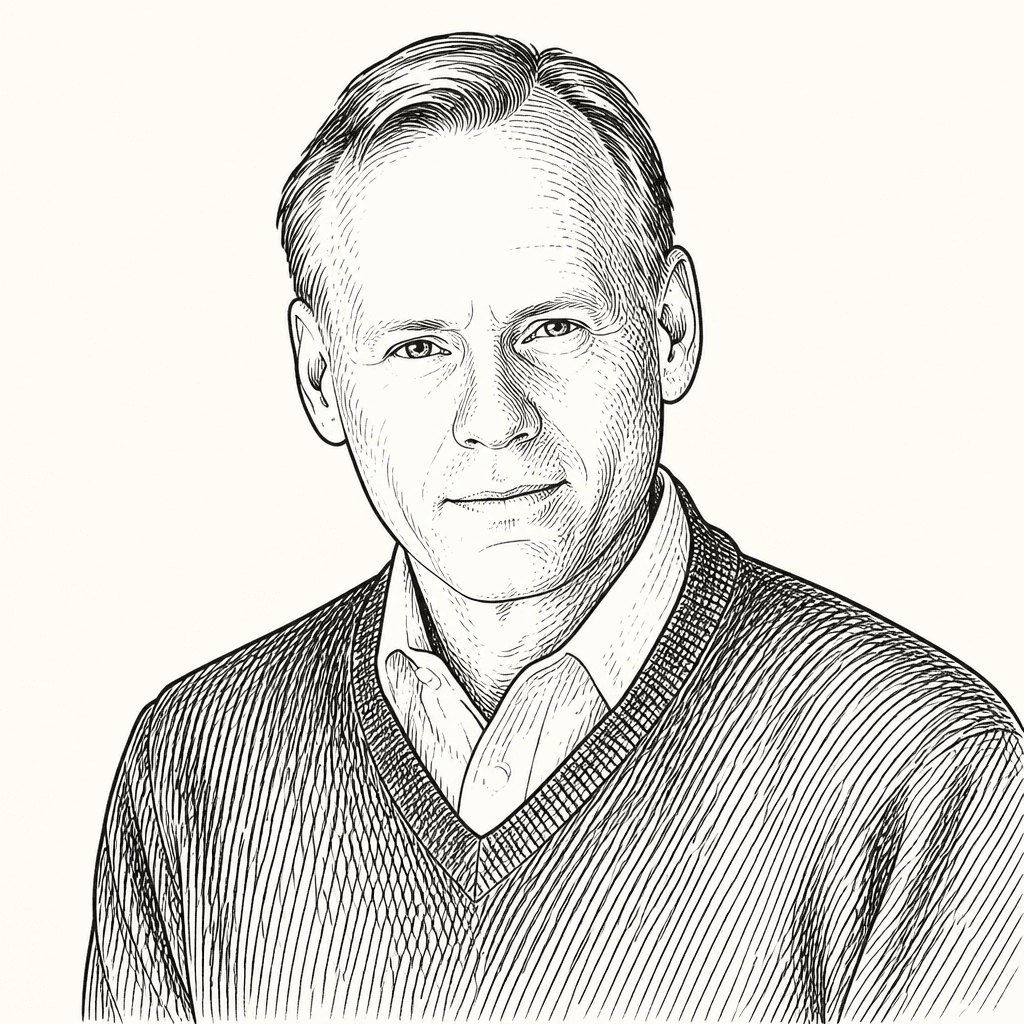 John Dickerson
 Taylor Price
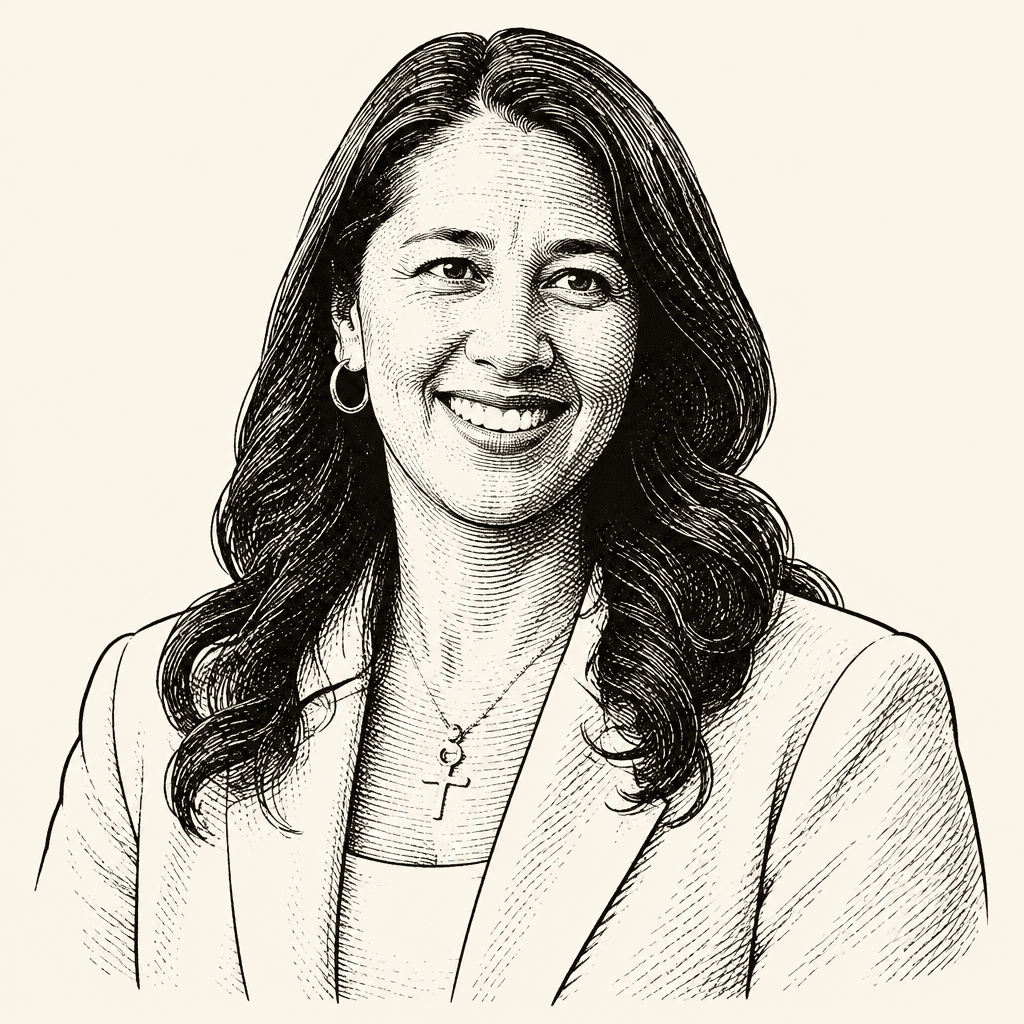 Carolina MartinezMechele Dickerson
 Grant Bumgarner
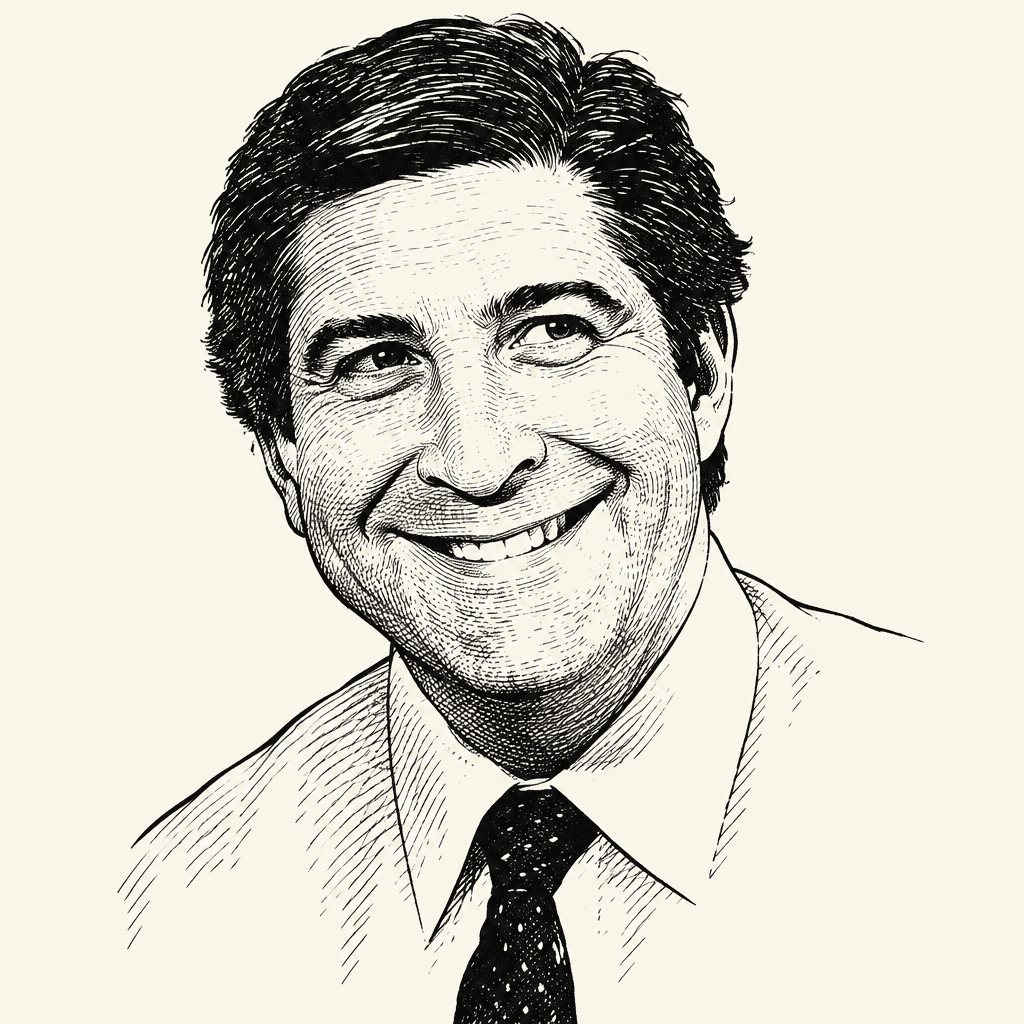 Mickey EdwardsThe Aspen InstituteMonday, October 19, 20267 min read
At Aspen Ideas: Economy in Tulsa, the panel argued that economic growth does not necessarily give households a stable place to live or a path to financial security. Texas Law professor A. Mechele Dickerson warned that homeownership and wealth-building are increasingly tied to family resources, while CAMEO Network CEO Carolina Martinez said small businesses often struggle to find capital suited to their needs. The speakers differed on remedies, pointing to public policy, financial education, political engagement and stronger support for entrepreneurs.

Housing now separates inherited security from earned security
The panel’s sharpest concern was that economic growth may not translate into a stable place to live or a realistic path to building wealth. For Mechele Dickerson, homeownership helped earlier generations build wealth, but the chance to buy an appreciating home was not equally available to everyone. She worries that a growing share of young adults will depend on whether their parents can transfer wealth: those with family resources may move ahead, while those without them are left trying to catch up.
That concern is not limited to buying a home. Dickerson said her parents, a young Black couple in Memphis in the 1960s and 1970s, managed to buy despite the barriers they faced. She owns a home herself, but is unsure whether her sons will be able to buy at a comparable age. Her immediate worry is whether they can find an affordable place to rent. The threshold at issue, she said, is increasingly not ownership but having a place to call home.
Mickey Edwards connected that narrowing path to a broader loss of confidence in opportunity. He recalled assuming that college, a home, and the ability to send children to college were within reach, even though his family had little money and he was the first in it to attend college. He said wealth is still being created, but for a relatively small part of the population. Some young people, he observed, lower their expectations when the route to familiar milestones seems harder to reach.

Taylor Price described that adjustment in practical terms: young people are less likely to expect to own a home in their thirties, and marriage and children may also be delayed. Careers, she said, are less linear than the long tenures people might once have expected. She sees younger people as earners who need more ways to become owners of what they help build.


Price’s own work in financial education began with a gap she noticed as a student: she was studying corporate finance while knowing little about managing her personal finances. She now teaches financial literacy to Gen Z and argues that budgeting, investing, and repaying student loans should be taught before people have to make those decisions on their own. She said that when she began this work in 2019, six states required personal financial education for high school graduation; she also referred to 30 states as being phased in, without specifying the timing or status of that figure.
The pressure is felt differently across generations, but the panelists described a common uncertainty about how to plan. Carolina Martinez called Generation X the “sandwich” generation, balancing care for aging parents and children while trying to manage its own finances. Retirement, she said, has become an open question for many: when, or whether, they will be able to stop working. For Grant Bumgarner, millennials have faced repeated disruptions, from the dot-com bubble and the 2008 crisis to the pandemic. He said the expectation has become change, though not necessarily welcome change.


Bumgarner described a Tulsa Remote participant who initially planned to stay in New York after being accepted to the program, then changed her mind about four months later and moved to Tulsa. The program pays remote workers $10,000 to continue their jobs from Tulsa for a year; Bumgarner said it had brought more than 4,000 people to the city over six years. The story, he said, illustrates how quickly people may have to revise plans they thought were settled.
Small businesses need capital matched to the business
Entrepreneurship offers another possible route to wealth, but Carolina Martinez said access to the resources to start and grow a business is uneven. Technology can help businesses work more efficiently and create products and services that would once have been difficult to imagine. Yet entrepreneurs of color, immigrants, women-owned businesses, and other nontraditional businesses can have trouble accessing capital through mainstream financial institutions, especially when they are new.
Martinez described a rural Northern California manufacturer that makes cases for art and sells them worldwide. The business requires specialized production facilities. Many small businesses begin with savings, money from family or friends, or other forms of bootstrapping. That can help get a business started, she said, but it may not provide a sustainable basis for growth.
The financing question is not simply whether a business can borrow, but what kind of capital fits its needs. Businesses Martinez works with may need less than $100,000, rather than the venture capital or angel investment more commonly associated with startups. Traditional banks may be willing to lend once a business has a track record, she said, but that can take two or three years. For businesses seeking capital before then, the available options may not fit.
Martinez pointed to community development financial institutions, or CDFIs, as mission-based lenders that can provide capital and technical assistance. Many small-business owners do not know these options exist, she said. Without help finding the right resource, amount, and financing product, some may turn to predatory lending.
She argued that support for small businesses should include more than loans: owners also need coaching, connections to markets, and networks. Martinez said small businesses manage about half of the country’s jobs. She described owners as optimistic about growth despite pressures including tariffs, gas prices, and inflation, and called for deeper public, private, and nonprofit partnerships to help them act on that optimism.
Her account also complicates the advice that homeownership is the default route to building equity. Martinez said her parents encouraged her to buy a house, and she did, but high prices and interest rates made it harder. She is unsure whether buying a home is the right solution for her children. Small-business ownership may offer another path, she said, but only if aspiring owners can learn how to grow a business and reach the resources it requires.
The proposed remedies range from policy to collective action
The panel disagreed less about whether change is possible than about where it should begin: with voters and political pressure, public policy, private-sector partnerships, or individual preparation. Edwards rejected the idea that someone else would arrive to fix the problem. “You’re the rescue,” he said. He urged people to get nonvoters to the polls and argued that political divisiveness is driven by elected officials focused on defeating the opposing party. Voters, he said, have to press for change rather than expect politicians to repair the system on their own.
Mechele Dickerson put more weight on what public policy can make possible. She pointed to the New Deal and its aftermath, and to the response to COVID, as periods when political leaders acted in response to economic crises. She cited the 15- to 30-year mortgage as an example: leaders, she said, sought to prevent economic collapse and recognized the importance of homeownership, and policies made those mortgages available. She also named the GI Bill, which enabled returning service members to pursue college or other postsecondary training and access VA home loans. Some COVID-era spending, she acknowledged, was not as precise as policymakers might have wanted. Her point was that government action can alter people’s economic conditions.
Dickerson’s priority now is affordable housing. She called on the public and private sectors to work together rather than treating zoning laws or other rules as a reason the problem cannot be addressed. Defining young adults as anyone under 40, she argued that people need a reason to believe they can live independently before they can build the kind of future that includes marriage, children, and hope.
For Price, one policy lever is required financial education in every state. She called for instruction that helps students budget, invest, and repay student loans before they have to make those decisions without preparation. For Edwards, another lever is what the country produces: he argued that sending manufacturing overseas has cost jobs and made the country dependent on other nations for goods, including goods relevant to national security. He called for a longer-term outlook that considers what the country needs to make to defend itself.
Martinez’s emphasis was on connecting businesses with capital, coaching, and markets. Bumgarner, by contrast, cautioned that there is no single change that would make growth reach households. He sees a widening divide between people at the top and bottom, alongside a loss of confidence that shared rules and institutions are looking out for people. In Tulsa, he said, relationships with individual residents, businesses, and politicians can still make trust feel possible. Rebuilding that sense of connection, he argued, is part of changing the broader political economy.
The remedies differ, but they converge on a practical test: whether people can find housing, build a stake in their work, and believe that institutions and communities are responsive to their needs. The panelists did not offer one route to that outcome. They pointed instead to the interaction between household finances, access to capital, public choices, and the ability of people to influence those choices.