Broad Institutional Support Could Help Make Trump Accounts More Durable
 Katherine Stadler
 Matt Lira
 Joanna Smith-Ramani
 Rosita Najmi
 Hope WollensackThe Aspen InstituteTuesday, November 24, 20269 min read
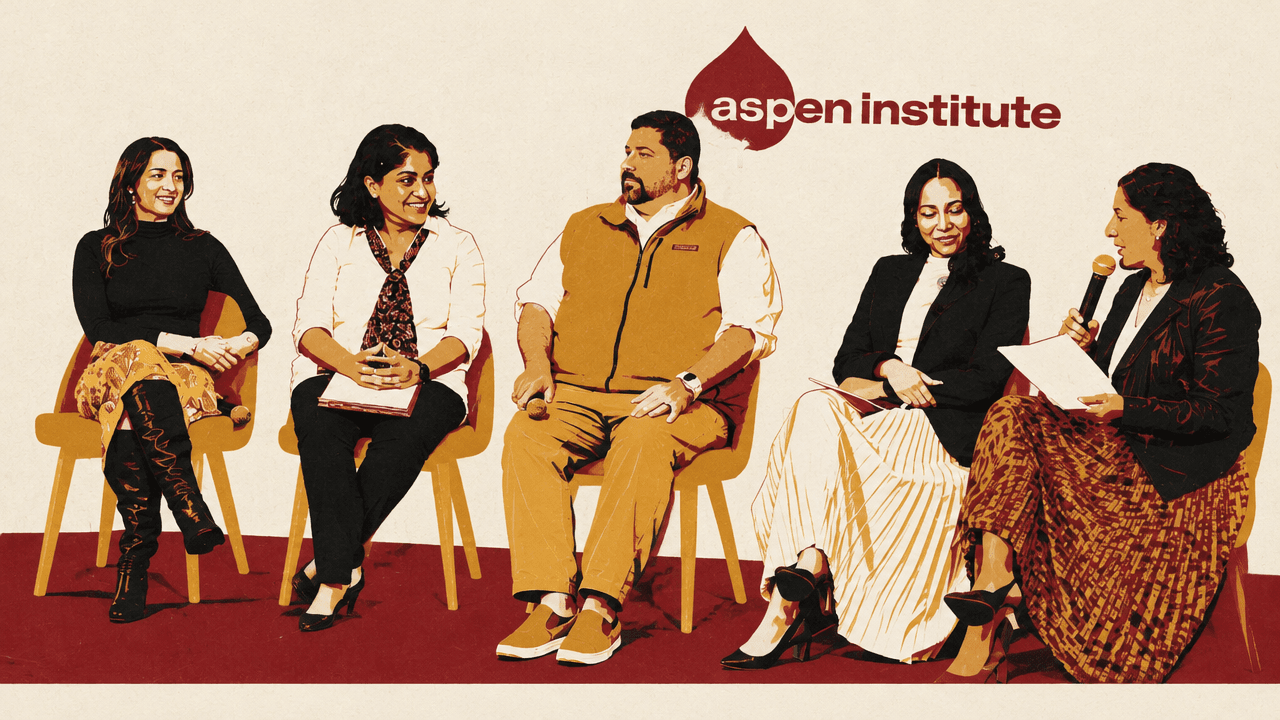
At a National Early Wealth Building Policy Forum panel, leaders from philanthropy, employers and community-based programs argued that Trump Accounts will be more durable if institutions have practical ways to contribute and families receive support that reflects their needs. Invest America’s Matt Lira said a broad base of stakeholders could help protect the policy through political change; the other speakers described pilots, donor infrastructure and employer contributions as parts of that effort. They also stressed that implementation remains unfinished, particularly how families access guidance and how contributions reach those facing the greatest barriers.
Durability depends on who has a stake in the accounts
The case for involving employers, philanthropy, financial institutions, and other institutions is not only that they can put more money into children’s accounts. Their participation may also help protect the policy when political priorities change.
The moderator introducing the panel recalled meeting leaders behind the United Kingdom’s now-defunct Child Trust Funds policy. She said those leaders had a “gold mine” of lessons, and that what most interested them about Trump Accounts was the number of sectors expected to participate. As she recounted it, they believed broader involvement might have meant more money in the accounts and “an army of protectors” when austerity brought cuts. That experience framed a question for the panel: what could make early wealth-building policy durable?
For Matt Lira of Invest America, one surprise over the past year was how many different institutions had joined the effort. He pointed to political support across party lines, banks and newer financial firms working alongside one another, and philanthropists contributing to the program. What surprised him most, he said, was how few people wanted to reject the idea outright. Even people raising concerns tended to ask how it could be improved, rather than why it should exist. Joanna Smith-Ramani summarized the distinction as the difference between wanting improvement and questioning whether the program should exist.
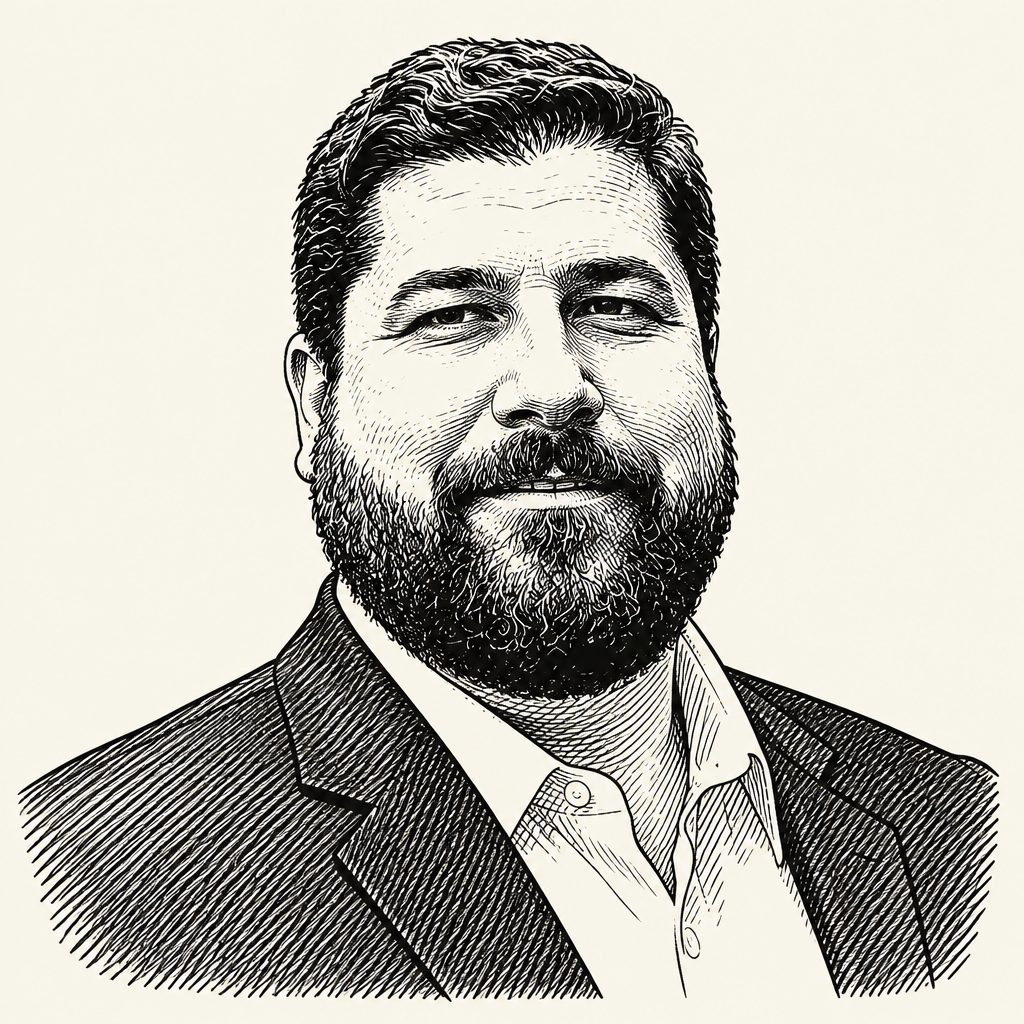
Lira described the response as unusually strong “policy market fit”: people and institutions repeatedly asking how they could help. He characterized Invest America as a catalyst, not the originator of the idea, which he said had roots in the nation’s early discussions and in four decades of scholarship and policy development. He also pointed to institutional pairings such as BNY and Robinhood, and to financial institutions such as Chime entering the effort.
For Lira, durability depends in part on building a broad base of stakeholders with reasons to care about the program’s health, including families, financial institutions, philanthropic institutions, and state and local governments. He emphasized the importance of building political relationships before they are needed. Support from leaders across parties, he said, was more than symbolic:
The bridges have been built before we needed to cross the river.
Lira’s case is that a platform with many stakeholders gives more people and institutions a reason to look out for its strength. The panelists described distinct contributions to that platform: community-based work that keeps families’ experiences in view, shared donor infrastructure, and employer participation that can add money and connect accounts to workforce interests.
A deposit alone does not answer what families need
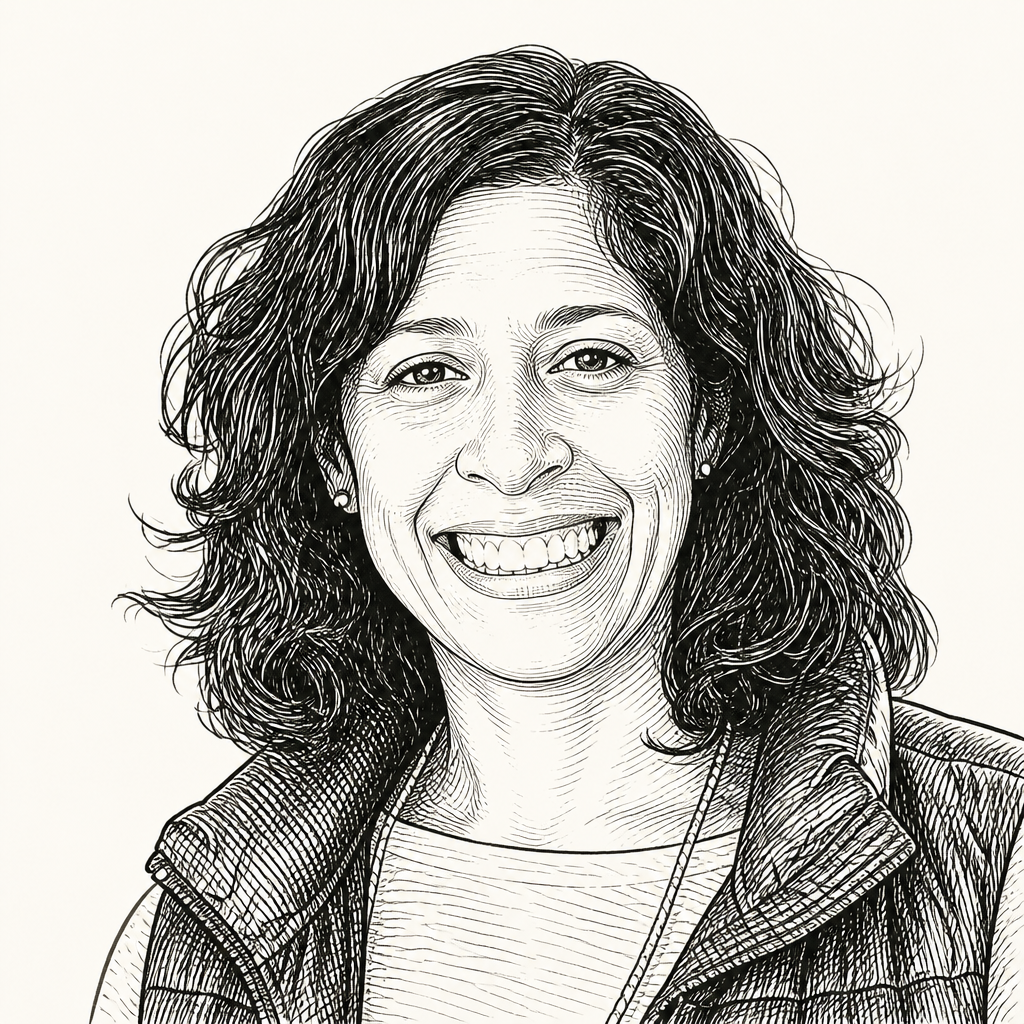
Hope Wollensack described Freedom Futures, a Georgia Resilience & Opportunity Fund pilot combining an investable sum, guaranteed income, and financial advising. Participants aged 18 to 25 receive $500 a month alongside the prospect of a lump-sum payout later in the four-year program. The pilot had been running for about a year and a half at the time of the panel, so participants had not yet reached the point of drawing down their investable sums.
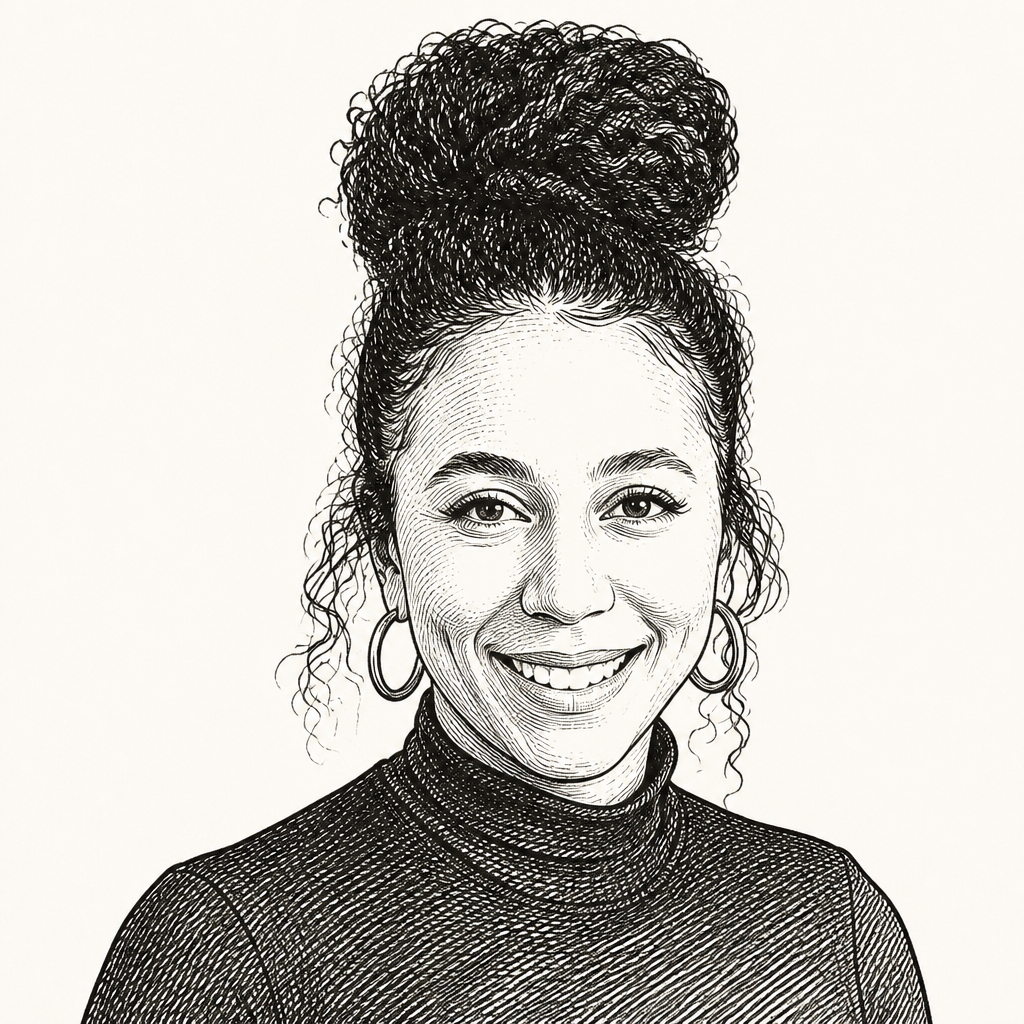
The program grew from a lesson in GRO’s earlier work: income support alone was not sufficient to help people get into assets and asset-building, Wollensack said. Freedom Futures tests whether combining supports can make them more meaningful together. She said the anticipation of the investable sum, alongside the near-term income, was already affecting some participants’ decisions.
Wollensack reported that participants described shifting summer plans toward career opportunities that better matched their longer-term goals, rather than prioritizing immediate basic needs. She said this came up before the financial-advising component began. In her account, participants had strong financial intuition, and many had already engaged with financial markets in some way. These are reported responses from a pilot still underway, not evidence of how every account holder will behave; they do suggest questions for policy and implementation about the timing and combination of support.
The size of a potential payout also shaped how participants imagined using it. When asked about a lump sum of around $10,000, they tended to mention saving and paying down debt. When asked about amounts closer to $40,000, Wollensack said they began to talk about buying a home or starting a business. She raised a concern for federal policy: if households with the lowest incomes receive only a $1,000 deposit, they may have limited ability to use the account for asset-building.
Participants also asked for guidance and guardrails. Wollensack said they wanted support that was culturally relevant and framed around building assets, as well as boundaries on how funds could be used. She said the request surprised the team. Rather than assuming people would simply need access to an account and then be left to work out the rest, she argued that claiming accounts early and having trusted messengers available over time would be important.
That support may require people with different kinds of expertise to work together. Wollensack echoed a point raised elsewhere at the forum: educators may know how to teach but lack specialized financial knowledge, while people with financial expertise may not know how to communicate effectively with a particular audience. She presented that as a practical implementation challenge. The work, in her view, is to bring those strengths together around the people who will use the accounts.
Micron sees deposits as both a business decision and a prompt
Rosita Najmi described Micron’s participation as an instance of shared value and a business decision about investment in the company’s current and future workforce. The company plans to match employees’ contributions to their children’s accounts, with $1,000 per child. Separately, it plans to put $250 into one million accounts across the United States. Najmi also said Micron has seven focus states; she did not specify that the million accounts would all be in those states.
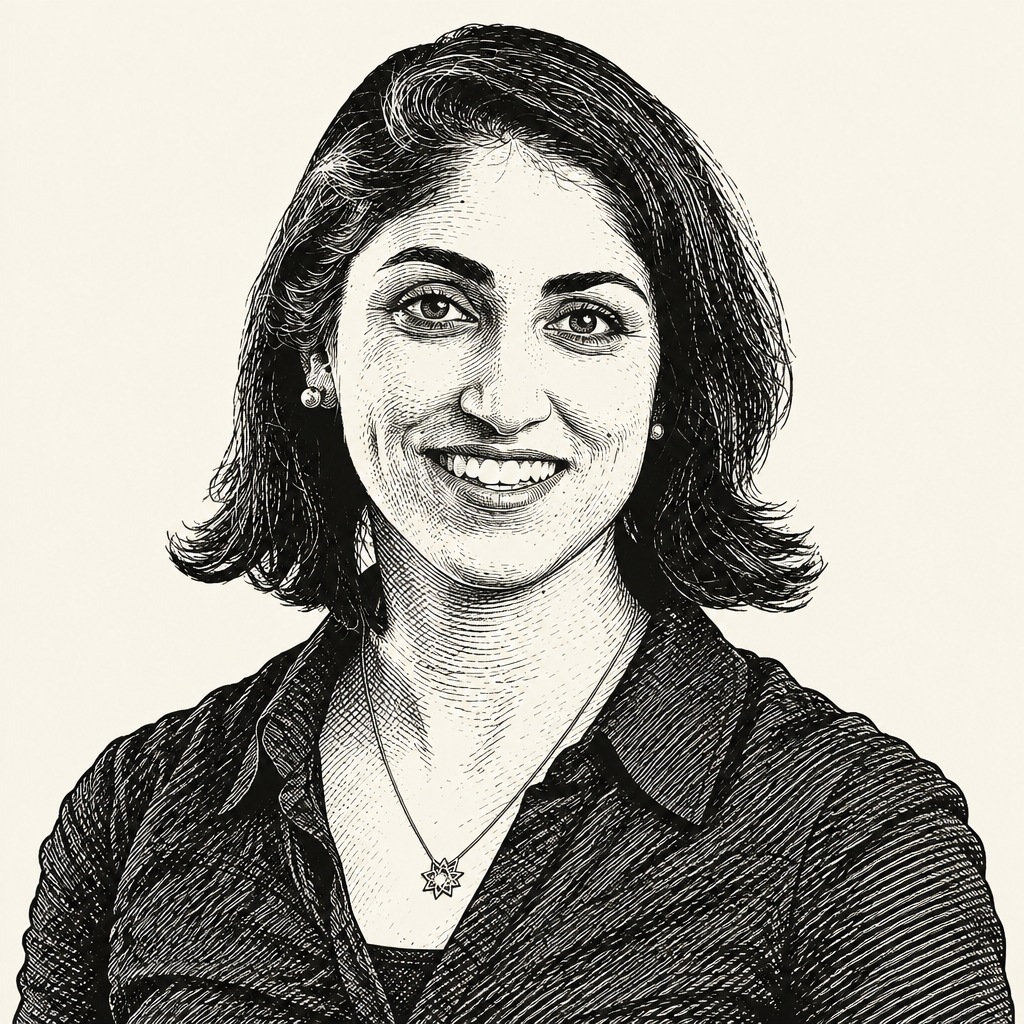
Najmi connected those commitments to Micron’s role as a semiconductor company and its interest in its workforce. She said the employee contribution is a way to invest in current employees and their families. The broader deposits, she said, are a way to invest in a future workforce: Micron has more than 90,000 jobs in the United States, and the company hopes children will consider STEM and, eventually, a career at Micron.
She also described the deposits as a way to start conversations about children’s futures. Financial-inclusion work has often emphasized setting up or labeling accounts in the expectation that people will save more. Najmi said automatic enrollment changes that model: accounts can be set up without families having to take action, while contributions from employers and philanthropists can give families a reason to keep thinking about them. “The future of each of these children is not” set, she said, even though the accounts are.
Najmi offered a specific picture of what the company hopes its contribution might prompt: conversations at the dinner table about children’s goals, what they want to be when they grow up, and how they want to serve their families, communities, and country. Micron hopes its $250 contribution will encourage families to think about STEM, advanced manufacturing, and the company’s own industry. In that account of the company’s aims, the account is not only a place to hold a balance; it can also become a reason to discuss possible futures.
Najmi said she hoped other companies would ask Micron how it handled the transaction and built the business case with executives or a corporate board. She described participation as an innovation in recruiting, people management, and workforce development. The company’s experience, she said, could produce insights that participating employers share with one another.
Shared infrastructure can lower the cost of joining in
Katherine Stadler described the Michael and Susan Dell Foundation’s contribution as an effort to catalyze a larger flow of funding, not only to place money in children’s accounts. She said the foundation worked with the Treasury on automatic enrollment so families would not have to claim the foundation’s $250 contribution. At the time of the panel, she said, that money was in 24.7 million children’s accounts, where it could compound and grow. She contrasted this with the $1,000 deposit the Treasury was working on, saying families did not have to do anything to receive the foundation’s contribution.
The foundation also worked to make participation easier for other donors. Stadler cited a standard donor-term agreement, a standard legal agreement, and reporting and dashboards that let donors understand their impact. The aim was to give philanthropists who could not make a Dell-sized gift a workable route into the program. She thanked the Treasury, BNY, and legal teams involved in developing the agreements, emphasizing the practical coordination needed to create a process other donors could use.
The speed of the process was a notable result. Once the legal agreement was executed, Stadler said, $6 billion went into children’s accounts in four days. She called that pace almost unheard of in philanthropy and emphasized the limited overhead: the process put dollars directly into children’s accounts with almost no overhead costs. Her point was not simply that a large gift could be made quickly, but that the groundwork could give other donors a more established route to contribute.
Stadler said the foundation was also testing ways to help families engage with the accounts. She described roughly 15 pilots underway, including work on engagement and financial literacy, and said the foundation wanted to share what it learned. When asked what role the foundation should play in sustaining the policy, she answered, “anything and everything” needed to keep it working.
The next test is whether implementation reflects families’ needs
The panelists described their contributions as unfinished work, but emphasized different parts of implementation. Stadler described testing approaches and sharing results; Najmi hoped to help other companies build a case for participation; and Lira argued that the program’s range of stakeholders could help it weather challenges. He described the accounts as a platform that could draw support from the American people, financial institutions, philanthropy, and state and local governments.
For Wollensack, the priority is to keep the end user at the center of both policy design and implementation. That includes young adults who may eventually draw down from accounts and parents of young children who are making choices about them now. She said the details of implementation will matter: families need to understand which benefits are available and be able to claim everything they are eligible for. She also called for examining how third-party contributions could be targeted progressively.
Because GRO works in the South, where Wollensack described inequality as particularly deep, she argued that policies intended to reduce inequality should be designed with the people facing the greatest barriers in mind. She said that targeting and designing for those most affected could make the policy more durable and more elegant. Her emphasis was on how design choices and access might shape whether the accounts serve families equitably.
Smith-Ramani described humility and a willingness to learn as necessary to the effort. She said the people working on the policy shared a belief that children need private wealth to have choice-filled, dignified lives, but acknowledged that they did not yet know how to make the accounts deliver that outcome. In her view, being willing to say what remains unknown, learn iteratively, and share those lessons is part of how the work can improve.
The panelists’ priorities followed from their different roles: Wollensack emphasized direct contact with participants and the need to design around their experience; Stadler described agreements and reporting that can help donors participate; and Najmi focused on an employer’s business case and sharing practical lessons with other companies. Their accounts leave practical questions for the village to work through: how families get useful guidance, how donors and employers can contribute through workable processes, and how implementation can adapt to what participants say they need.