Purpose-Driven Leadership Begins Before Strategy Is Clear
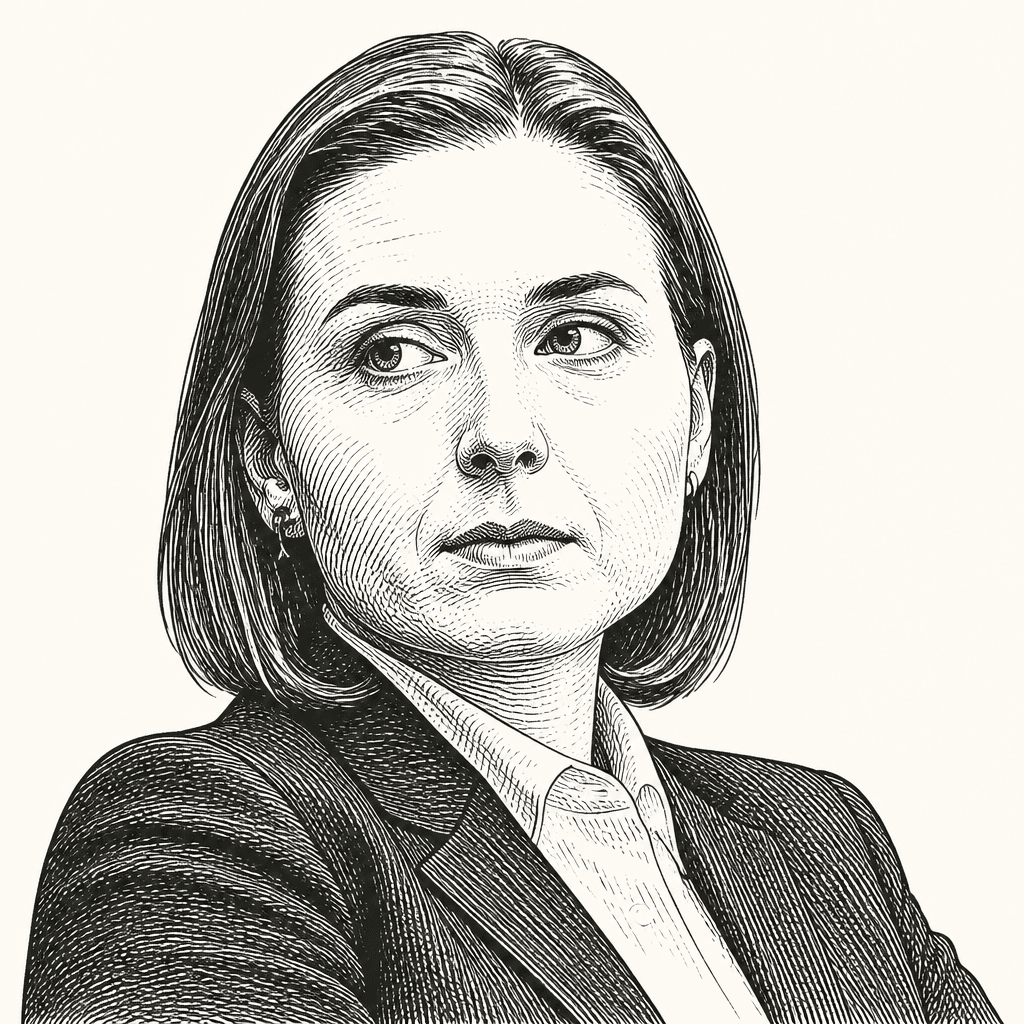 Anna Novosad
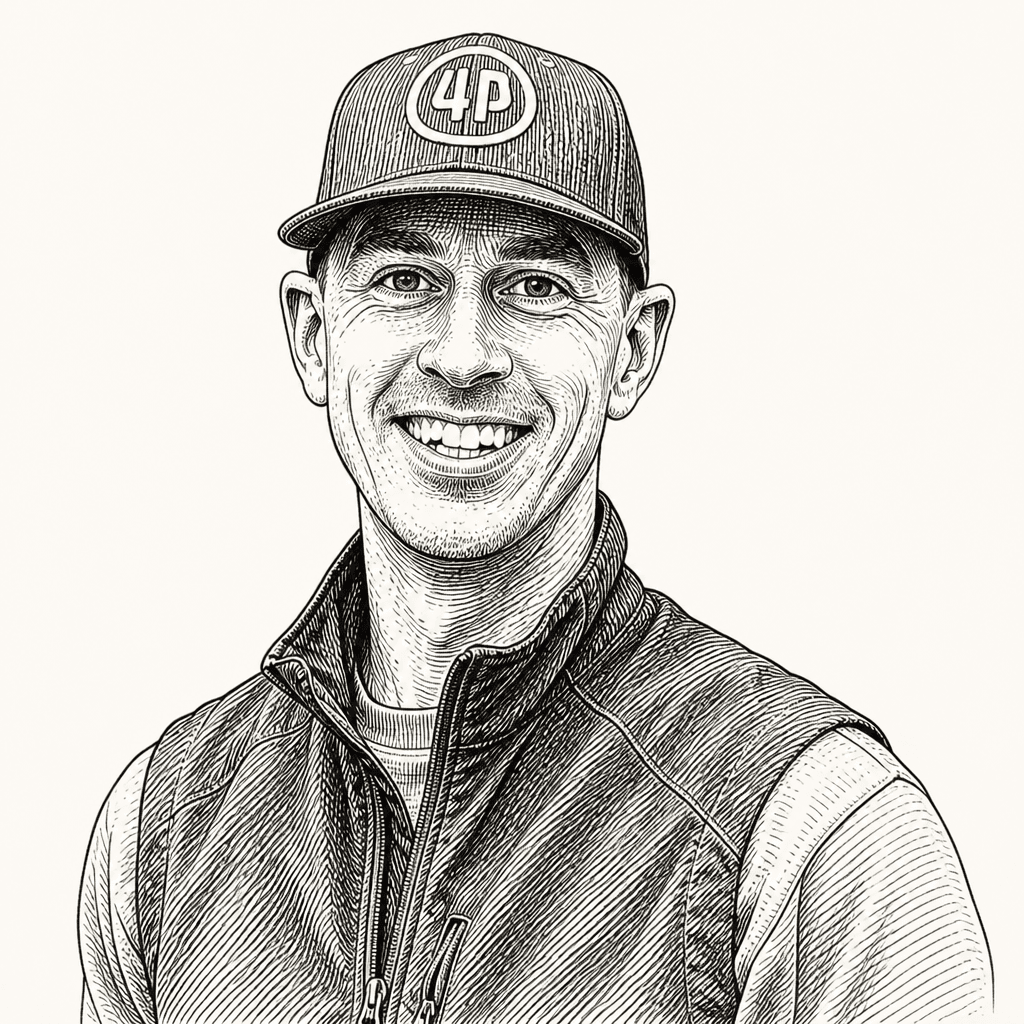 Tom McDougall
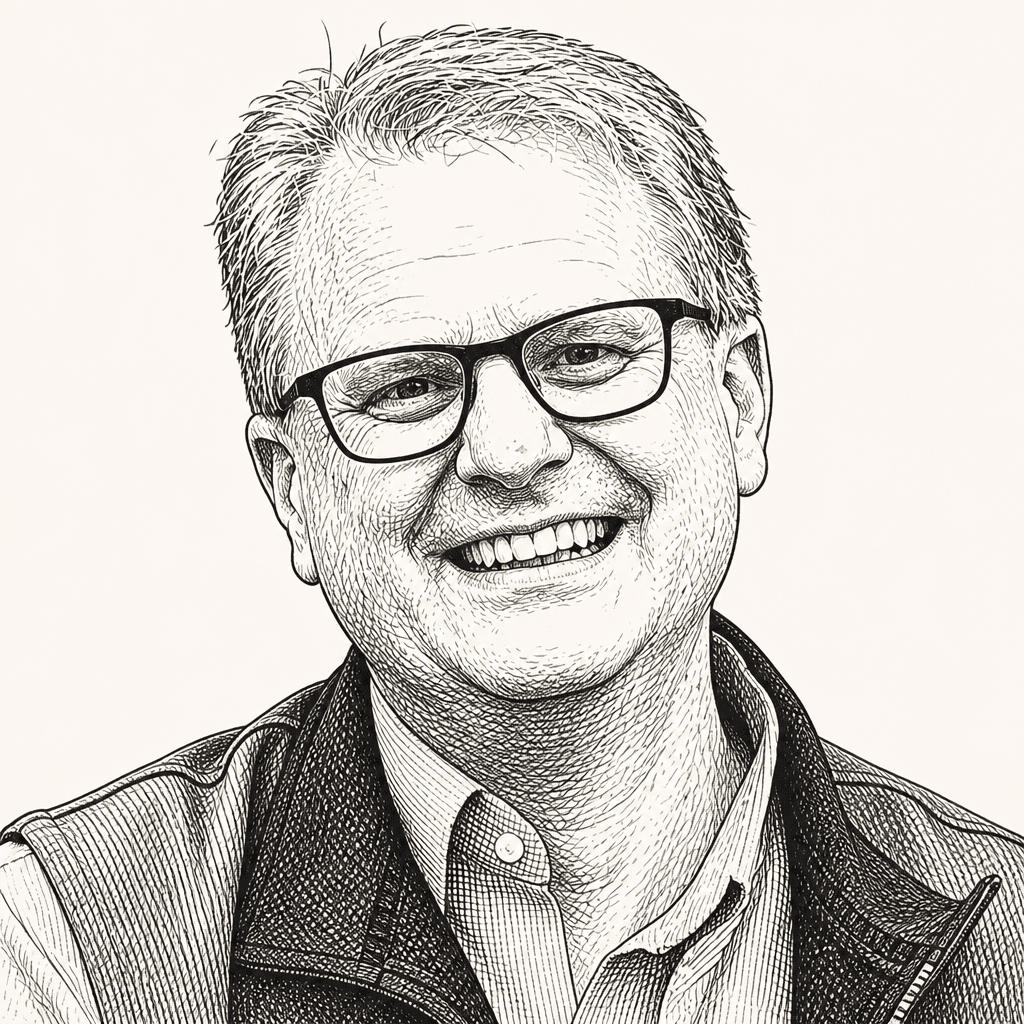 Stace Lindsay
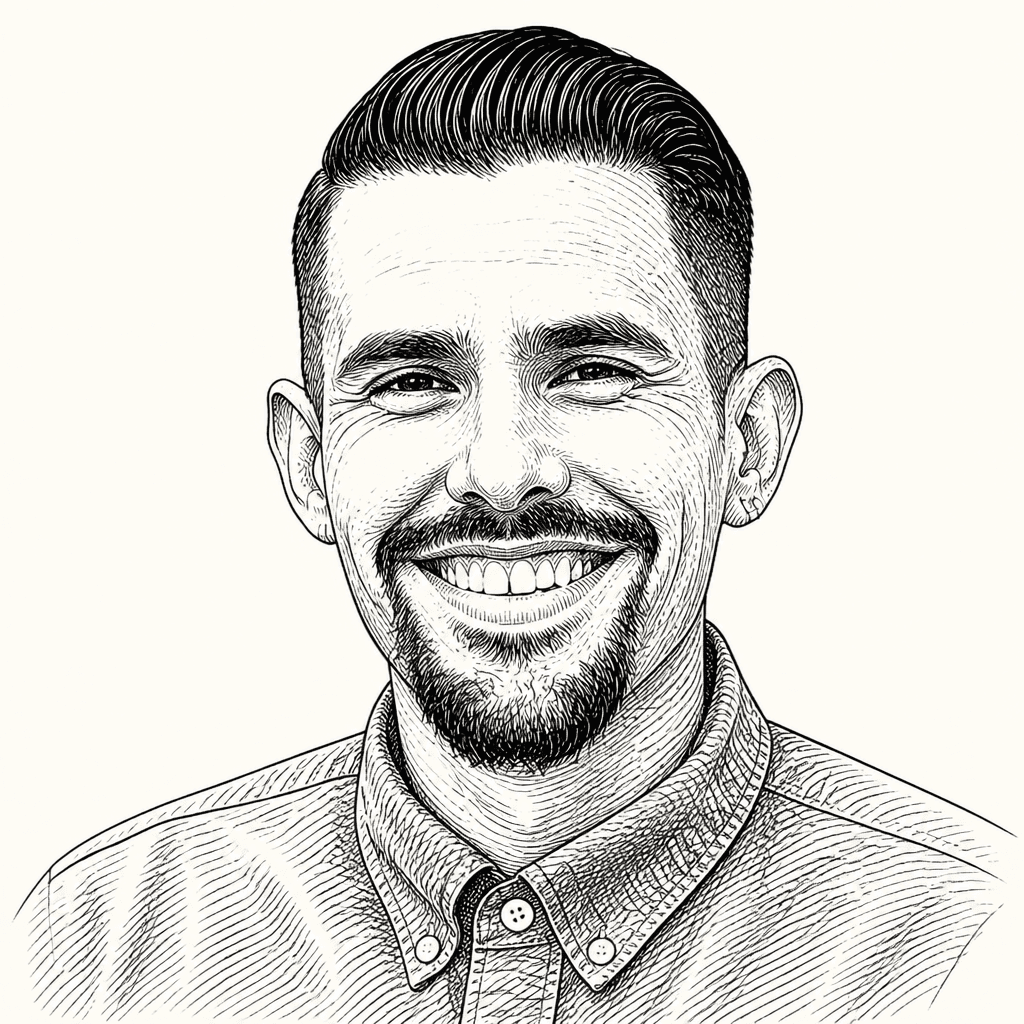 Rudy EspinozaThe Aspen InstituteMonday, August 10, 20269 min read
At the Resnick Aspen Action Forum, 2026 McNulty Prize winners Anna Novosad, Rudy Espinoza and Tom McDougall argued that purpose-driven leadership begins before certainty, funding or a finished strategy is in place. Novosad described building savED from an initial effort to assess damaged schools in Ukraine; Espinoza framed advocacy as a decision to take a side alongside people excluded from capital; and McDougall called for confronting the environmental and human costs omitted from market prices. Their shared case was that sustaining such commitments requires care for one’s own capacity and collaboration with others—not faith that a rescuer will arrive.
The work began before the strategy was clear
Anna Novosad’s decision to return to Ukraine as Russia’s invasion began was not a calculated career decision. She was in the United States on a Hubert Humphrey Fellowship, watching the invasion unfold online while her parents, friends, and life were in Ukraine. Being outside the country during an attack, she said, can feel worse than being inside it: safety creates distance from the people living through the danger.
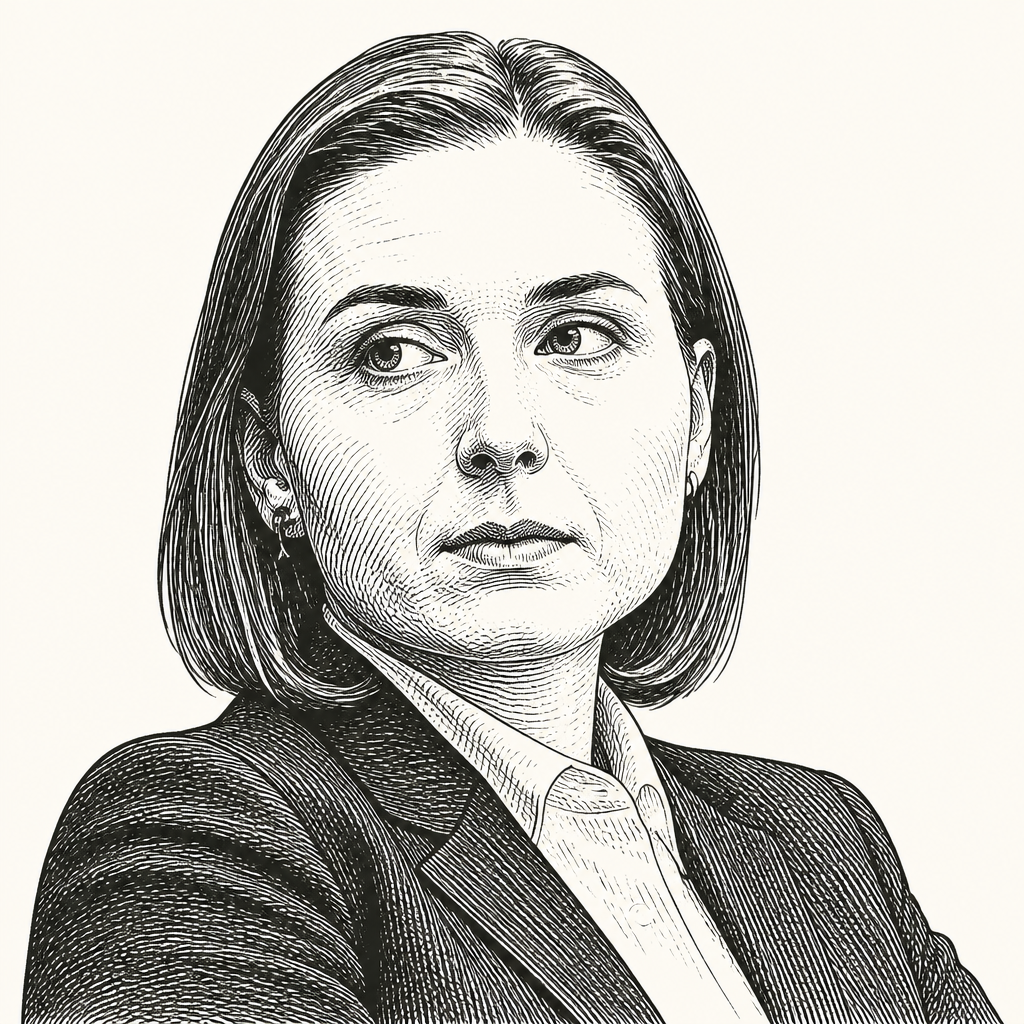
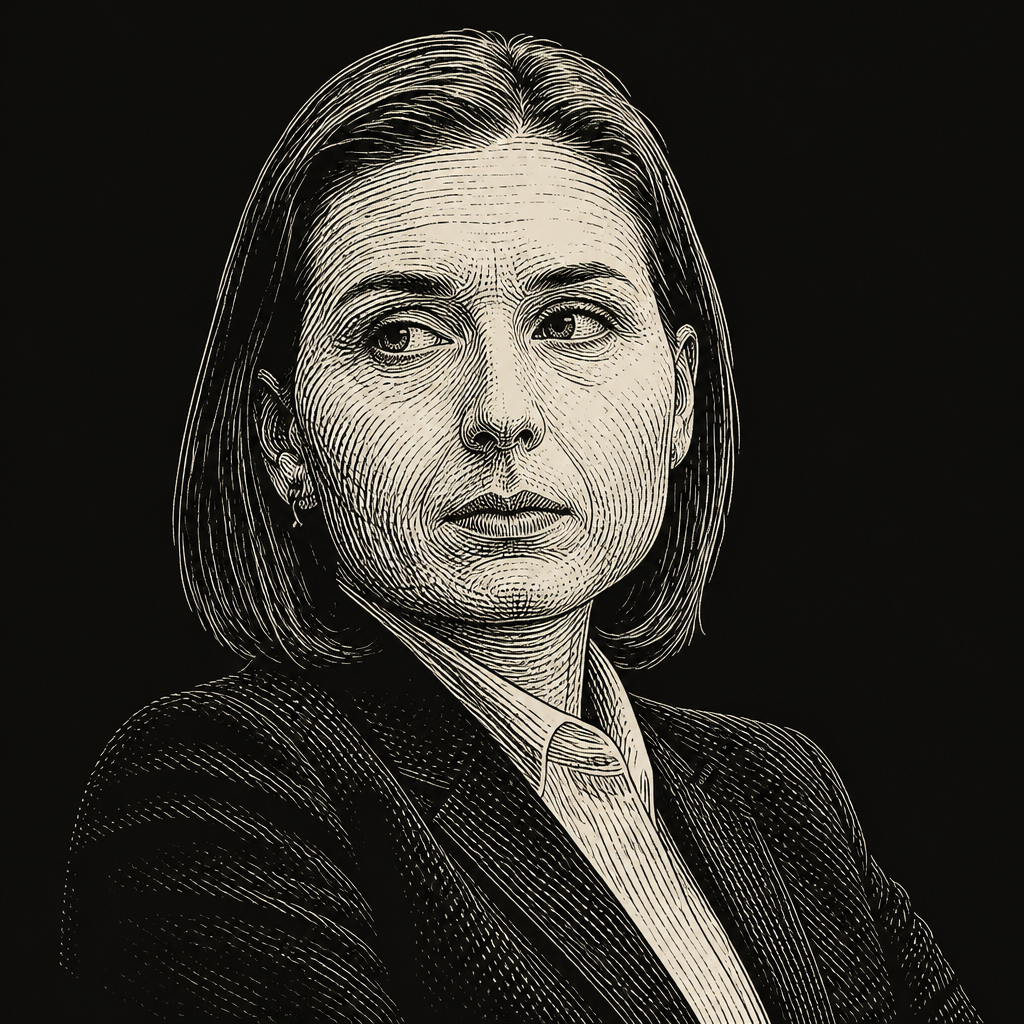
War, in her account, does not politely ask a person to identify their priorities. It forces a choice, sometimes before one has consciously made it. Novosad had been among those who believed an invasion might not happen; the night before, she was weighing whether to leave Kyiv or keep a dentist appointment. But if war came, she felt she needed to be home.
That instinct did not produce an immediate plan. The early months were defined by chaos: people did not know how to respond to missile attacks, and every missile seemed as though it might be aimed at one’s own house. What began to stabilize her was the discovery that useful action, however limited, made the situation more bearable.
After Ukrainian forces liberated territories in northern Ukraine in late March and early April, Novosad and a colleague called the education chief in Chernihiv, a city of roughly 250,000 people that had been encircled for a month but not captured. They had no money, resources, or defined offer. They simply asked how they could help.
His answer established the scale of the need. The first task was modest and concrete: assessing the damage. Novosad and her colleagues raised their first €50,000 for that assessment, then used the information it generated to begin fundraising for recovery. The work that became savED emerged not from a finished strategy but from responding to a specific request that was within reach.
That sequence informs Novosad’s advice for people confronting uncertainty. At the outset—and sometimes well into the work—a leader may genuinely have no idea what they are doing. They may lack clarity about funding, operating model, goals, or even the shape of the problem. savED, she noted, was four years old on the day of the discussion. Its first two years felt like moving through a tunnel; only later did a clear strategy emerge.
The lesson is not that strategy is unnecessary. It is that strategy can take time to earn. In conditions of uncertainty, Novosad said, the uncomfortable period of navigation is something to accept rather than treat as evidence that the work should not begin.
Her reason for remaining is tied to Ukrainian statehood. Novosad said her generation may be the first in a long line of Ukrainians to have a real chance to preserve it. After an earlier period of independence following the collapse of the Russian Empire, she said, Ukraine’s independent state lasted only half a year before the country became part of the Soviet system. Independence was regained in 1991. Her generation, she said, is the fifth that has at least a chance to sustain that statehood after more than 300 years of Russian domination in different forms.
That is sufficient purpose for her to stay and do what she can. But she distinguished her own role from that of Ukrainians serving on the front line. Men may be required to serve, she said, while more than 70,000 women have volunteered to do so. She does not place herself in that category of courage, and expressed gratitude to those who do.
The price on the label is not the true cost
A system can make its harms invisible by excluding them from the price. Tom McDougall came to that conclusion while traveling to China every other week, overseeing the production and global delivery of promotional merchandise—lanyards, T-shirts, hats, pens, USB drives, and other items moved through factories, freight brokers, trains, planes, and trucks to events in the United States. Then he read Michael Pollan’s The Omnivore’s Dilemma on a flight without Wi-Fi. His shorthand for the result: he “got very angry about corn.”
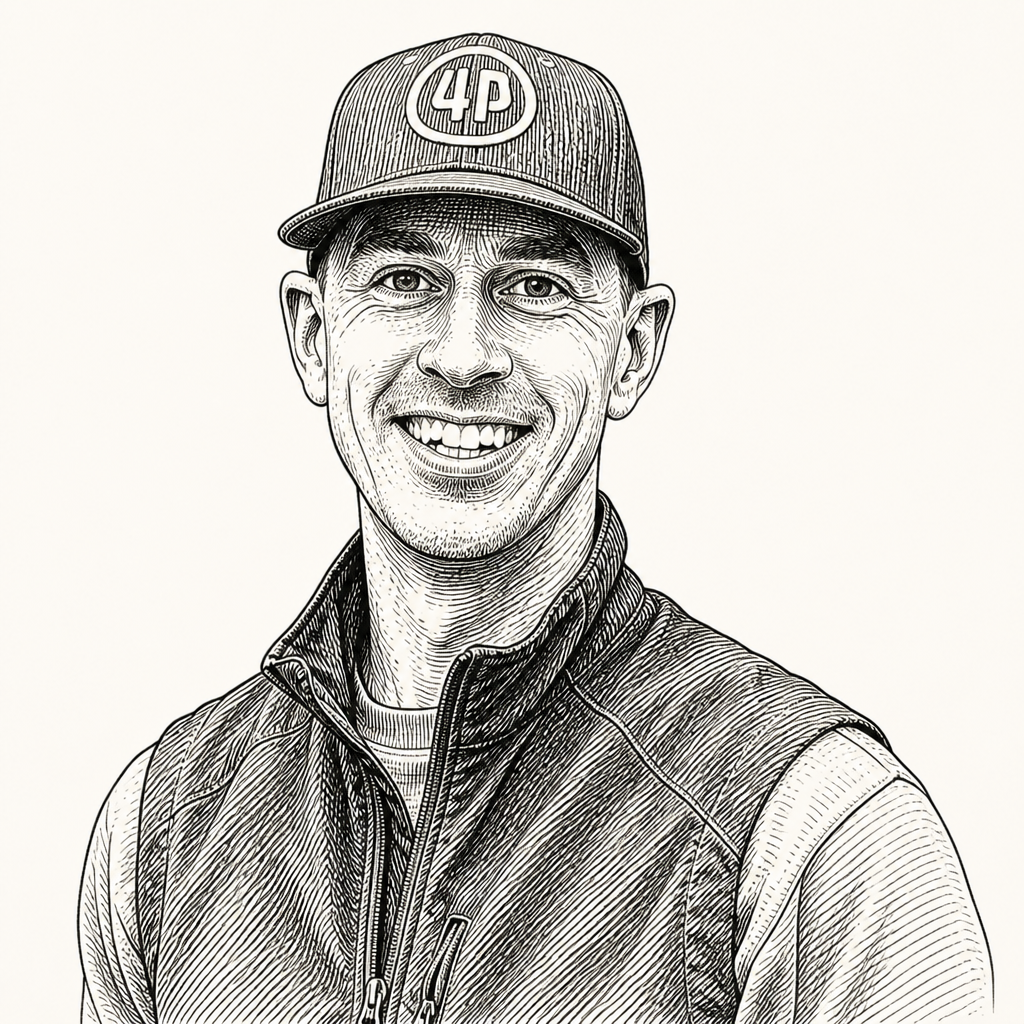
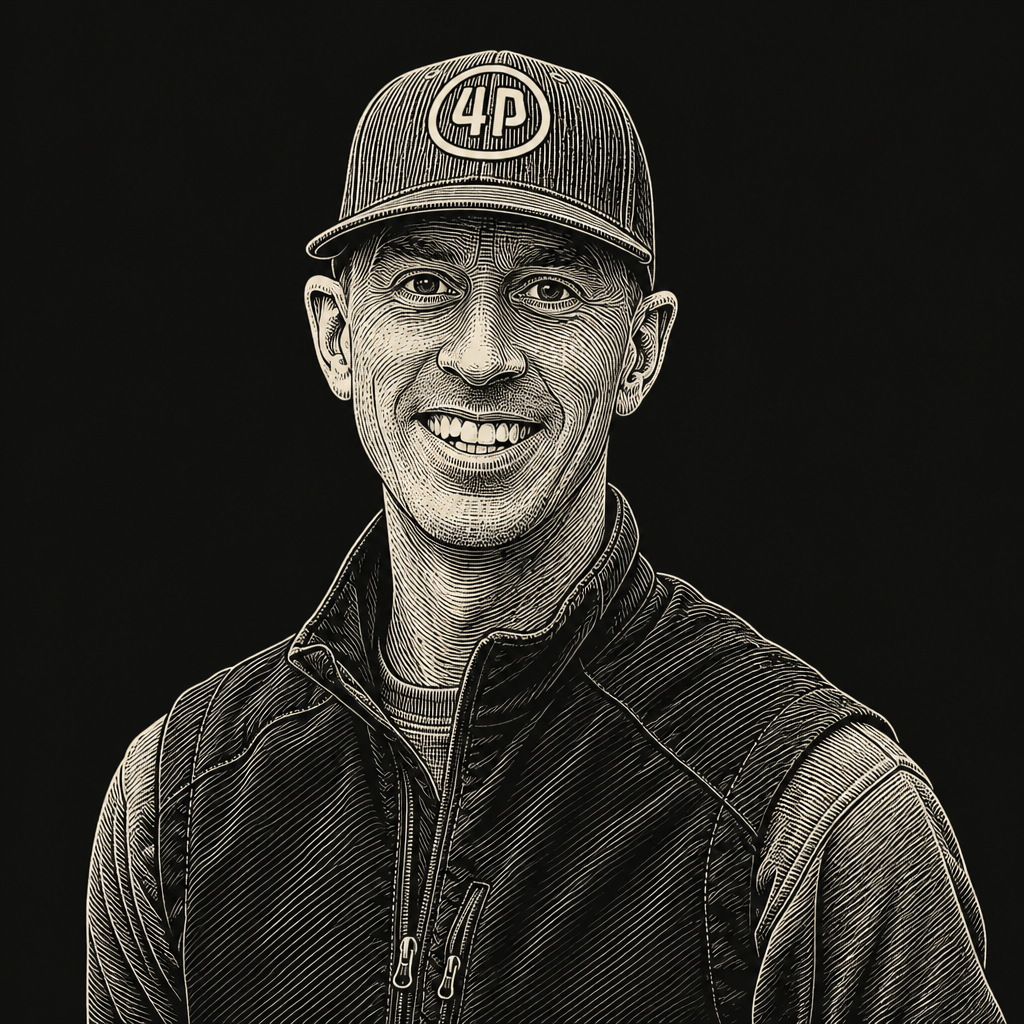
The deeper change came from seeing the logistics system up close. McDougall said he came to understand viscerally what an externality is in a global capitalist system. The sale price of the goods he was producing and consuming did not represent their actual cost—not because the issue was uniquely Chinese, he said, but because the system was assigning too little value to environmental degradation and to human-rights abuses occurring in the pursuit of cheaper goods.
That realization woke up what he called an inner activist. It became the basis for his effort to build a different food system through 4P Foods.
Money is the central concern in Rudy Espinoza’s account as well, but not principally because prices conceal supply-chain harms. His question is how capital moves, who is excluded from it, and how resources can reach people who do not have them. As a child, he imagined owning a house in the mountains; he studied business because he assumed a degree might make him rich by 21. In college, that ambition changed when he recognized that his upbringing was not exceptional. His mother had worked as a waitress for 35 years while raising him and his brother as a single parent. What he had regarded as a distinctive personal story was, he learned, shared by many others.
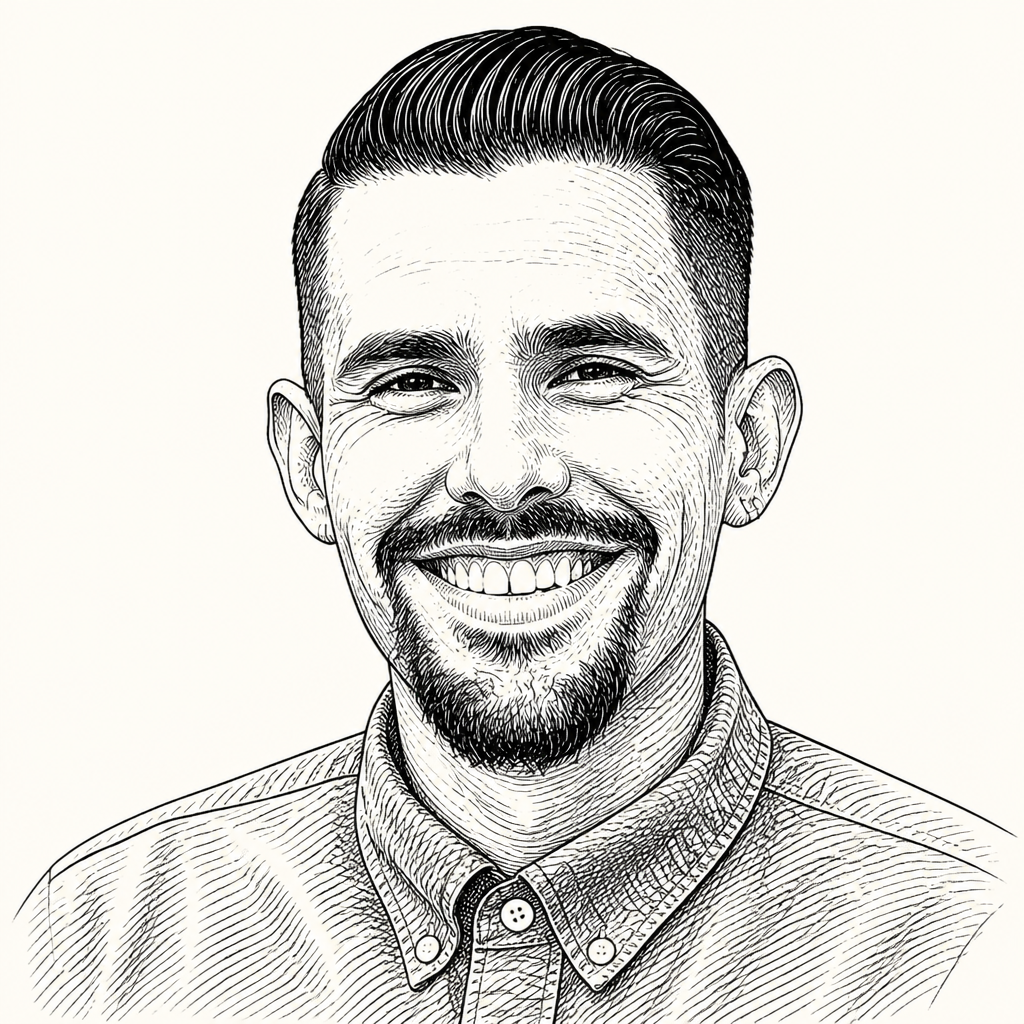
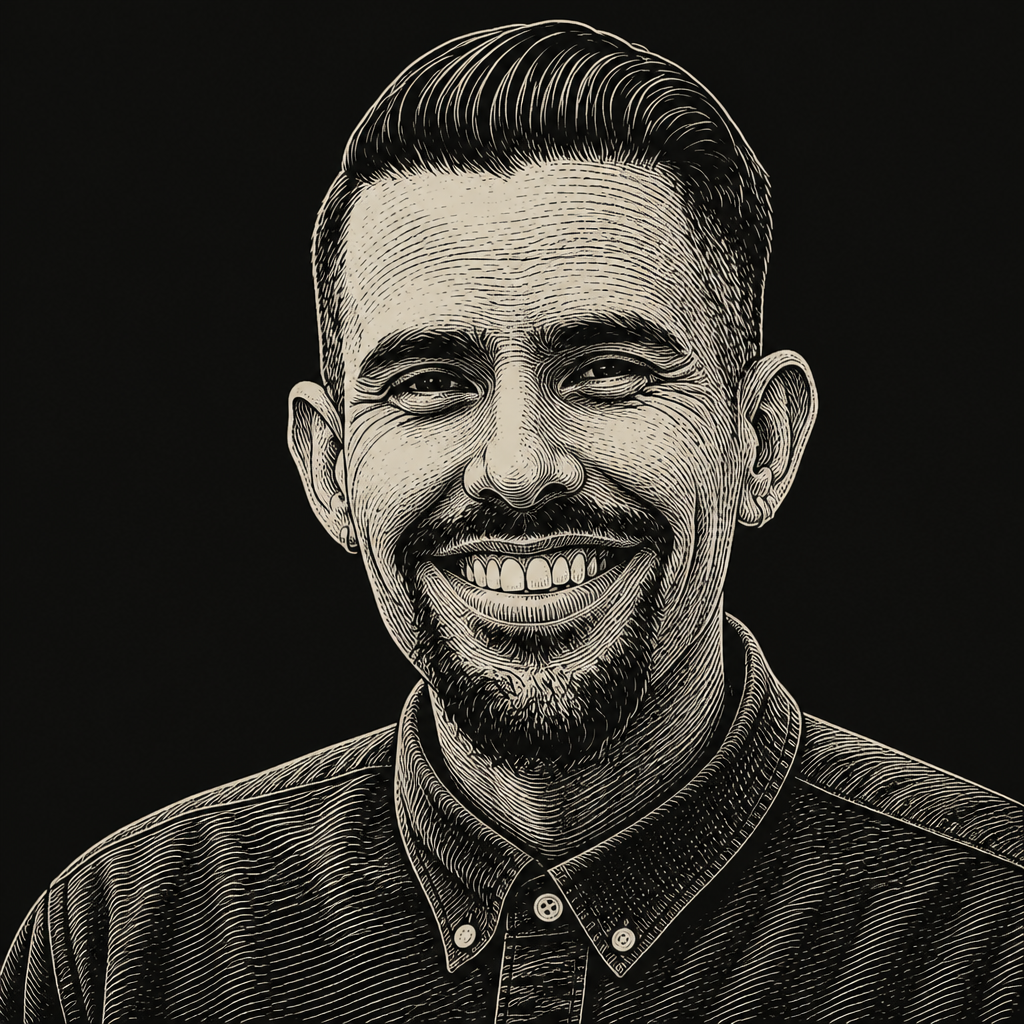
His concern with money remained, but its object shifted. Rather than asking how to accumulate it, Espinoza began asking how money moves, why it fails to move, and how resources can reach people who do not have them. The work of Inclusive Action for the City grows from that personal shift and from his view that systems are designed to keep people without resources from getting them.
McDougall’s critique begins with costs displaced onto workers and environments through global manufacturing. Espinoza’s begins with political-economic exclusion: people who need capital and resources cannot reliably get them. Both responded by entering the practical work of building alternatives rather than merely describing the systems they oppose.
Commitment has to survive exhaustion, fear, and disapproval
Purpose does not cancel the physical demands of sustaining it. Anna Novosad described sleep disorder as the hardest bodily consequence of the war. Even in the absence of an attack, she would wake at 2 or 3 a.m. and be unable to return to sleep. The situation had improved somewhat in the preceding year, but Novosad said that intensified attacks on Kyiv had again made rest precarious.
The body, Novosad said, is the medium through which people experience every loss, tragedy, attack, and joy. Exhaustion is therefore not peripheral to mission-driven work. An organization cannot continue to develop if its leader is physically breaking down. Novosad has responded by taking what she calls “sleeping trips”: driving eight hours to the Ukrainian mountains in the west, staying for at least a week, then returning to Kyiv. Her family has agreed to adapt around the need. A comfortable mattress in a bomb shelter helps, she said, but it does not solve the problem.
The more ordinary bad day also requires a reset. Rudy Espinoza mentioned wine and a brief session on a PlayStation 5, but said the deeper source of resilience is the people his organization serves: workers and entrepreneurs coming in for coaching or microloans. They often offer him counsel in return. When he tells them he is overwhelmed, they remind him that he will be all right, explain what they themselves are facing, and help him see the problem differently.
Street vendors were especially important in the campaign to legalize street vending in Los Angeles. When Espinoza was angry or allowing his ego to guide decisions, they would call him back into the work: be in the meeting, they would tell him; this is what you are here for. The people most affected by a system are not merely recipients of advocacy. In Espinoza’s account, they can correct an advocate’s judgment and keep the work tied to its purpose.
Espinoza’s commitment was also tested when Inclusive Action for the City joined a lawsuit as a plaintiff against the IRS over what he described as a data-sharing agreement between the IRS and ICE. The organization’s lending portfolio includes undocumented entrepreneurs whom he said pay taxes, create jobs, and own property. Some supporters encouraged the decision; others withdrew resources because they were afraid.
For Tom McDougall, the pressure to avoid conflict became harder to accept after a year of family crisis. McDougall described delivering his third son, Easton, during a home birth in rural Virginia. A midwife was still about 20 minutes away when labor accelerated rapidly. On speakerphone, she told McDougall and his wife, “You’ve got this.” They did not feel alone, he said; both experienced a profound sense of being held by what he could only describe as the love of God. His wife gave birth, and he delivered their son.
A year later, Easton spent 15 days in the hospital. During that period, McDougall and his wife had to ask doctors whether their child was going to die. Her father also died, and McDougall underwent major surgery. Easton recovered and remains on a long healing journey, but the experience compressed fear, loss, and uncertainty into a short period.
It also changed McDougall’s tolerance for managing other people’s approval. He recalled seeing a bumper sticker or post that read, “You can either be universally liked, or you can be authentic, but you can’t be both.” He said he was choosing authenticity. Easton will be 77 at the turn of the century, McDougall said; that future is the horizon against which he measures the need to build differently now.
The three accounts make different demands: protect the physical capacity to continue, let affected communities correct the work, and accept that action can cost support. Conviction matters, but it is not enough on its own.
No one else is coming
Rudy Espinoza’s advice to people waiting at the edge of a commitment was blunt: choose a side. Staying on the fence, he suggested, is uncomfortable in its own way. The choice may cost support, and it may be frightening, but responsibility cannot be deferred to an outside rescuer.
There's nobody else that's going to come and help us, y'all. It's just us.
That does not mean acting alone. Espinoza argued that people need each other precisely because taking a position is risky. If people choose a side together, he said, they may bring others with them.
Tom McDougall offered a parallel image drawn from Ram Dass’s lecture “Sit Around the Fire.” Each person carries an ember or spark, he said. The first responsibility is to care for it until it becomes a flame. But the next step is to join that flame with others.
Take care of your flame and then merge it with others around you, and let's have a party around the fire.
For McDougall, many small flames together make a bonfire that offers light, direction, warmth, and safety. The call is neither to wait for complete certainty nor to regard individual courage as enough. Begin with the work within reach, stay capable of doing it, and join others willing to act.