Colleges Must Prove Their Value Program by Program
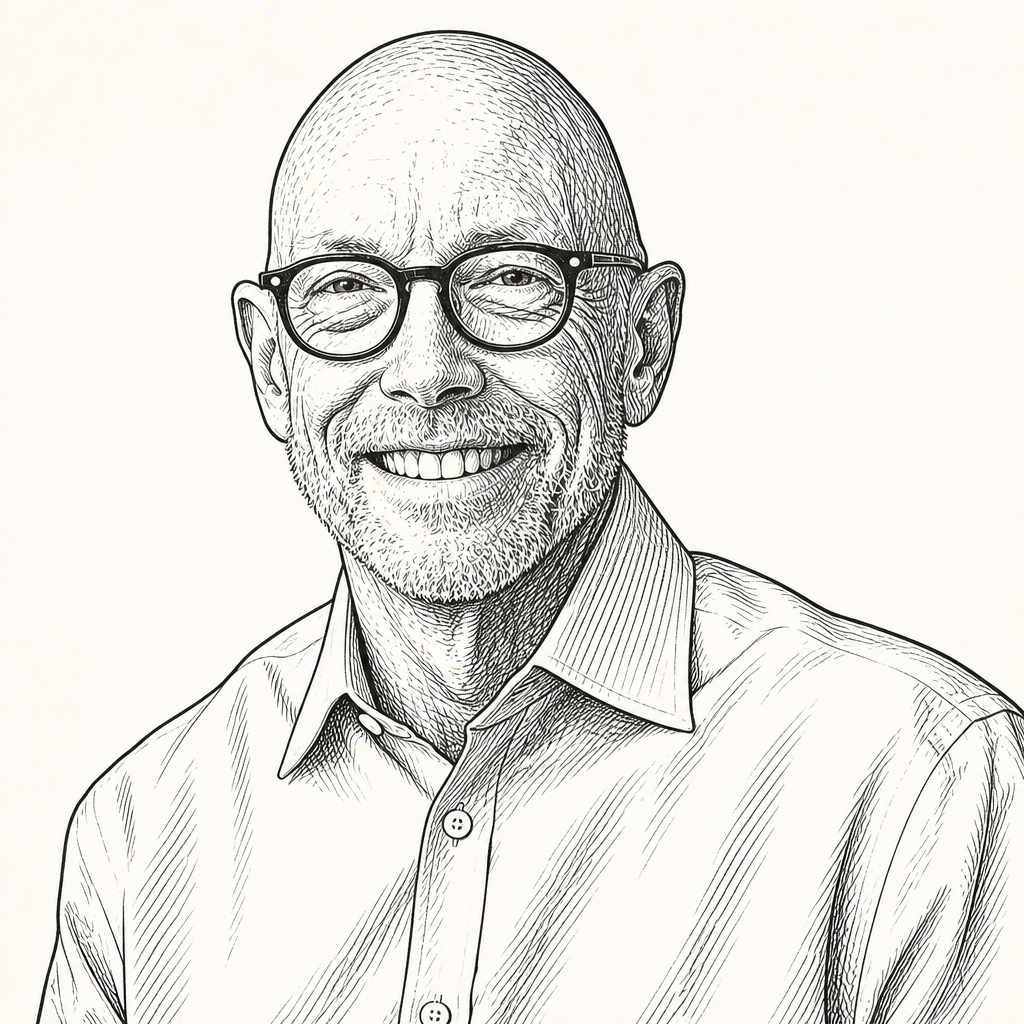
 Josh Wyner
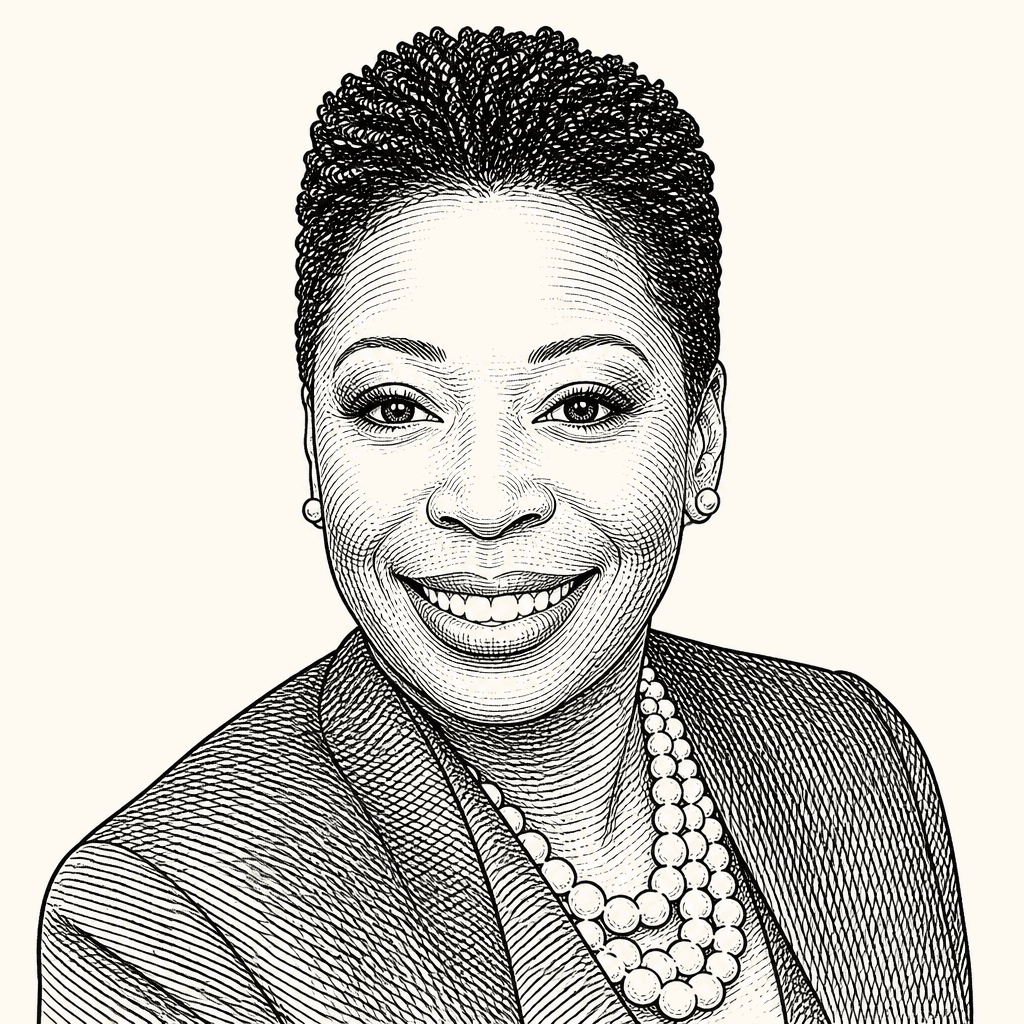 Pascale Charlot
 Matthew Gianneschi
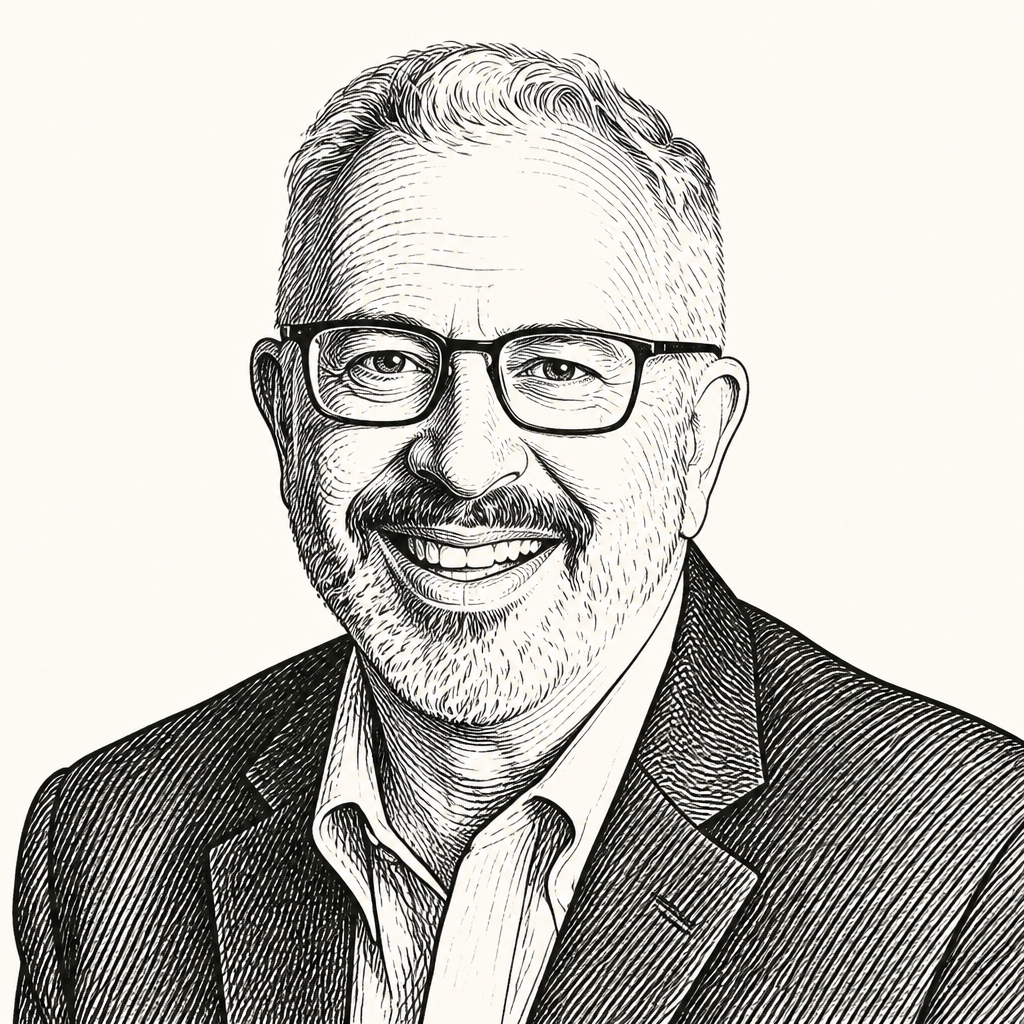
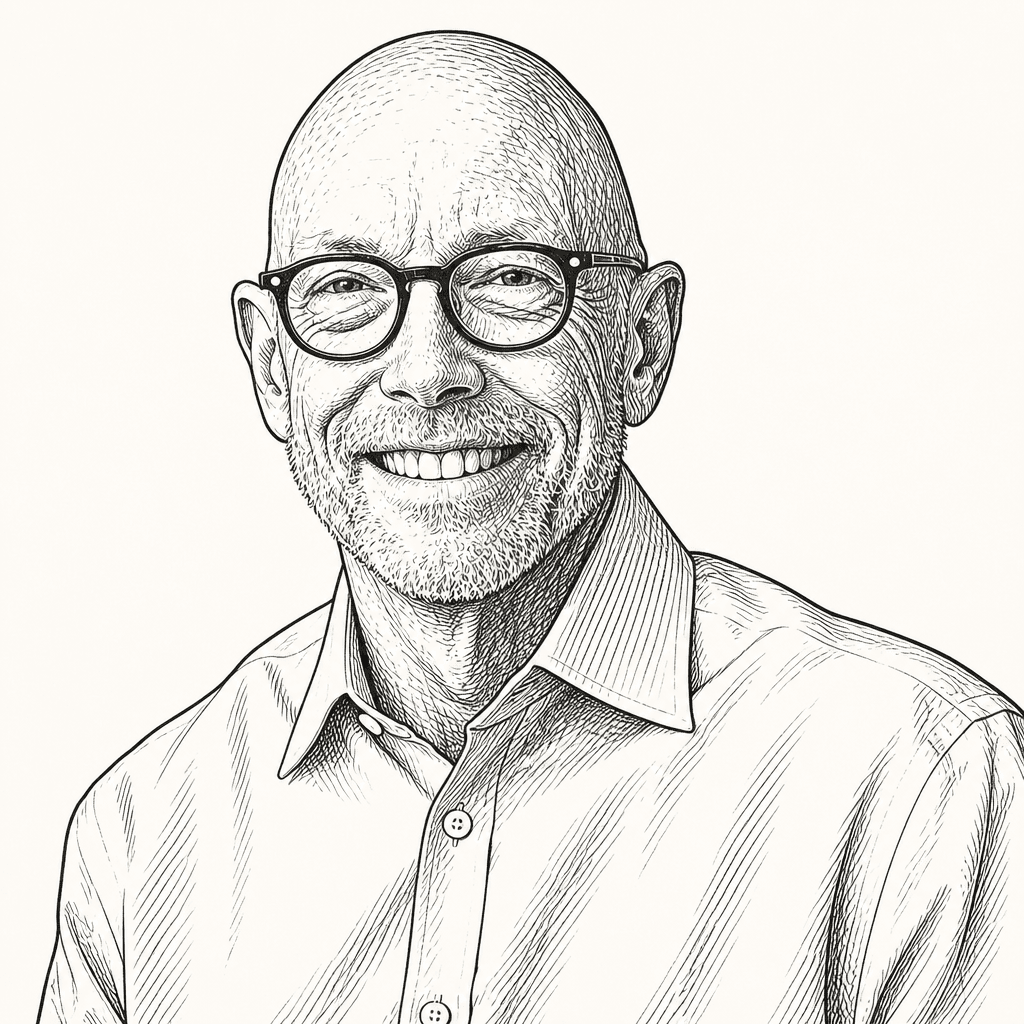 Ted MitchellThe Aspen InstituteSaturday, June 27, 202619 min read
College can still be a route to the American Dream, but higher education leaders Pascale Charlot, Ted Mitchell, Josh Wyner and Matthew Gianneschi argued that institutions now have to prove that promise through completion, affordability and post-graduation value. Their case is that declining public trust will not be answered by prestige or average wage premiums, but by clearer evidence that colleges help students finish, manage cost, connect degrees to viable work and sustain the civic and human learning they claim to provide.

Higher education still pays off, but reputation is no longer enough
Pascale Charlot framed the central contradiction directly: higher education remains one of the country’s main routes to opportunity, but public trust has fallen at the same time the labor market continues to reward education beyond high school. College can still function as a path to opportunity, but the argument for it now depends less on institutional prestige or inherited assumptions and more on whether colleges can prove completion, affordability, and post-graduation value.
The public picture is also too narrow. The United States has about 4,000 colleges and universities. Roughly a quarter of them are community colleges, and those community colleges serve about 40% of undergraduates. The students themselves are changing: Charlot cited a projected 13% decline in the number of students graduating from high school between 2025 and 2041, a shift that is already pushing colleges to recruit more aggressively and to reach adult learners, transfer students, immigrant students, and other groups outside the traditional undergraduate pipeline.
Public confidence has fallen sharply. In 2015, Charlot said, 57% of Americans reported a high level of confidence in higher education. Today, that number is 36%. Yet the labor-market evidence she summarized does not support the claim that higher education no longer matters. By 2031, she said, 72% of jobs will require education beyond high school; 85% of those will be “good jobs”; and about two-thirds of those good jobs will require at least a bachelor’s degree.
| Pressure | Claim introduced by Charlot |
|---|---|
| Institutional diversity | About 4,000 colleges and universities operate in the U.S.; roughly 1,000 are community colleges serving about 40% of undergraduates. |
| Demographic change | The number of students graduating from high school is projected to decline by 13% between 2025 and 2041. |
| Public confidence | High confidence in higher education has fallen from 57% in 2015 to 36% today. |
| Labor-market demand | By 2031, 72% of jobs will require education beyond high school. |
| Leadership instability | Presidents’ average tenure is now about six years, and about half of sitting presidents are expected to leave within five years. |
Ted Mitchell argued that the trust problem has two causes. The public picture is distorted, but colleges have also given the public reasons to doubt them.
The distortion begins with what the public watches. Mitchell said the media and broader culture focus on “about nine celebrity institutions,” even though the entire Ivy League enrolls less than 2% of the country’s college-going population.
The telescope is sort of backwards.
The institutions that dominate the argument about higher education are not representative of where most students go or where much of the mobility work happens.
Mitchell pointed to the Carnegie classifications, now run by the American Council on Education, as one way to redirect attention. ACE classified institutions according to access and economic success for students, looking across all 4,000 institutions. About 500 were identified as high-access, high-earnings institutions. Mitchell emphasized that no Ivy League institution is in that group. Instead, he pointed to places such as Miami Dade College and Colorado Mountain College as examples of institutions “doing exactly what America wants” but receiving far less attention than elite private universities.
That does not absolve colleges. Mitchell said higher education has “a lot to answer for,” beginning with completion. Across sectors, he cited a 60% graduation rate. Every student who arrives wants a degree, he said, but 40% leave without one. That gap becomes a “building block of mistrust.”
The plumbing matters, too. Mitchell described admissions as still opaque, “some would say rigged.” Financial aid is complicated, especially for first-generation students trying to navigate FAFSA and loan provisions. He added a concrete institutional failure: 40% of financial aid offers to students in America do not differentiate between a grant and a loan. “That’s on us,” he said. Colleges, in his view, need to be clearer, more transparent, and more honest with students.
Mitchell also said colleges have not been honest enough about potential returns. He supported efforts, including those continued by the current administration and preceding administrations, to provide students and families with real information about the economic returns of programs. That kind of transparency, he argued, helps students understand likely outcomes and helps institutions restore trust by making the value proposition legible.
Josh Wyner agreed that graduation rates must improve and college must become more affordable, but he placed particular emphasis on value beneath the averages. Higher education has long argued, accurately at the aggregate level, that a college degree is a strong investment. Wyner cited the familiar claim that a person with a college degree earns about $1 million more over a lifetime than someone without one. But the average hides meaningful failure.
Some graduates, he said, leave with degrees and debt but without a job that pays enough to justify the investment. He named psychology and biology as fields where there is a glut of bachelor’s degrees and where, without graduate education, the degree often does not lead to decent-wage work. The example that circulates publicly — the Starbucks barista with a four-year degree and debt they cannot repay — is not just a caricature, in his view. It describes a real subset of graduates from community colleges and four-year institutions who do not see the benefit they were promised.
At the same time, employers and communities face shortages in fields such as nursing, teaching, engineering in some places, and accountancy in rural areas. That mismatch feeds two kinds of distrust. Students and families ask whether college is worth it. Policymakers and employers ask why, after investing in higher education, they still cannot get the skills and employees they need.
Wyner’s answer was not to narrow higher education to job training. It was to insist that every degree program take responsibility for graduates’ post-graduation prospects. Colleges, he said, have an obligation not only to increase completion and reduce debt, but to align what they do with students’ success after they leave.
The value agenda can either narrow education or force better design
The move toward value creates an obvious risk: colleges could treat earnings data as a reason to shrink the arts, humanities, and other programs whose returns are harder to describe in simple wage terms. Josh Wyner argued for a different response. Colleges should preserve broad academic options by redesigning degree programs so that students develop the skills needed to earn a living and flourish as people.
Wyner gave a concrete policy example of the risk he fears: a state considering whether community colleges should be barred from offering pre-psychology because there are already too many psychology majors. Since community colleges serve 40% of undergraduates, he said, preventing those students from pursuing certain majors would be bad for the country and bad for students’ ability to make meaningful choices.
His alternative came through a story about Fred Lazarus, then president of the Maryland Institute College of Art, an institution built around fine arts degrees. When Wyner asked how Lazarus addressed post-graduation success, Lazarus said he was talking not to students but to faculty. The institution had studied which graduates did well with fine arts degrees and found patterns: many taught, sold their art, managed projects, or worked as arts administrators. So those capacities were built into the curriculum. Students took teaching classes. They learned skills connected to the lives artists actually build.
For Wyner, that example showed that employability and the arts are not inherently opposed. If a fine arts curriculum can embed teaching, project management, and other work-relevant capacities, he argued, every degree program can do some version of the same.
He extended the point to community college agriculture programs. Some programs, he said, have historically led to low-wage work. Colleges can change that by teaching students to use drones, apply particular pesticides, and prepare for “the economy of the future, not the economy of the past.” The general principle is not to close programs, but to update them around the work students will actually encounter.
The same logic, Wyner argued, applies to liberal arts programs. Colleges need to move more decisively into applied learning, project-based learning, and team-based learning — approaches where students apply what they have learned to problems that matter. That kind of learning, he said, is “sticky”: it prepares students for civic problems, labor market demands, and lifelong adaptation.
Artificial intelligence raises the stakes. Wyner described speaking with the dean of a top law school who said AI can now write law review articles better than 50% of faculty. In a world where AI can produce analysis, drafts, and other analytic work, higher education has to clarify what human skills it is developing.
What are the human skills we need to develop to help people?
Wyner named teamwork, difficult moral judgment, and the analysis of complex problems with competing values as especially important. Students will need more quantitative skills than in the past, but the broader need is not simply technical. It is the ability to act in environments where analysis, judgment, collaboration, and values are intertwined.
Ted Mitchell pressed the same point from the civic side. He argued that the private good and public good of higher education have drifted apart in public understanding, but should not be treated as separate missions. Historically, higher education has said it creates better people: healthier, kinder, more active in their communities, more likely to vote, more politically engaged — and, “by the way,” able to earn a living. Over the past two decades, changes in the economy and public funding pushed families to demand clearer private returns.
Mitchell described a three-part funding stool that used to support higher education: the federal government, state governments, and individuals. During the Great Recession, states pulled back dramatically and the federal government did not fill the gap. More responsibility shifted to families, and families understandably asked what they were getting in return. That shift made outcomes and labor market success more central to the public argument.
But Mitchell warned that something has been lost. He said the country is in a “deficit situation” when it comes to public good, public investment, and public commitment. Higher education, in his view, must “knuckle down” on civic formation while improving individual labor-market outcomes. That means giving students access to a broad spectrum of intellectual ideas, training them to talk with people who hold different views, and helping them understand that the nation does not grow unless people serve it.
Mitchell’s synthesis was blunt: the “human dimension” is both job-relevant and morally, culturally, and politically relevant. Wyner agreed. The same applied learning that prepares a person for work can also prepare them for civic life, if institutions design it deliberately.
Colleges are being pushed to prove value, and some already operate that way
Matthew Gianneschi described Colorado Mountain College as an institution that has already organized itself around outcomes. Its mission, as he stated it, is local: the college is focused entirely on the wellbeing of its community, producing graduates into good jobs in the region or into automatic transfer to other institutions.


That local orientation changes the trust equation. Gianneschi said every person in the community knows a CMC student or alum. Firefighters, police officers, nurses, and other workers in the area often came through the college. The public does not encounter CMC as an abstraction in a national political debate; it encounters the college through people doing needed work.
CMC uses projected future earnings as one criterion in deciding whether to offer a program at all, whether to keep it, and whether it is producing value for students. Gianneschi framed that as a moral obligation: the college cannot allow students to graduate worse off than when they started. That means affordability, clear pathways to good jobs, and automatic transferability are not marketing claims; they are operating criteria.
We cannot allow our students to graduate worse off than when they started.
The college also made the number of graduates a “north star.” Gianneschi said CMC set a goal four years earlier to increase graduations by about 2%. It exceeded that, increasing graduations by 6%. It then set a 1% goal and increased graduations by 10%. The next year, he avoided setting a goal because he was unsure whether the college could keep improving. Graduations rose 20%.
The trust result, as he described it, was unusually high. In a poll conducted around a ballot question the previous fall, CMC registered 95% favorability. Gianneschi said the pollster had never seen a public institution poll higher.
Gianneschi was not hostile to accountability. On the contrary, he said some new federal legislation concerning higher education accountability is “actually not a bad thing.” His institution has used labor-market and value data for more than a decade and is comfortable demonstrating value in tangible ways. He considers it reasonable for policymakers and the public to ask whether there is an ROI and whether dollars are being well spent.
His concern begins when accountability turns into programmatic control. He objected to the idea of bureaucrats making academic decisions for campuses. The line he drew was between requiring colleges to answer for value and allowing government actors to determine academic substance. Colleges should be able to explain their role and value to taxpayers and students in language the public understands; they should not surrender academic judgment to state or federal officials.
Josh Wyner said colleges have strong reasons to take this shift seriously. Legislatures, both state and federal, are increasingly conditioning higher education funding on post-graduation outcomes, he said, and with constrained budgets and rising health care and other public costs, he does not expect that trend to reverse. The second force is demographic: the decline in high school graduates will create an enrollment cliff for institutions that do not change.
Together, those pressures will force colleges to compete for students differently, in Wyner’s view. Surveys, he said, consistently show that students choose colleges in large part because they want a good job and a better life. Colleges will have to align what they deliver with labor markets. He acknowledged risks in doing so, but said he would much rather colleges lead that alignment than have policymakers do it for them.
The leadership bottleneck may decide whether reform happens fast enough
Charlot’s fifth baseline fact — leadership instability — became one of the most consequential constraints. Presidents’ average tenure is now about six years, down from eight and a half years two decades ago. Within five years, she said, about half of sitting college presidents are expected to leave. That matters because the reforms described here are not quick fixes. They require repeated, data-informed changes over many years.
Matthew Gianneschi said some presidents are leaving because the job is no longer the one they were trained for or feel comfortable doing. His own background in politics and government made the current environment more familiar to him, but he did not present that as the norm. The job now requires presidents to navigate political pressure, public skepticism, accountability demands, internal change, and community expectations.
CMC’s graduation gains, he emphasized, did not happen in three years. They took 13 years of sustained work. The institution looked at data, made adjustments, trained faculty and staff, clarified the purpose of the reforms, and kept iterating. That kind of change requires continuity. Gianneschi noted that his predecessor served 10 years, he has been at the college 13 years and president for two, and his board extended his contract for another five years. In his telling, that long-term commitment is part of the institution’s ability to keep its promises to the community.
Ted Mitchell shifted the discussion from presidents to boards. Presidents are under pressure, especially at more visible institutions. Mitchell pointed to the public scrutiny around campus protests and the post-October 7 environment as examples of presidents being placed “on the hot seat.” But behind presidents are boards, and boards have changed. They used to be “sleepy places,” he said, where not much happened beyond fundraising expectations. Now they are being asked to act in a much more unstable governance environment.
Mitchell argued that improving presidents’ lives and effectiveness requires improving boards. Higher education needs to train presidents, but it also needs to induct board members into a governance system that has become more demanding and volatile. ACE, he said, wants to create a network of sitting presidents across public, private, two-year, four-year, red-state, and blue-state institutions that can serve as a source of support and practical knowledge.
Josh Wyner made the leadership problem more explicit. Higher education, he said, lacks a national leadership strategy. If colleges are decentralized institutions that must change faster because labor markets and society are changing faster, then the country needs a deliberate approach to developing leaders who can move institutions.
He identified three needs. First, boards must be trained and supported to understand where the field is heading and to hire presidents capable of leading in that environment. That does not mean hiring “generals” or assuming military-style leaders can simply impose change, though Wyner allowed that some can be effective. It means hiring people capable of moving institutions more quickly without misunderstanding the academic context.
Second, the hiring process itself needs reform. Wyner recalled a conversation with Molly Broad, a former ACE president and former chancellor in North Carolina, after Aspen released a report on community college hiring. Broad described presidential searches as a process in which search committee members first remove candidates they do not like, then faculty remove candidates they do not like, and whoever is left becomes president. Wyner said that was not literally the whole story, but captured a real problem: search firms, committees, and boards often produce safe candidates who can survive the current situation rather than change institutions.
Third, the sector has to stop doing the things that drive presidents out of their jobs. Wyner pointed to congressional hearings as “the tip of the iceberg” of the political battles and expectations presidents faced over the previous year. The issue is not only who gets hired, but whether boards and presidents can understand their shared work and stay with it long enough to accomplish anything.
Wyner connected presidential turnover to age and incentives. Presidents are getting older, younger people are not taking the jobs, and institutions are hiring to preserve the status quo. His prescription was direct: every state with public institutions needs a leadership reform strategy focused on hiring, retaining, and supporting presidents and training boards to govern for change.
Cost control belongs inside the value equation
The value argument cannot rest only on graduate earnings. If students pay too much, lose credits in transfer, or spend extra time completing a degree, even strong downstream returns become less persuasive. Cost is part of trust because it determines whether the return is actually attainable.
In response to an audience question about whether higher education had paid enough attention to cost control, Ted Mitchell accepted the premise that return on investment depends on both outcomes and cost. He named several ways institutions and systems are trying to reduce cost or avoid unnecessary expense.
One is the low-cost community college-to-four-year pathway. Mitchell connected that model to the California Master Plan: students complete introductory and basic coursework at a lower-cost institution, then move into more expensive four-year degree work. Another is better transfer. Until recently, he said, about 30% of credits that students attempted to transfer from community colleges to four-year institutions, or even between four-year colleges, were rejected by the receiving institution. That rejection adds cost and time and is, in his words, “a big black mark.”
Mitchell also pointed to internal cost pressures. Institutions are paying closer attention to the ratio of administrators to faculty. Online courses and platforms can reduce cost, though he argued higher education needs greater uptake of those tools. As a Coursera board member, he said any college in America can get an online course and mount it in connection with its other work. He also said AI will revolutionize not only how students learn but how faculty teach, creating opportunities for faculty to do more at lower cost.
He offered Purdue as an example of a more direct cost-containment strategy. Mitch Daniels, he said, held Purdue’s tuition constant for 10 years and forced the institution to respond to that constraint.
Josh Wyner gave a program-level example from the University of North Texas under President Harrison Keller. Keller analyzed the ROI of every degree program by comparing the net cost of attendance plus students’ foregone earnings against state data on returns for different degrees. He published the analysis on the university website and asked every department how it would increase ROI.
Wyner emphasized that this approach addresses both the return and the investment: increasing value and reducing cost. At North Texas, he said, the work has begun to bring down the cost of clinical psychology and some arts programs while increasing value. He saw that kind of transparency and departmental accountability as an example of what more institutions need, especially at the four-year level, where time to degree and total cost are higher.
Students need better signals than rankings and campus tours
For students choosing colleges now, the practical advice was to look past the rituals that often dominate the search. Responding to an audience question about what rising seniors should examine, Josh Wyner said “the campus tour isn’t going to tell you a lot,” drawing on his own experience visiting 27 colleges with his two sons. Rankings would not answer everything either.
He pointed students and families first toward cost and outcomes data. Federal and institutional cost calculators can help estimate net cost, especially for students from lower-income backgrounds. The College Scorecard can provide information on outcomes and ROI. But Wyner’s central advice was that major matters more than college. Citing the Georgetown Center on Education and the Workforce, he said students should pay close attention to what their chosen field is likely to return.
That does not mean every student must choose the highest-earning major. If a student chooses a lower-ROI major, Wyner said, they should deliberately build work-ready skills into the experience. They should look for courses that embed project-based learning, find ways to work while in school without undermining their studies, and think about the durable skills that will matter in an AI-shaped labor market. He described those as “HI” — human intelligence — skills: the particularly human capacities that will remain valuable as AI does more analytic and drafting work.
Ted Mitchell added two data sources to the College Scorecard: the Carnegie classifications he had discussed earlier, which allow comparisons of programs and outcomes, and a new analysis of all Texas students that had come out two weeks earlier. Based on work with Harrison Keller, he described it as the most sophisticated analysis yet of program and major returns. Texas is not the whole country, he cautioned, but the data can guide students in understanding how groups of majors compare.
The same logic applied to affordability. In response to an audience question about Whitman College’s announced commitment that tuition would not exceed 10% of household income, Wyner said the American Talent Initiative has shown that visible efforts to tell students what costs will be, combined with directing as much money as possible toward need-based aid, can increase not only Pell enrollment but graduation rates. Transparency in cost, not just transparency in aid, helps students make better decisions, particularly those in the bottom half of the economic distribution.
The strongest evidence for optimism is already visible on some campuses
Optimism came from students and from institutions that are already outperforming the averages.
Ted Mitchell said every campus visit renews his confidence because students are there to progress, succeed, challenge themselves, and build better lives for themselves and their families. He argued that higher education will rely on students, as it often has, to push institutions into a future that matters.
Matthew Gianneschi made the same point through teaching. He said he put into his contract with his board the ability to continue teaching, making him one of the few college presidents who still teaches a class every year. Students are nervous on the first day when the president is teaching, he said, but the classroom lets him hear their stories, know them personally, and watch their progression. He also described students at a campus that had been closed for several days because of fires in Rifle; when it reopened, students were the first ready to return to class. Their resilience, for him, is the strongest evidence.
Josh Wyner pointed to institutional exemplars. Through the American Talent Initiative, run with Ithaka S+R and funded by Bloomberg Philanthropies, 140 colleges have increased the number of Pell students enrolled by 75,000 over the past decade. The participating institutions include Ivies, flagship public universities, and small liberal arts colleges. Wyner named leaders such as Carol Quillen at Davidson, Dan Porterfield at Franklin & Marshall, and Chris Eisgruber at Princeton as examples of institutions increasing lower-income enrollment in places where students are likely to graduate and flourish.
He also cited the Aspen Prize, a $1 million prize awarded every other year to the best community college. The most recent cycle had named 10 finalists, and Colorado Mountain College had reached the 25 semifinalists for the first time. Wyner said visiting these campuses shows colleges improving graduation rates, aligning programs with the labor market, and helping students flourish.
The promise of higher education is not secure simply because the average return remains strong. Public trust is more likely to be rebuilt if more institutions become explicit about outcomes, honest about cost, disciplined about completion, attentive to labor-market change, and serious about civic and human learning. The unresolved question is whether the sector can move quickly enough, and whether its leaders and boards can stay in place long enough, to make those practices more common.