AI Could Help Secure Critical Infrastructure, but Readiness Varies Widely


Former NSA and Cyber Command director Tim Haugh and Andreessen Horowitz partner Anne Neuberger argue that AI can help defend systems already strained by technical debt and long-standing security gaps—but only if organizations manage the risks of rapid change. They call for concentrating effort on critical-infrastructure operators whose disruption could have broad effects, while pairing technical fixes with stronger executive coordination and support for under-resourced organizations.

AI raises the stakes of an existing risk-management problem
Moderator John Carlin opened with a question about whether rushed efforts to update systems against emerging cyber threats could themselves cause outages. He cited an FAA outage that grounded flights and Microsoft problems that left people unable to access email. He also referred to news about Apple and the National Security Agency, without specifying the nature of those events, and raised Secretary of State Marco Rubio’s suggestion that cybersecurity and AI-related system updates could produce “own goal” failures.
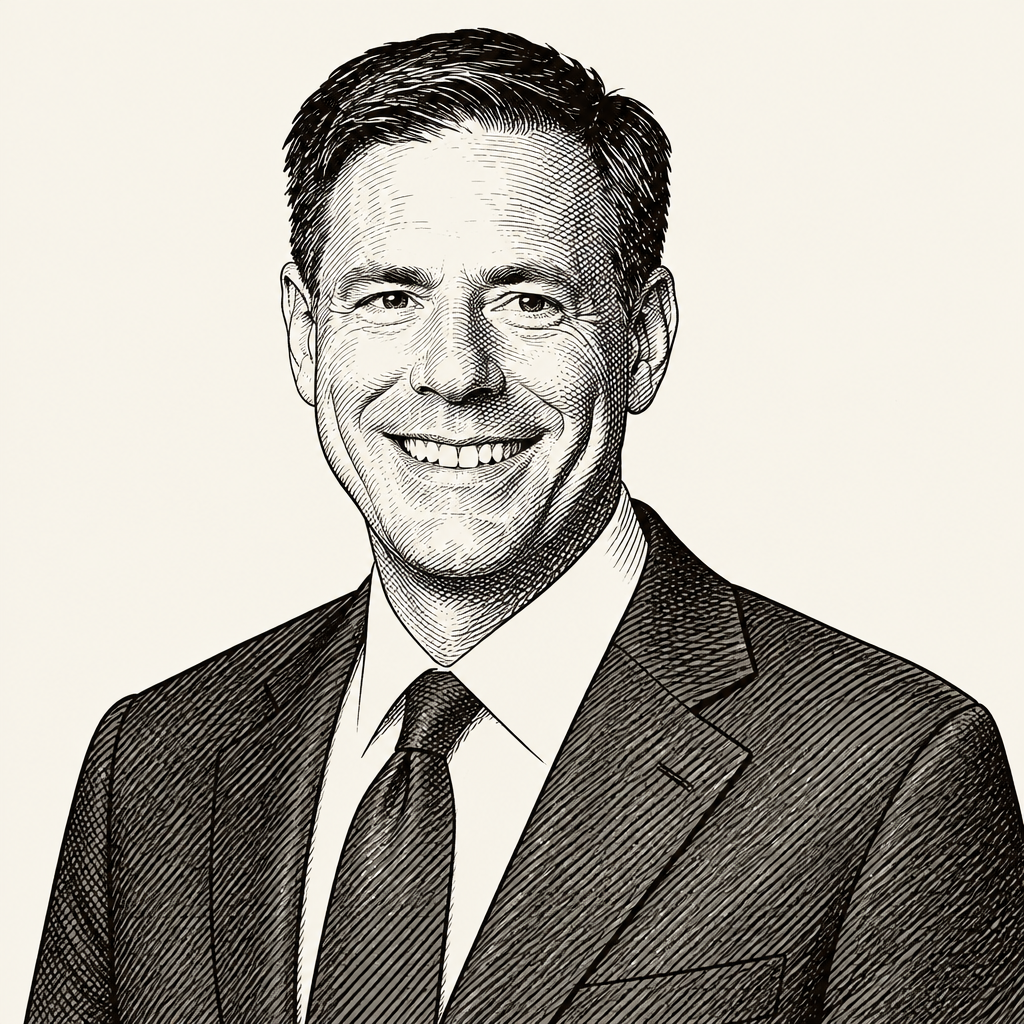
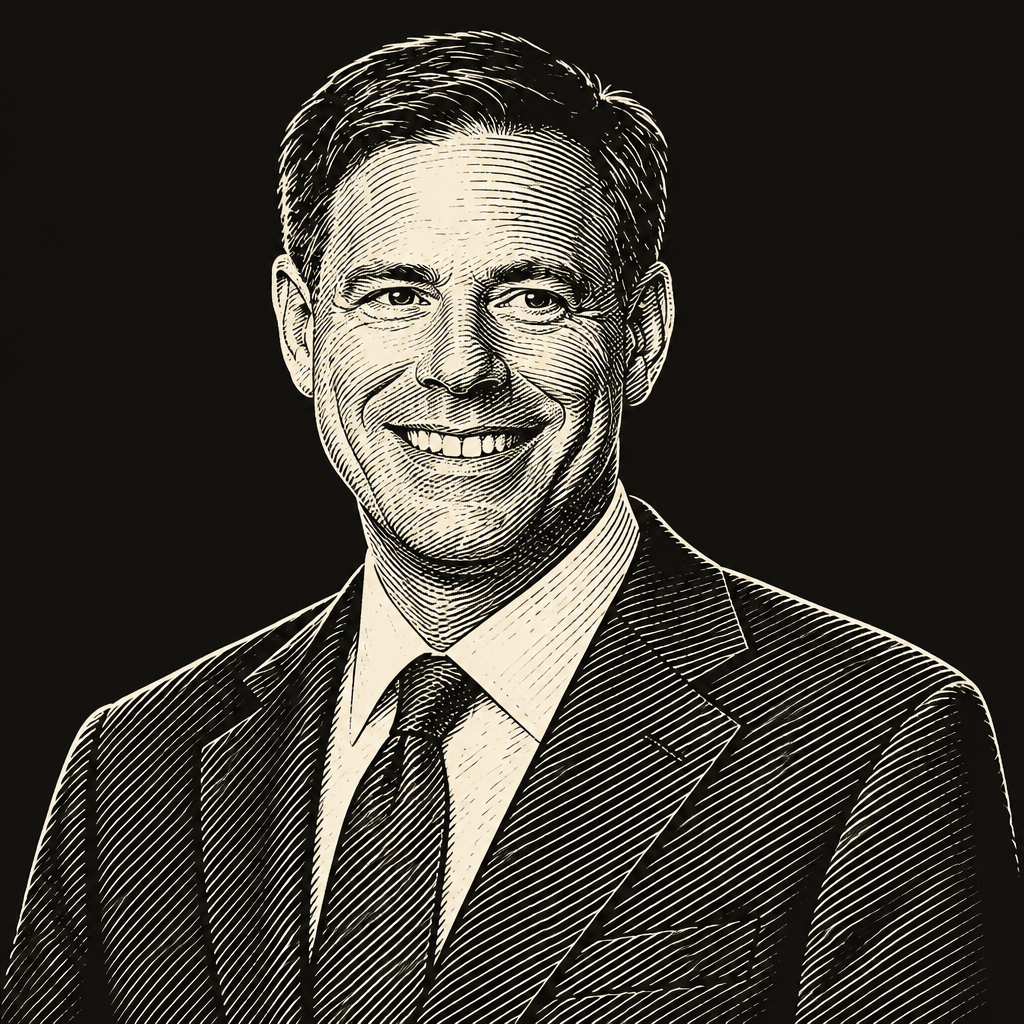
Timothy Haugh said that possibility resonated with his experience operating and defending the Department of Defense’s 12,000 networks. Large networks carry accumulated technical debt and risk, he said; the shift toward more remote and internet-connected systems after COVID added to that exposure. Rapid change compounds the complexity, increasing the chance of unexpected outcomes.


Haugh’s response was not simply to slow updates or accept more disruption in order to patch faster. He described the choice as a risk-management decision involving organizational leadership, the operational unit bringing forward the risk and the security team. Leaders need to weigh technical debt, what the organization exposes to the internet and how its architecture is governed as AI is introduced.
Security teams, meanwhile, need active support from executives and boards. Haugh said they are “in a foxhole,” working at a scale they have not faced before. The rest of the organization cannot leave decisions about risk to them alone.
? anne-neuberger agreed that the problem predates AI. She said many networks were not built to withstand even pre-AI offensive capabilities. AI is increasing attackers’ speed and scale, but defenders need to move faster too.
At machine speed, the only defense is a machine speed defense.
That requires basic cybersecurity as well as new tools. Neuberger argued that organizations unable to manage, track and trace human identities are not ready to manage identities for software agents. She also pointed to a sharp increase in the volume of updates organizations must handle, saying Microsoft had patched ten times as many patches in the previous month as in the prior year. Even well-managed organizations can run into conflicts when patches are applied at scale. Others are trying to establish basic protections while preparing for AI-enabled attacks.
AI may help defenders reach the operators whose failure would spread
Neuberger’s case for using AI in defense begins with infrastructure that was vulnerable before AI arrived. She recalled ransomware attacks and said they exposed weaknesses across power, pipelines and water systems. Because failures in digital systems can affect physical services and safety, she argued, defensive work matters all the more. In her framing, the risk is not only that a network is compromised: disruption to a digital system can raise questions about water safety or whether the lights will stay on.
Her proposed response begins by focusing on several hundred operators whose disruption could affect large parts of the country: operators in power, pipelines, hospitals and water systems, along with medium-sized banks. The priority is not every organization at once, but the systems where a disruption could cascade and affect people.
AI could make some long-neglected maintenance more practical. Neuberger said organizations have little incentive to assign scarce talent to aging systems when that talent could be building new things. Models can help find vulnerabilities in old code and accelerate the work of producing patches, though people still need to be involved. They can also help identify compensating controls for systems that cannot safely be patched—for example, systems that have not been rebooted in years.
Neuberger argued that AI may make work on systems organizations have struggled to examine and maintain more feasible. But the ability to act is uneven across sectors. Timothy Haugh described financial organizations as generally better resourced, with more talent and active consideration of how to control the use of agents. Many critical-infrastructure operators are in a different position: they may face regulated rates, have made limited cybersecurity investments and lack specialized staff. Haugh offered the example of his Pennsylvania hometown, where four people maintain the local water supply and none has cybersecurity in their job title.
Between those groups are small and medium-sized businesses that may have invested in security and have some expertise, but must decide whether they have the resources to scale their efforts. Even regulated industries that understand the risks and have qualified staff can have difficulty increasing spending if the cost must be justified through public regulators and passed on to consumers.
Haugh argued that closing these gaps requires federal and state leaders to create conditions that help organizations build both the talent and the resources to respond. The tension in the proposals is practical: AI may help defenders address longstanding weaknesses, but organizations do not start with equal capacity to use it.
Shared tools complicate detection, but attackers still need infrastructure
? anne-neuberger said attackers are developing scalable frameworks that use large language models, and that their capabilities had matured over the preceding six months. She described an attack as a sequence: reconnaissance, finding and exploiting a vulnerability, gaining a foothold and expanding access. Some of those steps are beginning to be automated.
Defenders also use open-source AI models, Neuberger emphasized. In cybersecurity, offensive and defensive work can involve similar techniques: both sides may begin by finding a vulnerability. A defender fixes it; an attacker exploits it. Attackers, she said, are using penetration-testing tools, while defenders use open models to inspect their networks and identify what needs attention. She stressed the importance of this defensive use: open-source models can give organizations flexibility to work out what to fix and act quickly.
Timothy Haugh said open-source frameworks for scaled penetration testing complicate detection because a defender may not have a distinctive signature for each tool. But the activity still depends on infrastructure. That makes it important to identify the infrastructure attackers use to disguise their activity. Collaboration between government and the cybersecurity community, he argued, can help identify those obfuscation networks and provide indicators that organizations can use in their defenses.
The technical work needs an executive structure to move quickly
Neuberger cautioned against treating AI as the origin of infrastructure vulnerability. She cited Colonial Pipeline, Ascension Healthcare and Change Healthcare as examples of disruptive incidents that occurred before the current wave of AI tools. In her view, AI is also an opportunity to make a vulnerable environment safer.
For the several hundred high-impact operators she identified, Neuberger described a linked set of technical actions. First, operators should use AI models to examine their code and find vulnerabilities, with models accelerating patch development while people remain involved. Second, they should partner with frontier-model developers to red-team their systems from the outside, using models to identify weaknesses such as a control system that can be reached from the internet. If an identified system cannot be fixed directly, operators should put a control in front of it so that it is no longer reachable from the internet. Neuberger said the federal government could potentially help sectors test approaches by building digital replicas, or “twins,” of their systems.
She paired that work with a governance proposal. Neuberger said existing Sector Coordinating Councils and Information Sharing and Analysis Centers (ISACs) are too slow, generally focus on passing threat intelligence and work effectively in only a couple of sectors. She proposed that the White House’s Super Intelligence Force work with one or two CEOs in each priority sector. Those CEOs would bring chief information security officers together through the ISACs to carry out the technical work and report progress to the White House on a regular schedule.
Neuberger said she believed the selected operators could be significantly secured within six to twelve months, based on work already done in some sectors. The proposal depends on concentrating effort on operators whose disruption could have broad effects, while coordinating the technical work and reporting through sector leadership.
I believe we can really secure that in 6 to 12 months, based on the work that has already been done in a lot of these sectors.
Resilience also means preparing to lose services deliberately
Timothy Haugh’s example of the small local water provider raises the question of how to extend protection to operators without dedicated cybersecurity staff or substantial resources. He said government needs to engage. States are becoming more active, he added, though their efforts vary; they could bring resources to local communities and help build partnerships among nearby operators. Haugh said this would not solve the short-term problem, but should be part of a layered approach that also addresses regulated industries and companies of different sizes.
He also argued that resilience includes planning to degrade services deliberately when an organization believes they are vulnerable and under threat. Taking down one’s own systems, he said, is preferable to having an adversary force them down. He questioned how many companies have exercised that option or planned for a disruption that reaches the core of their business or customer-facing operations—not just a discrete security incident, but a structural failure.
When Carlin asked whether they kept their own supplies of water and food or solar lights, ? anne-neuberger said she did not: “We trust the broader infrastructure and that’s why we’ve got to urgently get to work. I need it to work.” Haugh also said he had no such supplies and trusted his local provider.