A 10-Year Civic Campaign Aims to Turn Local Trust Into Action
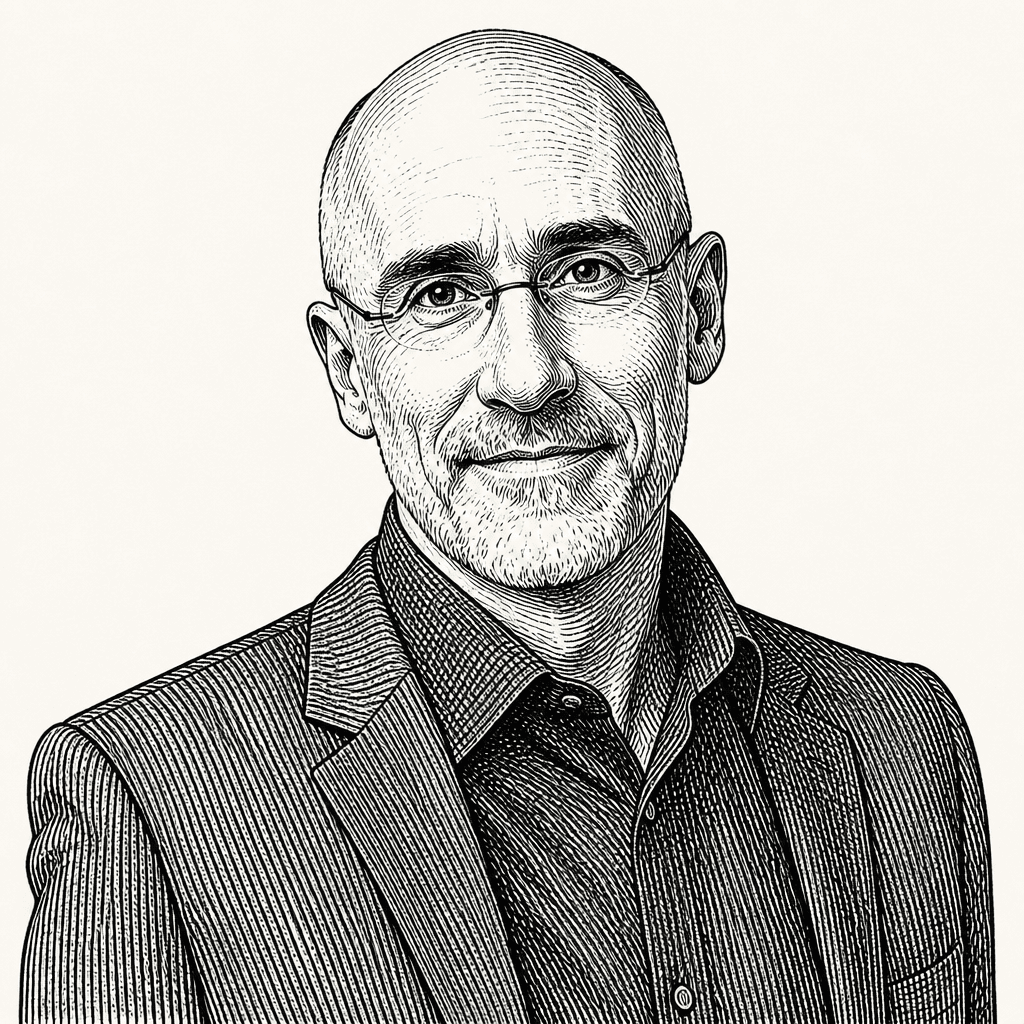 Arthur BrooksKurt Malkoff
 Sarah Cross
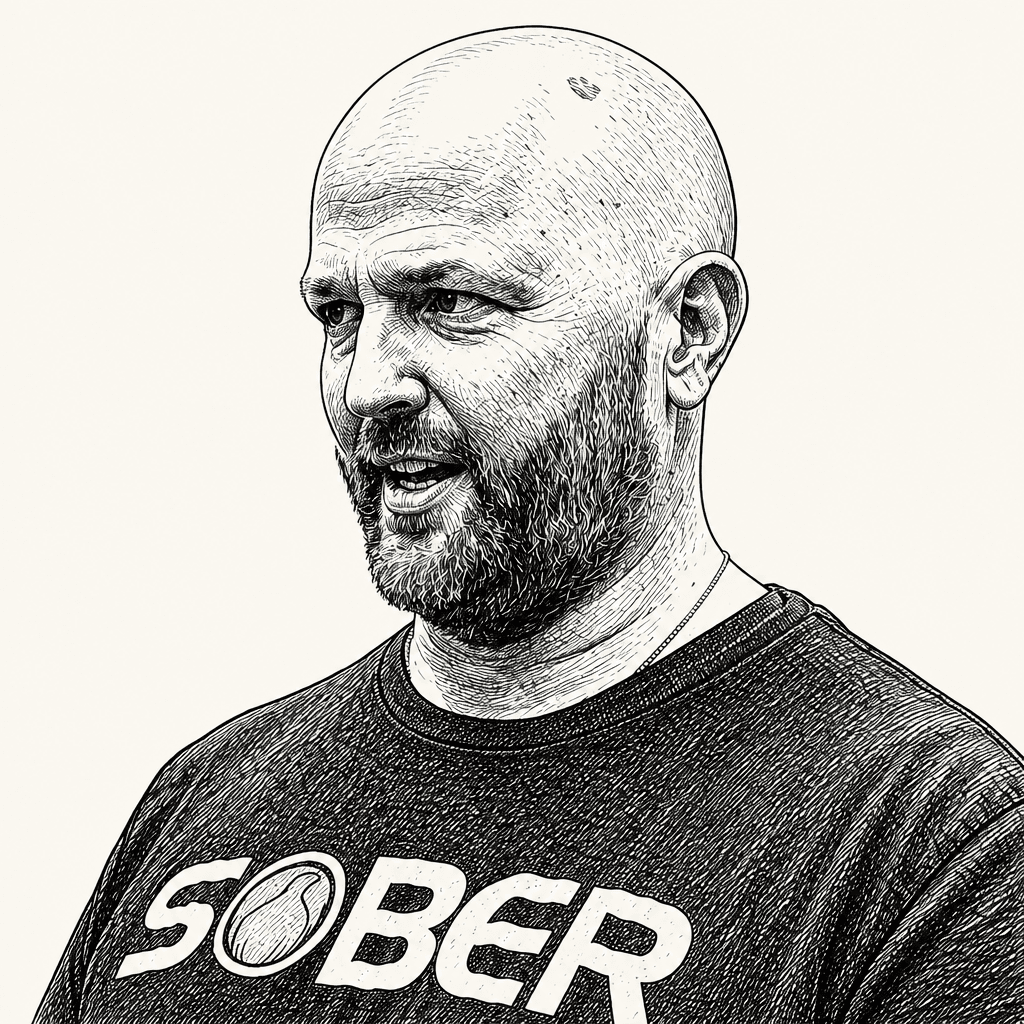 Scott Strode
 Jahnavi Rao
 Jane Wales
 Todd Rose
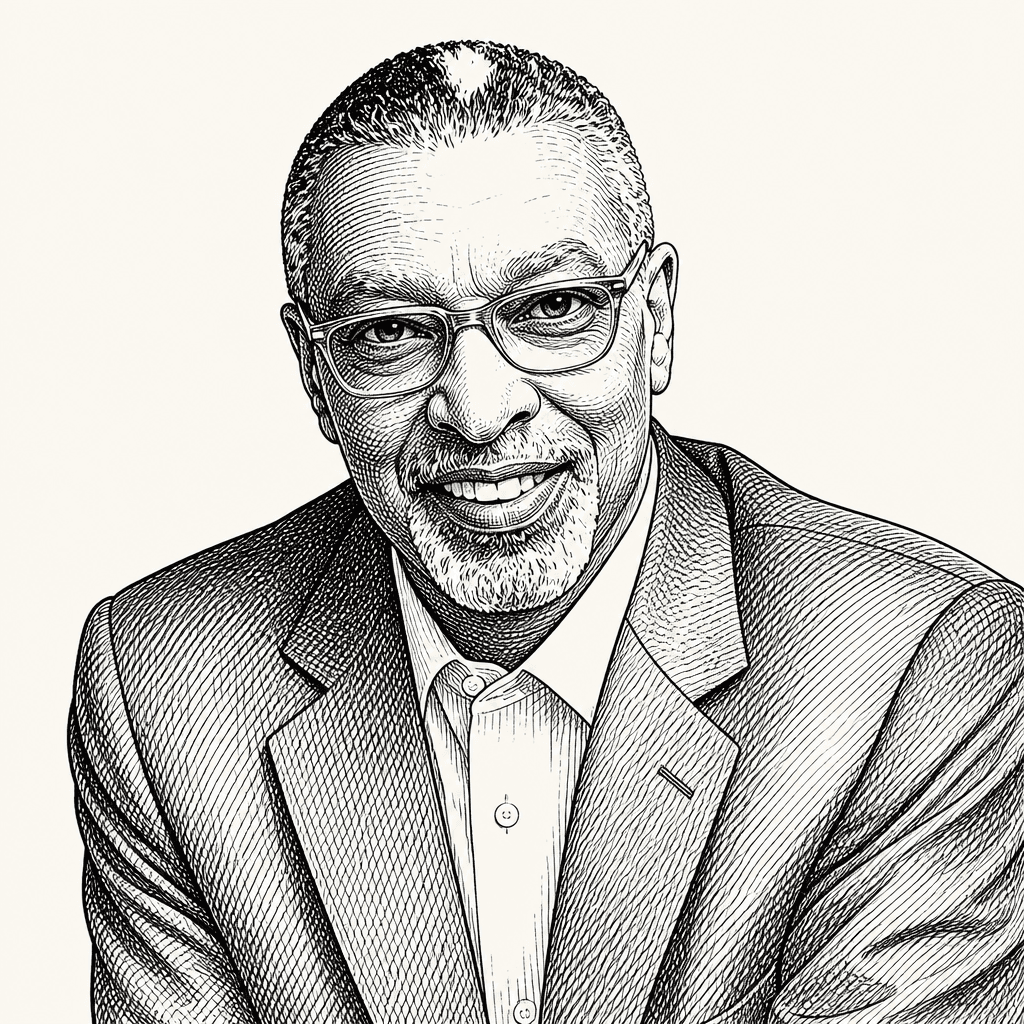 DeForest Soaries
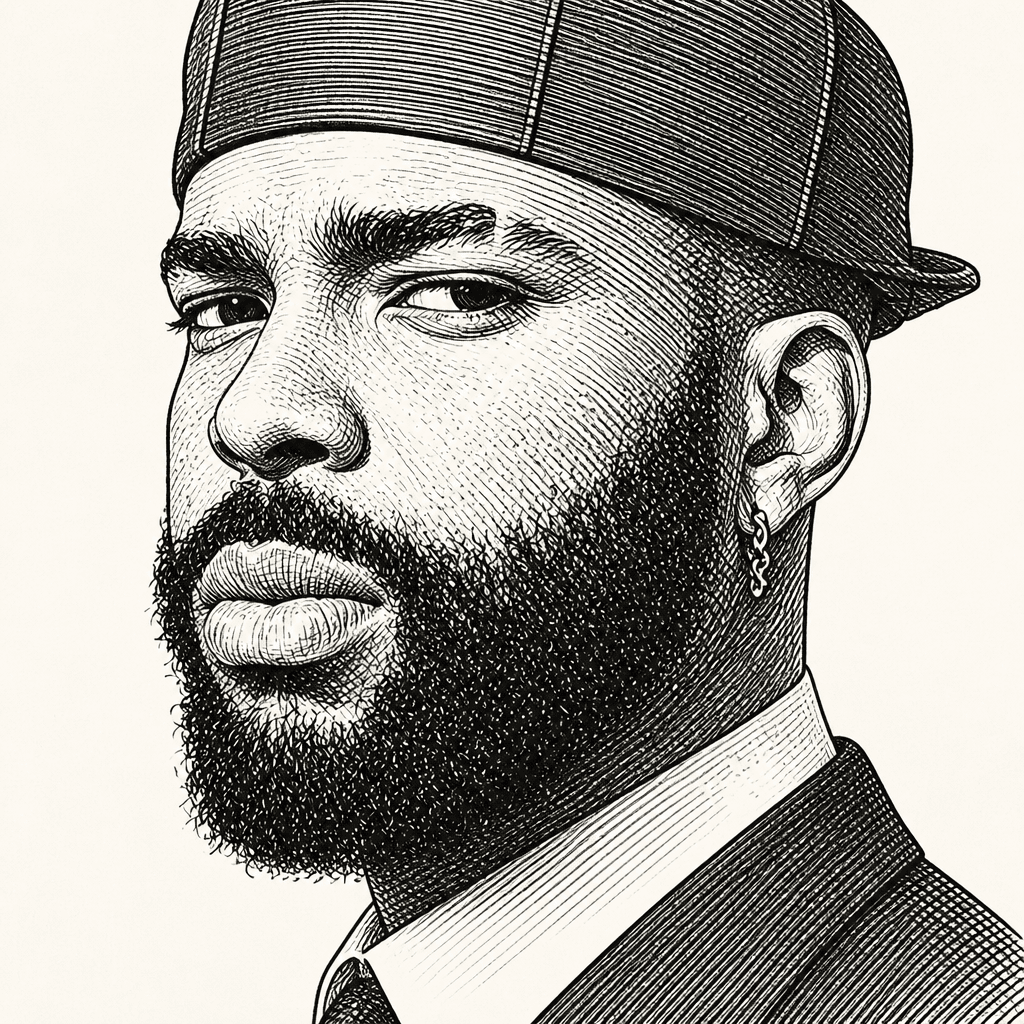 La Taylor
 Demario Davis
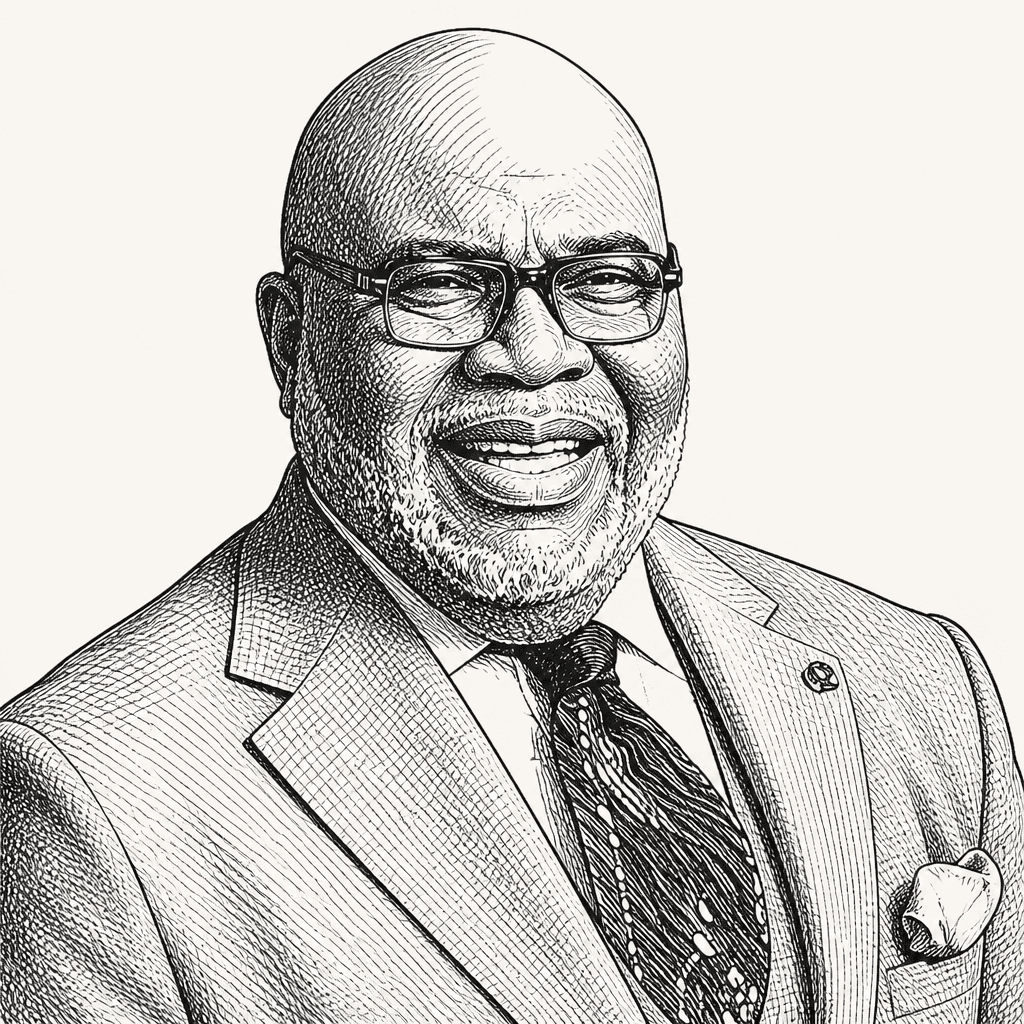 Thomas Jakes
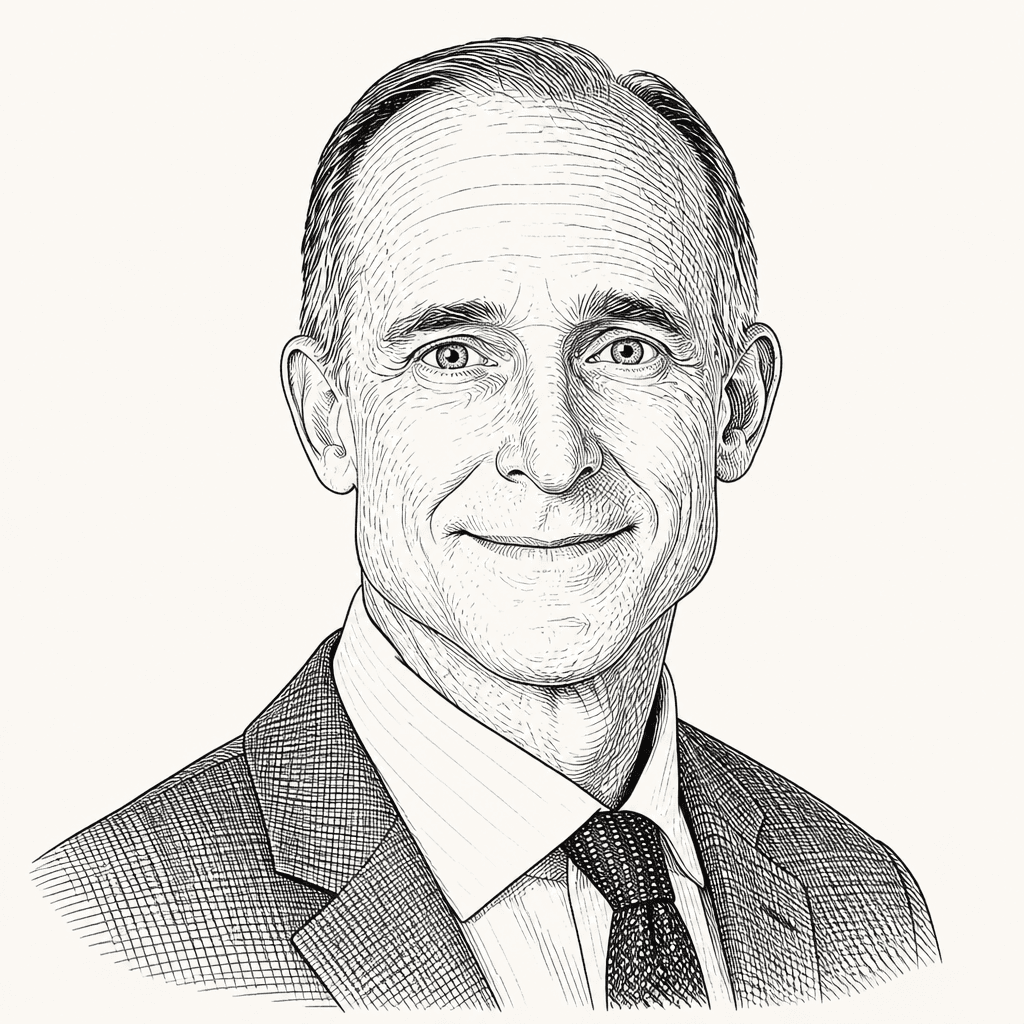 Steve Preston
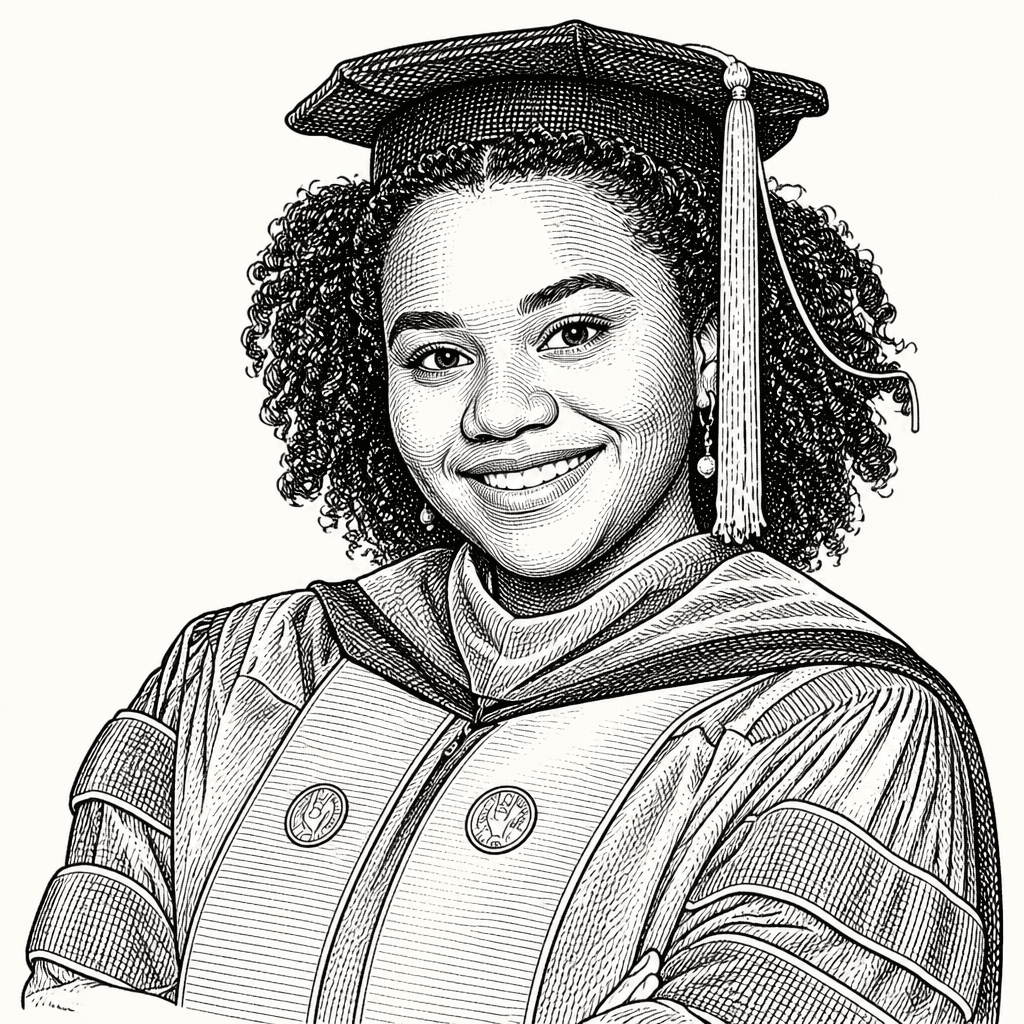 Andrea Lloreda
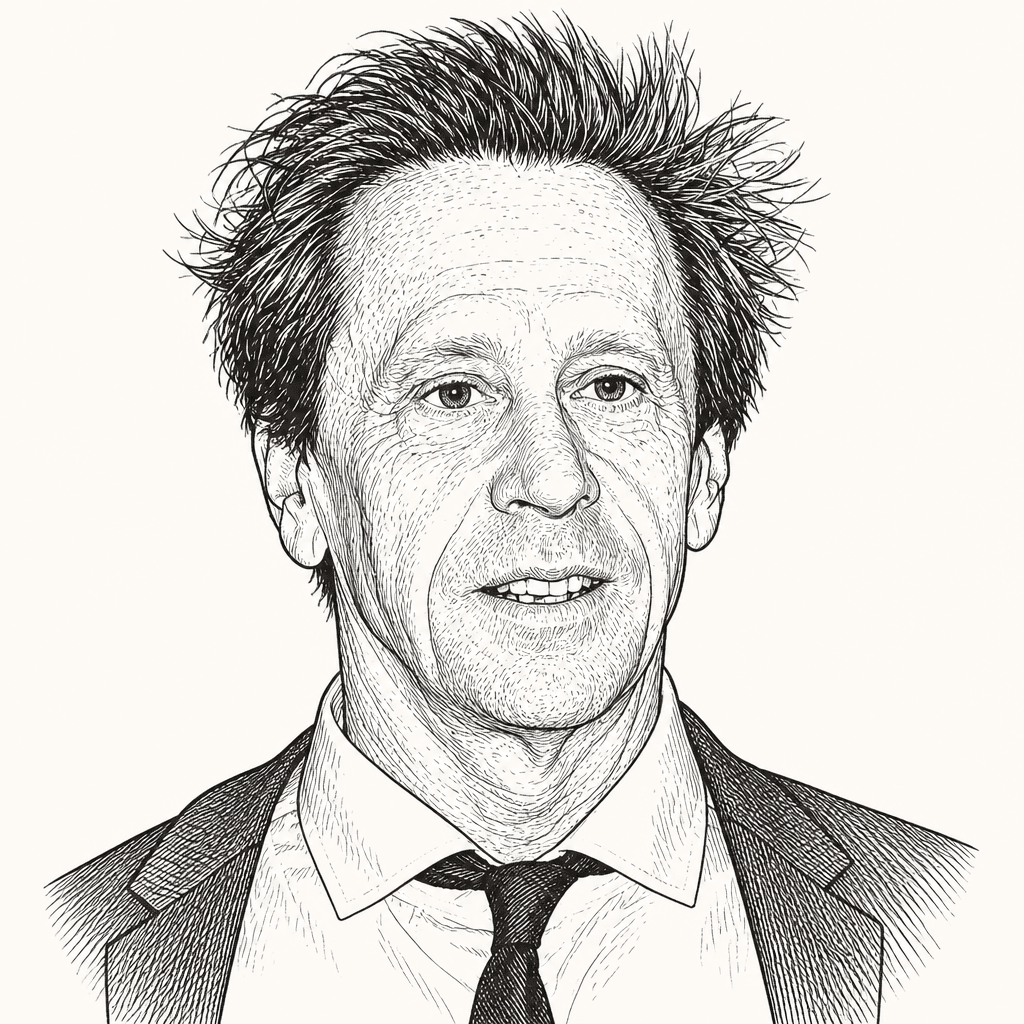 Brian GrazerAloe Blacc
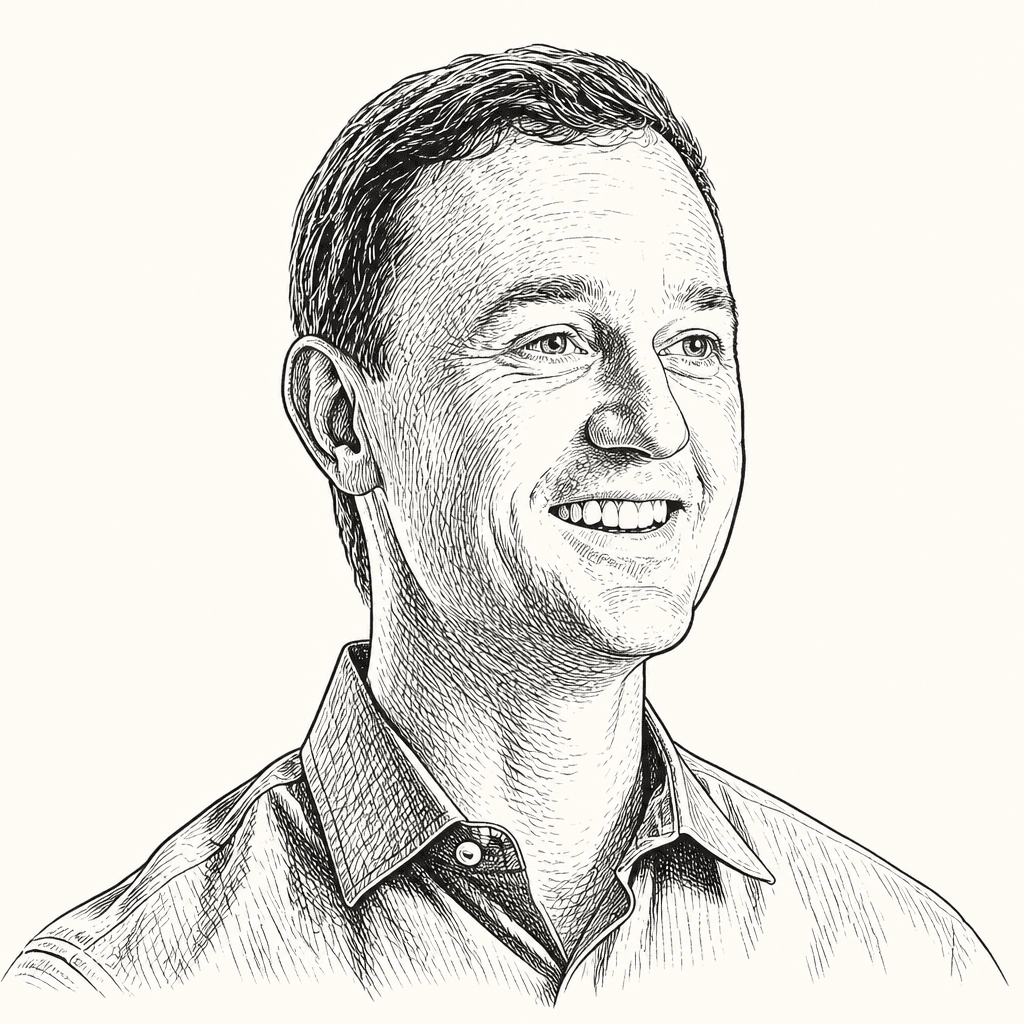 Brian Hooks
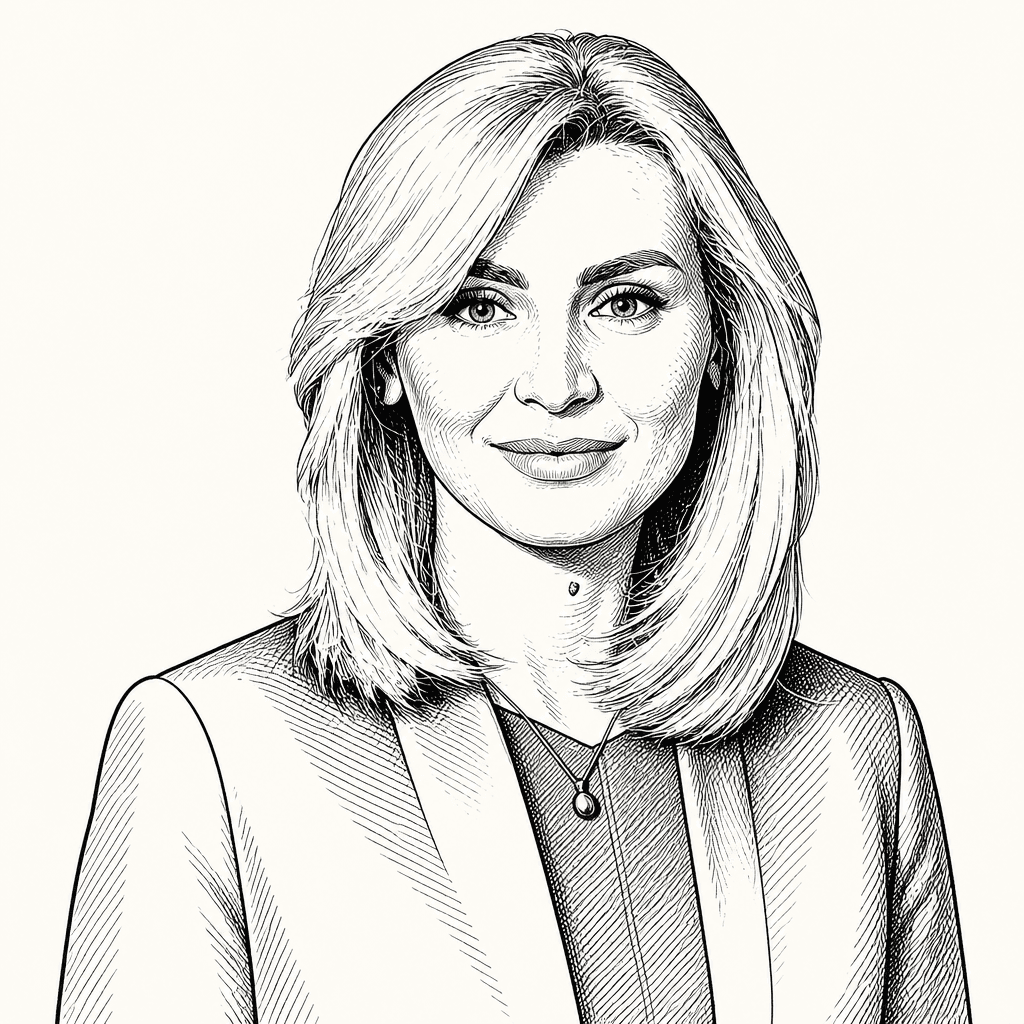 Onorina Soric
 Asha Curran
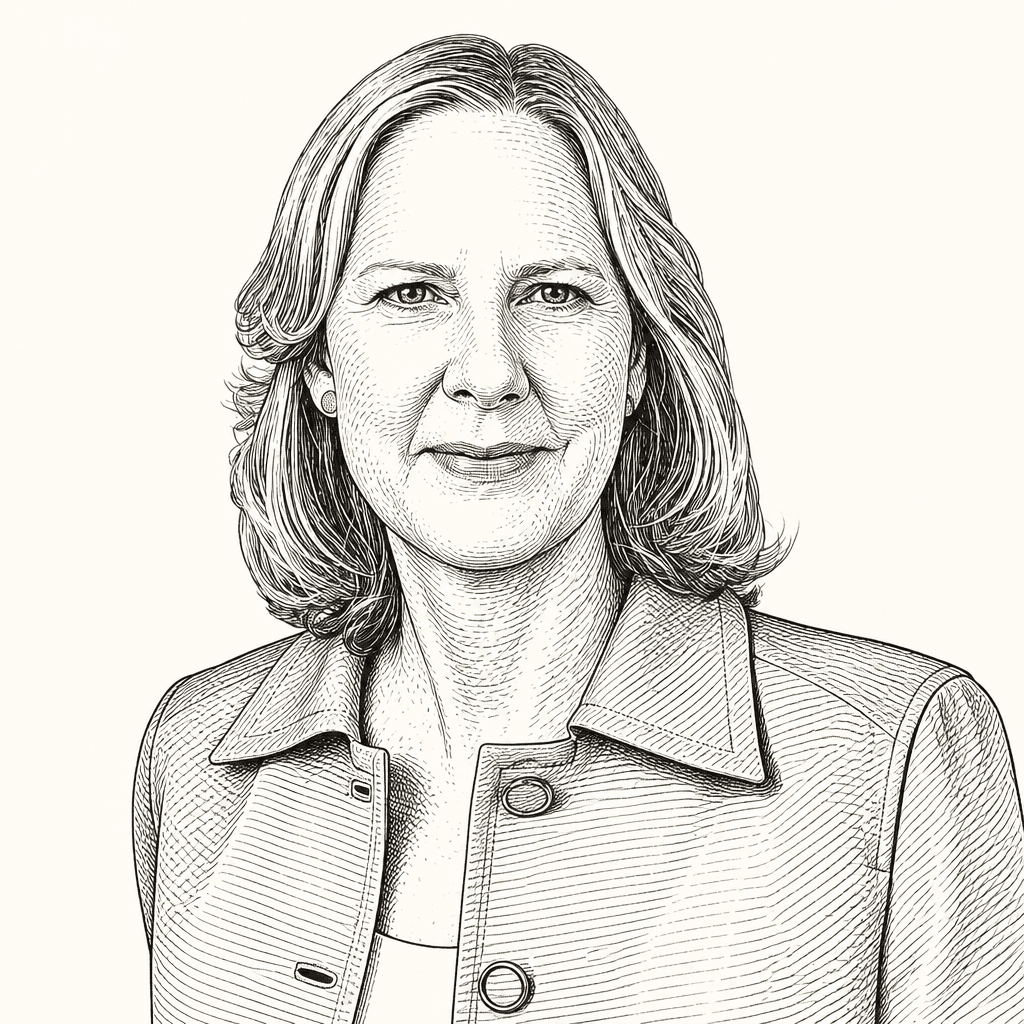 Heather GerkenThe Aspen InstituteTuesday, June 30, 202616 min read
At the Aspen Ideas Festival, Heather Gerken, Brian Hooks, Jane Wales and other civic and philanthropic leaders cast Be the People as a decade-long effort to counter civic isolation by reconnecting Americans with local problem-solving. Their argument is that Americans retain more trust, generosity and desire to contribute than national political narratives suggest, but need institutions, cultural messengers and community organizations that make that shared agency visible and usable.

The civic bet is that Americans are citizens, not subjects
Heather Gerken framed the Declaration of Independence as an audacious redefinition of political identity: human beings were to be understood as citizens, not subjects. That distinction, she argued, carries both rights and responsibilities. The rights are familiar; the responsibilities are easier to forget. For Gerken, the present pressure on democracy and on Americans’ relationships with one another makes those responsibilities urgent.
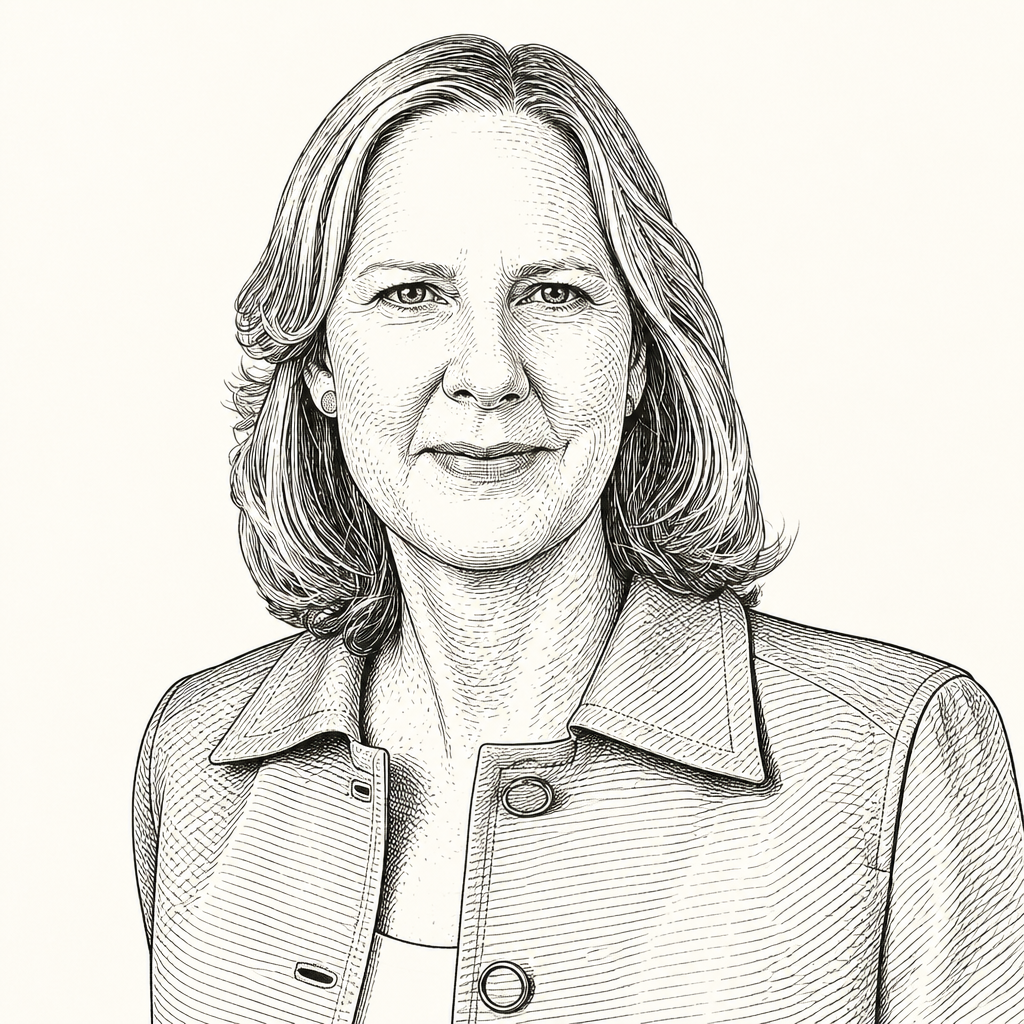
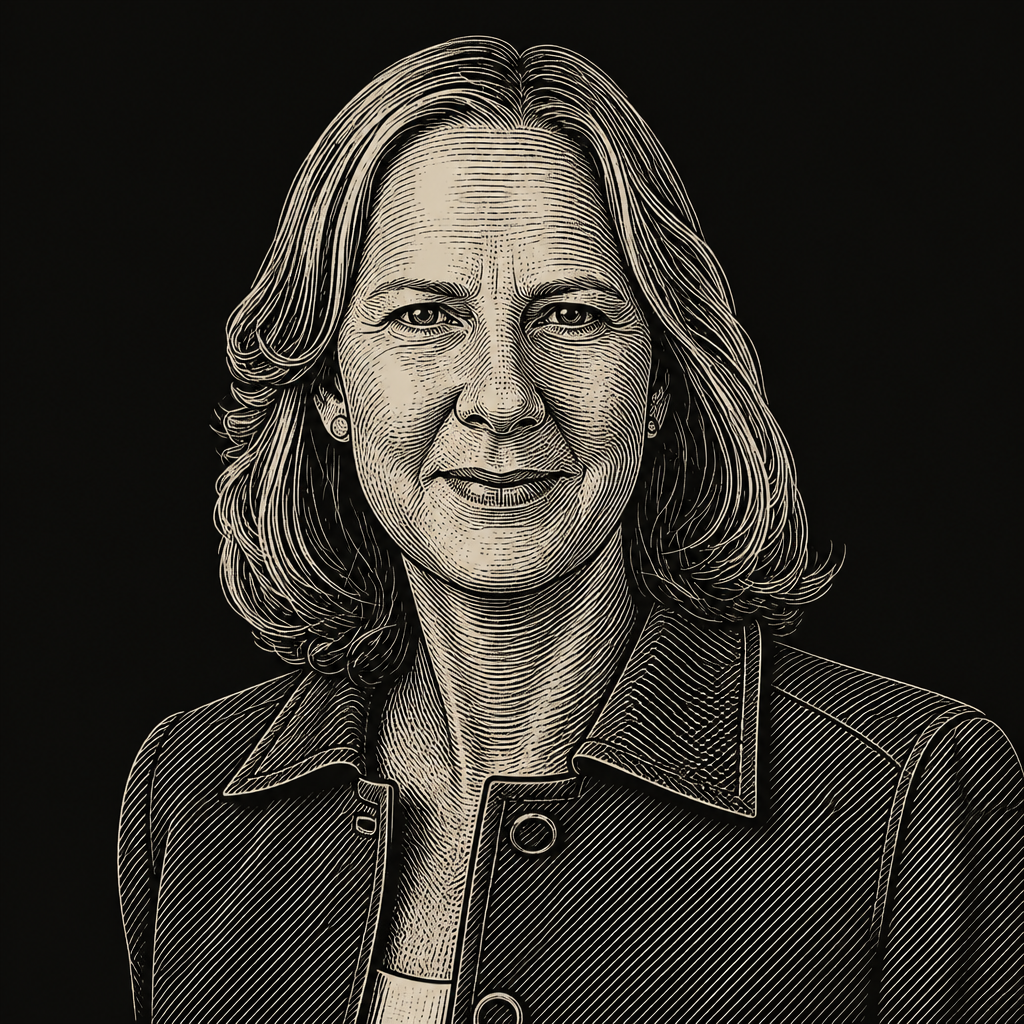
The Declaration’s promise was imperfectly realized from the beginning, Gerken said, but its premise created a standard against which the country could measure itself. That standard matters because self-government is not only a set of legal arrangements. It depends on people and institutions doing the work of holding communities together, especially when polarization is rising.
Brian Hooks picked up the same distinction through Thomas Jefferson’s drafting of the Declaration. Hooks said Jefferson later rejected the idea that the Declaration’s ideas were novel or simply the product of his own brilliance. Jefferson’s task, as Hooks described it, was to “express the American mind”: to articulate ideas already circulating among Americans.
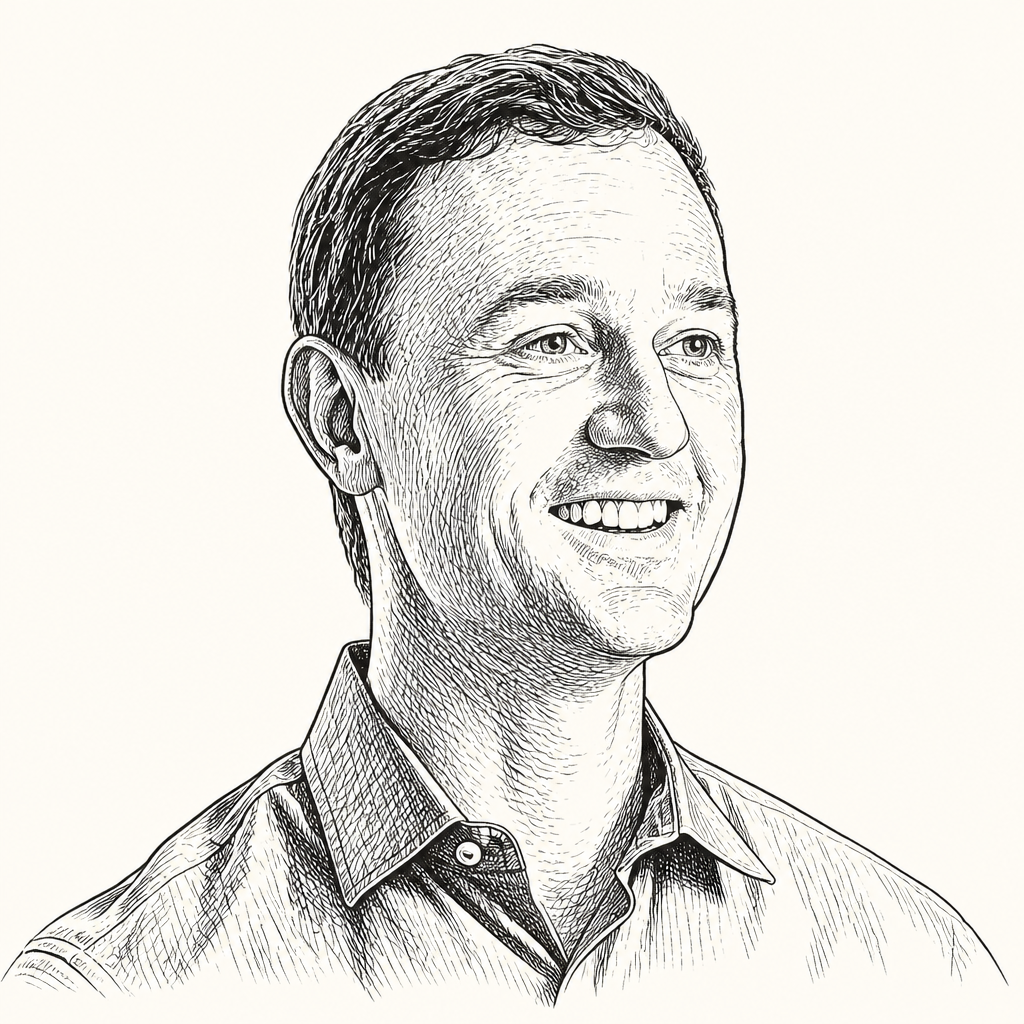
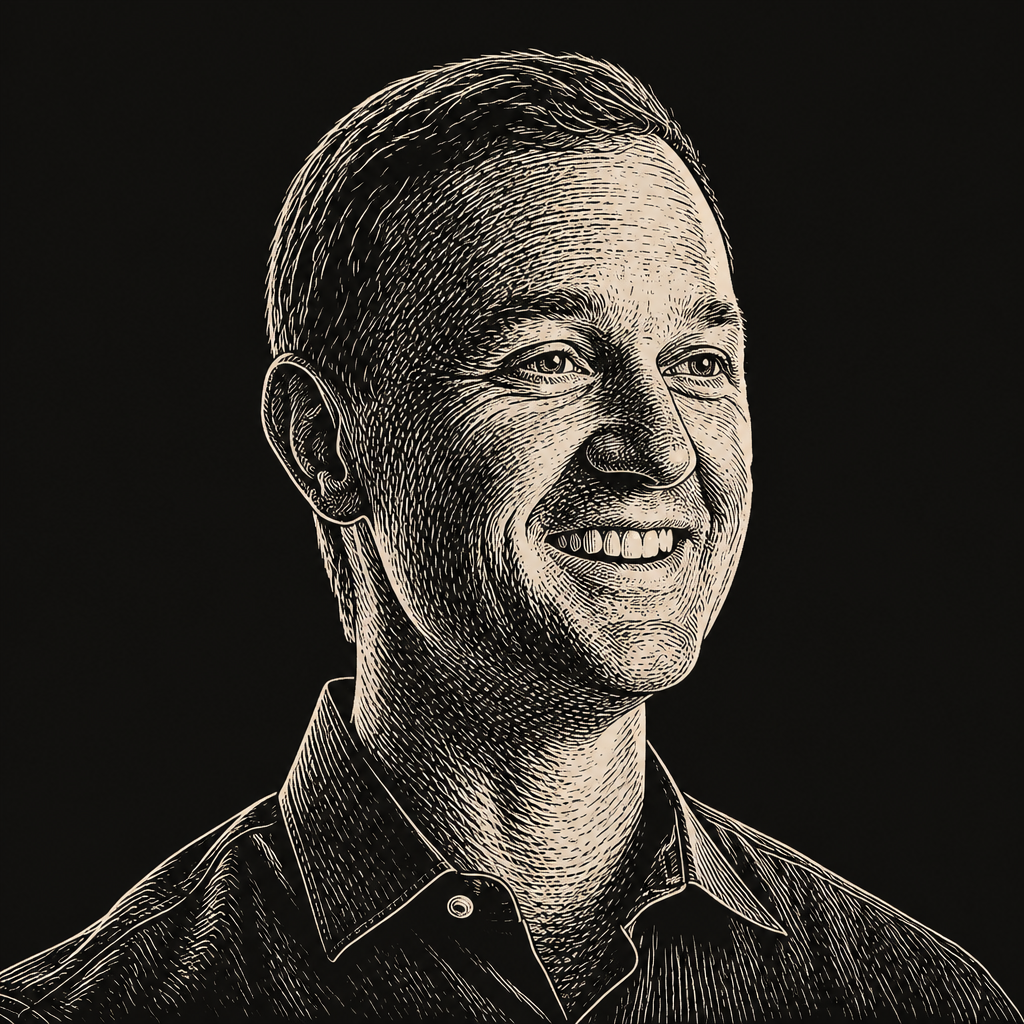
Hooks also described archivists studying Jefferson’s drafts and finding evidence of Jefferson struggling with the word “subjects.” In Hooks’s telling, Jefferson initially used the term because that was the inherited way of thinking about people, then crossed it out and wrote “citizens.” Hooks treated that revision as more than a textual curiosity. It captured the shift at the core of the American experiment: a society premised on people capable of self-rule.
That premise, Hooks argued, remains unfinished. The Declaration did not immediately produce a society that believed equally in all people. But because it articulated an ideal, it made possible the abolitionist movement, women’s suffrage, the civil rights movement, and other efforts to force American systems into closer alignment with American principles. The same unfinished work continues now, he said, in the question of whether institutions are structured to believe in people—or only in some people.
For Hooks, “believing in people” is not sentimental language. It means building a society around the assumption that every person has a gift, and that institutions should help people discover, develop, and express those gifts in ways that allow them to succeed by helping others succeed. He described Stand Together as a network of business and philanthropic leaders from different backgrounds and perspectives united by that premise.
Jane Wales located the discussion inside the broader role of civil society. A robust civil society, she said, is a singular asset of American democracy: the organizations, associations, and institutions Americans form, join, and support are where people solve shared problems, steward community resources, mobilize figurative and literal “bucket brigades,” and practice democratic decision-making. Democracy, in Wales’s framing, will stand or fall in those practices of community cooperation.
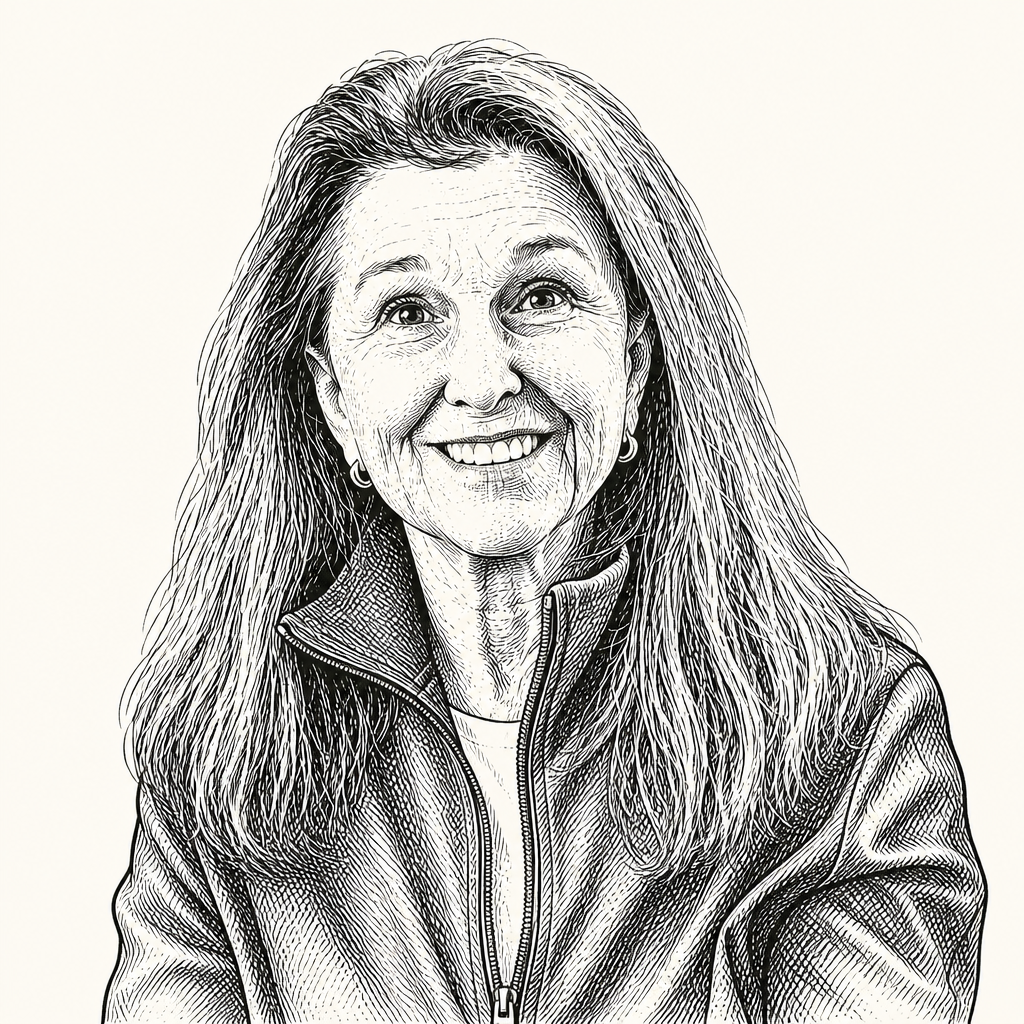
Be the People is designed as a decade-long answer to civic isolation
Be the People was presented as a call to action rather than a policy platform. The opening film described it as “everyone in our country working together to solve the toughest problems,” in the words of Demario Davis, and as an effort to invite people into work already being done in communities. The visible coalition included organizations and brands across civil society, business, sports, and philanthropy: Stand Together, Blue Star Families, The Phoenix, Habitat for Humanity, Walmart, Points of Light, No Kid Hungry, Share Our Strength, U.S. Soccer Foundation, Interfaith America, the NBA, GivingTuesday, Goodwill, Made By Us, 4-H, Big Brothers Big Sisters, More Perfect, Special Olympics, and others shown in the launch materials.

The campaign’s cultural strategy is explicit. The launch film featured athletes, musicians, entertainment leaders, civic organizations, and philanthropic actors. Brian Grazer said the American dream had “fractured a little bit” and that he wanted to help restore it. Aloe Blacc encouraged people to use their voices to bring others together around a common effort. La Taylor described the “brain trust” behind the movement as extraordinary and said Be the People felt different in scale and convening power. Asha Curran rejected the idea that only people with a lot of power or capital can make a difference: “that is a lie.”
Hooks later defined Be the People more concretely. It is, he said, a 10-year effort to connect every person in the country with an opportunity to make a difference in the lives of others by coming together to solve problems in their communities. It launched with about 55 individuals and organizations, with the ambition of growing from dozens of partners to hundreds and ultimately thousands of community-based organizations.
Its theory of change rests on a diagnosis of misperception. Hooks argued that the political and cultural extremes in the United States are numerically small but disproportionately loud. They tell a story that Americans are deeply divided, dislike one another, cannot accomplish big things, and increasingly believe one person’s progress requires another person to fall behind. Hooks described that zero-sum story as the opposite of the American ideal, and said it is also false.
The evidence he cited was partly experiential and partly survey-based. Stand Together, he said, works in about 1,300 communities; GivingTuesday works in many more. Leaders in difficult neighborhoods dealing with hard problems consistently report that when they ask for help, people show up. Beyond that, Hooks said Be the People was inspired by research showing that more than 70% of Americans, across demographics, say they aspire to make a difference and contribute to the lives of people in their communities. But only about 30% say they are fulfilling that aspiration.
The more damaging gap is perceptual. Hooks said Americans who hold that aspiration often believe they are alone—that few others share it. The job, then, is not primarily to persuade Americans to adopt a new value. If that were the task, he said, the country would be in trouble. The task is to show people that they are not alone and then make it easy for them to act.
Be the People therefore has two linked functions. First, it is a national campaign—led not only by traditional civic voices but by cultural leaders—to hold up “a mirror and a microphone” to Americans so they can see one another more accurately. Second, it is a practical on-ramp for people to “push the easy button” and join problem-solving work in their communities. Its partners include GivingTuesday, Goodwill, 4-H, Points of Light, and other organizations already engaged in local civic action.
The campaign was also described as explicitly non-political. One panelist emphasized that Be the People is not about public policy or elections because the country faces a deeper social challenge: people are not getting together often enough outside politics to solve shared problems. The argument was not that elections are unimportant. It was that democratic trust has to be built between elections, through the repeated experience of working with people who may be different but care about the same local problem.
Community trust looks healthier than national trust
Asha Curran offered the most direct counterweight to civic despair. She called herself “a Pollyanna with data”: optimistic not because national indicators look good, but because community-level behavior looks better than national narratives suggest.
At the national level, Curran said, measures of trust in institutions and associations are “really terrible” and have not been this bad for a long time. But at the community level, she argued, people still trust their neighbors, still want to help, and notably want to help people who hold different political opinions. In her account, people care more that their neighbors share values such as generosity, kindness, and willingness to serve than that they share a checklist of political positions.
GivingTuesday, as Curran described it, is built around “the devolution of power.” Its purpose is to push agency away from the center and toward ordinary people in their communities. That includes monetary giving and support for local nonprofits, but also a broader field of mutual care: little free pantries, little free libraries, community gardens, volunteer activations around specific community needs, and other practices that often sit outside formal nonprofit metrics.
Those practices, Curran argued, are structurally disadvantaged in the attention economy. They do not travel through algorithms designed to reward outrage and hopelessness. As a result, two realities coexist: a national information environment that makes division feel overwhelming, and local communities where people continue to help one another. Part of the work, she said, is deciding which reality to reinforce.
GivingTuesday’s own history illustrates the changing communications environment. When it launched in 2012, social media still functioned more like a public square. The idea could suddenly appear in the feeds of radically different people across the country and then the world. Curran said that if GivingTuesday were created today, it would likely reach only those already disposed to like or respond to it. That matters because the point of the movement is invitation—to bring people into giving and generosity, not merely to mobilize those already inside that world.
Curran also connected community trust to democratic resilience. She said peacebuilding metrics revolve around intercommunal trust, intracommunal trust, and people’s knowledge of and agency over how community resources are spent. Democratic nations, she said, have ranked worse than authoritarian ones on those metrics over a period of years. The way to turn that around, in her view, is not through abstraction but by strengthening community-level conditions for generosity and agency.
Philanthropy, Curran said, did not cause the erosion and polarization now visible in American life, but it also did not address the enabling conditions for sustained local generosity. That failure can still be corrected. The biggest difference now, she argued, can be made at the hyper-local level, where people can fight hopelessness and cynicism by acting together.
Ford’s democracy work is focused on institutions under pressure
Heather Gerken said she went to the Ford Foundation because democracy and the rule of law have been the work of her career and “the work of this moment.” She situated Ford’s current commitments inside a longer institutional history: standing up for dissent and free speech during the McCarthy era; funding the civil rights movement despite pressure; supporting anti-apartheid work in South Africa; helping build the human rights system; supporting public interest litigation and legal clinics; and making possible civic-cultural projects such as Head Start and Sesame Street.
Gerken described Be the People as unusually compelling because it addresses a recurring weakness in civic interventions. As a scholar, she said, she is skeptical of many things people try to do because they either lack empirical support or do not scale. Be the People, in her view, is trying to meet both tests: it is empirically rigorous and has the potential to scale.
Ford’s immediate democracy spending is substantial. Gerken said the foundation had made $1 billion in commitments over the previous decade to local democracy, governance, and related work. In her first three months as president, she said, Ford put another $60 million into that work.
One priority is local democracy: building connections where people feel efficacy, cross lines, and do work that can restore some faith in government. Another is the infrastructure of elections. Gerken, an election lawyer who has worked on voting rights since early in her legal career, focused on election administrators as “communal neighbors”: ordinary people across the country doing hard jobs with insufficient resources and protection.
The pressure on election administrators, she said, has intensified because national polarization lands on local officials. She described a scenario in which “the holy fires of hell” rain down on someone simply trying to do their job. Ford’s investments aim to shore up that system by working with an ideologically diverse set of groups—center-right, center-left, bipartisan, and nonpartisan—to provide election administrators with legal support, communications support, and a knowledge base to prepare for threats that remain uncertain.
Gerken cautioned against overstating threats but argued for preparation. The aim is to give election administrators “the space and the grace” to do their jobs. Against claims from extremes that the system is doomed, stolen, or incapable of functioning, she insisted that the work is being done and that the United States has a robust system that needs support rather than panic.
Wales added a concrete sign of pressure on civil society: in a group she convenes of 22 foundation leaders, she said that over the past two years nonprofits supported by those foundations have increasingly asked for legal help and personal security. That was not true a few years ago. The point was not incidental; it underscored the personal risk now attached to civic and nonprofit work.
Gerken also identified local journalism as a democratic infrastructure problem. Ford helped build public media, she said, and now sees a dearth of journalism at the local level. Communities lack basic information. Newspapers are folding; local media is disappearing; and what survives is often shaped by the same outrage economy that has damaged national discourse. The result, she argued, is fewer reporters doing investigative and accountability work in communities and more content designed to generate outrage.
Ford is working with other foundations on what comes next. Gerken said the challenge is not to imagine polarization will simply disappear, but to shore up democracy against current pressures while also dreaming a better version of it. Recalling a conversation in Brazil with a grantee who told her that “the most pragmatic thing you can do at this moment is dream,” Gerken argued that foundations need to support the people who will build what comes next.
The election system requires calm, recognition, and cross-partisan defense
A question from Kurt Malkoff, a clinical psychologist, brought the discussion directly to election risk. He said what scared him was an “organic movement” and the possibility of being only a few Senate votes away from disrupting the electoral system.
Gerken answered that there are many and “massive” pressures on the election system. The first task is ensuring that election workers can do their jobs. The second is ensuring that when elections are free and fair, their results are recognized. That, she said, is not something one foundation or organization can solve. It is a responsibility of every American.
Her practical advice for ordinary people was to keep the waters calm inside their own communities. Social media moves quickly; people forward material; facts get lost; anxiety spreads. In that environment, Gerken said, citizens can help by giving election workers the time and space to do their jobs and by insisting, after proper adjudication and announcement of results, that the results be accepted.
She did not minimize her concern. She said she is very worried about the state of the election system, which is why Ford is investing so much in it. But she also described herself as a data-driven optimist because she sees people across the political spectrum—people with whom she disagrees on almost everything else—standing up for the rule of law and the election system. Much of that work is quiet, she said, and therefore invisible, but it gives her faith in the future.
Wales used the exchange to note the importance of public servants and government institutions that protect election security. She called out Jeh Johnson in the audience, described him as the first Secretary of Homeland Security, and referred to the role of CISA in protecting election security. She also urged attention to the “glamorous” and “unglamorous” work of people who choose government service despite the current difficulty and lack of reward attached to it.
Gerken added that Johnson, Mary Smith, and Judge Michael Luttig formed a bipartisan group doing quiet work over many months to protect the election system, and said it had been an honor to support them.
Young people need early civic wins, not inherited institutional boxes
Jahnavi Rao described founding New Voters as a high school junior, first as a club to register her senior class and then as a youth-led 501(c)(3) helping high school students run nonpartisan voter-registration drives. The organization, she said, is now in 1,000 high schools and registering thousands of students to vote.


Her question went to the mechanics of civic agency. The first experience of service and leadership, she said, can be life-changing when it succeeds: “I did something and it made a difference.” But it can also be disempowering if a student runs a voter-registration table and only three people walk by saying no. How, she asked, should young people be involved, and how can civic work account for the importance of early success?
Curran responded that GivingTuesday skews heavily toward the 18-to-34 age group and that the data on young people is “astoundingly hopeful.” She emphasized that voting is crucial, but trust must be built between trips to the voting booth. Trust, she said, is “the most important infrastructure that we have.” Without it, there is no civic health.
The mechanism is simple in Curran’s telling: people need to be together in person. She cited a finding about Gen Z. Among Gen Z members who spend very little in-person time with members of their community, about 40% believe that they and the people they know have the power to make a difference, and a similar share believe democracy will work for them. Among Gen Z members who spend a lot of in-person time with people in their communities, that number rises to 70%.
That difference matters because the antidote to narratives of polarization, division, and hopelessness is not only better messaging. It is more shared experience. Curran said civic leadership also requires a pipeline. People who take early risks need collaborators so that failure is not isolating. If a registration table fails, the leader should at least be failing with others, not alone.
She illustrated this with the familiar video of a person dancing alone at a music festival. At first the lone dancer looks strange. Then a second person joins. Eventually the whole lawn is dancing. Curran said she is fascinated by the first person and the second person because both are brave. Every community and every apartment building has such people, she argued. The work is helping them feel they have a network, accountability, and resilience when early efforts do not immediately succeed.
Curran also rejected older complaints that younger generations are not generous. She said that from the time she entered the sector through GivingTuesday, she has never seen evidence of that. If giving is defined broadly, she said, young people give more than older generations by six or seven percentage points. The problem is not a deficit of generosity. It is that institutions often try to fit young people into inherited structures that no longer match how they act.
Economic resilience and local leadership are democracy questions
Questions from abroad pressed the panel to connect American civic repair to global contexts. Onorina Soric, speaking from experience in Moldova, Transnistria, and with Ukrainian entrepreneurs from Donbas and Luhansk, said entrepreneurship and economic opportunity often build trust before politics do. She asked whether philanthropy invests enough in economic resilience as a path to social cohesion, reduced marginalization, and lasting peace, especially in a global context where she perceived some distance from U.S. support for her region.
Gerken answered that economic inequality is top of mind for foundations in the United States and globally. She called inequality both the product of a democratic deficiency and a contributor to democratic deficiency. With climate change and AI intensifying transition risks, she said, unemployment and the movement into a new economy are not only economic challenges. They are democracy challenges. That relationship, she said, is central to her thinking about where foundations need to go.
Andrea Lloreda, from Aspen Colombia, asked how local civil leaders can be connected to decision makers when trust in government and formal decision makers is low but trust in local leaders is gaining ground.
Hooks reframed the premise. Rather than only connecting local leaders to decision makers, he argued, the task is to help everyone see that they are decision makers. If society is going to move forward, everyone must play a part. Americans find meaning by contributing to others’ lives, he said, but they do not currently recognize that impulse in one another.
His answer returned to the two-part logic of Be the People: people need to see that they belong, have more in common with others, and are part of something larger than themselves; and they need to see that when they act, they make a difference. If those two things happen, Hooks argued, there is little the country cannot overcome.
Curran agreed but described it as a feedback loop. As people learn that they are decision makers and gain agency together with neighbors, formal decision makers eventually have to pay more attention. When people are fractured, she said, elected officials can more easily fail to represent the views of those they serve. She cited a stark contrast: about 10% of Americans feel their views are adequately represented by elected officials, while about 90% want to help neighbors across difference. The work is to bridge that gap by helping ordinary people act together with neighbors, including neighbors who believe different things.