Patient Stories Expose Medicine’s Failure to Hear Illness
 LaVarne Burton
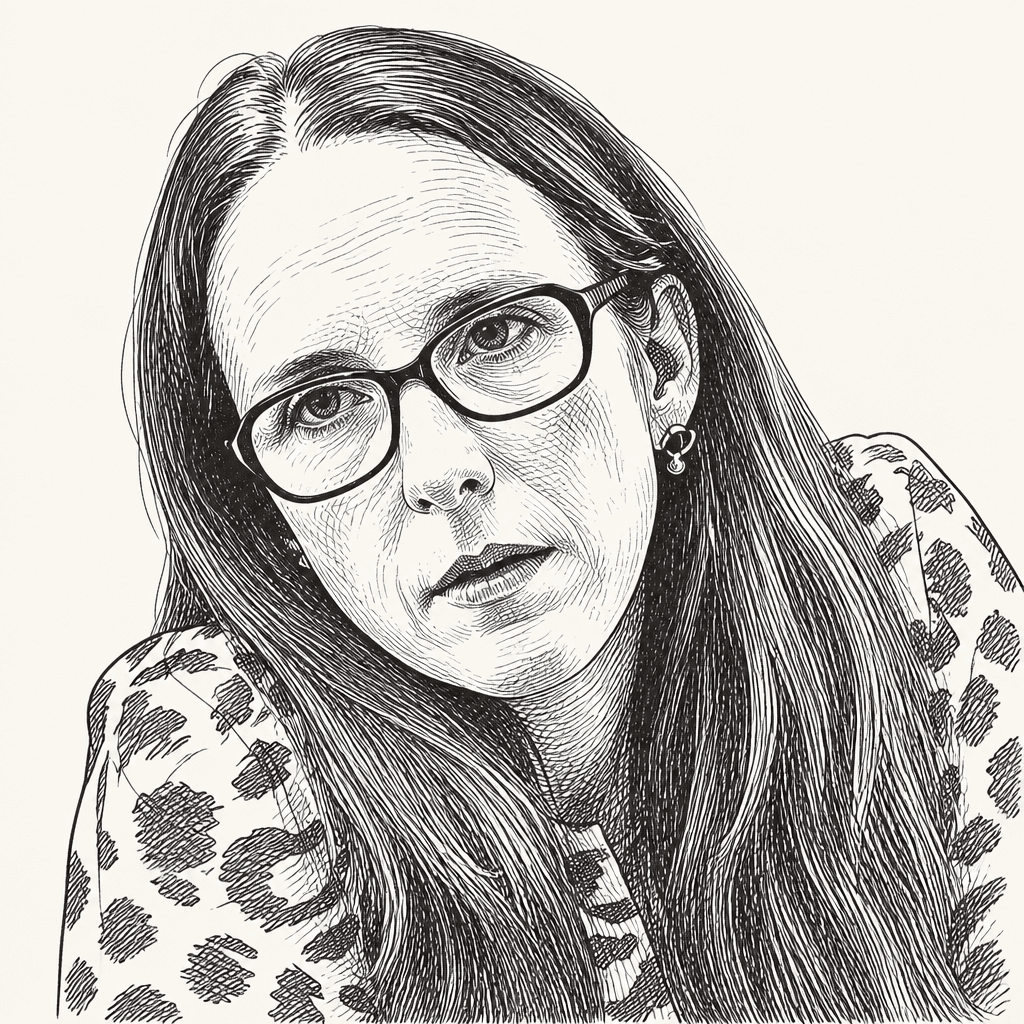 Meghan O'Rourke
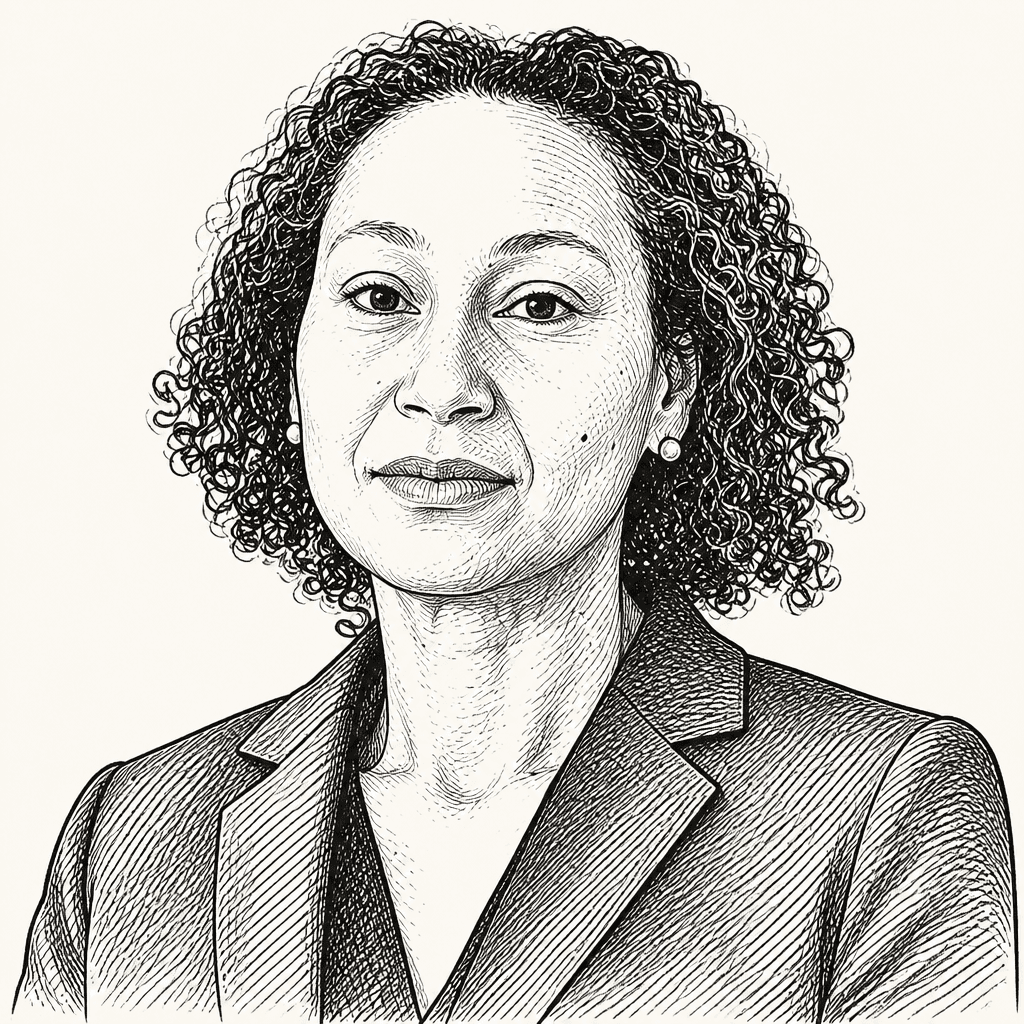 Zara Cooper
 Jonathan Gleason
 Walela NehandaThe Aspen InstituteFriday, June 26, 202618 min read
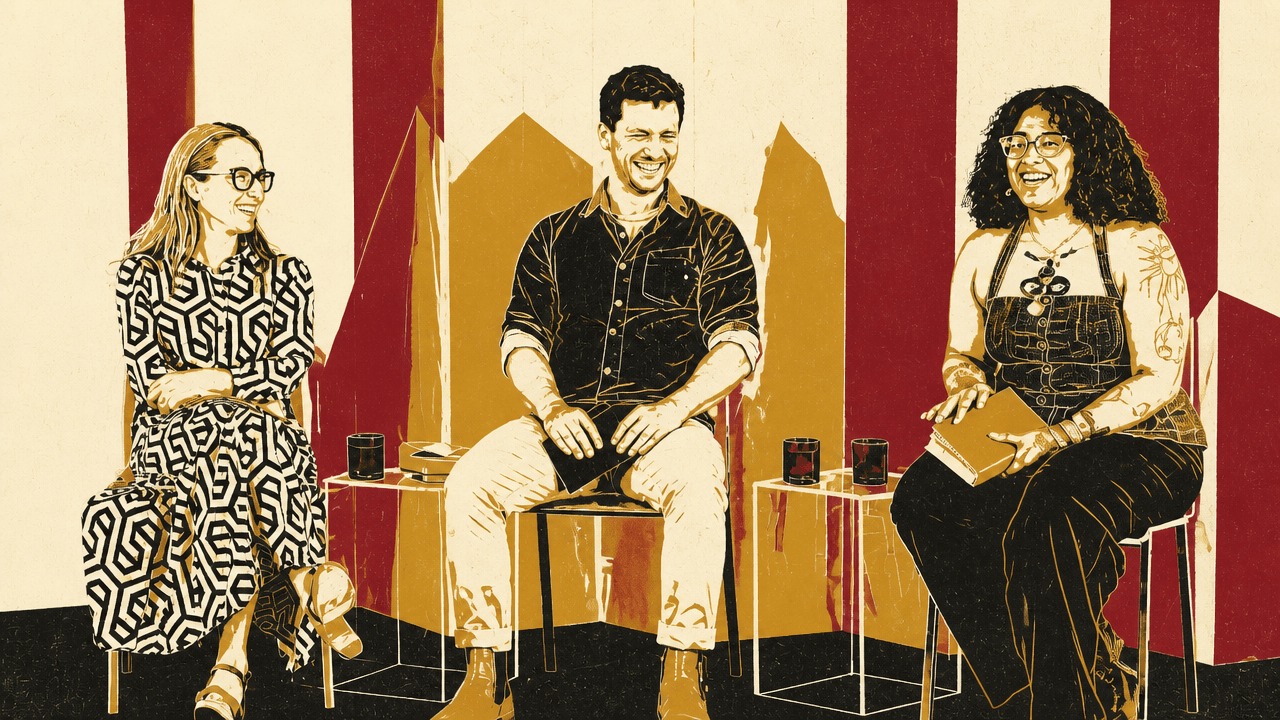
Patients in the discussion described arriving in medicine through identities already waiting for them: anxious woman, easygoing patient, bad patient, racialized risk, redemptive survivor. Meghan O’Rourke, Jonathan Gleason and Walela Nehanda argue that patient stories matter because they contest those imposed narratives and reveal what clinical categories can miss. The piece makes the case that patient testimony can expose diagnostic uncertainty, racism and structural neglect, but that listening requires time, resources and systems capable of receiving what patients know.
The patient arrives inside a story already being told
Meghan O'Rourke framed illness storytelling less as self-expression than as a response to narratives already imposed on patients. The three writers had different illnesses, different relationships to medicine, and different forms of writing, but each described becoming legible to the medical system through a story that was already waiting for them: anxious woman, easygoing patient, bad patient, drug user, problem case, redemptive survivor.
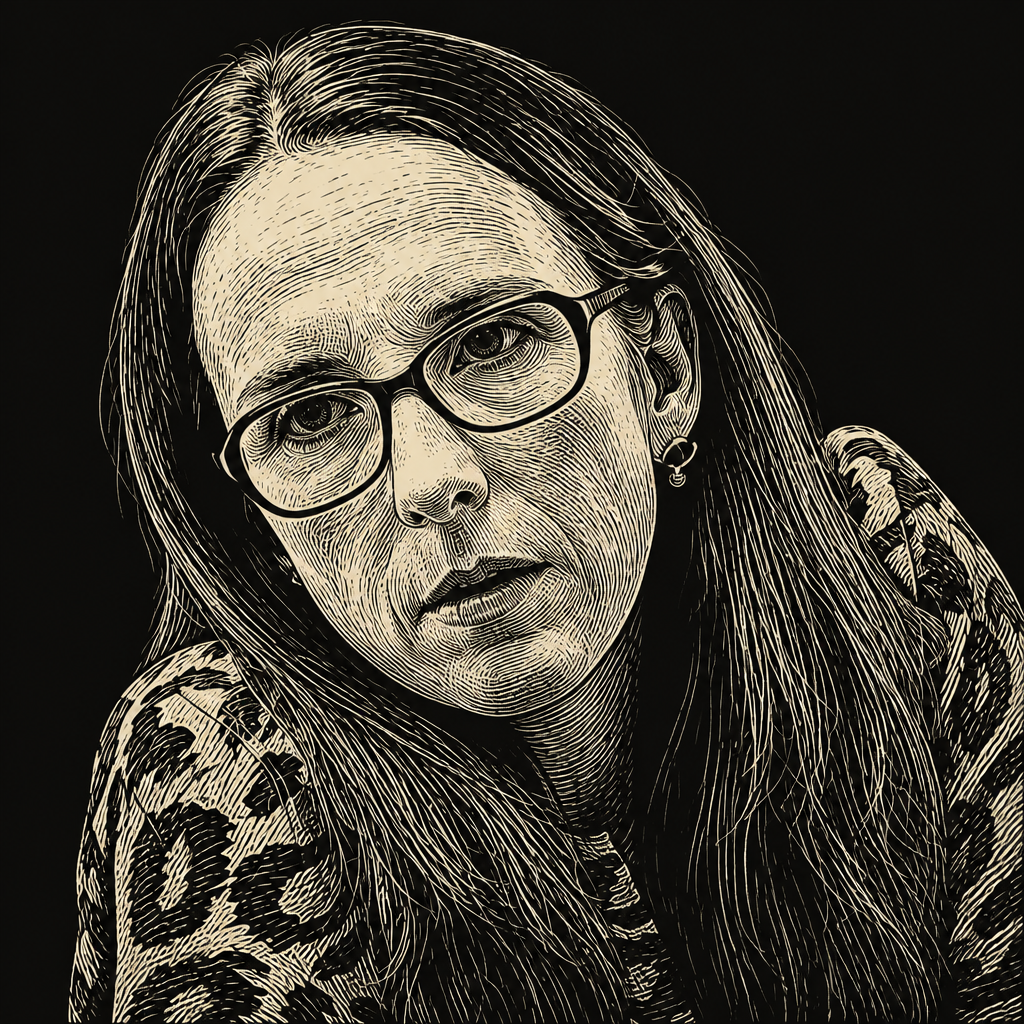
O'Rourke’s own illness did not begin with the clean dramatic scene illness narratives often promise — “the fall, the lump discovered in the abdomen, or a call from the doctor.” It began, she said, “gradually and then suddenly,” with brain fog, fatigue, night sweats, hives, roaming pain, and years of tests that showed “nothing wrong.” For more than a decade, doctors suggested anxiety or stress before she was eventually diagnosed with tick-borne illness and autoimmune disease.
That interim period was not just diagnostically frustrating. It destabilized her sense of her own perceptions. O'Rourke invoked sociologist Kathy Charmaz’s phrase “loss of self” to describe the experience of being subjectively ill while repeatedly told there was no objective evidence of illness. She came to see that experience not only as a private medical failure but as “a kind of pathology of society”: a system built for acute care, organized around measurement, and poorly equipped for people who “live at the edge of medical knowledge.”
Her account turned on a structural problem: the medical system has powerful tools, but those tools often arrive late in chronic or autoimmune disease, when markers have become more visible and the illness more severe. The patient in the ambiguous early period may be treated as unreliable rather than as someone whose disease has not yet become measurable. O'Rourke connected that to Susan Sontag’s observation that the less a disease is understood, the more it tends to be psychologized or stigmatized. In O'Rourke’s telling, uncertainty often becomes a reason to moralize or dismiss the patient.
Jonathan Gleason came to illness first through family history. As a child, he watched two young cousins die of Tay-Sachs disease, a fatal recessive genetic disorder that prevents an enzyme from breaking down lipids and proteins in the brain. He grew up wanting to become a doctor, partly out of a desire to help people like his aunt and cousins, whom doctors had not been able to save.
But Gleason’s interest shifted as he began to see medicine as connected to history, politics, culture, and classification. Tay-Sachs, he noted, was discovered in tandem with genetics during a period of Eastern European immigration to the United States, and became culturally categorized as a “Jewish illness” because of its association with Ashkenazi Jews and Eastern Europeans. Gleason rejected the idea of any illness belonging exclusively to one group. What mattered to him was how such associations shape who is screened, who is warned, who receives prevention, and who is missed. His family, in rural Ohio and not culturally or religiously Jewish, was not told to test for the disorder.
He later became a patient himself while in graduate school at the University of Iowa. What he thought was a pulled muscle turned out to be a blood clot in his left shoulder, caused by thoracic outlet syndrome — an anatomical condition in which there is not enough space for arteries, veins, and nerves to pass from the brain into the torso. Blood thinners did not resolve the clot. Surgery did not work as hoped. He underwent rib resection, “a fancy term for having my rib removed,” and remained medically unresolved: when he exercised, his arms continued to turn blue.
At the same time, Gleason was working as a medical interpreter at a free clinic in Iowa City. He was seeing medicine both “from the inside as a patient” and from the outside in an auxiliary medical role. That dual position shaped his book, Field Guide to Falling Ill, which brought together essays on Tay-Sachs, organ donation, the opioid crisis in Ohio, and his own hospitalization.
Walela Nehanda described a more overt encounter with medical disbelief and structural neglect. In 2017, at 23, Nehanda was diagnosed with phase three chronic myeloid leukemia with a mutation. They had been houseless for two years before diagnosis and had not received adequate medical care or screening. When they arrived for care, nurses assumed they were on drugs and were about to send them home. One nurse intervened and suggested a blood test. “And then we got the 660,000,” Nehanda said.
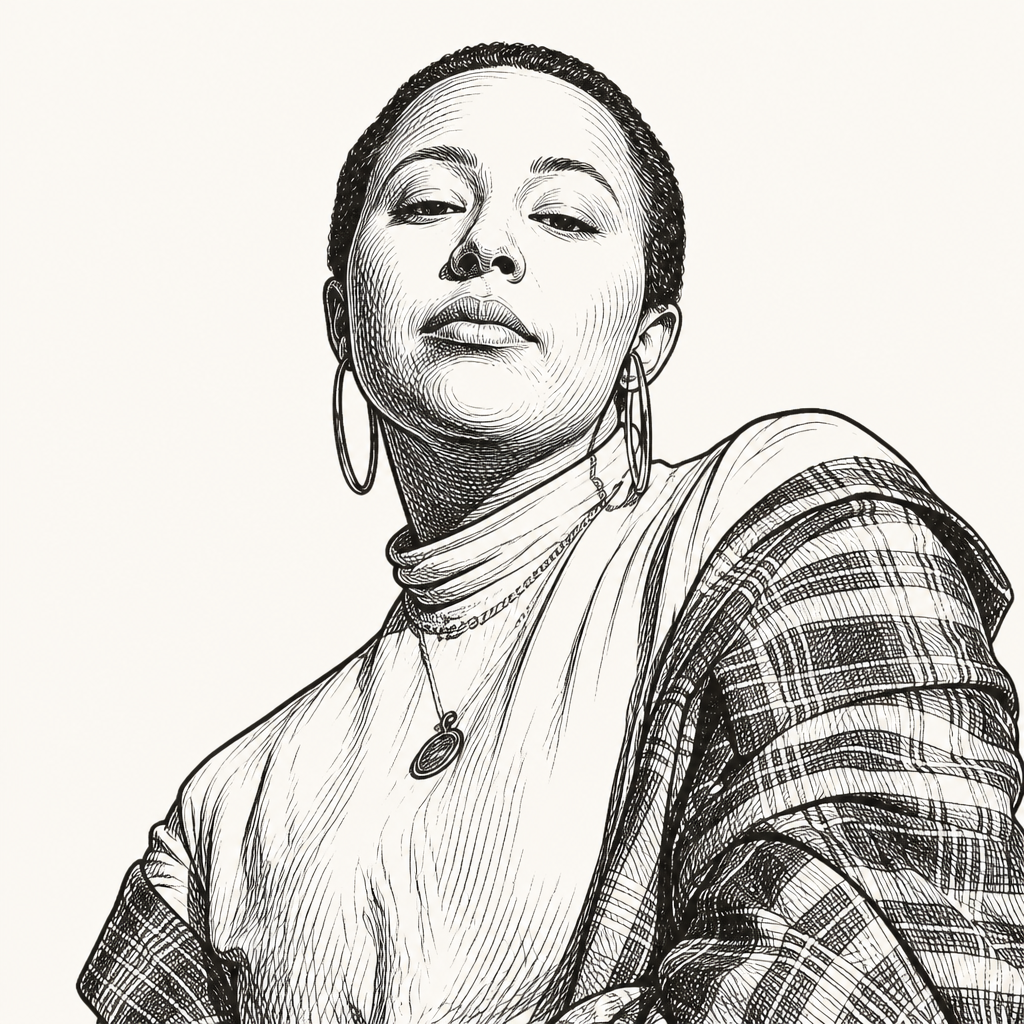
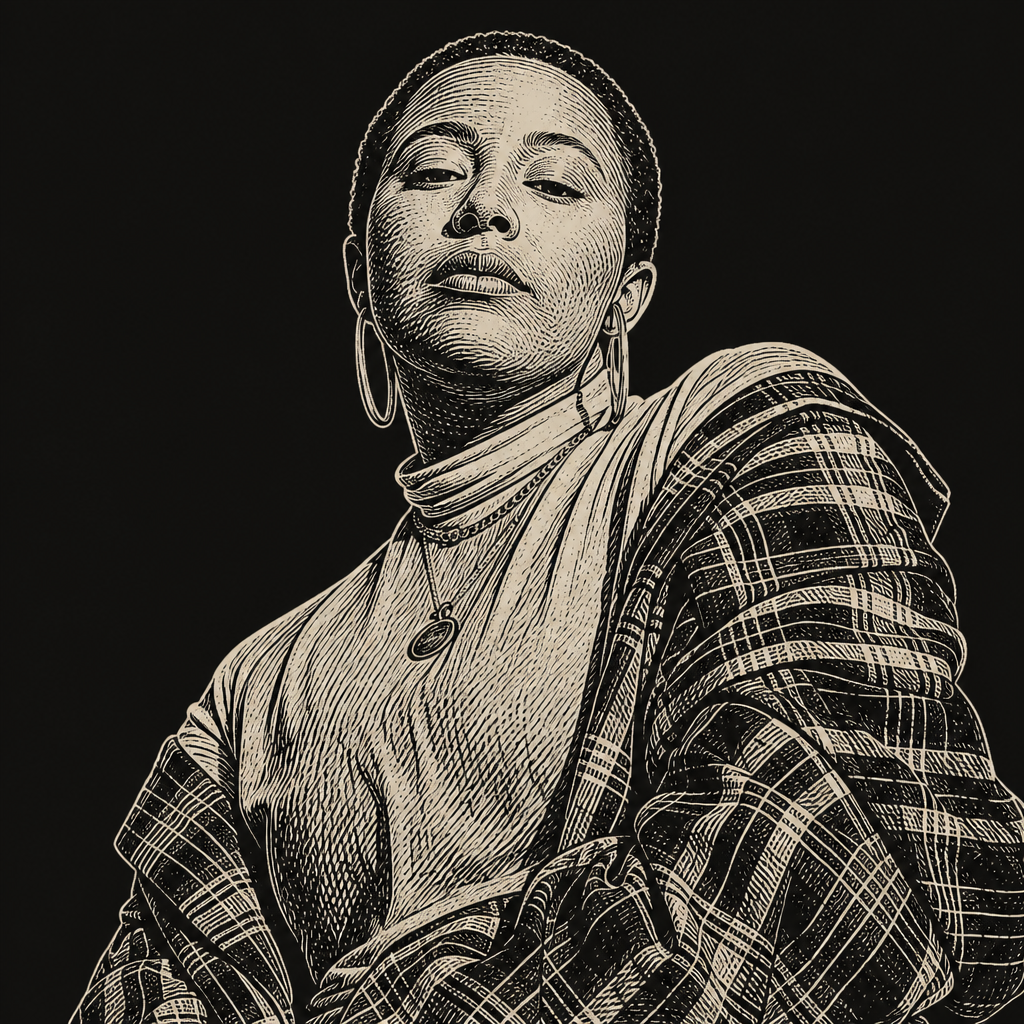
From that moment, Nehanda said, they were thrust into a world “very unsympathetic” to them. They named racism, fatphobia, neglect, and a lack of resources for young cancer patients — especially in South Central Los Angeles, where they lived. The resources they could find were on the west side of Los Angeles, in a city they described as not walkable and difficult to navigate by public transportation.
Nehanda also described having to become an investigator in their own care. Four years into illness, they learned they should have been placed on the stem cell transplant registry. They cited a disparity: Black patients have less than a 30% chance of finding a donor, compared with 77% for white patients. Given those odds, Nehanda argued, a phase three diagnosis should have triggered early attention to transplant. Instead, they researched their biopsies, watched medical conferences, created a 14-page dossier, and went to City of Hope against their insurer’s wishes. There they met Dr. Stein and ultimately received a stem cell transplant after finding a donor.
The writing that became Bless the Blood: A Cancer Memoir began as 36 journals kept through cancer treatment from ages 23 to 28. Nehanda said they wrote “viciously” because they knew they were moving through a system “not dedicated to saving my life.” Audre Lorde’s The Cancer Journals had helped them through their own journey, but Lorde had been diagnosed at 43; Nehanda was 23 and did not see resources for people their age, from their community, or with their circumstances.
The good patient is a political demand
O'Rourke drew the accounts together around the figure of the “good patient.” Gleason had written, “I am in fact a very easygoing patient.” Nehanda had written, “I am a bad patient.” O'Rourke had tried, she said, to present herself as a good patient while knowing she was what medicine sometimes calls a “heart sink patient” — someone who arrives with a long list of symptoms.
In these accounts, “good” did not mean only medically compliant. It was tied to the pressure to make illness easier for the institution and less threatening to cultural expectations: to be agreeable, recognizable, contained, and able to fit suffering into the time and categories available. The three writers resisted care being made contingent on that kind of performance.
For Jonathan Gleason, the “easygoing patient” was a self-concept formed before illness and strained by medical uncertainty. He had been raised to be agreeable, especially in the presence of authority. But after his blood clot remained intractable — not fully responsive to thinners or surgery — he began to experience how a patient can become a problem rather than a person. The doctors treating him were often kind and empathetic. That did not prevent a shift in the encounter.
What I noticed is that the longer that I remained this problem, this like medical problem for doctors, who often were very nice, very empathetic, very understanding, the less patience that they had for me.
As his body failed to respond as expected, Gleason said, he sensed less patience and more frustration from clinicians. The unresolved body became a challenge to medical expertise. The patient’s humanity moved further from the center as attention narrowed to the “singular medicalized gaze” directed at the issue he had become.
For Walela Nehanda, the story to resist was erasure. “Often times, you don’t get Black cancer patient stories,” they said. Their writing was a record in case they did not survive, and a refusal of the idea that they had to behave as an “upstanding citizen” to deserve care. Nehanda said they wrote explicitly against the concept of the good patient, including in an essay they described writing for Time about refusing to be one.
The refusal was not framed as being difficult for its own sake. Nehanda described it as a refusal to accept care as conditional on code-switching, respectability, or proximity to whiteness. “Black people,” Nehanda said, “should not have to code switch, we should not have to perform whiteness in order to be deemed people.”
O'Rourke connected that refusal to a larger loss produced by medical racism: not only the denial of care, but the denial of meaning-making. When suffering is erased, it cannot become knowledge. It cannot instruct institutions, change treatment, or even be mourned accurately. Nehanda sharpened the point: “Black people are posited against health in this country.” They situated contemporary medical mistrust in a longer history of experimentation and policy, naming Tuskegee and Columbia studies in 1992 involving Puerto Rican and Black youth in the context of the Crime Bill. From that history, Nehanda said, “there’s no meaning making in the health industry for us because its inception is on the plantation.”
Their response was to alter the language: away from “health” and toward “living” and “wellness.” In a brief exchange, O'Rourke recalled lines from Nehanda’s work about health and wealth. Nehanda supplied the formulation: “Health and wealth means you’re white and rich.”
False illness stories do institutional work
Gleason’s interest in medical storytelling extended beyond his own illness. O'Rourke pointed to his essay work as a kind of detective practice: he investigates stories medicine and culture tell themselves that turn out to be false. One of the central examples was Gaëtan Dugas, long labeled “patient zero” of the AIDS epidemic.
For Jonathan Gleason, false conclusions are revealing because they show what a culture wants to believe. The story of Dugas, as he summarized it, cast one man as a villain who brought AIDS across North America through indiscriminate sex while supposedly knowing he was doing wrong. Gleason said “almost all of that story is untrue.” Dugas was not the first person to have HIV or AIDS in North America. More importantly, culpability itself was complicated in a moment when the disease presented in many ways, manifested slowly over years, and was not yet clearly understood in terms of transmission.
The false story nevertheless served a purpose. It offered a simple moral structure: victims and villains, danger located in the “proper types of people,” and responsibility assigned to those already stigmatized. O'Rourke named the cultural forces around that narrative as fear, homophobia, and anxieties about promiscuity. Gleason’s point was that the narrative’s convenience was the evidence. It told a culture what it wanted to hear about purity, risk, and blame.
Nehanda’s poem “Enemy of the State,” read earlier in the session, made a parallel argument about cancer and Blackness as ideas before they are treated as lived realities. In the poem, cancer becomes “the all-encompassing vehicle for whatever is wicked, immoral, or corrupt.” The patient hosting cancer becomes, by implication, aligned with an enemy. The war metaphor turns inward: “The war on cancer is fine and well, but it, the cancer, lives inside you. So by default, you are now an opposing force to the good of all of humanity.”
O'Rourke heard in that poem an account of how culture turns illness into metaphor and patients into objects. She recalled being unable to recognize close colleagues because Lyme disease had affected her neurological system, then being dismissed and rushed out by a doctor she described as kindly, not evil. Her thought in that moment was: “I’m not a person, I’m a patient.” A patient, she said, can become “an idea” the doctor has.
Medicine treats disease more easily than illness
The distinction between what medicine can measure and what patients experience ran through the discussion. O'Rourke argued that modern medicine has great faith, often rightly, in measurement. But that faith can marginalize patients whose illnesses sit outside current tools or whose symptoms precede measurable markers. Gleason, from his interpreter role, described a similar mismatch: the medical institution can be trained to reduce, categorize, and simplify patient speech into diagnostic criteria or a matrix. Patient narratives, by contrast, carry the “full range” of subjectivity.
That distinction became explicit in an audience question from Zara Cooper, a trauma surgeon, hospice and palliative medicine physician, and Harvard Medical School professor working in a major healthcare system. Cooper thanked O'Rourke for The Invisible Kingdom, saying her husband has CFS/ME and that even with years of training, including in palliative care and hospice, she needed the book to understand his experience.
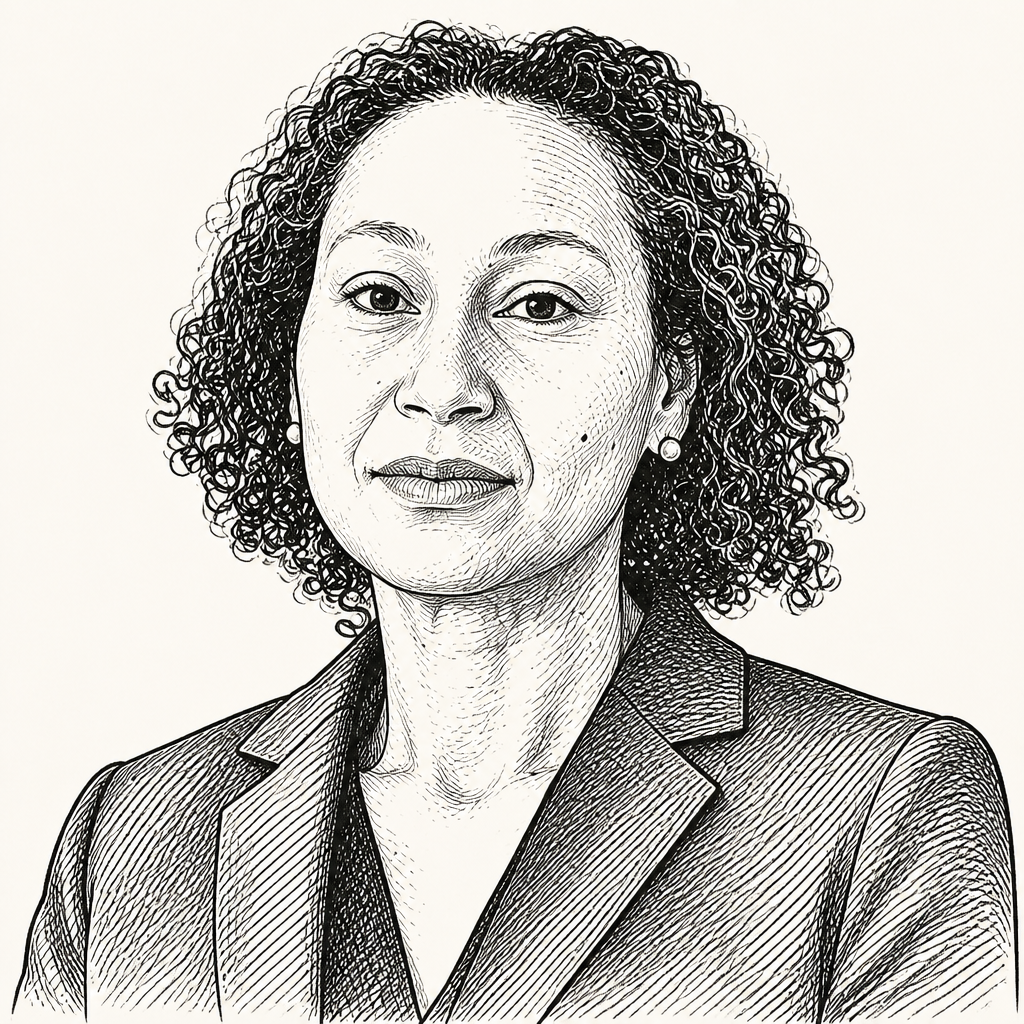
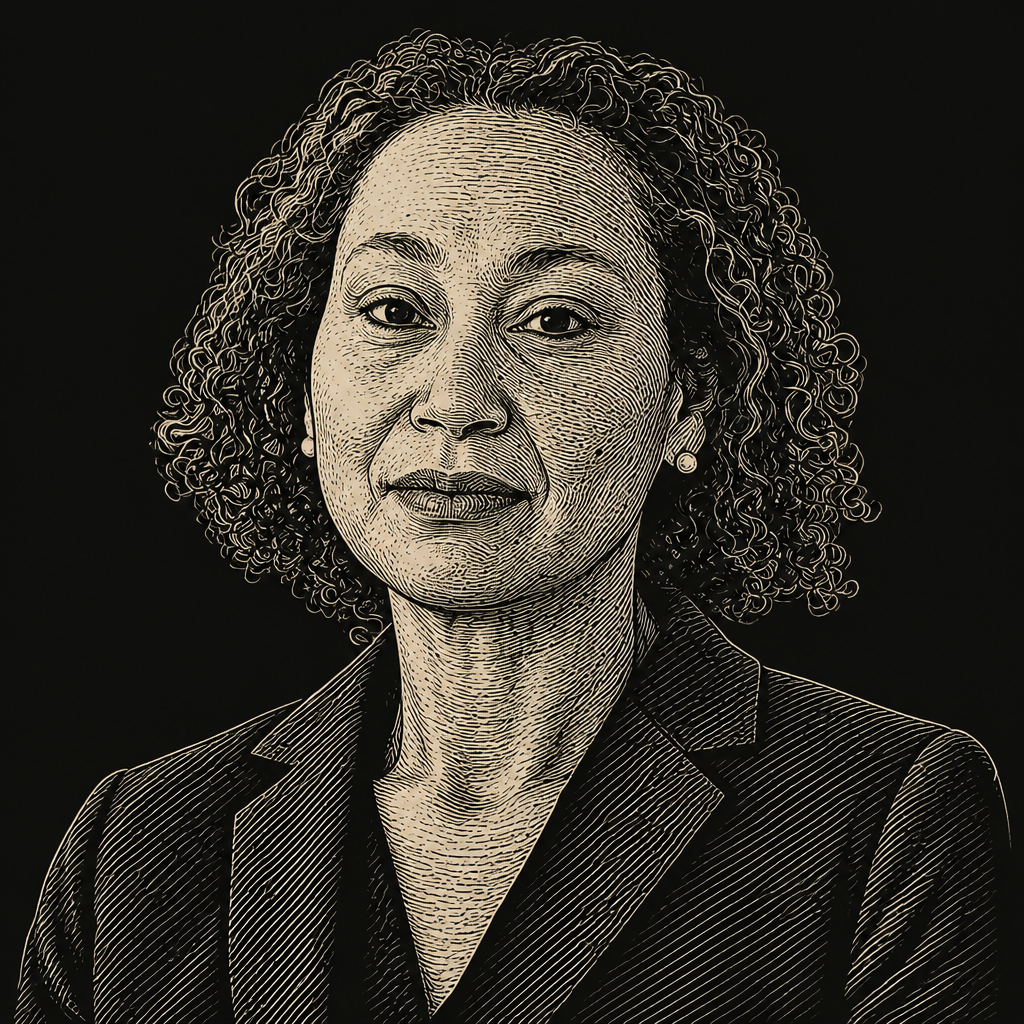
Then she challenged the premise from inside clinical practice. What she heard, she said, was an “idealized version of medicine” she aspired to — but she works in healthcare. The system, in her account, does not merely fail to encourage listening; it “doesn’t allow me to listen.” The reasons included chaos, burnout, and structural constraints beyond payment. She named part of the problem directly: “we treat disease, we don’t treat illness.” If a patient arrives with an illness clinicians cannot diagnose, she said, it may mean they have come to the wrong person; the clinician may not be able to help anymore.
We treat disease, we don’t treat illness.
Cooper’s intervention exposed the limit of any easy claim that patient storytelling alone can fix medicine. Gleason agreed that medical institutions are set up to hear only certain things, but added that this is not simply cruelty or indifference. There is an efficiency to the system. Medicine requires shared categories and communication under resource constraints. The subjective human element is inefficient; sitting with patients, understanding them, and treating suffering rather than only disease requires time.
His critique was aimed at the common solution of asking individual doctors to “provide more empathy.” That demand is easy and cheap, he said, because it reinscribes the problem onto individual doctors and patients rather than acknowledging the systemic issue. More resources may be one answer, but he did not pretend to have a full solution.
Nehanda answered Cooper by moving partly outside the institution. In Los Angeles, they said, many doctors and nurses understand that being a doctor can mean being “a healer held captive by an institution.” The question becomes what time and energy clinicians can dedicate outside the institution to community and organizing. Nehanda pointed to free clinics and screenings serving people in street encampments and communities such as Inglewood and South Central Los Angeles. Organizing is inconvenient, they said, but it has always been inconvenient. Reimagining care may require building outside the structures that currently prevent listening.
Listening is not a frill
The strongest practical case for storytelling came when the speakers described what listening changes before it solves anything.
For Walela Nehanda, the first audience for Bless the Blood was not doctors. “I’m not here necessarily to educate doctors,” they said. If doctors benefit, fine. But the book was written so patients could feel less alone. In a world where third spaces have eroded and many patients lack infrastructure, resources, or empathy, a book can become a form of community. “To not feel alone is medicine,” Nehanda said.
O'Rourke echoed that sentiment personally. Reading Gleason and Nehanda that morning, she said, made her feel seen: “Oh, they get it.” She described having POTS, a disorder of the autonomic nervous system that makes standing for long periods or standing in heat difficult. At an earlier Aspen Health gathering, she met someone else with POTS who recognized what she needed — to sit down in the shade — without explanation. O'Rourke described the moment as almost unprecedented in ordinary life.
Gleason made the bridge between patient narrative and clinical understanding more explicit. Oversimplified narratives can harm; nuanced narratives can “bridge the gap between the objective medical world and the subjective experiences of patients.” His work as a medical interpreter taught him how much is lost when the medical system is not equipped to hear everything a patient is communicating.
One principle he was taught was to “consider sense over words.” Interpretation is not literal transcription, because literal word-for-word translation is often impossible. The interpreter tries to capture the patient’s meaning, which may include body language, gesture, facial expression, cultural history, and context. But the role contains a paradox: the interpreter must avoid assuming they know the patient better than the patient knows themselves, while acknowledging that they inevitably inflect meaning as they transmit it to the clinician.
When O'Rourke asked what recommendation the writers would make to healthcare providers or systems, Nehanda named “emotional literacy.” If they had been listened to, they said, they might not have gone home in distress, developed PTSD responses, and become avoidant of doctors. In oncology especially, they described a “massive wall” of stoicism that isolates patients facing death in a culture with little capacity for grief.
Nehanda also argued, from their own cancer experience, that every cancer patient should be assigned a palliative care doctor. Palliative care, for them, meant having a physician who advocated not only for symptoms but for emotional, spiritual, and holistic well-being — someone who could attend appointments, support difficult decisions, and reduce the burden of having to produce a “14-page dossier” every time.
O'Rourke responded that palliative care seemed to her like “the hope for chronic illness too”: a possible model for structural change because it asks what the goal of care is when the whole patient is at stake. She recalled one neurologist who could not find evidence of her burning pain on tests but said, in effect, “I believe you and it sounds horrible, and I’m so sorry.” The neurologist also offered the possibility of joining a study that would not help O'Rourke directly but might help others. That act of listening mattered because it returned personhood and meaning.
O'Rourke emphasized that empathy is not an optional ornament to real care. She cited research discussed in The Invisible Kingdom indicating that empathetic doctors who take time and listen have patients with much better outcomes; in one study involving diabetes patients, she said, an empathetic doctor was “almost as powerful as medication.” At the same time, she agreed with Gleason that reform for patients begins with reform for doctors: clinicians cannot be expected to endlessly “turn this empathy switch on” without time, space, resources, or humane working conditions.
Refusing redemption leaves room for truth
O'Rourke described all three books as refusing redemptive endings. She connected that refusal to Arthur Kleinman’s The Illness Narratives, recalling frustration with a passage in which, as she summarized it, Kleinman describes the good patient as bearing illness “with grace.” Her objection was that grace depends on social conditions. It is one thing to bear illness gracefully with stability, resources, and support; another when illness costs work, time, money, credibility, or shelter.
The refusal of redemption was therefore not a rejection of hope. It was a refusal of false closure. Illness stories often demand either overcoming or spiritually useful suffering. O'Rourke had earlier named the cultural expectation that illness be experienced and overcome, or else succumbed to in a way that makes others feel better. Chronic illness and survivorship resist that arc because the body may not get better, the diagnosis may not arrive, and even recovery may leave a complicated aftermath.
For Jonathan Gleason, complexity itself was the alternative to redemption. He said he was more interested in complexity than in casting historical figures as villains or martyrs. Giving them “their full due” allowed him, as a patient, to be imperfect too: good and bad, easygoing and difficult, angry at a nurse who was trying her best but frightening him because he did not feel in competent hands. That complexity, he said, is not an easy story, but it contains hope if one looks hard enough.
Walela Nehanda made the same point through cancer’s media culture. Cancer, they said, is “everywhere and nowhere at once,” surrounded by a circuit of romance and tragedy. They named A Walk to Remember as the first romantic film they saw — joking that they had wanted to be Jamie Sullivan and warning the audience to be careful what they wish for — and The Fault in Our Stars as another example of the narrative terrain they were resisting. That is why the first line of Bless the Blood is: “Look here, this ain’t a John Green novel.”
Nehanda was not offering a happy ending. They were alive, as Gleason pointed out, but living “a complicated life.” Nehanda agreed: survivorship is complicated. Their interest was in truth-telling, and in pushing against reductive narratives not only about cancer but about identity: what a Black person looks like, what a queer person looks like, what a fat person looks like, how such a person is expected to talk.
O'Rourke named the hope in that refusal simply: “we’re telling the truth.” Truth-telling was the first step toward coming together, not because it resolves suffering, but because it stops requiring patients to make their suffering useful, beautiful, or morally acceptable before it can be heard.
Patient testimony can change systems, if systems can hear it
The audience added two examples that clarified the stakes of patient and clinician speech beyond the literary.
LaVarne Burton, president and CEO of the American Kidney Fund, told a story from kidney care. Until a few years earlier, she said, an algorithm used to determine the stage of kidney disease included a factor for African Americans that delayed their being placed on a transplant list or delayed their being considered to have more declined kidney function. Burton described it not as a race factor but as “a Black factor,” added as a social construct without clinical evidence.
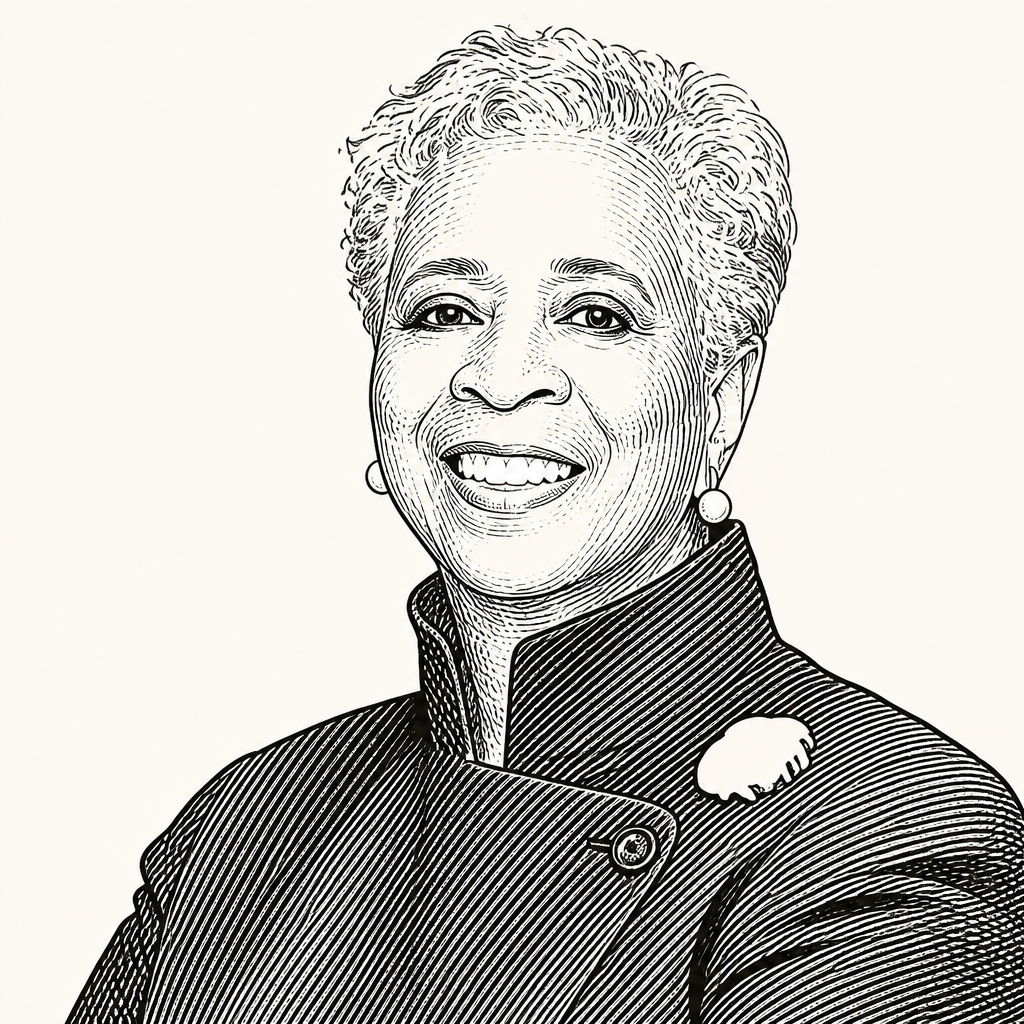
According to Burton, African American medical students around the country objected, likely at risk to their own careers. Their insistence led to the factor being removed. The result, she said, was that 22,000 people moved higher on the transplant list, and many others received care earlier than they otherwise would have. She offered the story as evidence that being heard can matter not only for the speaker but for many other patients.
A final audience question asked whether deep, truthful patient storytelling might become a repository of data in an era when AI can process unstructured information in aggregate. The questioner, Megan from the Institute for Genomics at Sarah Lawrence College, suggested that documented patient stories might help identify patterns, enlarge the circle of whose experience counts, and enrich databases of pathophysiology for people at the margins.
O'Rourke’s answer was brief because time had run out, but she connected the idea to misdiagnosis. She had recently written about a book on misdiagnosis and was struck by its prevalence. One missing feedback loop, she said, is that patients often do not return to the doctors who misdiagnosed them to say what happened. She did not do that herself. Patient storytelling, in that sense, might help supply information the system currently fails to capture.
The useful distinction is between storytelling as another burden placed on sick people and storytelling as a challenge to the stories already shaping care. In these accounts, patient testimony can make people less alone, preserve complexity, expose false cultural narratives, help clinicians understand illness rather than only disease, and sometimes reveal structural errors. But it only becomes medicine’s knowledge if the system has ways to receive it.