Interpersonal Trust Tracks Civic Engagement More Closely Than Institutional Confidence
 Elisa Shearer
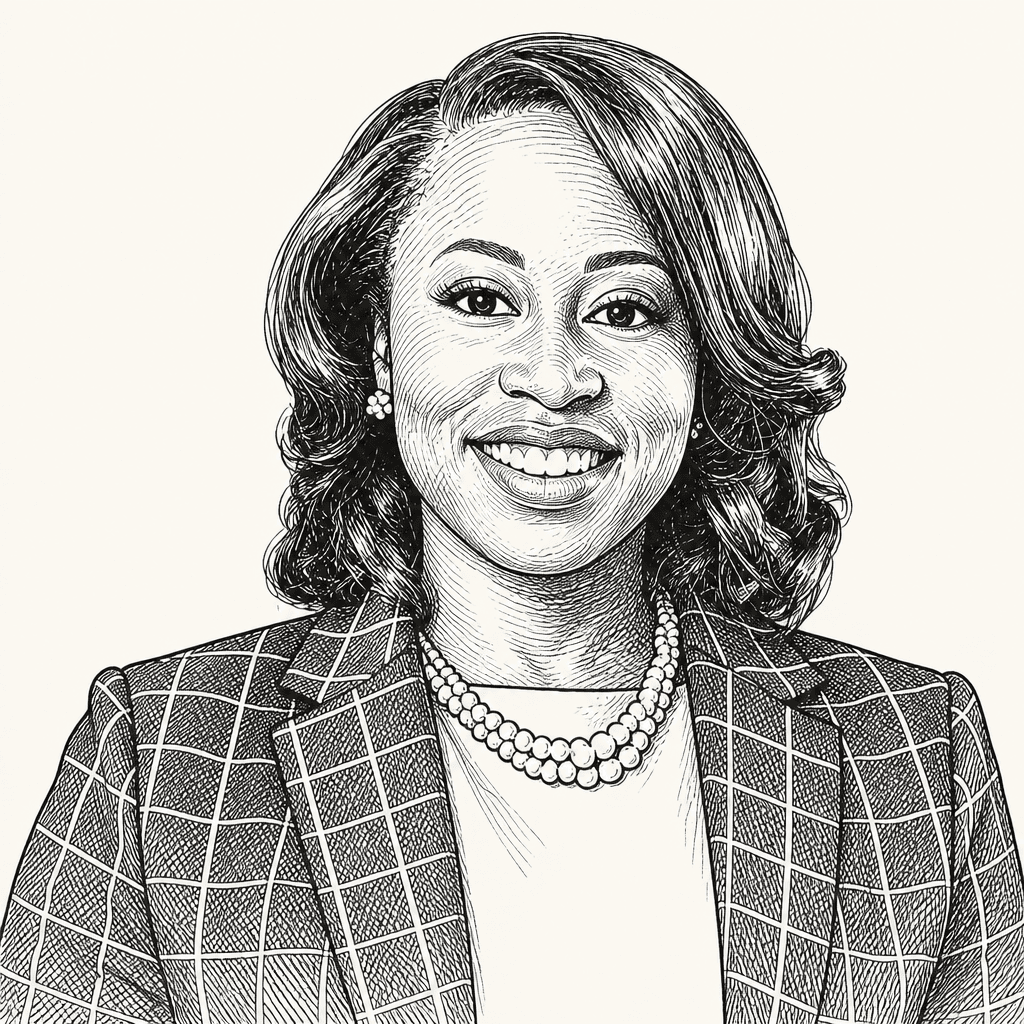 Olajumoke Banjo
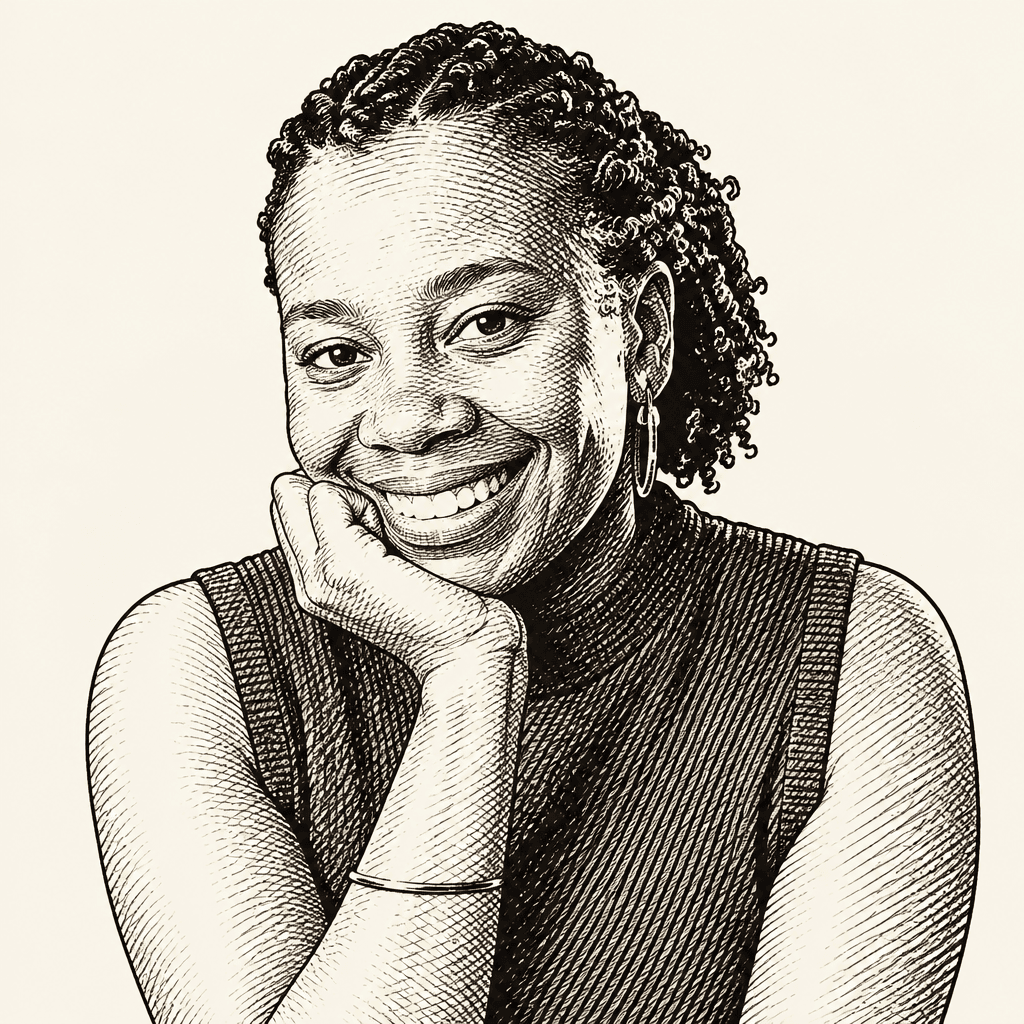 Jen Bailey
 Shamichael Hallman
 Jahnavi Rao
 Mike AbramsThe Aspen InstituteFriday, October 30, 202618 min read
Pew Research Center’s analysis groups Americans into four patterns of civic engagement, and finds that the clearest divide among them is not confidence in government or national news but trust in other people. Elisa Shearer, a Pew senior researcher, said the survey cannot establish whether trust leads people to participate or participation builds trust. Practitioners on a panel convened by the Alliance for Social Trust and the Pew-Knight Initiative argued that reliable relationships, meaningful opportunities to act and visible results can help strengthen civic connection.

Interpersonal trust, not institutional confidence, most clearly separates the engagement groups
The strongest relationship in Pew Research Center’s engagement analysis is not between civic activity and confidence in government or news organizations. It is between civic activity and trust in other people. Adults classified as Mobilizers and Connectors are more likely than Spectators and Outsiders to say that most people can be trusted and that they trust people in their neighborhood. The pattern also appears in questions about particular relationships: whether respondents would trust a neighbor with their house keys, whether a neighbor would take care of their mail or plants, and whether a friend would bring them a meal if they were sick.
That pattern stands out partly because the institutional-trust results look different. Trust in the federal government to do what is right is low and nearly uniform across the four groups. Trust in information from national news organizations varies somewhat, but Mobilizers, Connectors, and Spectators are fairly close. Few people in any group say news organizations deal fairly with all sides.
| Engagement group | Most people can be trusted | Trust all or most people in their neighborhood |
|---|---|---|
| Mobilizers | 61% | 52% |
| Connectors | 67% | 50% |
| Spectators | 47% | 35% |
| Outsiders | 42% | 36% |
| Engagement group | Trust federal government to do what is right | Trust information from national news organizations | Say news organizations deal fairly with all sides |
|---|---|---|---|
| Mobilizers | 22% | 62% | 17% |
| Connectors | 20% | 64% | 22% |
| Spectators | 20% | 57% | 23% |
| Outsiders | 19% | 45% | 24% |
For Elisa Shearer, the measures point to two different meanings of trust. Institutional trust—measured here through attitudes toward the federal government and national news organizations—does not sort people into engagement groups in the same way that interpersonal trust does. The specific questions about neighbors and friends add texture to the broader social-trust measures: they ask about concrete acts of reliance and care, rather than whether people trust neighbors in the abstract.
Those trust measures were not used to create the engagement groups. Their alignment with the groups emerged afterward. Nor did the pattern simply divide people by the kind of place they lived: all four groups were represented in urban, suburban, and rural neighborhoods.
Shearer stressed that the survey cannot establish which direction the relationship runs.
I cannot tell you whether trust causes engagement or whether engagement builds trust.
People who already trust others may be more willing to participate; participation may also create experiences that strengthen trust by bringing people into contact with neighbors and local groups. Shearer described the research as a one-time survey: it can identify a relationship, but it cannot determine what came first.
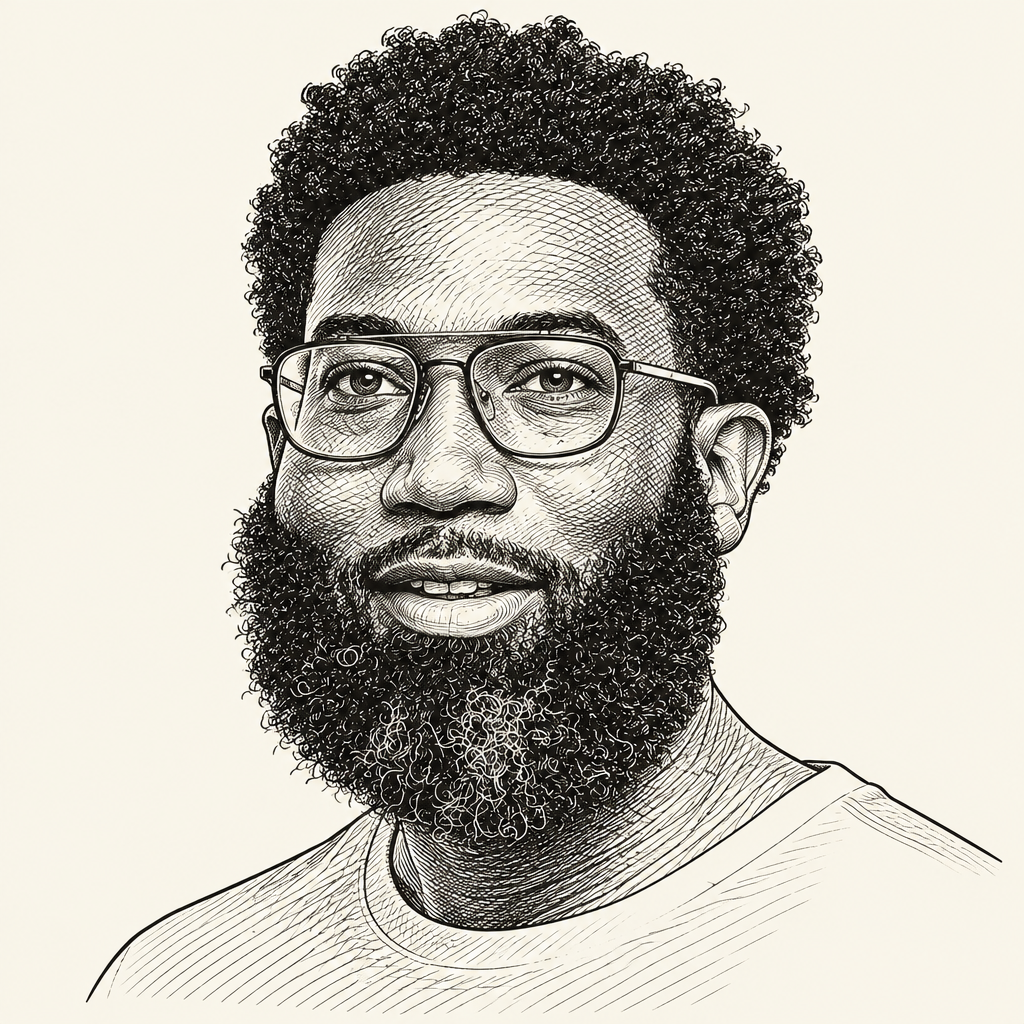
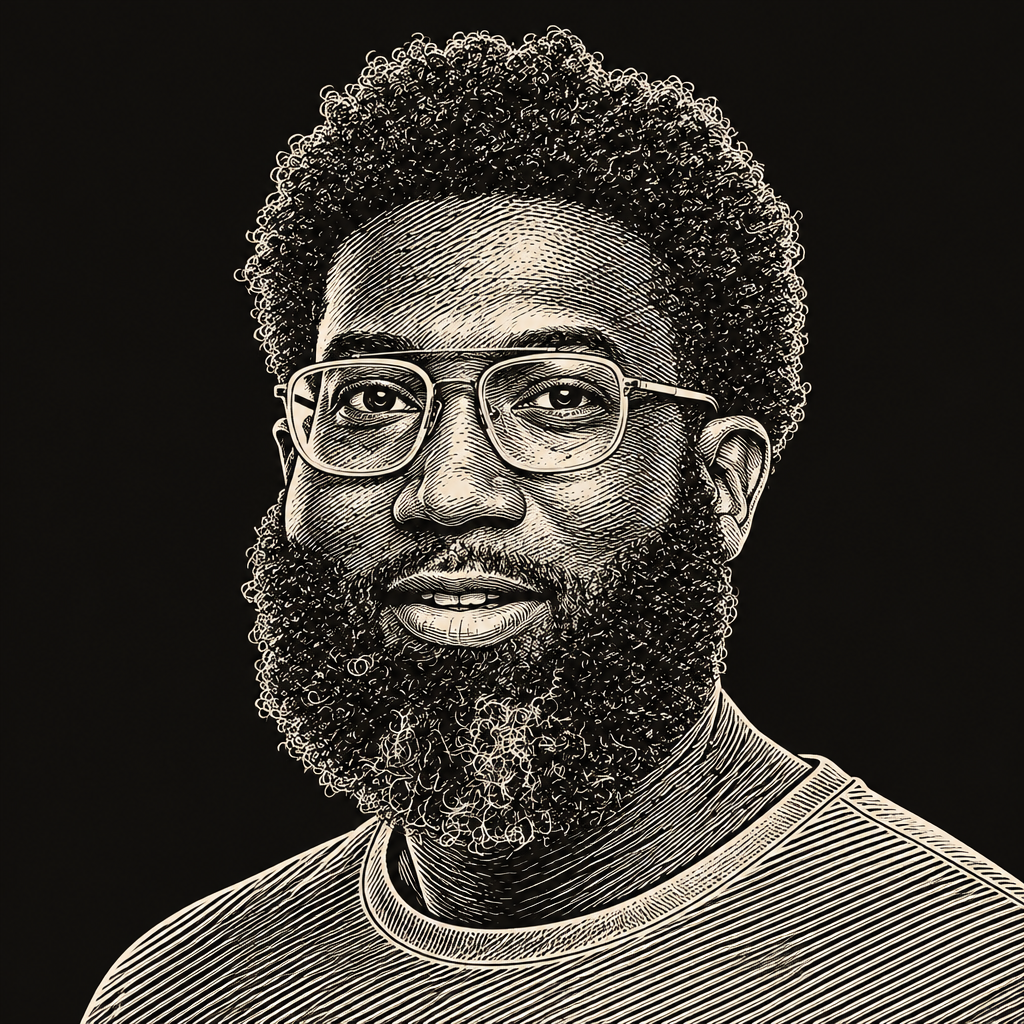
The practitioners offered interpretations from their work, not causal findings from the survey. Mike Abrams described trust as something that often grows through familiarity and reliability. A customer may trust a neighborhood coffee shop because it reliably makes the coffee as requested and recognizes them. The same kind of accumulated experience, he suggested, can matter in relationships with congregations, friends, or publications. Trust may follow repeated contact rather than precede it.


Jahnavi Rao connected trust to agency: people do not believe they have power simply because they are told they do; they believe it by experiencing power. Opportunities to change something in their surroundings can build trust in their own capacity to act. She also emphasized collective action: when acting alone reaches a limit, people may come to believe that they can make change together. Her focus was not only on whether people trust institutions, but on whether they trust themselves to affect their circumstances.


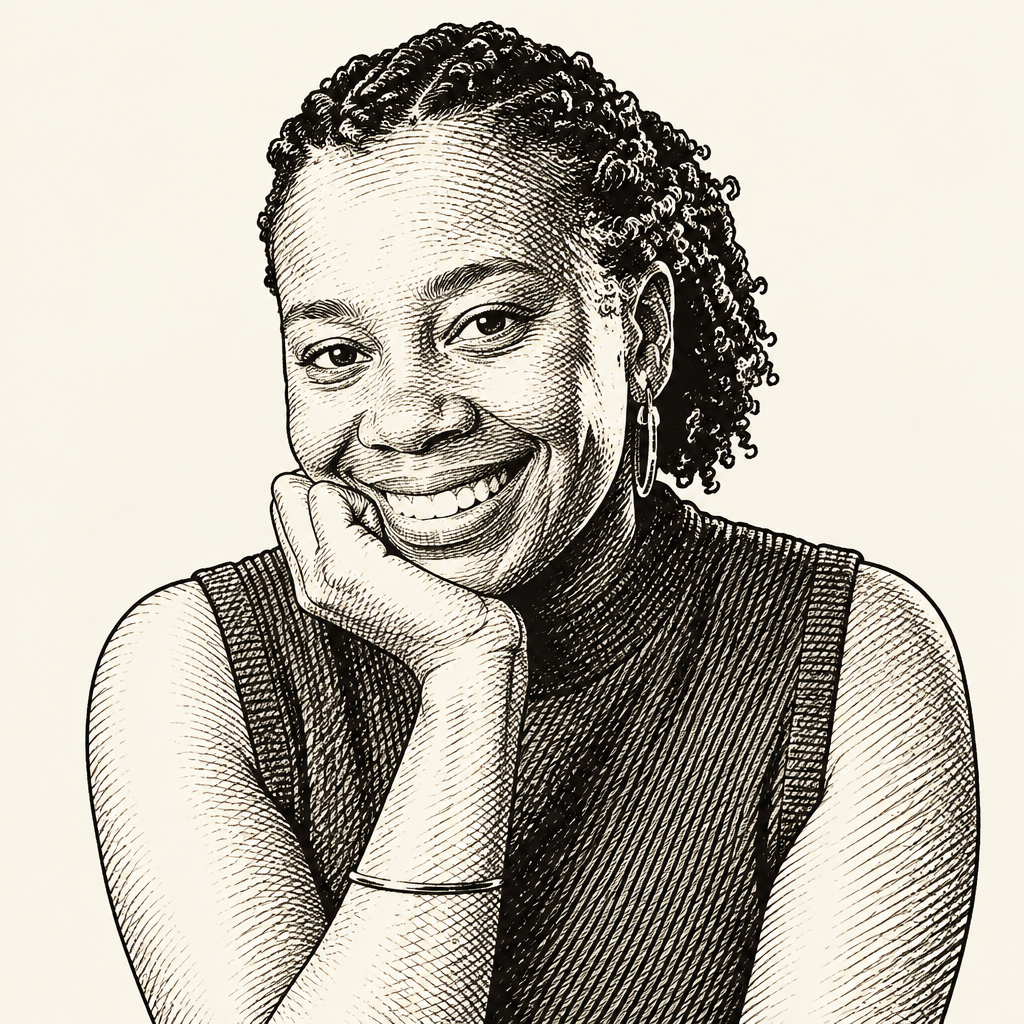
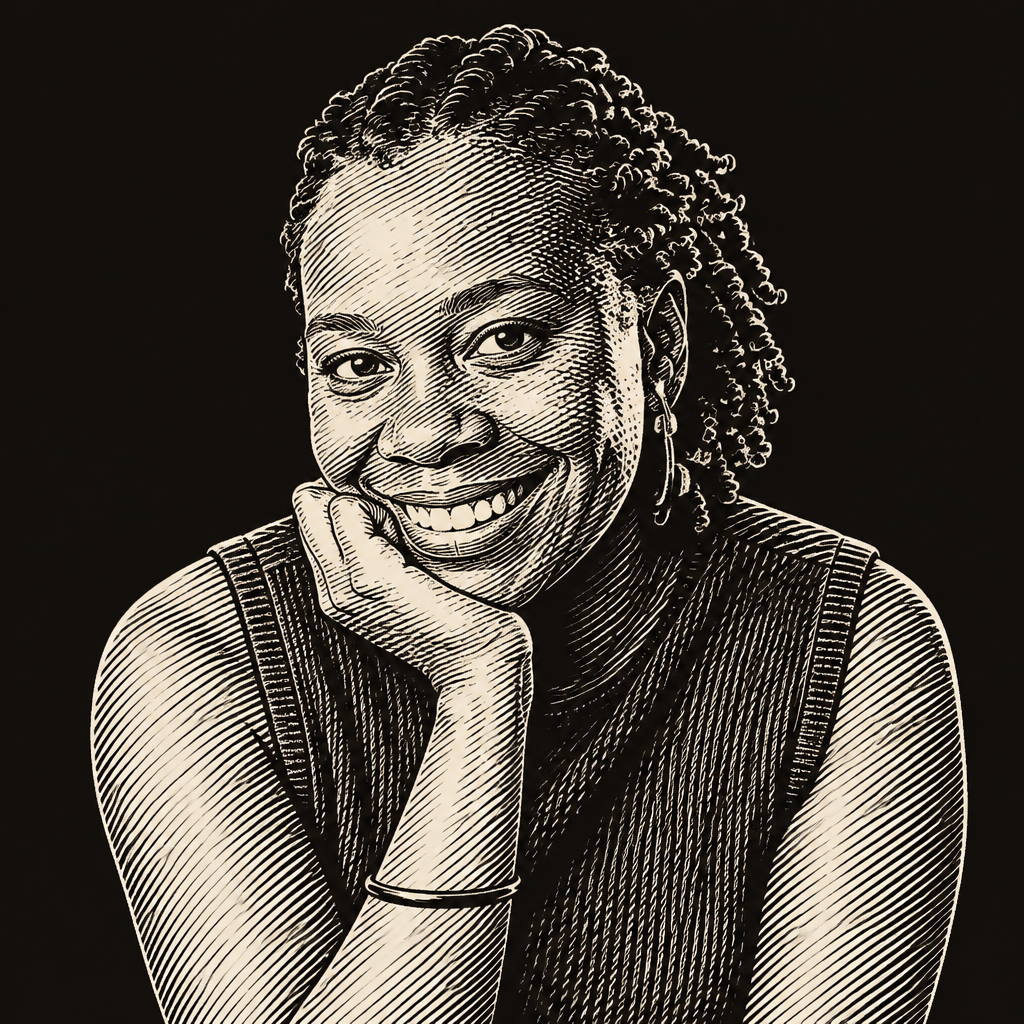
Jen Bailey likewise described trust as learned through experience. Communities need to give people the experience of being held and cared for, she said. She used her three-year-old daughter as an example: the child trusts that she will be fed because someone repeatedly gets her up, helps her get dressed, and makes sure she eats. In Bailey’s view, a society in which fewer people experience that kind of dependable care has a weaker foundation for trust.
Together, the findings and practitioners’ accounts caution against treating “trust” as a single measure with a single remedy. The groups are not separated much by whether they trust the federal government to do what is right, but they differ more clearly in reported confidence in neighbors and other people. Shearer’s survey cannot explain why that relationship exists. The panelists’ examples suggest ways contact and reliable experiences might matter, but they do not resolve the causal question.
Four patterns show why engagement is not a single ladder
The survey does not sort Americans into a simple division between engaged and disengaged. It identifies four patterns combining political activity, community involvement, news habits, and religious participation. No group is a majority: 9% of U.S. adults are Mobilizers, 28% Connectors, 31% Spectators, and 31% Outsiders.
| Group | Share of U.S. adults | Pattern described |
|---|---|---|
| Mobilizers | 9% | Active across political, community, and news measures |
| Connectors | 28% | Involved in community life and religious participation |
| Spectators | 31% | Pay attention to news, with less activity in other measured areas |
| Outsiders | 31% | Report less activity across the four areas measured |
Mobilizers say yes to many of the survey’s measures, including political activity, community involvement, news engagement, and religious participation. They stand out in higher-bar political actions: 65% said they had contacted an elected official in the past year. Connectors are also involved, but their participation is less likely to take the form of visible political action. In 2024, 87% of Connectors and 87% of Mobilizers said they voted. Connectors also volunteer, donate, and attend religious services. Shearer said this group shows that someone can be active in a community without that activity looking especially political.
Spectators pay attention to news at rates comparable to Mobilizers and Connectors, but that attention does not translate as often into voting, volunteering, or group membership. Their online engagement is more often private—for instance, messaging a friend about a story—than publicly posting about it. Shearer said researchers had wondered whether they would find a group of “internet-only warriors.” Instead, the people most active across the survey’s different areas were doing things both in person and publicly online, while Spectators tended to be quieter.
That distinction matters for interpreting news attention. Following a story or sharing it privately with friends is a form of engagement, but it is not the same as joining an association, volunteering, or taking a public political action. The Spectator pattern makes it harder to use news consumption alone as a proxy for broader civic participation. It also leaves open a practical question Shearer raised: will following the news lead some people toward other kinds of action, or will they remain spectators? The survey identifies the pattern; it does not show what happens next.
Outsiders report less activity across all four areas measured, but the label does not mean they answered no to every question. Forty-one percent said they voted in 2024. Their activities are less likely to combine into the patterns seen among the other groups. Shearer said this group was more likely to express no opinion about institutions than to express outright hostility toward them. That distinction complicates the idea that lower participation necessarily signals active rejection.
The categories came from a cluster analysis of survey responses. Shearer said the method let the data show which behaviors tended to occur together, rather than requiring researchers to decide in advance how many groups to find or which questions mattered most. The study began with a “kitchen sink” of about 70 possible measures, drawing on earlier Pew research, academic literature, Census questions, and input from researchers in different fields. The researchers tested and refined that set, looking for redundant measures and ways to replace several questions with fewer, and arrived at 19 measures.
Those measures covered standard political activities such as voting, as well as higher-bar actions such as protesting, displaying a sign, or writing to an elected official. They also included nonpolitical volunteering and donations, membership in a group or club, following news, discussing it in person or online, and religious attendance. The religious measure included attending services in person or online; the presentation’s comparisons of monthly attendance specified in-person attendance. The measures capture different kinds of activity rather than treating every form of engagement as equivalent.
Shearer said the topic is difficult to measure because people may be inclined to report socially desirable behavior, and people who volunteer to take surveys may themselves be more active. Pew therefore needed a high-quality random sample to study these patterns. The findings describe the survey’s respondents and the combinations of behaviors identified by the analysis; they do not turn the four labels into fixed identities or explain why any individual participates.
The four groups are not simply partisan categories. Each includes both Republican- and Democratic-leaning adults, though the balance differs. Mobilizers lean somewhat more Democratic and Connectors somewhat more Republican. Outsiders are more likely than the other groups to say they do not lean toward either party or to refuse the question. Shearer’s point was that party identity does not define these engagement patterns.
The research also points to different relationships between specific activities. Religious attendance does not vary as dramatically between groups as some other measures: 45% of Mobilizers and 43% of Connectors attend religious services in person at least monthly, compared with 21% of Spectators and 25% of Outsiders. Shearer said that, once demographic factors are taken into account, physically attending services is a consistent predictor of volunteering and group membership. That is a relationship she described as emerging after accounting for demographics, not proof that attendance by itself causes those activities.
The practical value of the four categories is less that they prescribe a different intervention for every label than that they resist treating participation as one behavior. A person may be active in a congregation or community group without taking visible political action. Someone else may follow the news closely but rarely act publicly. And a person categorized as an Outsider may still vote. The distinctions make it possible to ask what forms of participation an organization recognizes—and which it might be overlooking.
Participation can be a question of access as well as motivation
Education and income are consistently associated with volunteering and membership in the more-engaged groups, across age and racial or ethnic groups. More than half of Mobilizers have a college degree, compared with about a third of U.S. adults, and Mobilizers have higher household incomes. Outsiders are less likely to have a degree and have lower incomes. Shearer said the groups otherwise look much like the American public in age, race and ethnicity, and gender.
Elisa Shearer raised, but did not resolve, the possibility that engagement is partly a question of access. People with more education and income may have more control over their time, more access to organizations and networks, more opportunities to participate, and greater familiarity with civic institutions. The survey identifies an association; it does not establish why education and income track with engagement or how much of the difference reflects personal choice.
That uncertainty matters when lower participation is treated as a simple failure of interest. Shearer said the Outsiders were not more likely to express outright hostility toward government or news organizations. They were more likely to say they had no opinion. She suggested that some people may not have much time for these questions or may not have been drawn into the fold. The results leave open whether limited participation reflects lack of motivation, lack of access, or a combination.
The access question is not simply whether an activity is available. Shearer’s examples included control over time, familiarity with civic institutions, networks that make opportunities visible, and the practical chance to take part. A group may offer a meeting or volunteer opportunity, but that does not by itself show whether people have the time, information, or connections to participate. At the same time, the survey does not measure which of those possible barriers explains the differences between groups. Shearer left the balance between access and personal choice as a question for the panel.
Religion offers a related complication for measures that focus on political action. Monthly in-person attendance is somewhat more common among Mobilizers and Connectors than among Spectators and Outsiders, but attendance does not vary as dramatically as many of the other measures. Shearer said that after accounting for demographic factors, physical attendance was a consistent predictor of volunteering and group membership.
For Bailey, civic life includes forms of participation that standard measures—voting, contacting elected officials, or attending a council meeting—may miss. Faith communities, at their best, form people in the habits that sustain collective life: showing up when someone is grieving, sharing a meal with someone one disagrees with, organizing food for a sick member, or ensuring that children have somewhere safe to go after school. Bailey described these as profoundly civic acts even when they are not classified as political participation.
She located that connection in the Black church tradition, where spiritual formation, mutual aid, and civic participation have often been closely connected. Historically, Bailey said, Black churches have been among the institutions where people denied full participation in American democracy could exercise leadership, practice collective decision-making, and build institutions of their own. Congregational life can also involve the practice of sitting through a long meeting with people whose politics one dislikes, then returning because the relationship matters more than winning the argument. Bailey saw this as a civic skill that is in short supply.
Bailey was careful to describe faith communities “at our best,” not to suggest that religious institutions are free of harm. Their particular commitments and boundaries can offer belonging, but belonging and exclusion can be close together. She argued against abandoning those particularities in pursuit of a vague universalism. The question, as she framed it, is whether particular commitments become a source of generosity or a justification for exclusion. In her Christian tradition, a person’s dignity does not depend on shared belief or successful persuasion; it precedes agreement.
The exchange between the survey findings and Bailey’s account shows a limit of treating civic life as a checklist of formal political acts. A measure such as contacting an elected official captures one kind of participation. It will not, by itself, describe the work of mutual aid or the relationships through which people learn to rely on one another. Bailey’s examples do not change what the survey measured, but they illustrate why a narrow definition of engagement may miss activity that practitioners regard as civic.
Young adults are present, but their participation takes a different shape
Adults under 30 are concentrated in the Spectator group: 46% fall into it, compared with 19% of adults 65 and older. Older adults are more likely to be Connectors: 43% of those 65 and older, compared with 15% of adults under 30. But the share classified as Outsiders is roughly similar across age groups, as is the share classified as Mobilizers. Shearer said the pattern did not support a simple account in which young people are checked out of every form of public life.
Young adults were less likely than older adults to report voting, donating to a nonpolitical cause, or following national news at least somewhat closely. The chart showed that 35% of adults aged 18–29 reported voting in 2024, compared with 77% of those 65 and older. The same share of adults aged 18–29—45%—had donated to a nonpolitical cause in the past year, compared with 70% of adults 65 and older. Forty percent of the youngest adults followed national news at least somewhat closely, compared with 83% of the oldest. These are separate measures; the matching 35% and 45% figures describe different activities.
The differences were not uniform across activities. Thirty-two percent of adults 18–29 reported volunteering in the past year, compared with 25% of adults 65 and older. Monthly in-person religious attendance ranged from 27% among adults under 30 to 39% among those 65 and older. Shearer speculated that younger adults’ volunteering might relate to opportunities connected with schooling, or to having time to volunteer when they have less money to donate; she did not present that as a tested explanation.
Young adults’ online news engagement also divides between private and public activity. Adults under 30 were more likely to say they had privately chatted about or shared news online in the past week, and more likely to have liked or saved posts about news. They were not more likely to publicly post, share, or comment on news. Shearer described the pattern as more digital engagement in less public forms, not a simple generational turn toward public online activism.
For Jahnavi Rao, lower rates of conventional participation do not show that young people lack concern. She called the problem a “crisis of efficacy”: young people may care about change but not see themselves as able to make it happen. In Rao’s view, describing lower participation as apathy misses the distinction between wanting change and believing that the available channels can deliver it.
Many young people, Rao said, care about change but do not see government responding to the changes they want. She argued that skepticism about democracy is not inexplicable for young people whose experience of it has been shaped by crises and institutions that seem unresponsive. Adults may interpret a young person’s rejection of familiar forms of participation as apathy, rather than asking what has led them to doubt that those forms will work. Rao also pointed to the emphasis on the federal government in civics education and the lack of clear examples of government responding to young people.
Shearer’s findings and Rao’s interpretation address different parts of the issue. The survey describes age differences in reported behavior; it does not establish why those differences exist. Rao drew on her work with young people to argue that a lack of perceived agency can keep concern from becoming the kinds of action adults recognize. The distinction is important: lower voting or public posting does not, by itself, establish indifference, just as private news engagement does not demonstrate that someone is on a path toward political action.
Rao said organizations can build agency by connecting action to what young people already care about and giving them a clear way to act. Making an action easy can address real barriers, but it does not by itself give someone a reason to participate. In her experience, young people have often met higher expectations when invited to take on more; reducing expectations on their behalf can send a different message about what they are capable of.
An early experience that appears to accomplish nothing can be disempowering: a young person signs a petition and never sees a result, or votes without seeing how participation mattered. Rao argued that organizations should close that loop and show what happened. The point is not to promise that every individual action will determine an outcome; it is to make participation intelligible as part of a process that can affect the world around someone.
Trust-building engagement needs to make room for agency and difference
The panelists did not assume that more engagement is automatically better. Shamichael Hallman asked how to distinguish participation that strengthens social trust from participation that deepens polarization or distrust. Rao suggested starting with agency rather than trying to predict an activity’s effect on trust in advance. An experience that helps someone see that their effort mattered may strengthen their sense of efficacy; an experience with no visible result may reinforce the belief that nothing changes.
Rao said agency involves efficacy, optimism, and imagination. She also stressed the importance of a successful experience of participation: when someone’s first attempt leads nowhere, they may be less inclined to act again. She connected agency and trust, arguing that people may trust systems more when they believe they can change them. At the same time, she emphasized trust in oneself and the possibility of collective action when individual efforts reach a limit.
Mike Abrams emphasized the difficulty of bringing people across the boundaries of their social and media “bubbles.” People may want change, he said, but people in different bubbles want different things. Within a group, people may be strongly committed to what they believe and intolerant of views that challenge it. When someone posts from outside a person’s bubble, the response can be bullying, across groups. People often talk past one another rather than to one another.
Jen Bailey offered a test: does an encounter spark curiosity about the other person? In a moment that rewards being right, she argued, people can become more entrenched in their tribes and rely on assumptions that deny others’ dignity and agency. Curiosity does not guarantee agreement, but it can make room for the possibility that there is something to learn from another person.
When asked how to invite people into civic life, Bailey described a question she uses: “Who are your people?” Asking whom someone cares about, who shaped them, and where they come from can open a conversation through personal story rather than beginning with political ideology or how they voted. The question makes a person’s relationships and commitments visible before asking them to take a position.
Hallman connected that approach to public libraries and shared activities: sewing, knitting, coding, cooking, or exchanging recipes can bring people from different parts of a community together repeatedly. A relationship may begin with a shared activity rather than a political conversation. Over time, someone becomes familiar as the person one sees each week. The example also connects to the survey’s distinction between forms of engagement: a shared activity may be meaningful participation even when it does not resemble a conventional political act.
Abrams added that participation can spread through visible example. If people see neighbors walking, talking, or taking responsibility for their surroundings, they may be more likely to join in. Picking up trash in one’s neighborhood, he suggested, can model the idea that improving a community is not someone else’s job alone. His example was not a claim that modeling alone solves the problem, but a case for people visibly taking part in the civic life they want to see.
For Abrams, journalism has a role in this landscape, but the word “news” covers different kinds of information. A school newsletter or a text thread among friends can provide local information; national and international journalism serve other purposes. He argued that independent journalism can help public discourse by verifying facts and placing them in context, particularly when algorithms or other forces divide people. But that role depends on doing the work well. Journalists need to find facts, explain context, correct errors openly, and recognize that they will not always get things right.
Abrams also acknowledged that mistrust can reflect mistakes by the industry. A newsroom may send reporters into a community without knowing it as well as the people who live there. If residents read a report about their community and do not recognize their experience, that can erode trust. He said the industry should work toward having staffs that better reflect the diversity of the communities they cover, and described putting more reporters in more places so they live among the people they report on.
Other failures include fabricated information, repeatedly getting things wrong, and oversimplifying. Abrams said strong reporting should not reduce an issue to “both sides”; it should recognize that there may be many sides, gather data and examples, talk to people, and explain who is making decisions and what alternatives exist. The aim is to give readers material they can use to form their own judgments.
Abrams also placed some responsibility on the public. Finding out whom to contact about a pothole or deteriorating pipes can take work, and people may not know where to look. He said citizens need to study issues if they want to vote and to find the information needed to act locally. The challenge, as he put it, is connecting people who are trying to do that with those who are unable or unwilling to do it.
The research leaves open whether trust produces engagement or engagement produces trust. The panelists’ accounts offer practical possibilities rather than a settled causal answer: create experiences in which people can see their actions matter, build relationships through repeated contact, and make encounters curious rather than certain that one already understands the other person. Their examples also suggest that civic participation need not begin with a vote or an argument about politics. It may begin with care, a shared activity, or a visible opportunity to affect something close to home.