American Song Carries National Contradictions Through Migration and Reinvention
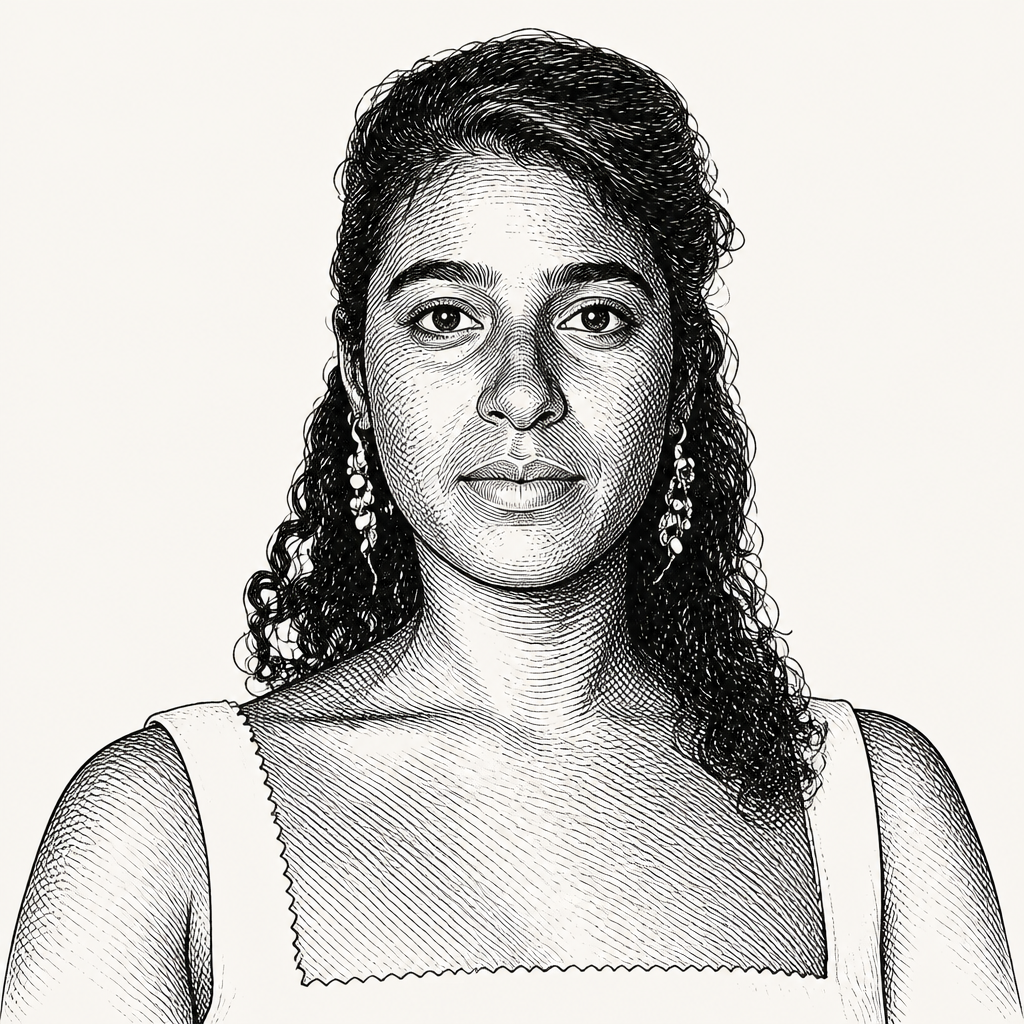
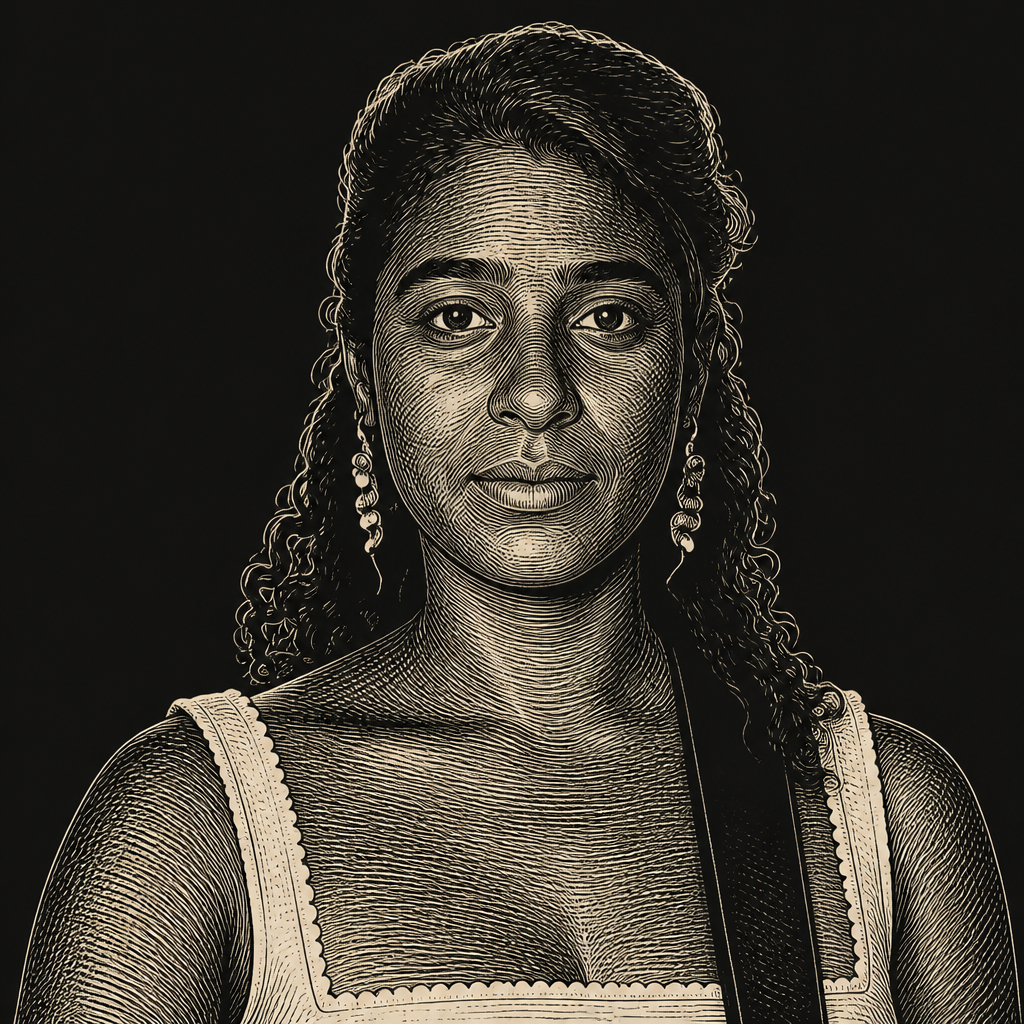
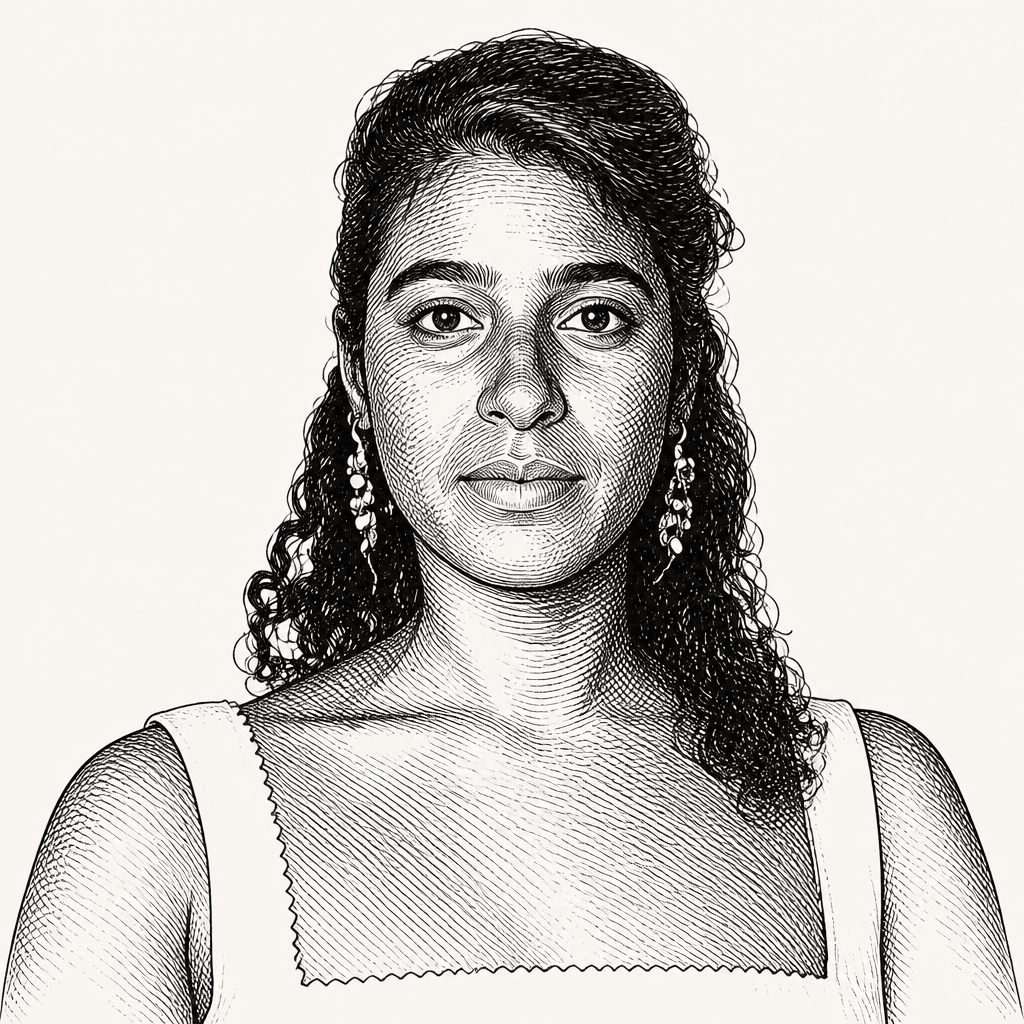 Leyla McCalla
 Lara Downes
 Joshua Redman
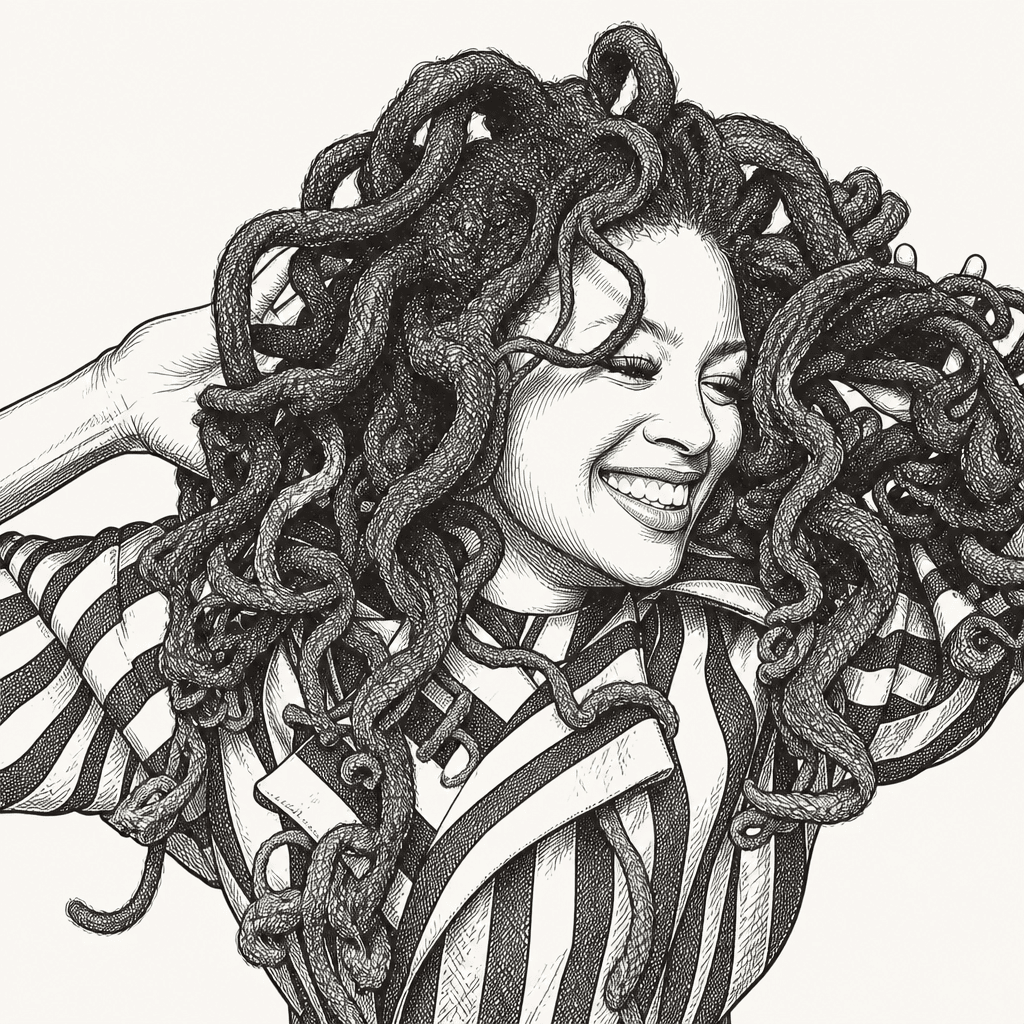 Valerie June
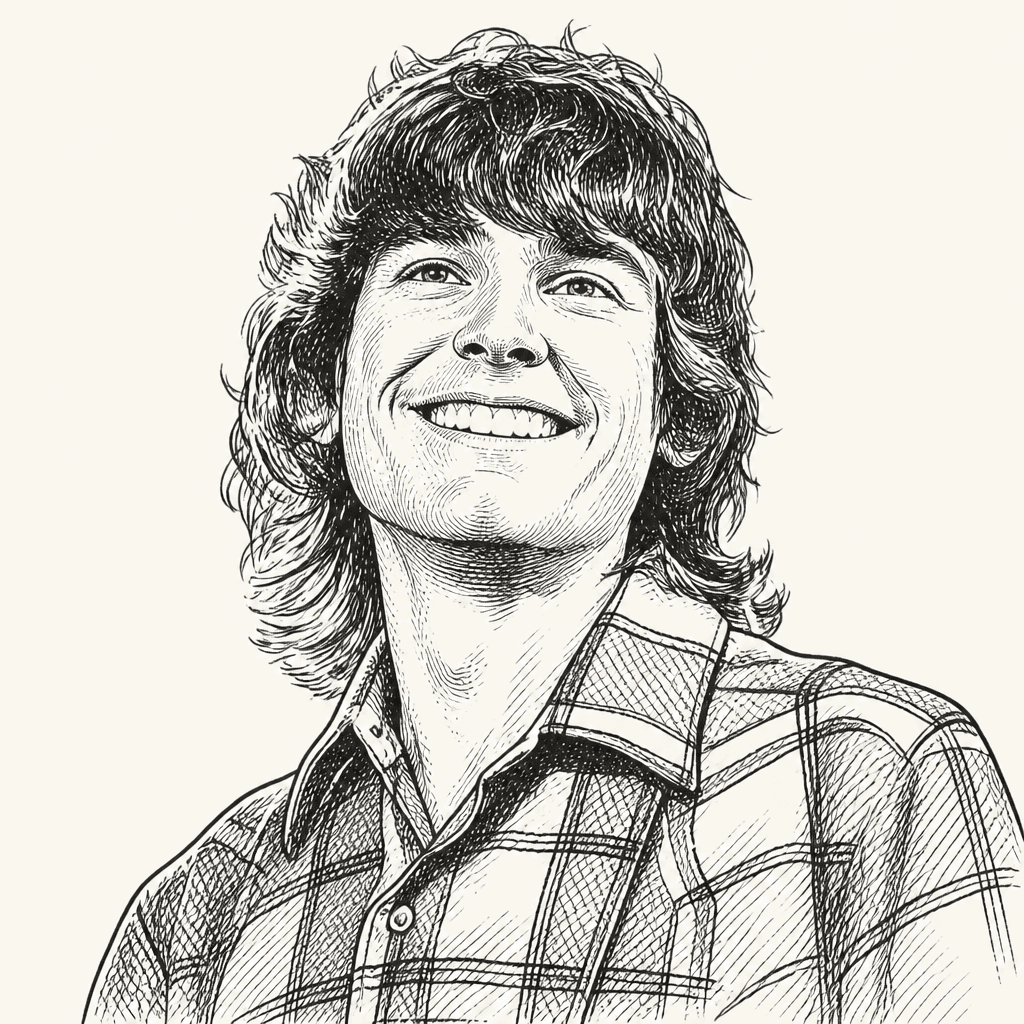 Wyatt EllisNathaniel RateliffThe Aspen InstituteTuesday, June 30, 202616 min read
Pianist Lara Downes frames “Hold These Truths,” an Aspen Ideas Festival performance marking America’s 250th anniversary, as a search for America through song rather than a patriotic retrospective. With Leyla McCalla, Valerie June, Nathaniel Rateliff, Joshua Redman and Wyatt Ellis, she argues that American music carries the country’s contradictions by changing as people migrate, borrow, adapt and reinterpret. The program treats spirituals, Creole songs, ragtime, jazz, bluegrass, contemporary songwriting and “Amazing Grace” as evidence that inherited songs stay alive not by remaining fixed, but by being remade.
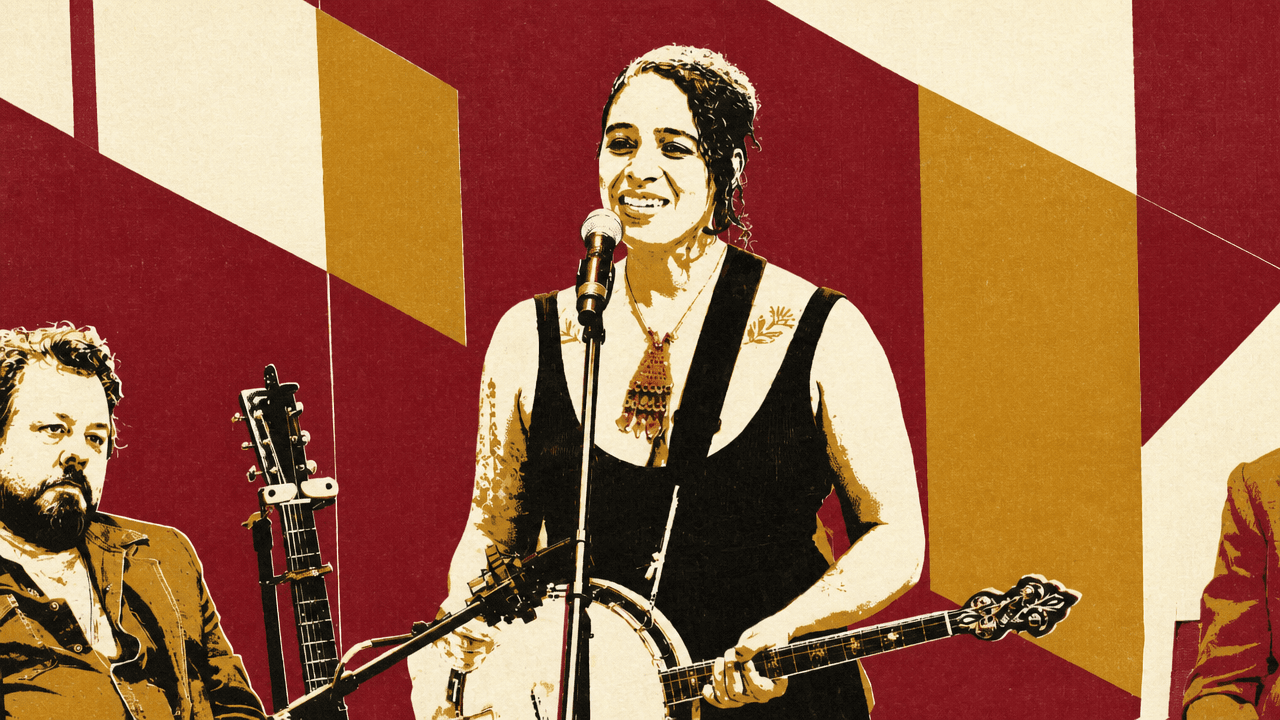
American music is treated as motion, not a museum
Lara Downes frames American song as a way of “looking for America,” borrowing the phrase from Paul Simon’s 1964 road trip song and placing the evening inside a search rather than a settled inheritance. Her claim is not that American music offers a clean national story. It is that music has carried the country’s contradictions from before the United States existed, changing as people moved, were forced to move, borrowed, adapted, commercialized, remembered, and reinterpreted.

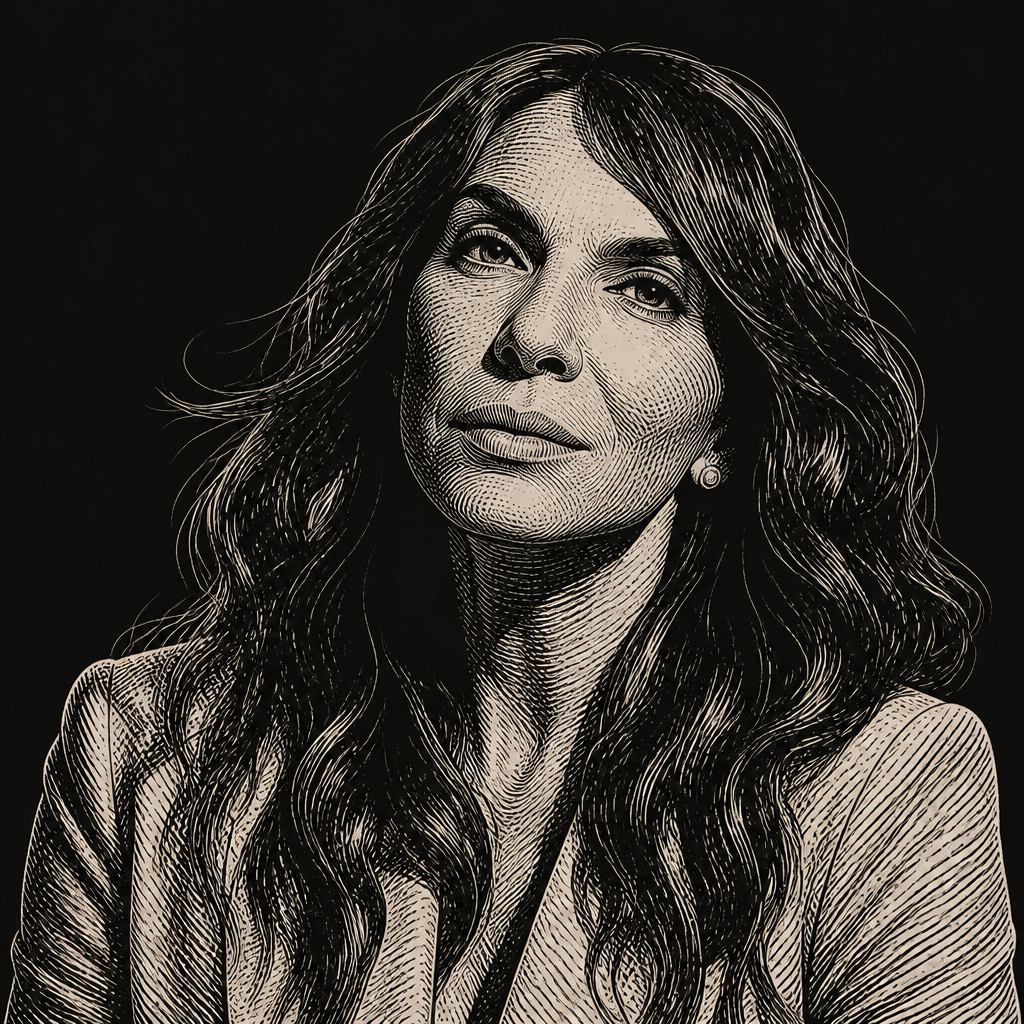
The premise is ambitious by design: 250 years of American history in music, with many omissions openly acknowledged. Downes describes the artists onstage as coming from “many parts of the American landscape” — New Orleans, Knoxville, Berkeley, Nashville, Denver, and places less fixed. The geography matters because the program treats American music as a network of places, migrations, and encounters rather than a single lineage.
The opening point is explicit: some of the first music created on this soil was the music of enslaved Africans, and Downes says those songs “gave root and rise to so many other traditions.” The first example is “Wade in the Water,” sung by Leyla McCalla. Downes then identifies the arrangement as the work of Margaret Bonds, a classically trained composer working in Chicago from the 1930s through the 1960s. Bonds becomes an early example of the evening’s larger pattern: inherited material is not preserved unchanged; it is transformed into something new.
The thing is about these songs, and about all the music at the beginning is things changed so fast.
That transformation is the thread Downes returns to repeatedly, and she attaches it to specific repertories rather than to a vague idea of cultural change. Spirituals become art songs in Bonds’s hands. Creole songs become commercial recordings, singalongs, and bridges to New Orleans rhythm. Ragtime, in Downes’s account, joins African rhythms with European salon idioms and is quickly overtaken by jazz. A Scott Joplin score opens a path to the mandolin orchestra. “What a Wonderful World” moves from Louis Armstrong into film scores, television commercials, and individual private meanings. “Amazing Grace,” described in the closing remarks as predating the Declaration of Independence by a few years, is presented as one of the country’s oldest and most deeply traveled songs, a work “handed off among traditions and among generations” that surfaces when needed.
The argument is less a chronology than a way of hearing. American song, as Downes and the other musicians describe it, keeps moving through people, instruments, languages, arrangements, and performances. Its history is not only what was written, but what was carried forward and changed.
The beginning is not singular: spirituals, Creole migration, and New Orleans as a meeting place
The early material centers on Black musical creation, but it does not reduce that creation to a single source. After “Wade in the Water,” Leyla McCalla turns to New Orleans and Creole song to show how quickly traditions were already crossing borders, languages, and histories.
McCalla begins with her own position inside those crossings. She is a classical cellist who says she never expected the banjo to carry her this far, yet she stands onstage with a tenor banjo, an instrument she first took up in New Orleans because she wanted to learn New Orleans jazz. That led her to a broader understanding: New Orleans music reflects “the world that made New Orleans.” She cites a book by that title as formative because of its treatment of the Haitian Revolution, which carries personal weight for her: her family is from Haiti.
I've come to understand that New Orleans music, um, you know, is such a reflection of, um, really the world, the world that made New Orleans.
The historical claim she emphasizes is that Haiti was “the first independent Black nation in the Western Hemisphere” and “the first nation to establish its sovereignty on the abolition of slavery.” From that point, she asks what this means for her as a musician in 2026. Her answer is not a lecture but an archival and musical practice: she has spent time looking for old Creole songs from Haiti and Louisiana, trying to piece together the migration from Saint-Domingue to Louisiana.
What gets left out, she says, is the scale of migration during the Haitian Revolution in the late 1700s. The songs preserve traces, but not transparently. McCalla stresses uncertainty: “we’ll never exactly know” which parts of language were translated or carried forward. She notes that there are seven types of Creole in the world, including Haitian Creole and Louisiana Creole.
We'll never exactly know like, you know, what, what language, which pieces of the language were, were translated.
Her performance of “Eh La Bas” is therefore described as “hybridized,” learned from Lizzie Miles’s 1940s recording, and connected to a moment when the song began to become more commercialized. McCalla teaches the audience the refrain — “Eh la ba,” “Eh la ba, cheri,” and “Comment ca va?” — before singing a Creole text that moves through food, kinship, street references, and then into “Iko Iko” language: “Iko, iko, iko, iko, an day / Jock-a-mo fee no ah na nay.”
The singalong matters because it turns linguistic hybridity into participation. The song is not treated as a fixed artifact. It is shown as a living composite in which Caribbean, Louisiana, African diasporic, and commercial recording histories sit together.
Downes calls the result “musical gumbo.” The metaphor is casual but central to the program’s account of New Orleans: the point is not purity but mixture, and not mixture as abstraction but mixture produced by revolution, displacement, enslavement, language, and city life.
The instruments carry migration histories of their own
The program does not treat songs alone as historical objects. Instruments are presented as carriers of migration, adaptation, and memory. Downes draws attention to the stringed instruments onstage and says they “really tell the story of American music” because they came from many places and evolved after arriving.
Wyatt Ellis begins with the mandolin. He says it began in Italy, with bowl-back mandolins and mandolin orchestras, and describes a craze in the early 20th century. He also mentions a mandolin orchestra group called The Spanish Students, which he calls “a complete novelty act.” From there, in his telling, immigrants brought the mandolin to the United States. In the mountains, he says, immigrants played old-time fiddle tunes on it. Then, in the 1920s, Bill Monroe found one and created what is now known as bluegrass.
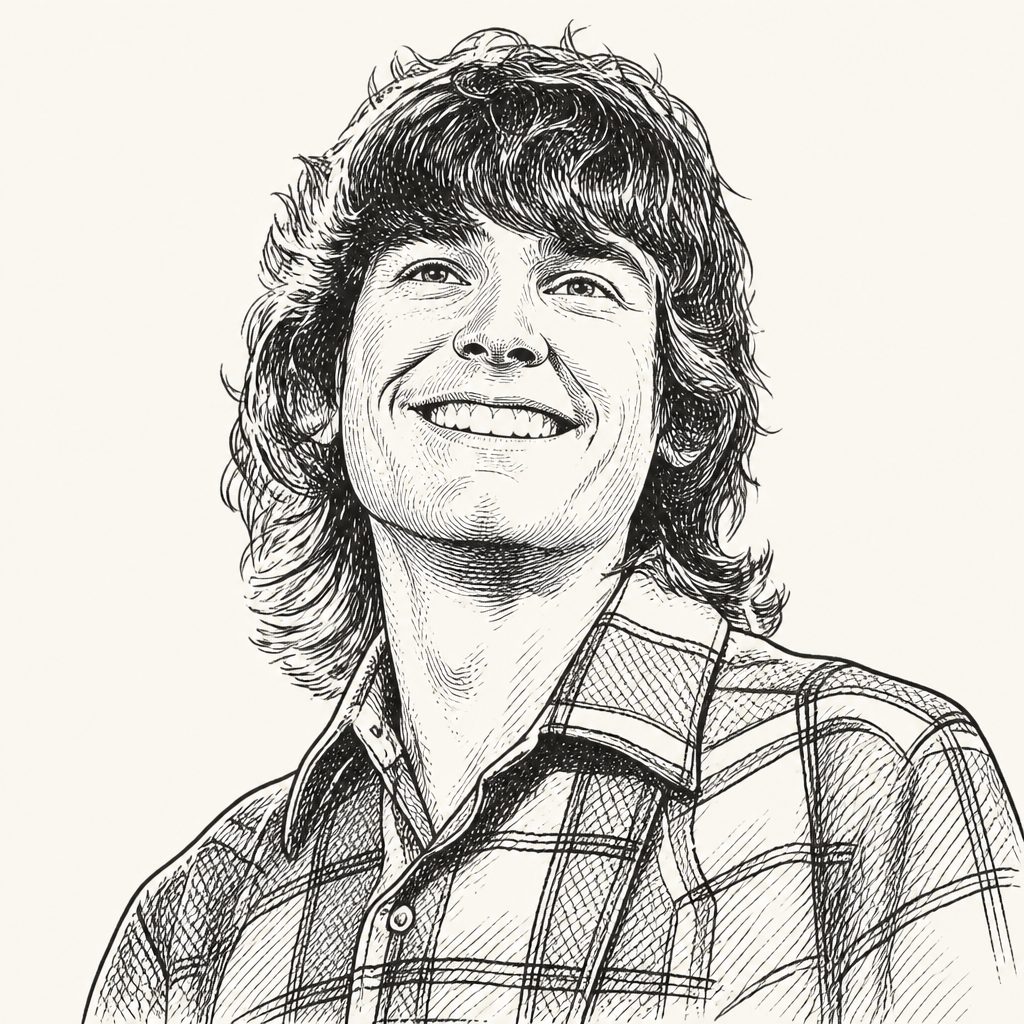
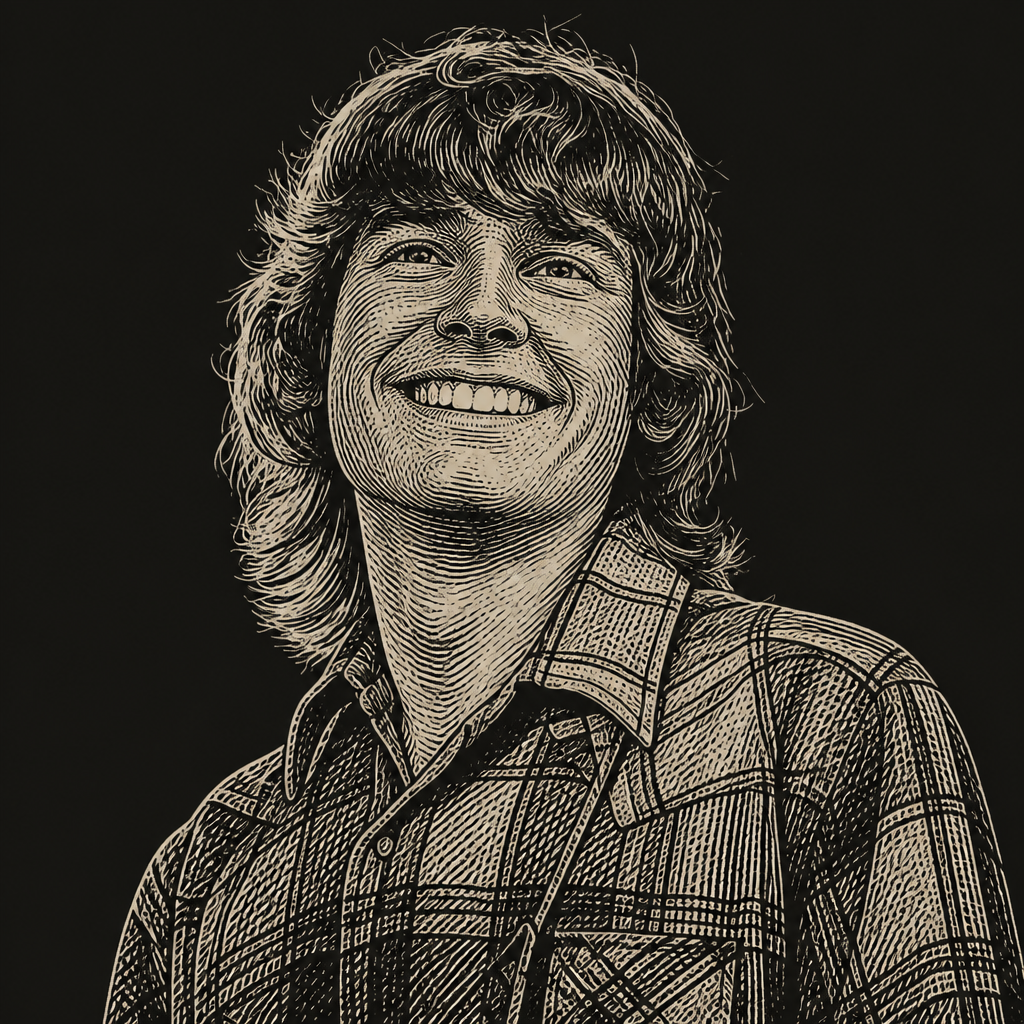
Ellis’s demonstration is an old Irish fiddle tune, “Paddy on the Turnpike,” which he says came along with the mandolin, was later found by Monroe, and became a standard tune in the United States. The instrument’s story, in his telling, is not linear from Italy to bluegrass; it passes through novelty performance, immigrant music-making, fiddle repertoire, and the Appalachian setting where bluegrass emerged.
Downes ties the mandolin directly to Scott Joplin. She describes ragtime as one of the fastest stories in American music: a late-19th-century meeting place of African rhythms and European salon music that is largely over by the early 1920s as jazz takes over. Joplin, born in Texarkana, wanted to be a classical composer, Downes says, but became known as the King of Ragtime. While preparing a Joplin recording, she noticed that the score of “The Entertainer” was dedicated to “James Brown and his Mandolin Orchestra” — not the later James Brown, she adds — and, according to her account, learned that mandolin orchestras had been a real phenomenon among German immigrants. That discovery led her to “invite the mandolin into ‘The Entertainer,’” with Ellis joining her for what she calls a “strange and surprising” version.
The tenor banjo passage requires care because the transcript attribution is tangled. The source attributes the passage to Valerie June, but the speaker describes a tenor banjo, says “as I mentioned before,” and refers back to Leyla’s earlier comments — details that sit more naturally beside McCalla’s own discussion of the tenor banjo. The substance of the passage is still clear: the tenor banjo is distinguished from the five-string banjo and the plectrum banjo; it is described as having functioned as “the drum,” or rhythm section, in old brass bands; and it is connected to a much older West African instrument brought through slavery. The same account notes the instrument’s material evolution, with metal strings replacing gut strings and a banjo head descended from a goat-skin head. The demonstration attached to that history is the New Orleans tune “Sweet Substitute.”
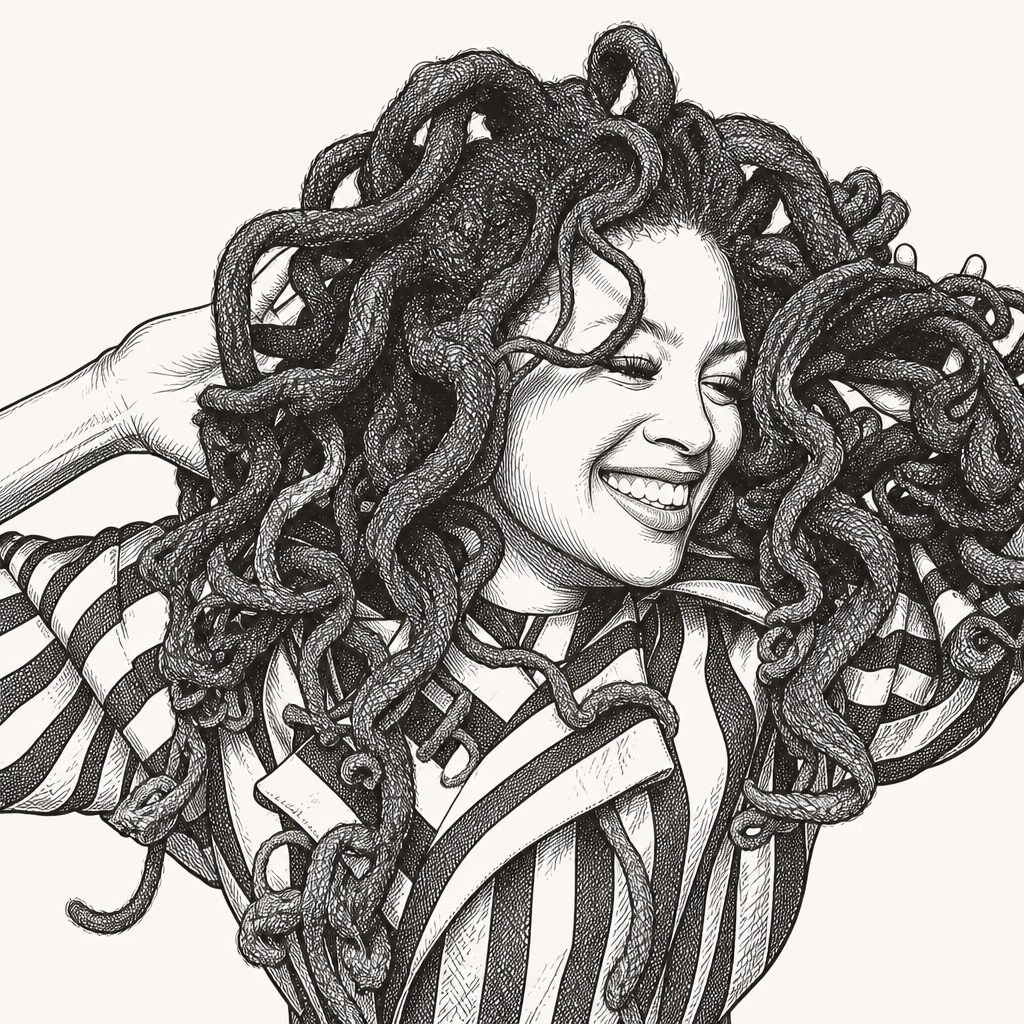
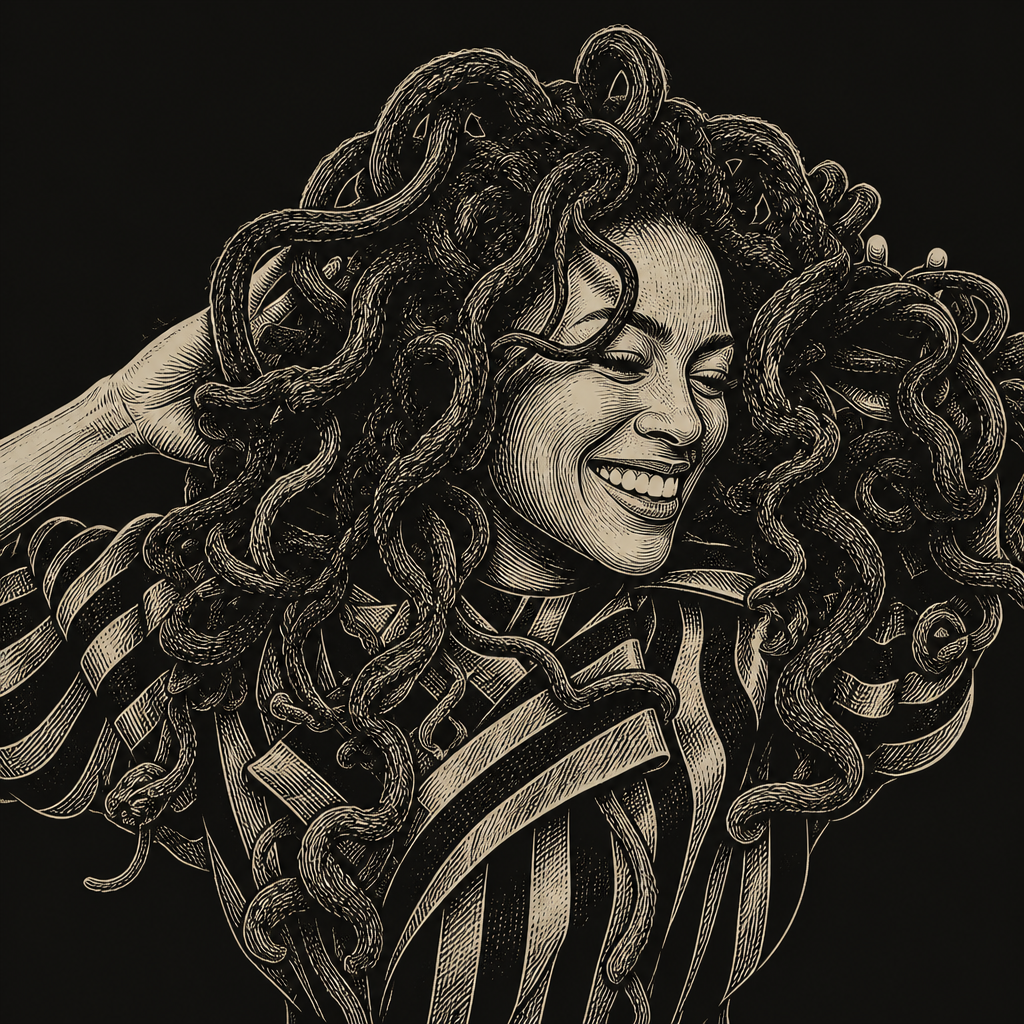
June then speaks unmistakably in her own idiom about what she calls “the baby,” a small banjo-like instrument she initially dismissed as a toy. She distinguishes it from her larger five-string banjo — “the mama” — and says the baby came from Hawaii. What draws her to it is its bright banjo tone combined with “the ease of a ukulele.” The instrument, in her account, insisted on being used: after sitting dusty, it seemed to say, “I want to sing,” and claimed it could sing like Beyoncé or Aretha. June uses it for “Goodnight Irene,” which she identifies as a traditional song originally written by Lead Belly.
Nathaniel Rateliff offers the guitar history with comic understatement, joking that Jimi Hendrix invented it in the mid-1960s before asking whether it originated in Spain. His more serious point is not provenance but use. He thinks of the guitar as a tool for a songwriter, just as a piano or another instrument might be the tool for someone else. He also says instruments carry “the magic of the previous owner,” which is why he likes to find instruments that speak to him.
For Rateliff, the guitar’s history is partly embedded in its harmonic utility. He says the C chord shape always resonates with him. C, F, and G can lead to “Hank Williams,” old traditional songs, or John Prine, who, in Rateliff’s account, could write many songs with a capo and those basic chord shapes. He demonstrates with a fragment of a John Prine song. In that small example, the instrument becomes less a museum object than a portable set of possibilities.
Optimism is presented as work done under pressure
Downes makes one of the evening’s clearest interpretive claims after Valerie June sings “What a Wonderful World.” She notes that the song has had a specific life and then moved widely — into film scores, television commercials, and personal memory. Each listener, she says, likely carries a unique and specific relationship to it.
June’s setup for the song makes the optimism inseparable from history. She begins with a poem about the “blank page” of each day, recalling that her grandmother and mother told her that when she woke in the morning she had a blank page and could do whatever she wanted with it. She says she still believes that, though it has dimmed as she has gotten older and she has to work on waking up believing in magic, wonder, imagination, beauty, and the ability to create the world.
Then she situates the song through the experience of one of “America’s finest artists,” who often had to enter venues through the back because of the color of his skin. Downes later connects the song explicitly to Louis Armstrong. June says she walked through the front of the Aspen venue — and through the front of many venues — not because she is “pretty,” but because people believed in a beautiful world and worked together every day so she could live freely.
I walked through the front of this venue, and many venues, every venue, because I'm pretty? No. Because people believed in a beautiful world, and they worked hard and they worked together every single day so that I can live so free.
That sentence sharpens the song that follows. “What a Wonderful World” is not offered as denial of history. It is gratitude built on the labor of others, including those denied the dignity the song imagines. June’s poem asks what a person will do with one day, one hour, one blank page; the song answers with trees, roses, blue skies, babies growing, friends shaking hands, and the line that people saying “how do you do” are really saying “I love you.”
Downes then broadens the point. She says she has been thinking about how “all of these joyful, happy, beautiful songs” were created in hard times. The Great American Songbook came into being during the Great Depression and the war years. “Somewhere Over the Rainbow” was written in hard times. “What a Wonderful World” belongs to the same pattern. Downes suggests that this may be part of music’s job: “to inject and insist upon optimism,” giving people the energy and possibility to imagine that the sun will come up tomorrow.
I think I'm understanding that this is part of the job, maybe, is that the job of music is always to inject and insist upon optimism and give people the energy and the possibility of imagining that, you know, the sun will come up tomorrow.
The surrounding examples keep the pressure visible: enslavement, revolution, migration, racism, depression, war, poverty, rural exclusion, and the need for redemption. The insistence on beauty is credible in the program because beauty is repeatedly placed beside the conditions that made it necessary.
Jazz turns inheritance into a live decision
Joshua Redman enters the program as the lone non-string instrumentalist, joking that he is “the imposter” and asking whether he can strap a string onto the saxophone. The joke lands because the stage has been full of instruments whose histories were already made audible: Ellis’s mandolin carrying Italian, immigrant, old-time, and bluegrass paths; the banjo tied to West Africa, New Orleans brass-band rhythm, Haiti, Louisiana, and Hawaii; Rateliff’s guitar reduced to a songwriter’s tool that can still hold previous owners’ “magic”; Downes’s piano bringing Joplin into contact with the mandolin orchestra named on the score.
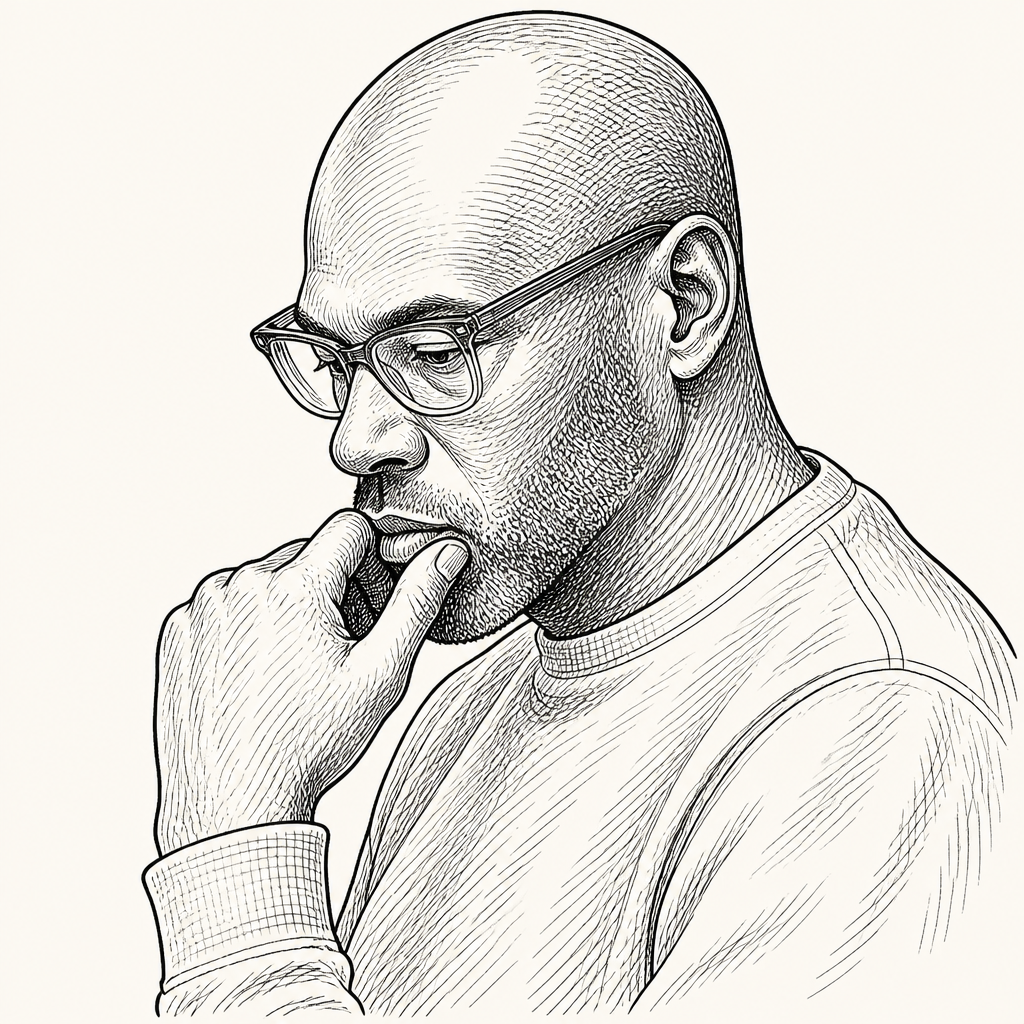
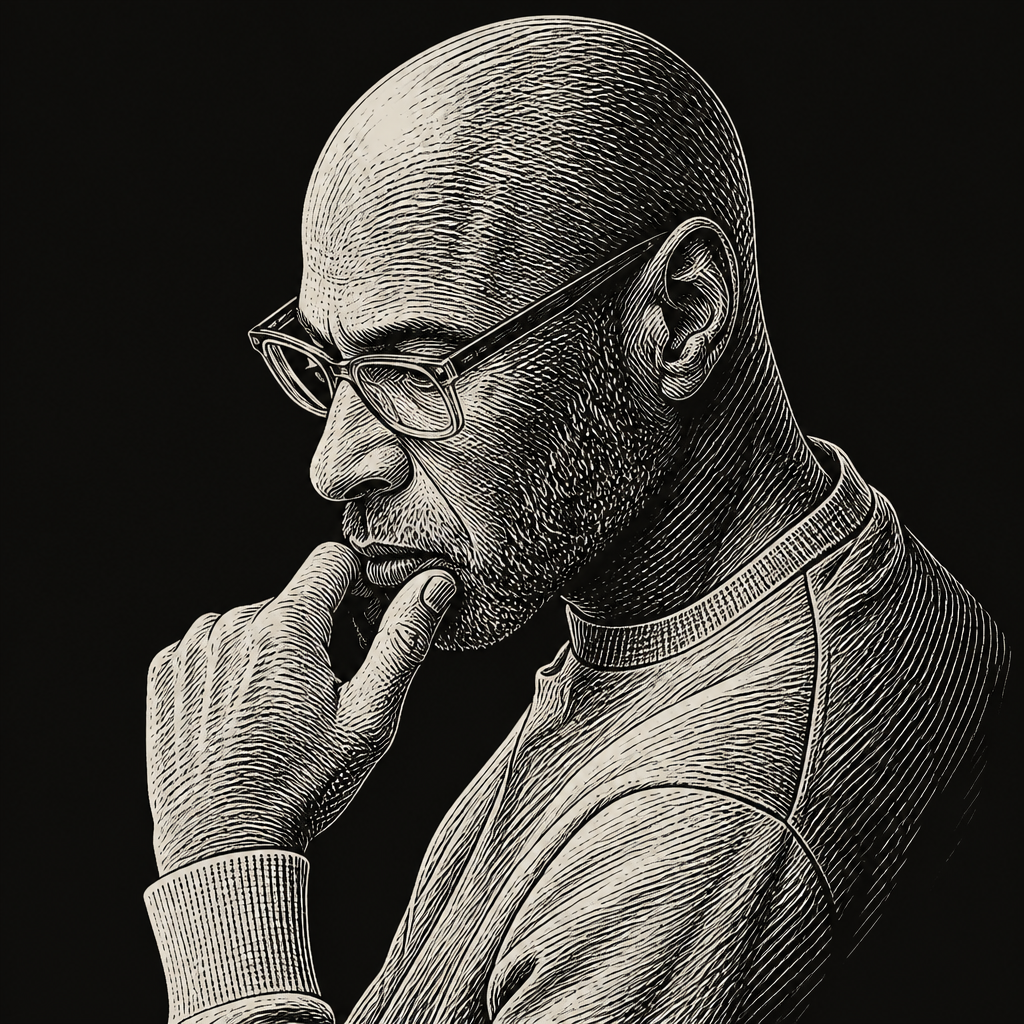
Downes uses Redman’s presence to open a related but different question: how does inherited music become new in performance? The discussion begins with “What a Wonderful World” leading back to Louis Armstrong and jazz. Downes says she and Redman had exchanged late-night texts trying to identify the most iconic song of the Great American Songbook, only to go too deep into the question and not settle on a single answer. She also says she does not think Armstrong would have regarded “What a Wonderful World” as his main legacy.
The song they choose to play together is “Stardust,” and Downes frames Redman’s interpretation as an event that cannot be repeated exactly. The past brings musicians to the present, and the present takes them to the future, she says; everything they have played and known becomes a foundation for building something new. Redman’s “Stardust” is therefore not just an old standard revisited. It is an example of an interpretation that has never existed in precisely that form before.
The exchange about wrong notes turns that idea into a practical philosophy. Downes recalls the pianist Monty Alexander telling classical pianists in a jazz masterclass: “The first thing you need to know about jazz is there are no wrong notes.” Redman extends the idea: “You’re always a half step away from the right note. Just have to find the most artful way to get to it.” Rateliff jokes that if he plays something wrong, he just says, “that’s pretty jazzy.”
The humor does not erase the seriousness of the claim. Jazz is presented as a discipline of motion: a musician receives a song, makes a choice in the moment, and then has to live with the next choice that choice creates. A wrong note is not simply ignored; it becomes the beginning of a path toward another note, if the musician can make the path artful.
That philosophy echoes the larger pattern Downes has been tracing. American music, in this account, does not keep the past intact by freezing it. It keeps the past active by moving through it — through a Bonds arrangement of “Wade in the Water,” McCalla’s hybrid “Eh La Bas,” a mandolin-inflected “Entertainer,” June’s historically weighted “What a Wonderful World,” and Redman’s one-night version of “Stardust.”
The present-day songs keep the historical frame personal
The contemporary original songs do not leave the historical frame behind. They bring its claims into personal language: attention, trust, poverty, growth, and the unfinished work of redemption.
Valerie June introduces “Trust the Path” as a song that came after a conversation with mindfulness teacher Jon Kabat-Zinn. Its opening phrase, “entering the science of my mind,” surprised her because “science” felt like a strange word to have in a song. But she connects it to the difficulty of living magically, believing in beauty, and focusing on optimism and positivity in dark times. Her conclusion is blunt: sometimes “you got to go blind, jump in, and trust the path.”
The song itself repeats that injunction: “You got to trust the path, I lonely point the way.” Its imagery stays close to the inner life — rings awakening shine, “the deepest hue of blue,” silence, windows of time, paths that “only point the way.” June does not present trust as certainty. The lyric’s repeated “point the way” suggests limits: one person can gesture, accompany, or orient, but cannot walk the path for another.
Nathaniel Rateliff introduces “Redemption” through a film he had been asked to write for. The film, as he describes it, centers on a young non-binary child growing up in poverty in rural America. An unlikely caretaker enters the child’s life: a man just out of prison who helps the child understand theirself and their journey, allowing the child to be whatever they want to be. Rateliff says that is hard in rural America and “hard to do anywhere.”
His connection to the story is both social and personal. He related to the child’s poverty, and he also saw the possibility of change in the adult caretaker. “Not all villains are villains,” he says. Before performing, he expands the point: music is another language, another way of expressing humanity outside ourselves, and artists interpret the world they see. In trying to interpret the world of the child and the changing man, he saw in himself “room to grow.”
For Rateliff, redemption is not an arrival. He says there is “no end” and “no arrival”; awareness is only where a person is “that day in that moment,” and the hope is that it continues to grow.
There really is no end, there is no arrival. Um, and our awareness is only where we are that day in that moment. And hopefully that continues to grow.
The lyric follows that unsettled understanding: “Are you worthy of being saved,” “redemption seems far away,” “I’m a stumbling through every day,” and the repeated plea, “Just set me free.” The song closes by returning again and again to the line “to keep running till we learn to find peace,” making peace something pursued rather than possessed.
These songs sit naturally beside the older repertoire because the program has already defined American song as a medium of change. June’s trust and Rateliff’s redemption are contemporary versions of the same work: finding language for uncertainty, harm, aspiration, and the possibility of becoming otherwise.
“Amazing Grace” closes the arc because redemption is the oldest through-line
The closing remarks connect Rateliff’s “Redemption” to “Amazing Grace,” described as one of the oldest songs in the American story and as a song that predates the Declaration of Independence by a few years. The speaker says redemption is at its core and that it has traveled “the most deeply” through American history, being handed off among traditions and generations and surfacing when needed most.
That description makes “Amazing Grace” the structural endpoint of the program’s argument. It is old enough, in the framing offered onstage, to sit before the nation’s founding; flexible enough to cross traditions; familiar enough for communal singing; and thematically direct enough to gather the evening’s recurring concerns: loss, blindness, fear, relief, endurance, and grace.
The chosen verses emphasize transformation and duration. “Was blind, but now I see” sits beside an evening preoccupied with old songs becoming newly visible and newly usable. “Grace my fears relieved” resonates with June’s insistence on beauty in dark times and Rateliff’s plea to be set free. The final verse — “When we’ve been there ten thousand years / Bright shining as the sun / We’ve no less days to sing God’s praise / Than when we’ve first begun” — stretches the evening’s time scale beyond 250 years.
The program begins with the impossibility of fully telling American history in music and ends with a song whose own life exceeds any single performance. The point is not that music resolves the country’s complicated narratives. It is that music can hold them in motion: grief given form, migration turned into rhythm and repertoire, error turned into improvisation, and inherited songs made new because each generation has to sing them from where it stands.