Health Equity Is Economic Infrastructure for Local Communities
 Canaan Duncan
 Peggy ClarkBarbara O'Brien
 Kim Henderson
 Susan SavageAtticaRay Sanchez
 Jabraan PashaThe Aspen InstituteTuesday, October 27, 202615 min read
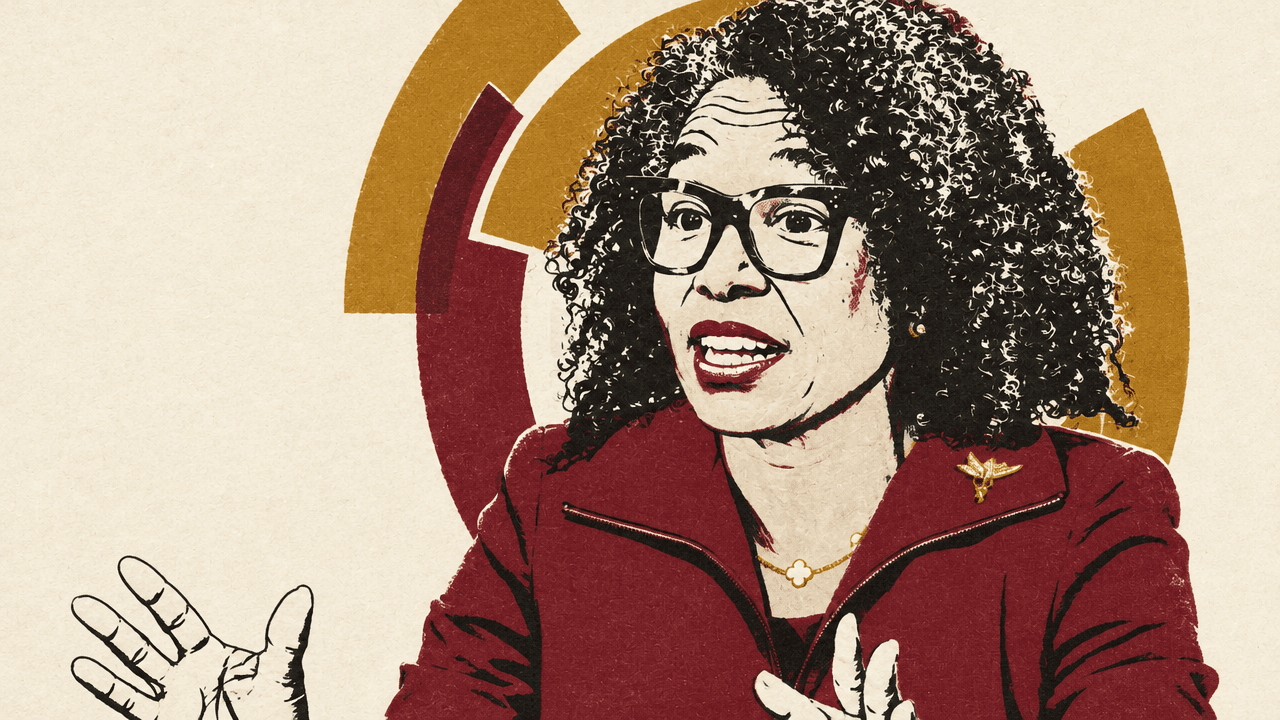
At Aspen Ideas: Economy in Tulsa, Tulsa health adviser Jabraan Pasha argued that health and economic opportunity shape one another: income and neighborhood conditions affect health, while health influences people’s ability to learn, work and participate in the economy. Alongside Morgan Stanley’s Kim Henderson and Cherokee Nation deputy secretary of state Canaan Duncan, Pasha made the case for treating investments in food access, transportation, childcare and community spaces as part of building healthier communities and expanding economic mobility.
Health investment is economic infrastructure
Health and wealth are not separate policy outcomes. Health depends on more than medical care, while economic opportunity depends in part on whether people are healthy enough to learn, work, and live independently. That makes transportation, food access, childcare, safe public spaces, and community institutions part of the conditions that shape health—and of the conditions in which economic activity takes place.
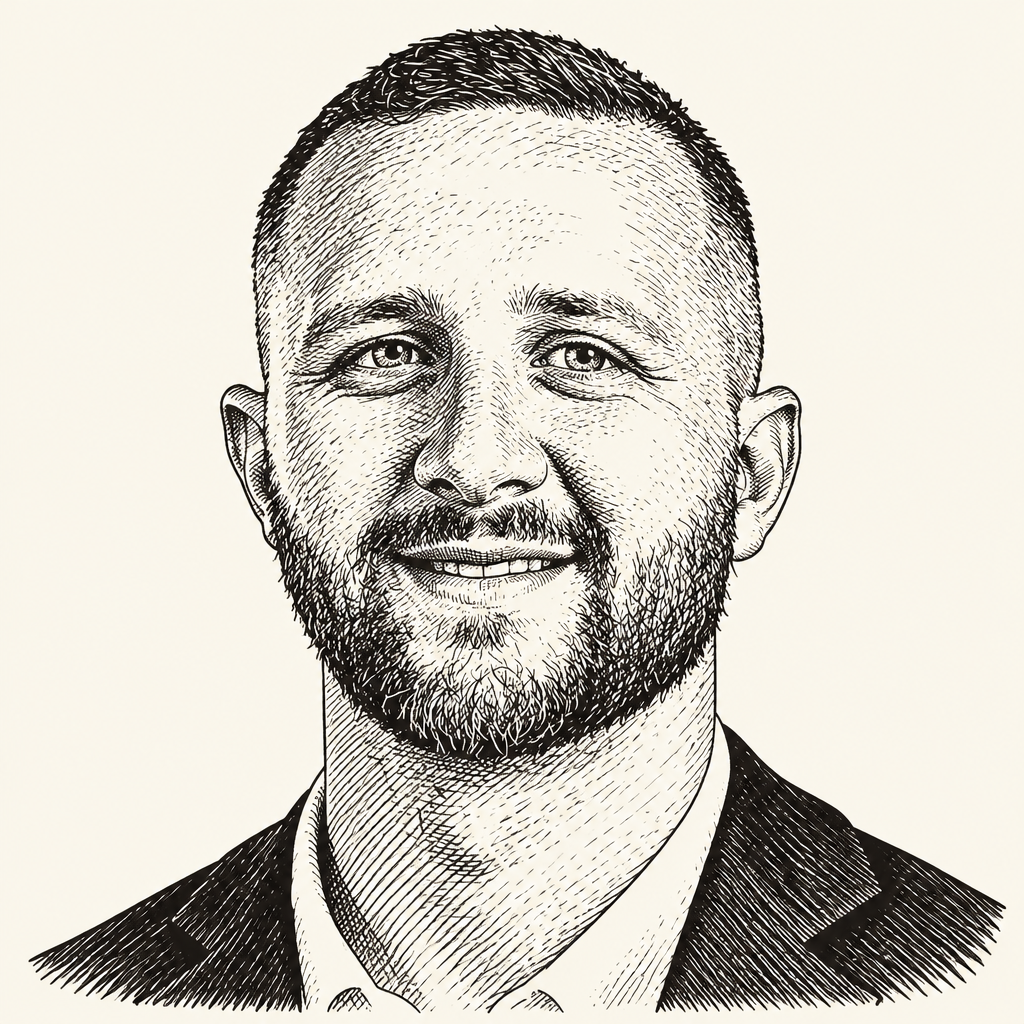
Jabraan Pasha made the reciprocal case. Housing and food access affect health, he said, but the amount of money people can access has an especially large effect. He pointed to the Whitehall Study in the United Kingdom, which he described as a study begun in the 1960s and followed for 40 years. In his account, researchers followed people in the same community, where access to healthcare was equal, and found health disparities: the people who made the most money had the best health outcomes. Pasha used the study to argue that wealth is not merely a consequence of health; it can shape health, too.
He also argued that health inequities carry an economic cost. Pasha cited Deloitte estimates that inequities cost the United States about $300 billion a year, could cost $1 trillion by 2040, and that meaningful improvements in disparities could add $2.8 trillion to GDP by 2040. He said advocates need to make that economic case alongside the moral one. When an audience member asked where the money associated with inequities goes, Pasha said much of it is healthcare-related, including insurance premiums and hospital costs, and is generally extracted from the communities with the greatest need.
Pasha said life-expectancy gaps show only part of the loss. He cited an 11-year gap between a North Tulsa zip code and one in South Tulsa, and a 20-year gap between parts of Chicago. But life expectancy does not account for years lived with disability, chronic disease, or mental-health conditions. He pointed to disability-adjusted life years, or DALYs, as a measure that can account for disability and make lost years of productivity more visible.
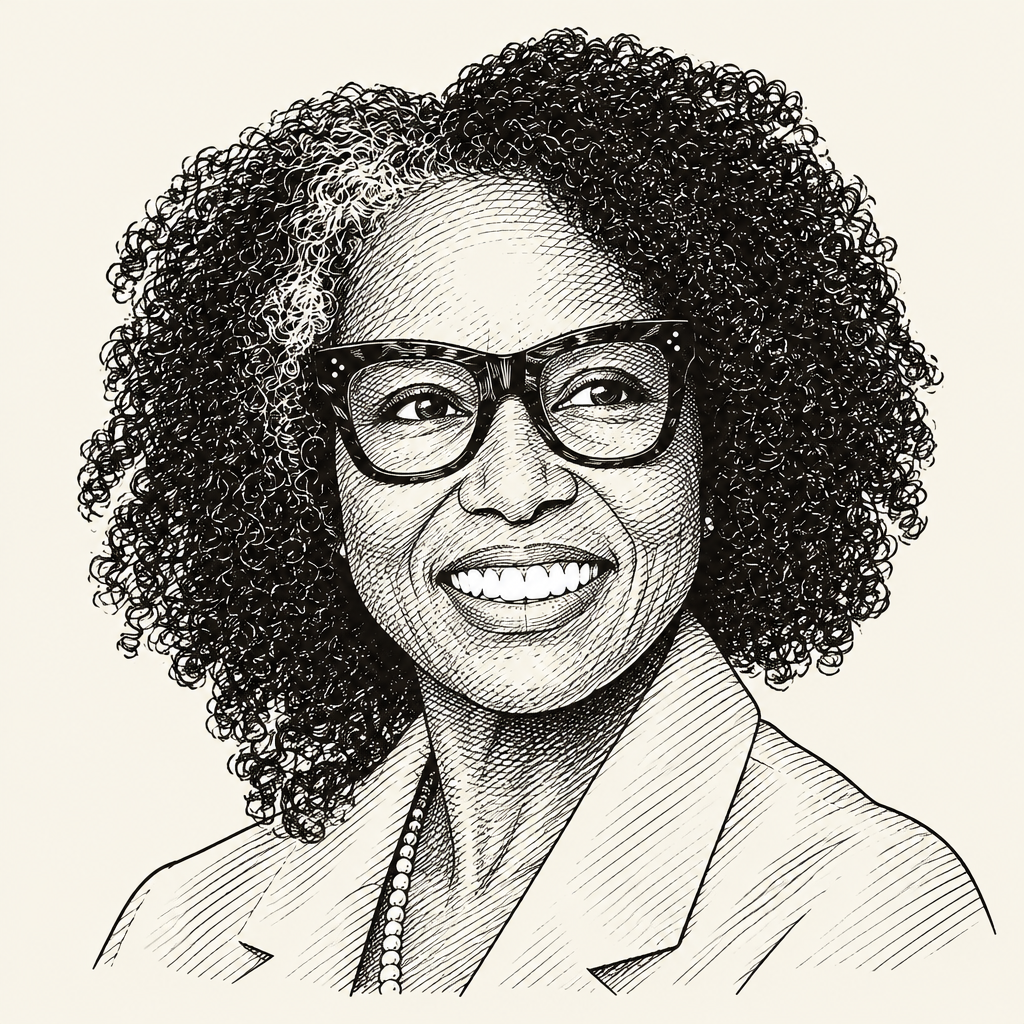
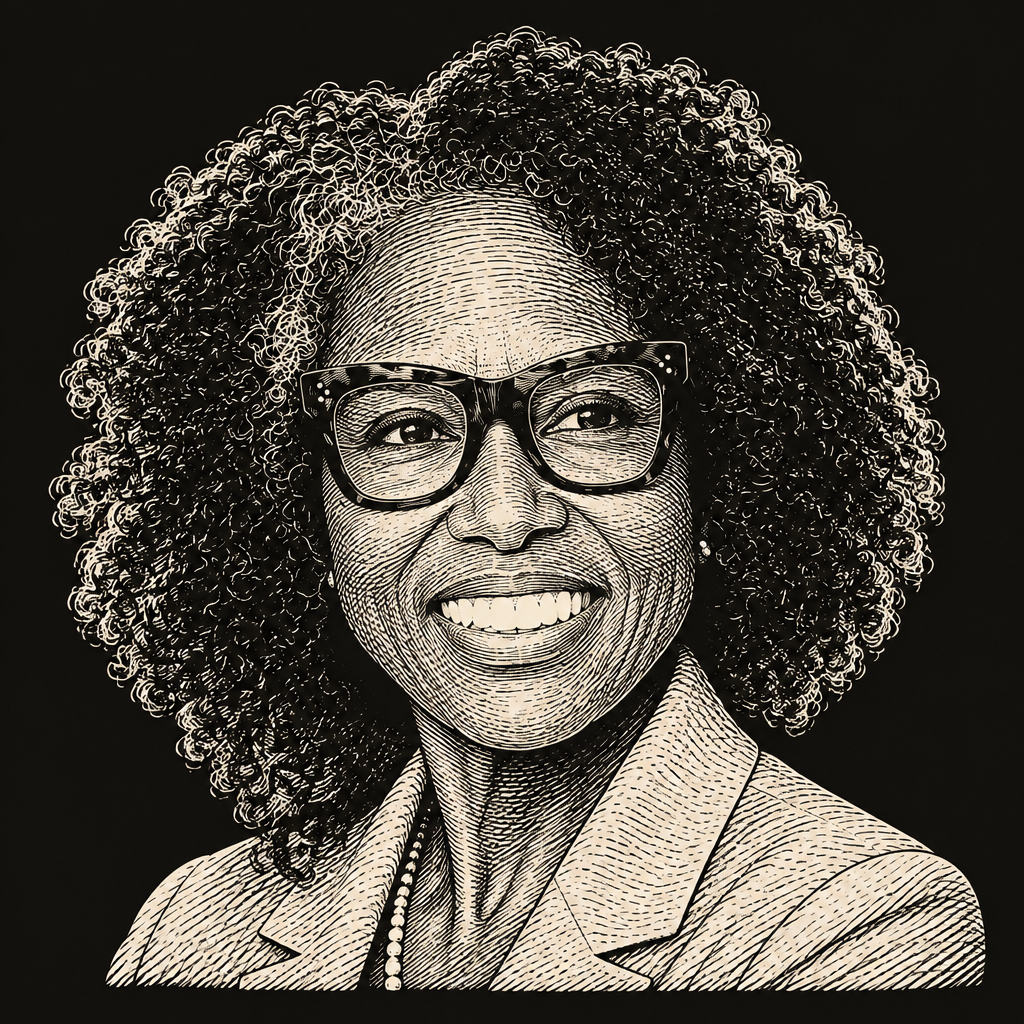
The speakers described health as something produced beyond healthcare delivery. Kim Henderson defined health through the World Health Organization’s framing of physical, mental, and social well-being, not merely the absence of disease. Healthcare, she stressed, is not the same as health. People spend most of their lives outside a doctor’s office, where access to healthy food and green space, among other conditions, also matters. In Henderson’s view, healthy children are better positioned to do well in school, healthy adults to be productive at work, and healthy older people to remain independent longer.
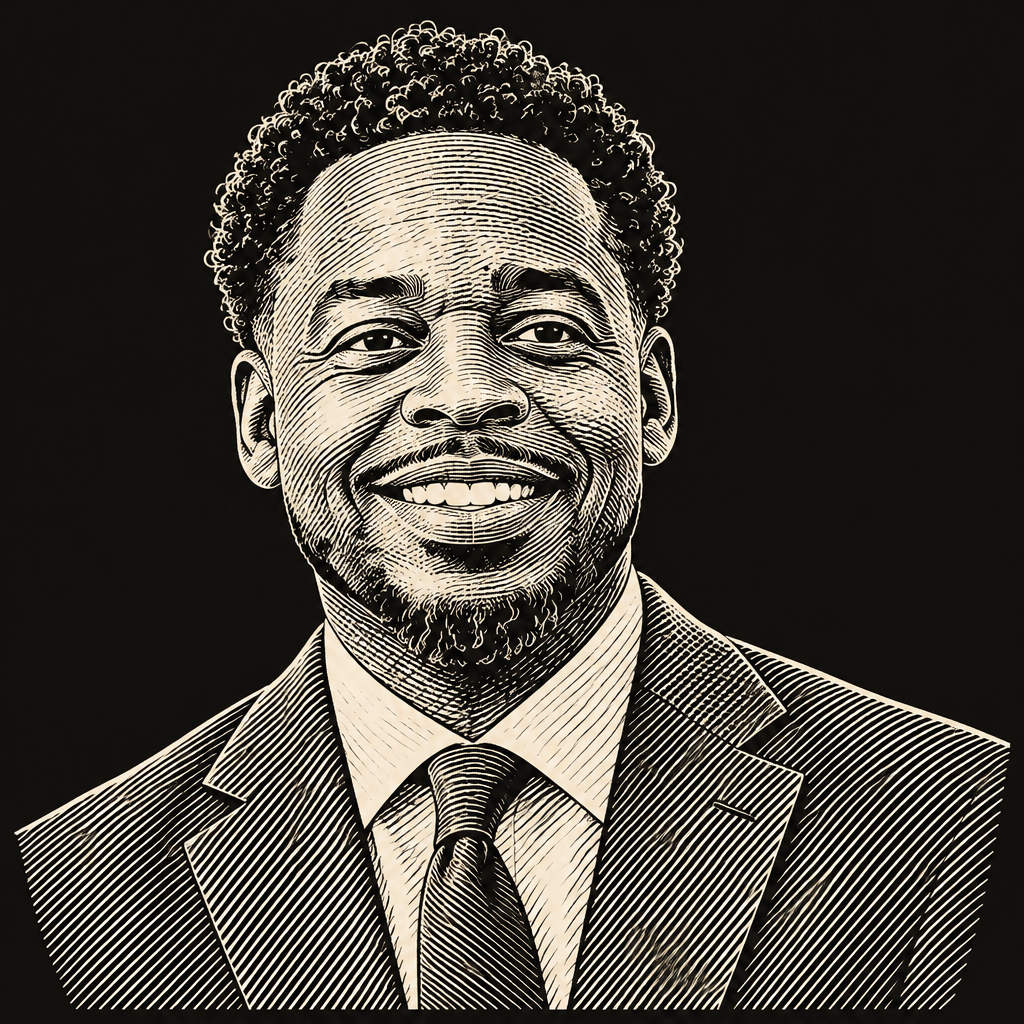
Canaan Duncan described a related breadth through a Cherokee understanding of wellness. He explained that tohiwun, a greeting meaning “Are you well?”, asks about more than whether someone is ill. He described the word as rooted in a holistic view of whether a person’s life is cared for and at ease. That understanding, he said, informs the Cherokee Nation’s effort to tailor healthcare and wellness activities to the needs of different communities.
Duncan’s example of a mother weighing a doctor’s appointment against keeping the lights on showed one way economic insecurity can interfere with care. A person may have access to a doctor and still face an immediate financial concern that takes priority. Duncan said access to healthcare and wellness support can reduce people’s worries, and connected that broader well-being to happiness, productivity, and participation in society.
Pasha called access to care a baseline that everyone needs and deserves. His argument was that access alone is not enough: a clinic cannot, by itself, resolve the wider conditions that shape whether people can stay well. The question, then, is not only how to provide healthcare, but how to build communities in which people can use care, maintain their health, and take part in the local economy.
Health equity is wealth.
Tulsa is directing resources toward neighborhoods with the greatest need
Pasha’s account of Tulsa’s Office of Health Equity starts from a distinction between placing services in a neighborhood and changing the conditions that make residents less healthy. After nearly 11 years as a practicing physician in a hospital, he said, he kept asking why some communities were less healthy than others. In his view, adding clinics to neighborhoods with the greatest need would produce relatively little improvement in life-expectancy gaps if the conditions outside those clinics remained unchanged.
He pointed to well-paying jobs, safe places to exercise, and access to fresh food as part of the health infrastructure. In parts of North Tulsa, he said, residents could set out in any direction and encounter a dollar store before a grocery store. Safe exercise, in his description, also depends on whether people can use public spaces without fear of loose animals or criminal activity. These conditions affect the choices residents can realistically make in everyday life.
Pasha helped establish Tulsa’s Office of Health Equity in the Mayor’s Office to bring that wider view into city work. Cities routinely invest in roads, transportation, and utilities to create conditions in which businesses can succeed, he argued. They also need to invest in the people who will work those jobs. A healthy community is part of the economic base a city is trying to build.
The office’s approach is neighborhood-based. Pasha said citywide initiatives can be expensive while producing relatively shallow effects. He compared concentrated investment to using a hand trowel rather than a shovel in hard ground: the area is smaller, but it is possible to reach deeper. The North Tulsa Wellness Initiative reflects that approach. He described it as a $17 million grant involving nine partners, with almost all of the money directed to two adjacent North Tulsa neighborhoods. Pasha called the effort “painfully collaborative” and said the partners had to persuade the funder to support a concentrated, place-based investment.
The Neighborhood Conditions Index is one tool Tulsa uses to decide where to focus. Developed by the city’s planning office, it divides the city into 80 neighborhoods. Pasha said users can find neighborhood-level information including median household income, transportation, average cars per family, racial and ethnic demographics, distance to healthcare, parks, libraries and schools, and public-safety measures such as loose-animal reports. The index gives the city a way to compare conditions among neighborhoods rather than assume that need is evenly distributed.
Pasha said the city identifies neighborhoods doing relatively well and those with the greatest need, and directs investments toward the latter. The point of the index, in his account, is not just to describe disparities but to help target initiatives. He said the office does not expect to focus on citywide initiatives; it plans to direct its work toward neighborhoods with the most need.
The Cherokee Nation’s approach also begins with local priorities. Duncan described two funding mechanisms. The Housing, Jobs, and Sustainable Communities Act authorizes up to $40 million for housing and community infrastructure in three-year cycles. Separately, the Public Health and Wellness Fund, which he said was about $400 million “this year alone,” supports capital investments in health and wellness. Duncan said the Nation keeps the definition of health and wellness broad.
In North Tulsa, Cherokee Nation leaders held town halls to ask residents what they wanted in their area. Duncan said people identified public parks and outdoor green space, as well as access to healthy, nutritious meals each day. A community center built in response includes a senior nutrition site that serves free meals five days a week. It also houses a Cherokee nonprofit that the Nation helped establish and supports financially, and hosts programs including language classes and information from Cherokee Nation departments.
The building has connectivity and is equipped for telemedicine. Duncan said residents might need to see a doctor or lack access to a specialist in Tahlequah; the center can help make telemedicine available. It also provides a place for meals, programming, and community activities.
Duncan emphasized that the project involved acknowledging the history of the Nation’s relationship with North Tulsa. He said the Cherokee Nation had not invested there before. At town halls, leaders told residents that the tribe had failed to be present, even if it had not caused the community’s difficulties. Duncan said that honesty helped build relationships and communicate to children and long-term residents that someone wanted to invest in them.
The Nation is applying a similar approach in other communities, including rural areas. Duncan described plans for a community building, parks, and telemedicine access in a town of roughly 300 to 400 people, with a high concentration of fluent Cherokee speakers and significant health and crime challenges. In communities where buildings are already operating, he said, keeping the doors open and inviting people to sit down, share a meal, and visit can help create a sense of community.
Transportation and care supports determine whether people can use opportunity
The difference between a service existing and being usable came up in examples about medical appointments, work, and family responsibilities. An appointment does not help someone who cannot get there; a job may be inaccessible to a parent without childcare. Transportation and care connect health policy to work, schooling, and family life.
Henderson argued that employers have a substantial influence on health because people spend so much of their lives at work. She described Morgan Stanley’s employees as the firm’s biggest investment and said it was organizing a conversation about the “sandwich generation”—employees caring for children while also helping aging parents. She called them the “panini generation,” because many take on second, third, and even fourth shifts after work.
That framing changes how an employer might respond to absenteeism. Henderson argued that punishing people for missing work does not address why they are absent. The obstacle may be reliable childcare, or a lack of transportation that prevents an employee from reaching an older parent who needs care. In her account, the demands on employees are connected to their health and their ability to remain at work.
Henderson also described transportation as a major barrier to medical appointments. At Mount Sinai, where she practiced, she said missed appointments created costs and made other patients wait longer; transportation was the leading reason patients did not show up. She said Morgan Stanley had worked with Uber to provide rides to and from doctors’ offices.
She contrasted organized, ongoing care from an internal medicine doctor with repeated emergency-department visits for problems such as asthma inhaler refills. Henderson described emergency departments as a disorganized and expensive way to get care. She recalled a New York phenomenon she called the “cabulance,” in which people called an ambulance because they needed a ride to the hospital, not because they needed emergency treatment. For her, the example showed how a transportation problem can affect where and how someone receives care.
The Cherokee Nation’s workforce and transit programs address related barriers. Duncan said the Nation has about 9,000 employees in the region and can directly affect many of them through workplace supports. A child development center was opening beside the Hard Rock Casino, he said, because childcare was a major issue for employees there.
The Nation has also worked with regional public transportation providers. In one passage, Duncan named Pelivan and CATS; in another, he named Pelivan and Cimarron Public Transit. He said the services are available not only to Cherokee citizens but to anyone in the area. Transportation affects healthcare appointments and children’s ability to get to school, he said. Duncan cited a study finding a seven-dollar return for every dollar invested in public transit, offering that figure as an economic argument alongside transit’s practical role in reaching services.
Financial knowledge and capital influence who can build wealth
The panel’s discussion of wealth extended beyond household income and public infrastructure to the distribution of financial knowledge and investment. Henderson said Morgan Stanley focuses on women as clients partly because women are often left out of financial conversations, even as they are likely to inherit wealth over the coming decades. She described the firm’s “The Future is Female” program as a way to address women’s economic role and support women-owned businesses.
Henderson connected investment in those businesses to effects beyond the business owner. She said that where women’s businesses are supported, the wider community and children can benefit. Her examples involved small amounts of capital rather than large financing rounds. She described a microloan of about $318 supporting women in India who remove flowers from water after ceremonies, allowing them to purify more water. She also described women’s businesses that brought bamboo flooring into homes. Henderson said the flooring helped keep food fresher longer and improved conditions for infants.
She also described Morgan Stanley Ventures as looking for small businesses, often abroad, to support. In one example, women brought bamboo into homes where residents had dirt floors. Henderson said that change had implications for food storage and infant health. Her point was that small investments can support a business while also affecting conditions in the surrounding household and community.
Asked how corporations can work with local and state officials to build healthy communities, Henderson said companies need to participate in the communities where they operate. She described Morgan Stanley’s work in New York City schools on financial literacy, which she said is absent from many educational programs. Financial habits form early, she argued, and people cannot learn about financial services they have never encountered.
Henderson drew on her own experience growing up in a poor Black family, where her parents and grandparents did not have a financial advisor. She said she did not know what a financial advisor was until later in life. To change that, she described bringing financial advisors into neighborhoods such as Harlem, including barber shops and beauty shops, to help people make more informed financial decisions. The firm also works in Brooklyn and the Bronx, she said. Henderson described this as pro bono work and part of representing and participating in the communities where the firm operates.
The examples connect financial opportunity to the same local conditions the panel discussed in health: whether people have access to resources, knowledge, and institutions that enable them to make choices. For Henderson, financial literacy and small-business investment are forms of community participation, with potential effects on households and children as well as business owners.
Maternal health and local evidence show where opportunity begins
The audience raised questions about which communities and life stages should receive attention, and what evidence can help make the case. Barbara O'Brien introduced the importance of pregnancy, infancy, and childhood, citing a former Tulsa physician’s observation that the foundation for adult health is laid during those years. As director of the Oklahoma Perinatal Quality Improvement Collaborative, she said her organization works to improve birth outcomes and partners with the Oklahoma Birth Equity Initiative.
O’Brien said one in five women emerges from childbirth and is diagnosed with a perinatal mental-health condition. She urged the audience to consider not only where investment goes but whom it reaches, emphasizing new families. She called for investment that helps women emerge from childbirth and postpartum empowered and healthy in all aspects of health. Her question—how to invest in new mothers—put early family health alongside the panel’s broader account of the conditions that make health and economic participation possible.
Clark raised Black maternal mortality as an example of a health disparity that does not track with income, saying Black women in the United States are three times as likely to die in childbirth. She asked Henderson how that issue informed her thinking about behavioral change and racial and systemic inequities in healthcare. Henderson responded by describing Morgan Stanley’s attention to women as clients, women’s financial roles, and women-owned businesses. Her examples of small-business investment and financial inclusion extended the discussion to economic opportunity for women and the communities around them.
Ray Sanchez, an Aspen Healthy Communities Fellow and founder of Smiles from Heaven, asked what data local leaders should bring to regional stakeholders to secure better access to healthcare and outcomes in Laredo, Texas. He said the medically underserved city has a population of about 380,000 and no children’s hospital, so families must travel 150 miles for treatment. He also mentioned a high rate of leukemia, while saying he did not know whether it was connected to the water.
The question tied local evidence to investment decisions: what information makes a community’s needs visible to stakeholders with resources to respond? Pasha’s description of Tulsa’s Neighborhood Conditions Index provides one example of a city assembling neighborhood-level information—including income, transportation, distance to healthcare, and public-safety conditions—to identify local needs. Sanchez’s account of travel for pediatric treatment and concern about leukemia raised different local questions, underscoring the importance of evidence that reflects the specific barriers a community faces.
The case for investment depends on shared language and local trust
The discussion of investment also turned to the political conditions that can support or block it. Susan Savage identified herself as CEO of Morton Comprehensive Health Services, a federally qualified health center system in Tulsa, and a member of Pasha’s Mayor’s Health Coalition. She described Oklahoma’s Medicaid expansion as a process that took 10 years and required a constitutional amendment. She said efforts to overturn the expansion over its costs bring political decisions home to local communities.
Savage asked how people could collectively frame investment in a way that addresses those political challenges. Duncan said simplicity had been important: meet people where they are and take the time to understand their needs.
Duncan described a Cherokee value, dadawatihidohesti, as purposeful visiting. He said the word suggests visiting with someone openly, with everything shed off, to learn more about that person and where they are. In practice, he said, the approach means going into a community with a purpose, finding out what residents need, making sure they have a voice, and then deploying resources. He connected that process to investments in community buildings and infrastructure.
Duncan also said health should not be politicized, describing it as an innate human right. He acknowledged that he did not have all the answers, but urged people to keep advocating for what is right. He recalled former Deputy Principal Chief S. Joe Crittenden’s advice to wake up and do the right thing for the right reasons.
Henderson answered Clark’s question about language by arguing that people cannot fix what they cannot talk about. Even where people disagree, she said, they need to communicate and work together. She rejected the idea that healthcare could be fixed by one political party or one racial group acting alone.
Pasha said collaboration is difficult, not automatic. Healthcare organizations need business partners, he argued, and business leaders need to invest in healthcare and economic conditions. He pointed to Tulsa’s coalition, which includes a former mayor and the president of Oklahoma State University, as an effort to bring people from different sectors into the work.
Painfully collaborative.
Pasha used the phrase to describe the effort required to bring partners together around shared work. His examples ranged from public transit and community buildings to neighborhood investment and health services. He argued that healthcare and economic development cannot be treated as separate responsibilities: business, government, and healthcare partners have to work in the same direction.