Student Captains Are Turning Team Leadership Into Civic Advocacy
 Carol Yan
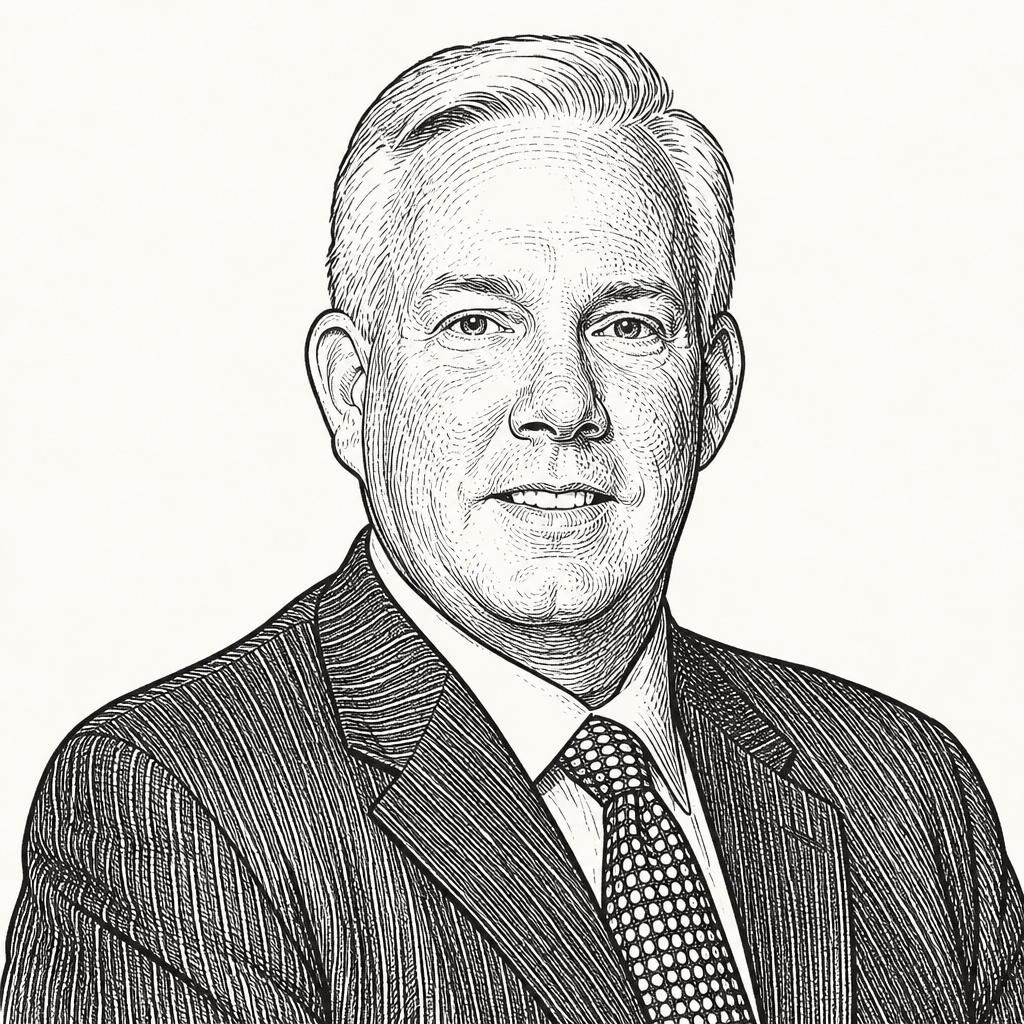 Jeff Price
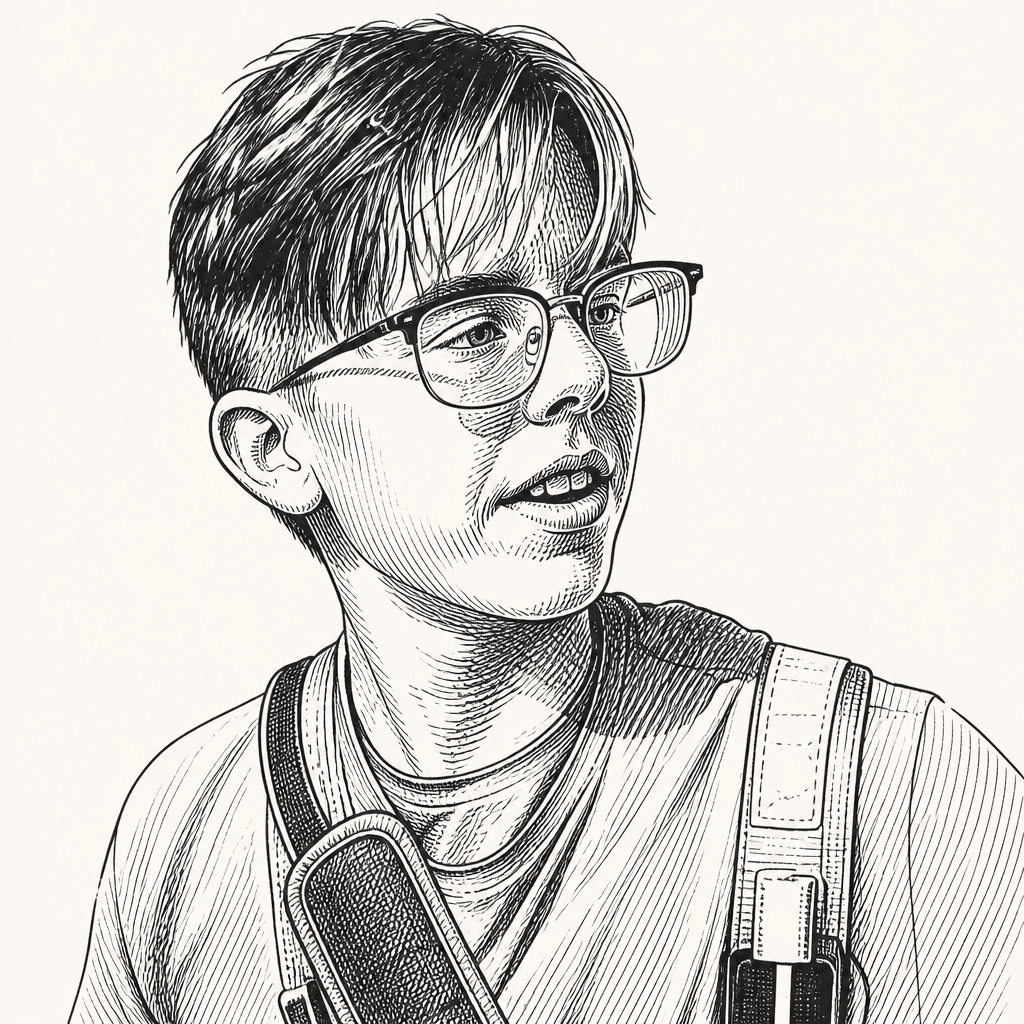 Guywintz JulesThe Aspen InstituteWednesday, May 20, 20267 min read
At a Heisman Foundation discussion moderated by CEO Jeff Price, high school captains Guywintz Jules, Ma’Net Richardson and Carol Yan argued that student-athlete leadership already extends beyond team performance into civic work. They described captaincy as a way to identify needs, press adults for resources and create access, whether through a Salem youth commission, advocacy for a first-year flag football team or a student-run golf program. The case they made for future leadership development was practical: give young captains mentors and access, but do not take the work out of their hands.

Captains are already doing civic work before anyone gives it that name
The leadership described by the three student-athletes was not limited to getting teammates organized for competition. Each connected captaincy to a broader role: identifying what teammates need, noticing what young people lack in their communities, and using whatever authority they have to ask adults and institutions for more. The examples were concrete: a Youth Commission seat in Salem, a student-founded golf access program, advocacy for resources for a first-year flag football team, and youth media work focused on representation and inequity in sports.
Ma'Net Richardson, captain of East College Prep’s first flag football team, described her leadership as both loud and attentive. She said she “speaks loudly,” a trait she traces to her mother, but she also makes a point of talking to teammates one by one and asking what they need. On a new flag football team, that means responding when players need more practice time or more one-on-one work on plays, while building enough familiarity with each other’s playing styles to compete.
Guywintz Jules, a captain in both track and soccer at Salem High School, framed leadership more structurally. He begins by introducing himself, explaining what the team is about, and showing “how the standard is supposed to be” during the first week. Then he watches how teammates respond, using those observations to decide how to speak to each person and help them improve in character and in the sport.
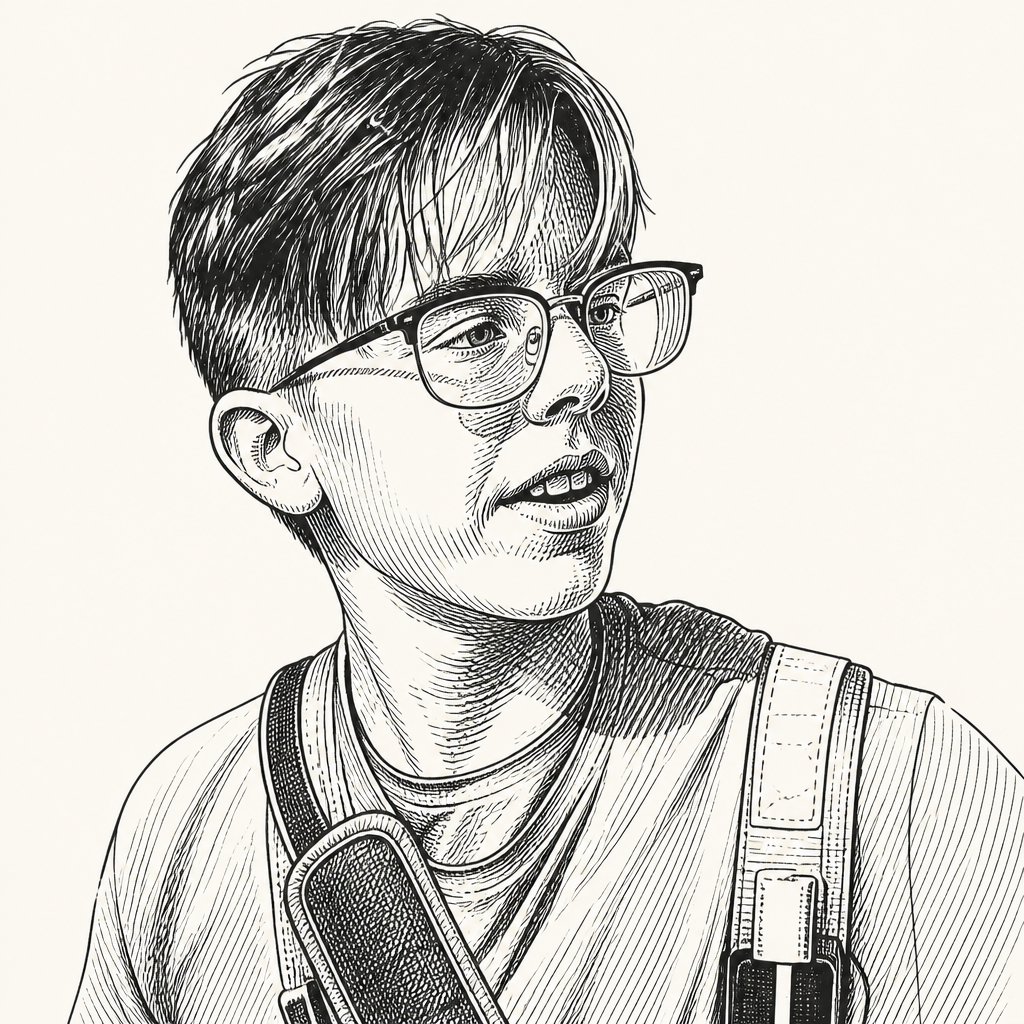
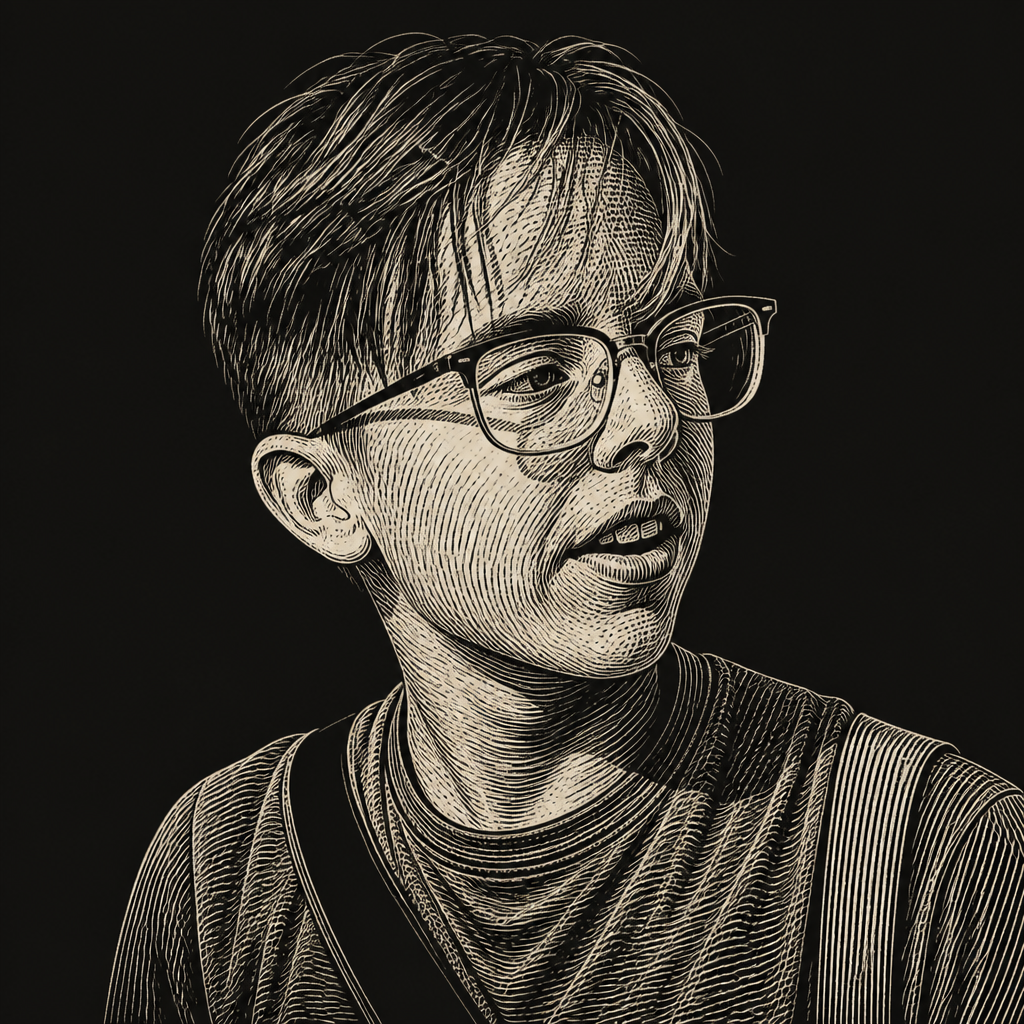
Carol Yan, a golf captain at Diamond Bar High School and a Georgetown-bound Division I golfer, described a quieter model: leading by example. Golf is often treated as an individual sport, but Yan said she tries to make it a team environment by doing what she asks of others before asking it. In high school, she said, she played the most matches and tournaments on the team so she could serve as a backup and be available when someone else could not make it.
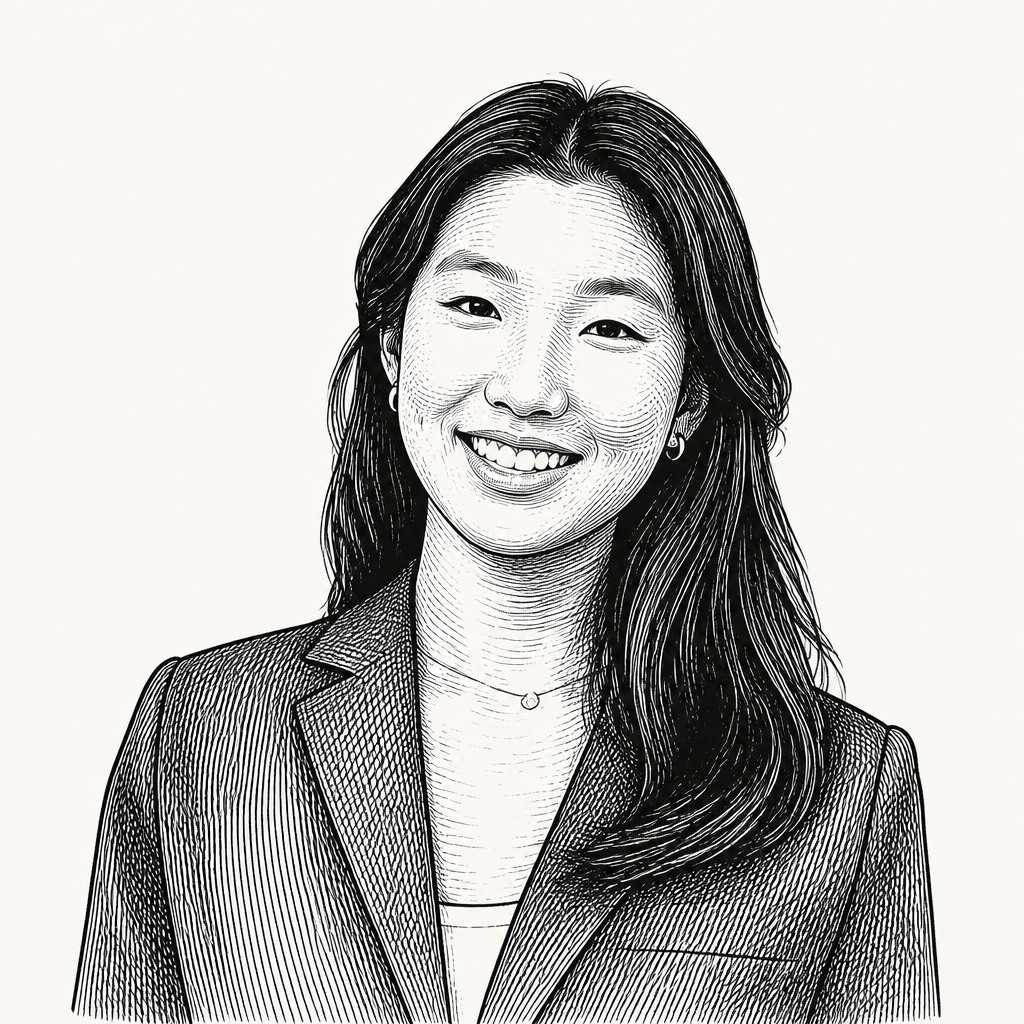
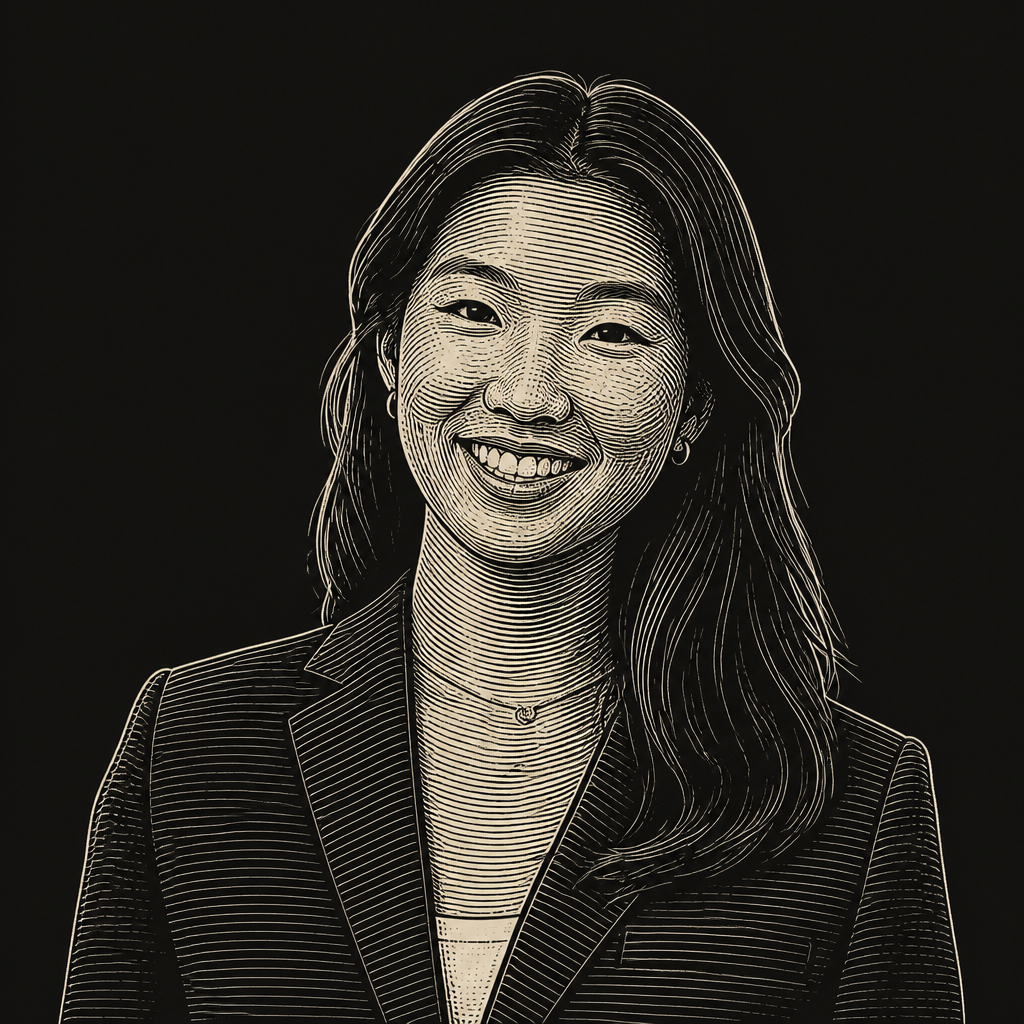
Richardson’s leadership starts with voice and responsiveness; Jules’s with standards and observation; Yan’s with credibility earned through work. None of the three treated captaincy as a title that automatically produces authority. They described authority as something built through repeated, visible choices that teammates can trust.
Access is not an abstraction when students are the ones asking for it
The community work each student described grew directly out of what they saw from inside youth sports and school life. Their examples were not generic service projects. They were specific responses to gaps in access, representation, resources, and youth voice.
Carol Yan founded Golf on Top, a student organization focused on expanding youth access to golf. Its core activity is a monthly clinic for groups of roughly 10 to 15 young golfers. Members of her high school golf team come together with those participants, take them onto the course one-on-one, and create what Yan called “a day of fun.” The point, she emphasized, is not primarily technical improvement. Golf on Top is meant to help young people enjoy the game and find that enjoyment in a community of friends and family.
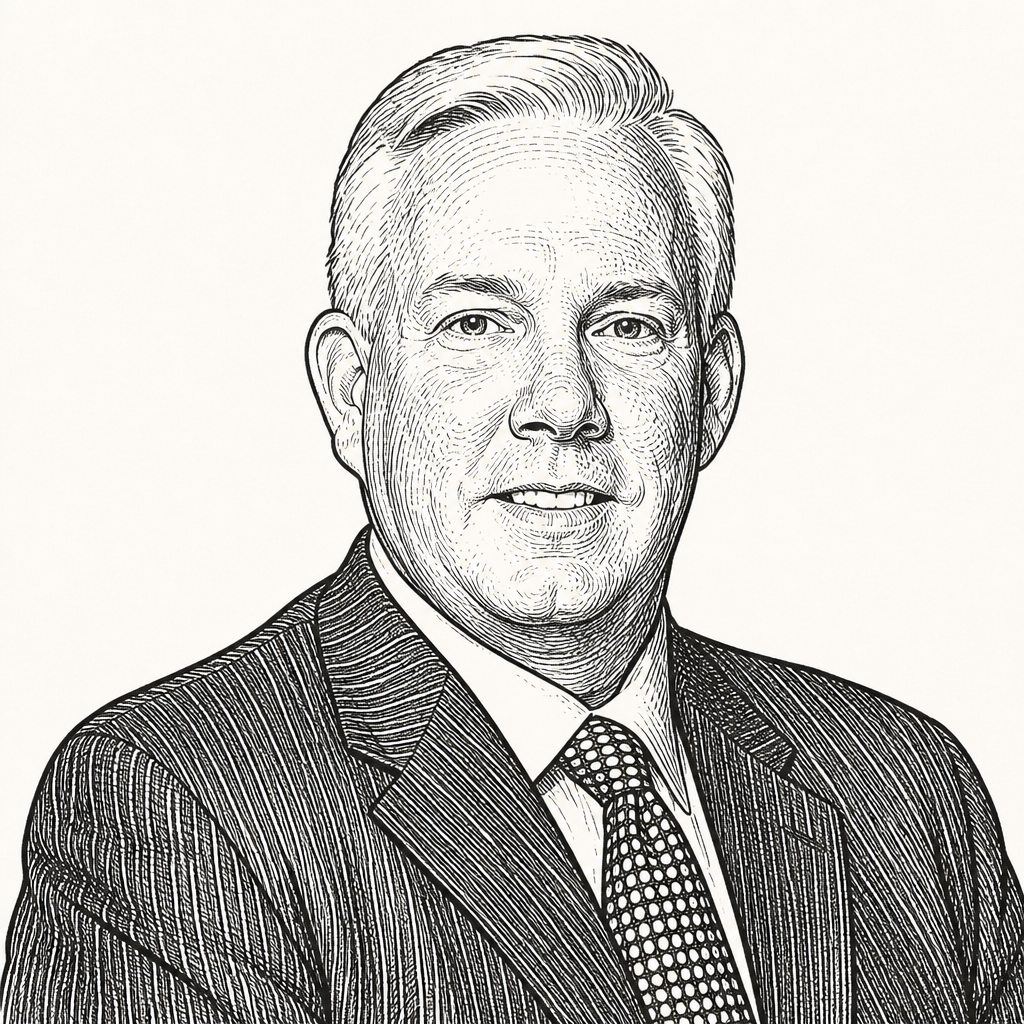
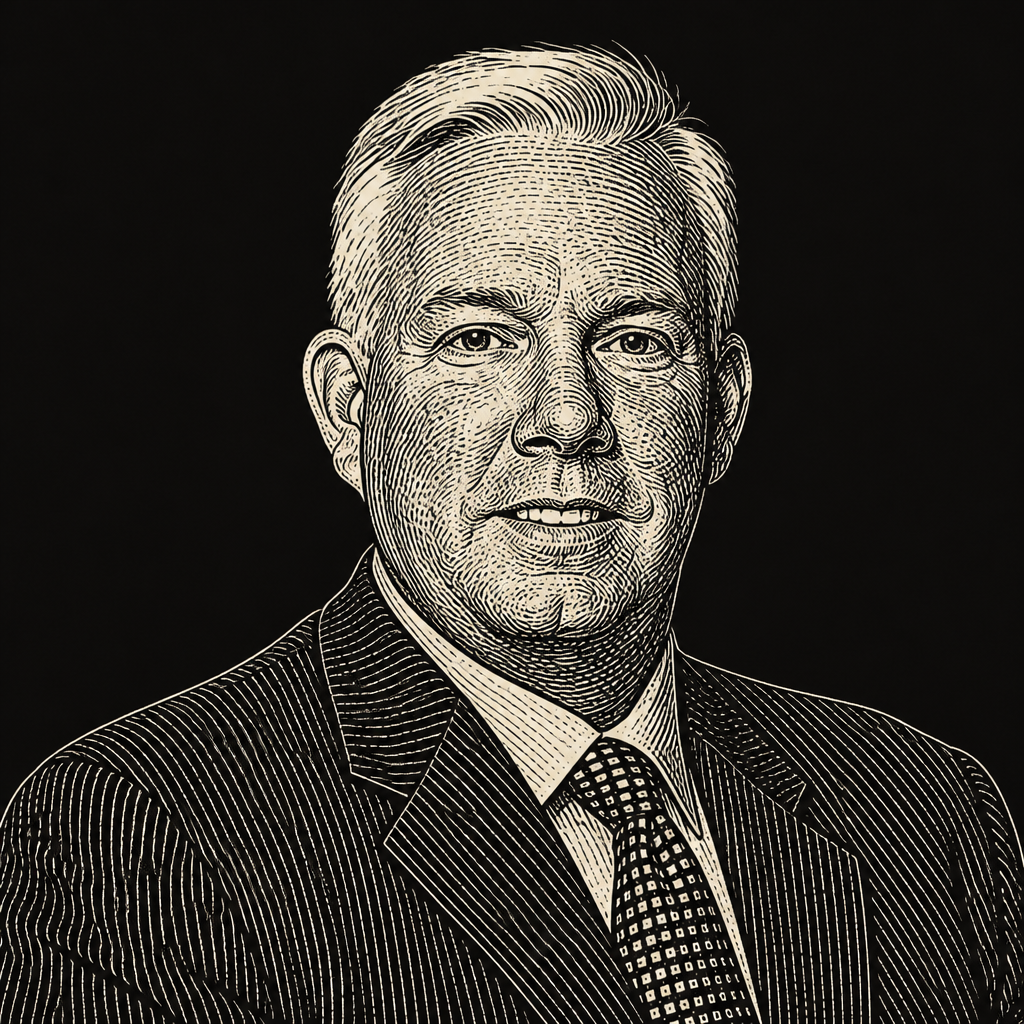
Jeff Price, CEO of The Heisman Foundation, noted that golf can be an expensive sport and pointed to Youth on Course’s model of offering young people five-dollar rounds of golf. Yan also credited Youth on Course as a major supporter of Golf on Top and of youth golf access more broadly.
Guywintz Jules said his civic work runs through the Salem Youth Commission. Appointed during the second semester of his junior year, he described the commission’s role as bringing a youth perspective to issues in Salem. Its goal, he said, is to create “third spaces” for young people around the city and to set an example for other communities in Massachusetts. He also said the commission works with “UNICEF, Child Foundation” to provide third spaces to communities.
When Price noted that adults often prescribe what they think should happen for young people, Jules made the point more directly: he can say what youth want and “what the adults is not doing right.” His role is not only to represent young people’s preferences, but to help adults find a better way to support youth growth.
Ma'Net Richardson said her community work centers on storytelling and advocacy. Through Generation 2026 Youth Media Forward, she said she represents California, specifically Los Angeles, and described the program as involving journalists “all over the world.” She uses that platform to discuss how queer people are treated in athletics and how certain sports are favored in low-income neighborhoods.
Her own school, she said, is in a low-income area and tends to favor sports that already do well, putting more money into them. Because flag football is a first-year sport there, Richardson has pushed for funding and resources for her team.
My athletic director, they call it complaining, but like I'm advocating for my team.
Across the three examples, access appears as course time, youth gathering spaces, media representation, and students being close enough to the problem to describe what support is missing.
Adult support works when it opens doors without taking over
The students repeatedly described adults as important not because they replaced student leadership, but because they made it possible for young leaders to act with confidence and reach.
Carol Yan credited her high school golf coach as a central mentor. The coach supported her both as an individual golfer and as the founder of Golf on Top. When Yan brought the idea forward, the coach’s immediate response was, “I’m in. What do I need to do for you?” Yan said that kind of adult support mattered because adults can control access to opportunities.
For Guywintz Jules, the invitation into civic leadership came from Sarah Ward, the director of Children’s Alliance in Salem. During a class officer meeting with the principal and the mayor of Salem, Ward suggested that he apply to the Youth Commission. Jules said he was not interested at first, but he applied anyway. Once he began the work, he became inspired to continue. Ward also helped him find a place to submit and share his opinions, giving him an opportunity to speak with many people.
Ma'Net Richardson named her mother first as an influence, then her flag football coach. She had known him since freshman year as an ASB adviser, but came to see him differently when she joined flag football near the end of junior year and learned he had played quarterback in high school. During the team’s first game, there were no captains, so he assigned the two seniors to go meet the referees. Richardson was one of them.
That improvised appointment changed how she saw the role. After the game, her coach told her that her “participation” and “energy” were what the team needed in a captain and encouraged her to try out for the role again. Richardson said she already planned to, but his encouragement reinforced it. What mattered was that an adult recognized leadership already present in her behavior and named it.
The pattern is practical rather than ceremonial. Yan needed a coach willing to back a student-run golf access program. Jules needed an adult to point him toward a civic seat he did not initially imagine for himself. Richardson needed a coach to notice that her energy in a first game could become formal leadership. In each case, adult support expanded the student’s room to act without taking the work out of the student’s hands.
Future captains need time, mentors, and permission to learn from losses
Asked what the Aspen Institute’s Captains Leadership Academy should give future student leaders, the students did not ask first for status or visibility. They asked for patience, support systems, and guidance.
Ma'Net Richardson said future captains should be told to take their time. They may not connect with players the first time they meet. They should also have fun and not allow losses to define them. Her view of competition was developmental: wins build character, and losses are “character development” toward future wins. “In the long run,” she said, “your losses don’t define you.”
Guywintz Jules said his advice would be to help young leaders find mentors. He said many people enter leadership programs without knowing what they are doing, and having someone to look up to can help them “facilitate the whole job.” He also separated leadership as a possibility from leadership as a discipline. Anyone can be a leader, he said, but what defines someone is “the discipline and desire to actually make a change.”
As long as you improve at least one person's life, that's all that matters.
Carol Yan agreed that first-time leaders need a support system. Mentors, or any structure of support, can build confidence in each leader. Her answer was brief but aligned with the others: leadership development is not only about teaching captains to direct others. It is about giving them enough support to believe they can act.
Price closed by saying the students had already accomplished much of what the Captains Leadership Academy hopes to build across the country, often through their own initiative and with mentors in their schools. Their answers pointed to a practical design principle: young athletes are already negotiating team culture, resources, public voice, and community needs. A useful program would recognize that work, support it, and help more students do it with guidance.