Five Proposals Target the Scaling Bottlenecks in Employee Ownership
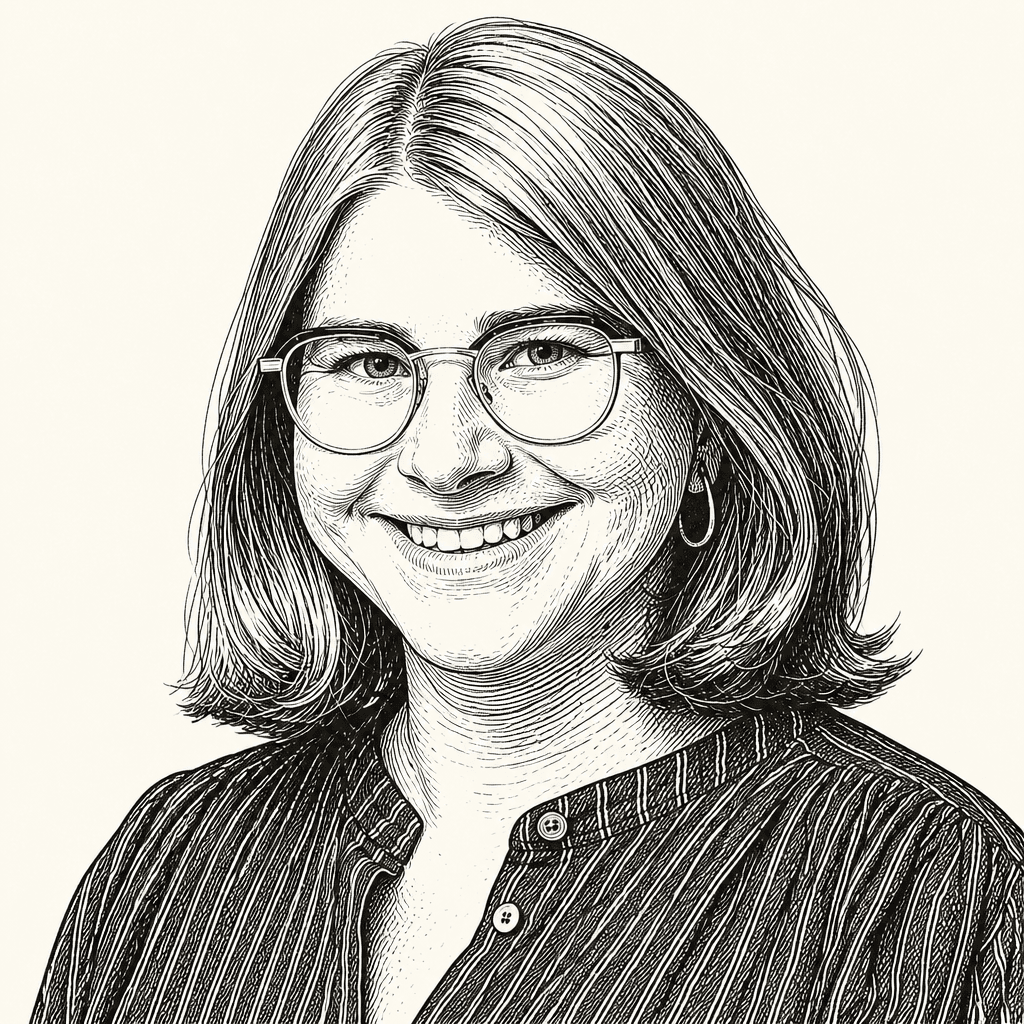 Merrit Stüven
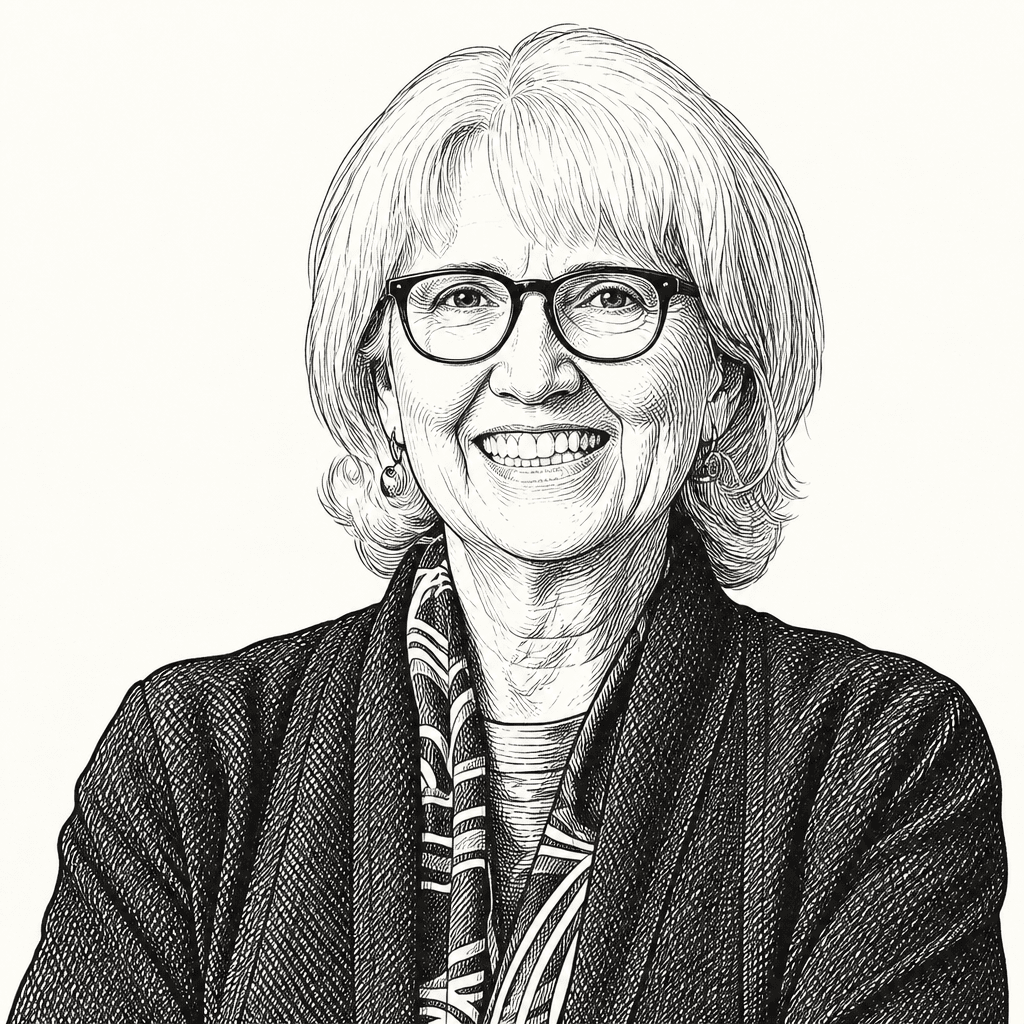 Ginny Vanderslice
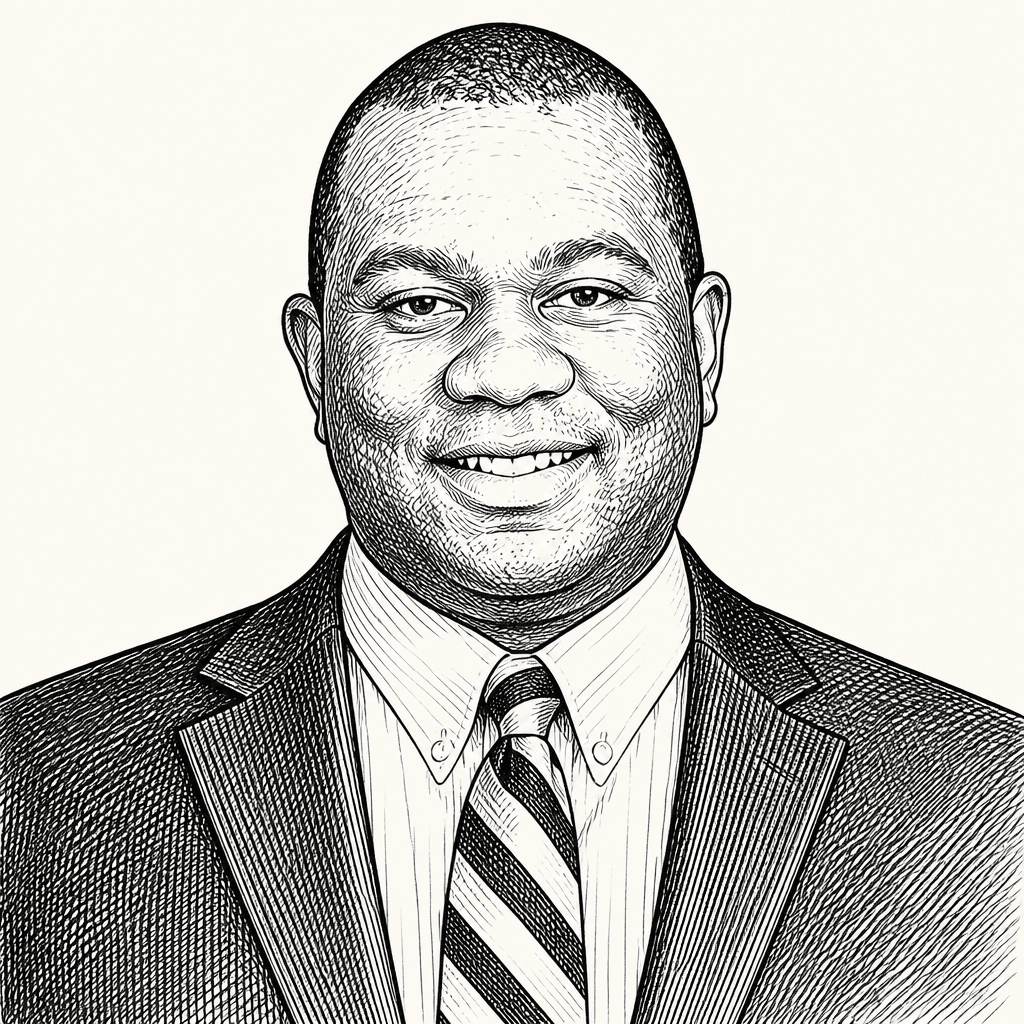 Sean-Tamba Matthew
 Felipe Witchger
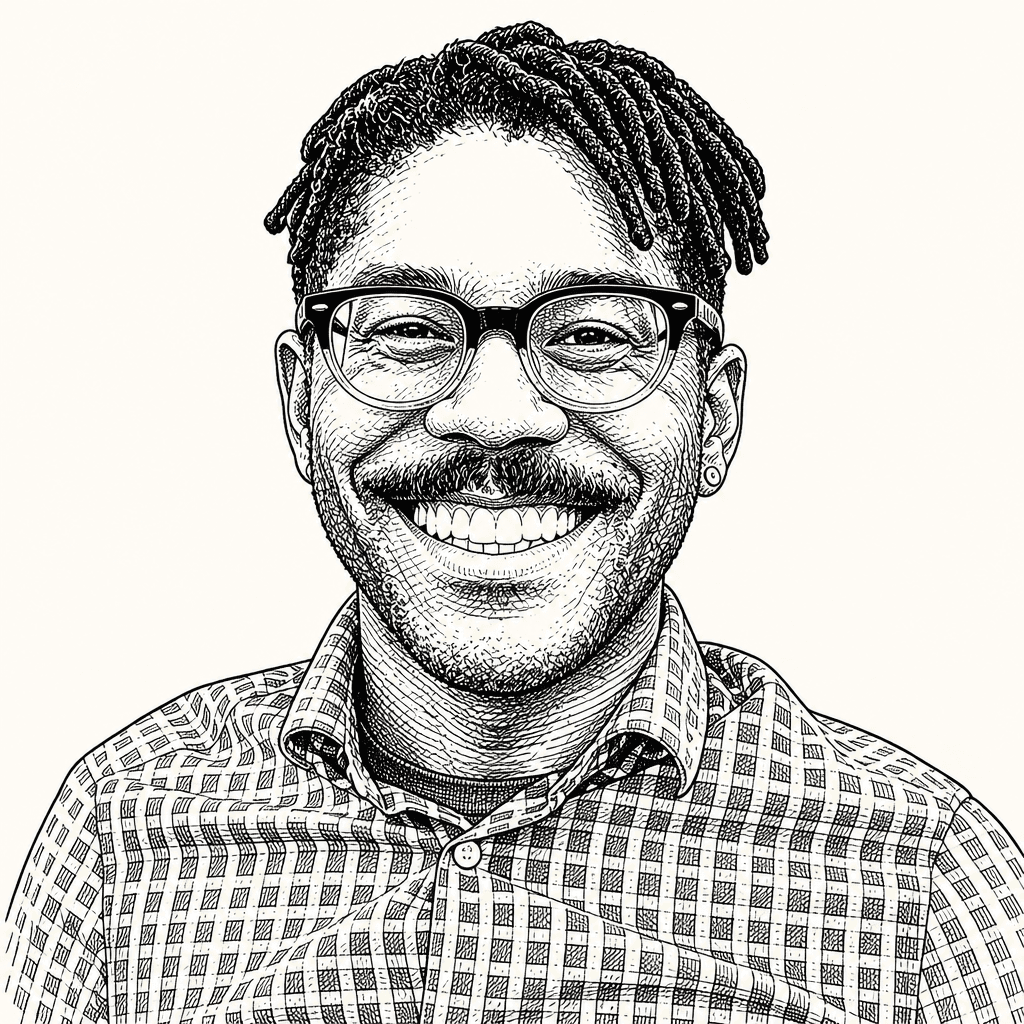 Esteban Kelly
 Sara HorowitzThe Aspen InstituteTuesday, June 9, 202614 min read
At the Aspen Institute’s 2026 Employee Ownership Ideas Forum, five speakers argued that expanding employee ownership is less a matter of promoting a single model than building the institutions that let ownership endure and scale. Sara Horowitz, Esteban Kelly, Sean-Tamba Matthew, Ginny Vanderslice, and Felipe Witchger each identified a different bottleneck — from weak membership structures and bespoke co-op development to seller-exit barriers, neglected ownership culture, and risk-averse capital.
Employee ownership was presented as an institution-building problem, not a single transaction model. The five proposals converged on a practical constraint: ownership structures do not scale by themselves. They need durable membership, sector expertise, transaction pathways, organizational practice, and capital willing to move before a choice has become conventional.
Employee ownership needs institution-building, not just open access
Sara Horowitz framed employee ownership as part of a broader tradition of “mutualism”: people forming durable groups, building peer-to-peer economic mechanisms, and carrying obligations across generations. The point was not merely that ownership should be more widely available. It was that ownership becomes durable when people are bound to one another in what she called a crew.
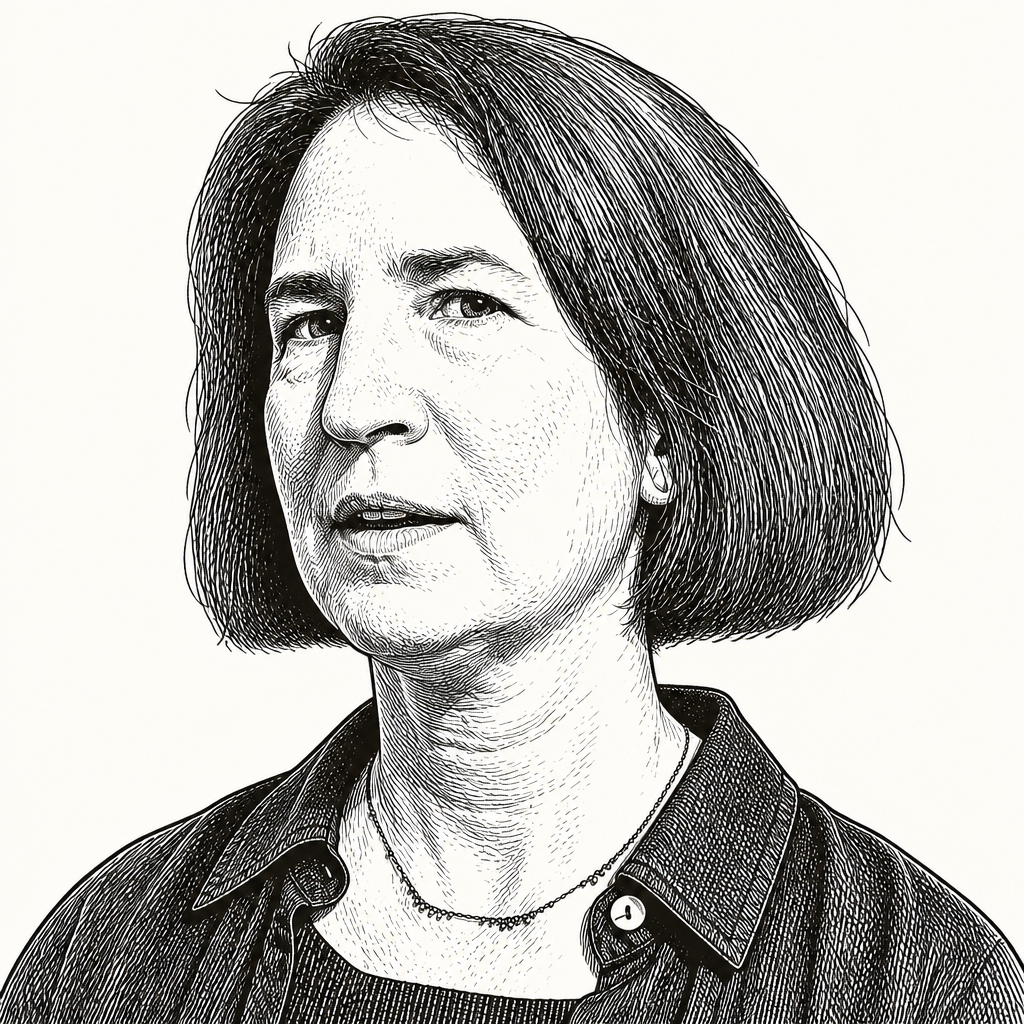
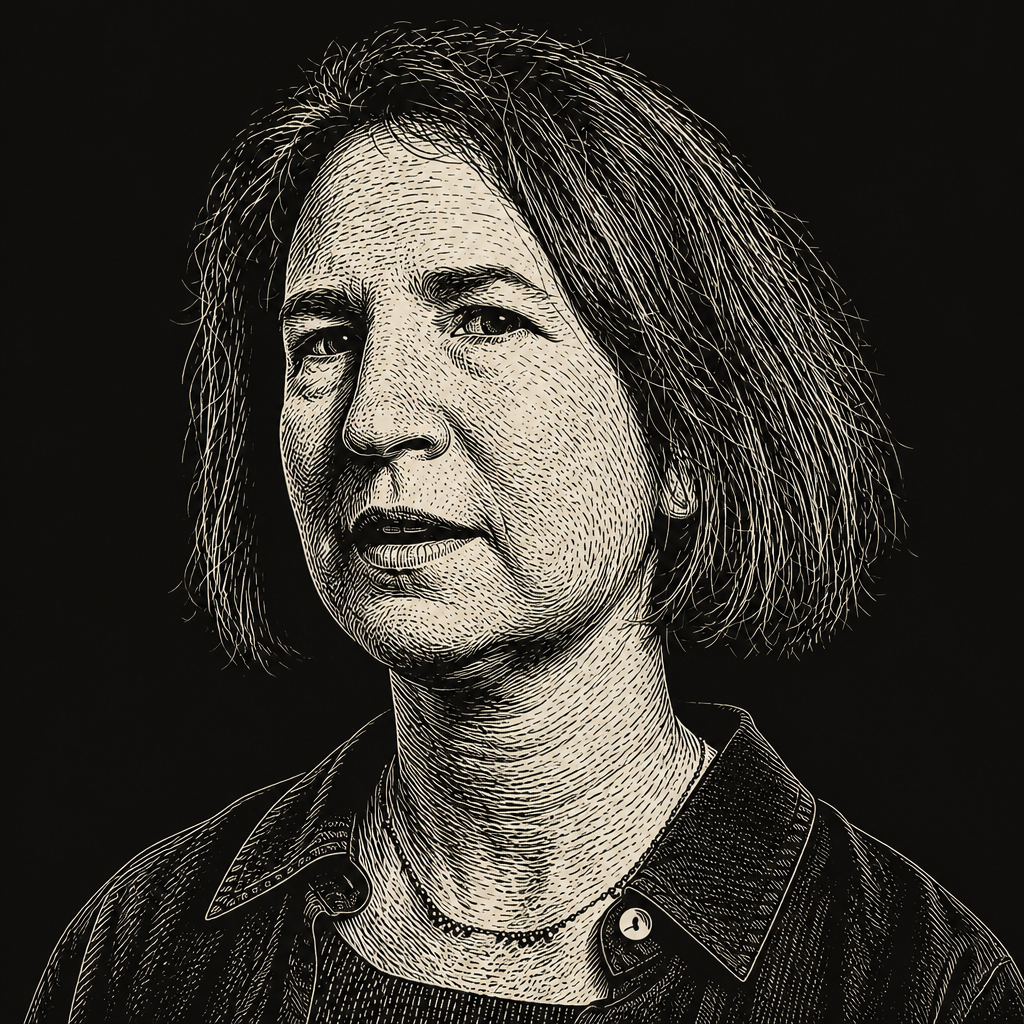
Horowitz’s entry point was an anecdote she placed on April 10, 2026: NASA’s Artemis project, she said, sent four astronauts around the Moon, and astronaut Christina Koch later described what a crew is. As Horowitz quoted Koch, a crew is made up of people “in it all the time,” rowing together with the same purpose, willing to sacrifice for each other, giving grace and holding one another accountable. The line Horowitz wanted the room to carry was: “Planet Earth, you are a crew.”
Her question was whether people experience that kind of crew in daily life — not as a loose social category, but as an organizing principle for economic and democratic life. She named workers organizing together, communities building cooperatives, workers joining together in an ESOP or worker cooperative, immigrant lending circles, religious institutions, and mutual aid after natural disasters as examples of the same pattern.
The pattern, in her account, has three parts. First, there is a solidaristic group — “a crew.” Second, that group builds an economic mechanism that operates peer to peer: dues, services, barter, alternative currency, contributions of time, or other forms. Third, the group works on a long time horizon, often multigenerational. “We got here because there was a past generation,” she said, and people building institutions now owe a debt to the future.
Horowitz argued that the United States is at a crossroads because private markets and governments are failing people, but also because institutions across the ideological spectrum lack imagination about how to build “the core of democracy.” Her criticism was aimed especially at funders, think tanks, government, and social investors that begin with a universalist premise: everything should be open to everyone, preferably free. That sounds generous, she said, but it does not by itself create institutions that sustain themselves.
Being for everyone sounds nice. But this alone builds no crews that can sustain themselves.
The distinction Horowitz pressed was between the universal and the particular. In her view, solidarity requires particular membership: a unionized company has unionized workers; a food co-op has members who pay dues or contribute time; a faith community has practices and ways of entry that “keep the faith.” The question is not only who is welcome, but who is in the crew and who is not. “Skin in the game” matters because mutual institutions have to bind people to one another.
Her policy implication was concrete: foundations, think tanks, government, and social investors should create pools for small-grant experiments that build crews — local, neighborhood, virtual, or otherwise — as long as they create human connection in small groups. She connected this to what she described as dense mutualist regions in Italy, South Korea, Quebec, and Spain, which she said have more equal income distribution, more sustainable regional economic bases, happier citizens by “those funny happy metrics,” and more convivial lives.
For Horowitz, the future ownership strategy is not simply expanding access to ownership structures. It is rebuilding “our muscle for the mutualist impulse” and allowing particular crews to navigate where they need to go.
Worker co-ops can scale by becoming less bespoke
Esteban Kelly warned that starting with scale can simply amplify the field’s existing flaws. Kelly, who leads the U.S. Federation of Worker Cooperatives and said he spent 15 years as a worker-owner in a co-op he created, argued that worker co-ops are often described as stranger and more idiosyncratic than they need to be. The shortcut story — that everything can be customized and every structure is highly participatory — may help some clients, but it can also make the model look foreign to people who might otherwise adopt it.
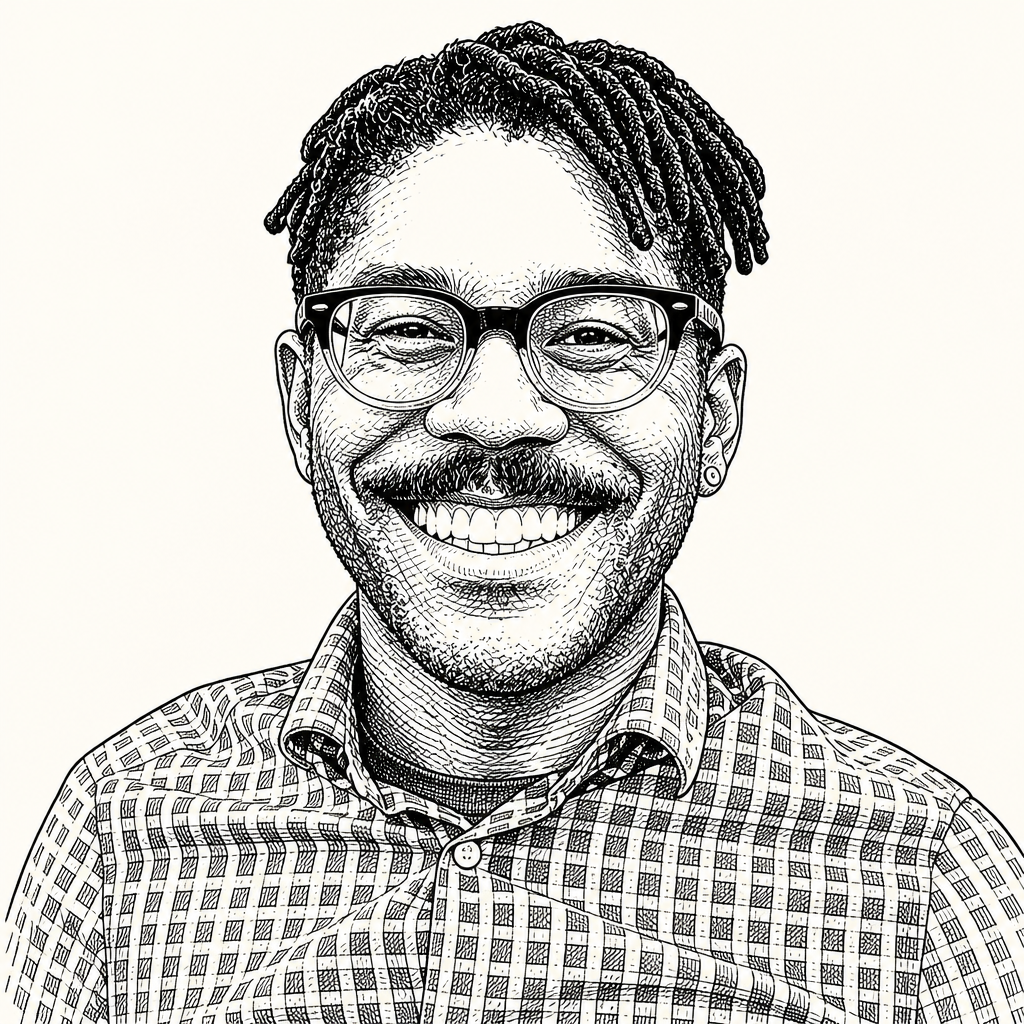
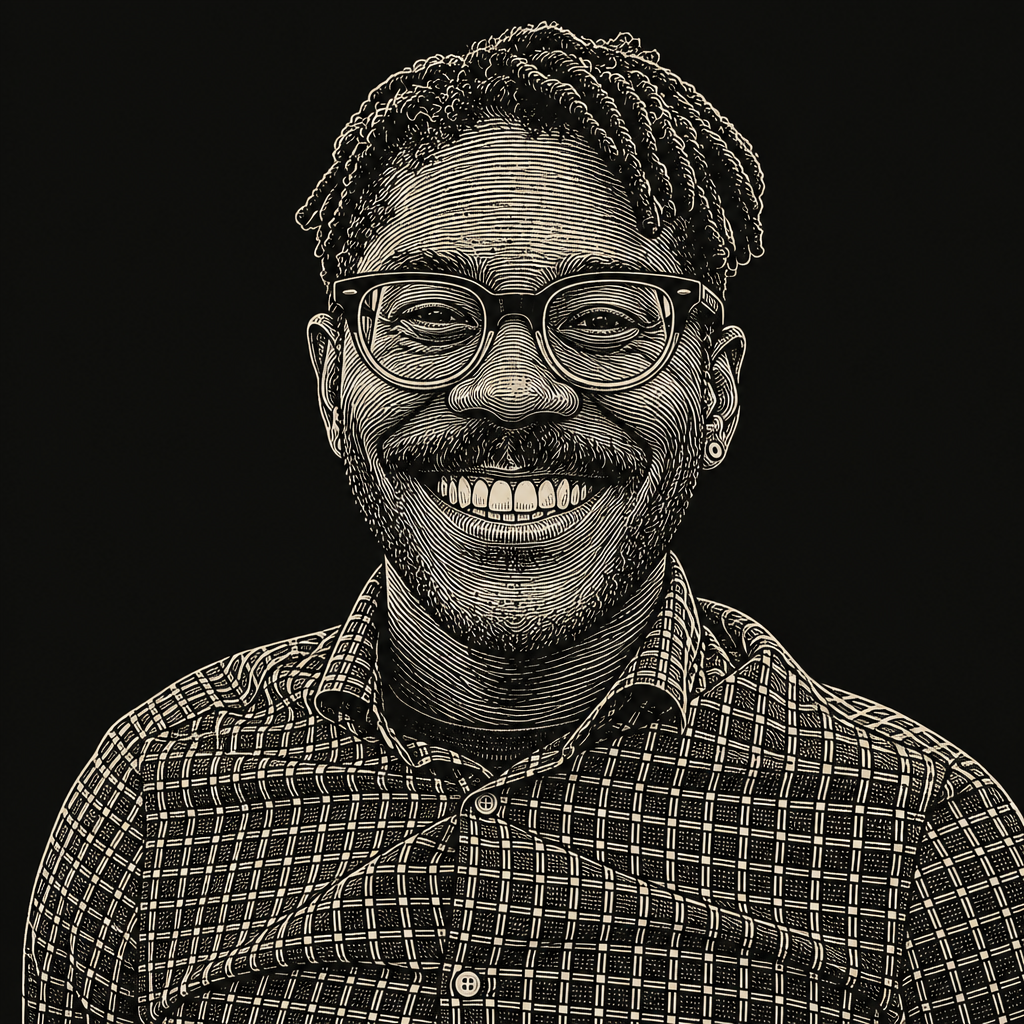
His simplification was deliberately plain: worker co-ops are businesses that are 100% owned by the people who work there, owned equally and controlled equally. “That’s about it,” he said.
Kelly separated two dimensions that are often collapsed: democratic management and democratic ownership. Democratic management can range from workers voting on a CEO or general manager to a much more distributed structure in which workers themselves manage through systems such as sociocracy or autonomous departments. A worker co-op can even have something that looks, operationally, like command-and-control management, provided the manager is accountable to the worker-owners.
Democratic ownership also exists on a spectrum. At one end, workers vote for a board. At the other, workers directly serve on committees for long-term planning, finance, governance, HR, or other functions. The point was not that every co-op should choose the most participatory design. It was that all of these designs can be cooperative if ownership and control remain equitable.
That matters for growth because the field often makes worker co-ops harder to understand than they are. A traditionally structured workplace, Kelly said, could on one day be conventionally owned and on another day become a worker co-op with the same manager, an annual board vote, and some mechanism to evaluate leadership. That may not satisfy every cultural ideal associated with cooperatives, but it is still a worker co-op.
Kelly identified a structural weakness in the U.S. co-op landscape: diversity across industries. In other parts of the world, worker co-ops are often concentrated in particular sectors. Mondragon, he said, is deeply rooted in industrial manufacturing, even though it has diversified. In Quebec, Kelly said, EMT services in cities are heavily associated with worker co-ops; he added that he did not know the rural picture. Sector concentration gives co-ops shared expertise, clearer advocacy needs, and practical knowledge about industry-specific policy and operations.
The United States lacks that concentration, which makes development harder. But Kelly argued that the field can turn that weakness into a strength by identifying specific businesses across different industries that are capable of acquisitions, mergers, franchising, or replication. He cited a recent tour organized by the Baltimore Roundtable for Economic Development, where co-op development has grown quickly in part because the work is focused on cafes, bars, and restaurants rather than every possible project.
The practical bet was mergers and acquisitions for worker co-ops. The field has experimented with conversions and startups, but both often require heavy “quarterbacking.” Founders and advisors navigate what Kelly likened to a choose-your-own-adventure manual: useful, but not built for the scale the field says it wants.
M&A could solve a different problem. In a conversion, the ownership structure may change before the culture does, and that can produce friction. If an existing cooperative acquires another company, the incoming workers can be onboarded into an existing culture, system, and set of processes. That makes it easier, in Kelly’s view, for a cooperative to move to an order-of-magnitude larger scale.
He called for a year-and-a-half effort focused on the research, business planning, union partnerships, workforce development strategies, industry-specific regulations, and financing required to make worker co-op M&A real. Peer networks inside the Federation are a start, he said, but the next evolution may be “industry federations” with the technology, expertise, and acquisition strategy to scale within sectors.
ESOP growth depends on closing the seller-exit gap
Sean-Tamba Matthew focused on two barriers that have limited ESOP growth: an awareness gap and an exit gap. The awareness gap, as Matthew defined it, is that many business owners and their advisors do not understand which companies are “ESOPable” or how ESOP transitions compare with other sale options. He credited policymakers, nonprofits, civic organizations, and Rutgers’ work with the New Jersey Economic Development Authority on transaction-assistance and feasibility-study support for making progress on that front.
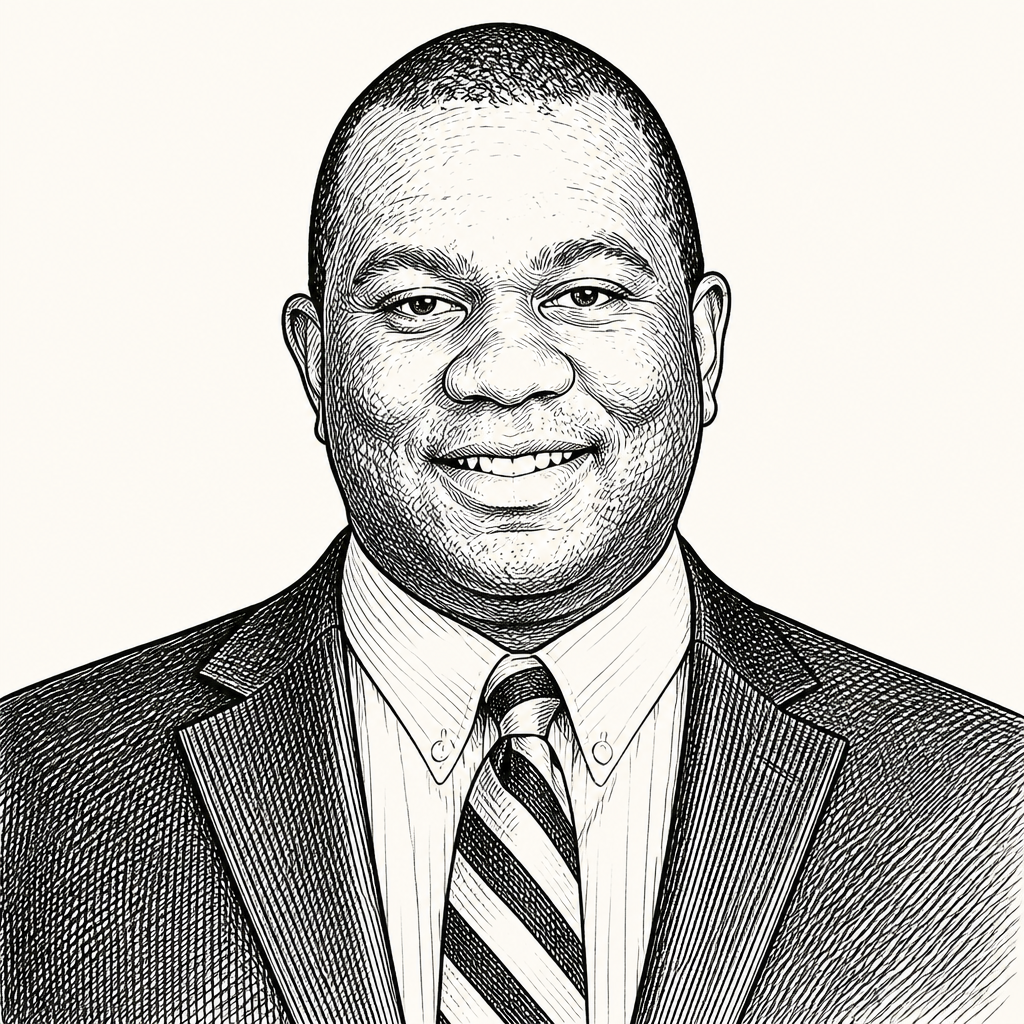
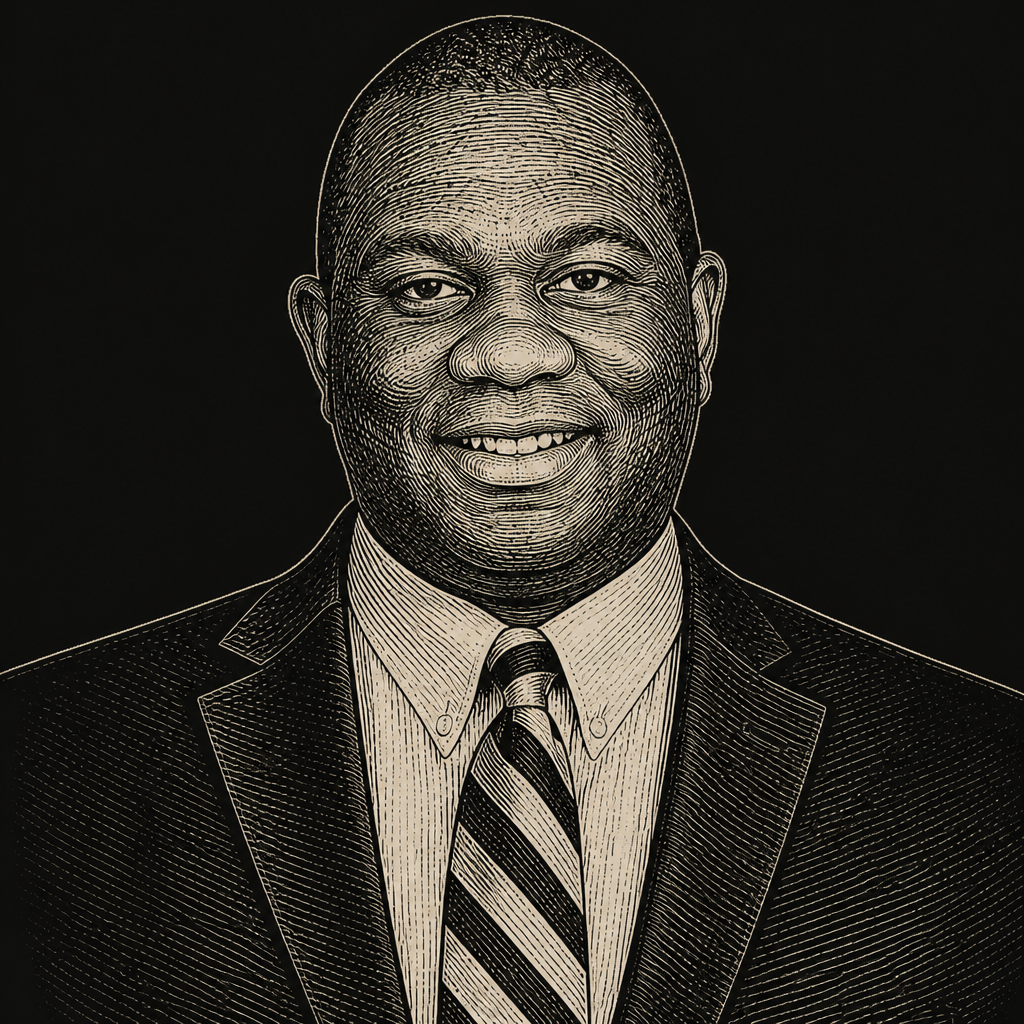
Matthew cited recently published NCEO data showing more than 300 new ESOPs established in 2023, the most recent year for which he said information was available. He emphasized the shift because he had long repeated the field’s standard estimate: roughly 250 new ESOPs per year. He also said privately held employee-owned companies are at their highest level since 2015.
Awareness does not solve the exit gap. Many retiring business owners want an immediate exit, cash in hand, and only short-term transitional management responsibilities. The traditional ESOP process, Matthew argued, often does not align with that timeline. As a result, workers are excluded from ownership opportunities when companies go up for sale.
Matthew’s bridge is to combine ESOPs with entrepreneurship through acquisition and independent sponsor models. Entrepreneurship through acquisition, or ETA, is a path in which an entrepreneur becomes an operator by acquiring an existing business rather than starting one. The searcher steps in to operate the company after acquisition, sometimes backed by a search fund, SBA capital, private funds, or other investors.
An independent sponsor, also known as a fundless sponsor or pledge-fund sponsor, sources and leads private-equity-style acquisitions without a committed blind pool of capital. Instead, the sponsor raises capital deal by deal, often after securing a letter of intent.
Matthew argued that these models can align with long-term ESOP structures because they solve the seller’s timing problem. A buyer can step in on day one, provide management transition, and bring capital, while employee-ownership-focused investors support the transaction and eventual employee ownership.
He cited two transactions his team at SES ESOP Strategies helped support. In Matthew’s account, BNB Maintenance, a commercial cleaning company with operations across the United States and more than 1,200 employees, transitioned to 100% employee ownership with the help of Kneeland Holdings, an independent sponsor in the commercial cleaning space, and capital from A&H and others. In another case, he said, Southeast Acquisition Capital, an independent sponsor focused on employee ownership, and searcher Jeff Easterling used capital from Elevate Impact Capital to help transition IRT and Associates into an employee-owned company.
The structure, as Matthew presented it, does not ask every seller to wait for a traditional ESOP process. It matches sellers who want speed and certainty with investors, searchers, and sponsors who understand the ESOP model and can still move the company toward broad-based employee ownership.
The ESOP transaction should be designed for culture before the paperwork is done
Ginny Vanderslice argued that ESOP culture remains treated as an afterthought even though the field repeatedly says it is essential. She said many people at the forum had already affirmed that ESOP legal and financial structures need to be combined with organizational practices and culture if ownership is going to matter to employees day to day. Her frustration was the disconnect between that consensus and actual transaction practice.
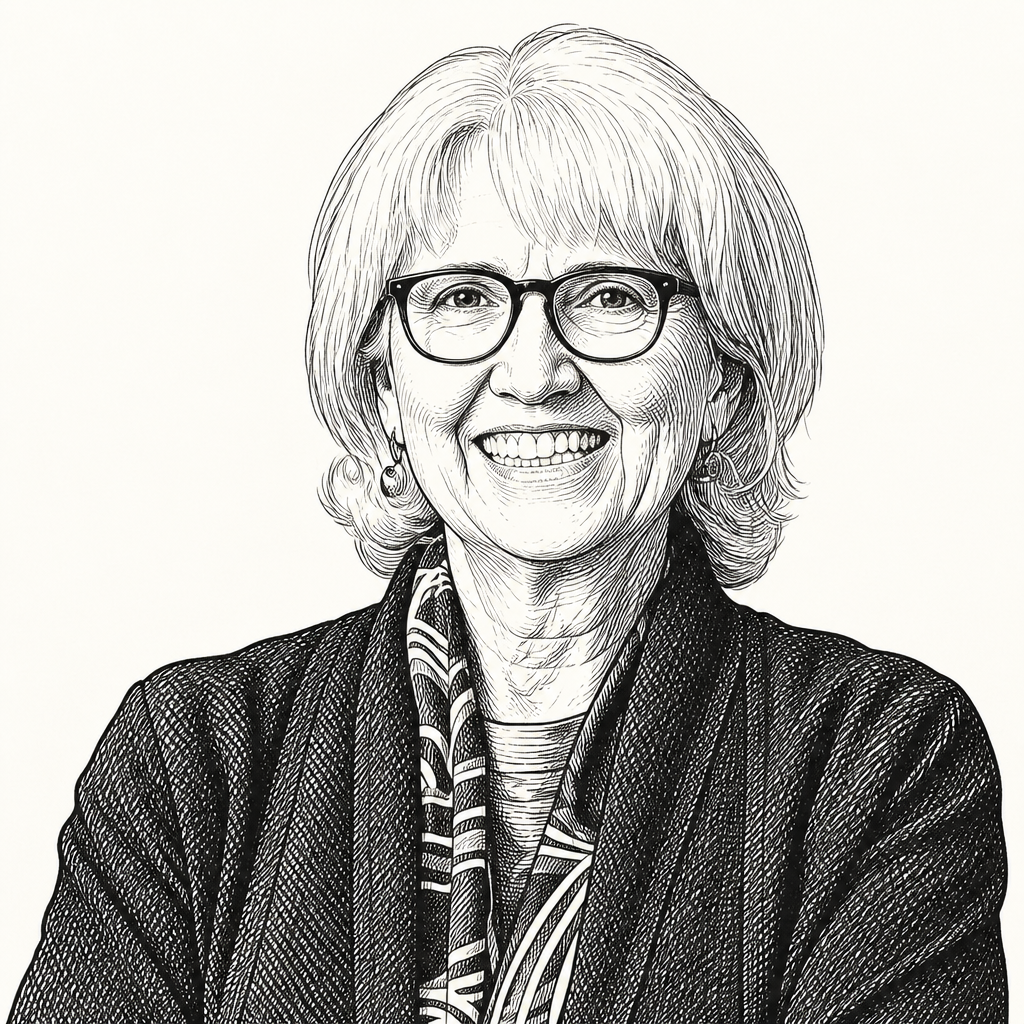
Vanderslice said “100 studies over 40 years” support the idea that culture matters, but most ESOPs are still put together as financial and legal transactions first. The result may reduce the wealth gap, she said, but it does not necessarily create companies where workers feel empowered, develop professionally, or experience ownership differently in daily work.
Communication about the ESOP is not enough. “Communication is not a culture,” she said. It is only the beginning. Many companies never move beyond explaining the plan and issuing annual account statements. That creates a missed opportunity: an ESOP that builds wealth but does not change the company’s operating life or performance potential.
Her proposal was modest in mechanics and large in consequence: more technical advisors should integrate culture at the beginning, while sellers are exploring ESOPs as an ownership-succession strategy. Every financial and legal decision, she argued, should be considered in light of the culture the company wants to create. What will the decision do to employees? Will it help workers feel that ownership matters? Will it increase innovation and engagement?
When culture is not considered early, Vanderslice said, companies can end up with boards that are not strategic or helpful, leaders who lack the skills or beliefs to build an ownership culture, and employees who do not feel motivated by ownership. Later, if the rules turn out to undercut the culture the company wants, the company has to redo legal structures. Borrowing from manufacturing language, she called that rework — and “rework, bad.”
She offered several specific design points. Advisors explaining the financial benefits of ESOPs could also explain performance benefits. Sellers could be asked to articulate their goals for employees and the company, not only their goals for themselves. Lawyers and advisors could examine plan rules for cultural effects rather than defaulting to favored formulas such as five-year or thousand-hour thresholds.
Eligibility rules were one example. Some companies allow employees into the ESOP as soon as their probationary period ends, then back-enter them to January 1 of that year. Vanderslice argued that feeling part of the whole immediately can support retention and belonging, even if it adds administrative inconvenience.
Allocation rules were another. Some companies cap the compensation dollars counted toward ESOP allocations at a level below the government cap. She cited one company that caps compensation at $60,000 for allocation purposes, making the benefit more equal and reducing the tendency for higher earners to receive much larger ownership gains.
Funders, in her view, also have a role. They can ask whether a company has leaders with the skills to build and maintain an ownership culture and whether those leaders need development. She noted that some funds now require leadership assessments before proceeding, and said the ESOP world should learn from that practice.
Her request was to stop treating employee ownership only as a financial deal for the seller and, hopefully, for employees. Each ESOP transaction, if culture is brought to the front, can change lives in more than one way.
Values-aligned capital can move before the safe choice is obvious
Felipe Witchger challenged the investment habit of treating the “safe choice” as the only serious choice. His thesis was that values-aligned investing is not sentimental or marginal; it can be catalytic capital. In his telling, investors who moved from stated values before the market consensus formed helped build shareholder advocacy, community development finance, and now employee ownership.


His main evidence was religious investors, especially Catholic sisters. During apartheid South Africa, Witchger said, Dominican Sister Pat Daly of New Jersey organized investors and confronted General Motors, Ford, and ExxonMobil, becoming a force in the shareholder advocacy movement. During the housing crisis, he said, Sister Corinne Florek pooled the savings of 35 religious congregations to make early catalytic loans into what became the community development finance sector. “Nun money helped build that sector,” he said.
Employee ownership, he argued, is the third era. Five years ago, Witchger said he entered a room with 30 Catholic investors and introduced them to a fund that buys companies and converts them to employee ownership. Five investors went deeper: a Catholic pension fund, a Minneapolis foundation chair who had watched George Floyd be murdered and wanted to invest in local families, and a Wisconsin sister who said, “We must return what belongs to the poor.” Together, he said, they became the first $9 million into what he described as one of the most important employee ownership funds in the country.
Those early investors, according to Witchger, paved the way for later institutional names such as Cambridge Associates and Morgan Stanley. His point was not only that religious investors had participated. It was that they had accepted early-mover risk when few others believed, creating room for more conventional capital to follow.
Witchger tied that investment thesis to his own family history. His parents, he said, were Catholic missionaries who spent 20 years in the tomato fields of Immokalee, Florida, helping farmworkers fight for dignity, bathroom breaks, and fair wages. One grandfather worked in Michigan auto plants and helped farmworkers on weekends. Another, from Cuba, owned a small sugar mill, worked for agrarian reform, and built a housing cooperative so workers could own land. Across generations, he said, the question was the same: “How do I reconcile my values with the world I live in?”
His answer was that investors do not succeed despite their values, but because of them. He pointed to shareholder advocacy, community development finance, and the early anchoring of employee ownership funds as evidence that values-aligned investing can work at scale. Community development finance, he said, now channels “tens of billions of dollars each year” into places other lenders had redlined.
Witchger also invoked what he described as a recently released letter on workers, dignity, and humanity in the age of AI. He said the author was Pope Leo — an American from Chicago who likes baseball — and referred to the document as “Magnifica Humanitas.” In Witchger’s telling, Pope Leo was “already showing up” for the movement. The phrase he wanted investors to carry was simple: “Earners can become owners.”
His invitation was not that investors in the room had to be first. “The sisters already were,” he said. They had taken the early-mover risk, making it possible for others to step in now. The practical challenge, in his framing, is to move real money in line with the belief that workers, work, and ownership belong together.
| Proposal | Bottleneck | Who must act |
|---|---|---|
| Build mutualist crews | Open access without durable solidarity | Foundations, think tanks, government, social investors |
| Use M&A for worker co-ops | Bespoke development that does not scale | Worker co-ops, the Federation, unions, sector partners |
| Pair ESOPs with ETA and independent sponsors | Sellers who need immediate exit and management transition | Searchers, independent sponsors, employee-ownership-focused investors |
| Design ESOPs for culture up front | Legal and financial structures that ignore daily employee experience | Technical advisors, sellers, funders |
| Invest values-aligned capital | Risk aversion before mainstream validation | Religious investors, foundations, institutions, capital allocators |