Türkiye’s S-400 Dispute Still Blocks a Deeper U.S. Defense Relationship
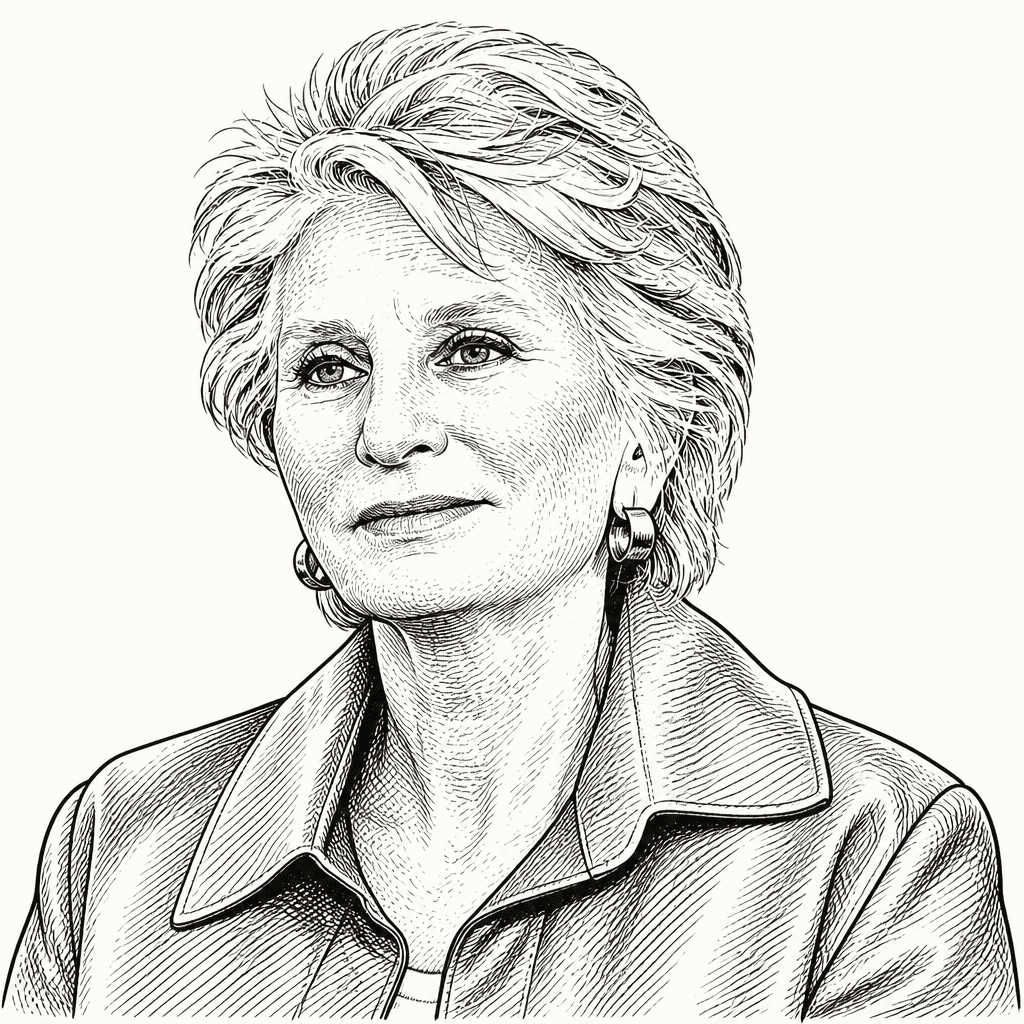 Jane Harman
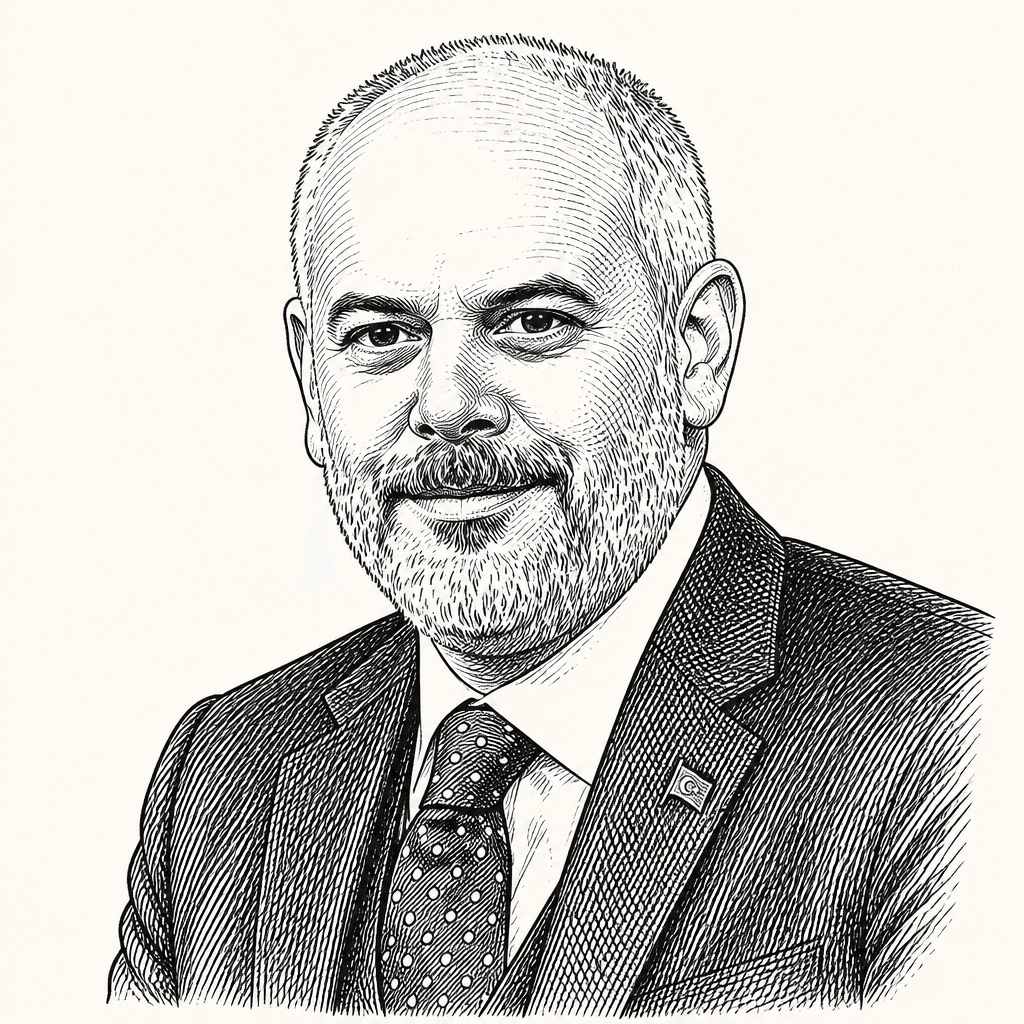 Akif Kılıç
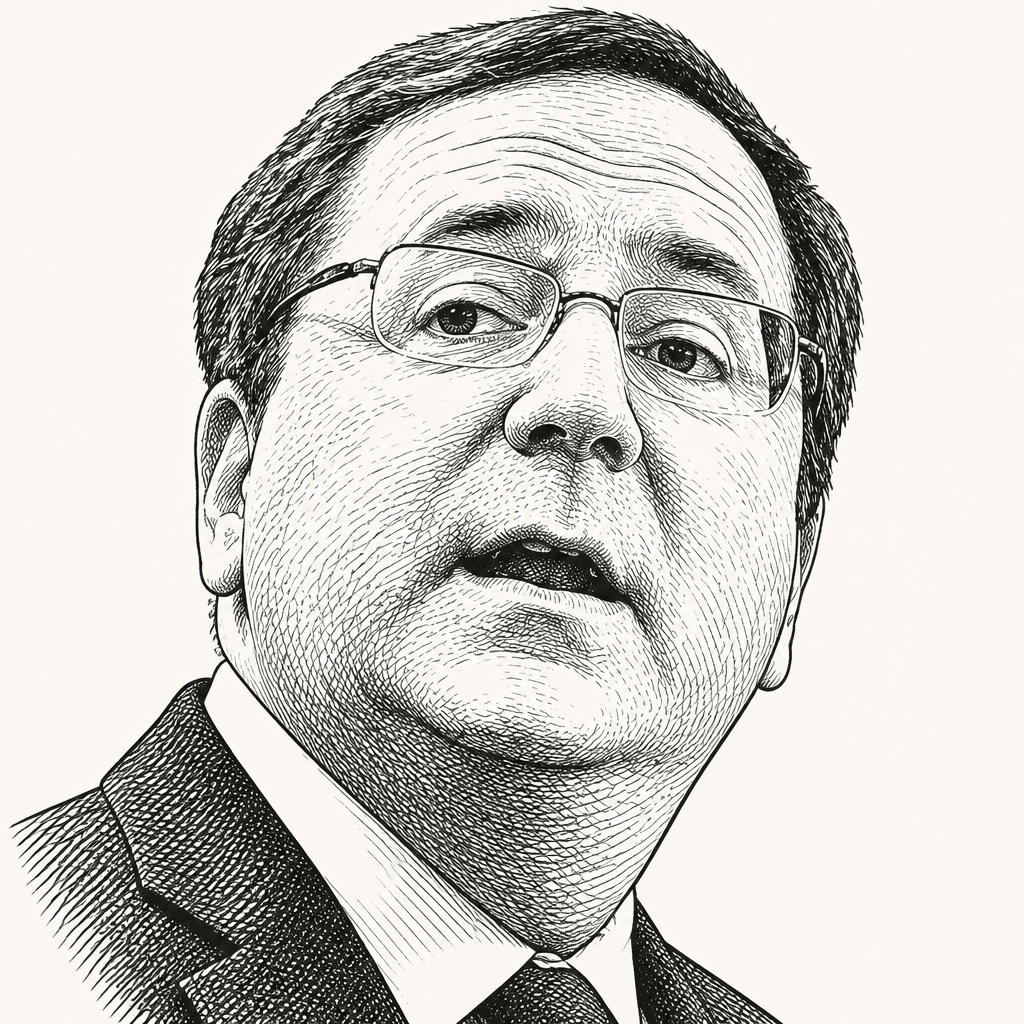 David Sanger
 Philip Osafo-KwaakoThe Aspen InstituteFriday, July 17, 20268 min read
Akif Çağatay Kılıç, Türkiye’s chief adviser on national security and foreign policy, argues that Ankara’s geography requires it to keep working relationships open across rival blocs, from NATO and the EU to Russia, Ukraine and Iran. He presents Türkiye as a venue for diplomacy rather than a power able to dictate settlements, while acknowledging that its own defense ties with the United States remain constrained by the unresolved dispute over its Russian S-400 system and access to F-35 aircraft.

The F-35 dispute is a test of whether alliance repair can become law
Akif Kılıç frames Türkiye’s foreign policy around a geographic condition he calls inescapable: “geography is your destiny.” Located among Europe, the Middle East, Russia and Ukraine, and the African and Arabian peninsulas, Türkiye has to manage a dense set of relationships at once. His account of the NATO summit in Ankara emphasized the value of maintaining political cohesion amid those pressures. The summit, he said, succeeded not because difficult questions disappeared, but because leaders navigated them and every NATO member appeared in the family photo.
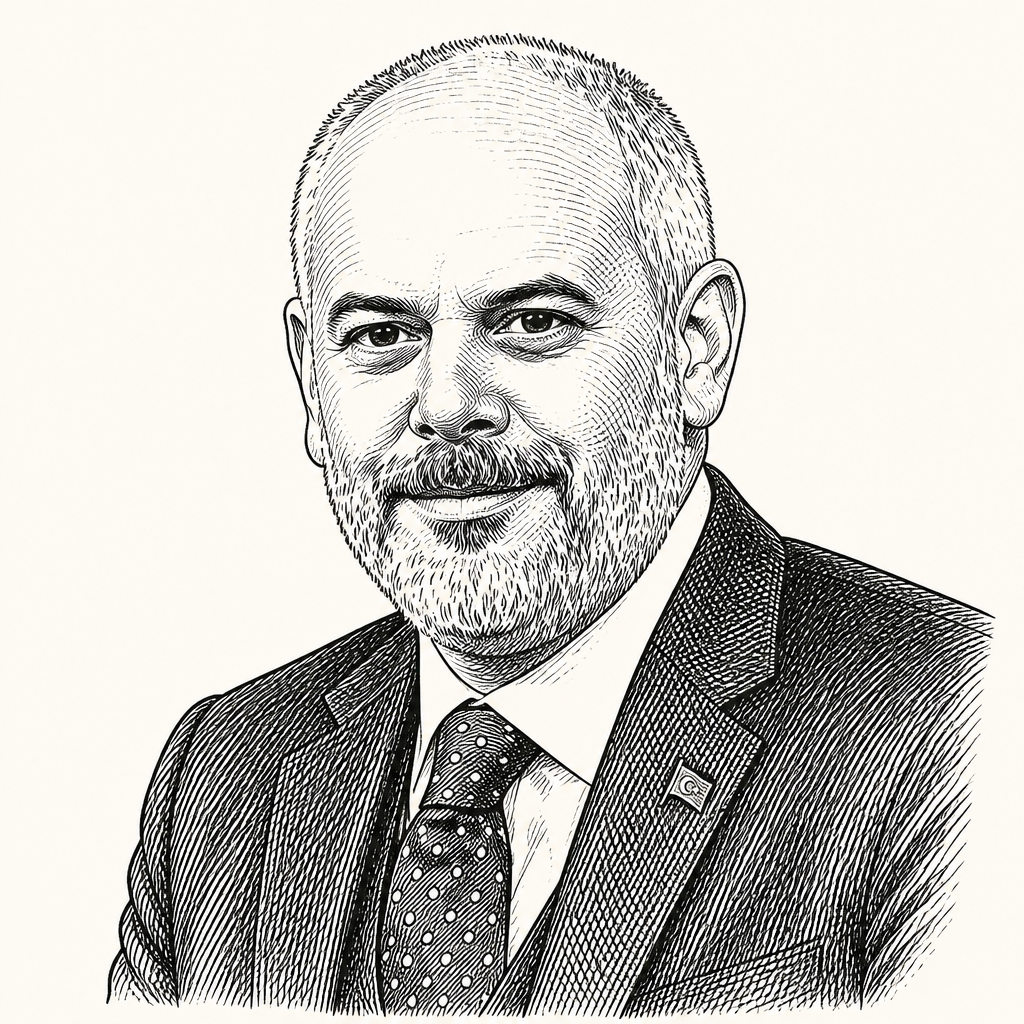
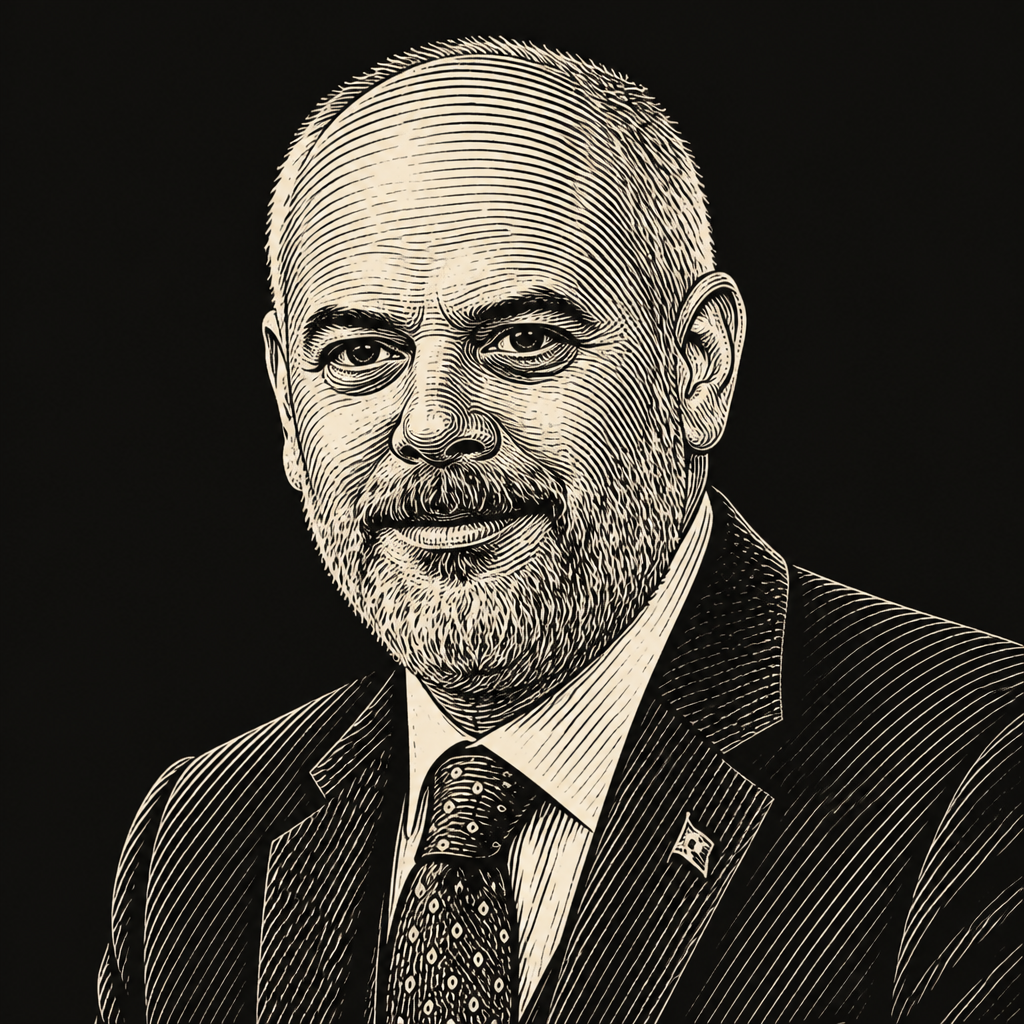
The immediate test of that cohesion is Türkiye’s effort to obtain F-35 aircraft while retaining possession of the Russian-made S-400 air-defense system. Kılıç said Türkiye had paid for the aircraft, was a partner in the F-35 program, and considers the planes legally purchased. But U.S. CAATSA restrictions, he said, had hindered defense-industrial cooperation.
We need cooperation more than ever in history. And it is a shame that this is there.
David Sanger asked whether Ankara had made a political decision to transfer the S-400s elsewhere in order to comply with U.S. law and unlock the aircraft and broader cooperation. Kılıç did not answer directly. Türkiye, he said, was working with American “partners and allies” to find an arrangement “that both countries can live with and go towards the future.”
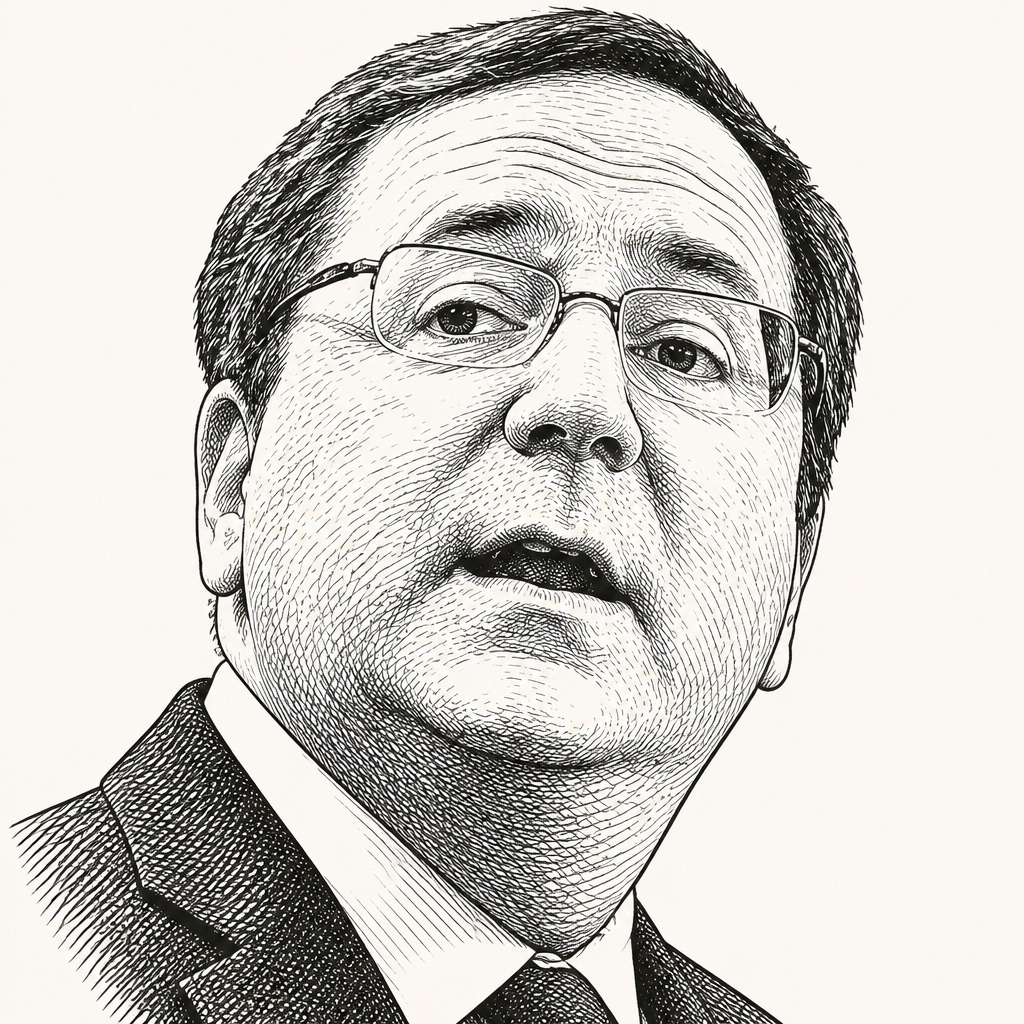
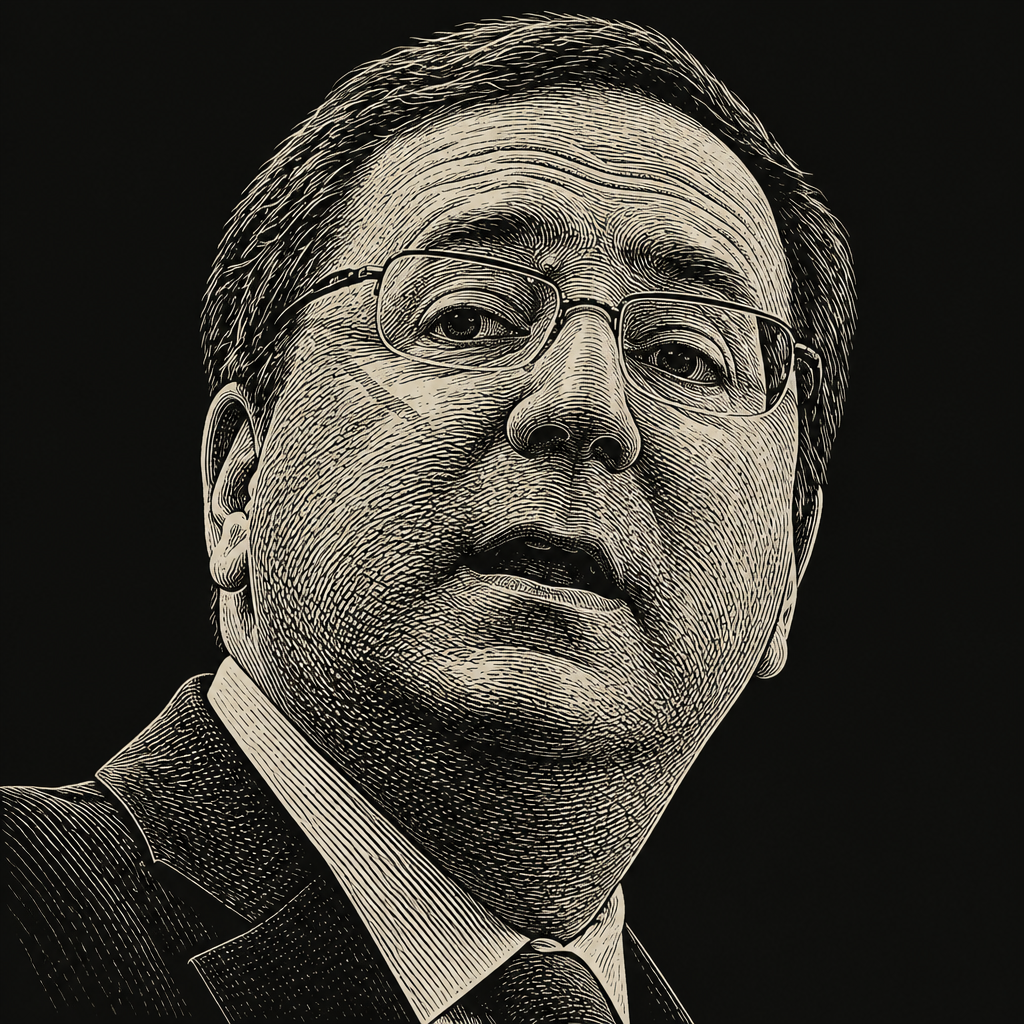
He treated the issue as an unresolved legal and political process, not as a settled Turkish concession. Presidents Recep Tayyip Erdoğan and Donald Trump could supply political will, he said, but lawyers, legal teams, parliaments and the U.S. Congress would have to resolve the matter. Asked again whether a solution could fit within U.S. law, Kılıç returned to a general formulation: allies have to find an outcome that satisfies both sides. He also said there were security details he could not discuss publicly.
Kılıç offered a historical explanation for Türkiye’s original S-400 purchase when Jane Harman raised the subject during audience questions. Türkiye acquired the system, he said, because it had an urgent need for air defense during the Syrian civil war and, in his account, the United States would not then sell it Patriot systems. Türkiye still has the Russian system and is “working on” the resulting problem.
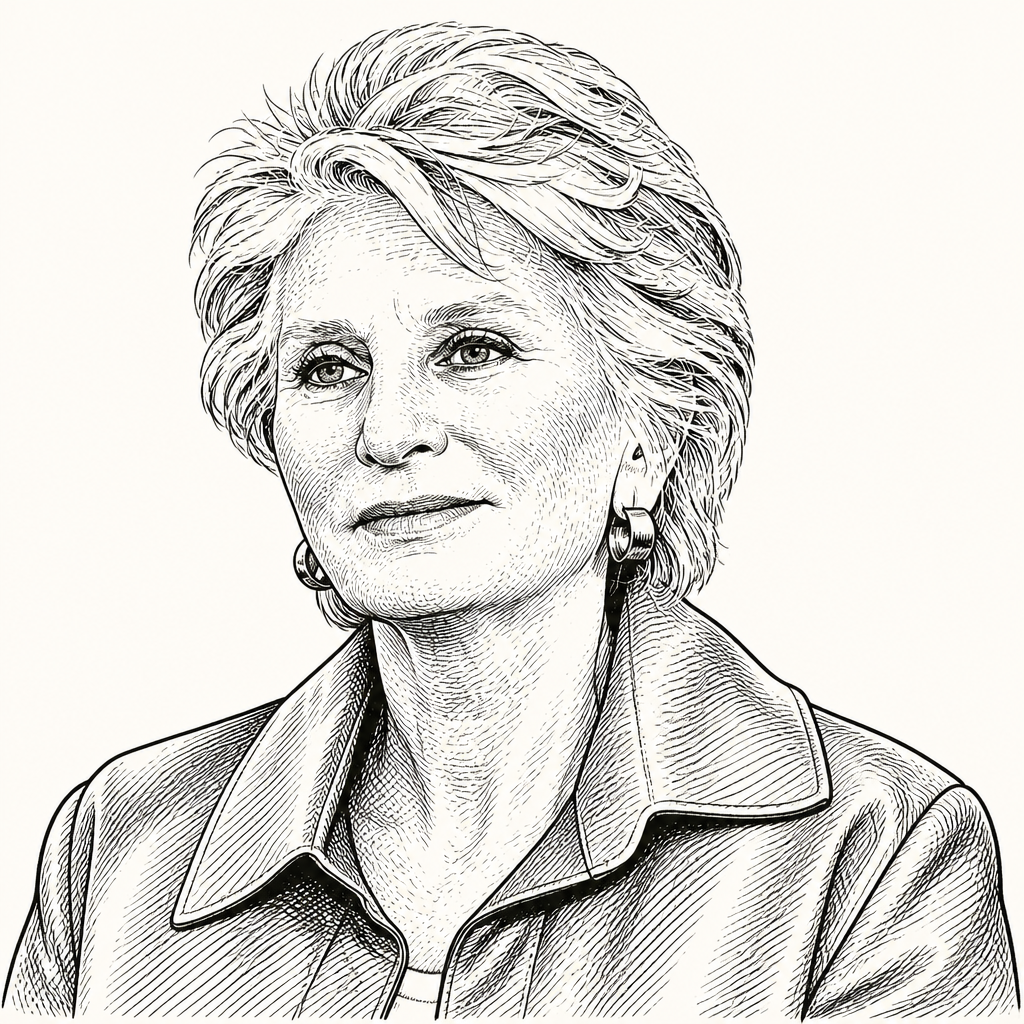
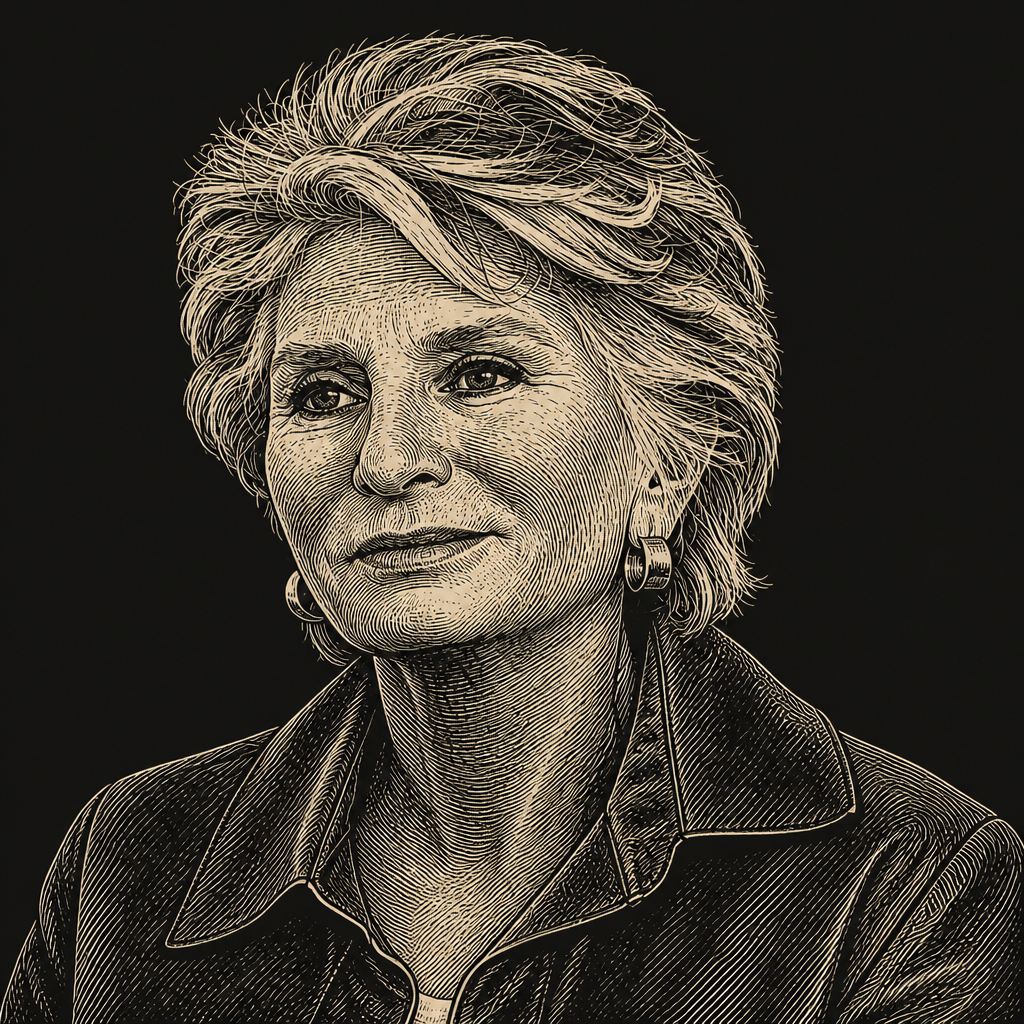
That is Kılıç’s explanation for why an air-defense procurement decision now constrains the deeper defense relationship Ankara says it wants with the United States. He did not present the S-400 purchase as a rejection of NATO alignment; rather, he described it as a security choice made when Türkiye believed an ally was not meeting an urgent need.
Türkiye’s offer on Ukraine is a venue, not a settlement
Kılıç’s case for Türkiye as an intermediary begins with the Black Sea. He described it as politically and militarily “cold” or calm—not because of the water temperature, he said, but because the war has not expanded there into a broader military front. Türkiye has helped maintain that condition, he argued, through the Montreux arrangement: it closed the Turkish straits, the Bosphorus and Dardanelles, to military operations, preventing Russia and Ukraine from moving military hardware through them.
That measure had contributed “immensely” and “pivotally” to keeping one front calm, he said. He also cited Türkiye’s role in the grain deal and the meetings it hosted in Istanbul after the war began. Kılıç said he had personally taken part in roughly eight meetings concerning a path forward.
For him, outside states cannot determine the terms of peace. Russia and Ukraine will ultimately have to sit down and make peace themselves. Other governments can offer what he called a secure and viable setting—both geographically and politically—where the parties can trust the environment enough to discuss their differences. Türkiye believes it can still help supply that setting, he said, but it cannot bridge the underlying disagreement by itself.
As the war drags on longer and longer, with any armed conflict, the wound is deepening. And once it gets deeper, the resolution gets harder.
David Sanger pressed Kılıç on whether reported Russian casualties and economic disruption had become intolerable for President Vladimir Putin. Kılıç resisted treating the question as a threshold calculation. Analysis of casualty figures and projections, he said, risks obscuring what the numbers represent: lost human lives, relatives, friends and colleagues.
Those losses are pressure on both sides, he said, and a longer war creates more incentive to end it. But he argued against relying only on pressure. Kılıç acknowledged that Russia is larger and stronger and that it started the war. Still, he said the central obstacle is that Russia and Ukraine have sharply different conceptions of what an end should look like. President Trump’s interest in a deal and pressure from the international community can matter, in Kılıç’s view, but they cannot substitute for political will and diplomacy between the parties.
Kılıç did not suggest that either party lacks an interest in ending the conflict. His claim was narrower: the parties differ over the terms of an end, and every additional day makes the eventual settlement harder. Türkiye’s leverage, as he presented it, lies in keeping a channel and a meeting place available, while limiting military escalation around the Black Sea.
On reports of internal turbulence in Kyiv and the firing of Defense Minister Fedorov, Kılıç was deliberately cautious. It was a developing story, he said. War creates pressure points, and President Volodymyr Zelenskyy might be trying to manage internal issues; Türkiye had seen such strains before and expected Ukraine to get through them.
A closed strait makes Iran’s conflict an economic-security problem
Kılıç applied the same preference for open channels and restraint to Iran. Türkiye and Iran, he said, have avoided a border conflict for more than 450 years, with a boundary that remains broadly similar to one recognized in Ottoman times. Iran is “an old civilization,” he said, whatever one thinks of its present government or policies.
He would not judge whether the Trump administration had misunderstood Iranian incentives before the current confrontation. But he said the economic effects of the conflict and associated closures had to be taken “very seriously” and resolved quickly. Türkiye was working with Gulf countries, Iran, the United States and NATO allies to end the conflict, he said.
The practical concern is the closed strait. Asked whether it could remain shut a year from now, Kılıç said he hoped not and that all parties should do everything in their power to reopen it quickly. Alternative energy corridors involving Syria, Iraq and other regional countries cannot realize their potential while the conflict persists, he said.
David Sanger asked whether nuclear material remaining buried at Isfahan and elsewhere posed a particular regional threat. Kılıç was less alarmed than the question implied. He said he did not perceive a nuclear threat “to the level that is being talked about,” while adding that Türkiye was monitoring the matter closely and speaking with Iranian counterparts about what he called their civil nuclear program.
Syria belongs to the same regional calculation. Its economic recovery was not moving quickly, Kılıç said. He said Trump had discussed, during his Ankara visit, lifting a U.S. sanctions measure affecting Syria, and Kılıç’s view was that such a move would strengthen the Syrian economy. He also pointed to increasing engagement by European allies with Syria’s government.
The regional requirement, in Kılıç’s formulation, is a viable Syrian state that does not threaten its neighbors and has a future prospect. Syrian economic weakness is therefore not only a reconstruction problem; it affects regional security and the economic possibilities of connected countries.
Europe remains a strategic goal; Africa extends the partnership model
Kılıç described Türkiye’s relationship with the European Union in practical rather than sentimental terms. Born and raised in Germany, he said, he knows that the EU is difficult even for its own members to navigate. Brussels is a large bureaucracy, and member states often cannot agree among themselves.
Türkiye still has quarrels with the EU, he said. The issues have changed since the late 1990s and early 2000s, but disagreement remains. The changing realities of the world may alter priorities, as an audience question suggested, but Kılıç said Ankara still regards full EU membership as a strategic goal after more than 50 years of waiting through successive forms of the European project.
He distinguished between seeing Türkiye as part of Europe and assuming it is part of the European Union. Both Ankara and Brussels have substantial work to do, he said. Türkiye is not simply holding a grudge, though he acknowledged Erdoğan’s view that waiting more than half a century for full membership is a long time. The model he offered was closer to NATO’s: allies do not agree on everything, but they seek common ground.
Türkiye’s engagement in Africa fits that same model of building working partnerships across regions rather than treating foreign policy as a choice between Western institutions and other relationships. Kılıç said cooperation with African countries had increased substantially under Erdoğan’s governments since 2002, and claimed Türkiye now has the largest number of embassies on the continent.
Trade is part of the relationship, he said, but not the whole of it. Kılıç framed the aim as deeper partnership with African states and cooperation that helps produce viable, sustainable governments. He said Türkiye believes it has an advantage because, in his account, it has not repeated mistakes made by other outside powers toward the continent. Ankara is also open to cooperation there with NATO allies, EU members and other European partners.