Federal Policy Should Make Partial ESOPs Work for Larger Employers

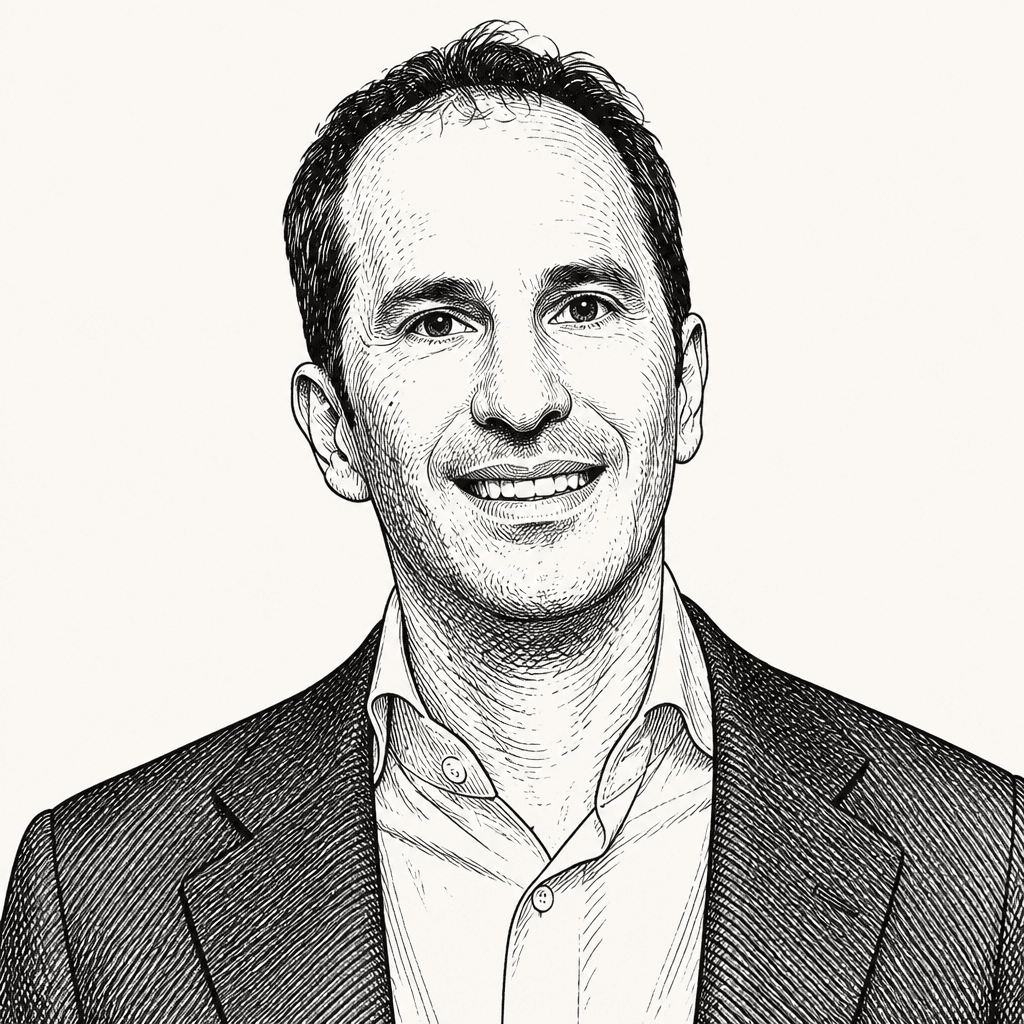
Danny Massey, head of strategy and communications for Expanding ESOPs, argues that employee ownership should be treated as a federal wealth-building policy, not mainly as a succession tool for small private companies. In a keynote at the 2026 Employee Ownership Ideas Forum, Massey says ESOPs have proved they can raise worker wealth and job quality, but their reach remains too narrow. His central case is that policy must make partial ESOPs viable for larger companies if broad-based ownership is to reach millions of workers rather than hundreds of firms a year.
The policy target is partial ownership at large companies
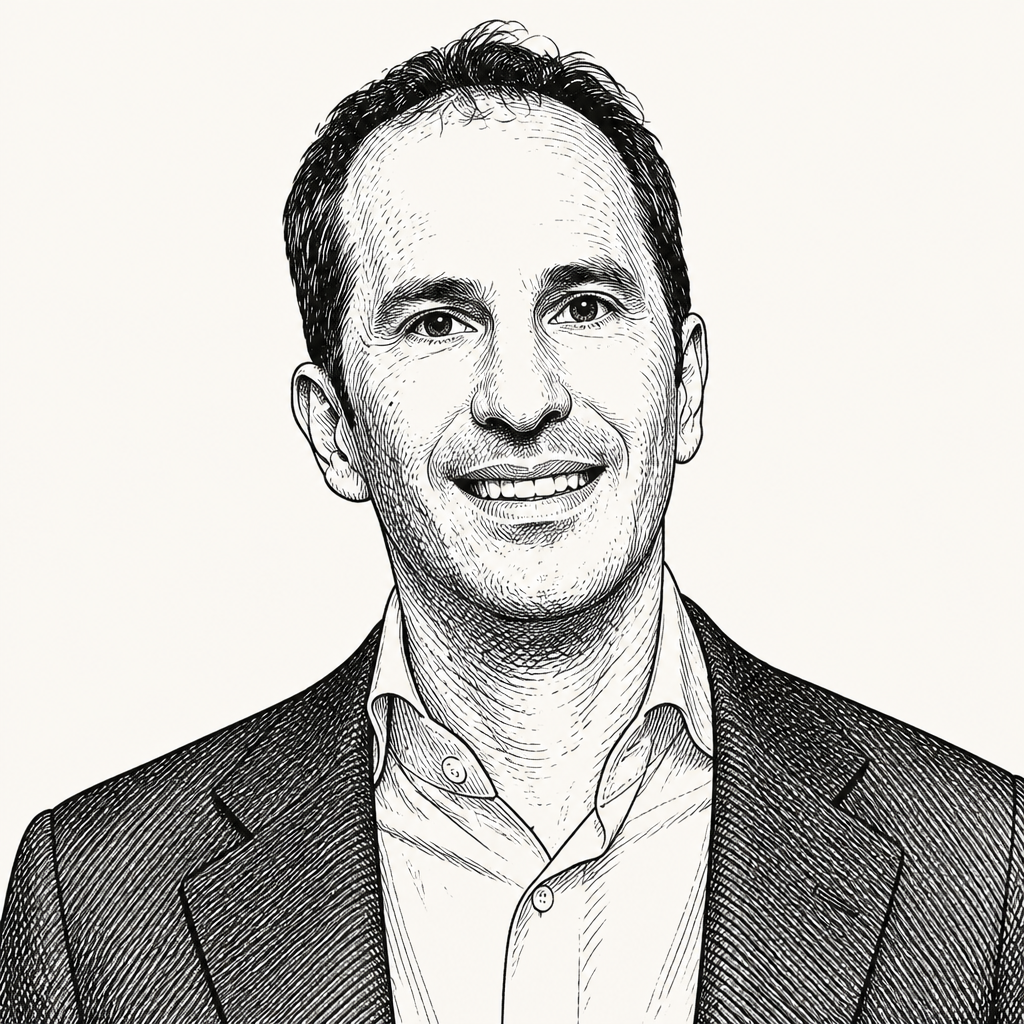
Danny Massey frames broad-based employee ownership as a response to a specific failure in the economy: wages matter, but wages alone do not determine who shares in growth. The larger divide, in his argument, is between people who own equity and people who do not. That is why the concrete policy problem he emphasizes is not only how to preserve existing ESOPs, but how to make partial ESOPs economically workable for larger companies.
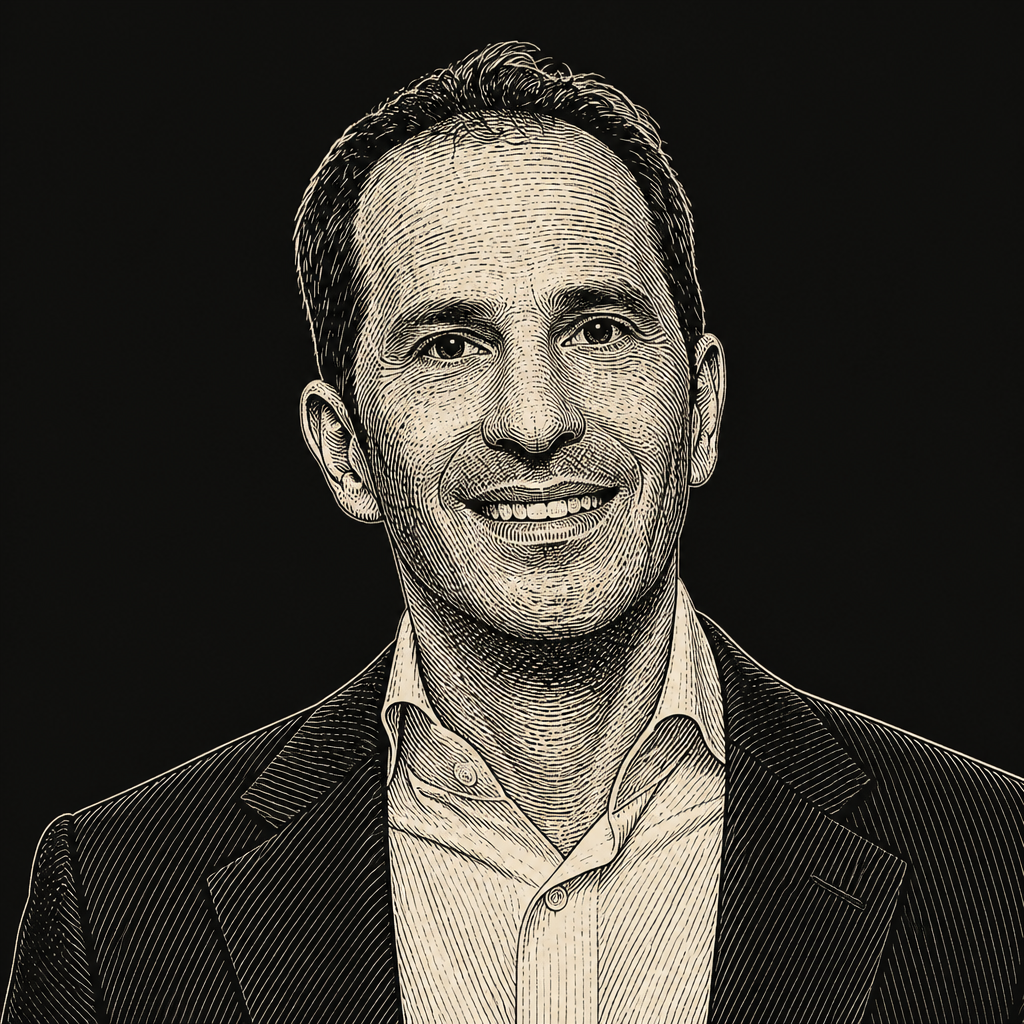
Massey says ESOPs already have years of academic research behind them as a wealth-creation and job-quality tool, lifting workers’ assets, supporting secure retirements, and improving company performance. But he argues that the model’s current reach is far too narrow. About 250 new ESOPs are formed each year, he says, which is only 1% of the roughly 25,000 companies bought and sold annually. Formation is also concentrated: 71% of new ESOPs have fewer than 100 employees, and most are in industrial and service industries.
| Measure | Figure cited by Massey |
|---|---|
| New ESOPs formed each year | About 250 |
| Share of companies bought and sold annually that become ESOPs | About 1% |
| New ESOPs with fewer than 100 employees | 71% |
The constraint, as Massey describes it, is structural. ESOPs work well for closely held companies, especially where 100% employee ownership is feasible and tax treatment is favorable. But after a year of conversations with leaders at large companies, he says Expanding ESOPs has concluded that the economics do not work for large companies structured as C corporations, particularly more highly valued businesses and firms with many shareholders. The corporate tax incentive, in his account, is not strong enough to outweigh the cost and risk of forming a partial ESOP.
Expanding ESOPs is developing a policy meant to alleviate that risk and share the cost with companies. Massey is careful to say the existing 100% ESOP model should be protected. His point is that there are limited situations where workers can become 100% owners of a business, so policy should also unlock companies willing to share partial ownership broadly across their workforce.
He presents partial ESOPs not as a departure from the tradition, but as a return to an earlier policy focus. Joseph Blasi, Massey says, sent him a list of roughly six pieces of legislation beginning with ERISA in 1974 that aimed to encourage partial ESOP adoption at publicly traded companies. Over time, ESOP activity became most prominent at smaller firms that benefited from favorable tax treatment for sharing 100% ownership with employees, and the partial model receded.
Massey argues that the timing now points back toward partial ownership because workers at large employers make up an increasing share of the workforce. His ambition is explicit: not hundreds of new ESOPs each year, but many thousands across industries and company sizes, eventually giving tens of millions of working Americans an ownership stake and creating trillions of dollars in worker wealth.
The ownership gap is the economic problem Massey wants ESOPs to answer
Danny Massey points to the last four decades to argue that even a successful wage agenda would leave a deeper problem unresolved. Since 1984, he says, the S&P 500 has risen by nearly 8,600%. If wages had kept pace with productivity, that would still not solve the ownership gap, because, in his formulation, “who owns stock determines who wins in the economy.”
Who owns stock determines who wins in the economy.
He cites Federal Reserve data for the claim that the bottom 50% of households hold only about 1% of the country’s equities. Without access to equity ownership, Massey argues, many citizens will fall further behind, with workers of color especially affected because they are much less likely to own stock than white workers. He also ties the ownership gap to a broader collapse in confidence, saying fewer than half of Americans born after 1965 expect a better life than their parents had.
The central claim is not that ESOPs are simply generous retirement plans. Massey presents them as a mechanism for moving ownership into the hands of workers who otherwise have little access to capital appreciation. His mission statement for Expanding ESOPs is built around that idea: produce millions more workers who can build wealth through ownership at work.
His own path into the field shapes the comparison. Before joining Expanding ESOPs, where he is head of strategy and communications, Massey spent more than a dozen years working on the Fight for 15. He recalls that when 200 New York City fast-food cooks and cashiers walked off the job in 2012 demanding $15 an hour and a union, reporters dismissed the demand as implausible. The workers persisted, inspired tens of thousands more, and, in Massey’s telling, won $200 billion in raises while rewiring the politics of wages. He says he joined Expanding ESOPs a year and a half ago because he saw the possibility of a similar shift for working people through broad-based employee ownership.
The worker stories show a change in expectations, not only account balances
Danny Massey uses worker stories to illustrate what ownership can change in a person’s sense of the future. He says there can never be “enough worker stories,” especially in a moment when many have given up on the idea that hard work can still lead to getting ahead.
Ronnie Kleinyans of Grand Rapids, Michigan is Massey’s first example. Kleinyans came from a family that had once had access to stable union jobs and pensions at companies such as General Motors. By the time he entered the workforce, Massey says, those options had eroded: relatives had been laid off or bought out, and Kleinyans worked as a roofer before moving to a manufacturer that rebuilt truck transmissions. Massey quotes Kleinyans writing in a Detroit News op-ed that he “didn’t have the same choices as those who came before me.”
The turn came when Kleinyans’s employer was bought by Jasper Engines and Transmissions, an Indiana-based company Massey describes as one of the country’s largest ESOPs. Overnight, Kleinyans became an owner. In the quoted language Massey reads, that transformed the job into something closer to what his grandparents had. The first annual ESOP statements were modest, but the balance kept rising, and Kleinyans came to see the ESOP as “a giant of a benefit” helping him build generational wealth for his family.
Massey’s second example is Dylan Aiken, whose work history included four years at Burger King in Omaha, where he says he only got a raise when the minimum wage went up and left making $7.50 an hour. Aiken later worked at a pizzeria and a meatpacking plant, jobs he described in the Minnehaha Messenger as punching in and out while his labor helped someone else get rich.
After moving in with his mother in Sioux Falls, Aiken found a temp job at Central States, an employee-owned manufacturer of metal roofs and siding in Hartford, South Dakota. Central States, a member of Expanding ESOPs’ coalition, has a stated mission of creating “financial freedom” for employee owners across 13 states, Massey says. Aiken learned to cut metal with a shear, became permanent, moved into a leadership role, and was sent to Texas to train workers at another plant.
His first ESOP statement showed only “a few thousand bucks,” according to the passage Massey reads, but Aiken described the effect as “monumental.” The money mattered, but the larger shift was that he now saw a career, a path, and evidence that the company believed in him. For Massey, both worker stories support the same claim: ownership can convert a job from a transaction into a stake.
Expanding ESOPs is building a coalition for federal action
Expanding ESOPs’ mission, as Danny Massey states it, is to “produce millions more Ronnie Kleinyans.” Speaking at the Aspen Institute’s Employee Ownership Ideas Forum in Washington, DC, he presents the organization’s work as both a policy project and a movement-building project: address federal policy and regulatory limits on ESOP adoption, and build a coalition of companies, advocates, and workers who can argue for broad-based employee ownership as a strategy for shared prosperity.
The coalition now includes nearly 100 organizations, according to Massey, spanning ESOP companies, service providers, financial advisory firms, academic institutions, foundations, advocacy groups, and others. He presents that breadth as necessary for an effort that must both protect the existing ESOP model and make it possible for larger companies to adopt partial ESOPs.
The policy push is also becoming more formal inside the organization. Massey announces Expanding ESOPs’ second hire: Michael Sinacore, the organization’s new head of policy and government affairs. Sinacore, he says, is a longtime leader in economic policy and retirement security who helped build bipartisan support for the SECURE 2.0 Act while serving as economic policy adviser to former U.S. Senator Rob Portman.
Massey quotes Portman saying Sinacore was “instrumental in passing some of the most significant ESOP legislation in years” and brings the policy expertise, legislative skill, and commitment to expanding ownership opportunities that the organization needs. Massey’s case for ESOP expansion is that the research he cites, the worker experiences he highlights, and the economic need he describes already exist. What is missing, in his view, is a federal policy structure that makes broad-based ownership a realistic choice for far more companies.