A New Wealth Benchmark Finds Only 26% of U.S. Households Have Enough to Thrive
 Christopher Wimer
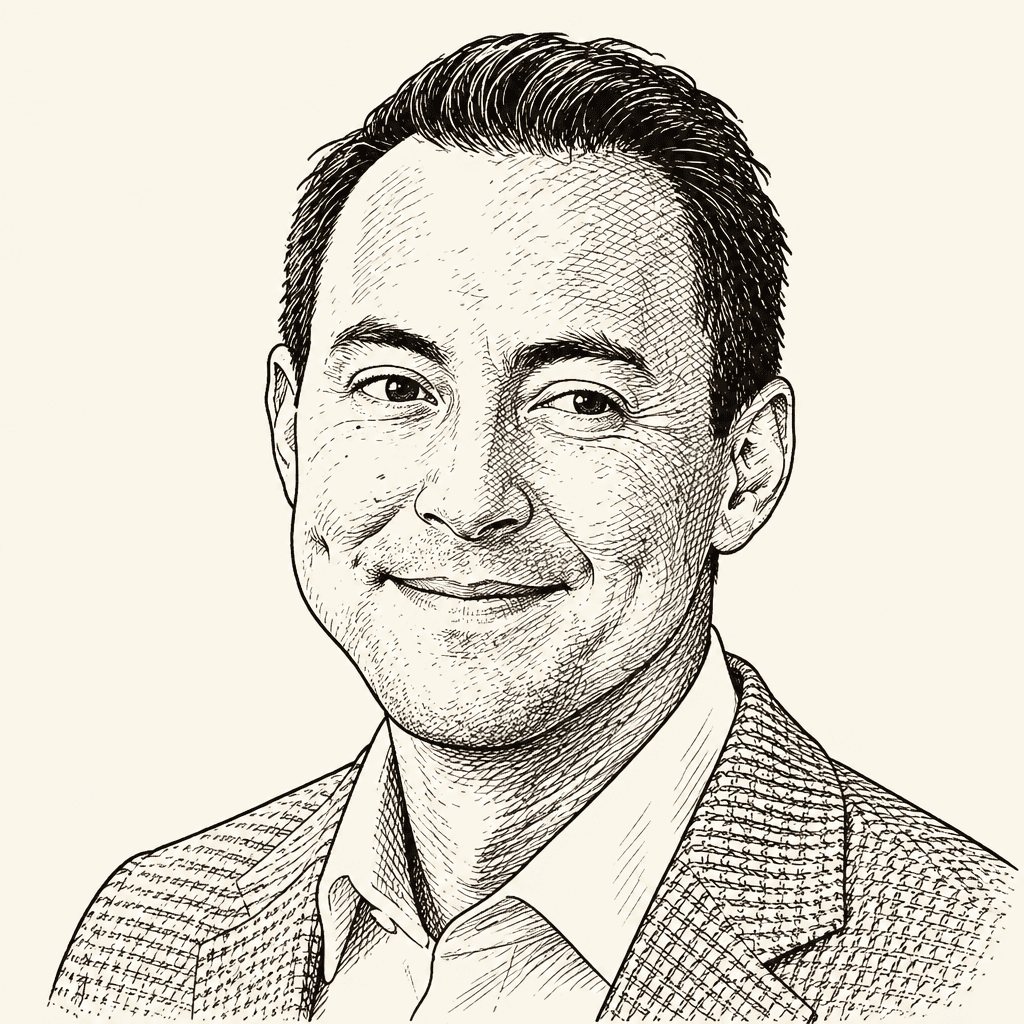 Brenton Peck
 Genevieve Melford
 Julie Stone
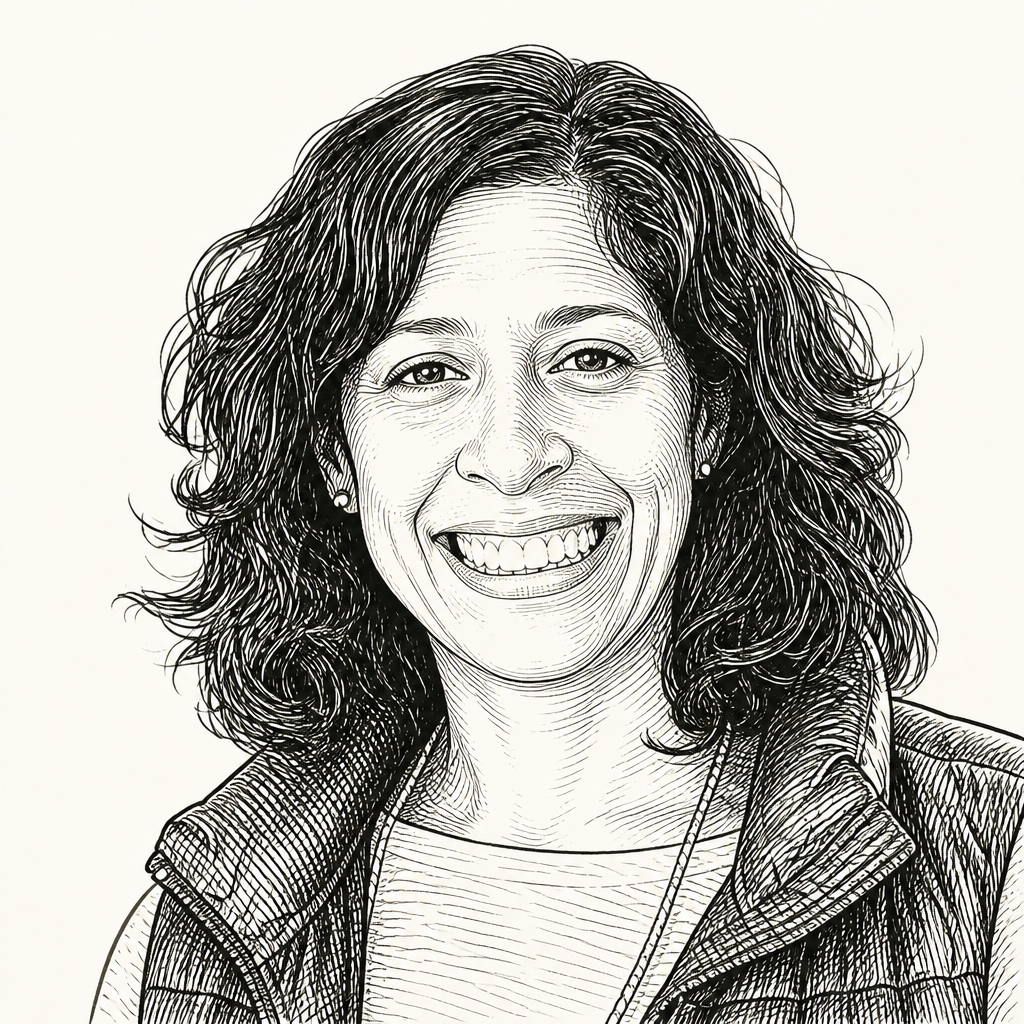
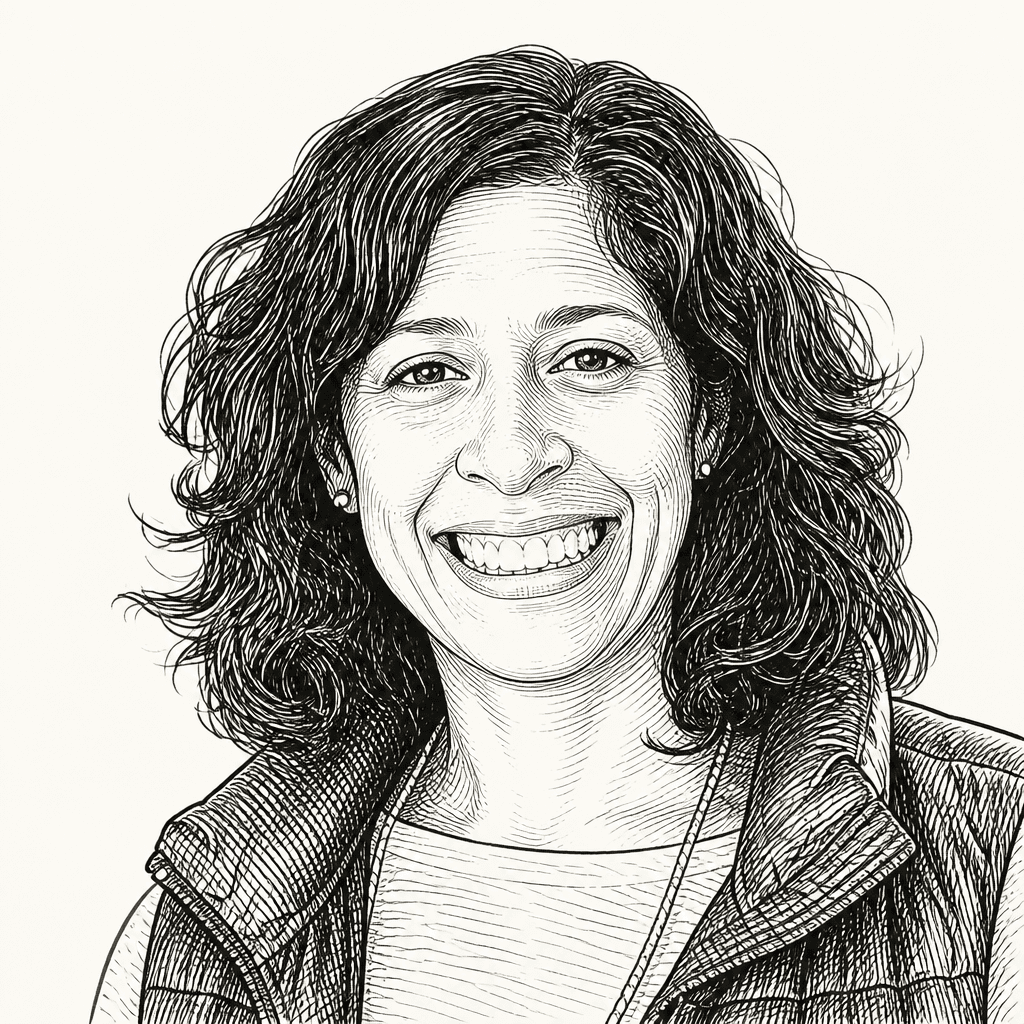 Joanna Smith-RamaniSteven BrownThe Aspen InstituteThursday, September 24, 202612 min read
The Aspen Institute Financial Security Program’s Essential Wealth report argues that financial security cannot be measured by income and expenses alone: households also need savings and assets to absorb shocks, build for the future and make choices. Using 2022 data, the report estimates that 26% of U.S. households meet its essential-wealth threshold, while another 17% meet a lower threshold for emergent wealth. Aspen FSP presents the metric as a first version—a tool to identify gaps, not a solution to them—and argues that researchers, policymakers and institutions can use it to assess whether programs help families build wealth.
A wealth benchmark, presented as a first version
Many familiar measures of household financial security track income and costs: poverty rates, living wages, expenses, and inflation. They say less about whether a household has enough wealth to weather a setback, build for the future, or make meaningful choices. The Aspen Institute Financial Security Program’s Essential Wealth metric is intended to address that gap with a benchmark for asking whether families have enough wealth to thrive, not merely survive.
The presenters emphasized that this is version one, not a finished standard. Steven Brown described the measure as an initial contribution to the field and said Aspen FSP wants feedback to improve and strengthen it. Its estimates describe where households stand under the current method; the proposed applications—including local thresholds, policy modeling, and organizational targets—are work to pursue, not results already established by the measure.
The need for a wealth measure begins with the goals people name: covering health care, saving for retirement, buying a home, paying down debt, spending time with family, and having room to enjoy life and prepare for the future. Many of these goals involve wealth directly or become more attainable with it. Liquid savings can absorb an unexpected expense; net worth can represent an investment in a household’s future; wealth can also provide freedom, agency, and peace of mind.
Brown’s framework treats wealth as serving three functions at once: resilience, prosperity, and well-being. Resilience is measured through liquid savings, prosperity through net worth, and well-being by whether higher levels of wealth correspond with stronger scores on the Consumer Financial Protection Bureau’s financial well-being scale. A household’s position cannot be fully understood through any one of these functions alone.
The metric sets out three milestones. The asset poverty line is a basic floor: enough net worth to subsist at the federal poverty line for three months. Above it, emergent wealth means having enough liquid savings to withstand a typical shock and enough net worth to hold a meaningful stake in an appreciating asset. Essential wealth is the higher goal: full sufficiency, with resources to meet core needs now and a stronger basis for the future.
Emergent and essential wealth are not distinctions between having nothing and being rich. Brown described essential wealth as potentially involving solid savings, a home, retirement resources, or a business—not necessarily vast fortunes. The benchmark is about whether households have resources to support the functions wealth is meant to serve.
The thresholds reflect different needs at different ages
The metric uses different measures for three age bands because what a household needs at 25 differs from what it needs in midlife or retirement. For households under 40, the measurable goal is a down payment. In midlife, it is a nest egg measured against income. At 65 and older, it is a secure retirement, measured by whether income and assets can last.
Each milestone also requires households to clear two kinds of threshold: one for net worth and one for liquid savings. The report distinguishes emergent from essential wealth as follows:
| Age group | Emergent wealth | Essential wealth |
|---|---|---|
| Under 40 | 3.5–15% down payment; two weeks of income saved | 10–30% down payment; six weeks of income saved |
| 40–64 | Two to four times annual income in net worth; $2,000 saved | Three to six times annual income in net worth; six weeks of income saved |
| 65 and older | Elder Index multiplied by life expectancy; $2,000 saved | Elder Index multiplied by extended life expectancy; six weeks of income saved |
For people under 40, the down-payment amounts range from the FHA minimum at the emergent level to a larger share of the price of a median-priced home at the essential level. Brown stressed that the measure does not require people to buy a home. The point is the amount of wealth: it can support age-appropriate asset purchases and contribute to resilience, stability, and returns whether it is held in a house or elsewhere.
For ages 40 to 64, the framework uses multiples of annual income, drawing on familiar retirement rules of thumb. But it applies those multiples to full net worth, not only to retirement accounts. Households build wealth in multiple places, Brown noted, including homes, other investments, and businesses. For people 65 and older, the measure uses the Elder Index, an established estimate of the annual income older adults need to live independently, multiplied by life expectancy. That calculation is intended to represent the wealth needed to cover expenses and other needs over the remaining years.
Liquid savings are assessed separately. Emergent wealth requires enough to cover a typical financial shock. Essential wealth requires enough to manage an income drop and an expense shock happening at the same time. The distinction matters because assets that are difficult to access may not provide the same immediate buffer as liquid savings.
The report also gives illustrative amounts for households at different ages. Brown cautioned that these are not exact targets for every family: they reflect a household with median income or a median-priced home in the relevant age group, and thresholds vary with income, household composition, and other factors. In the illustration, essential wealth is $40,000 for ages 18–29, $120,000 for ages 30–39, $265,000 for ages 40–49, $530,000 for ages 50–64, and $775,000 for ages 65 and older. The corresponding emergent-wealth figures are $15,000, $60,000, $175,000, $350,000, and $575,000.
These estimates show why a balance cannot be interpreted in isolation. A figure that represents a meaningful foundation at one stage of life may fall short of the resources needed at another. The displayed amounts are ballpark illustrations, not individualized calculations.
Most households fall short, but in different ways
Using the 2022 Survey of Consumer Finances, Aspen FSP estimated that 26% of U.S. households—34.1 million—have essential wealth. Another 17%, or 22 million households, meet the emergent-wealth threshold. Together, those groups make up fewer than half of U.S. households.
The largest group, 43% of households, is above asset poverty but below emergent wealth. Brown described this as a varied population. Some households have working-class incomes and just enough savings to get by. Others have higher incomes but are weighed down by debt, including student loans. Some are homeowners with assets but little in savings, stretched by costs such as health care and child care. Their situations differ, but each falls short of at least one requirement for emergent wealth.
The remaining 14%—18.5 million households—are below the asset poverty line, with no meaningful net-worth cushion and, Brown said, a high likelihood of deep financial precarity.
The breakdown is not simply a ranking of households by wealth. A household may have net worth but insufficient liquid savings; another may have some savings but too little net worth to build a lasting stake in an asset. The metric is designed to make those different positions visible so that interventions can respond to what households lack.
That diagnostic role is one proposed use, not a solution in itself. Brown compared the measure to a medical scanner: it can help identify a problem and gauge its scale, but it is not a cure. Better measurement, he argued, should help organizations decide what resources, programs, or policy changes are needed next.
Income and wealth are complementary, not competing measures
For Julie Stone, the urgency of measuring wealth comes from the affordability crisis, not in spite of it. Gary Community Ventures, where she leads family economic mobility work, is operating on a finite timeline: Stone said the organization is sunsetting and has nine years to help bend the arc of opportunity for families. Efforts to improve wages, jobs, education, and skills matter, she argued, but the conversation is incomplete if it avoids assets that grow in value over time.
“We aren’t talking about wealth in spite of the affordability crisis. We are talking about wealth because of the affordability crisis,” Stone said. In her account, families cannot save or acquire financial literacy their way out of a structural mismatch between wages and costs. She described median wages as relatively flat for decades while, in Colorado, the cost of living has outpaced those wages two to one. Affordability is the pressure point that makes productive assets necessary, she argued—not a reason to postpone the conversation about them.
That does not mean income is unimportant. Christopher Wimer said income helps households build wealth, while wealth can help them withstand shocks and meet current needs as well as future goals. Poverty and income measures have supported monitoring across time, populations, and places, and helped researchers examine how policy changes affect economic security. An essential-wealth measure, he argued, could complement that infrastructure by bringing wealth into a broader assessment of sufficiency.

The practical challenge is that wealth has not had the same measurement infrastructure as income. Wimer said researchers need to incorporate essential-wealth measures into existing data sets so they can study who is falling short, where, and how policy might change those outcomes. With that infrastructure, researchers could examine not only the effects of tax credits or housing vouchers on poverty and income security, but also how policies such as baby bonds or children’s savings accounts might close wealth gaps.
The metric is also intended to change how institutions talk about wealth. Brenton Peck said financial-services firms have long sought a quantitative definition of “enough.” He described the Aspen work as a way to make a broad idea—confidence in building wealth—more concrete and measurable, and to connect it with people’s goals. Wealth, he said, should be understood as a necessity for everyone, not a service reserved for people who already have money.
That framing does not point to a single solution. Peck said accessible investing platforms had become more available, but that access alone had not necessarily changed behavior. He pointed to affordability pressures and the difficulty of setting aside money for long-term goals. A shared benchmark could help financial institutions develop and assess more targeted, lower-cost tools, he said, while acknowledging that no single intervention will be sufficient.
Colorado’s approach is to change the routes into ownership
Gary Community Ventures has published Colorado-specific essential-wealth thresholds and set a goal of doubling the number of Colorado households with essential wealth over ten years. Stone said reaching that goal would mean creating new opportunities for roughly 800,000 families. In her view, the scale requires asking institutions to change the options available to families, rather than asking families to change their behavior.
“Wealth is structural in our country, it is not individual,” she said. The rules by which products and pathways qualify people shape who gets to participate in asset ownership. Gary’s approach is to identify ways systems can make participation more accessible, particularly for people who have not been included in the conversation about assets.
Stone described four areas of work: home ownership, employee ownership, community ownership structures, and individual assets such as stock-market investments. Across them, she said, the question is how to bring thousands of people into systems that allow them to benefit from assets over time without requiring them to become different people first.
In home ownership, Gary piloted down-payment assistance for first-time Black homeowners. Stone said the program’s recycling capacity and success in helping families enter home ownership led the organization to propose a state program using Colorado’s school permanent fund, which she said holds almost $2 billion. The proposal was to offer down-payment assistance to public school employees who could qualify for a mortgage. Stone said it passed and that resources had been dedicated to help 2,000 public school employees a year move toward home ownership.
Gary has also worked with the Colorado legislature on a law that would waive capital gains when a company converts to employee ownership. Stone said the law passed, but added that this alone would not create a movement. She sees it as one part of making employee ownership more attractive to business owners who are exiting, while creating employee access to wealth and helping retain companies in local communities.
For individual assets, Stone pointed to existing accounts and incentives, including a baby-bonds pilot for teenagers called Ignite Futures and state-funded 529 accounts. She said participation is low when families must discover programs, opt in, understand the rules, and take the steps needed to benefit. As a possible direction, she proposed a shared wealth platform through which Colorado residents would be enrolled in an account from birth, with public seed money belonging to them without a series of separate applications. She described this as an idea to explore, not a finished design.
Wimer sees a potential role for broader use of the metric in making wealth thresholds more usable for program staff and policymakers, as poverty guidelines have been simplified over time for practical application. He also sees a role for policy modeling: if researchers can add the measures to data sets, they could estimate whether different designs for asset-building policies would move households toward sufficiency, and by how much.
A national benchmark will need local measures of progress
Aspen’s presentation proposed using the metric to set thresholds at state and county levels, compare outcomes across demographic groups and places, and study what moves households from one milestone to another. Philanthropies could use the levels to define progress across grant portfolios. Financial institutions could assess where customers and employees fall on the pathway and shape products and benefits accordingly. Policymakers could set outcome targets and evaluate whether programs move households along the path.
But the national measure may not shift quickly enough to serve as the only indicator of progress. Stone said Gary wants to work with community partners and institutions to build interim measures—a dashboard or scoreboard that could show where Colorado stands and track contributions by programs, policies, and organizations. She argued that a movement toward essential wealth requires both a population-level goal and visible markers along the way.
Stone cited Cross Purpose, a Colorado program that has created a wealth fellowship for participants who have gained initial stability and are looking to begin participating in compounding assets. Recounting a conversation with a close Gary partner, she shared the comment: “More financial literacy without new access to capital for our communities is despair.” For Stone, the point is not to dismiss financial education, but to insist that education without access to assets leaves the central constraint untouched.
The same systems approach applies to protecting wealth, not only building it. Asked about financial shocks and downturns, Stone argued that households already face income shocks and that wealth can provide another tool for weathering them. She called for an ecosystem that combines access to productive assets with protections, including attention to credit and debt at the outset, and insurance and safeguards against predatory lending.
Brown added that wealth is meant to be used: to pay for shocks, retirement, and other needs. Preservation cannot mean keeping assets untouched. But households also need stronger protections against scams, predatory actors, and other ways wealth can be lost. He pointed to possible interventions around estate transfers, home sales, fraud, and scams as areas for further work.
The metric’s provisional status matters here. Brown and Joanna Smith-Ramani described it as work to improve through feedback, research, and practical use. It is not presented as a cure for the forces that leave households short of wealth. It is a shared way to describe the gap and compare positions; its proposed uses include helping organizations ask whether interventions are closing that gap. Its usefulness will depend on whether researchers build the data infrastructure, institutions adopt it in practice, and policymakers and communities use it to create routes into ownership.