ESPN Opens $10,000 Grant Round for Youth Sports Innovation
 Stephen CurryKerri Jennings
 Jennifer Paulett
 Eli Manning
 Luka DončićThe Aspen InstituteThursday, May 21, 20263 min read
ESPN’s Jennifer Paulett used the Project Play Summit 2026 to frame Take Back Sports as a participation-first youth sports initiative, arguing that the goal is more children playing in safe, positive environments rather than a pipeline for elite athletes. Paulett said ESPN and Disney will open a second round of the Take Back Sports Innovation Challenge, offering $10,000 grants to summit organizations with 30 days to apply.
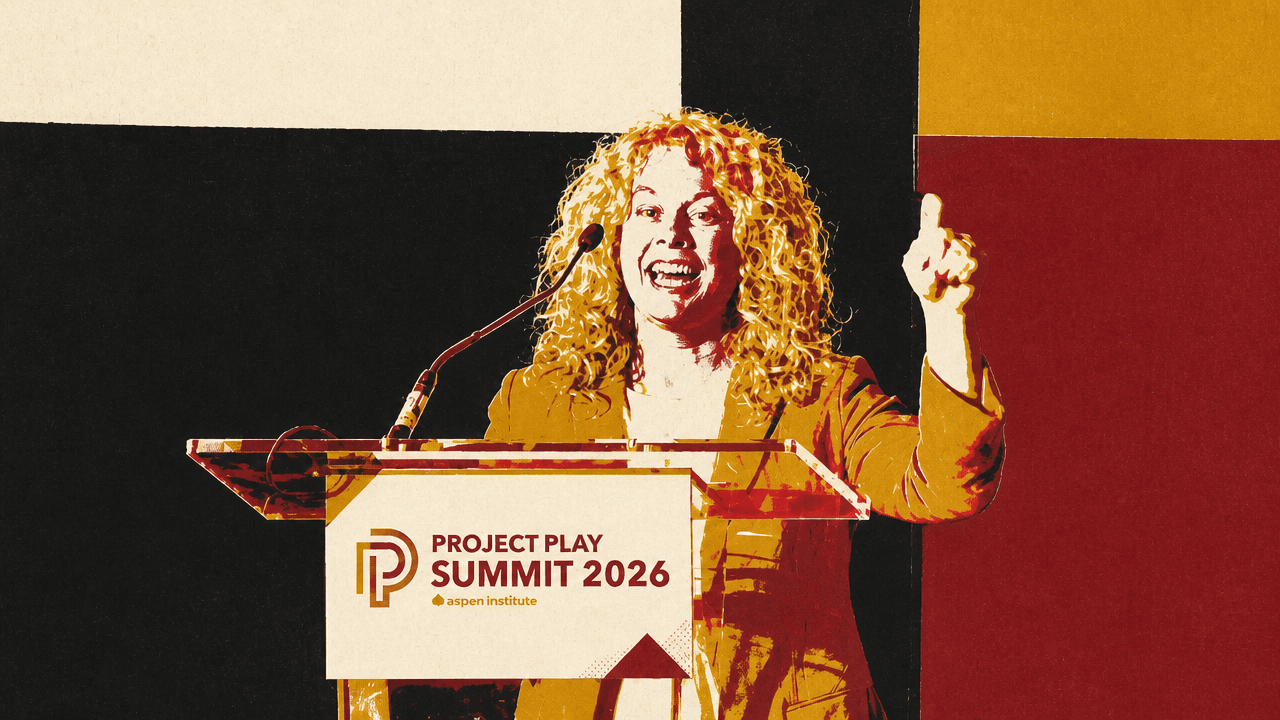
ESPN’s announcement pairs a participation-first message with a new $10,000 grant round
ESPN and Disney’s Take Back Sports initiative is built around a participation-first premise: youth sports should give more children a lower-pressure place to play for joy, confidence, community, and self-discovery. At the Project Play Summit 2026, Jennifer Paulett, ESPN’s Director of Corporate Citizenship, made the immediate ask concrete: ESPN will launch a second round of the Take Back Sports Innovation Challenge, with $10,000 grants for summit organizations working differently on youth sports challenges.


The participation concern is grounded in one figure presented before Paulett’s remarks: just over 38% of children ages six to 12 participated regularly in sports in 2023.
ESPN’s answer is not presented as a push to identify future stars. It is a push to widen everyday participation and improve the experience children have when they play.
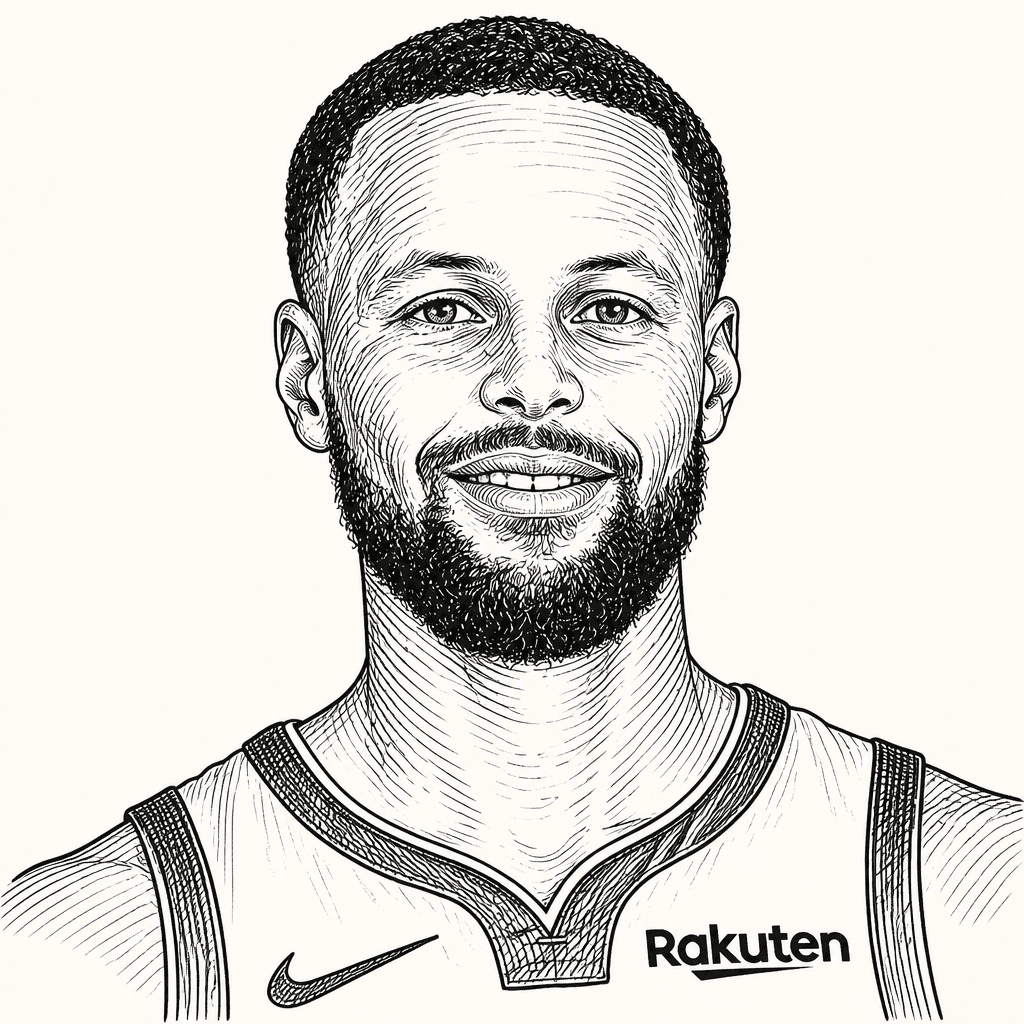
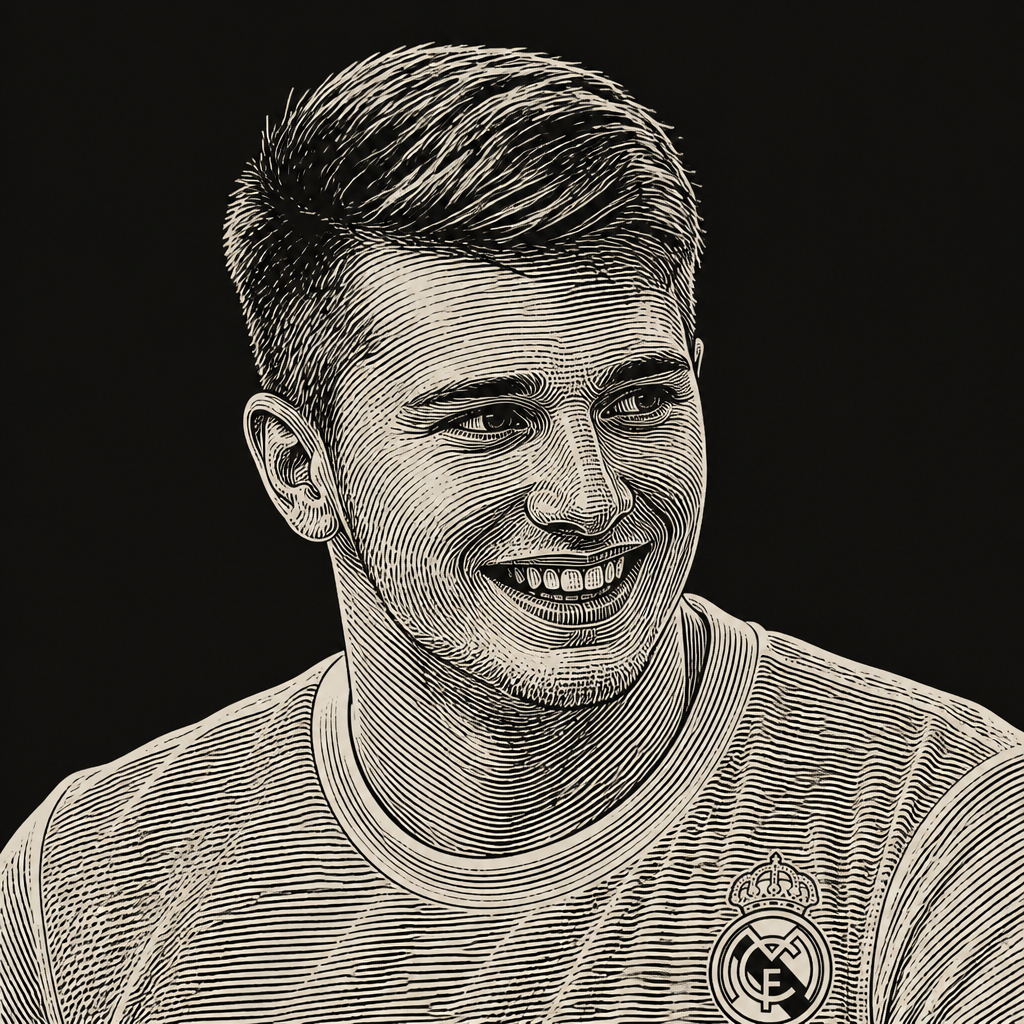
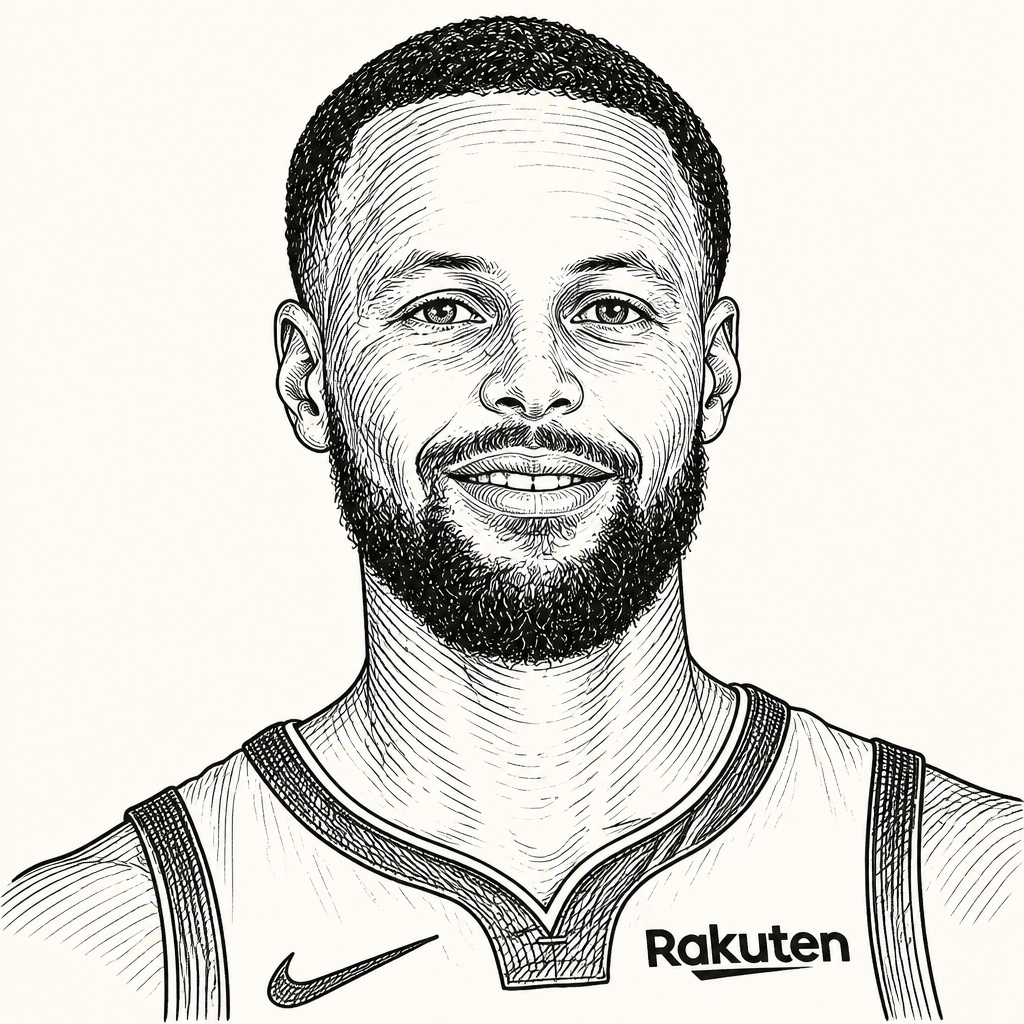
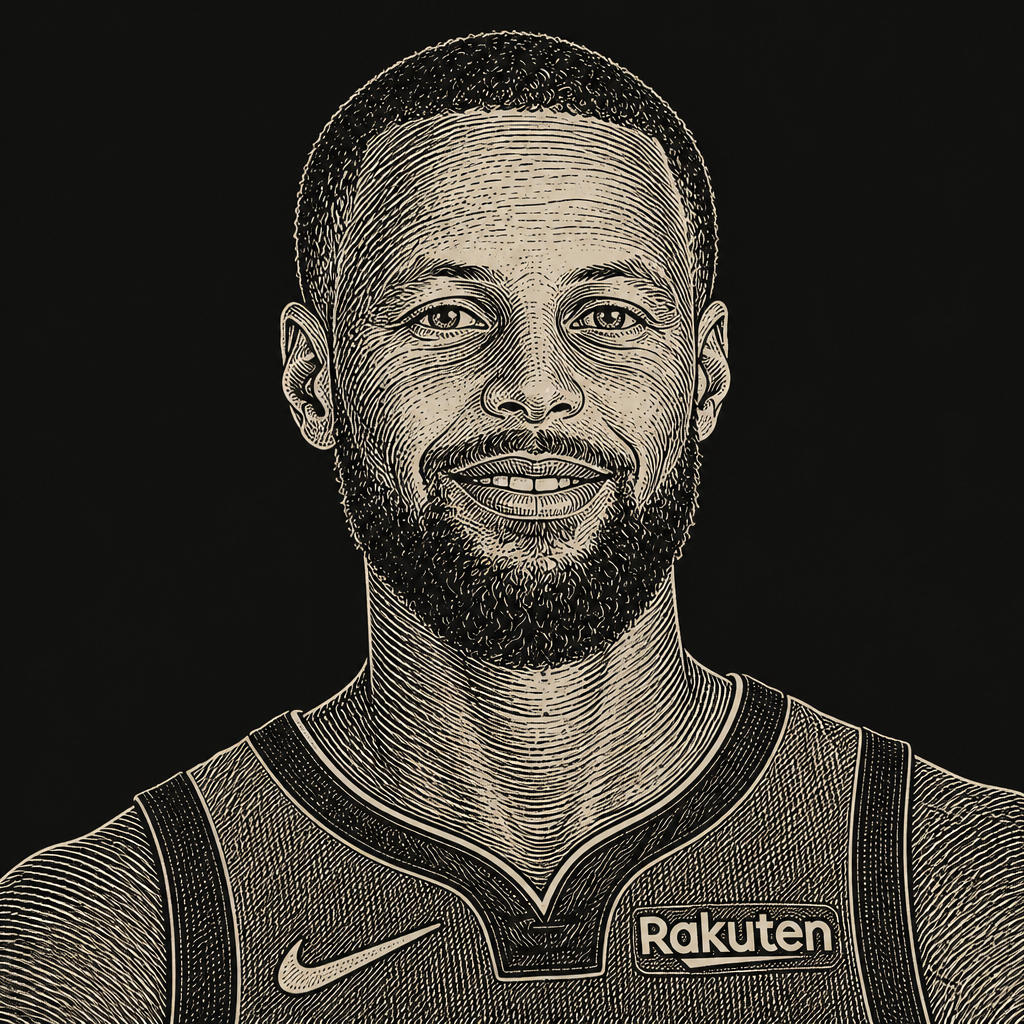
Luka Dončić describes the desired childhood sports environment as one without stress, while acknowledging that rebuilding it will be “a long process” that has to proceed “step by step.” Stephen Curry calls sports “a beautiful environment for self-discovery and building confidence and community and friendships.” Eli Manning states the anti-elite-development point most directly.



It’s not about building the next MVP. It’s about more kids playing any position in any sport just for the joy of it.
The coach-training figure extends the initiative beyond access and into the quality of the experience. A displayed impact slide says Take Back Sports has reached 935,000 kids through youth sports grants and trained 67,000 coaches “to foster safe, positive experiences.” Those numbers put the work on two levels at once: funding opportunities for children and improving the environments adults create around them.
Kerri Jennings adds a related emphasis: the value of sport is in “the journey” and “living the moment.” Her point fits the broader Take Back Sports message: success is not only whether a child advances, wins, or specializes, but whether the experience itself remains worth having.
The first year combined grants, athlete ambassadors, and ESPN programming
Jennifer Paulett says Take Back Sports was launched by ESPN and The Walt Disney Company a year earlier at Berkeley. At the Project Play Summit 2026, she presents the first year as an effort to change the narrative around youth sports through grants, athlete ambassadors, SportsCenter programming, and Youth Sports Week.
Paulett says the initiative has made “incredible progress in changing the narrative around youth sports.” The evidence she offers is practical and platform-based: nearly a million children impacted through philanthropic grants; 25 athlete ambassadors onboarded; a weekly SportsCenter segment devoted to youth sports; and the completion, about a week before her remarks, of ESPN’s first annual Youth Sports Week across its platforms.
The initiative is branded as “ESPN Take Back Sports,” a “youth sports movement powered by Disney,” with TakeBackSports.org presented for parenting tips and resources. The audience is asked to “join us,” placing the work in coalition terms rather than as an ESPN-only announcement.
Organizations at the summit have 30 days to apply
The concrete new commitment is the second round of the Take Back Sports Innovation Challenge. Jennifer Paulett says ESPN will make $10,000 grants to organizations attending the summit that are “thinking differently and innovatively” about the challenges facing youth sports.
The application window is short: Paulett says organizations have 30 days to apply. A presentation slide displays a QR code to apply for the Take Back Sports Innovation Challenge, and Paulett adds that the application link will also be available in the post-event email.
Paulett describes the grants as available to organizations attending the summit. She also calls out two recipients from the prior year’s Innovation Challenge: CHJS and Let Her Play, both described as making impact in Boston. She does not detail their programs, but she uses them as examples of the kind of local work the challenge is meant to surface and support.