Federal Science Cuts Could Set Research Back for Decades
 Andrea Graham
 Marilyn Ness
 Heather Howard
 Elizabeth WestrateThe Aspen InstituteFriday, October 9, 20267 min read
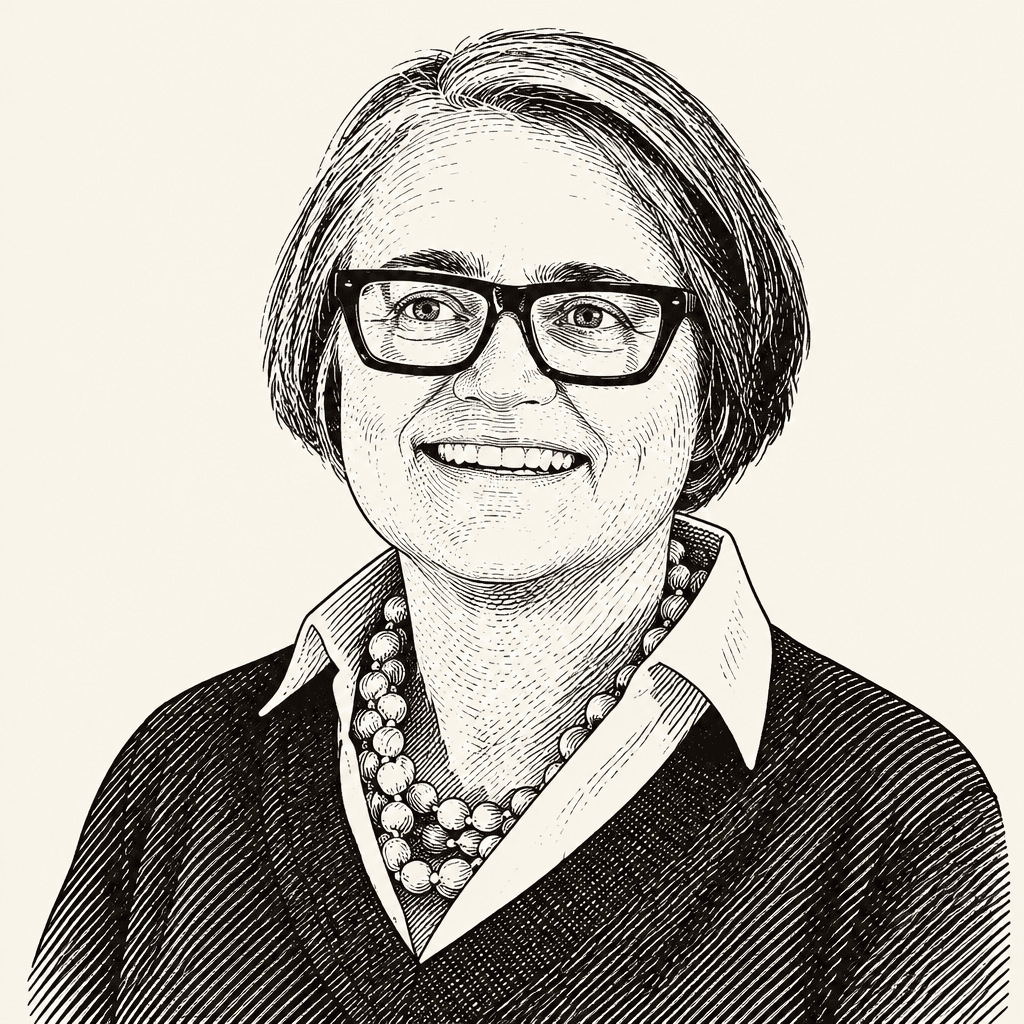
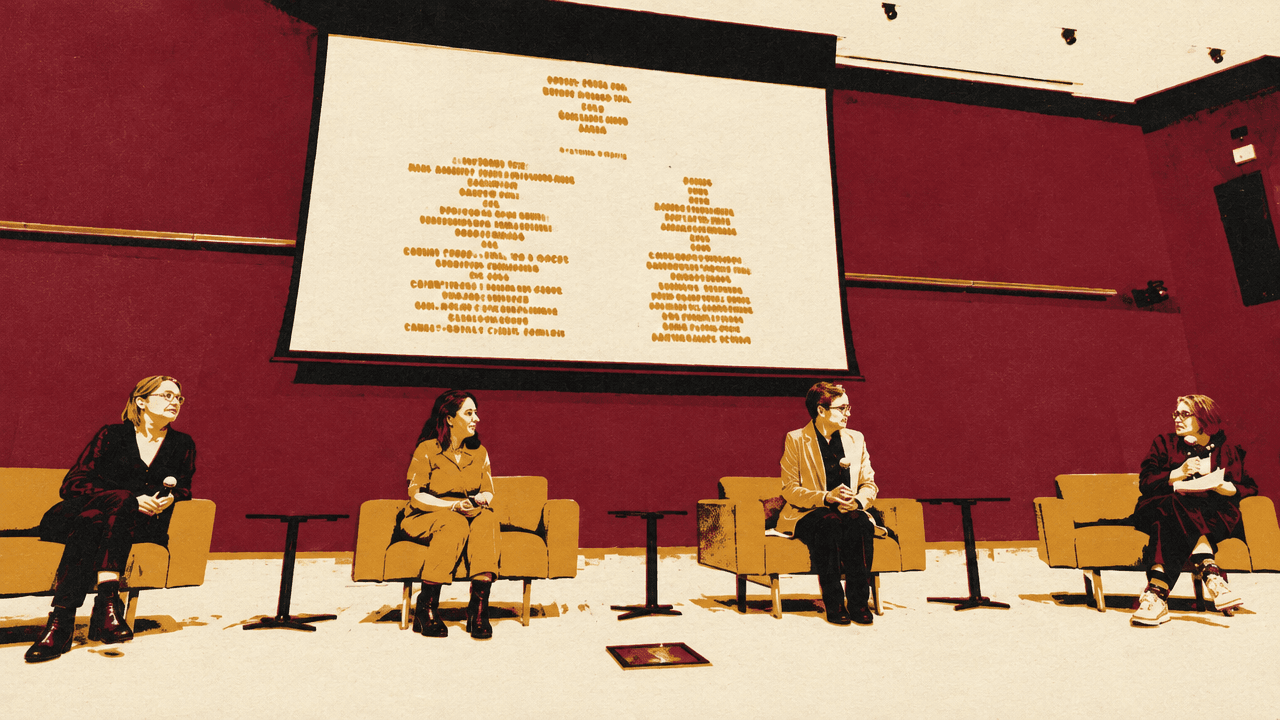
In a Princeton discussion after a screening of *The Endless Frontier*, director Marilyn Ness, producer Elizabeth Westrate and immunologist Andrea Graham argued that cuts to federal research funding threaten more than individual projects: they can break the chain of accumulated work and leave younger scientists without the chance to build on it. Graham said the resulting setback could last for decades, even if policy changed immediately. The filmmakers said they expanded the documentary to show how funding reaches research teams and what its withdrawal means for their work.
Research depends on people and accumulated work
Director Marilyn Ness said the filmmakers set out to make the process of science visible by following researchers curious about questions whose answers might take years to resolve. Rather than build the story around scientists expected to make a major discovery during filming, they adopted an observational approach and joined a field season with immunologist Andrea Graham. They also followed work at sea and in robotics, hoping viewers would find something to engage with in different parts of the natural and technological world.

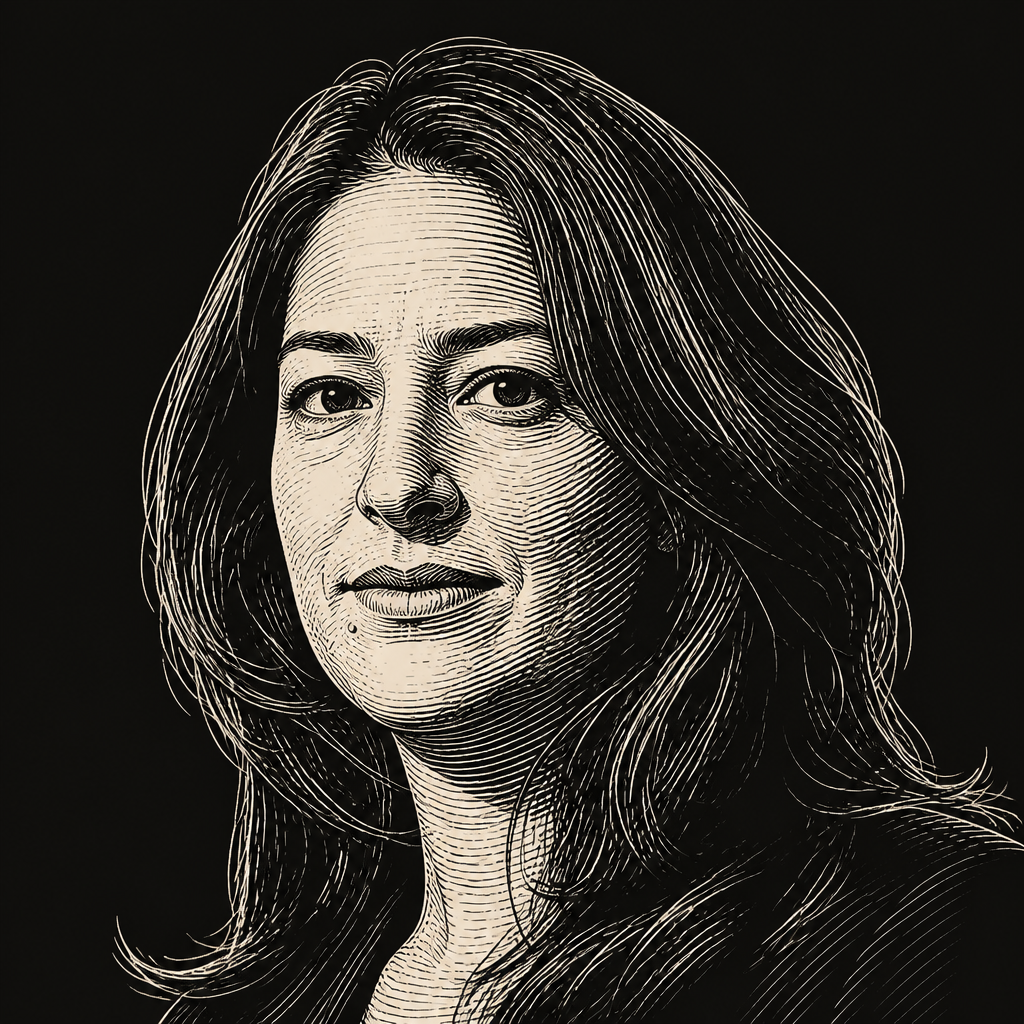

The choice of subjects had to satisfy more than scientific interest. Producer Elizabeth Westrate said the film needed a visual dimension; it could not consist only of people looking through microscopes. The researchers and their teams opened not just their labs but parts of their lives to the filmmakers, making it possible to show them as people as well as scientists.

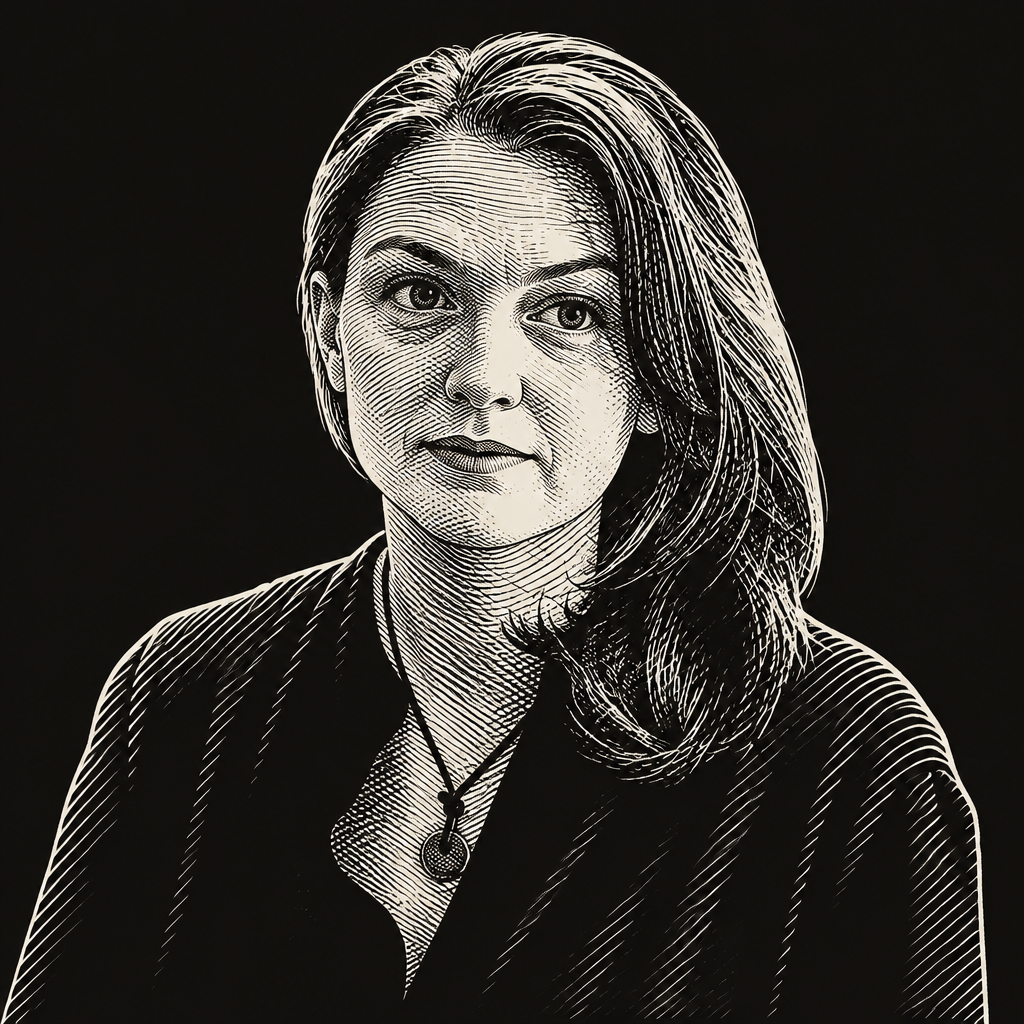
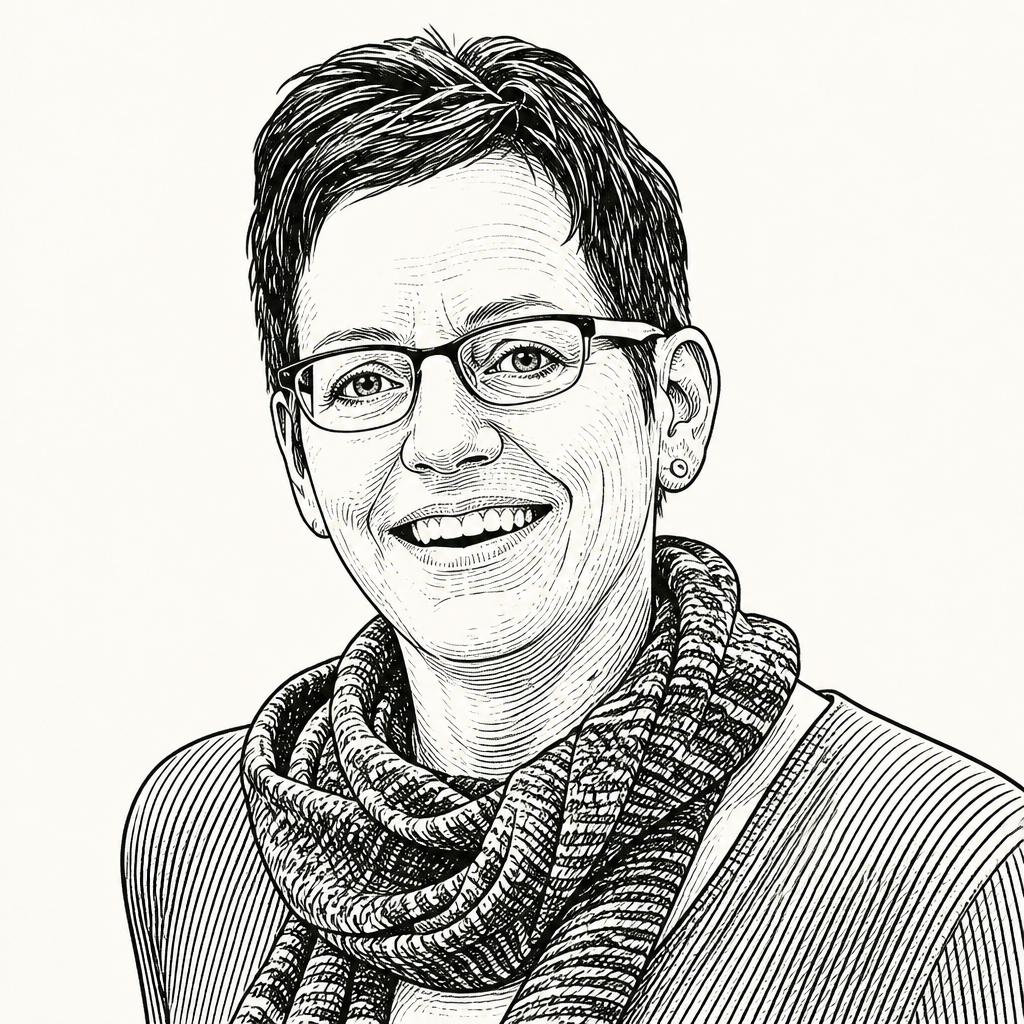
Graham welcomed being described as a puzzle solver. The work, she said, involves puzzles at different scales: long-term questions that may take years or decades, intermediate problems that must be solved to approach them, and small practical obstacles, such as finding the right item in a hardware store. All matter to the larger inquiry. The film also made collaboration visible: Graham’s postdoctoral researchers, students and other collaborators work together on problems no one person could solve alone.
That collaboration is also what funding cuts put at risk. Graham said she was less worried about her own prospects, given her seniority, than about whether younger scientists would be able to pursue their curiosity and develop their work. A generation or two of researchers could lose that opportunity. Science builds cumulatively, she said: her own research depends on work done centuries ago, including the recognition that multicellular animals have immune systems. Work done now, she hopes, will inform research for generations to come. Even a decade-long gap could cost the field accumulated knowledge and momentum.
Ness said Graham’s research on rewilding laboratory mice suggested stakes beyond a single discovery. She had been surprised to learn that the work might change how science is done, because the mice could be better predictors of human health. Graham agreed. In Ness’s view, losing that research could mean losing a different way to conduct experiments, not just one line of inquiry.
The labs faced different consequences from funding losses
The panel described distinct consequences for the robotics lab, the UCLA program and an individual researcher. Ness said funding for the robotics lab’s patient interaction and feedback work had been cut, and called that work “dead.” The lab was based in a rehabilitation hospital so researchers could interact with patients; Ness said that work could no longer continue. She separately said the lab remained open, with staff paid to do incremental research intended to substantiate results that already existed.
The UCLA program shown in the film had a different status. Ness said it received another year of support, marking the end of its three-year grant, one part of which came from the National Science Foundation. The lab had been reduced to half its previous size, and its future remained uncertain.
Westrate added that a member of the robotics lab had a spinal cord injury and was working to help others with spinal cord injuries. His salary came from a grant focused on people with disabilities, which was treated as a diversity grant. Westrate said he lost his job after that funding was withdrawn.
These losses matter to Graham not only because of their immediate effects on particular teams. If younger researchers cannot follow their questions, the scientific community loses their capacity and the work they might have built on. Her concern is that a generation’s research and accumulated experience could be missing from the chain of knowledge that future scientists depend on.
Political events changed the film’s scope
Ness and Westrate began making the film in 2022 or 2023, intending to follow a year of field research and show the challenges of being a scientist. They did not expect the political context to change so dramatically during production. As funding cuts and their consequences became apparent, Ness said, the story shifted. The filmmakers went back to add the history of federal science funding so viewers could understand how support is distributed through agencies and then to colleges and universities.
That history mattered because the cuts could not be explained simply as a departure from a recent practice. Ness said administrations of both parties had invested in science over the preceding 80 years, including the president’s first administration, when funding was directed toward the opioid crisis. Rather than state a conclusion about what had changed, she said, the film presented that history and let the contrast stand.
Ness recalled being on Princeton’s campus as news of the cuts broke and said their effects on research felt palpable. The filmmakers also had to weigh what could safely appear on screen. She said they removed identifying details for some students in Paul Barber’s program and blurred text on clothing; some words became difficult to use as universities and individuals were publicly targeted. Westrate said everyone involved was nervous, but no one asked to be removed from the film.
Westrate said the filmmakers wanted the film to reach people who might not already share their concerns. Some viewers might assume the changes were a way to save money; the filmmakers hoped the film would give them reason to reconsider. That aim shaped their distribution strategy. The film was screening at festivals, with a conventional independent-film release still in progress. But Westrate said they did not want to wait, given the urgency they saw. They were seeking screenings at universities, museums and scientific institutions, including public events that could bring in people outside the research community.
Ness said those audiences should understand not only what happens inside university labs but also what universities contribute to surrounding communities. She cited the film’s presentation of an economic return of more than twice the investment and argued that science has consequences for employment and local economies as well as health and environmental welfare.
Graham sees decades of setback in threatened research
Asked whether the film’s warning that the country could pay for cuts for a century was hyperbole, Andrea Graham said she would expect many decades of setback even if policy changed immediately. She pointed to mRNA vaccine research as a particularly painful example, saying that $500 million had been taken away from its development.
Graham described mRNA technology as a way to design targeted vaccines for infectious diseases, including responses aimed at a particular variant. She also discussed potential applications in cancer treatment. The possibility of developing an mRNA vaccine tailored to an individual patient’s melanoma variants was personal for Graham, who has had melanoma. She also pointed to possible vaccine approaches for pancreatic cancer, which she said is often detected only at an advanced stage. These were examples of promise, not treatments she claimed were already established. In her account, the technology’s flexibility and precision could support personalized medicine; abandoning the work could mean giving up on those possible lines of research.
Rebuilding could improve a system that was not perfect
Asked whether a response to the cuts should mean returning to the previous system or using the disruption to rethink it, Graham agreed that federal research funding was not perfect. Researchers could identify ways to make it more equitable and more open to adventurous work, she said. She also endorsed considering international collaboration and giving scientists more time than a three-year funding horizon allows.
The goal, Graham said, should be constructive rebuilding if the immediate crisis can be contained: preserve scientific momentum while improving the funding system. Foundations might help, but she said they lack either the resources or, in some cases, the vision to replace government support. Some form of collective international government action might become necessary, though she described that as something to build toward rather than an immediate solution.
Ness described filmmaking as a privileged position that brings a responsibility to show how people live within interconnected systems. Her observational approach, she said, aims to point the camera at what is happening without interrupting it. She tends to make films about groups rather than single individuals because people are part of ecosystems, and choices affect one another. Hope, in her account, comes from showing people who might make things better and trusting that their example can endure.
Graham’s final point was that the research featured in the film represented only a part of her work. She said rewilding laboratory mice was the closest she comes to translational medicine. Much of her research is more fundamental and far from an immediate medical application. She studies questions such as why some Scottish sheep breeds reproduce faster than others, and why northern elephant seals may be especially susceptible to a particular worm infection. Those projects were left out, Ness said, because they were beyond the film’s scope.
The distinction matters to Graham’s account of what basic science is. The film aimed to build public enthusiasm for it, but its examples could not encompass research whose value is not a near-term medical application. Her sheep and seal questions illustrate the breadth of that work: curiosity-driven inquiry may begin far from a treatment or practical use, even as it forms part of the scientific enterprise the filmmakers wanted audiences to understand.