A Father’s 33-Year Incarceration Led to a National Organization for Families
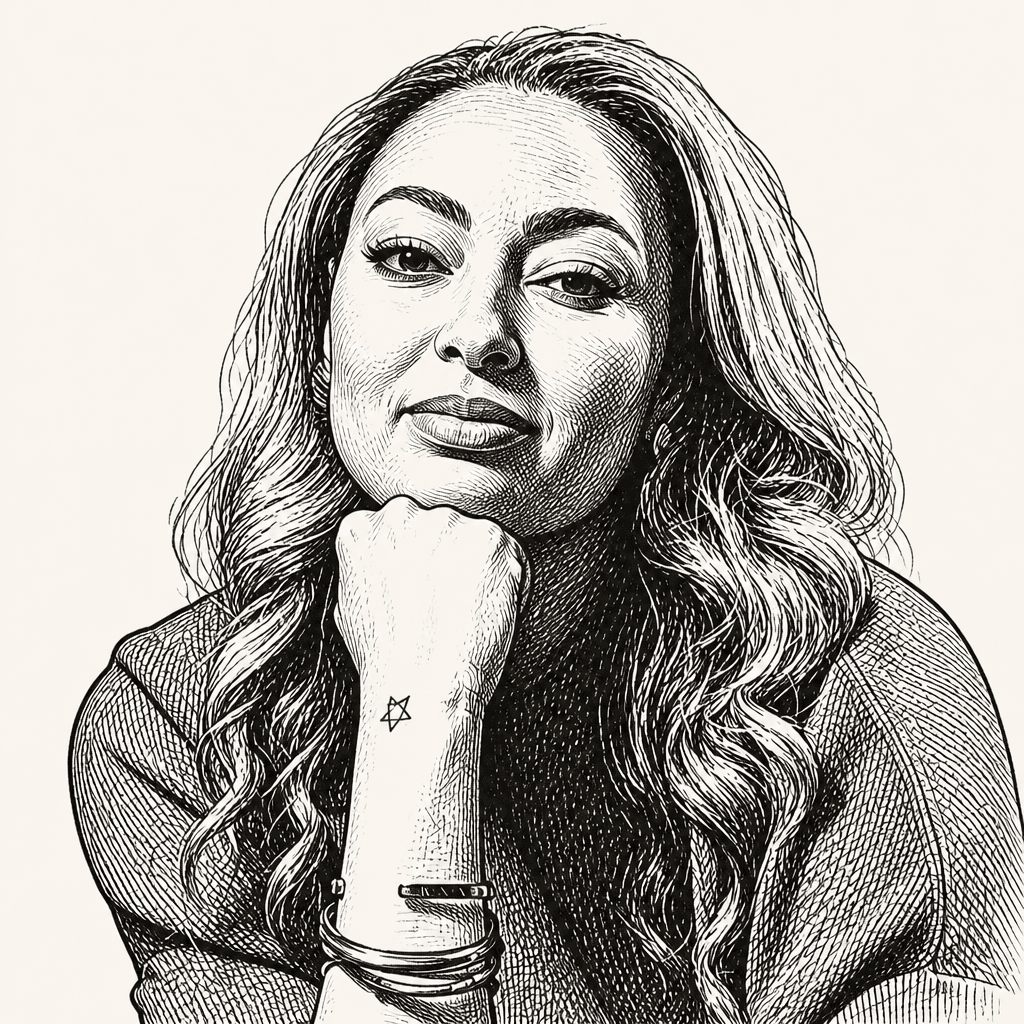
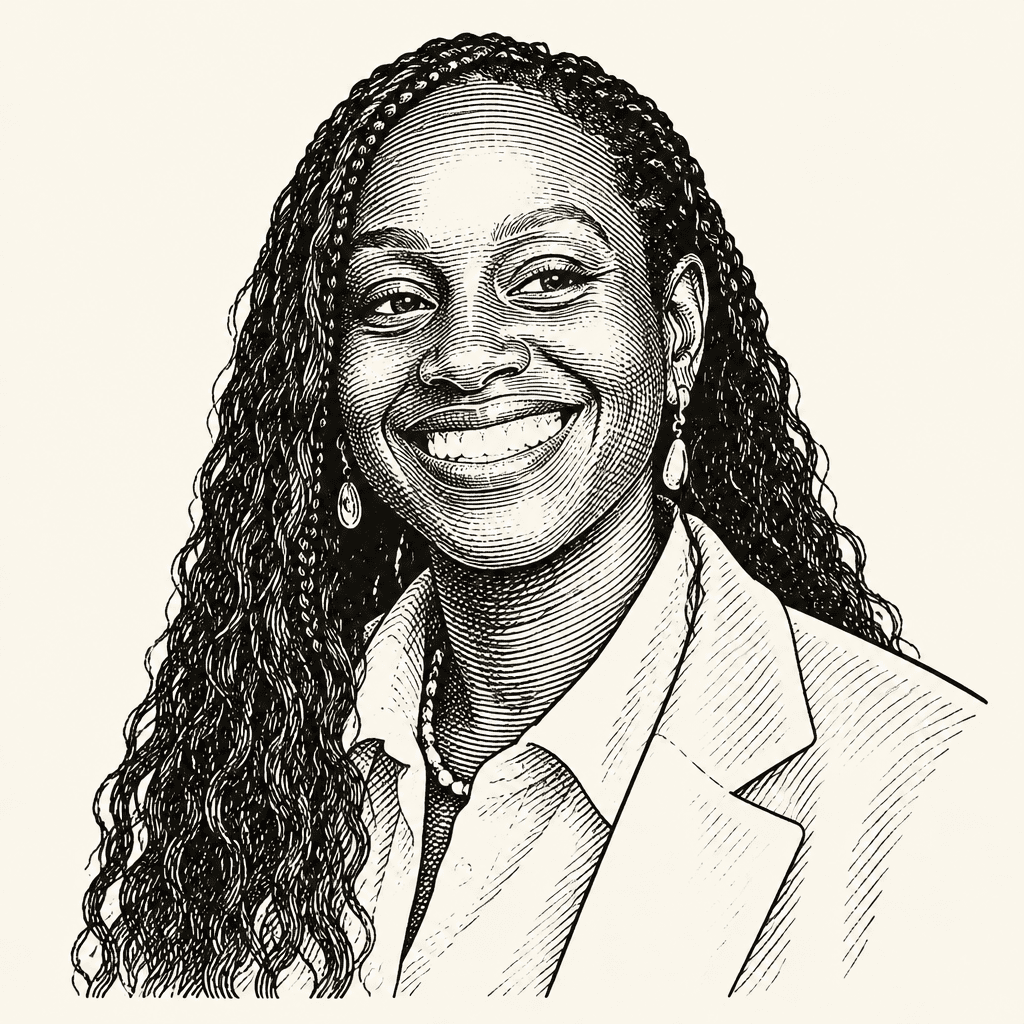
After discovering that children with incarcerated parents were often overlooked and that families affected by federal incarceration lacked support, Ebony Underwood founded We Got Us Now in 2018. Her father’s release in 2021, after 33 years in prison, sharpened the need she saw to prepare not only people for reentry but also the systems around them to support families and sustain relationships.
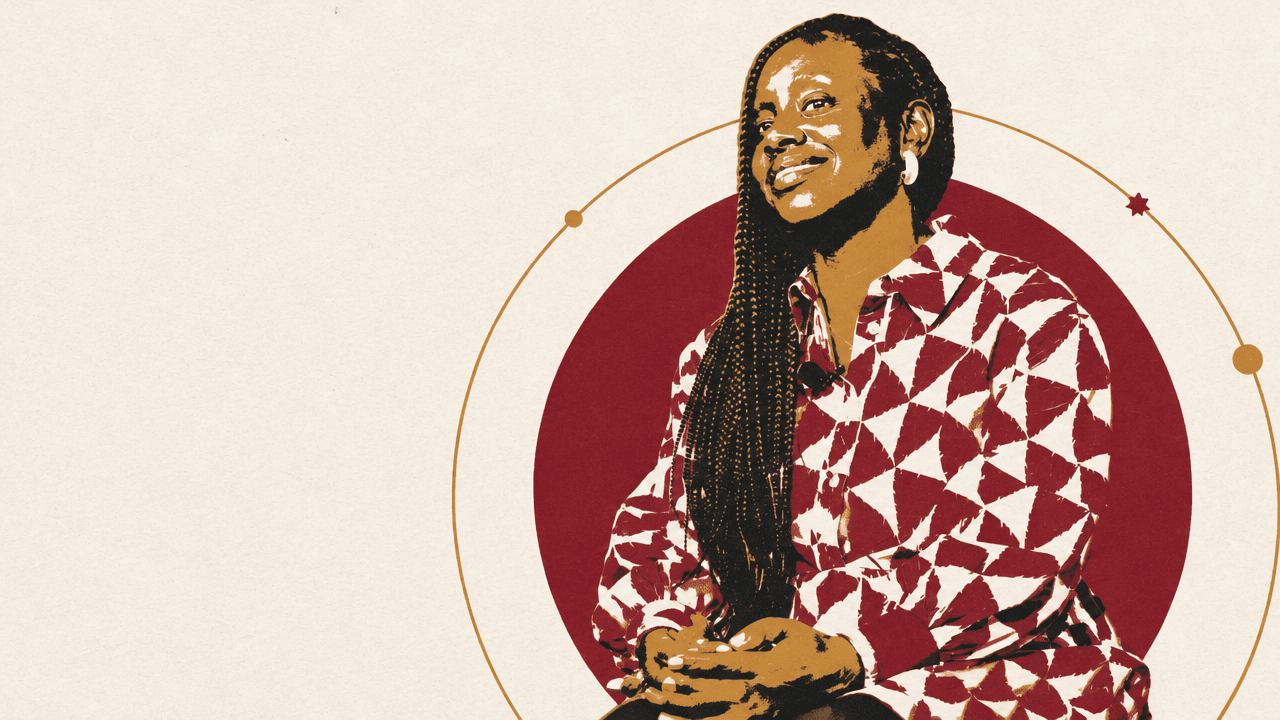
A family’s experience revealed a population the systems were missing
Ebony Underwood had spent years keeping quiet about her father’s incarceration. William Underwood was arrested in 1988, and she did not speak publicly about what had happened until around 2014. What changed was the possibility that he might come home: President Barack Obama’s administration was pursuing criminal-justice reform, and her older brother called to say their father might have a chance.
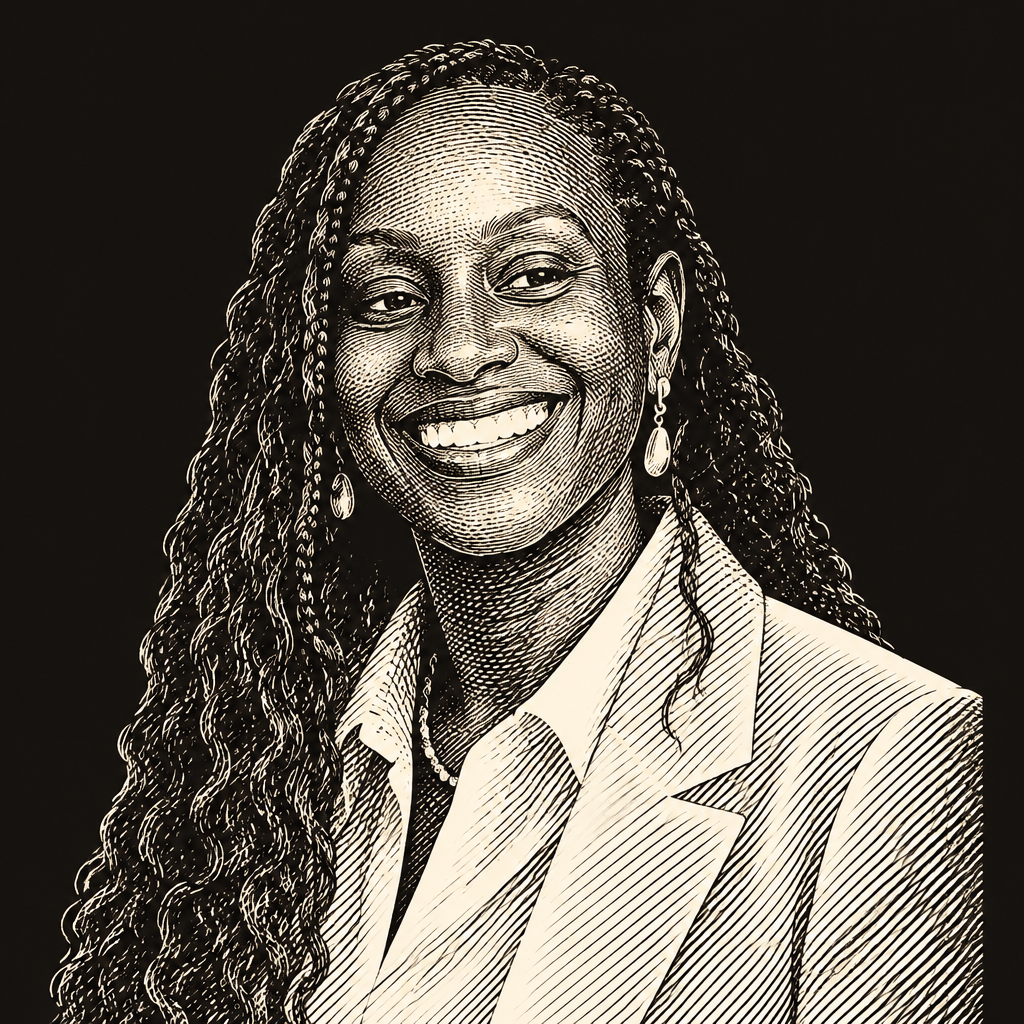
Underwood had learned not to count on that possibility. The family had been through years of emotional swings, and, as she put it, there were no instructions for what a family should do when someone is incarcerated. The effects fell not only on the person in prison but on caregivers, children and extended family. People often hid the experience rather than talk about it. Underwood said she had not fully understood what was happening or how to talk about it, and the family had no guide for what to expect or how to respond.
After the call with her brother, Underwood turned and saw her young son and nephew. They had never met her father outside prison walls. She wanted them to know him as the lively, positive person she knew—not only as someone they visited in prison. She had spent her life visiting him and watching him age behind bars. “I gotta do something about it,” she remembered thinking.
Her father’s consistency had kept their relationship alive across those years. He called almost every day when he could, sent birthday and holiday cards, and marked her graduations. He had been moved among eight federal institutions around the country, Underwood said, despite having no disciplinary infractions. The moves could happen at any time; when he was transferred, the calls were interrupted. Even so, he kept showing up as a father. Only later, as a mother herself, did Underwood fully register how much that steady presence mattered—not just to her, but to her father’s grandchildren.
Speaking about it publicly was frightening. Underwood said she was shaking the first time she told her story. What gave her the energy to speak was discovering that there was a name for what she and her family had lived through: children with incarcerated parents. As she learned more about the criminal-justice-reform movement, she found that the administration had an initiative focused on those children. She had not known the term before. Realizing that other people were working on the issue helped her understand that her family was not alone. It also turned a private experience into something she could investigate: she began looking for who was doing the work and what was known about the children and families affected.
The numbers she encountered sharpened that recognition. Underwood cited nearly two million people incarcerated in the United States, about half of them parents; five million people under 18 living with an incarcerated parent; and ten million children overall who had been affected by parental incarceration. She compared the five million figure to the combined populations of Maine and New Hampshire. The scale, she said, raised a basic question: who was doing the work, and how were children being supported?
Organizations were already trying to help, but Underwood felt the response was not enough. In her view, too much of the work amounted to “plugging up the hole.” Her starting point was that children must not be forgotten—and that systems needed to be asked directly how they could support daughters and sons affected by a parent’s incarceration.
A national organization grew from gaps in the support
Underwood’s first steps into the work were personal and incremental. She made a film called Hope for Father’s Day, built around the idea that, for her and her siblings, the day their father came home would be their real Father’s Day. The project gave her a way to tell part of her family’s story while she learned who else was working on parental incarceration and what support existed.
That search took her into the criminal-justice-reform movement. Underwood was invited to the White House during that period, where she learned more about the initiative for children with incarcerated parents. A pro bono attorney, Nkechi Taifa, helped her understand the Washington, D.C., landscape. Underwood said she had not known how it operated; Taifa, a D.C. native, knew the terrain. The invitation and Taifa’s guidance helped Underwood move from learning about the issue to finding people and organizations already engaged in it.
Underwood also met people from the Osborne Association, a New York organization focused on the issue, and spoke with them after returning home. The meeting exposed a distinction she thought mattered. Osborne explained that its work was state-based, while her father was in federal prison. Underwood saw that children with a parent in federal prison might live anywhere in the country, and that families could be geographically disconnected. She wondered how those children would be cared for and who would be accountable to them. If she started an organization, she decided, it would need to work nationally so those children would not be overlooked.
The path was not a straight line from idea to institution. Underwood applied for the Soros Justice Fellowship and was turned down the first time. The executive director later called to say they liked her and asked her to apply again the following year. Underwood did. At the same time, she decided to apply for nonprofit status. People had told her that getting a 501(c)(3) could take years, but she tried anyway—and received it before she got the fellowship. She then put the organization on hold while she began the fellowship.
At a dinner hosted by Google for families, Underwood met an executive who had seen Hope for Father’s Day and wanted to work with her. Their partnership produced four iterations of a campaign called Love Letters, which Underwood described as an expression of her story and the enduring bond between a child and an incarcerated parent. The film and campaign gave her ways to tell that story; her aim in starting an organization was to keep children in view and press systems to support them. Underwood officially started We Got Us Now in 2018, after beginning the work in 2014.
His release made the work more urgent, not less
Underwood’s father came home on Martin Luther King Jr. Day in 2021, after 33 years. The family’s long-awaited reunion was made uncertain by repeated delays on the day they went to collect him. They were told to come back later, then made to wait again. After so many years, Underwood said, it was hard not to wonder whether it was really happening.
He returned in the middle of the pandemic, without ever having had a cell phone. Underwood was struck by the ordinary but unfamiliar experience of watching him encounter contemporary technology. He wanted to touch everything and learn how to use the phone and computer. He had maintained an active curiosity during his incarceration, sending his family articles about science and technology—sometimes material they found difficult to follow. Underwood had wanted him home partly because she could not imagine him missing the chance to experience the digital world in real time.
That reunion also brought the unequal conditions of reentry into sharper focus. Her father had four children to support him. Underwood thought about people returning home after decades who did not have that kind of family support. His arrival strengthened her resolve to develop a program she had conceived whether or not he was released.
That program became BUILD, the Bill Underwood Institute for Leadership and Development. Her father is its scholar in residence, alongside three other formerly incarcerated parents who maintained relationships with their children while in prison. The initiative brings those parents together with children and young adults impacted by parental incarceration.
Underwood described BUILD as drawing on a two-generation approach while extending it across generations: formerly incarcerated parents work alongside the children and young adults affected by parental incarceration. The aim is to help systems understand how to support the well-being of these children and their families, including when parents return home. The emphasis on parents, she said, is deliberate: the people involved had shown up for their children while incarcerated and were now working with young people affected by that experience.
She argued that families face harsh treatment without meaningful accountability for how they are treated. Preparing people for release, in her view, must include preparing the systems around them to support families. The work is not only about bringing a parent home; it is also about what happens to the relationships and family members who have lived through the incarceration.
Legacy means sustaining the work beyond one family
Underwood’s son visited his grandfather from infancy through his teenage years. As he grew older, he came to understand his mother’s work and told her he was proud of her. That response matters to Underwood, but she describes her larger responsibility as making sure We Got Us Now lasts for the next generation of daughters and sons.
She began the work in 2014 and officially started We Got Us Now in 2018. Looking ahead, she hopes the organization can become a global innovation hub, helping countries beyond the United States better serve families affected by parental incarceration. She described that ambition as a way to carry the organization’s work beyond the country: not only supporting families in the United States, but helping countries around the world consider how they can better serve those impacted by parental incarceration.
For Underwood, daring to dream is not a claim that outcomes are guaranteed. It is a decision to act even when success appears unlikely. She said her father had been near the bottom of the list for reform, yet he came home; she had helped support other daughters, sons and families in reunifying; and she had built an organization focused on keeping families connected.
I feel like I am literally a walking example of daring to dream.
Her advice is to keep hope and keep trying, because “you never, ever, ever know” what is possible if you do.