Free Societies Must Adapt Without Abandoning Their Ideals
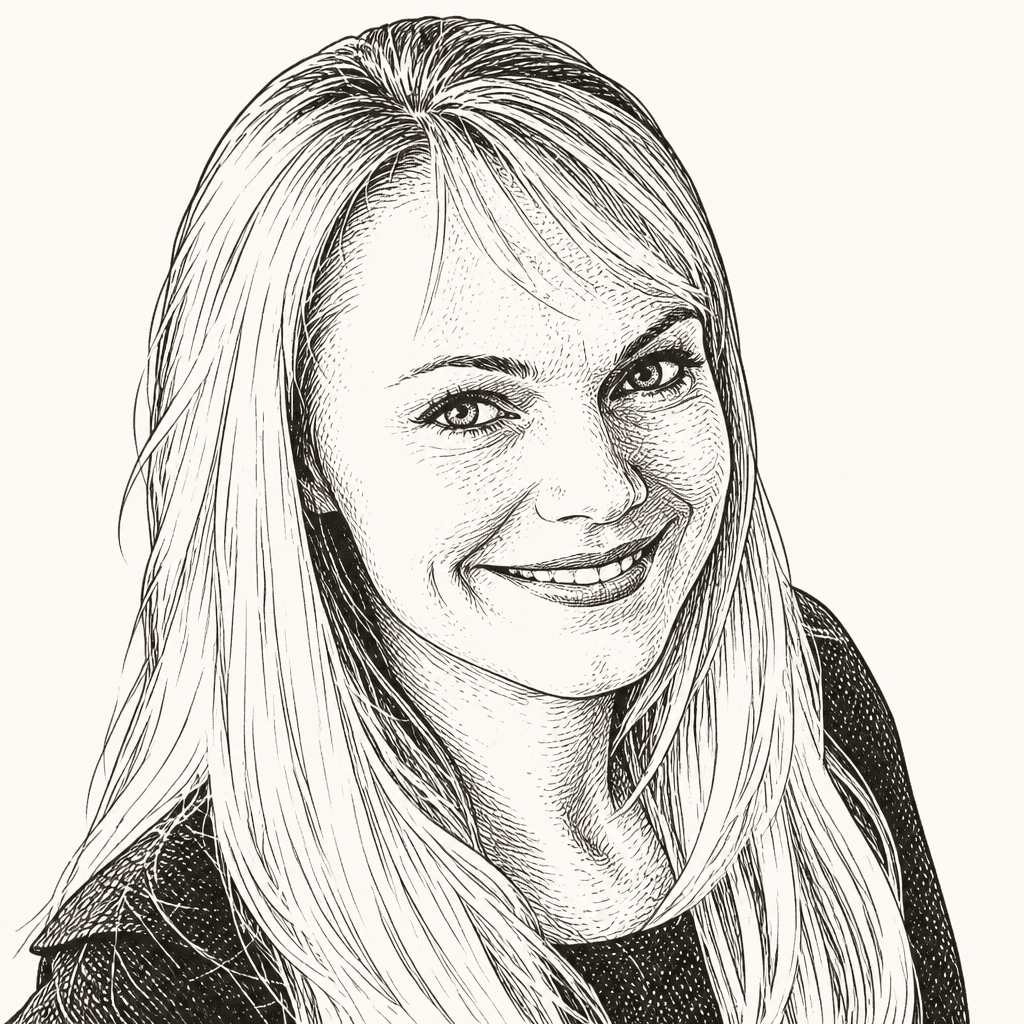
Anja Manuel, executive director of the Aspen Strategy Group and Aspen Security Forum, argued that rapid shifts in artificial intelligence, conflict and economic power require leaders to test “too hard, audacious” ideas rather than merely react to events. Opening the forum, she said adaptation must remain anchored in the ideals of free societies, as technology, wars and new growth centres reshape the international order.

Test one audacious idea against the room
Anja Manuel framed the gathering around a practical request: every speaker and participant should bring—or leave with—one “too hard, audacious idea” and test it with the people in the room.
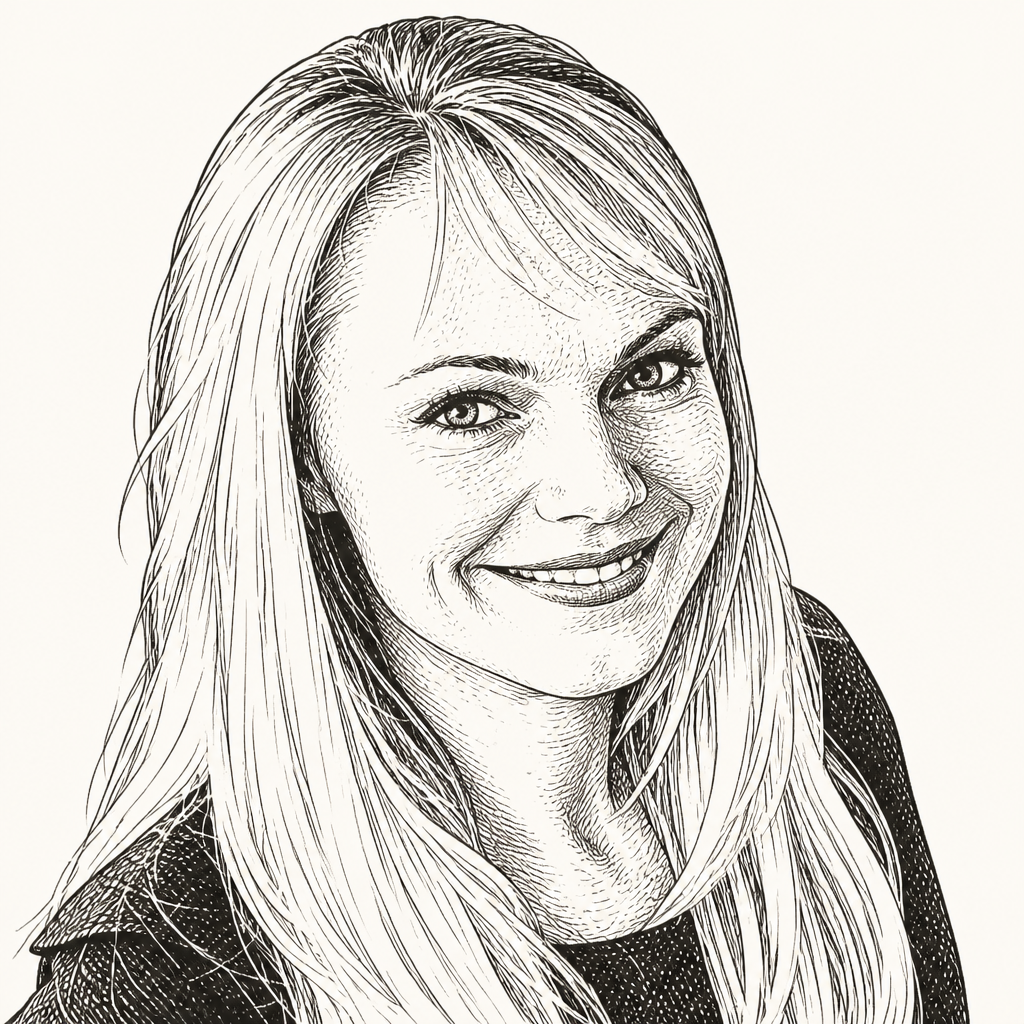
The purpose, she said, is not simply vigorous debate or sounding “cool or smart on a panel.” It is to strengthen free societies and help build a safer, better world. Manuel invoked Aspen Strategy Group founders Joe Nye and Brent Scowcroft, who she said believed that distance from the noise of daily life could create room to think clearly, disagree honestly, and confront hard problems.
Every generation, including all of us who are gathered here, must find a way to adapt to the new circumstances while staying true to our ideals.
That charge follows from Manuel’s view that the present is an inflection point: technology, conflict, and economic growth are shifting at a pace that laws, companies, and governments struggle to match. Her appeal was for the room to engage those changes collectively and help guide them “positively towards progress.”
Not simply to have a good debate, or to sound cool or smart on a panel, but to strengthen free societies and help us build a safer, better world.
Power is shifting across technology, conflict, and growth
Manuel described artificial intelligence as carrying both promise and danger. It may transform medicine, she said, but can also break into secure networks and guide a weapon. The technology’s effects, in her account, therefore extend directly into questions of security.
Wars in Europe and the Middle East are renewing and changing alliances while upending trade routes, she said. Manuel also placed China’s technological and military capabilities within that broader realignment. China leads the world in 69 of 74 critical technologies, she said, while its drones, robots, and satellites are changing the balance of power and raising the stakes around Taiwan.
Economic momentum, Manuel argued, is moving south. Europe and the United States are growing somewhat more slowly, while new cities and ports are rising across Africa and Asia. She pointed to the forum’s substantial representation from Latin America and Africa as part of a discussion that must account for those shifts.
The United States’ 250th anniversary provided Manuel with a compact historical comparison. The country was born into a world being rapidly remade, she said: revolutions in America, France, and Haiti challenged empires, slavery, and assumptions about who had the right to rule, while steam power changed work and travel. Within a generation, the world looked very different.
The point was not that the current moment repeats that earlier era. It was that “absolutely nothing is fixed for very long”: institutions change, empires fall, and ideas once dismissed as impossible can reshape the world. For Manuel, that is the condition under which the room’s audacious ideas must be tested.
Adaptation cannot mean abandoning the ideals
Manuel’s opening did not treat rapid change as a reason to accept its direction. Moments of disruption, she said, can also create openings. Her question was whether the people assembled could help shape the moment rather than merely react to it.
That puts a constraint on the kind of adaptation she called for. The task is to adjust to new circumstances while remaining true to the ideals that underpin free societies. Her formulation joins the immediate work of grappling with AI, war, and changing economic centers to a longer-running political question: how institutions and leaders respond when the surrounding order is no longer stable.
Manuel also highlighted the forum’s rising leaders program, then in its sixth year, calling its participants foreign-policy and national-security leaders of the future. They were included in the same invitation extended to the wider room: bring difficult ideas into serious contact with others, in service of a safer and better world.