Climate Resilience Depends on Community-Led Health Infrastructure
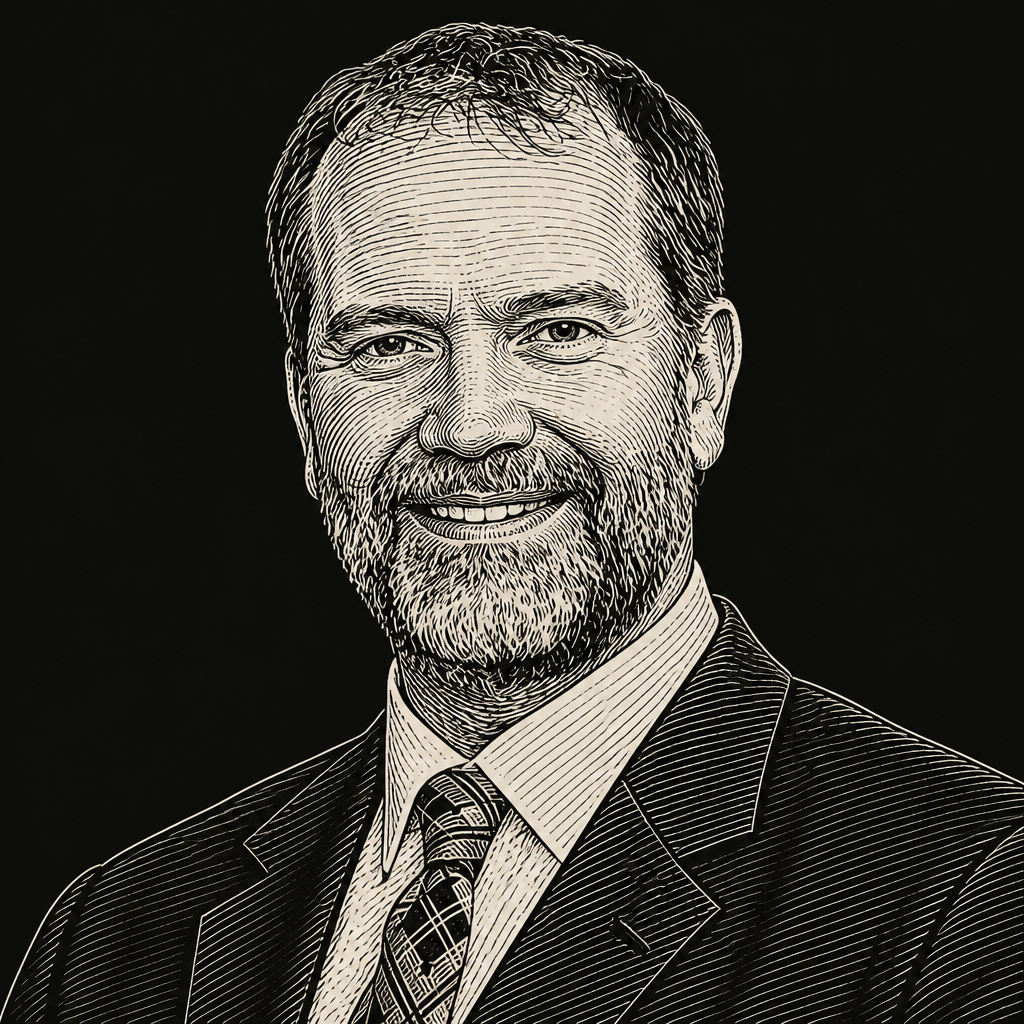
 Marshall Hatch
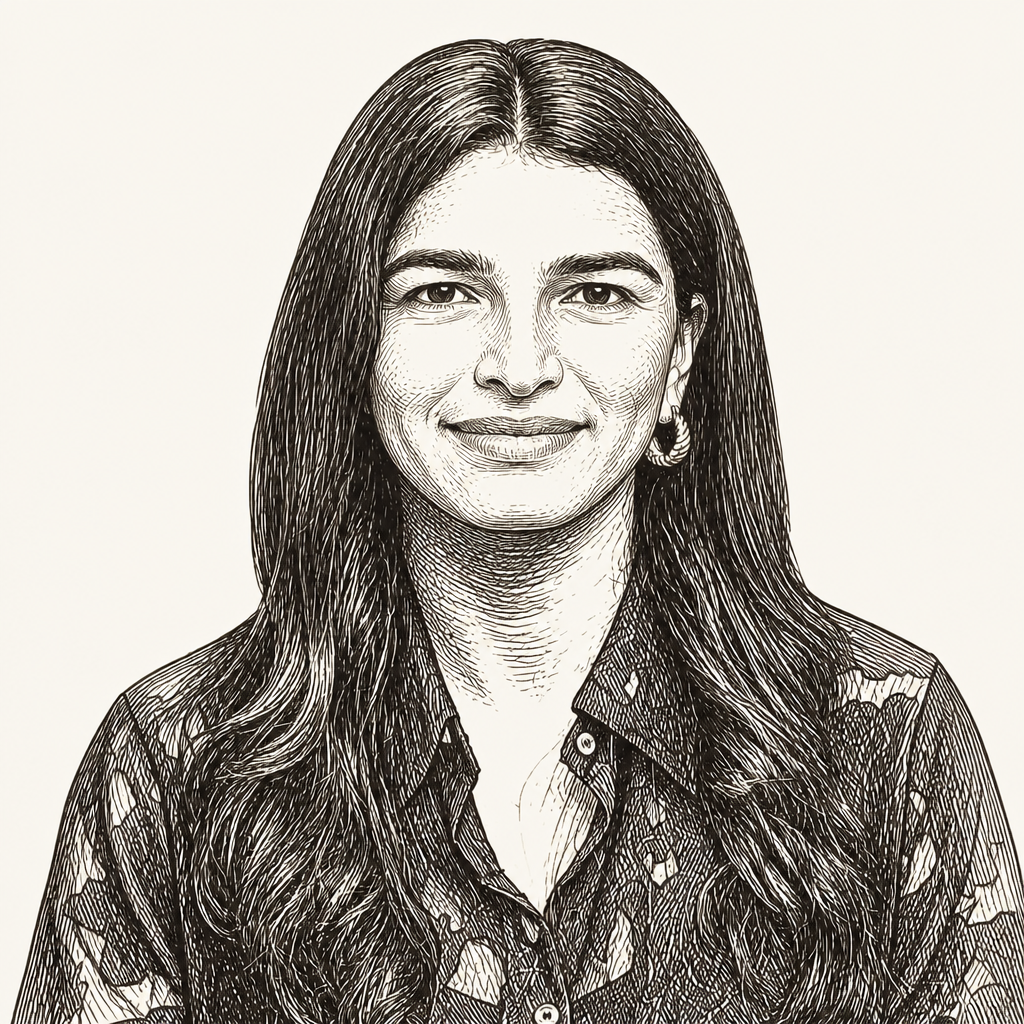
 Kareeshma Ali
 Erik Mikaitis
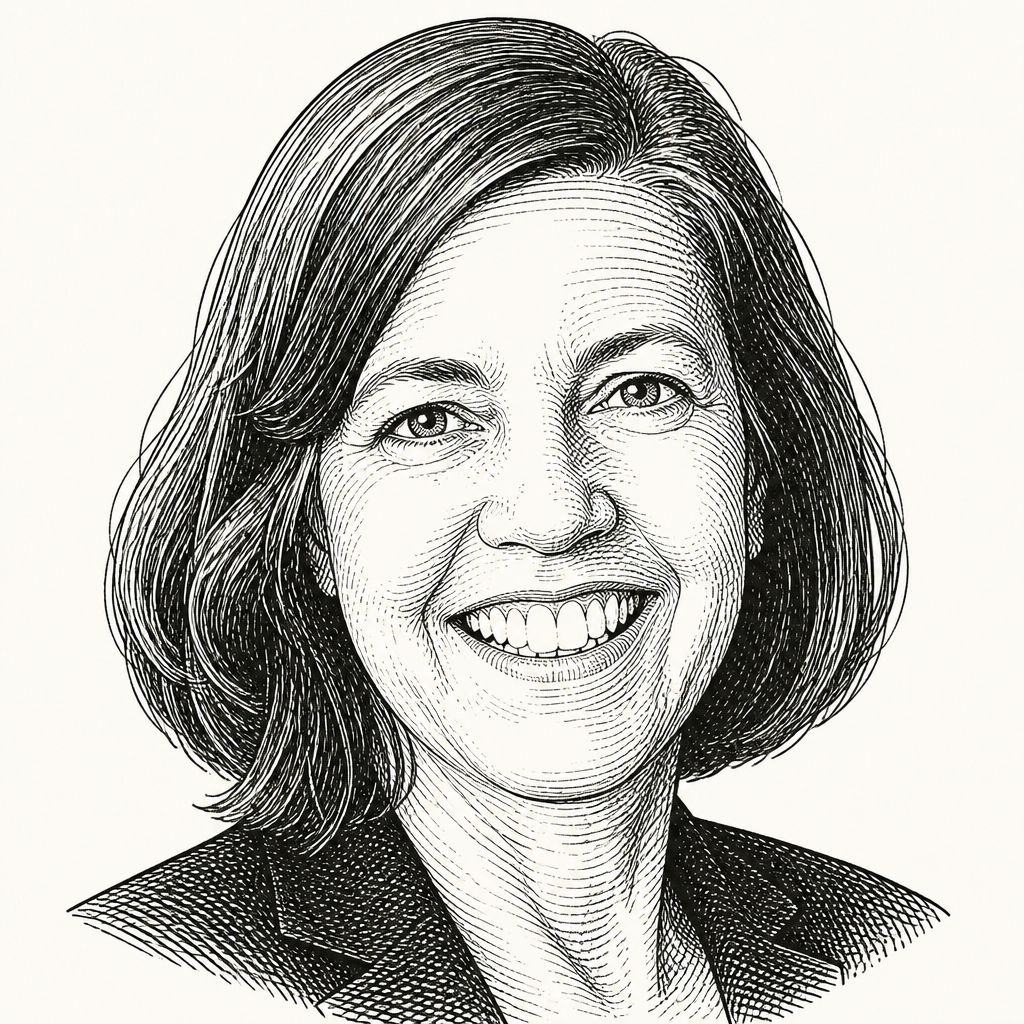
 Colleen GroganThe Aspen InstituteWednesday, July 29, 202613 min read
Marshall Hatch, Erik Mikaitis, Kareeshma Ali and Colleen Grogan argue that climate resilience in disinvested neighborhoods cannot be delivered through isolated cooling centers, clinics or green buildings. In West Garfield Park, they say, chronic disease, environmental exposure and limited access to care make climate risk a daily health problem, requiring locally led infrastructure, preventive investment and institutions willing to share power. Their case is for patient capital and durable partnerships that build on community trust rather than exporting short-term solutions.
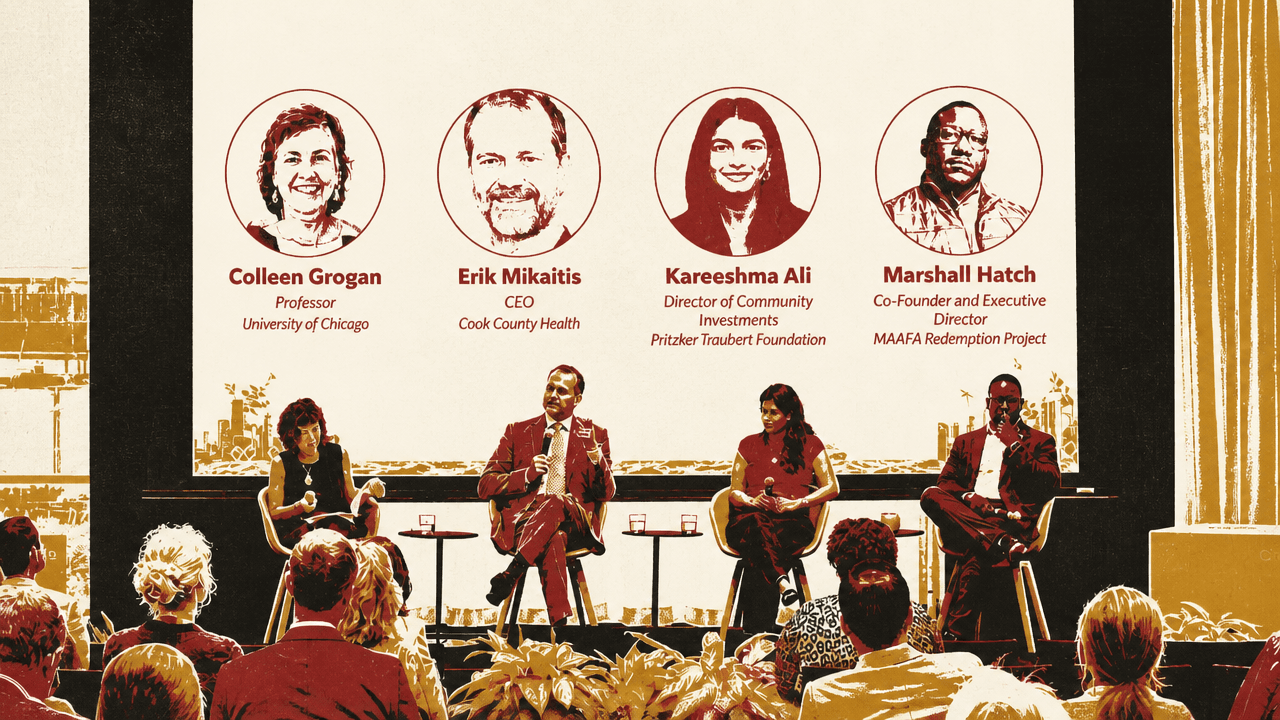
Hatch calls West Garfield Park’s health crisis an epidemic of premature death
Marshall Hatch rejects the language of a “life expectancy gap” as too sanitized for what residents of West Garfield Park experience. The neighborhood’s roughly 20-year difference in life expectancy from Chicago’s Loop, he said, is better understood as “an epidemic of premature death.”

The disparity is particularly stark because West Garfield Park is also one of Chicago’s youngest neighborhoods: Hatch said nearly 60% of its roughly 17,000 residents are under 35. The issue is not simply violence, despite the assumptions often made about the area. More than 40% of the gap, he said, has to do with chronic disease—cardiovascular disease, asthma, and related conditions—whose effects cannot be separated from pollution, poor air quality, lead exposure, and the city’s history of residential segregation.
Cook County has seen a 50% decrease in gun-related homicides over the past five to 10 years, according to Erik Mikaitis. That decline, Mikaitis said, underscores Hatch’s point that violence alone does not explain the health disparity; chronic disease and environmental exposure remain central concerns.
Hatch invoked Chicago’s civil-rights history not as background but as a model for the kind of health movement he believes is needed now. In 1966, Martin Luther King Jr. addressed the Medical Committee for Human Rights in Chicago and called injustice in health care “the most inhumane” form of injustice. Hatch noted that the organization functioned as a health arm of the civil-rights movement, providing support to activists in the South and helping screen children in Chicago’s Garfield Park communities for lead exposure.
For Hatch, that history shows that health inequity, environmental exposure, and neighborhood organizing are longstanding, connected problems. But he resisted defining West Garfield Park through harm, data, or pathology. Its central asset, he said, is its residents: longtime neighbors who maintain gardens to feed others; young people who leave for college and return to contribute; and community members who have carried an organizing vision through decades of disinvestment.
That is the starting point Hatch offered for resilience: not an outside diagnosis or a finished solution, but existing leadership, material needs, and social ties that institutions must recognize and support.
The identity of West Garfield Park or any neighborhood is not defined by its pathologies. It’s not defined by its negative statistics; it’s defined by its assets.
Climate risk enters the emergency department through chronic disease
Extreme heat is already a health-system problem, Erik Mikaitis said, not a distant climate scenario. On high-heat days, Cook County Health sees the expected cases of heat exhaustion and heat stroke. But the larger burden often arrives through conditions not usually categorized as climate illness: heart disease, kidney disease, asthma, COPD, and other cardiovascular conditions.
Many patients managing those conditions take medications that reduce their ability to compensate for environmental stress. Diuretics used in heart-failure treatment and medications used to control blood pressure can make dehydration more likely in high heat. A person’s chronic condition, medication regimen, home environment, and access to cooling can together turn a hot day into an emergency-department visit or hospital admission.
Mikaitis described another choice faced by residents during smoke events. When wildfire smoke blanketed much of the Midwest, a person in an underserved neighborhood might have had to choose between opening windows to relieve 95-degree indoor heat or keeping them shut to avoid triggering a COPD exacerbation. Climate exposure, in his account, is not one hazard at a time; it is a set of mutually worsening constraints.
The same problem extends beyond heat and smoke, Mikaitis said. Changing temperatures can alter vector-borne disease patterns. Shifting crop conditions can worsen food insecurity. Those consequences tend to arrive first and hit hardest in communities already carrying the effects of inadequate investment and limited access to care.
For a health system, the issue is also financial and structural. Mikaitis argued that prevailing payment models reward treatment after illness rather than prevention before it. A system is paid for the transactional encounter—the emergency visit, admission, or procedure—not necessarily for the community investment that reduces the likelihood of that encounter.
He framed prevention as both a health and sustainability imperative for the safety net. As more patients become uninsured, the health system carries the full cost of treating them. In Mikaitis’s example, preventive care in a clinic might cost $100, compared with a $1,000 emergency-department visit or a $10,000 hospital admission. The figures were offered as a practical argument for moving resources upstream.
That argument gains urgency, Mikaitis said, amid expected pressure from HR1 and changes to Medicaid. He described the measure as a major threat to the country’s social safety net and warned that health systems may not be able to sustain an approach built around waiting for uninsured patients to become sick enough to seek urgent care.
The Sankofa Wellness Village treats health as neighborhood infrastructure
The Sankofa Wellness Village is designed as an alternative to that reactive model. Marshall Hatch described it as a string of capital projects intended to help catalyze West Garfield Park and the Madison Corridor, rather than as a standalone building or a short-term program.
The project began as a vision before it became a development plan. In 2017, Hatch recalled, data presented at a community meeting put the neighborhood’s life-expectancy gap at 16 years; it has since grown to about 20 years. At the end of that meeting, his father, the senior pastor at New Mount Pilgrim Church, invoked a line from Matthew: “The last shall be first.” For Hatch, that became the moral and spiritual grounding of the work.
Two years later, New Mount Pilgrim installed a 25-foot stained-glass Sankofa window. It memorializes young people whose lives were cut short, but it is also a call to action. At its center are children being led toward a series of villages: a visual expression, in Hatch’s account, of abundance, continuity, healing, and communal life in the center of the city.
In West Garfield Park, that aspiration responds to a neighborhood that has lost 50% of its population since 1980. Hatch connected that decline to a wider pattern across Black and Brown Chicago neighborhoods, often described as a reverse Great Migration or Black exodus. The village’s aim is partly to counter those conditions by making the neighborhood a place where residents can remain, receive care, and build a future.
Its anchor is the 50,000-square-foot Sankofa Village Wellness Center, which Hatch called the largest investment in West Garfield Park in more than 60 years. The center includes a walking track and gym used by seniors and young people, as well as an FQHC offered by Erie where families can receive care. Rush, the YMCA, West Side United, Erie, and other institutional partners are involved in the larger effort.
The project’s value, Hatch said, is not only its services but the horizon it opens. A resident who helped lead a recent visit to the site described it as “a dream come true” and “revolutionary” because it takes “the lid off of what’s possible in the future for the neighborhood.”
For capital providers and health institutions, Hatch’s description places a facility within a wider neighborhood project: ongoing care, recreation, community cohesion, and the capacity for residents to remain and build on local assets.
Community-led capital requires readiness before construction begins
Kareeshma Ali said the Pritzker Traubert Foundation’s $10 million Chicago Prize award to Sankofa Wellness Village in 2022 should not be understood as a judgment that West Garfield Park was uniquely “worthy” of investment. Communities across Chicago’s South and West Sides are worthy, she said. The practical challenge for a funder is choosing one recipient while understanding what makes a proposal ready for a large infusion of capital.
The Chicago Prize is an open-call process that awards $10 million and other resources to a community-led, catalytic real-estate development proposal. The award to Sankofa rested on several features: pronounced need, local leadership, a coherent long-term vision, and the capacity to deliver a complicated set of projects.
The first was governance. The Garfield Park Right to Wellness Collaborative, which submitted the proposal, brought together organizations committed to keeping residents at the center of the investment and ensuring they would benefit from it. Ali emphasized that community-led must ultimately mean community-owned—not merely community-consulted.
The second was technical capacity. Real-estate development on Chicago’s South and West Sides requires far more than an attractive plan and a funding commitment. Projects must navigate complicated capital stacks, tax credits, development expertise, institutional relationships, and implementation risk. The collaborative brought in the Community Builders, a group with national and regional expertise in complex real-estate development, to help manage those demands.
The third was institutional partnership. The presence of health providers, community organizations, and other long-term partners gave the foundation confidence that the wellness village was not a one-time construction project. It was an effort to reduce health disparities over time, with organizations prepared to remain engaged after the building opened.
Ali’s point was that capacity-building is not an administrative afterthought. It is part of what makes a community able to receive and use major capital. There is a chicken-and-egg problem: organizations need resources to build capacity, but funders often require evidence of capacity before making large grants.
For that reason, Ali urged funders to consider what happens before a building is constructed and after it opens: the planning, delivery capacity, and long-term support that allow an investment to serve the community’s stated goals.
The foundation calls its approach “patient capital.” Tactically, that means large, multiyear grants; the Chicago Prize has a five-year grant period. But Ali said its real time horizon is closer to 10 years, because decades of disinvestment cannot reasonably be expected to yield transformed health outcomes in one or two years.
Institutions need to stop exporting solutions and start co-creating health
Healthcare providers and universities often operate through episodic engagement: a program, research initiative, or clinical intervention arrives with its own timetable and design. Even when the intention is good, that model can make communities repeatedly spend time establishing trust with a new institution.
Erik Mikaitis argued that public-health success depends on reversing the sequence. Communities have lived experience, know local conditions, and often know which solutions are plausible. Health systems and academic institutions should approach partnerships with humility, listen more than they speak, and build interventions with communities rather than pushing completed solutions outward.
We’re very good in healthcare—and I would even say in academia as well—in creating solutions and then trying to push them out into the community. This has to be the other way around.
Colleen Grogan described the same lesson from the perspective of academic research. University centers can issue seed grants to faculty who independently seek community partners, but that approach repeatedly asks communities to invest time in new relationships. The more durable path, she said, is to recognize that locally rooted organizations already possess an infrastructure of trust.
The partnership among the University of Chicago’s Center for Climate, Health and Society, Cook County Health, and the MAAFA Redemption Project is intended to work from that premise. The center seeks to invest in mitigation strategies that prevent climate-related health harms upstream. Cook County Health brings care delivery, a health plan, and the Cook County Department of Public Health within the same broader system. Sankofa and local organizations bring neighborhood leadership, credibility, and direct knowledge of the conditions residents face.
Mikaitis presented Cook County Health’s structure as an unusual asset: it combines care provision, a health plan, and public-health operations. Grogan said the research center’s role includes identifying adaptation strategies that appear effective, while community partners can help determine whether interventions fit neighborhood priorities and are trusted by residents.
Hatch added a condition that institutional frameworks can obscure: collaboration must acknowledge uneven power. Funders should be treated as partners, he said, but the relationship should include an honest discussion of past harm and a clear explanation of why a proposed investment will differ from prior disinvestment or short-lived engagement.
For Hatch, trust begins with a shared vision but is built through direct contact. He urges financial supporters to see the neighborhood as residents see it: come for a retreat, knock on doors, meet neighbors, and share a meal. “The work moves at the speed of trust,” he said.
Resilience fails when good development stands alone
When asked which climate interventions matter most—air quality, shade, parks, cooling, or something else—the speakers resisted choosing a single priority. They instead described connected neighborhood conditions: shade and walkable routes to trusted facilities; cooling and warming centers during dangerous temperatures; fresh food near health care; and lead testing and mitigation where exposure remains a threat.
Marshall Hatch pointed to West Garfield Park’s tree canopy, which he said is about 10%, against a city average of 20%. More shade is a direct heat intervention, but he also highlighted Chicago’s lead-pipe infrastructure and called for a movement capable of addressing it. He stressed that legacy residents who welcome new investment may also fear displacement; education about environmental conditions and about the distinction between displacement and gentrification is part of the work.
Erik Mikaitis added warming centers, cooling centers, and lead testing and mitigation to the list of immediate needs. Heat, he said, produces more deaths than cold. Lead mitigation brings a separate resource challenge: lower thresholds for testing and intervention require more staffing and capacity to identify exposure and carry out mitigation.
A building can be net zero, Kareeshma Ali said, yet still fail to support health if residents cannot safely walk to it, find shade on the way, or obtain fresh food nearby after visiting a health center. Her concern was not simply whether individual projects meet environmental standards, but whether neighborhood infrastructure enables residents to use and benefit from them.
We don’t want to just create islands of good development, but they need to be connected and they need to be connected thoughtfully.
Grogan added that community-based organizations may already be doing climate-resilience work without naming it that way. Work on social determinants can function as climate resilience, she said, because it reduces exposure and vulnerability before people reach the emergency department. What is needed is greater investment in that work on the ground.
A polycrisis requires a movement wider than healthcare
Marshall Hatch described the present moment as a “polycrisis”: a convergence of climate threats, health inequities, social-safety-net pressures, democratic strain, and long-standing racial and economic harms. The burdens do not arrive separately in the communities under discussion. Food insecurity, reduced benefits, environmental exposure, chronic disease, and access to care meet in the same households.
For Hatch, environmental justice is an ethical question as much as a technical one. How people treat the environment and built surroundings reflects how they treat one another. That ethic, he said, must operate through neighborhoods, faith institutions, secular organizations, public agencies, and elected officials.
His proposal for a renewed movement echoes the Medical Committee for Human Rights that King addressed in 1966: bring physicians, health professionals, and others with relevant expertise into an effort with shared objectives. A contemporary version, Hatch said, would need to be broad—faith leaders and atheists, specialists and residents, institutions and people whose work has not been given a platform.
Erik Mikaitis made a parallel argument from the healthcare side. In crisis after crisis—from COVID to the migrant crisis, measles outbreaks, and expected Medicaid pressures—healthcare cannot always lead on its own, even when the consequences are health-related. Cook County Health’s Medicaid Impact Work Group includes more than 60 organizations across academia, philanthropy, community groups, business, technology, faith communities, and healthcare. The climate-and-health partnership follows the same premise: no single sector can carry the response.
Ali emphasized that mobilizing such a coalition requires audience-specific arguments. Some people may respond to the financial case for prevention; others to asthma, hypertension, diabetes, food costs, or the experience of a parent unable to afford groceries. The connections among those concerns are real, she said, but communication must begin from where people are. Community groups and organizers are particularly skilled at that work.
Hatch described the long horizon as “cathedral thinking”: building communities that coming generations can enjoy. The aim is not a rapid proof point or a self-contained resilience project, but sustained local capacity and institutional commitment across overlapping crises.