Better Work Depends on the Systems and Labor Beneath It
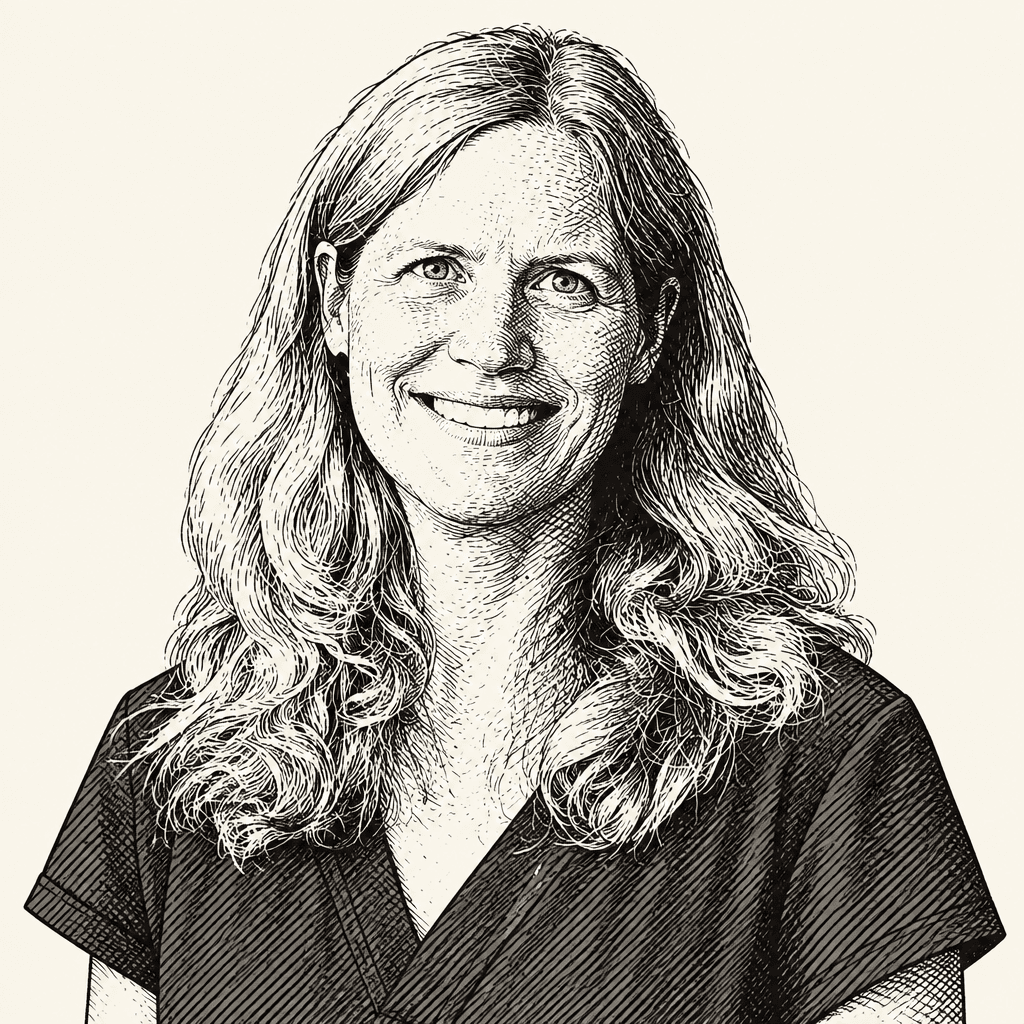
Closing the WIN Summit, Aspen Digital’s acting executive director Konstanze Frischen argued that better work depends on often-invisible systems and the people who build and sustain them. She thanked the partners and teams behind the event, then cast participants as a bridge between the ideas shared at the summit and new practices in the real world.
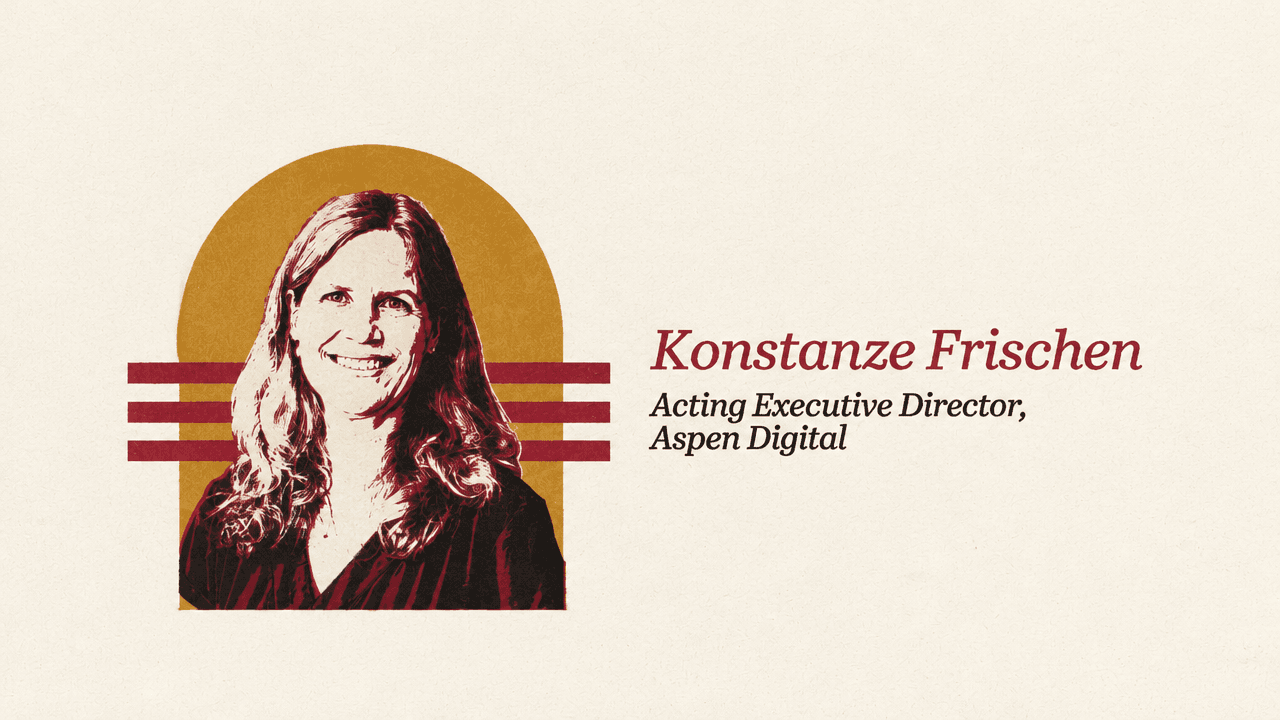
The work that makes work work is often out of view
Konstanze Frischen’s closing thought was that the summit had focused not only on ideas or outcomes, but on the systems and labor that make better work possible. She reached for an iceberg image: what is visible above the water is only part of the whole, and up to 90 percent of an iceberg’s volume is submerged. She called the metaphor imperfect, but said it captured the day’s attention to underlying systems and work that often goes unseen.
That work, in her account, is not an abstract infrastructure separate from people’s lives. Frischen described it as the effort to “weav[e] a better work infrastructure” so work can work for women, dads, children, and communities. The range matters: she did not frame the task as serving one group alone, but as building conditions that work for everyone. And she emphasized the labor involved—“the relentless doing and entrepreneuring”—rather than presenting a better infrastructure as something that appears simply because its goals are understood.
We were looking at the underlying systems and the work that is often invisible.
Her acknowledgments made that unseen work tangible without treating it as incidental to the summit. Frischen thanked Pivotal for providing support in what she described as the right balance: hands-on when needed, while also allowing room to operate. She credited Caret with powering the WIN Challenge application platform, and thanked Original Strategies, communications partners, and other vendors who had worked in the background to prepare for the day.
Those examples point to different kinds of support: a platform that enables the challenge, communications help, and practical preparation. Frischen’s thanks to the Aspen Institute’s Economic Opportunity Program and Aspen Digital teams extended the picture to the people handling events, communications, speaker management, and operations. She named contributors, including the event team and colleagues who had traveled to help, but the broader point was not the size of the roster. It was that a public gathering depends on many forms of coordination that are easy to miss when attention is on the program itself.
She also called Alexia Sanchez and Claire Bresnahan English onto the stage, identifying them as the WIN team and the driving force behind the work. In the structure of Frischen’s remarks, that recognition connected the larger system to people carrying responsibility for it. The summit’s visible program had been made possible by a mix of partners, teams, and individuals; acknowledging them was one way to make that contribution visible.
Ideas reach practice through the people who carry them
Frischen’s second image shifted from the work that supports a gathering to the work participants might do with what they heard. She recalled Sam Barry’s challenge at the beginning of the day: leave with one new insight and one new contact. For anyone who had not yet managed that, she pointed to the reception as another opportunity.
The pairing of insight and contact is practical. An idea is something a participant can take away; a new connection can help carry it beyond the room. Frischen made that link explicit when she thanked the speakers and audience, calling attendees “the bridge between the ideas that we’ve been talking about and the new practices that we’ll implement in the real world.” The bridge is not automatic: in her formulation, people are the connection between discussion and implementation.
That claim complements her iceberg image. The underlying work infrastructure may be hard to see, and the effort to build it may be relentless, but the ideas alone are not the endpoint. Participants have a part in connecting those ideas to new practices. Frischen’s closing invitation to celebrate together at the reception followed that call to make connections; it was both a thank-you and an opportunity to continue the exchange.