Eleven Collaborations Win $4.5 Million for Community Trust-Building
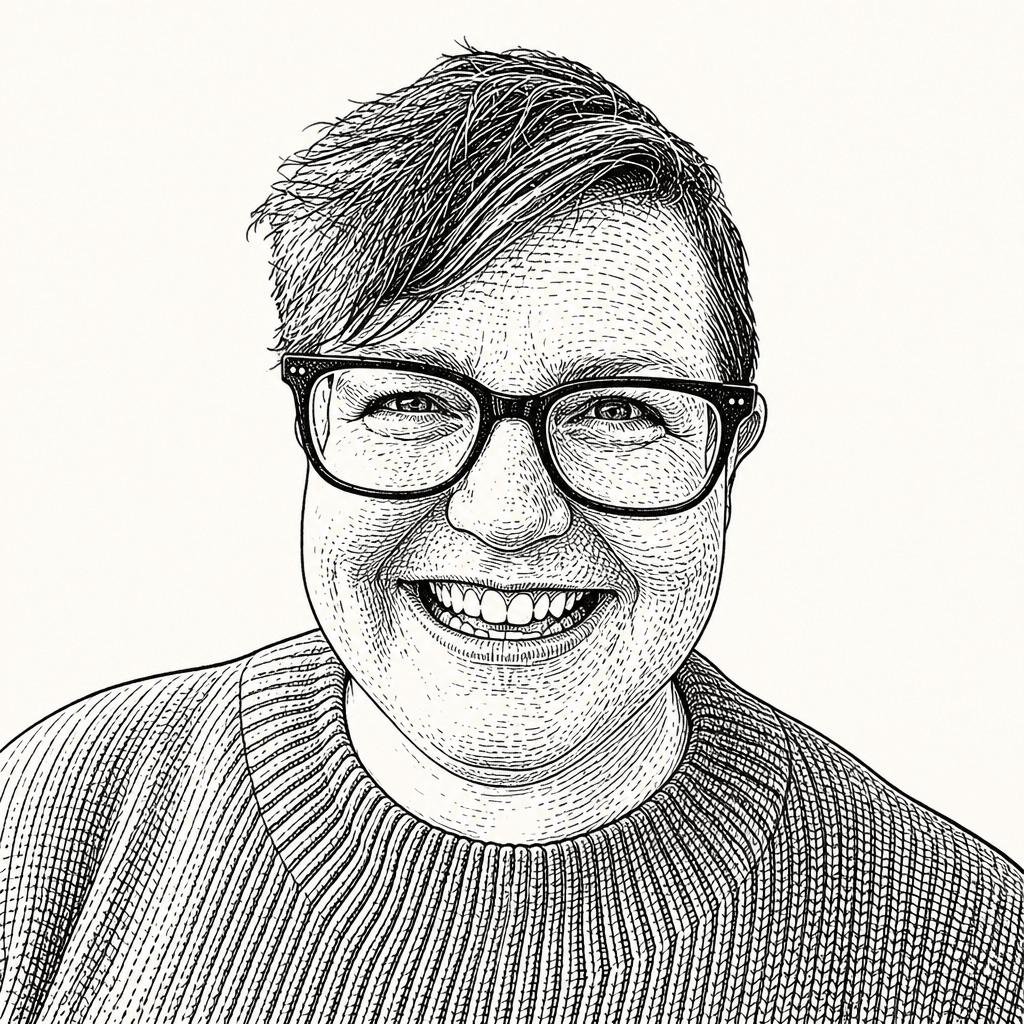 Heather Foster
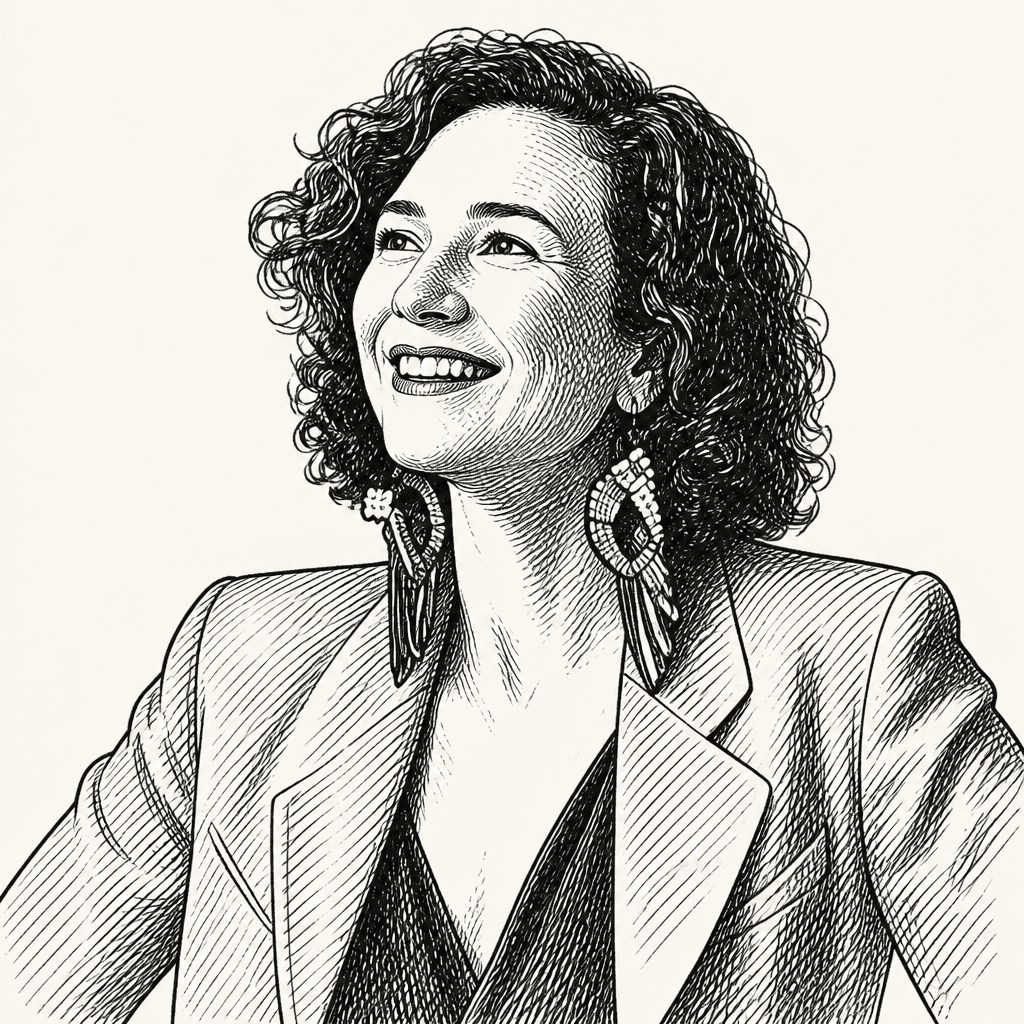 Nellie CatzenKaren Bowser
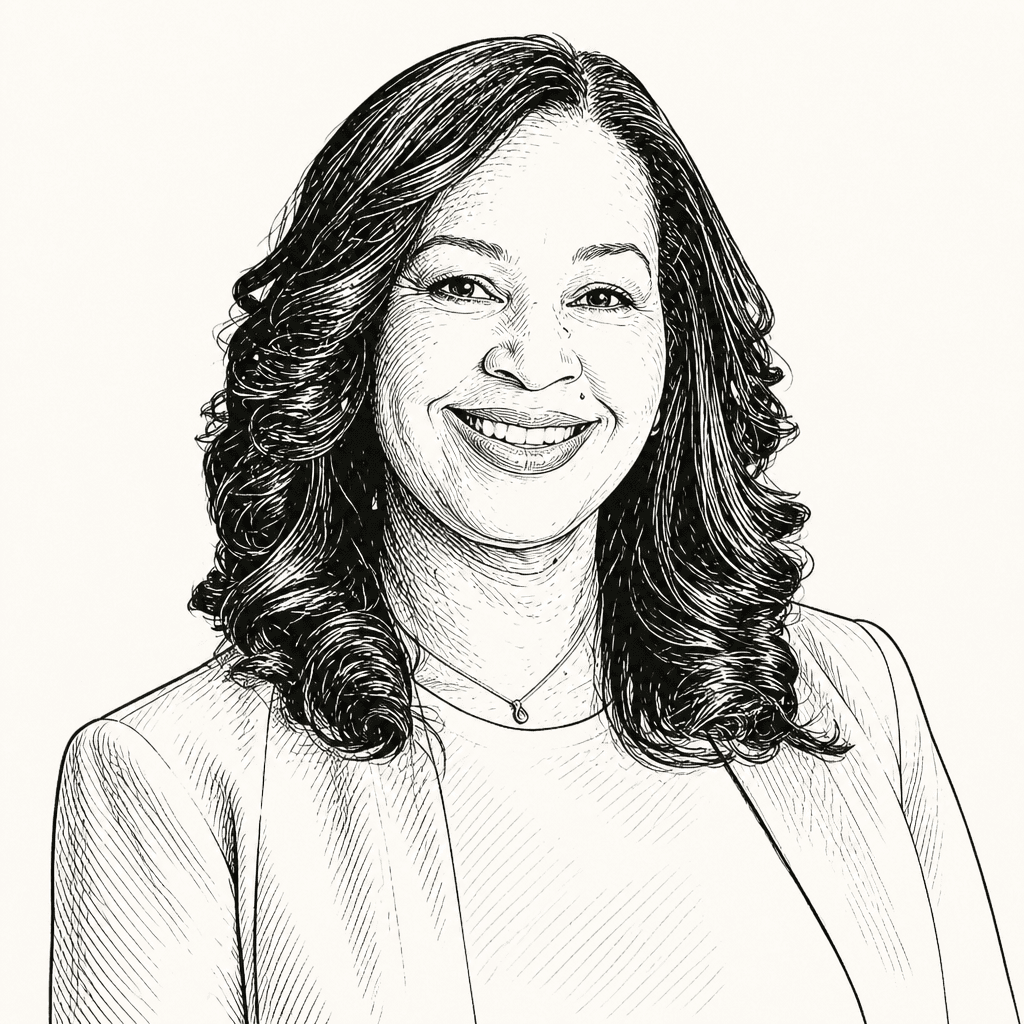 Lysa Ratliff
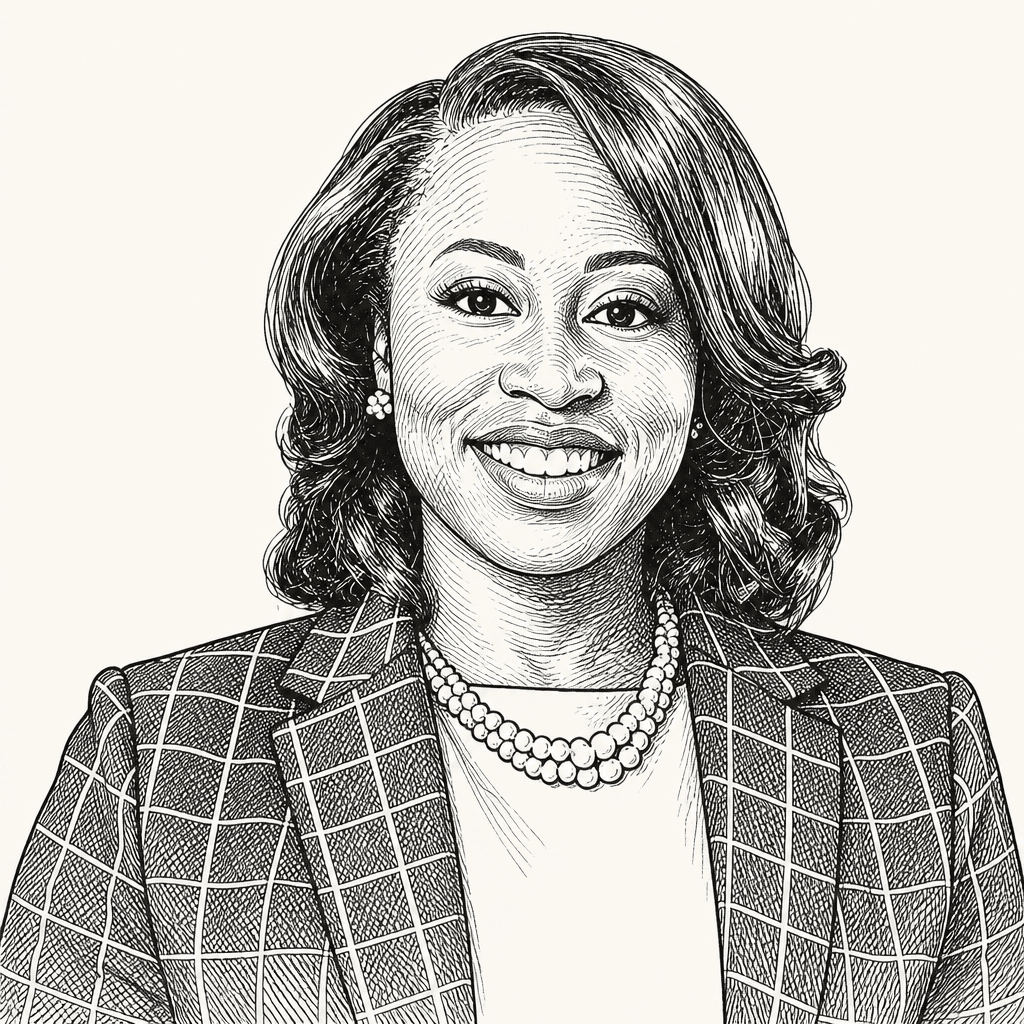 Olajumoke Banjo
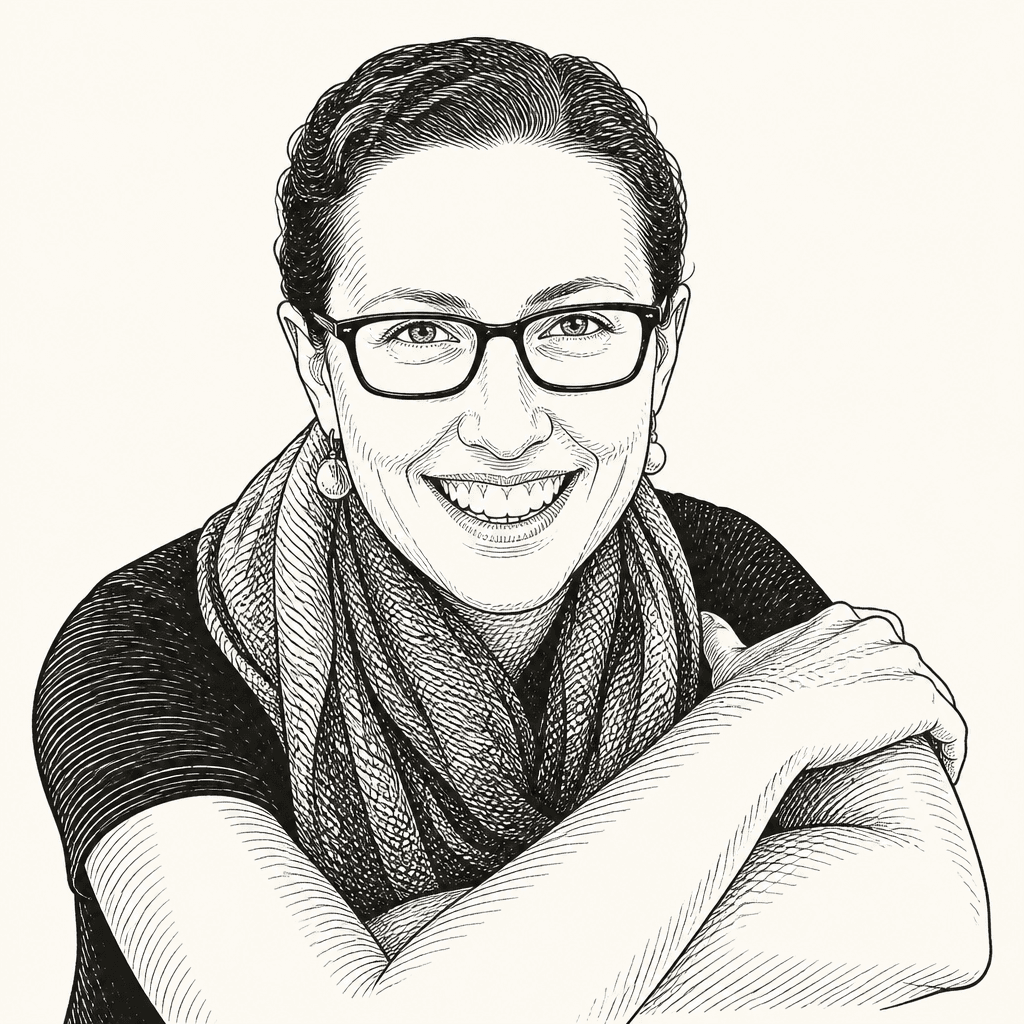 Shoshana Barzel
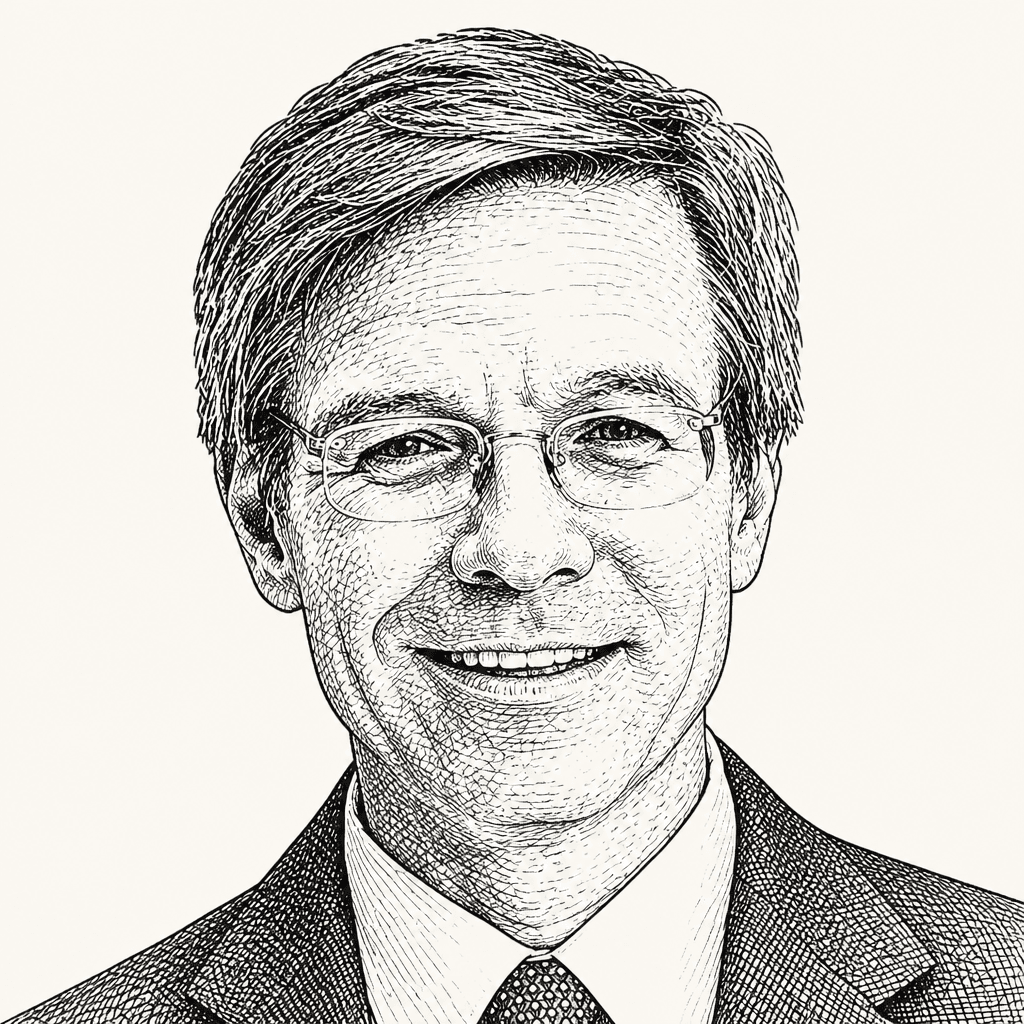 Tom Wilson
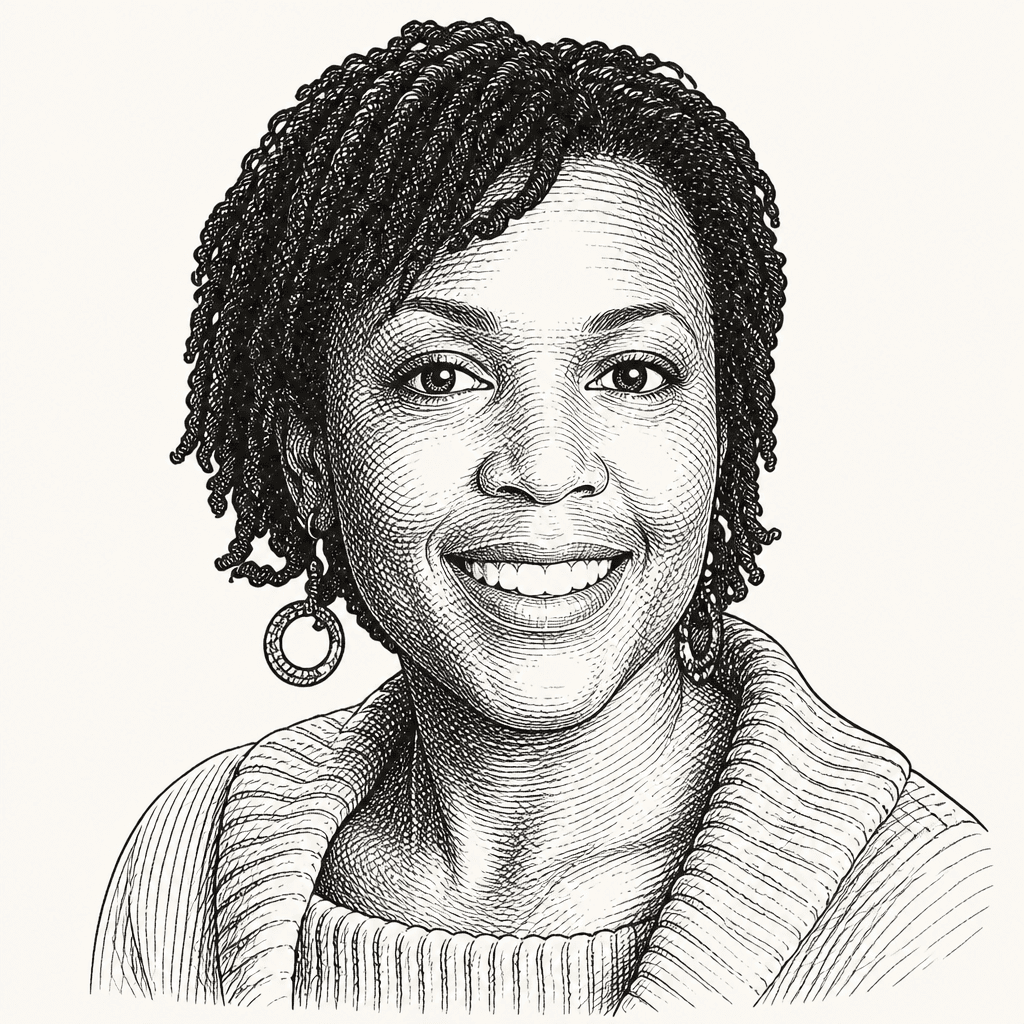 Ebony HoodThe Aspen InstituteTuesday, June 16, 20264 min read
The Alliance for Social Trust and Allstate present the 2026 Trust in Practice Awards as an effort to fund and publicize trust-building as a practical discipline, not a civic sentiment. Tom Wilson says the awards are meant to show how trust can be designed into community engagement, while awardees describe that work as listening before acting, relying on local knowledge, building culturally accessible relationships, and sustaining repeated acts of connection under real community conditions.
Trust is treated as a designed practice, not a sentiment
Tom Wilson framed the first Trust in Practice Awards as an attempt to show that trust can be “designed into community engagement.” The awards, created by the Alliance for Social Trust and Allstate, are not presented as recognition for abstract civic virtue. They are meant to support collaborations that can demonstrate how trust is built in communities, produce positive examples others can learn from, and give those examples enough visibility to bring more people into the work.
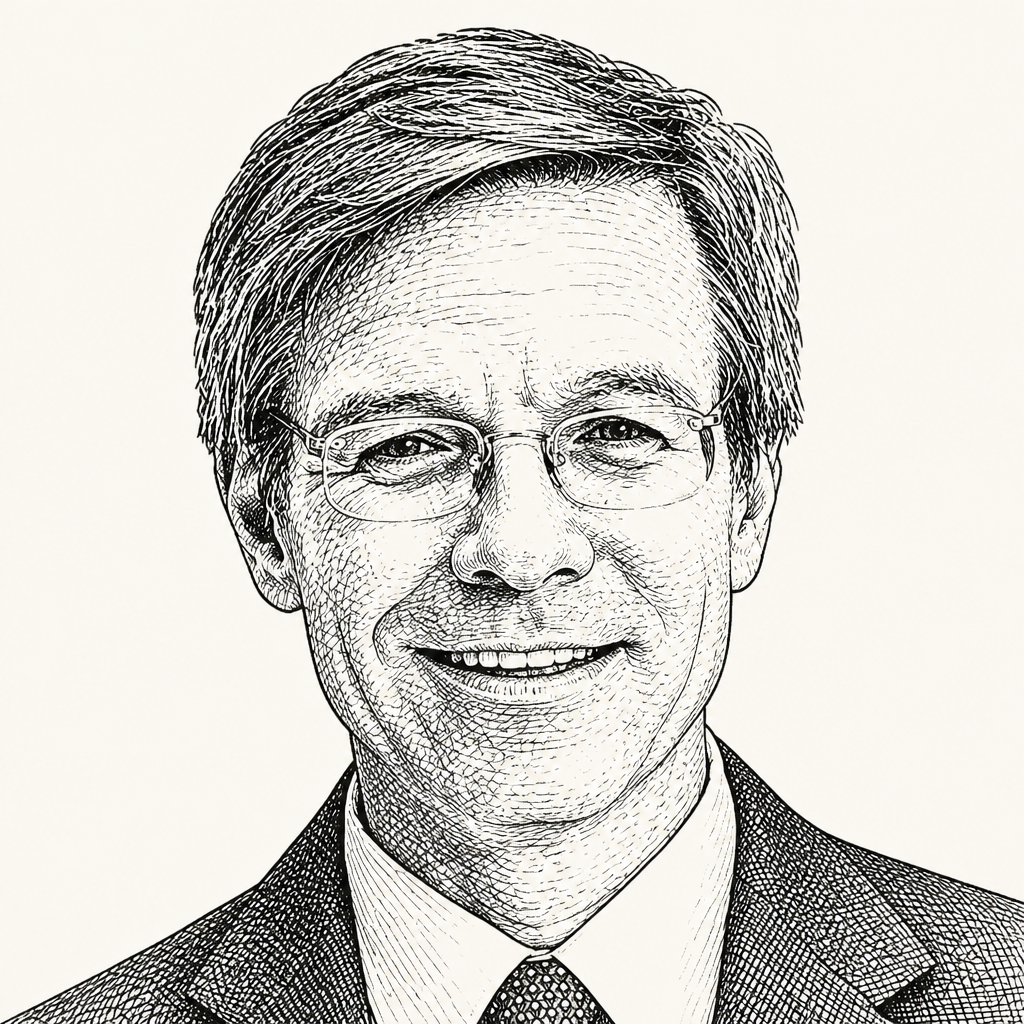
Lysa Ratliff described the underlying problem as one of scale. The question, in her telling, is not what it would take to build a single community program, but what it would take to “address the problem overall” if the work begins inside communities themselves.
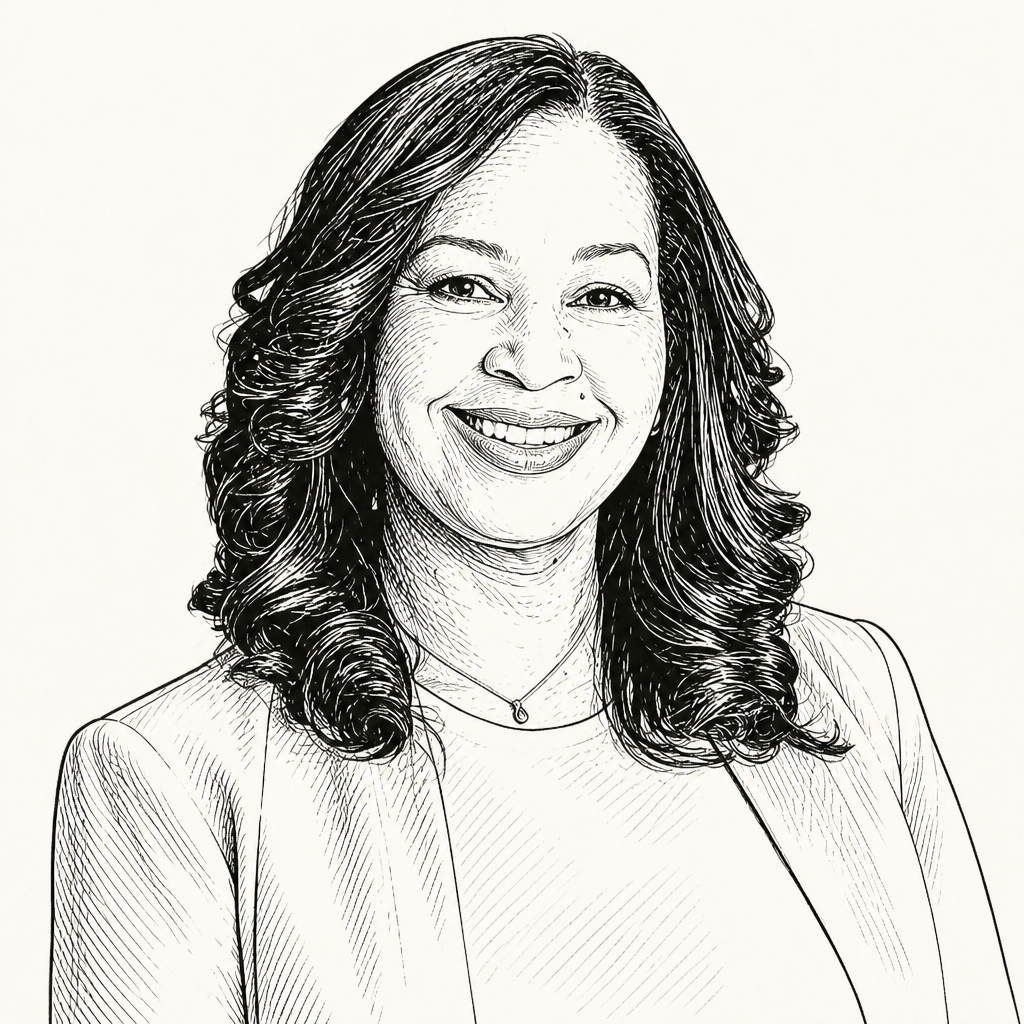
Nellie Catzen made the case for why trust is not optional. Large and pressing social problems, she said, cannot be confronted without “foundational trust” between people and with institutions. The point is less that communities need more goodwill in general than that substantive change depends on trust strong enough to connect residents with one another and with the institutions involved in addressing those problems.
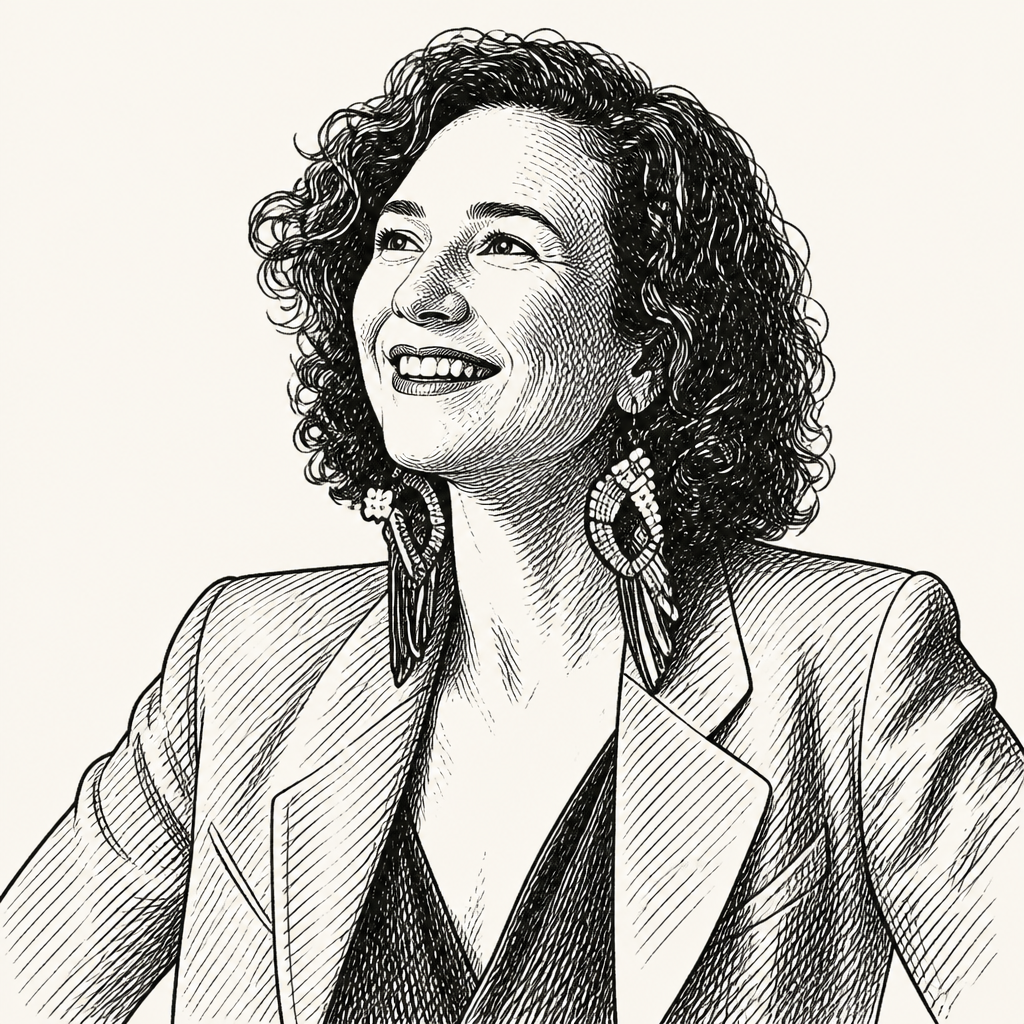
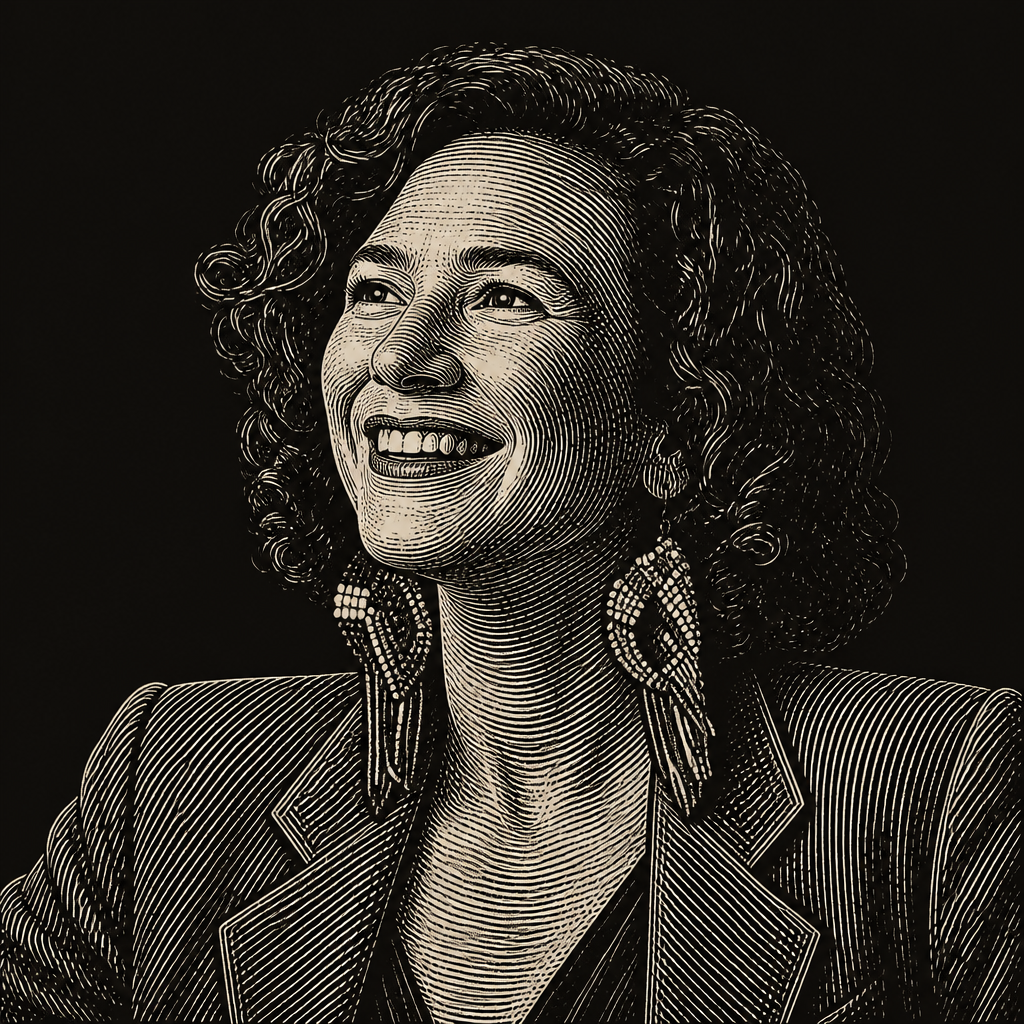
We can't have the kinds of changes that we need to confront the really large and pressing problem without foundational trust that's between people and with institutions.
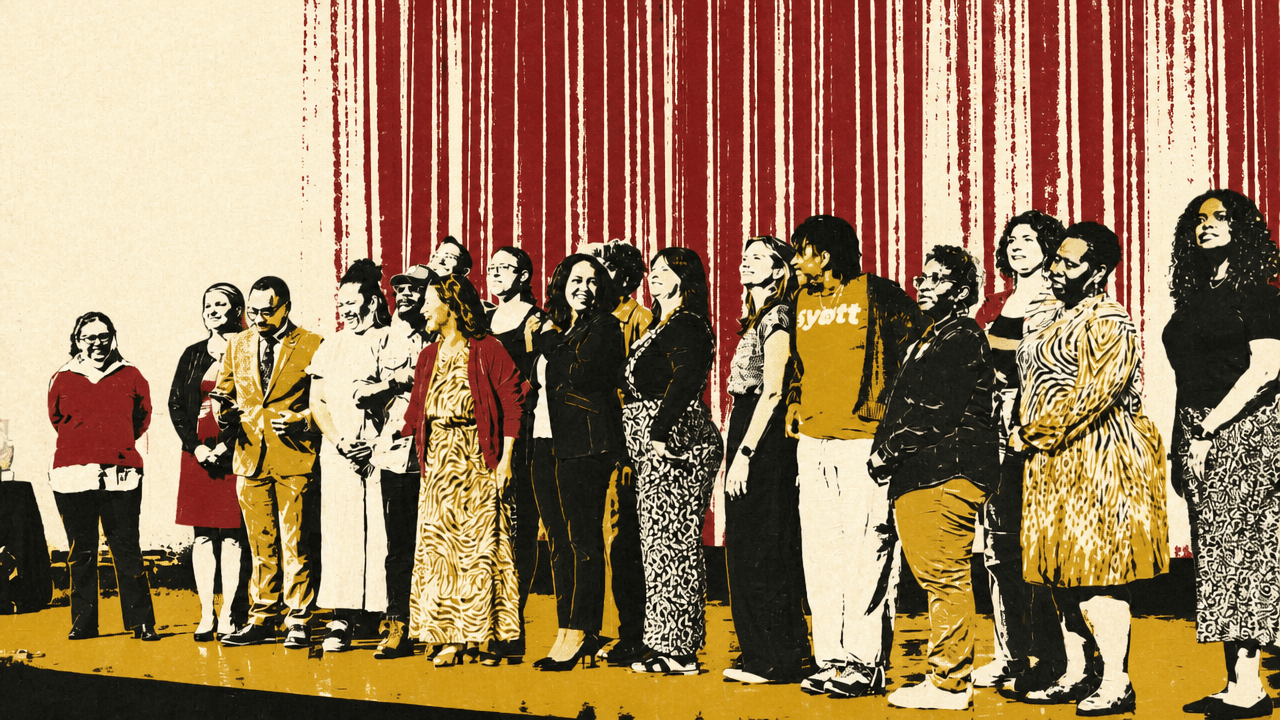
The awardee tiers matter because they show the awards operating at several levels at once: large-scale collaborations, mid-sized civic and institutional partnerships, and smaller community-rooted projects. The Aspen Institute identifies 11 collaborations involving 44 nonprofit organizations nationwide. The funding tiers shown in the slides total $4.5 million.
| Award level | Awardee | Partners shown |
|---|---|---|
| $1,000,000 | KABOOM! | El Progresso Memorial Library; ideas42 |
| $1,000,000 | West Virginia Community Development Hub | Appalachian Voices; Mountain Association; ReImagine Appalachia |
| $500,000 | Common Ground USA | Committee for a Better New Orleans; New Orleans Chamber Foundation |
| $500,000 | Homeboy Industries | Nest Global; The University of California, Los Angeles |
| $500,000 | Loyola University Maryland | The York Road Partnership; York Road Improvement District; Govans-Boundary Parish United Methodist Church |
| $500,000 | Red Wing Arts | Honoring Dakota Project; Owámniyomni Okhódayapi; University of Minnesota Extension |
| $100,000 | Be Loud Studios | CoGenerate; The New Orleans Youth Alliance; Whole Village Art Therapy; Ubuntu Village; Preservation Hall Foundation; WWNO/WRKF |
| $100,000 | Legal Prep Charter Academy | Institute for Nonviolence Chicago; Off The Street Club; Moving Everest Charter Club |
| $100,000 | Care Center of New Jersey | Christ Church; Gathering Ground; Morris County Organization for Hispanic Affairs |
| $100,000 | Miles Heights Development Corporation | Friends of the Village of Miles Heights Inc.; Lee-Seville-Miles Citizens Council; Special Deeds Inc.; SYATT Cleveland |
| $100,000 | New Neighbors Partnership | The Service Collective; New Women New Yorkers |
Local knowledge is treated as a condition of trust
Heather Foster located the trust problem in Appalachia in a long history of isolation and marginalization from resources. In that context, she said, trust is not built by arriving with a ready-made solution. It requires “showing up and being present and listening,” and it requires respect for the wisdom of people who have already been solving problems on their own for a long time.
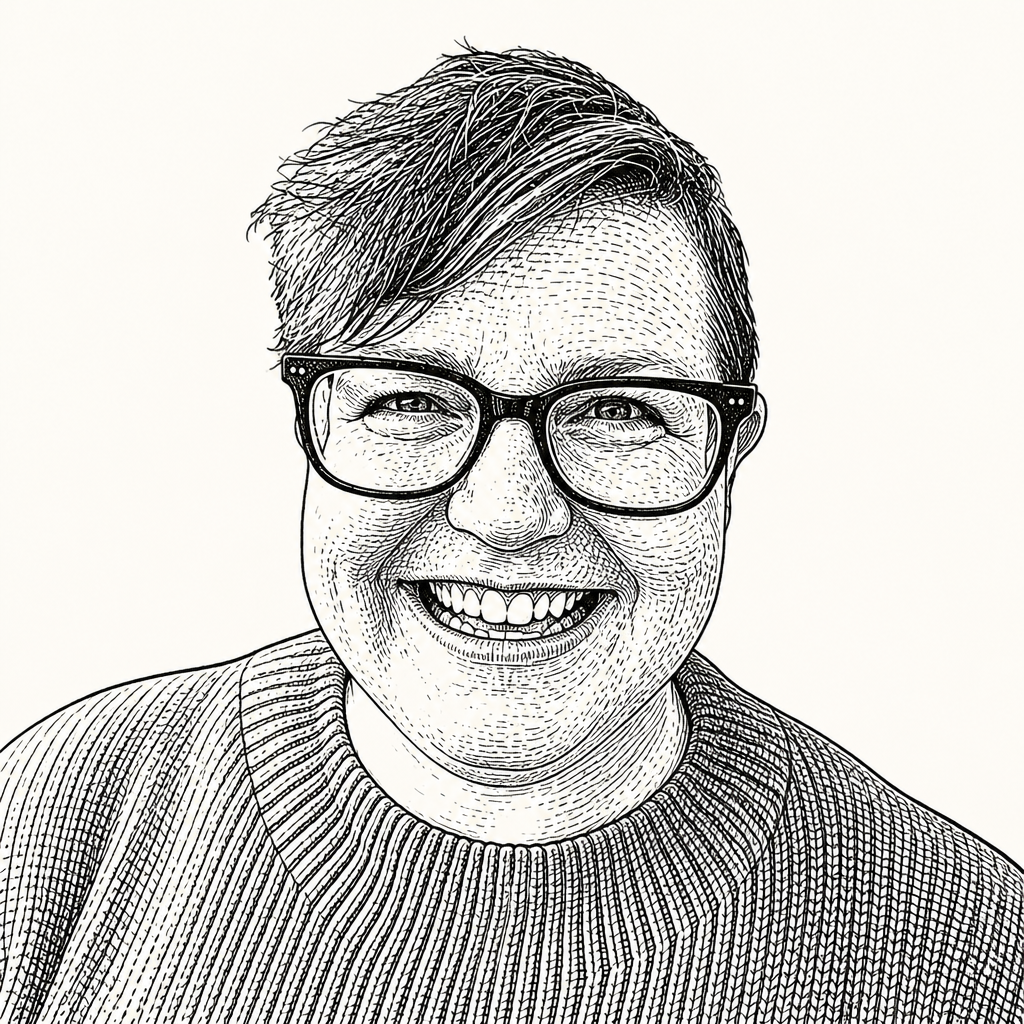
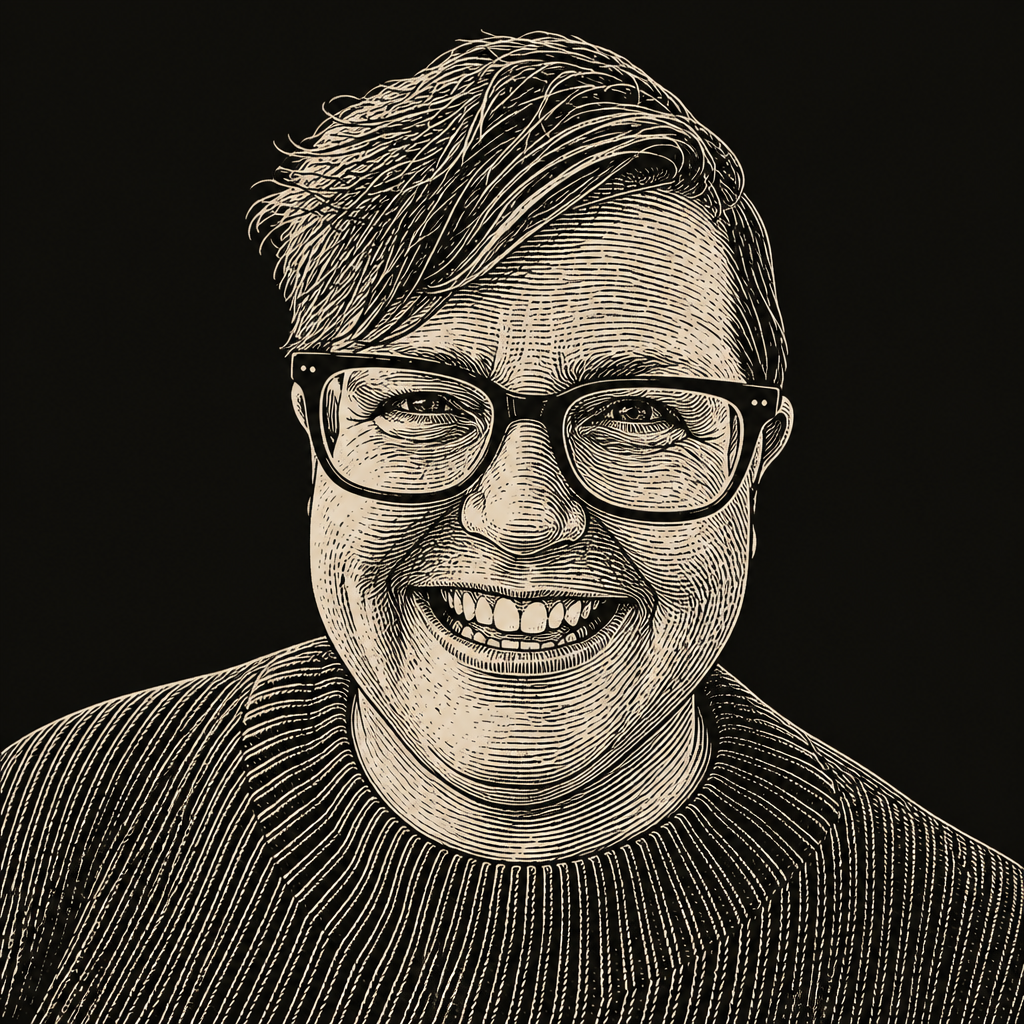
Karen Bowser described a similar operating logic: listen first, identify needs based on what is being heard, then rally people around those needs and raise awareness. Bowser did not present the work as the sole answer. She said they “know we’re not the only solution,” and described the goal as creating a ripple effect.
Olajumoke Banjo pointed to the geographic breadth of the work as a source of hope: West Virginia, Texas, East New Jersey, New Orleans, and communities across the country. Her emphasis was not on one exemplary project but on the existence of serious work in many places at once.
Representation, proximity, and consistency are the operating tools
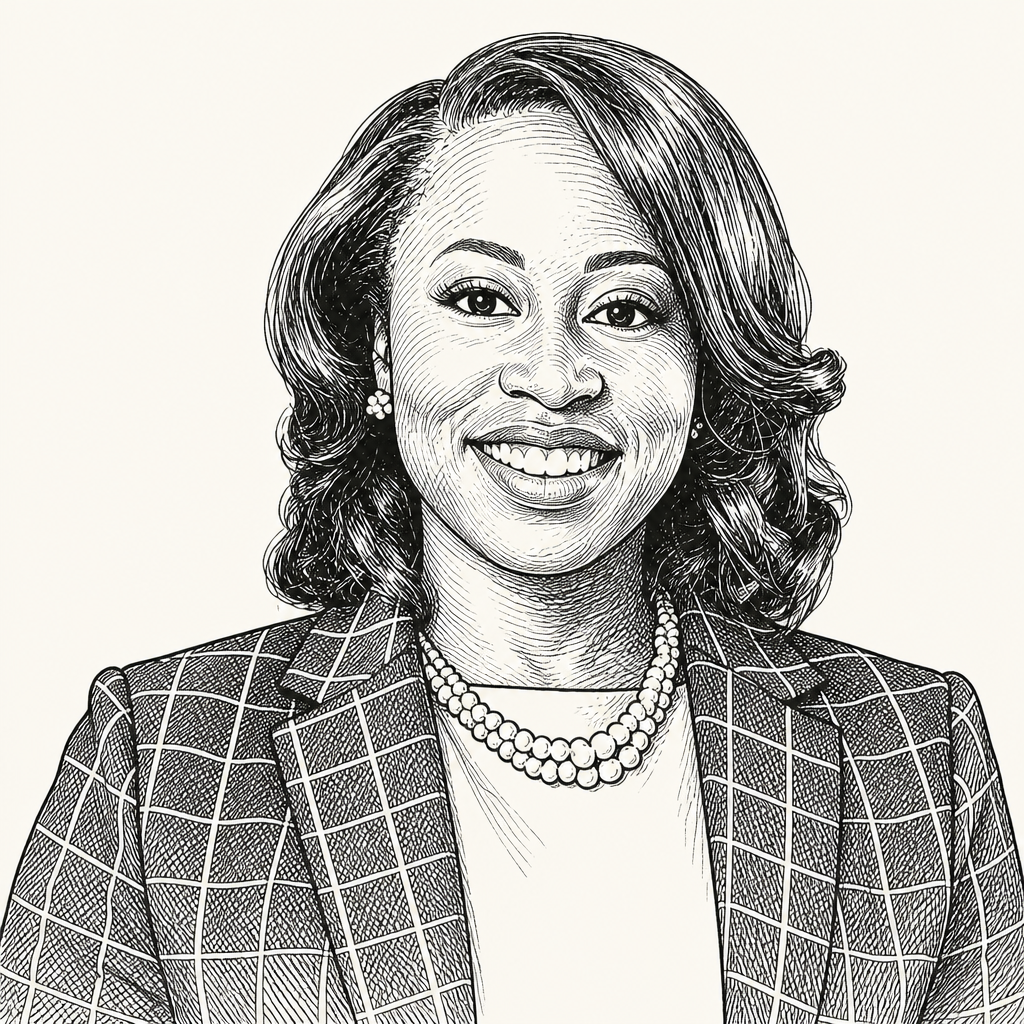
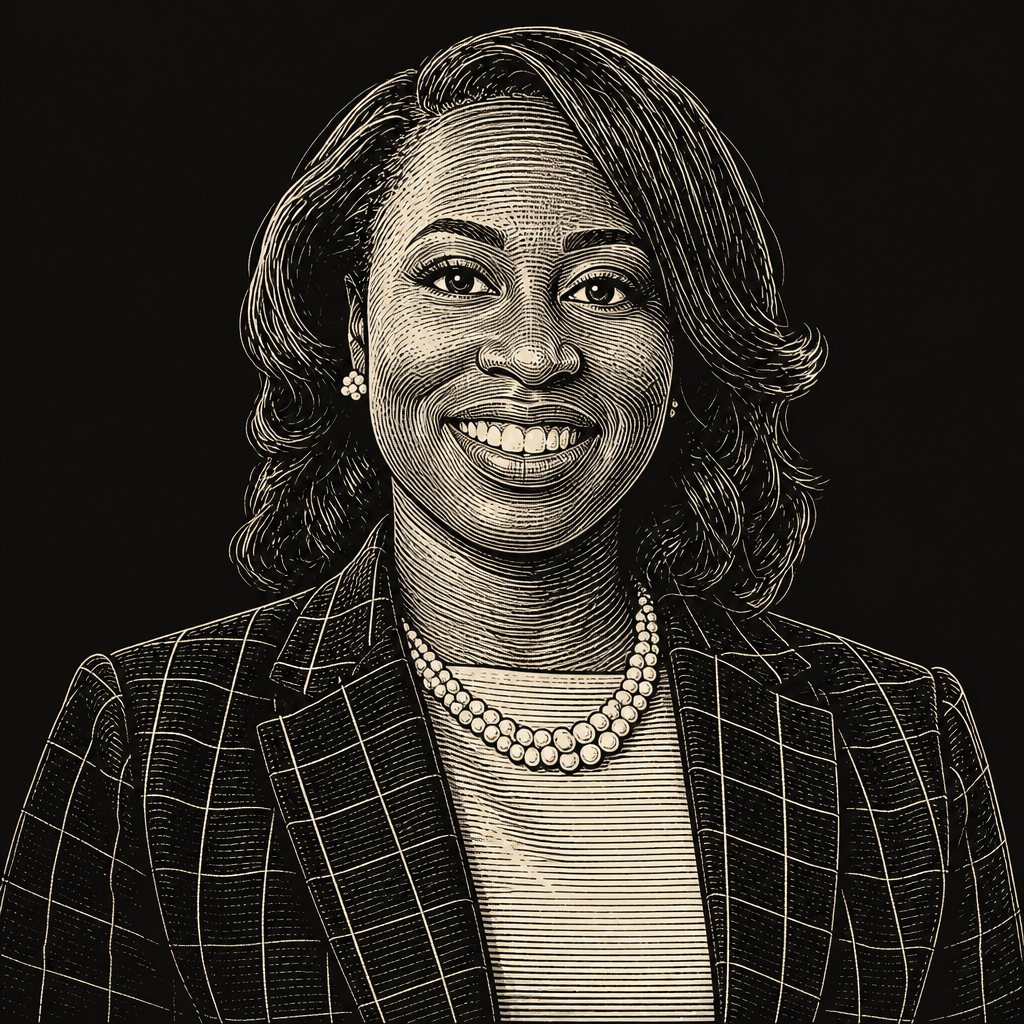
For Shoshana Barzel, trust-building begins with practical proximity. Barzel described a model that matches newly arrived refugee families with local families who have older children. Those local families share ongoing hand-me-downs each season and provide other forms of support as people resettle.
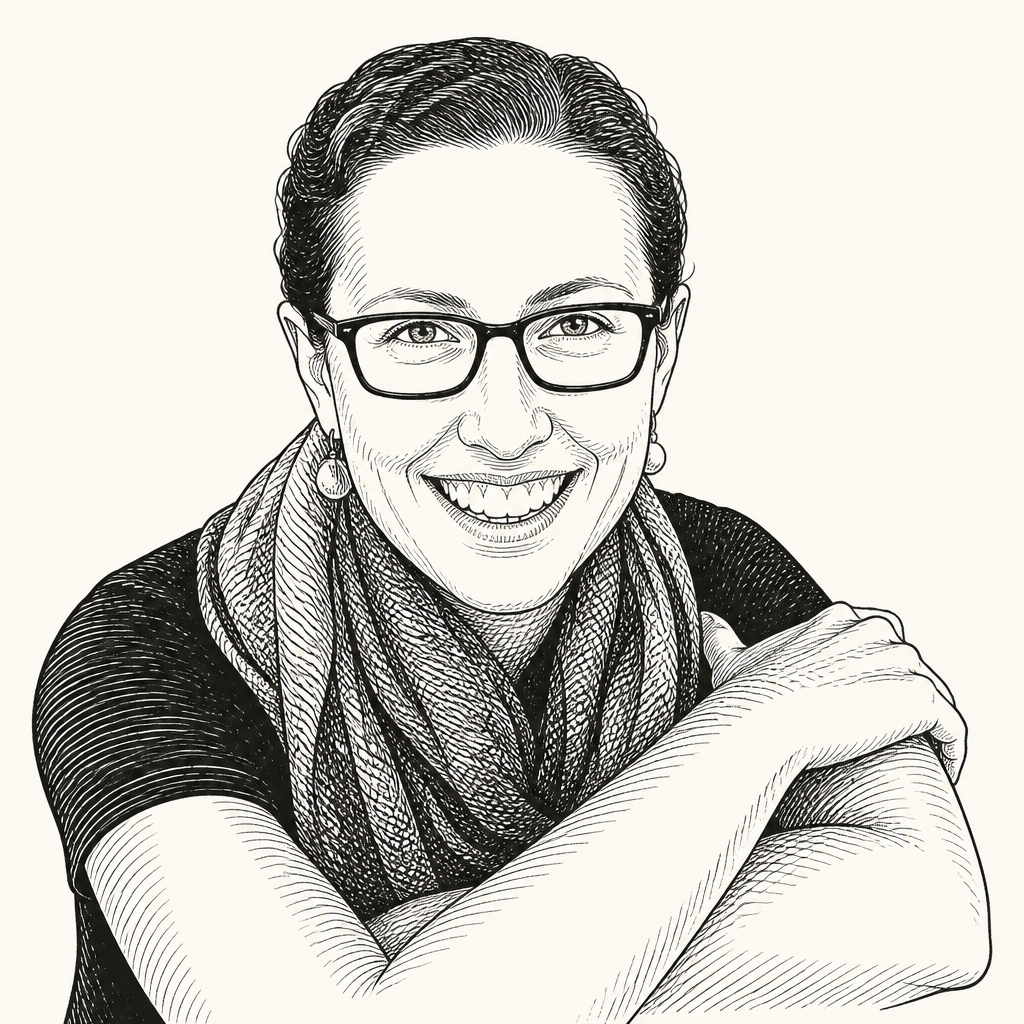
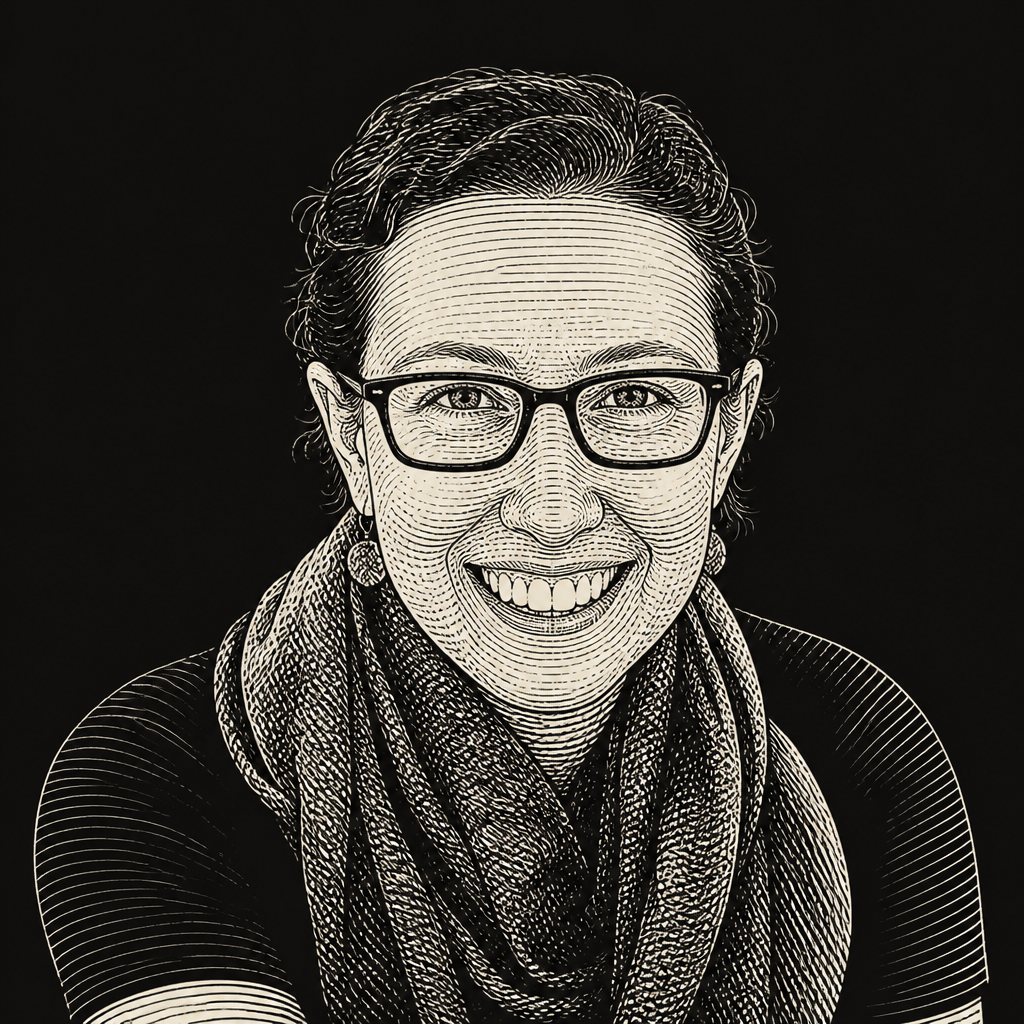
Barzel also described staffing as part of the trust model. Staff members, she said, come from other countries, represent five continents, and speak nearly 20 languages. That means people arriving through the door can be welcomed in the language in which they are most comfortable. Trust becomes easier to establish when the first point of contact feels linguistically and culturally accessible.
Ebony Hood described another route into trust: shared experience outside conventional civic settings. The work she described began in the outdoors, taking people outside to ski in response to underrepresentation on the slopes. The setting creates a different basis for connection. Hood’s larger argument was that when people connect around humanity and shared values, it becomes harder to see one another as adversaries.
When you can connect with another person about their humanity, about your shared values, it's really hard to see that person as an adversary.
Hood also named consistency as part of the work. Trust is not produced by a single encounter. Communities need enough repeated “wins” for people to begin internalizing trust and believing change is possible.
Catzen offered the most grounded image of that kind of social fabric. The community itself gives her hope, she said, because people continue showing up at one another’s doorsteps even when they do not get along, even when they “have beef,” and even when that conflict goes back 30 years. Her examples were deliberately ordinary: extra gumbo, extra strawberries. Trust does not always look like harmony. Sometimes it looks like durable neighborly obligation surviving conflict.
The awardees define trust through repeated action under real conditions
Across the awardee descriptions, trust is described through specific mechanisms: showing up in places that have been ignored, listening before acting, hiring people who can welcome communities in their own languages, creating practical exchanges between families, using shared activity to reduce adversarial distance, and sustaining repeated neighborly acts even where conflict remains.
Wilson’s recognition of the awardees emphasized two purposes: learning and making a difference. The awards are meant to celebrate commitment, but also to generate positive stories of trust-building that can be amplified so others join the work. In that sense, the 2026 Trust in Practice Awardees are presented not only as funded collaborations, but as examples meant to help others see how trust can be designed into community engagement.