Youth Investments Work When Assets Come With Education and Support
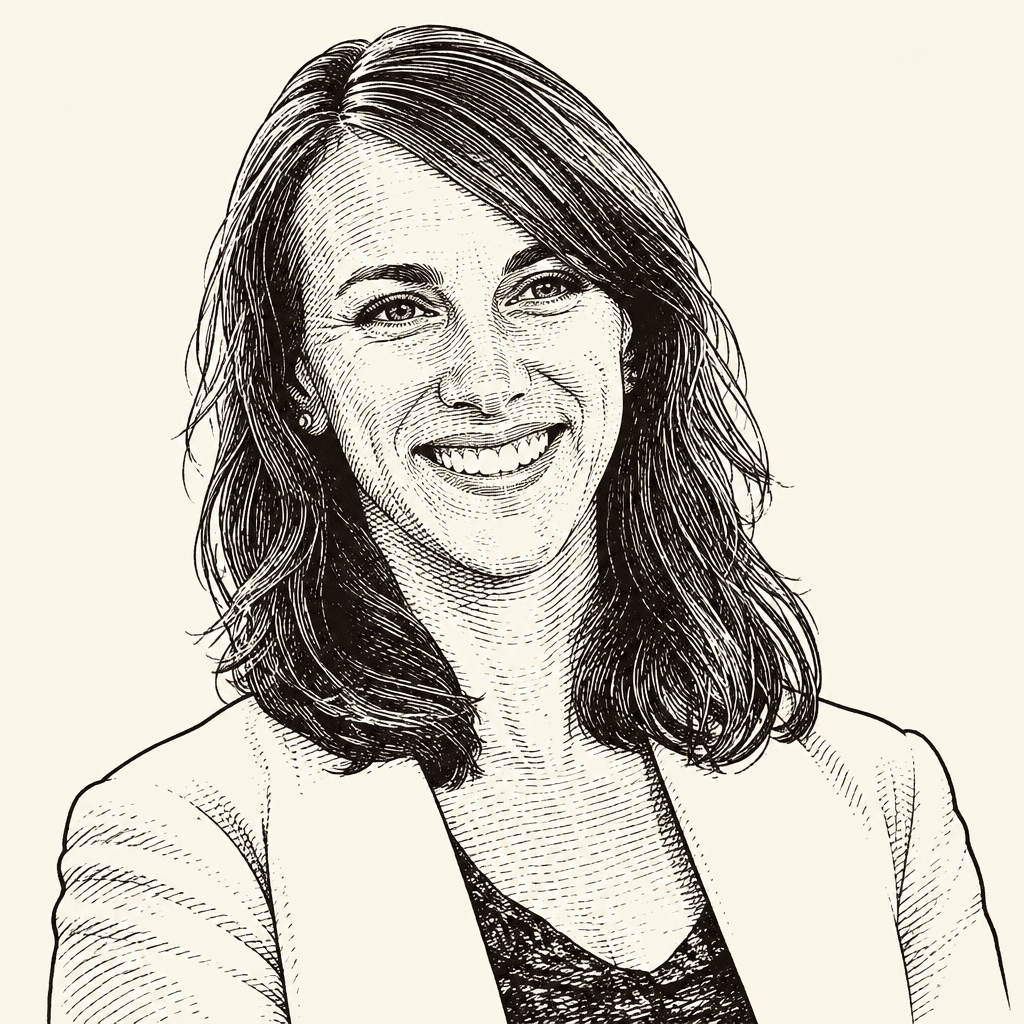 Thea Garon
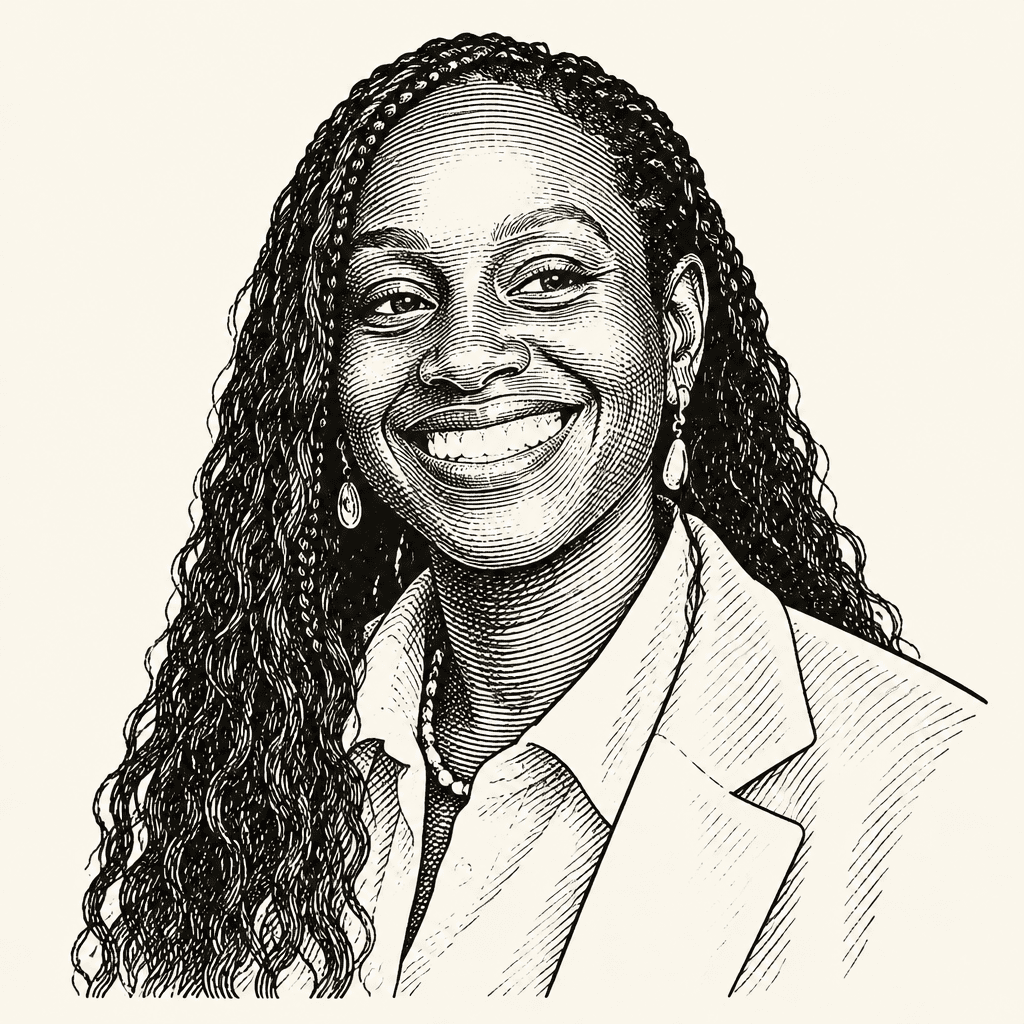 Ebony UnderwoodAriana BermudezPerrin Duncan
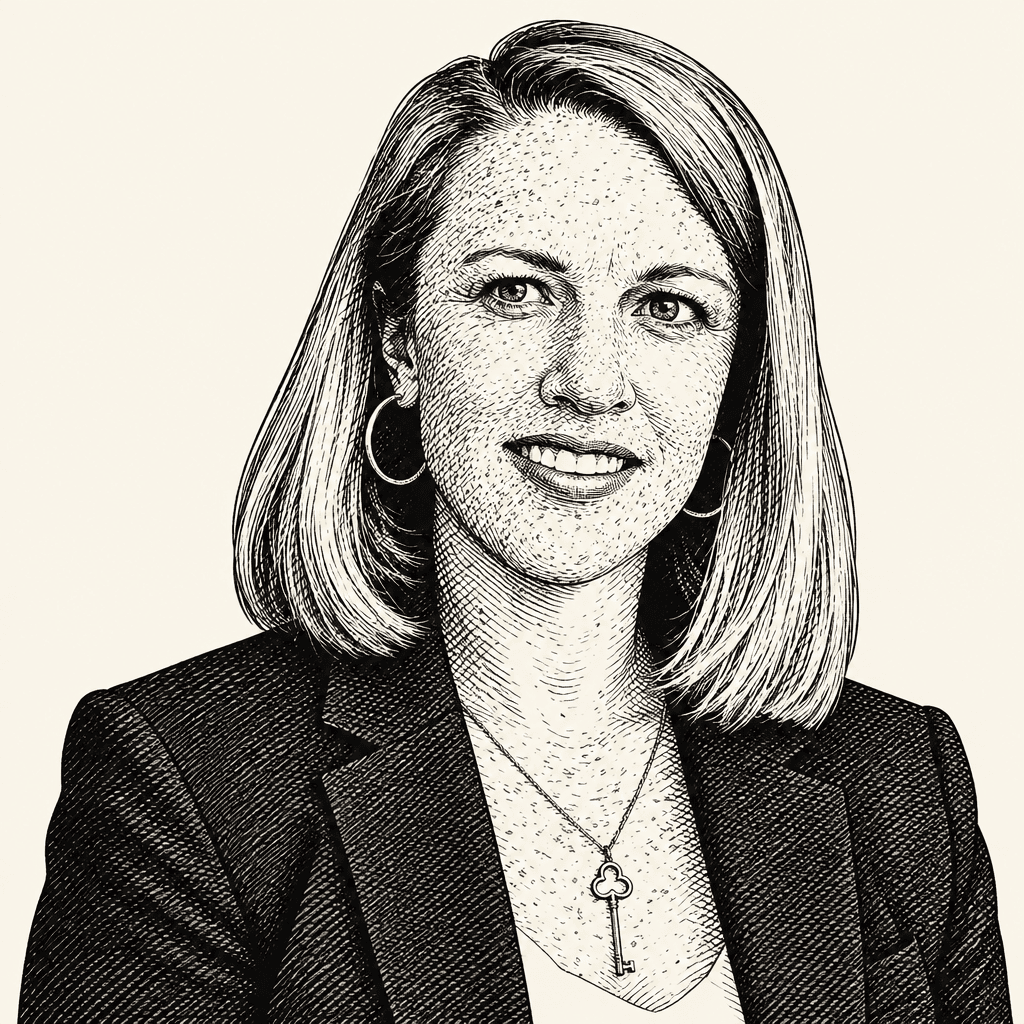 Rebecca Cokley
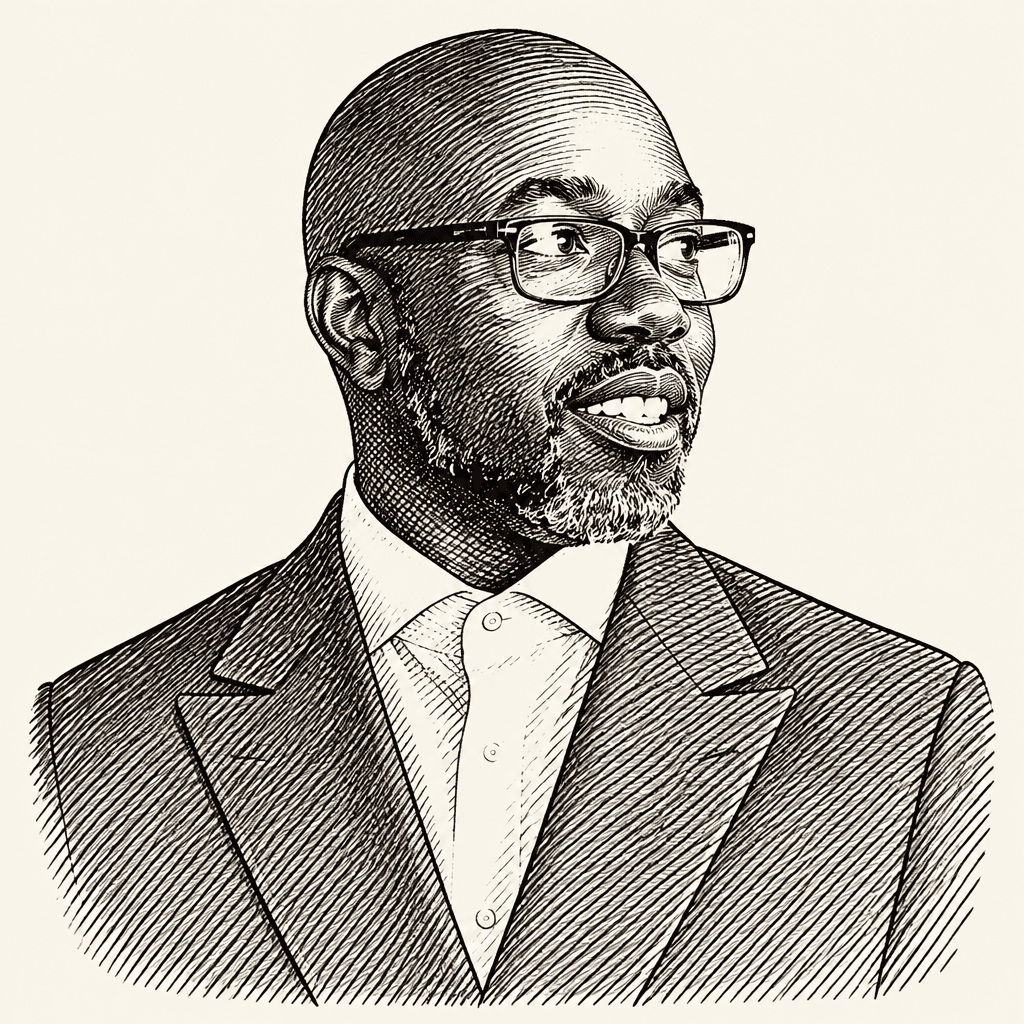 Kwame Owusu-KesseThe Aspen InstituteTuesday, October 27, 202612 min read
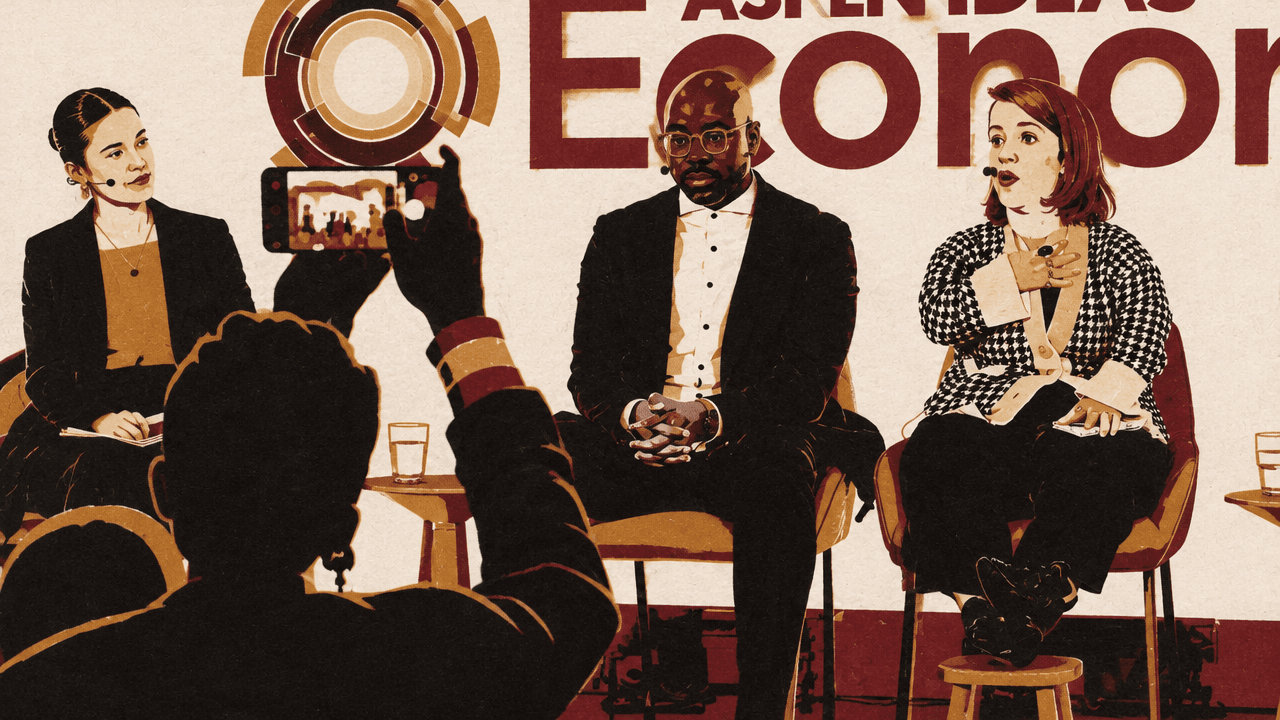
At Aspen Ideas: Economy, MyPath’s Ariana Arana Bermudez, Harlem Children’s Zone CEO Kwame Owusu-Kesse, Ford Foundation disability-rights director Rebecca Cokley and WE GOT US NOW founder Ebony Underwood argue that youth investment works only when young people help shape it and can use the resources offered. Their examples—from savings accounts and disability benefits to the costs borne by children with incarcerated parents—show how disconnected systems can make opportunity inaccessible. They call for sustained investment that pairs assets with practical support and responds to young people’s lived circumstances.
Young people’s ambitions have not changed; the conditions around them have
Ariana Bermudez opened with a practical case for involving young people in decisions that affect them. At MyPath, where she works with young people ages 14 to 24, she helped develop a Youth Economic Bill of Rights. Young people and partner organizations identified pressing economic and basic-needs issues, surveyed young people nationally, and proposed policy solutions. The work, she said, showed what becomes possible when people most affected by a problem have the resources and space to explain how they want to be served.
That distinction—between designing for young people and working with them—ran through the panel. The participants represented young people in Central Harlem, young people with disabilities, and children affected by parental incarceration. Each described a group whose needs are often overlooked or misread, and argued that lived experience should be treated as expertise rather than as a personal detail to acknowledge before returning to business as usual.
Kwame Owusu-Kesse leads Harlem Children’s Zone, which serves more than 10,000 young people in Central Harlem. He rejected the idea that young people today lack ambition. Their aspirations, he said, remain familiar: a better future for themselves and their families, and the agency to shape that future. What has changed is the terrain they must navigate. He pointed to the crises and disruptions young people have faced in recent decades, from the housing crisis and political instability to mass shootings, social media, the pandemic, and economic recessions.
The danger, Kesse argued, is treating those conditions as evidence of young people’s limitations. Adults should instead approach them as people closest to the problems and therefore close to possible solutions. He urged adults to see young people as “the experts of you,” and to work in partnership rather than from judgment. Judgment can narrow expectations to fit adults’ assumptions; partnership, he said, can open up a different set of possibilities.
Rebecca Cokley described how systems can constrain young people with disabilities even when they offer services. She cited the many planning documents that can govern a young person’s future, without requiring the adults responsible for them to coordinate. A young person might receive special-education services until age 22, she said, while a young person in foster care may have nowhere to live after turning 18. These systems do not reliably align with the lives they are meant to support.
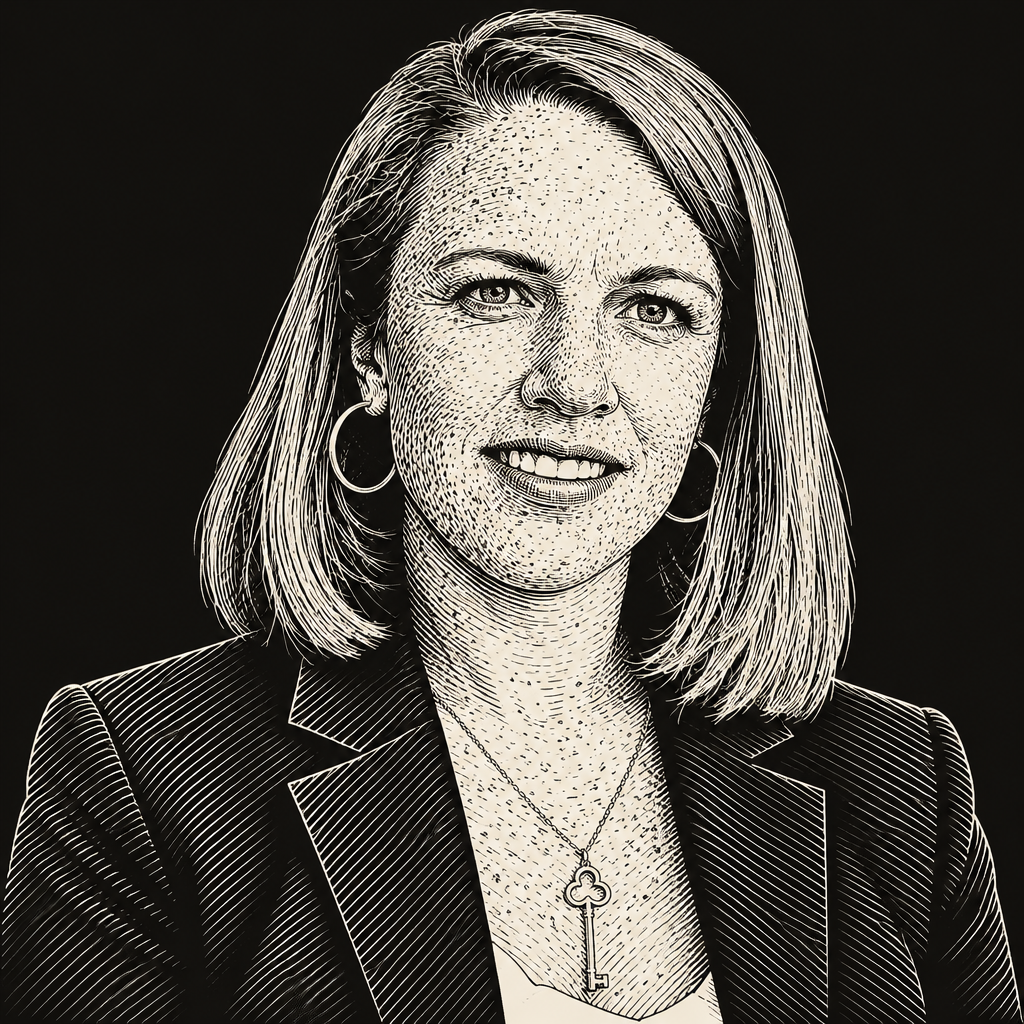
Cokley also described disability as too often treated as a problem rather than a source of innovation. The financial rules attached to disability benefits can make building savings difficult: she said a person on Medicaid can lose health coverage for having more than $2,000 in a bank account. In one example from her time in the Obama White House, an intern accepted to Harvard Law on a full scholarship had to turn it down after learning that he would receive fewer hours of home care in Massachusetts than he would in Illinois. The scholarship did not resolve the trade-off between pursuing education and retaining the support he needed.
For Ebony Underwood, invisibility is central to the experience of children whose parents are incarcerated. Underwood founded WE GOT US NOW, an organization built by and for this population. She said more than 10 million children have been affected by parental incarceration, and that they are present across systems and communities but often go unrecognized. Over eight years, she said, the organization raised awareness through educational campaigns and helped pass six pieces of legislation at the local, state, and federal levels, improving outcomes for more than 500,000 families. It has also developed the lived knowledge of more than 25 community leaders across 14 states.
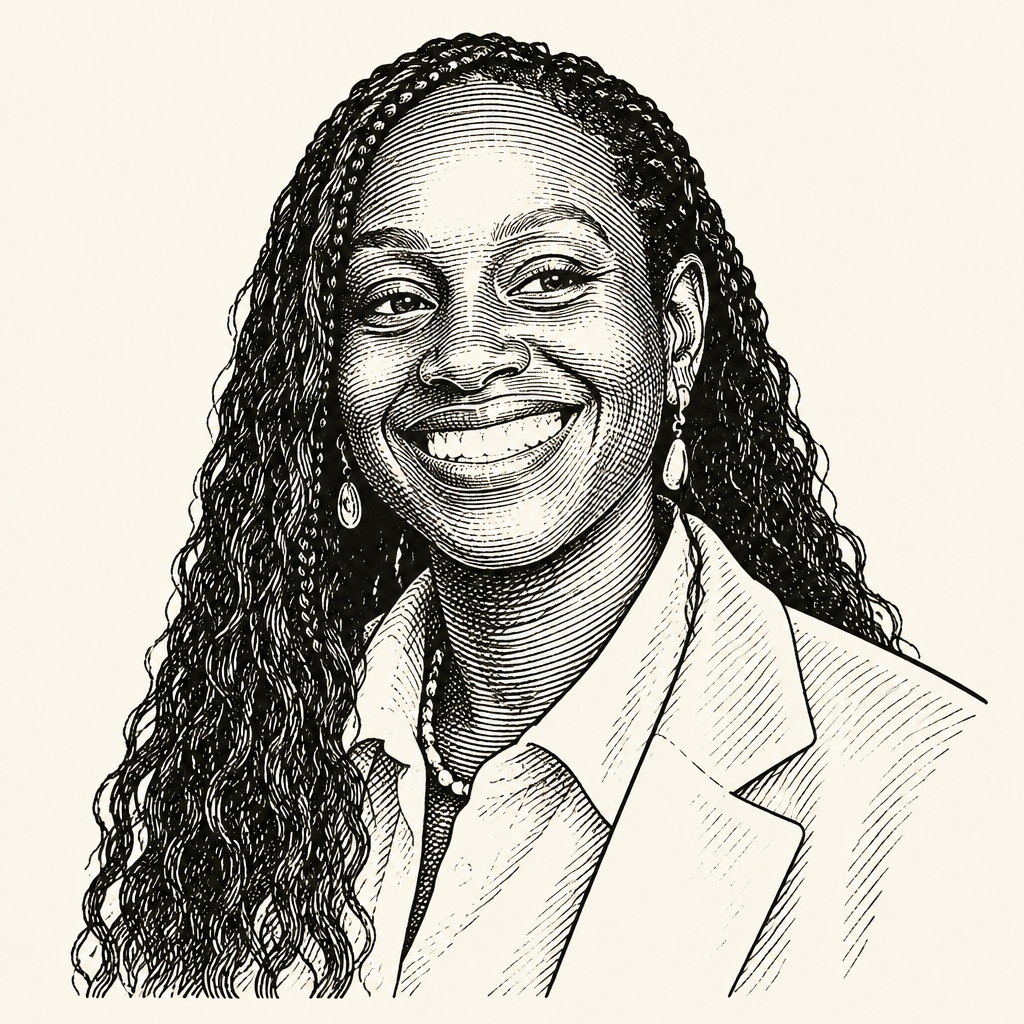
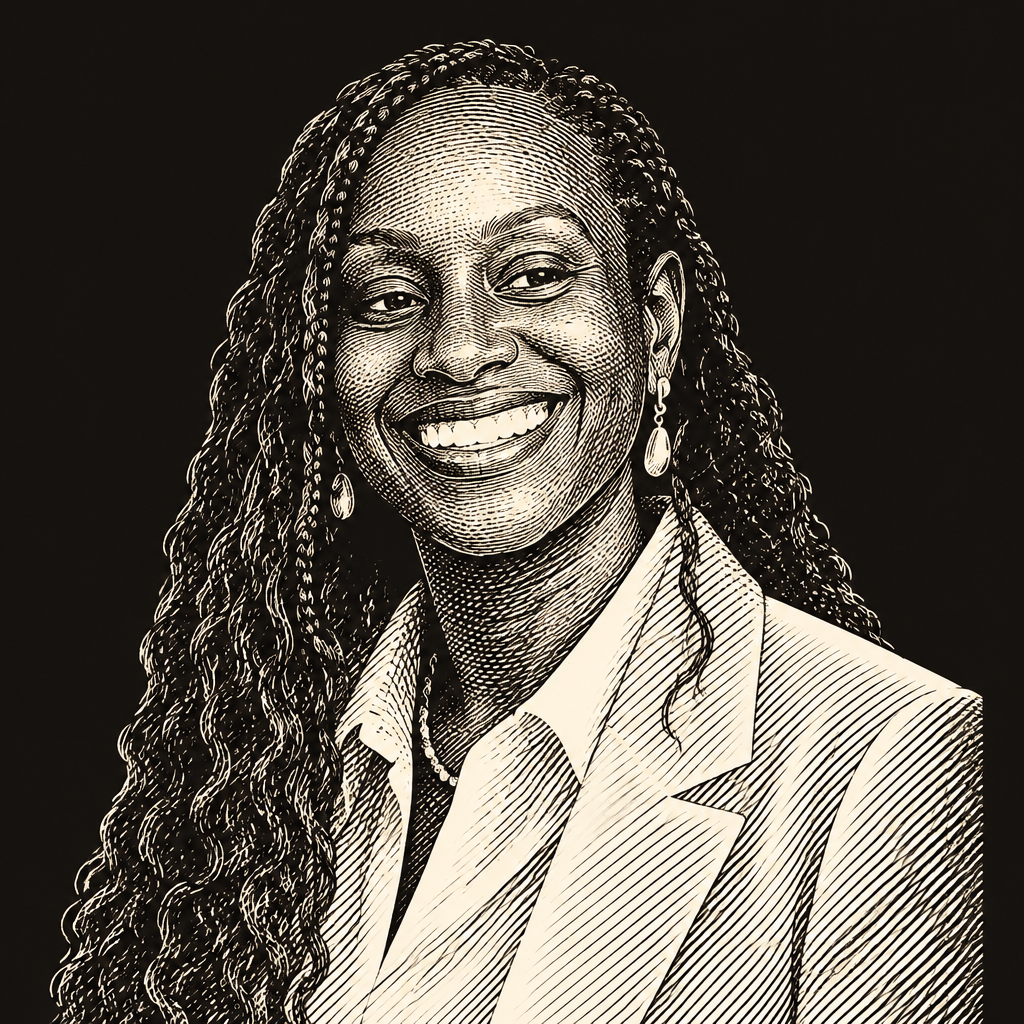
Underwood’s account was personal as well as organizational. Her father was incarcerated for 33 years, and she led the effort for his compassionate release. The purpose of WE GOT US NOW, she said, is to ensure that systems supporting children with incarcerated parents are equipped to respond to their experiences—and that the next generation is not forgotten.
The costs of being unseen show up in daily decisions
Asked what it costs to ignore young people’s needs, Ebony Underwood connected population estimates to ordinary household disruptions. Referring to a study she described as newly published in JAMA, she said one in seven children have been affected by the incarceration of a parent or household member—more than 11 million children. She compared that figure with Oklahoma’s population, which she gave as 4.2 million: the affected population, in her comparison, is nearly three times as large. The estimate she cited includes incarceration of a household member as well as a parent.
The scale matters because incarceration can change a child’s household and financial circumstances at once. A family may lose income, housing may become unstable, and a child may move between relatives’ homes or into foster care. Those disruptions can affect whether a young person considers college, how they enter the workforce, and what options seem possible. Underwood argued that public investment should make institutions financially accountable to the young people they serve, not simply count them in research or describe their needs.
Her examples make clear why “opportunity” can be an incomplete description. One WE GOT US NOW youth leader, Christina, graduated from high school and received a college scholarship for tuition. But the scholarship did not pay for housing, meals, books, or transportation. Another young person earned a full scholarship but could not get to the school from his grandmother’s home because there was no nearby public transportation. He forfeited the school year.
Those young people were managing money, Underwood observed, but often to meet immediate needs: groceries, household contributions, or the costs of staying connected to an incarcerated parent. A phone call can require payment; families may have to make choices about basic needs to afford it. Underwood called this the “monetization of our love.” The distinction she drew is between economic responsibility—the work of getting through the day—and economic opportunity, which requires enough support to make a future choice usable.
Rebecca Cokley offered a parallel account of how well-intentioned plans can fail when they are not coordinated around a person’s actual life. Disability-related benefit limits can force families to make choices that other families are not asked to make. She described families who had considered divorce so that a disabled child could keep health coverage. In her view, the problem is not a lack of aspiration; it is a system that can penalize people for trying to accumulate resources.
The examples differ, but the constraint is similar: a benefit or opportunity can be available on paper while the conditions attached to it make it difficult to use. For young people affected by parental incarceration, the missing pieces may be housing, transportation, or the costs of staying connected to family. For young people with disabilities, saving money can threaten access to essential coverage and support. In both accounts, counting a service or an asset is not enough to show whether it expands a young person’s choices.
Assets need an ecosystem around them
Kwame Owusu-Kesse’s approach at Harlem Children’s Zone starts from the premise that economic mobility cannot be reduced to income or financial instruction. He described a set of “social determinants of thriving”—including health care, education, family stability, transportation, and food—that shape young people’s prospects together. A program that focuses on only one factor can miss the conditions that determine whether a young person can use what it offers.
That logic informs Wealth Builds, an initiative designed to combine financial education with real assets and the organization’s existing cradle-to-career infrastructure. Kesse said that education without assets leaves young people with little opportunity to apply what they learn; assets without education leave them without support to manage those resources. The two, he argued, should be developed together and sustained over time.
The initiative’s first phase raised $125 million and worked with partners in New York City, Atlanta, Minneapolis, and Oakland. Among its components were college savings accounts seeded with $500, financial education in schools and after-school programs, community financial education, and entrepreneurship and employment programming. It also included a Youth Opportunity Fund: a $10,000 allocation invested on behalf of young people. Kesse emphasized that the money was not unrestricted cash. Young people had to hit critical milestones along the cradle-to-career journey to access the funds at age 25, for uses such as a home down payment, further education, starting a business, or retirement savings.
The initiative’s next phase, which Kesse called the Wealth Builds Universal Economic Mobility Framework, has three elements: infrastructure that supports young people at different developmental stages; financial education paired with experiences such as internships, job shadows, career fairs, and entrepreneurship programs; and a “child capital stack” that combines different kinds of assets. He named college savings accounts, Trump accounts, state baby bonds, direct cash transfers, scholarships, and stipends as possible parts of that stack. Rather than choose a single asset, Kesse said, he wants young people to have access to all of them.
He stressed that financial education should be developmentally appropriate and culturally relevant, and that it needs to be an ongoing commitment rather than a one-time course. The aim is not only to teach young people how to earn, but to help them learn to own—and to provide the community, financial, and human support that can help them steward limited resources.
That ongoing support, Kesse said, also has to prepare young people for the financial environment they actually encounter. Asked whether sports betting, prediction markets, and casino-style games were showing up in young people’s lives, he said yes, pointing to advertising that gamifies betting. He did not suggest that education could remove those pressures. Instead, he argued that young people need discernment to navigate them. He prefers “financial education” to “financial literacy” because he sees the work as a lifelong commitment, not a course or class: a sustained effort to give young people the knowledge and support to make their own decisions.
Rebecca Cokley’s example of Artichoke, a credit union focused on people with disabilities and their families, likewise connects financial infrastructure to community needs. She described it as a multi-million-dollar investment backed by the Ford, Robert Wood Johnson, and MacArthur foundations. The idea, she said, is to build an institution with people with disabilities—including young people—at the table, and to direct the credit union’s resources back into the community. That includes support for disability-rights organizations and disabled small businesses, which she said are not recognized as a marginalized community for purposes of SBA loans.
For Cokley, the name Artichoke reaches back to disability-rights activist Ed Roberts. As a student with polio, Roberts attended high school from an iron lung, with a rotary phone used to amplify the teacher’s voice. When a doctor told him he would never accomplish anything, Roberts replied that if he was going to be a vegetable, he would be an artichoke: prickly, with a big heart. Cokley used the story to connect the credit union to a movement tradition of high expectations and “nothing about us without us.” Building infrastructure, in this account, is not a substitute for disabled people’s leadership; it is one way to put that leadership into practice.
Universal investments still need to account for unequal starting points
A question from the audience pressed the panel on whether a universal account can meaningfully change the wealth gap. Giving everyone $50 might be welcome, the questioner suggested, without being enough to close that gap.
Kwame Owusu-Kesse agreed that a small contribution would not, by itself, resolve wealth inequality. But he cautioned against letting criticism of an imperfect policy obscure the significance of creating a federal mechanism for direct investment in young people. Legislation, he said, involves concessions; the opportunity is to improve the policy and build the conditions that make it work for more people. Staying neutral or outside the process is not risk-free, because it leaves others to shape the design.
I don't have an expectation of perfection right out the gate. By nature of getting things passed through law, it's going to be imperfect with concessions. But what it allows and affords is an opportunity to ameliorate.
He pointed to the need to sustain the newborn investment beyond its scheduled end in 2028 and to consider targeting at a finer geographic level than ZIP codes. He also argued that philanthropy can contribute not only money but influence, including helping shape policy and the speed of implementation. For him, a new investment is a starting point for building early asset development, not a complete answer.
Rebecca Cokley’s response showed why policy details matter. She said a proposal with bipartisan support in both the House and Senate would raise the amount a person on Medicaid could save from $2,000 to $10,000, and the amount for a family from $3,000 to $20,000. Cokley said the proposal would lift 8 to 10 million families of people with disabilities out of poverty. She added that the policy would not be enough on its own, but argued that it could also let people retain retirement savings that, she said, they typically have to spend down to access services.
That proposal speaks to a different problem from the initial investment in a child’s account. An account can put assets in a young person’s name, but asset limits may make saving difficult for disabled people who rely on Medicaid. Increasing those limits, in Cokley’s account, would make it more possible to keep resources without losing coverage.
Cokley also described how a 530A account could be used alongside an ABLE account, which she said allows people with disabilities to save without triggering the same asset limits. Her account of the proposed pathway was that a child could start with a 530A account and move it into an ABLE account at age 17. She called the mechanics “wonky and clunky” and said she hoped they would be smoothed out.
She said the design question came from parents of disabled children asking how the accounts would interact with asset limits and whether the transition into an ABLE account could be streamlined when a child reached adulthood. Cokley connected that intervention to an earlier omission in the Child Tax Credit: disabled people’s needs had not initially been accounted for in the asset-limit rules. The lesson, she argued, is not that policy can be perfected before it passes. It is that people likely to be affected need a seat at the table while it is being designed, so that gaps can be identified and addressed.
Ebony Underwood argued for a similar shift in how children with incarcerated parents are understood. WE GOT US NOW has moved from framing its work primarily as criminal justice reform to framing it around child well-being. A child’s circumstances should not determine that they remain defined by the system their parent is in, she said. Organizations with direct experience of the population need to help shape investments meant to support them, from childhood through their working lives.
Young people must help define the opportunity they are promised
Ariana Bermudez challenged the familiar description of marginalized young people as “resilient.” In her view, the word can become a way to praise people for enduring unjust systems rather than changing those systems. Ebony Underwood made a related distinction: surviving is not the same as thriving. Managing a household budget under severe constraints may demonstrate skill, but it does not show that a young person has the resources or choices needed to flourish.
Asked whether America can still fulfill its promise of opportunity, Rebecca Cokley said it can—but young people must help define what that promise means now. Her example was her son’s interest in learning about the 1921 Tulsa massacre and the destruction of Black Wall Street. His New Jersey teacher wanted to teach the history but lacked curriculum materials, so Cokley asked her network for resources. She took the fact that her son was asking questions—and that adults around him could support his inquiry—as a reason for guarded hope, even amid book bans and disputes over how the country’s history is taught.
The panel’s examples point to a practical test for youth investment: whether young people have a real role in defining the future they are promised, and whether systems give them usable resources to pursue it. Their ambitions are not the missing ingredient. The work is to build supports that account for the circumstances they face, and to let the young people closest to those circumstances shape how those supports are designed.