Wage-Setting Choices and Financial Tools Both Shape Economic Security
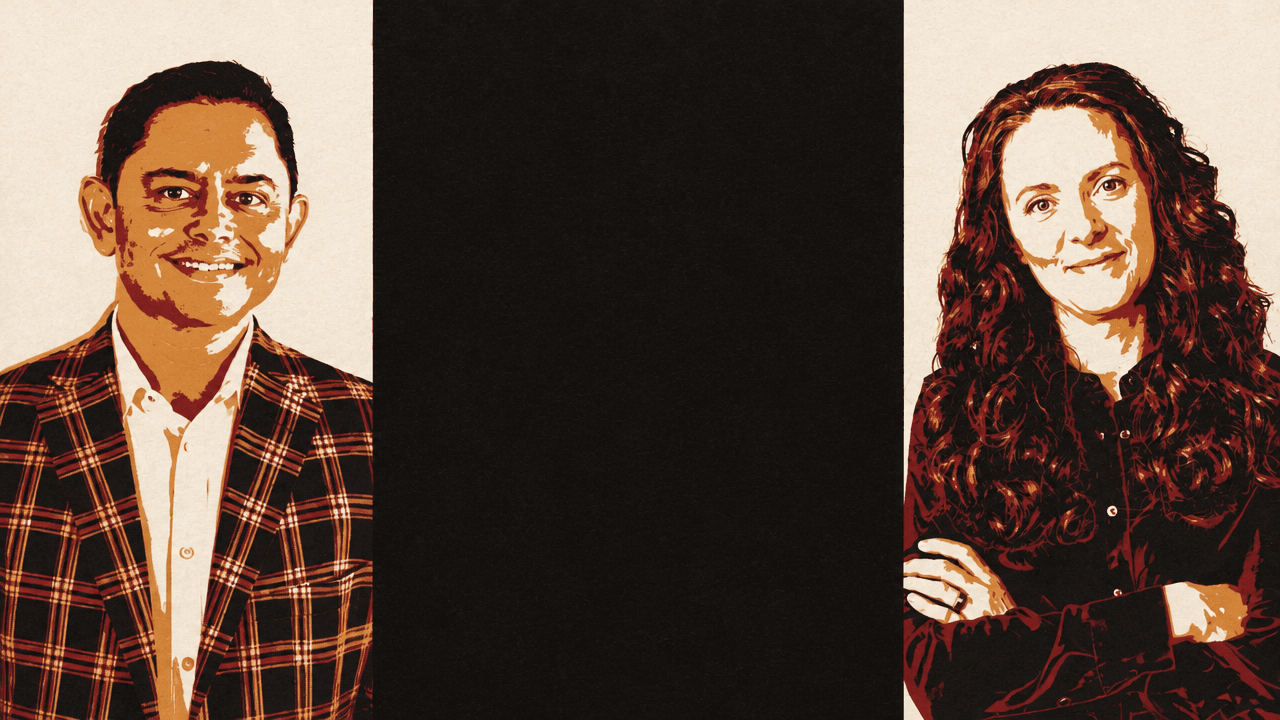
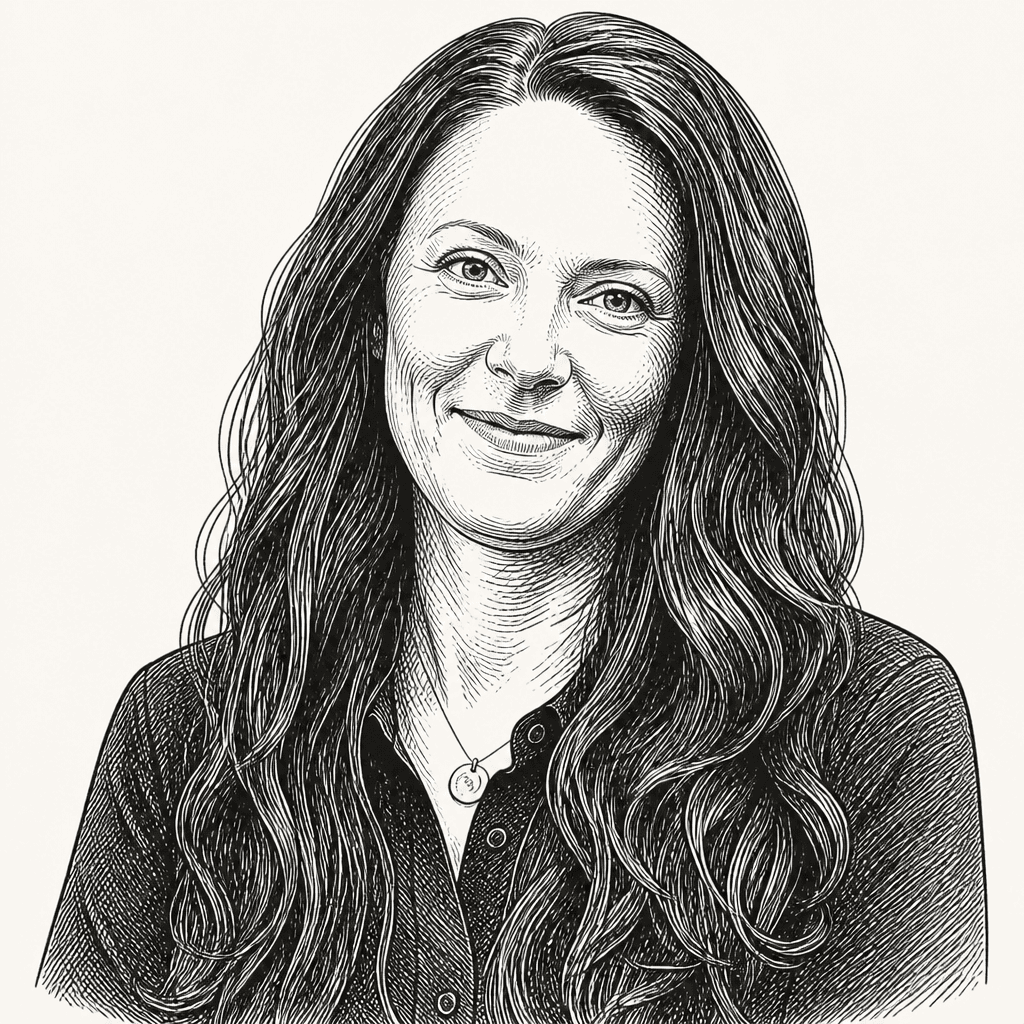 Carrie Grimes
 Liba Rubenstein
 Arindrajit Dube
 Natalie FosterThe Aspen InstituteWednesday, October 14, 202613 min read
Wages reflect employer choices as well as market forces, Arindrajit Dube argues, because workers cannot always move easily to better-paying jobs. Carrie Joy Grimes says personal-finance tools can help people act on their circumstances, but cannot repair the structural conditions that produce insecurity. Their shared case is that financial agency complements, rather than replaces, wage standards and safety nets: the former help workers manage the choices they face, while the latter address limits on pay and protection.
The wage gap reflects choices, not only market forces
Natalie Foster opened with the scale of the gap: if American wages had risen alongside productivity as they did in the decades after World War II, the typical worker would have about $30,000 more to spend each year. Foster attributed that estimate to the Economic Policy Institute. The question is not only why the gap exists, but what could close it—and whether household-level financial tools and labor-market reforms can reinforce each other.
For Arindrajit Dube, the familiar explanation that pay follows productivity, skills, and supply and demand leaves out an important part of how wages are actually set: employers have choices. His research, he said, shows that companies doing similar work can maintain substantial pay differences. At UPS, 63% of workers earn more than $20 an hour; at FedEx, 40% do. Target pays about 25% more than Walmart, despite having lower revenue per worker.
In a textbook model of intense competition for workers, those gaps should not persist. Employees would leave lower-paying firms, forcing wages to converge. But Dube said newer data tracking workers moving between companies shows that pay differences can remain large and persistent. Firms pursue different wage strategies, and the forces shaping pay are not impersonal alone.
Arindrajit Dube traces those choices across several levels: employers decide how to pay; citizens decide which policies to support; and workers make choices about whether to stay or leave, though those choices are constrained. Technology and globalization matter, he said, but they do not settle the outcome on their own. His point is not that education is unimportant—he called it important—but that getting more education cannot, by itself, account for the way employers set wages.


He also resisted a purely bleak account. The early post-pandemic period brought unusually fast wage growth for low-wage service workers, after decades in which pay had not kept pace with productivity. Dube connected that period to a tight labor market: when workers had more options, the market moved closer to the competitive model often assumed in textbooks. For him, that episode showed both that policy and economic conditions can shift bargaining power and that there are tools for rebuilding a stronger wage standard.
Financial tools can help people act, but cannot repair the rules alone
Carrie Grimes came to personal finance through years as a union organizer, sitting with people in homes, union halls, churches, bars, and other gathering places. She repeatedly encountered a sense that money was a secret club: people who struggled assumed they had done something wrong, or that they lacked the right to improve their financial lives. Grimes recognized some of that shame in her own struggles with debt and budgeting. Realizing that many others faced the same problems helped her see that the difficulty was not uniquely hers.
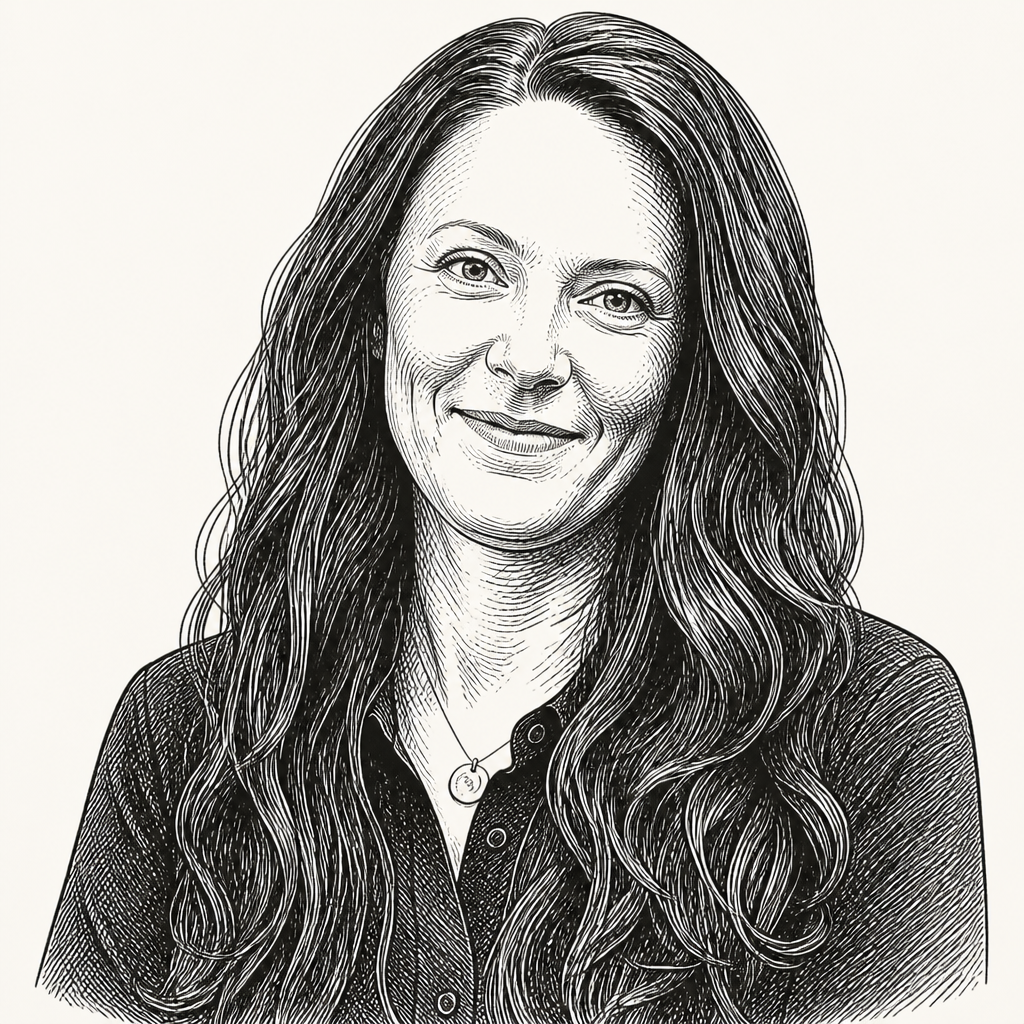
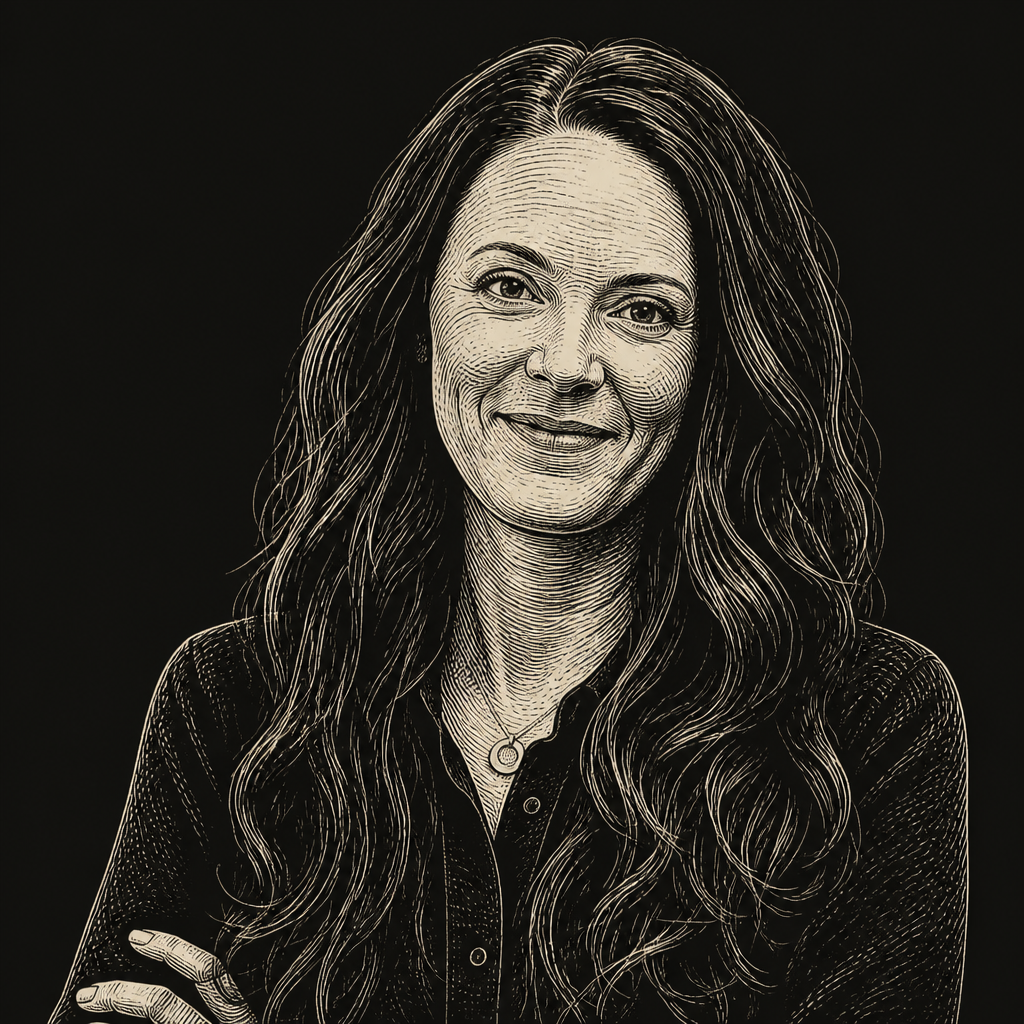
That experience shaped her case for combining individual tools with structural reform. People need ways to manage the financial circumstances they have, Grimes said, while also working to make the system that distributes those circumstances fairer. Personal finance is not a substitute for policy. But it can help people feel less trapped, and, in her view, taking responsibility for one’s finances can be a first experience of agency rather than an admission that structural problems are individual failings.
She described money as “math and feelings.” The arithmetic—money in, money out, saving for the future—can be straightforward. The emotional weight is harder: people who work full-time may still be unable to cover bills, afford housing or childcare, manage healthcare costs, or see a path to retirement. For many, the deepest injury is the belief that things will not get better, no matter how hard they work.
Grimes argued that isolation intensifies that belief. When people understand they are not alone, even a modest improvement can help them see a way forward. She said the atomization people experienced during the pandemic had contributed to a feeling that economic hardship would not end and that there was no personal way to overcome the hand of cards they had been dealt.
The blame placed on individuals can deepen financial distress. Grimes criticized advice that treats small lifestyle cuts—such as giving up a cup of coffee—as a credible route to retirement security. At the same time, she said, people should take responsibility for their own finances, not because personal choices explain structural problems, but because acting on their own behalf can help undo shame.
She called attention to what she described as the “financialization of shame”: people avoid opening a credit-card bill, pay only the minimum, and withdraw from confronting their circumstances. Grimes said even she receives credit-card offers with interest rates of 28% or 29%, despite having very good credit. Shame can serve the interests of industries that profit when people feel overwhelmed or need help navigating financial products.
For Grimes, financial literacy on its own cannot solve structural problems. She also argued that money is often made to seem more complicated than it is, in part because a complicated system can create demand for paid help. Many people can benefit from a common set of basic practices, she said, but financial literacy is not a route to budgeting away structural problems.
She described five kinds of power that people can exercise: as constituents who can influence policy, consumers who can bargain through collective choices, audiences who can shape what gets attention, workers who can influence wages and working conditions, and entrepreneurs who can create products and institutions that do not yet exist. Her argument is not that personal finance education replaces those forms of power. It is that people who can see a way to improve their own financial situation may find it easier to take part in changing the wider conditions.
Employers can hold wage-setting power even when workers can leave
Dube used the term monopsony for employers’ ability to influence wages when leaving a job is more difficult than the textbook model suggests. Workers do change jobs, he said, but searching takes time and effort. They must apply, interview, face rejection, and keep showing up at their current jobs while looking for alternatives.
Workers who are paid less do search more, Dube said, but not enough to eliminate the pay gap. In his example, workers earning 10% less spend about 5% more time looking for work. The search response is real, but it falls short of the amount that would make wages converge as quickly as a simple competitive model predicts.
Other constraints make jobs difficult to treat as interchangeable. A new job may mean a much longer commute or a lost connection to a child’s daycare. Workers may also underestimate what jobs are available to them. And in a local labor market, Dube said, most Americans have only about three or four equivalent employers hiring people with their qualifications.
Some employers also create additional barriers. Dube described “monopsony by artifice”: practices that deliberately make it harder for workers to move between firms. He cited no-poach agreements among major technology companies, including Apple and Google. In the account he gave, a Google recruiter contacted an Apple employee; Steve Jobs complained to Google CEO Eric Schmidt, who fired the recruiter within an hour. Jobs replied with a smiley face. Dube said evidence in a federal case showed that these agreements reduced Silicon Valley engineers’ salaries by about 6%.
Non-compete clauses are another example. They can prevent employees from taking a job in the same industry or geographic area for a specified period after leaving. Dube said 30 million workers were subject to non-competes in 2014. He noted that a previous administration had moved to ban them, but the effort was held up in court and its status was unresolved. The broader point was that rules governing how easily workers can move are themselves choices—and possible targets for policy.
Carrie Grimes said that people often experience the economy not as a system of choices, but as a hostile environment they must navigate. They describe having to be crafty to get by, like MacGyver in a dark forest. Many focus on their own job, local housing market, or the stock market; they do not necessarily see the economy as the result of decisions made by businesses and elected officials.
That view can make economic conditions feel uncontrollable. Grimes said that people are more likely to recognize the economy as something shaped by decisions when they are around others who talk about it that way. She said most people want to know that effort can lead to a good life for themselves and their children, rather than demanding equal outcomes.
Wage standards can extend beyond the lowest-paid workers
Arindrajit Dube described a minimum wage as a floor below which employers cannot pay. It can limit the low-wage strategies firms might otherwise use to compete, particularly in a labor market where employers have some power over pay. But a single minimum wage does not set standards for every occupation. Workers such as nursing-home staff, licensed practical nurses, and childcare workers may earn more than the minimum while still facing low pay.
Dube pointed to wage boards and sectoral standards as ways to set floors across industries or occupations, not just for the lowest-paid workers. In several high-income countries, he said, collective bargaining is a common way of establishing wage floors. In Sweden and Austria, he said, almost all workers are covered by a wage floor, even if individual workers negotiate above it. Australia’s wage-board system, he said, also sets floors that workers can bargain above but not fall below.
He also pointed to experiments in the United States. Minnesota has established wage floors for different occupations in nursing homes, and California has done so for hospital workers. Dube said Washington state’s childcare sectoral board was expected to set its floor the following month. In Massachusetts, gig workers have a wage floor and a right to bargain collectively. Dube presented these as examples of state and local action that can proceed without waiting for federal legislation.
That approach does not make the minimum wage irrelevant. Dube said there is room to raise it, but a single floor may not suit the range of jobs and wages across the economy. Wage boards could extend standards to workers above the minimum, while also allowing floors to reflect differences between occupations.
The geographic question remains. Cost of living and wage levels vary across the United States, Dube said, though they have gradually converged and still differ substantially. A national floor can establish a common starting point, with states raising it further. Another possibility is geographically differentiated floors: Oregon, he noted, has separate minimum wages for Portland, smaller metropolitan areas, and rural areas.
Grimes, who had worked on wage-board campaigns and a national minimum-wage campaign, supported both a shared baseline and the ability to adjust locally. A common floor means a person’s minimum standard of living does not depend entirely on which state they happen to live in or which party is in power. Local variation can then account for differences in housing costs, business rents, and other expenses. In her view, the question is not whether to choose one national wage or local adjustments, but why some places have been slow to use both.
Cash support and wage standards reinforce each other
Asked whether cash transfers can substitute for wage standards, Dube answered that they are complements. A higher wage cannot protect people who are unemployed, injured, or between jobs. A strong safety net can provide that protection and also give workers more time to search for a better job. Savings can serve a similar purpose by making it easier to leave a poor job or negotiate for better pay.
But transfers alone can create a different problem. If additional income makes more people able to work, Dube said, that can put downward pressure on wages unless there is a floor. He therefore argued for combining workplace standards with income supports, pointing to the Earned Income Tax Credit and the minimum wage as measures that work well together.
He also made a political argument for the combination: voters are more willing to support some kinds of safety-net programs when they believe work is rewarded and pays well. A strategy that relies on several tools, he said, can deliver more well-being than one that leans too heavily on any single measure.
Carrie Grimes said people who are willing and able to work full-time should not have to rely on public benefits because their pay is insufficient. But while wages remain inadequate for too many people, she said, society has a responsibility to provide safety nets and cash transfers. She described financial insecurity as extending beyond those below the poverty line: many people who consider themselves middle class are also trying to cover care for children and parents while managing their expenses.
AI raises the stakes—and leaves room for decisions
For Carrie Grimes, the rapid development of AI creates an opening to decide what kind of economy people want. She called the moment a “terrible opportunity”: dangerous, but also a chance to influence the policies and expectations that will shape how technology affects work. The next few years, she said, could matter to the economy her college-age daughter will enter.
Grimes framed policy as “frozen power”—the result of what people do through elections, bargaining, market choices, and the expectations they set for decision-makers. She argued that insecurity reaches well beyond low-income households, including families higher up the income distribution who struggle with care costs and other expenses. AI, in her view, makes it more urgent to organize around economic security.
She pointed to data-center construction as a concrete place to negotiate those expectations. Communities, workers, and companies could seek arrangements that provide good jobs, prevent electricity rates from rising, require companies that profit from data centers to bear the cost of grid improvements, and direct more revenue to local communities. She also said environmental concerns raised by communities should be addressed. These, she argued, are problems people can solve together rather than accept as inevitable consequences of technological change.
Arindrajit Dube agreed that AI raises the stakes, but cautioned against treating technology as if it sets wages by itself. How new technology affects workers depends on the institutions through which it is developed and adopted. He said the public debate around AI is notable because earlier waves of technological change, including automation and electrification, did not prompt the same level of discussion about whether technology was good or bad for workers.
Rather than concentrating on predictions, Dube argued, people should consider where they have agency: in directing how technology develops, how employers adopt it, and how it changes work. Sectoral boards and commissions could help govern not only wages but also the implementation of technology, with the aim of complementing human expertise rather than replacing it. Those institutions, he said, could give workers and citizens a democratic voice in making AI development more pro-worker and pro-human.
Small financial steps and public action address different constraints
When Foster asked what people should do if wages had kept pace with productivity, Grimes gave two personal steps. First, change the story from “I’m bad at money” to “I can be good at money.” She compared the shift to sports psychology: people are more likely to succeed when they can imagine themselves doing so. Second, take one small action that has been avoided—log into a bank account, check a credit-card balance, or make a payment—and notice that facing the task is survivable.
Her political recommendation was to join WorkMoney, which she described as combining individualized financial information with collective efforts to improve economic outcomes.
Dube’s practical advice was to learn what comparable jobs pay: ask coworkers and friends at other firms, and check posted wages where available. He said changing jobs is the biggest predictor of substantial pay increases for many workers, while recognizing that moving is not feasible for everyone. Better information can still help people negotiate or decide whether other options are available. He added that having savings can give workers more confidence to ask for a raise.
His political advice was to support wage increases through measures such as minimum-wage campaigns and wage boards, and to press state legislators on why workers are not being paid more. The structural changes, he said, require people to work together.