University Procurement Can Build the Pipeline for Diverse Board Directors
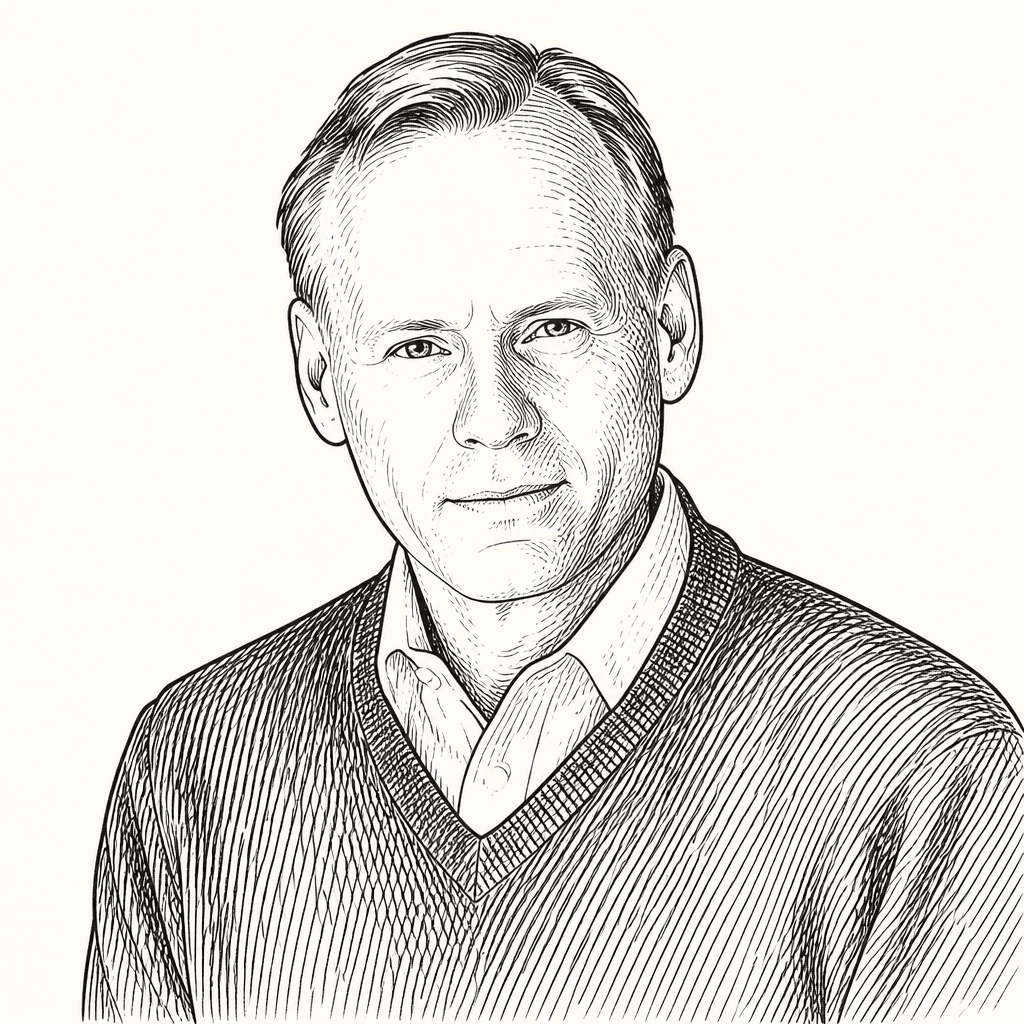
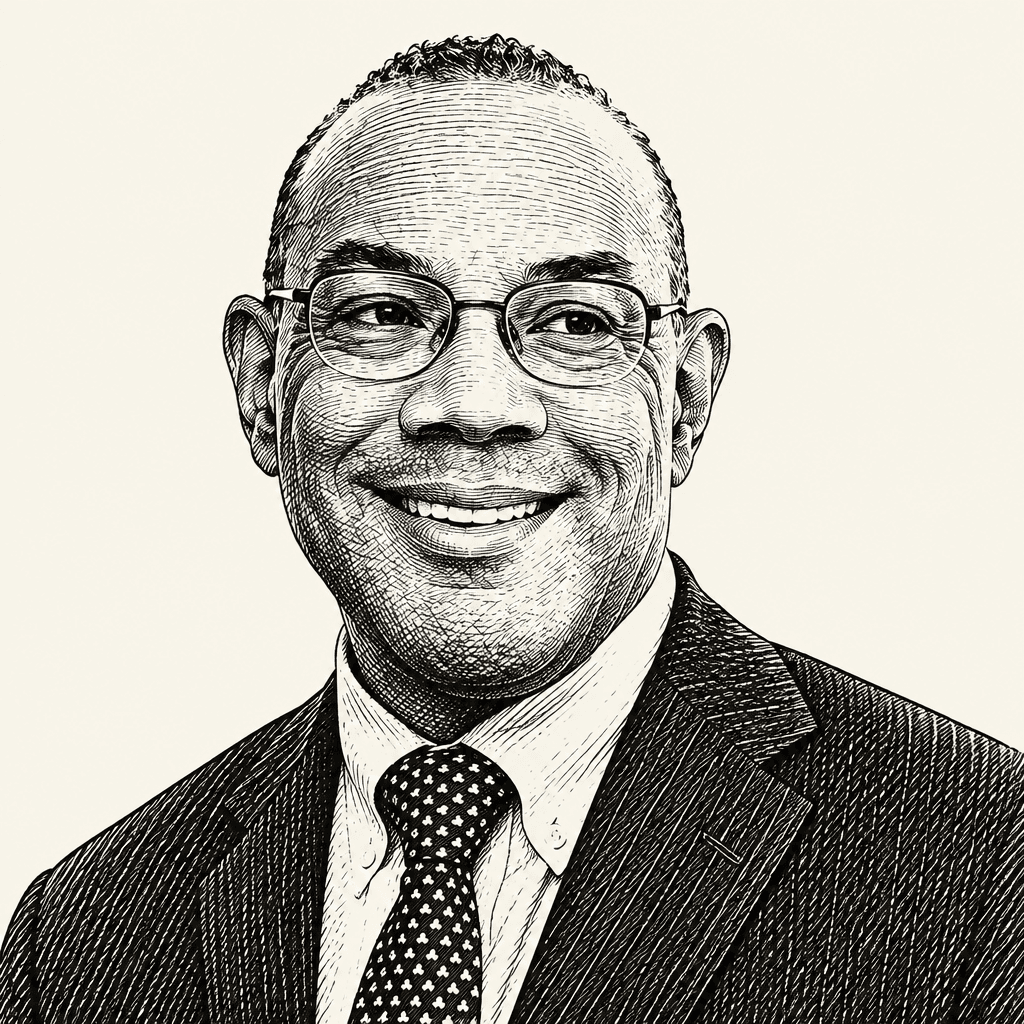
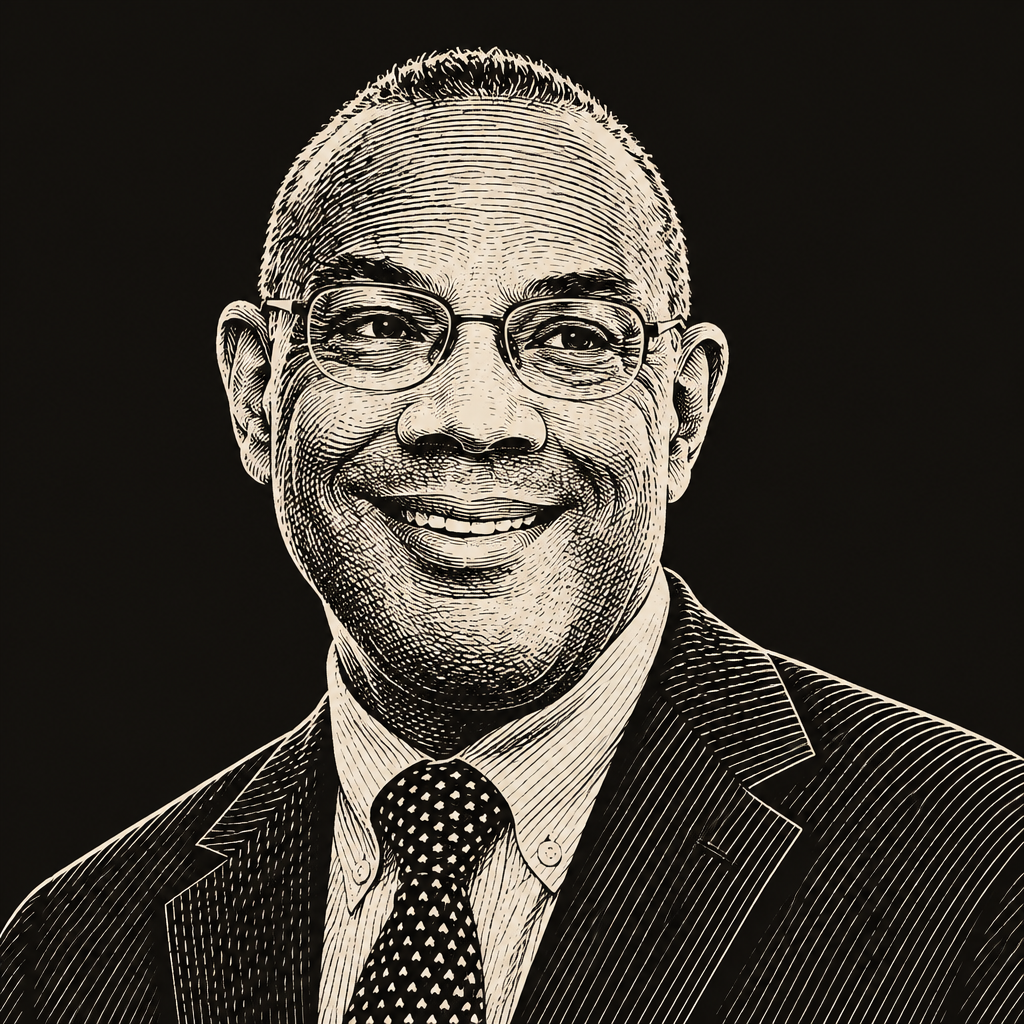
At Aspen Ideas: Economy, Ariel Investments chairman and co-CEO John W. Rogers Jr. argues that widening ownership requires more than changing who gets selected for leadership roles: people also need access to the investments and business opportunities that build wealth and qualify them for influence. In a conversation with The Atlantic’s John F. Dickerson, Rogers connects that case to his own introduction to investing as a child and to a family history of building businesses while fighting for fair treatment, including his great-grandfather’s experience in Tulsa’s Greenwood District.

Ownership starts with early access
John Rogers traces his interest in investing to a practice his father began when he was 12: instead of toys for birthdays and Christmas, Rogers received shares of stock. His father was not wealthy; $250 worth of General Motors stock might produce a $25 dividend. Rogers kept the dividend checks, giving him money to spend and a reason to pay attention to how the investment worked.
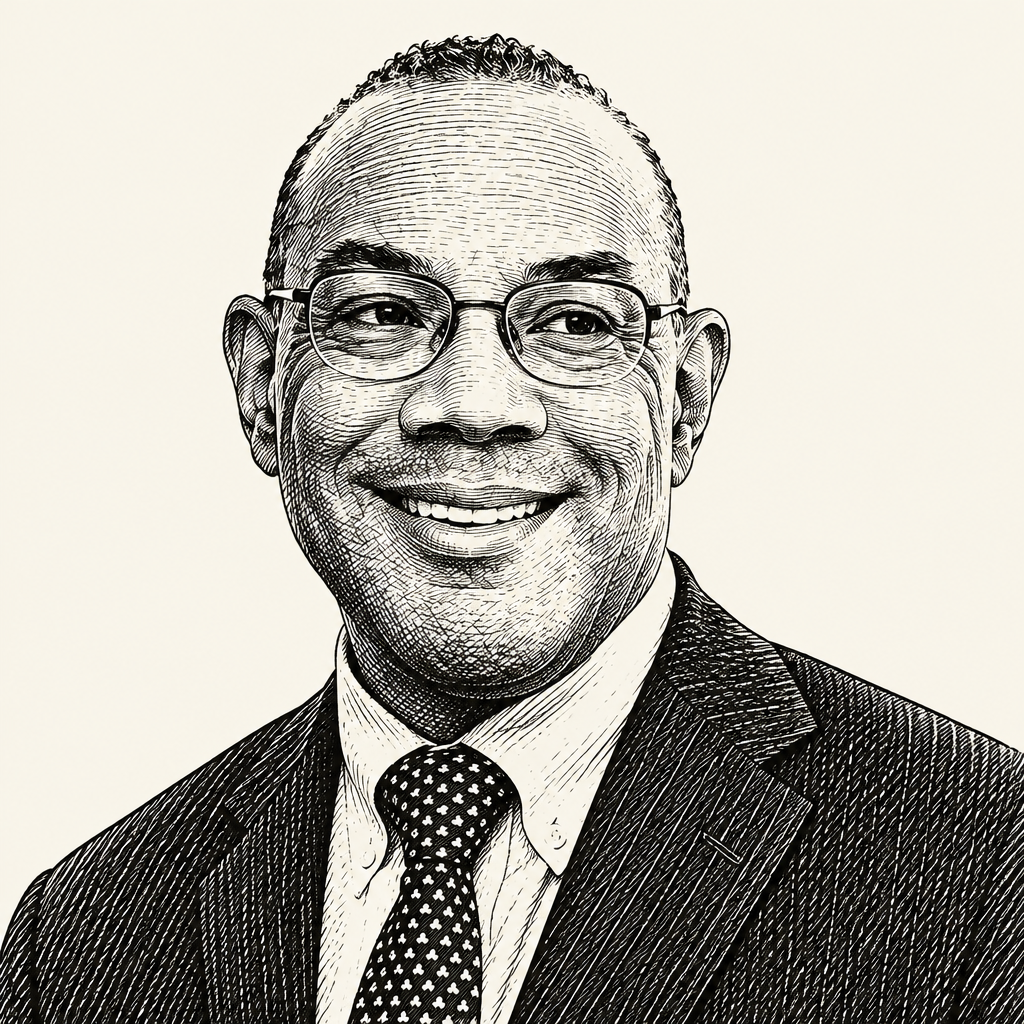
The shares were an introduction, but so was the person his father brought him to meet. Rogers sat with Stacy Adams, the first African American stockbroker on Chicago’s LaSalle Street, watching the ticker and learning how to research companies and choose stocks.
It became my profession. You know, it changed my life.
Rogers described a K–8 public school program created at Ariel with former education secretary Arne Duncan, who ran the firm’s foundation. Students receive real money to invest in real stocks. When they graduate from eighth grade, they take their profits and put that money into a 529 program, hopefully in an Ariel fund option. Ariel adds a $500 match.
Rogers said students learn about the markets, compound interest and different businesses. For students thinking about entrepreneurship, he said, exposure to stocks can help them see which businesses they feel comfortable with and like. He would like more financial-services companies to partner with urban public schools in this way.
The family history joins enterprise to the fight for fairness
Rogers’s great-grandfather, J.B. Stradford, built the Stradford Hotel in Tulsa, which Rogers described as the largest Black-owned hotel in the country. Stradford became wealthy and influential in the Black community, and spoke out for economic justice and fair treatment. Rogers said Stradford’s memoir recounts the risks he took, including resisting efforts to force him to sit at the back of trains.
Stradford lost everything in the Tulsa Race Massacre. He was also among three people indicted and accused of starting it, an accusation Rogers said was false. Stradford escaped; his son used his legal skills to prevent him from being extradited back to Tulsa, where Rogers said he might have been lynched.
Rogers said his mother decided to become a lawyer after seeing her father use his legal skills to save her grandfather. She graduated from the University of Chicago Law School in 1946 as its first African American woman graduate. Rogers recalled her sitting in at lunch counters and described her as a model of standing up for fairness. His father, a returning Tuskegee Airman who had flown more than 100 missions, was initially told he could not attend the law school. He returned in uniform, persuaded the school to give him a test, passed, and met Rogers’s mother there.
The family’s geography connected Rogers’s Chicago upbringing to Tulsa. He grew up on Greenwood Avenue in Chicago, where an honorary street sign bears his mother’s name. He noted that the Obamas’ Chicago home is on Greenwood, then described the connection as meaningful in light of Tulsa.
Rogers said his mother and grandfather taught him to stand up and fight for fairness. He described the family as building businesses and legal practices while also challenging unequal treatment—a combination he connected to his own work expanding economic opportunity.
Purchasing decisions can shape who becomes a director
Asked whether making the case for diversity was easier or harder than six years earlier, John Rogers said:
It's much, much, much harder today. It's not even a close call.
He pointed to a change he helped prompt at the University of Chicago, where he was a trustee. About 20 years ago, he was the only Black trustee among 60. The university’s new president, Bob Zimmer, was troubled by that imbalance.
Rogers challenged the idea that board representation could be changed only by selecting directors differently. If progressive institutions did business only with white businesses and business leaders, he asked, how could people of color build the stature and wealth needed to qualify for board seats?
Zimmer, a mathematician, said publicly that Rogers had given him a different way to think about building a future pool of directors. The university created a business-diversity program and committed to doing business with people of color across its spending, including with law firms, endowment money managers and technology firms, and by advertising on Black radio stations.
The program’s purchasing commitments addressed a step before board selection: who gets the business opportunities that can help build the stature and wealth Rogers said directors need. Rogers said the university later changed the program’s name. He said lawyers advised institutions to change names and narrow programs, while the university remained committed to working to ensure equal opportunity.
To explain why inclusion matters, Rogers invoked an analogy Reverend Jackson often used: baseball became a better sport when it began including Black players. Jackie Robinson’s arrival was followed by stars including Ernie Banks, Willie Mays and Hank Aaron. Rogers said those players had the talent to compete in the big leagues earlier, but equal opportunity took time to arrive. Recruiting and including all the talent, he argued, made the sport better.