Kevin Stitt Says Faster Permitting and State Control Can Lower Costs
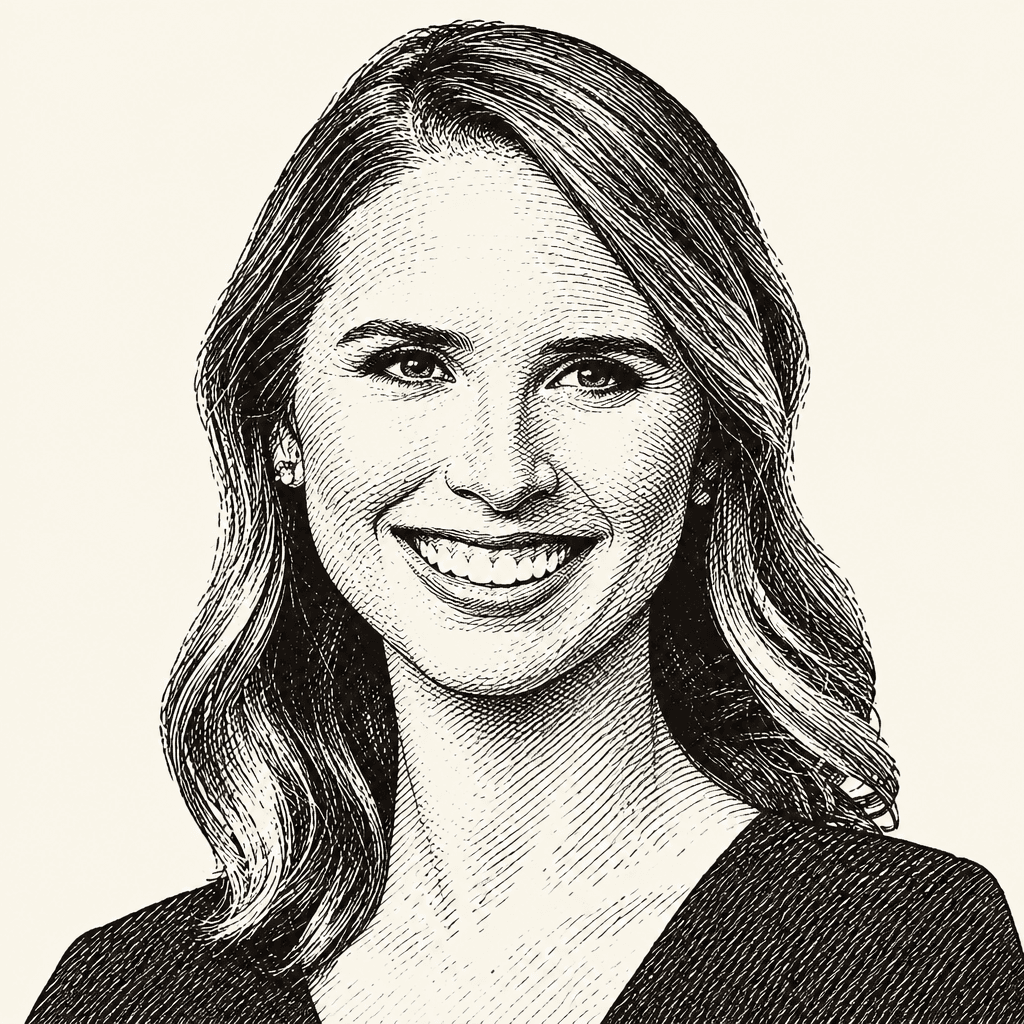
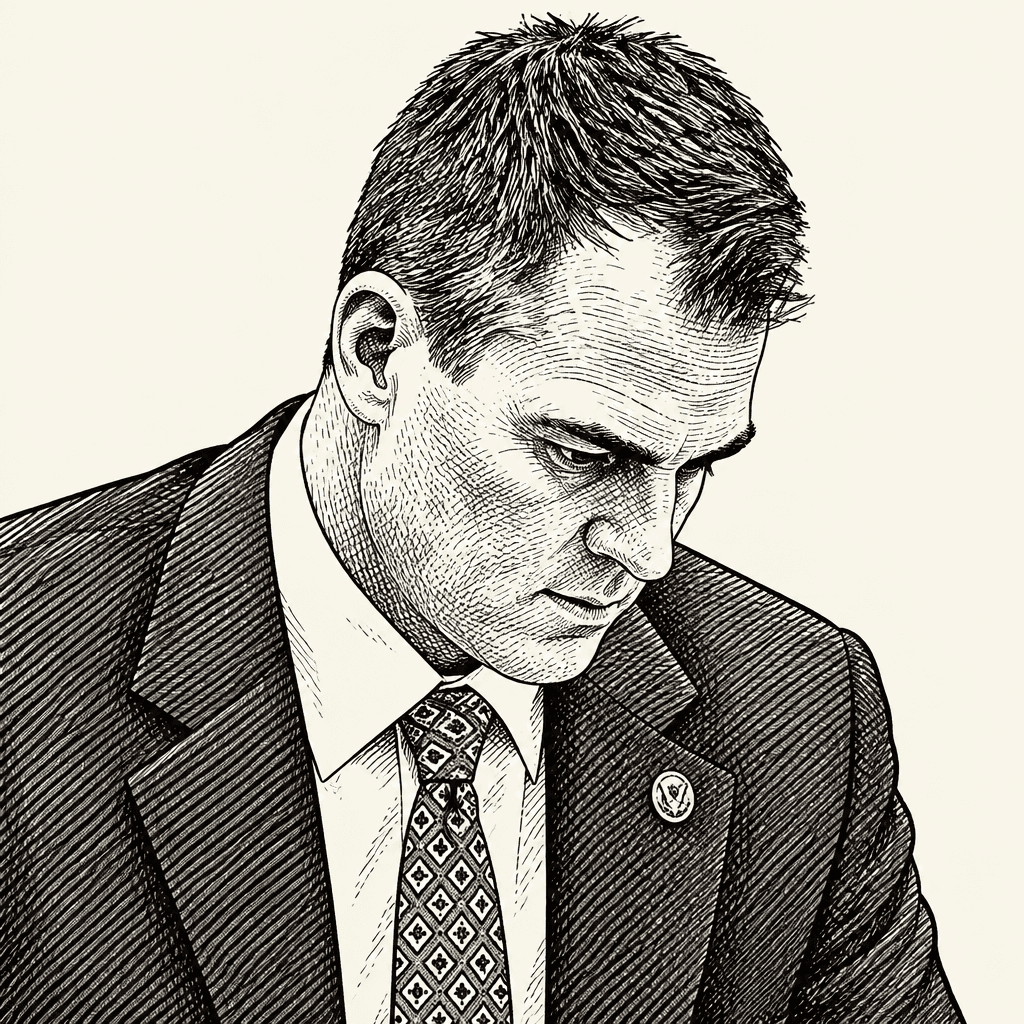
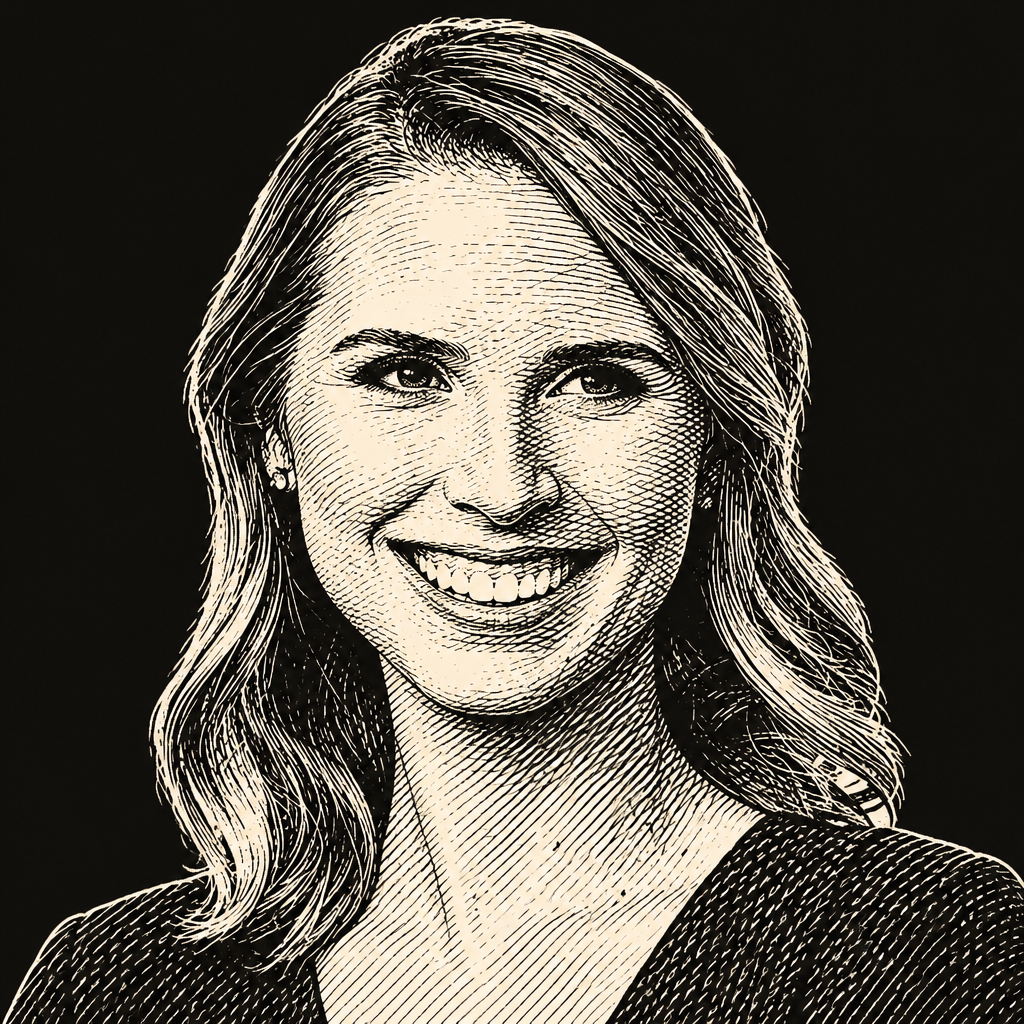
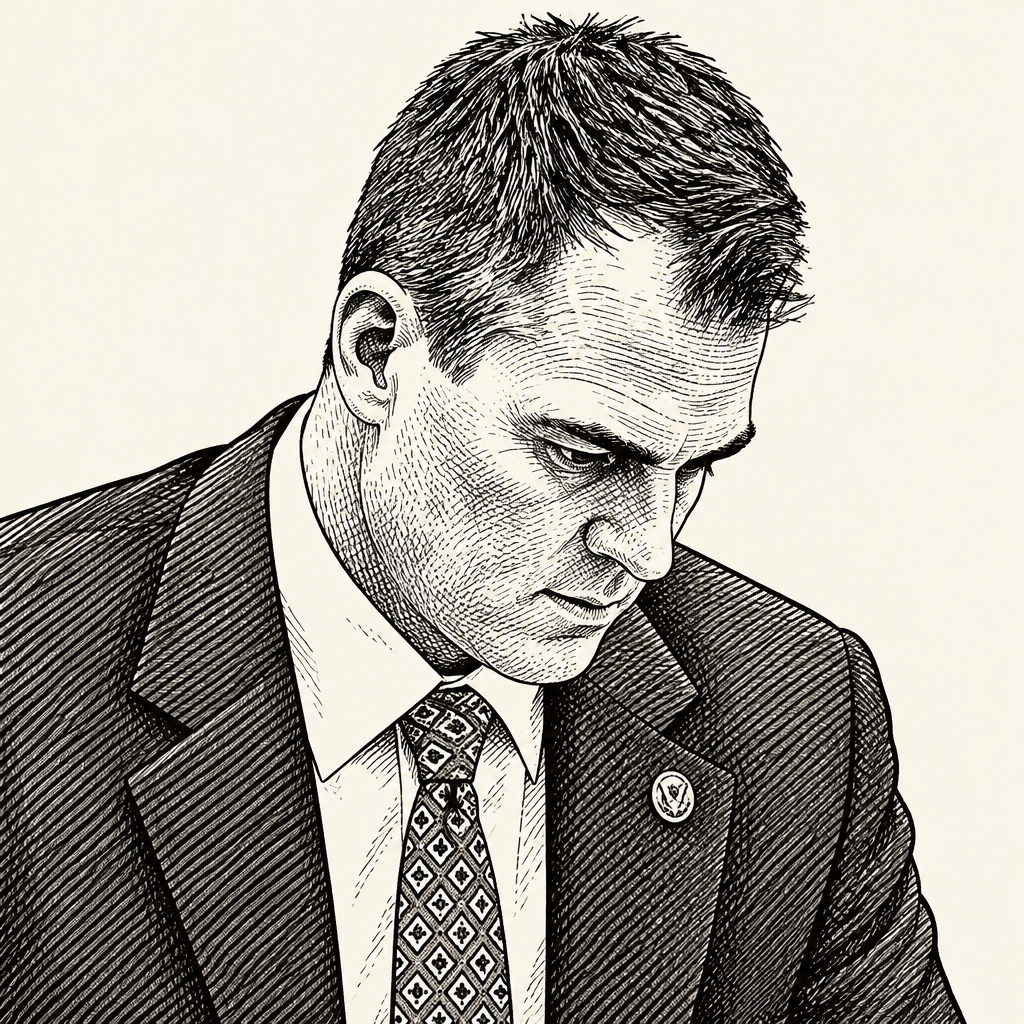
Oklahoma Gov. Kevin Stitt argues that widening opportunity depends less on government aid than on letting people work, build businesses and support their families. In a conversation with ABC News correspondent Elizabeth Schulze at Aspen Ideas: Economy, he tied that view to faster permitting, greater state control over workforce policy and elections, and a distinction between equal opportunity and equal outcomes.
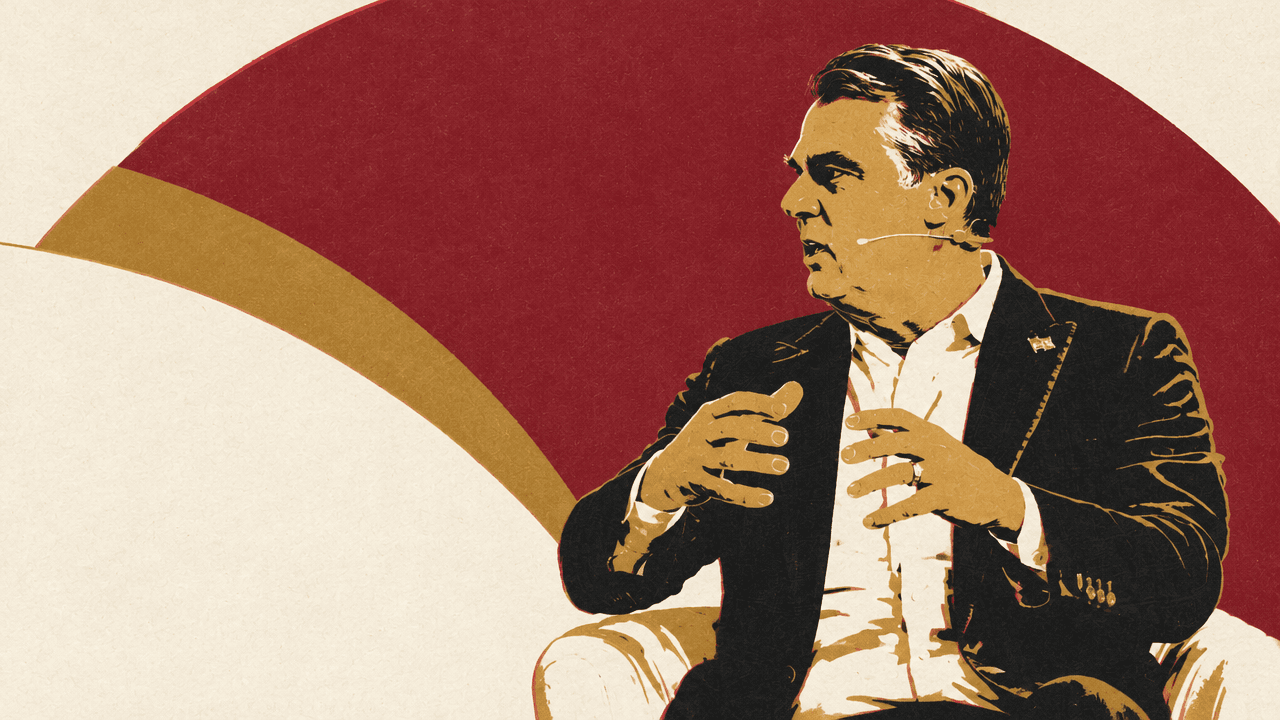
The dream is opportunity, not equal outcomes
Elizabeth Schulze asked Kevin Stitt what he looks at to know whether the American dream is getting closer. Stitt offered no single economic indicator. Instead, he described the dream as a set of opportunities: the ability to start a business or nonprofit, but also to get married, raise children, and coach a daughter’s soccer team. Its defining feature, he said, is that people can pursue a better life regardless of the circumstances of their birth.
Stitt drew a distinction between equal opportunity and equal outcomes. As chair of the National Governors Association, he said, he had developed an initiative called “Reigniting the American Dream” around that distinction. He argued that people across political and geographic divides want a better life for their children, and that free markets and education are essential to making that possible.
I don’t believe there’s any such thing as equal outcomes, but we want equal opportunities for that next generation.
The definition is broad, but Schulze pressed on how a governor could tell whether the promise was becoming more attainable. She pointed to familiar measures such as unemployment, inflation, and income, and asked what Stitt watched in Oklahoma. He did not name a measure. Instead, he described his own business history and the state’s finances.
Stitt said he grew up in a middle-class family in Norman, where his parents were pastors, earned an accounting degree at Oklahoma State, and started a company after college with $1,000 and a computer. He said it grew to more than 1,000 employees. He ran for governor because he believed Oklahoma was struggling and “wasn’t winning like some of these other states.”
Stitt described the governorship as a chief executive role, with responsibility for a $40 billion budget and 30,000 state employees. He said the state had zero money in its savings account when he took office, faced billion-dollar budget deficits and teacher walkouts, and that he would leave his successor a $3.7 billion savings account.
For high costs, Stitt’s answer is to make it easier to build
Kevin Stitt’s prescription for high costs follows from his view that government should clear space for private activity rather than direct it. Asked about federal policy amid rising fuel costs and tariffs, he focused on diesel and permitting. He said Oklahoma made red-dyed diesel available to farmers, ranchers, truckers, and others in agriculture, saving them about 50 cents a gallon. For broader pressure on prices, he argued that more government intervention was not the answer.
He said permitting reform was needed, and criticized what he described as federal policy during the Biden administration that tilted against fossil fuels on the assumption that people would already be driving electric vehicles. His proposed remedy was faster approval of infrastructure. Stitt called for “shot clocks” on permits for transmission lines, pipelines, and gas-processing facilities, arguing that projects took longer to build in the United States than in Europe or China. Faster construction, he said, would help meet demand and bring down costs.
Elizabeth Schulze offered a different account of the immediate increase in fuel prices: oil analysts and traders, she said, attributed it to war and global disruption to supply. Stitt agreed that the Iran war was affecting prices and said he wanted it to end. He also argued that the country should consider earlier policy choices and the time required to build domestic infrastructure. His emphasis was on making it possible to build more quickly, even as he acknowledged the effect of the war.
Stitt extended the same limited-government argument to housing costs, saying that allowing Americans to innovate and meet demand would drive down the prices of gasoline and housing. He did not offer a specific housing proposal. For energy infrastructure, however, his proposal was more concrete: impose time limits on permitting so projects can be built faster.
Asked how government could help constituents and businesses reach the American dream, Stitt challenged the premise that government should provide for people. He invoked John F. Kennedy’s “Don’t ask what your country can do for you, ask what you can do for your country,” and described work, family responsibility, and contributing to communities as values he believed most Americans share. He rejected “free grocery stores” as an answer. In his framework, government’s role is limited, while the work of supporting families and communities rests with individuals.
Bipartisanship, for Stitt, means letting states tailor policy
Kevin Stitt’s case for decentralization reaches beyond permitting. Schulze asked where he had found common ground with Democratic governors, including Maryland Governor Wes Moore, who succeeded Stitt as chair of the National Governors Association. Stitt described Moore as a friend and said he believed Americans would welcome seeing Republican and Democratic governors work together. He cited immigration and permitting reform as areas for discussion, then focused on workforce permits.
Stitt called the Biden-era open-border policies a disaster and said the country needed to know who was entering. But he argued that border enforcement was not a complete answer to what should happen next. He said he had told President Trump that the administration needed to set out an “end game.” Stitt’s proposal was to let governors control workforce permits, so states could respond to the needs of employers in their own economies.
He said state leaders were closer to construction, agriculture, and hospitality employers than federal officials. If an employer vouched for someone who was in the country and contributing to the state economy, Stitt argued, that person should be able to work there. He said New York’s governor and Moore agreed with him on the issue, and also cited Louisiana Governor Jeff Landry, whose state’s fisheries have different workforce needs from Oklahoma’s industries.
The principle, in Stitt’s account, is that states should be able to make different choices because their economies and circumstances differ. “There’s not a one-size-fits-all in our country,” he said, invoking the differences among Delaware and New York, Virginia and South Carolina, and Florida and California. He described states as “laboratories of democracy” and argued that more power should belong to states, with limits on federal authority. Stitt said presidents’ attempts to make the whole country resemble their own political vision contribute to the country’s political vitriol.
That principle also underlies his opposition to federalizing elections, though Stitt distinguished between election rules he supports and who should administer them. Schulze asked about his recent warning against the Trump administration’s efforts to federalize the election system. Stitt said the goal of the SAVE America Act—ensuring that only U.S. citizens vote—was reasonable. Federal control of election administration, he said, was not: he argued that it belongs to the states under Article I of the Constitution.
Stitt offered Oklahoma’s procedures as an example of state administration. He said voters must sign up for absentee ballots and have them notarized. He said the state counts early-voting and absentee ballots and releases those results when the polls close at 7 p.m. Stitt contrasted Oklahoma’s process with swing states where, he said, counting can take two or three weeks. He questioned those delays but argued that the answer was not to federalize elections. In his view, national control could weaken confidence among Americans whose political party did not hold the White House.
His campaign message returns to work, family, and education
Kevin Stitt was asked what candidates could say to break through with voters. He described the Republican message he wanted: limited government, lower taxes, deregulation, support for the nuclear family, and education. He connected those positions to getting a job, caring for family and community, and wanting children to have a better life than their parents.
His assessment of Democrats was more partisan. He said he thought they were running mainly against Trump and needed a positive vision for the country. He criticized what he called the socialist part of the Democratic Party for pulling it too far left, while acknowledging that Republicans also had people pulling them far right. In his view, voters wanted parties to return to basic questions about the American dream rather than be defined by their extremes.
Elizabeth Schulze asked Stitt to look ahead to the election, three weeks away. He declined to make a prediction, but said Republicans faced headwinds. He argued that voters often hold a president’s party accountable in the sixth or seventh year of an administration, and that midterms under a second-term president are traditionally difficult. He also pointed to diesel prices and other kitchen-table concerns, saying voters were looking for solutions they could accept.