Schools and Leagues Need Clear Heat and Smoke Stop-Play Rules
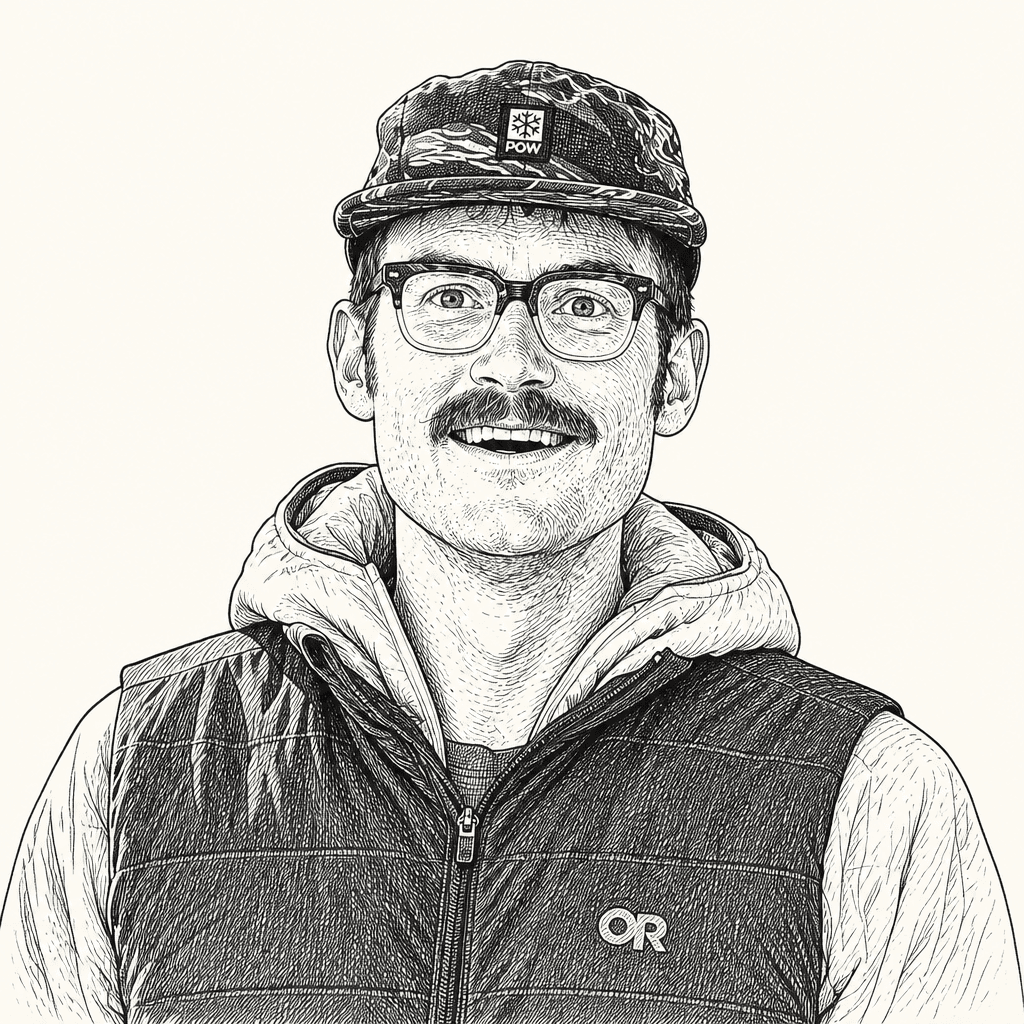 Graham Zimmerman
 Lindsey Burghardt
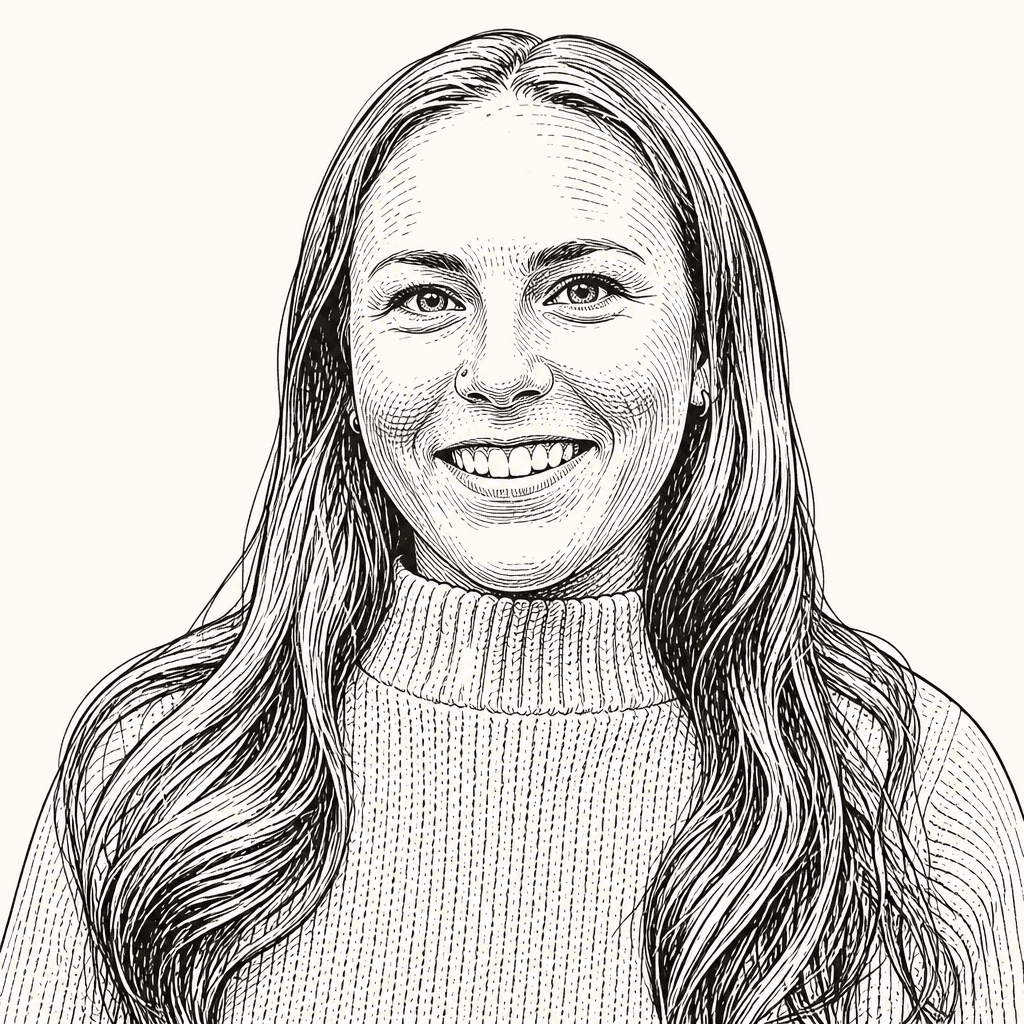 Sam Schmitz
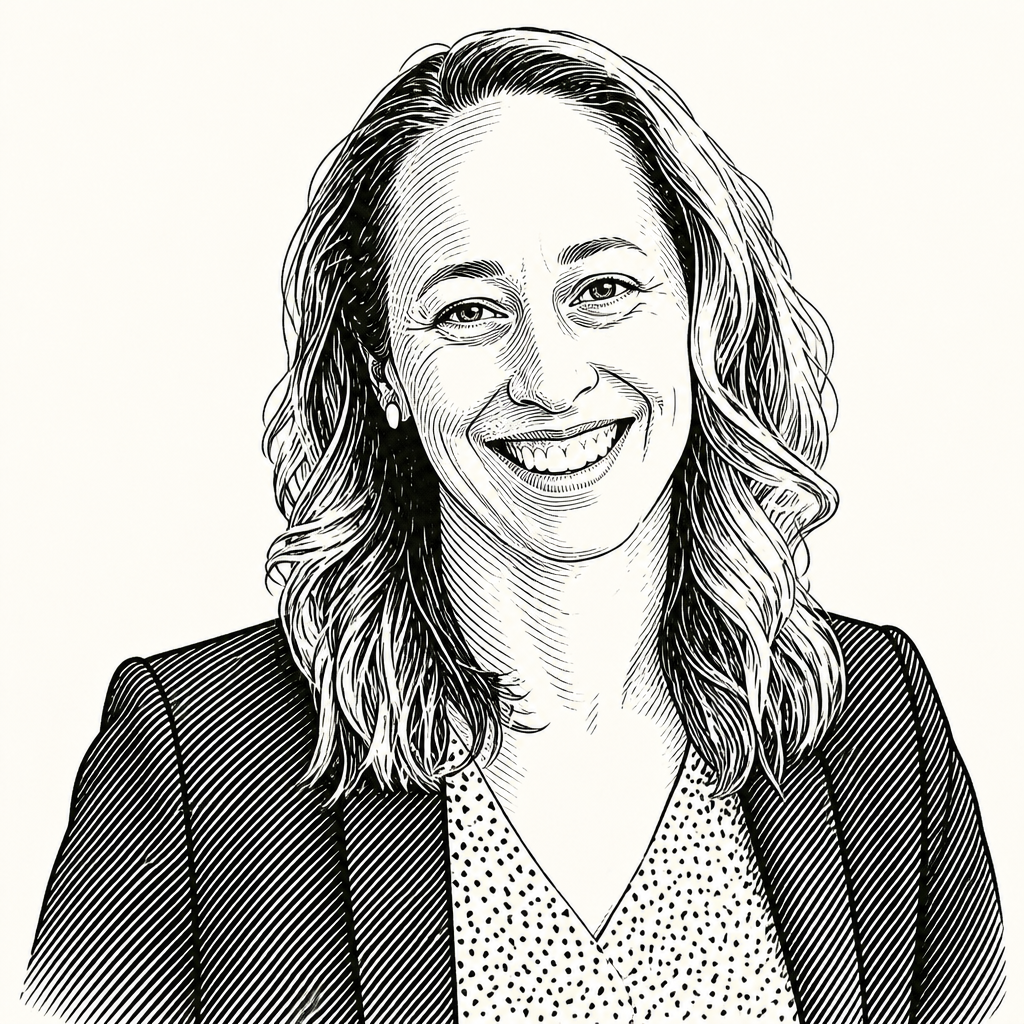
 Jennifer VanosThe Aspen InstituteMonday, August 3, 202612 min read
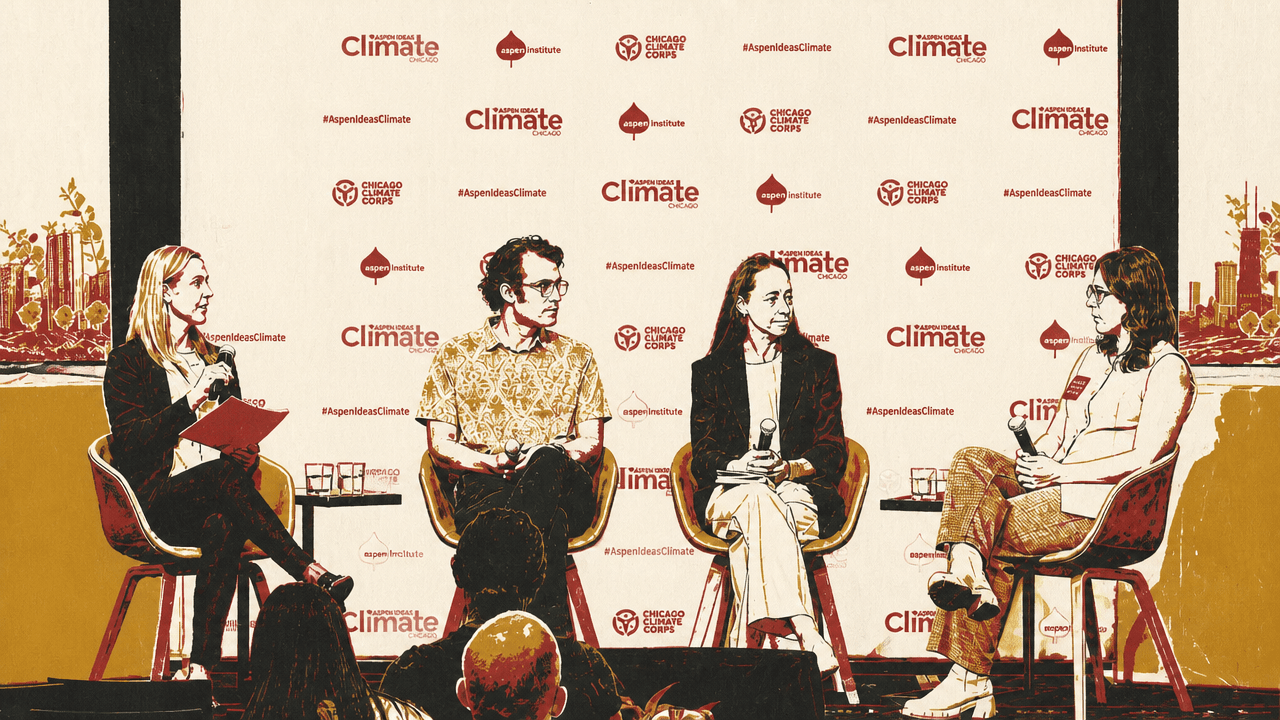
Extreme heat and wildfire smoke are turning routine sports decisions into public-health and equity questions, argued Lindsey Burghardt, Sam Schmitz, Jennifer Vanos and Graham Zimmerman at Aspen Ideas: Climate. They said schools, leagues and event organizers should assess conditions at the field—not rely on citywide forecasts—then give trained adults clear authority to alter or stop play, with shade, cooling and hydration built into participation. The speakers’ broader case was that safe outdoor activity cannot depend on a family’s ability to buy private alternatives.
Heat safety cannot rest on whether a child looks sick
Lindsey Burghardt argues that heat deserves a different public-health response from more visibly dramatic climate events. A hurricane has an obvious onset and recovery period. Heat can arrive as an abrupt heat wave or as a persistent rise above local norms, and it acts across every cell and organ system. Its effects are often invisible—especially during pregnancy, in young children, and in children exercising outdoors.
That invisibility creates a practical problem on fields and playgrounds: heat illness can be mistaken for something else. Burghardt described watching a young softball catcher who was sweating, vomiting, dizzy, and confused while adults assumed she had a stomach virus. After cooling, the child improved. A colleague in emergency medicine, she said, treated a patient who had received Narcan in the field because responders suspected an overdose; the patient’s core temperature was 108 degrees.
The point is not that every tired athlete has heat illness. It is that the early signs can be ordinary enough to overlook: thirst, fatigue, sluggishness, and cramps. At the severe end are vomiting, confusion, disorientation, and neurological changes. Parents, coaches, school administrators, and athletes need to recognize that progression before a child reaches the severe end of it.
Heat affects every cell and every organ system in our body.
The sports framing should not narrow the population at risk. Burghardt emphasized that the youngest children may not play organized sports, but they play hard; risk runs from unstructured play through high-school competition and beyond. Nor does it begin at birth. She pointed to increasing research linking extreme heat during pregnancy with elevated risks of preterm birth and adverse outcomes including congenital deformities, stillbirths, and babies born small for gestational age. Burghardt said these outcomes are preventable when exposure is understood and action is taken.
The health consequences are also layered. Sam Schmitz pointed to heat’s role in increasing injury risk during hard play and its implications for children with asthma, whose lungs are still developing. She cited nearly 5 million children in the United States with asthma and described heat during exercise as an added vulnerability for them.
Heat also does not arrive alone. Wildfire smoke often coincides with hot conditions, and the speakers treated air quality and heat as connected exposures rather than separate operational problems. Schmitz cited a recent National Women’s Soccer League match in New York in which Trinity Rodman used an oxygen mask at halftime amid Canadian wildfire smoke. If an elite athlete in peak condition needs that intervention, Schmitz asked, what should adults infer about the risk to children’s developing bodies?
The conditions underfoot matter as well. Schmitz raised particular concerns about synthetic turf, common in soccer and football. Turf intensifies heat, she said, while also containing petrochemical-derived materials and chemicals including PFAS, phthalates, and endocrine-disrupting compounds. Parents may not know the composition, but they recognize the immediate experience: the smell on a hot day, burning shoes, and a field that feels markedly harsher than the surrounding air.
The same forecast can mean different risks on different fields
A citywide temperature reading is not a playing-condition assessment. Lindsey Burghardt noted that a weather app’s “feels like” temperature can obscure large differences over short distances: a turf field in an underinvested neighborhood with little tree canopy and extensive asphalt may be much hotter than a grassy field a mile away.
That is why she emphasized local wet-bulb globe temperature monitoring, a measure used to assess heat risk in the particular place where activity is happening. Burghardt said basic monitors now cost about $17 and can identify local risk more meaningfully than a single citywide reading. Their use, she argued, can support clear activity thresholds.
Burghardt’s argument was not to turn every parent into a climate-risk professional. She explicitly rejected the idea that parents and caregivers should bear sole responsibility for keeping children safe. But inexpensive local monitoring can help schools, leagues, and coaches assess the conditions where activity is actually taking place rather than rely on one citywide number.
Graham Zimmerman added an important distinction between highly trained adults and the children who watch them. Professional athletes may have extensive experience reading their own physiology and can sometimes approach a physical limit more knowingly. Zimmerman described doing so himself in a hot mountain-bike race. That is not a standard he wants his two-year-old—or young athletes inspired by professionals—to emulate.
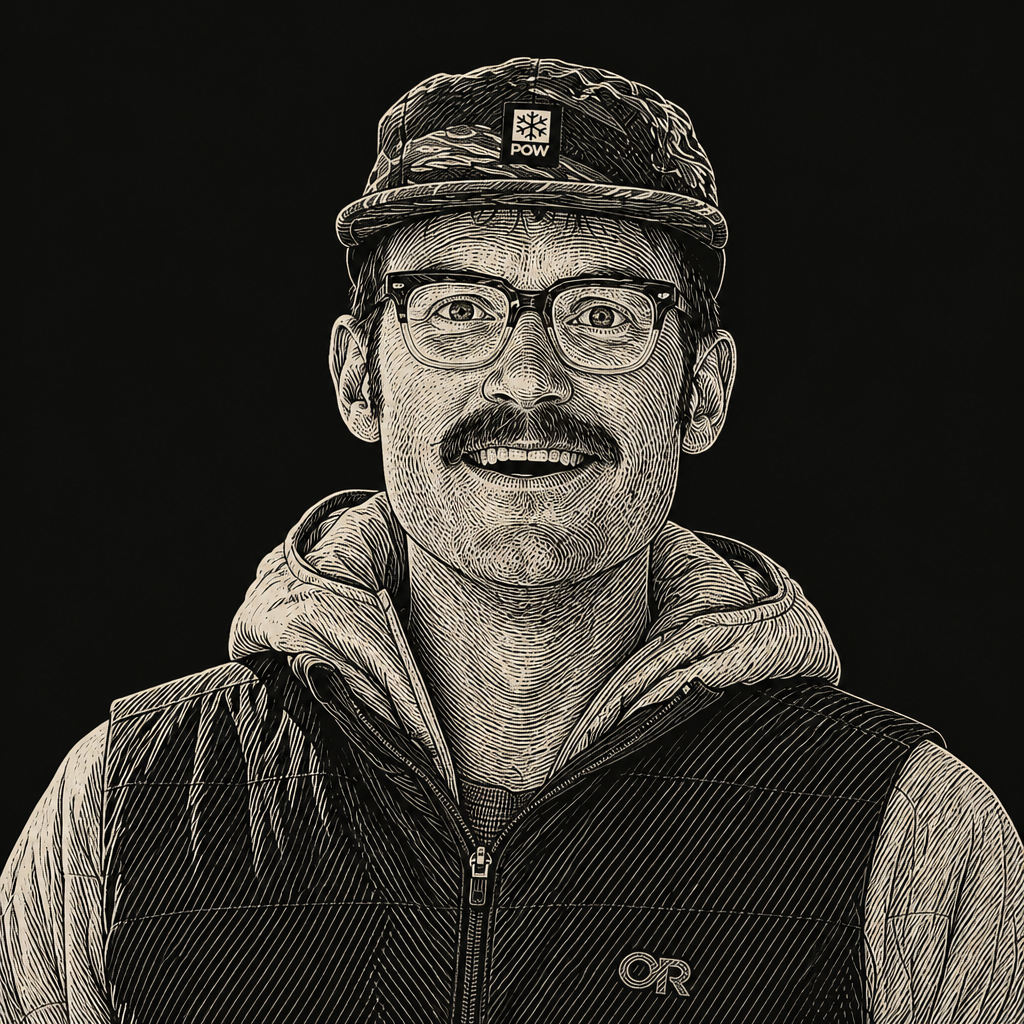
The same distinction applies to smoke. Zimmerman sees people in Bend, Oregon, choose to bike or run when the air-quality index is 220 because they want to be outdoors. He framed this not as ignorance alone but as evidence of the competing values at stake: people gain real benefits from movement, scenery, social life, and outdoor recreation. A safety system has to help them avoid dangerous exposures before they occur, not merely tell them after the fact to retreat indoors.
Burghardt resisted the implication that the answer is “perfect” environmental exposure at the expense of sports. Children need play, teams, community, and the developmental benefits of being active. The task, in her account, is to preserve those benefits while reducing exposure through practical changes: move activities out of peak heat; provide shaded areas, hydration breaks, cooling towels, and fans; and monitor conditions on site.
For Burghardt, overhead shade is among the simplest and most effective ways to reduce temperature where children play. Hydration also has to begin before an athlete is visibly struggling. Children may drink less than they need and push themselves harder than adults expect. In humid conditions, she noted, cooling requires both sweating and an ability for that sweat to evaporate. A small cooler with ice towels, a spray bottle, and a handheld fan can help. These are modest adaptations, but Burghardt’s view was that they should be systematically available through schools and teams rather than treated as a parent’s private workaround.
Adaptation becomes an equity problem when safe play is something families buy
The ability to escape heat is unevenly distributed. Jennifer Vanos opened with the underlying equity question: families with resources can shift schedules, find air-conditioned indoor space, and pay for alternatives. Others may lose access to a field, a playground, or an outdoor place central to their community. If adaptation remains private, the people who can afford the most protection are also most able to keep participating.
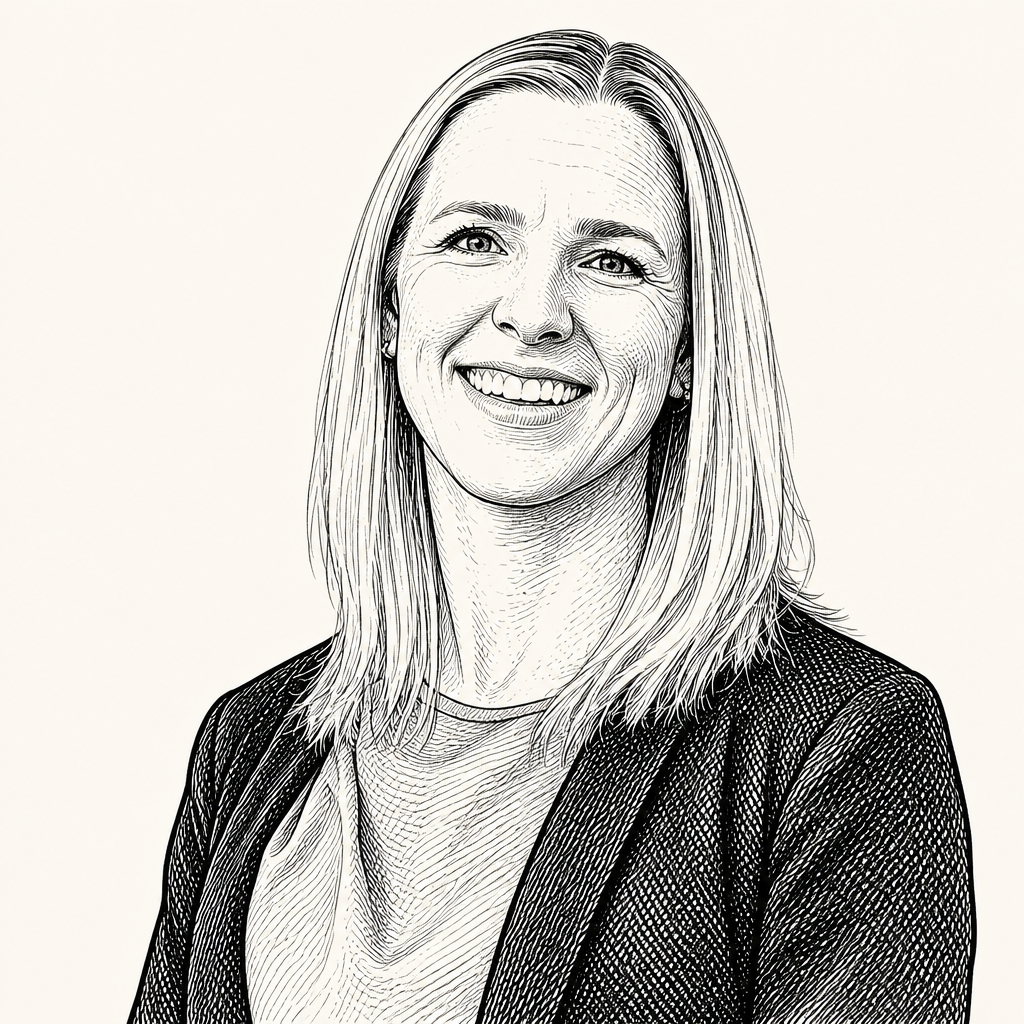
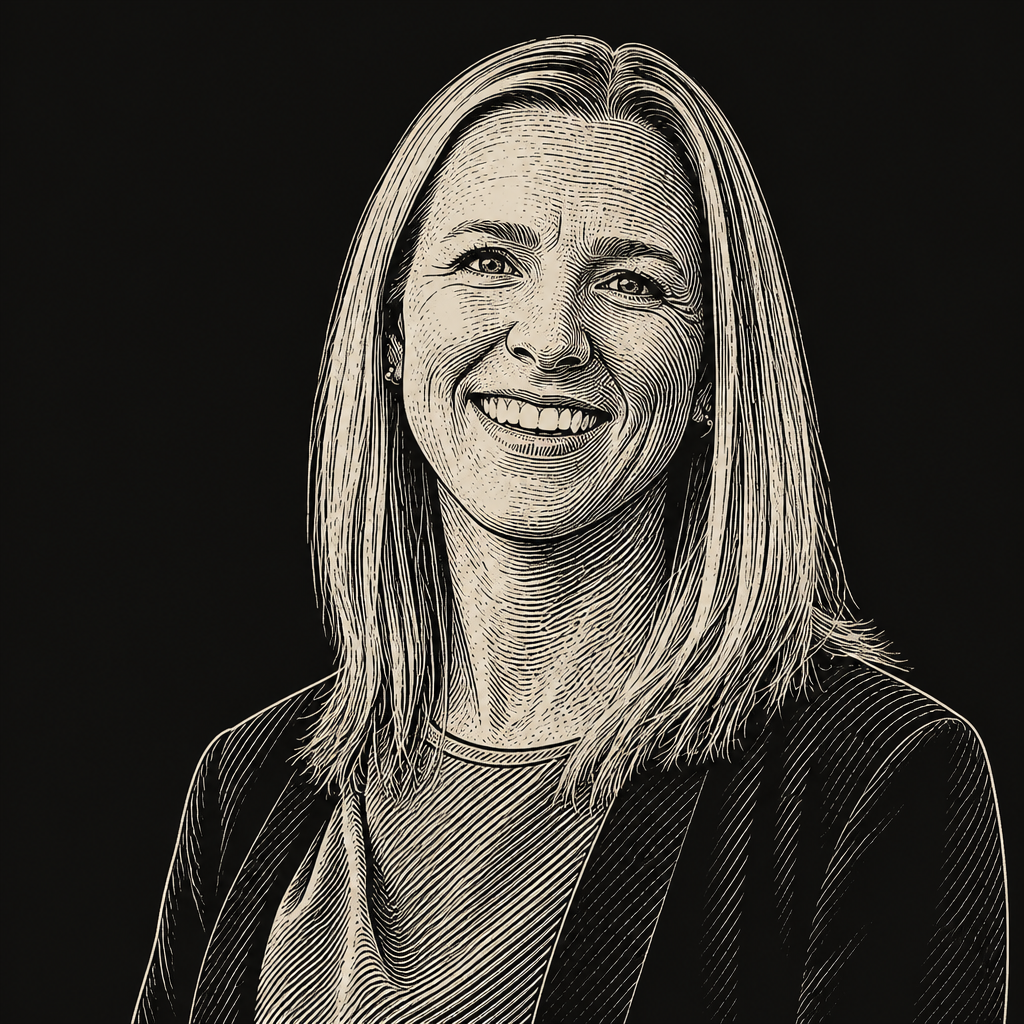
Sam Schmitz tied that inequity to the physical design of communities. Tree canopy, asphalt, turf, air conditioning, library space, and proximity to industrial sites all shape the conditions under which a child can play. A monitor on a field near highways or industrial facilities can be especially useful, she said, because it makes local air-quality burdens visible in environmental-justice communities.
Vanos added an important limit to the measurement-first approach. Collecting data in low-income communities without enabling those communities to act on it can deepen despair. The question is not simply whether a sensor can identify unequal exposure; it is whether the people living with that exposure receive the authority and resources to change conditions.
Schmitz described a congressional petition from Moms Clean Air Force and the Environmental Defense Fund that calls for air-quality monitoring near sports complexes, especially those in high-pollution settings; more investment in air-conditioned school space so children have safer places to play; and further research on turf exposure. The premise is structural: no individual parent should have to negotiate every unsafe practice, smoky field, or heat wave alone.
Graham Zimmerman’s example from Bend illustrated what a public alternative can look like. A new library there includes an entire children’s floor with books and structures to climb on. During hot, smoky days, it fills with children playing in clean, cool air. It is not an exclusive indoor-play business; it is a community resource financed through local taxes. That distinction matters because a safe place to be active should not depend on whether a household can afford home air conditioning or private alternatives.
Vanos framed this as a question of livability rather than merely emergency response. Being able to be active is part of living well. Communities will need places that make it possible when outdoor conditions become unsafe.
The issue extends beyond youth athletes. An attendee asked about grandparents, who often care for children in summer while facing their own cardiovascular and heat-related risks. Burghardt said the overlap is striking: many recommendations for older adults resemble those for young children because both populations can have limited physiological tolerance and need more support adapting routines.
She highlighted Boston’s shade-walkability mapping as one useful approach. Families pushing strollers and older residents can use routes that preserve the desire to walk while reducing direct heat exposure. She also noted that conventional cooling centers are often underused by both families with very young children and older adults. The more effective model may be to embed cooling in places people already need or want to visit: sites offering food, diapers, story time, or other essential services. People may not even realize they are using a cooling center; they went there for another reason.
That points to a broader design principle: meet people where they are, with resources fitted to the reasons they actually leave home. Burghardt described fragmentation as a central obstacle. Useful programs, forecasts, maps, and facilities exist, but they are unevenly distributed and described in inconsistent ways. Better communication must make people aware not only that heat is dangerous, but also which options are available to them locally.
Stop-play rules need to be normal before a coach faces the decision
One audience member described outdoor-event organizers who resisted real-time air-quality forecasting because receiving the information could make them responsible for acting on it. The speakers recognized the dynamic. Lindsey Burghardt said work by a colleague suggests that people ignore many heat alerts, particularly after the first one or two. Institutions, meanwhile, may avoid monitoring in part because a reading creates an obligation.
The discussion did not produce a single formal protocol. It did assemble a practical governance framework: assess conditions where activity is occurring; establish understandable thresholds; train the adults responsible for children; make cooling, shade, and hydration available; and ensure that someone has authority to delay, shorten, relocate, or stop play. The point is to decide how safety calls work before an event’s schedule, broadcast commitments, or financial stakes make the call harder.
| Operating question | Approach assembled from the discussion |
|---|---|
| What conditions matter? | Assess local heat and air quality at the field or activity site, not only citywide readings. |
| What support is needed? | Provide shade, hydration, and accessible cooling measures; shift timing when conditions warrant it. |
| Who needs preparation? | Train coaches and other adults around children to recognize heat illness and act early. |
| Who makes the call? | Set clear, normalized authority to modify or stop activity rather than leaving the burden to individual families. |
Sam Schmitz pointed to lightning protections as evidence that sports can normalize a shared safety response. Growing up playing soccer around Chicago, she said, the thunderstorm protocol was uncomplicated: if lightning appeared, activity stopped for 30 minutes. Coaches, parents, and players understood the rule; the decision was not treated as a personal preference or a challenge to toughness. Heat and air quality, she argued, should have similarly standard minimum protections.
The communication challenge is cultural as much as technical. Children may worry that asking to sit out will make them look weak, cost them playing time, or mark them as less committed. Burghardt urged parents to say directly that speaking up, cooling down, and taking a break are normal parts of protecting health.
It’s okay to speak up and it’s okay to say that you need a minute to sit down and to cool off.
Risk communication also needs to tell people why a warning matters and what they can do. Burghardt contrasted “the air is dirty, don’t go outside” with a more specific explanation: very small particles can cross the lungs’ protective barriers and even the barrier around the brain, and when they remain there they can raise later-life risks such as stroke or dementia. That explanation, she said, needs a second half—when it is safe to go out, what to change today, and what practical alternatives exist.
Zimmerman described a related problem in event economics. Outdoor races and activities can lose money when smoke or heat forces cancellation, and organizers may leave the decision to participants. An audience member suggested that organizers might be more able to follow safety rules if cancelled events did not impose uncompensated losses of time or revenue. The speakers acknowledged that such protection would be difficult to build, but the exchange made the pressure explicit: when safety decisions carry an individual financial penalty, the incentive to proceed remains powerful.
For Schmitz, sports is also an effective entry point for climate engagement because it starts with something people already value. In advocacy terms, a parent might first show up because heat is affecting a child’s team, then sign a petition, then testify or become involved in a broader campaign. The initial concern need not be ideological or even framed as climate. It can be a question about a practice, a school field, or a child’s asthma.
Adaptation can protect play, but advocacy addresses why the danger is growing
Changing conditions are already altering sporting calendars and venues across disciplines. Graham Zimmerman said winter-sport competitions are being moved because snow or ice is unavailable. He also pointed to the Tour de France, where extreme heat had left asphalt melting and organizers were applying white paint that introduced another hazard as cyclists slipped. Season dates, venues, and the conditions considered acceptable for competition are becoming live questions across sports.
Zimmerman’s account from K2 shows how far the idea of “sports in heat” extends beyond a summer field. In 2021, he and a climbing partner were on the Pakistani mountain at roughly 7,000 meters, or 23,000 feet. At that altitude he would normally expect to wear a heavy down suit. Instead, it was about 42 degrees Fahrenheit in the shade—so warm that their lightest clothing felt excessive.
The immediate danger was not simply discomfort. Ice and snow were melting, and rock previously held together by ice was collapsing around them. The pair spent much of the afternoon on a small ledge watching the mountain fall apart and waited until the middle of the night, when temperatures had dropped, to rappel down. For Zimmerman, the moment captured the breadth of a warming world: even after years in climate advocacy, he was startled by that heat at 7,000 meters.
The speakers distinguished between protecting people exposed now and addressing the conditions producing that exposure. Local monitoring, cooling, shade, schedule changes, indoor public spaces, and clear stop-play authority are ways to preserve participation under current conditions. Athlete-led climate advocacy serves a different but connected purpose.
At Protect Our Winters, Zimmerman said, professional athletes’ stories about disappearing snow, unstable mountains, smoke, and extreme heat are used to bring tangible experiences into advocacy for a clean-energy transition. What once seemed like a future threat, he said, is now at people’s front doors—Bend was experiencing an AQI around 350 and temperatures around 92 degrees during the discussion.
Sam Schmitz described sport as a setting where people already gather around shared emotion and shared experience—what she likened to the “collective effervescence” of a concert. Those bonds can support climate advocacy, but they are also part of what adaptation is meant to preserve: the ability to play, belong, and experience joy with other people.
Zimmerman put the goal simply. People should be able to remain outside and engaged with natural spaces, but they need to be able to do so safely. That requires moving beyond a model in which endurance is praised and preventable exposure is treated as inevitable.