Trust Is Built When Community Input Changes Decisions
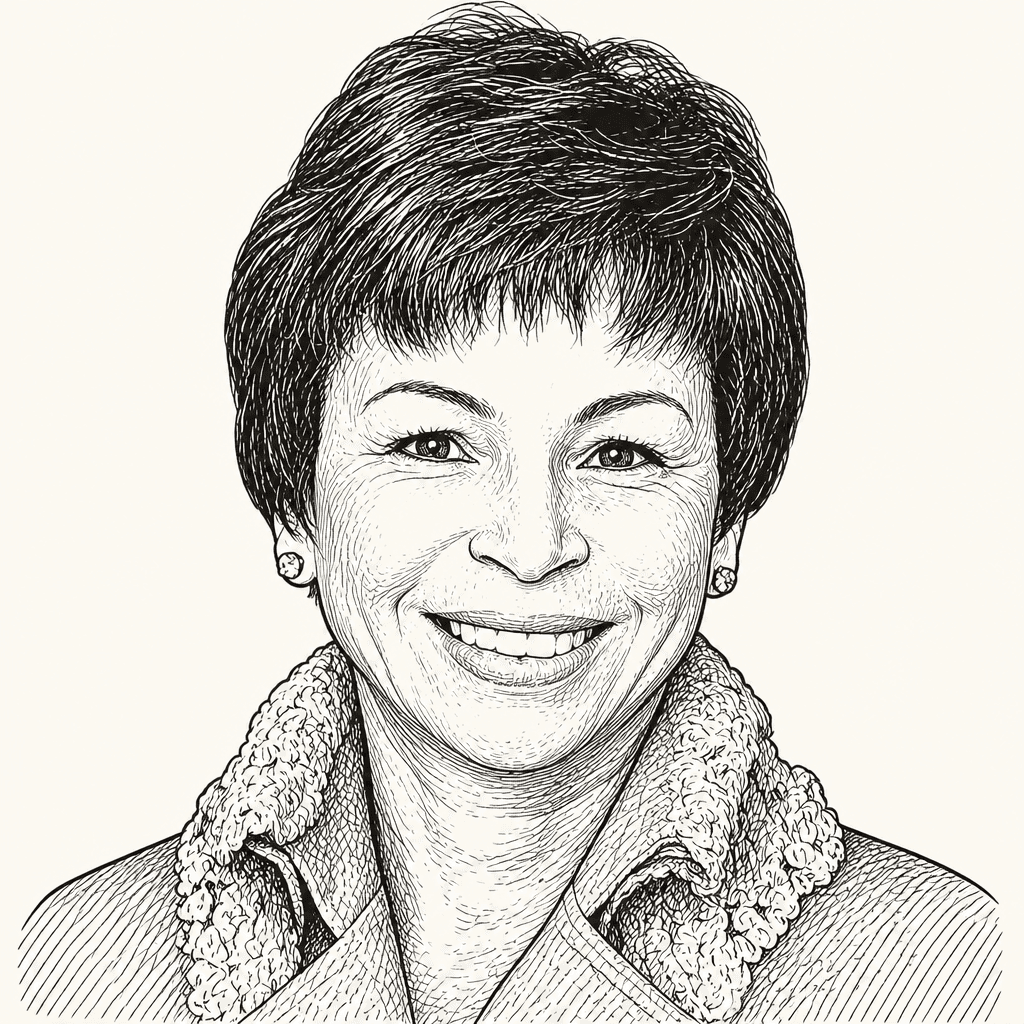
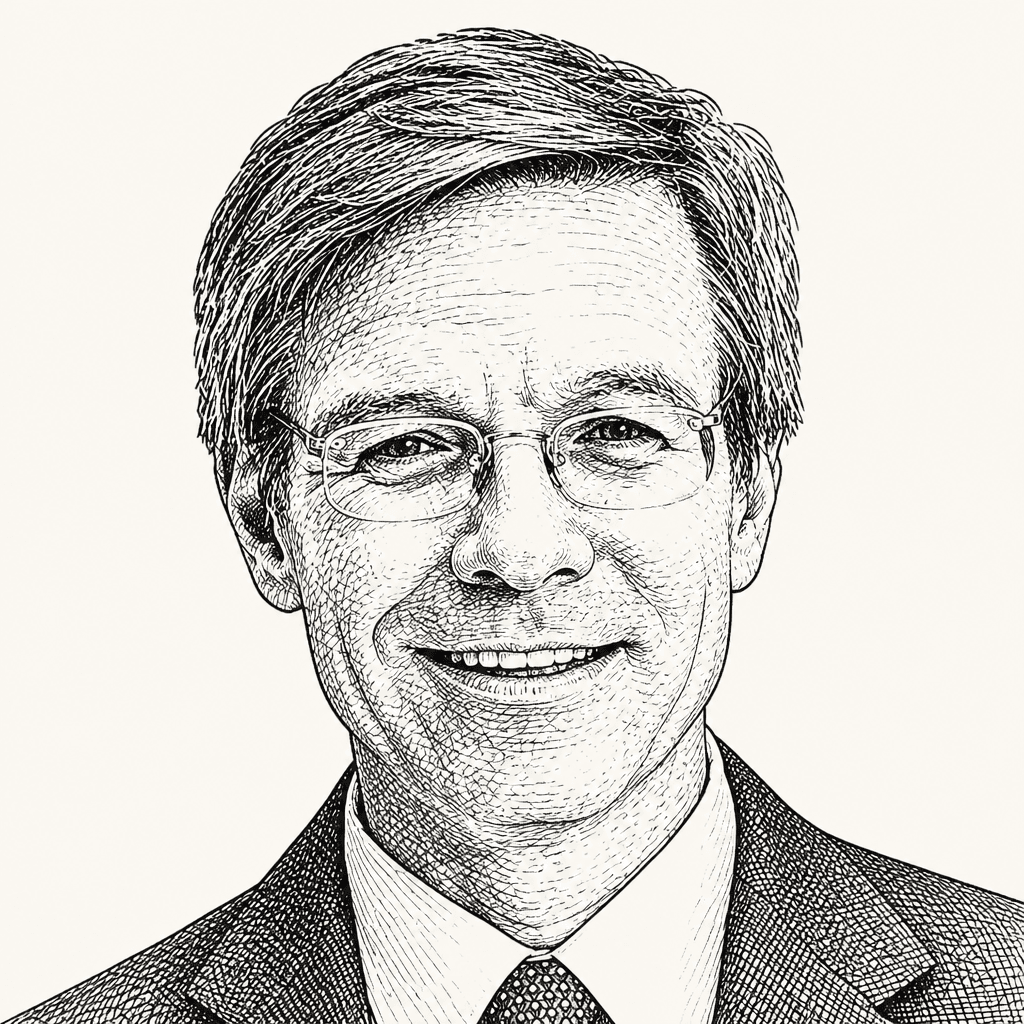
Valerie Jarrett of the Obama Foundation and Allstate chief executive Tom Wilson argue that trust is built through local work that gives people real influence and a reason to cooperate, not through appeals for consensus. Jarrett says community engagement must alter institutions’ decisions, drawing on the Obama Presidential Center’s development on Chicago’s South Side; Wilson argues that people can work together on recovery and resilience even when they disagree about climate change. Both frame durable policy and civic action as the product of relationships, reciprocity and repeated shared obligations.
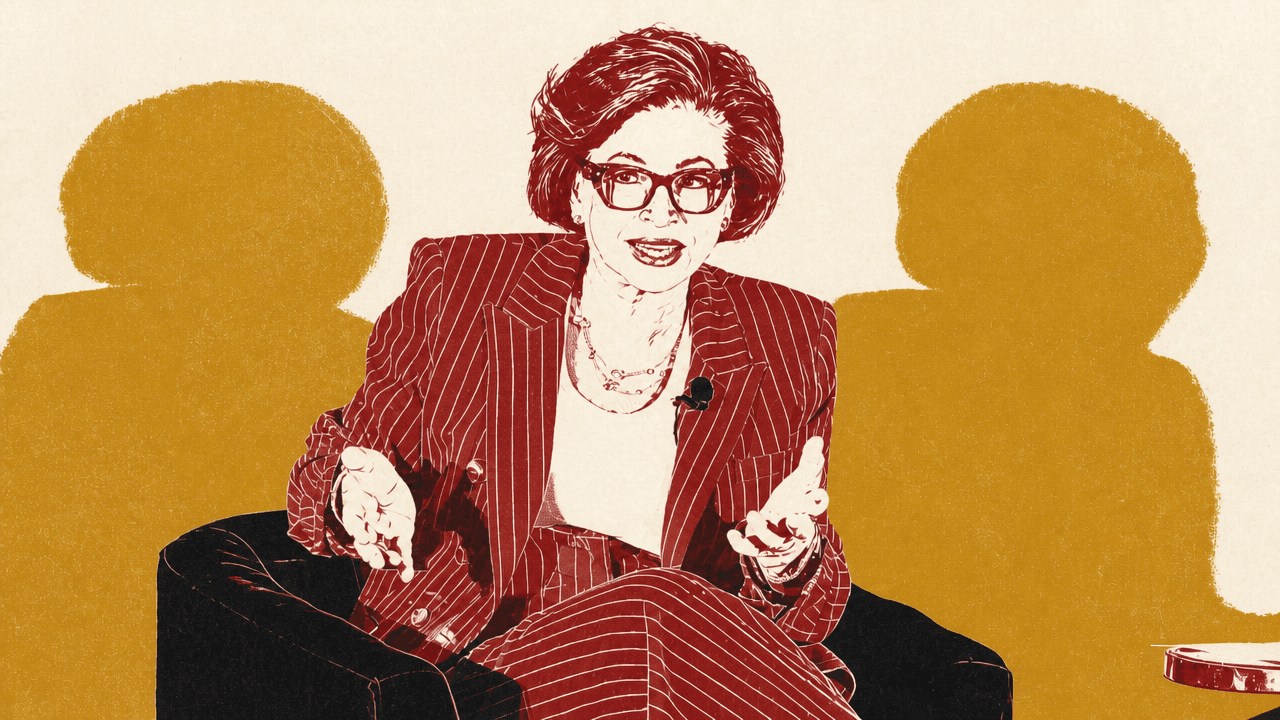
Listening has to change the project
When Valerie Jarrett was Chicago’s commissioner of planning and development in 1991, she and her colleagues were looking at neighborhoods they thought were ready for redevelopment. They wanted that development to be driven by the community and not become gentrification. Her early encounters with residents clarified the difference between announcing that intention and earning the right to pursue it.
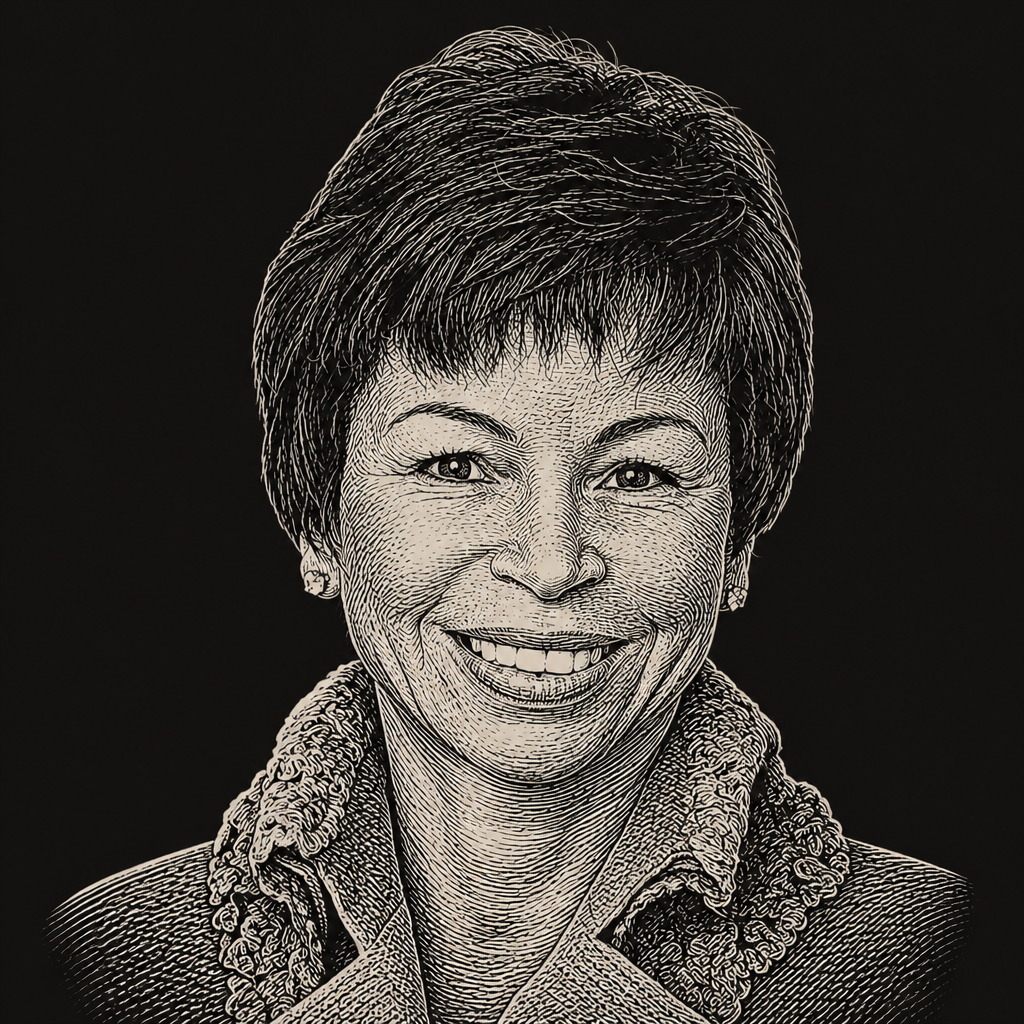
Jarrett had left a prominent law firm for local government and, by her account, initially carried some impatience into those meetings. She thought she had come to help and did not understand why residents were angry or shouting. Their answer was straightforward: government had not helped them or moved their lives forward before, so why should they believe her?
I have to actually earn their trust. I have to build relationships with them, and I have to start by listening to them.
Jarrett began spending substantial time in the neighborhood and identifying the people residents actually followed. One was Bishop Arthur Brazier of the Apostolic Church of God. Brazier agreed to meet with her monthly, bringing relevant stakeholders into the room. Those conversations grew into larger community meetings and, over time, durable personal relationships. Some of Jarrett’s closest friends, she says, came from that neighborhood.
The lesson followed her through private-sector real-estate work, the Obama administration, and the Obama Foundation. In planning the Obama Presidential Center, the Foundation did not confine outreach to the immediate vicinity. Chicago has 77 community areas, and Jarrett says the Foundation held meetings in all 77.
The purpose was not only to collect information. Residents’ views helped shape the campus, but the process also made people feel valued and gave them a stake in the result. The center, Jarrett says, will work only if people see it as theirs: a place they want to support with money, time, energy, and care. Consultation cannot be ceremonial. If an institution says it wants community input, it has to be willing to return with a project altered by what it heard.
That standard—whether participation visibly changes decisions—is the practical core of Jarrett’s account of trust. It is built through relationships and repeated obligations, not through a title or an appeal for confidence.
Shared work can begin before people settle the climate argument
For Tom Wilson, trust is necessary to collective action, including climate action. He sees a lack of trust in the language and conflicts surrounding climate change, citing the Oregon petition and “ClimateGate” on one side, and labels such as “alarmist,” “doomer,” and “denier” on the other. When a problem is organized around suspicion and adversarial identities, he argues, sustaining common work becomes harder.
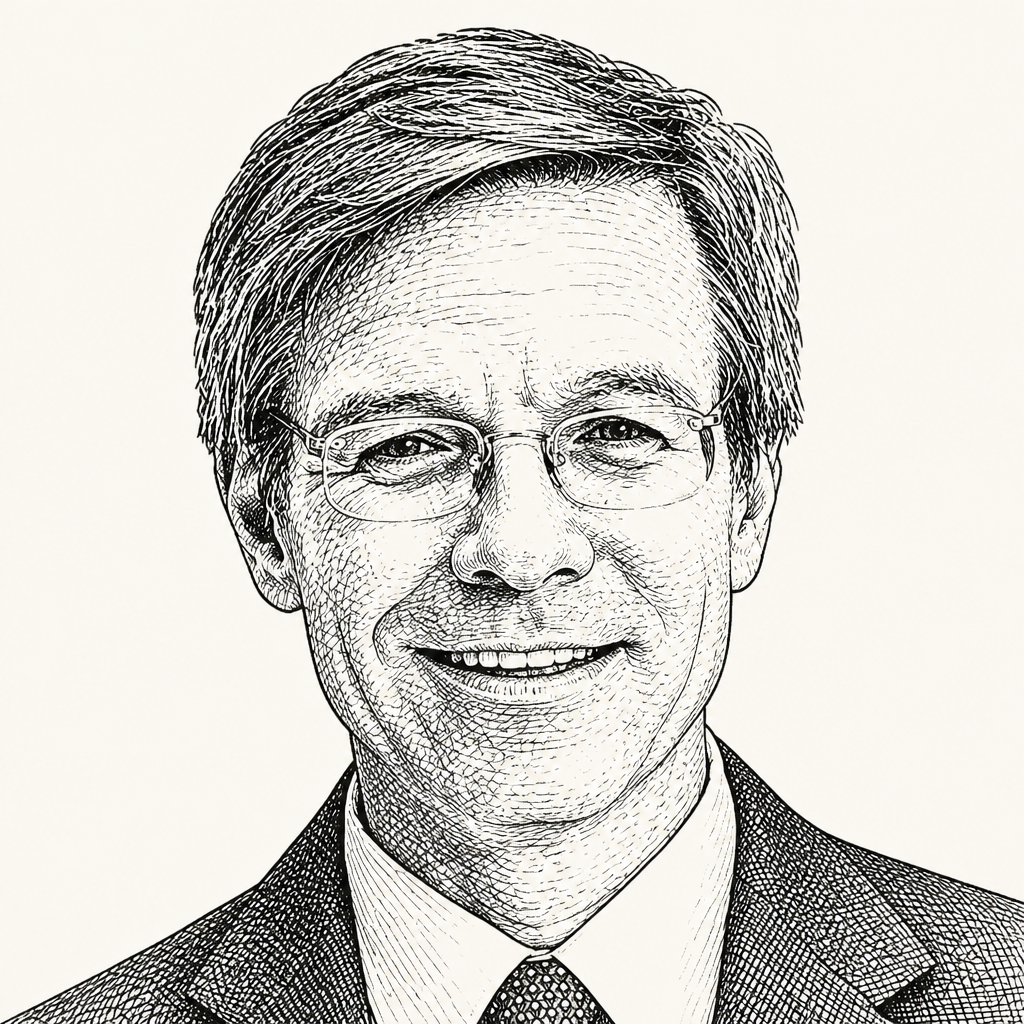
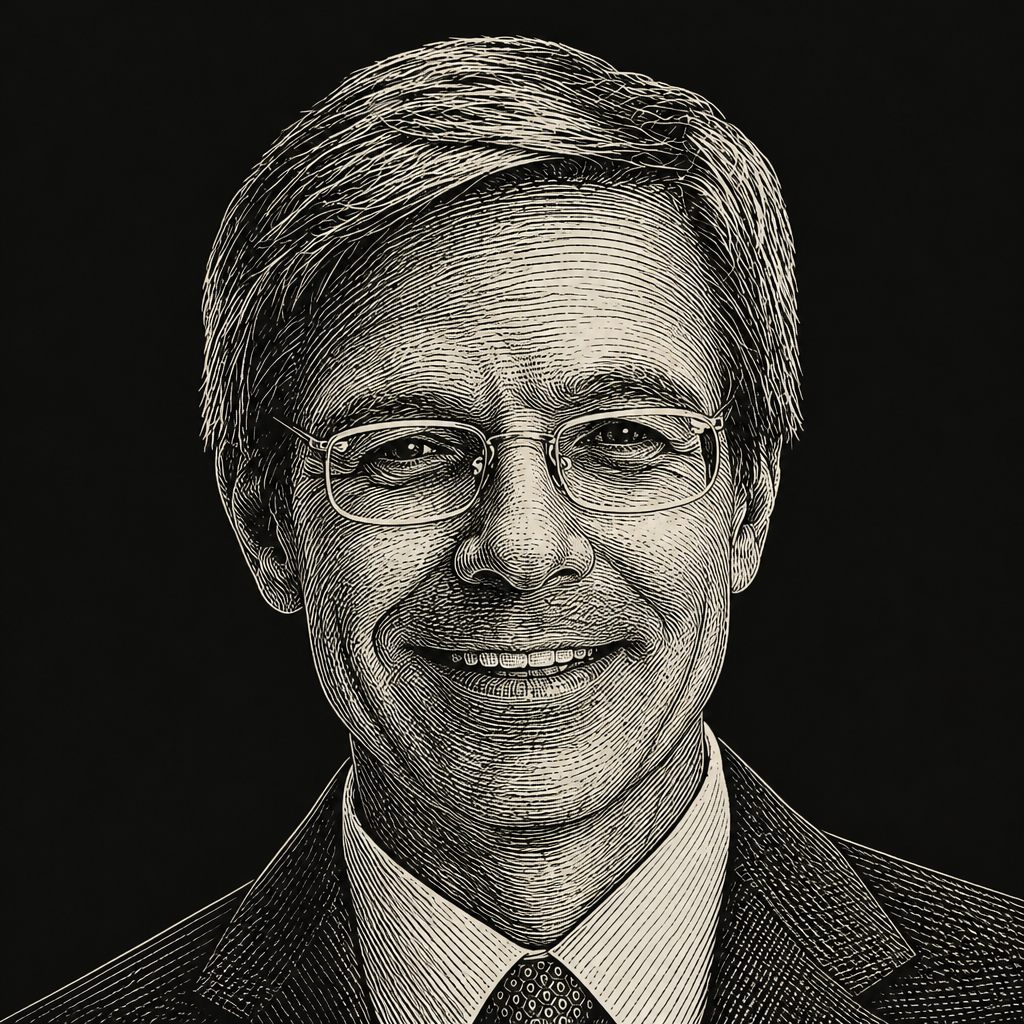
Wilson says participation differs sharply between high- and low-trust settings. In high-trust communities, more than three quarters of Americans are heavily engaged in getting something done, he says. In low-trust communities, participation falls below half.
His practical proposition is to begin with work that does not require full agreement over climate politics. After a storm, people can cooperate on recovery and resilience: putting down sandbags, helping keep water out of a neighbor’s house, and rebuilding after floods. Participants may still disagree about the origins of climate change, but they have a concrete reason to act together.
Authentic trust is about respect, it’s about reciprocity, it’s about predictability, not necessarily about agreement.
That is not blind trust, which Wilson describes as listening only for views that reinforce one’s existing beliefs. Trust, in his formulation, permits disagreement while creating enough predictability and mutual respect for people to take action together.
Wilson’s interest is also institutional. As the chief executive of an insurer, he says Allstate “sells trust”: customers pay the company believing it will be there when something bad happens. But he places that commercial obligation inside a broader theory of corporate purpose. Businesses must make money for shareholders, he says, while also serving customers, creating opportunities for employees, and improving their communities. All four responsibilities require trust.
He describes the country’s longer decline in trust as something that can feel gradual until it is suddenly acute, borrowing Hemingway’s formulation of bankruptcy: “gradually, then suddenly.” Wilson says distrust can seem embedded in daily life and difficult to trace to a single cause. The response, in his view, is not an abstract campaign for better feelings. It is local relationships formed around work people can recognize as useful.
The presidential center was intended as a civic institution, not a monument
The Obama Presidential Center was meant to make Chicago’s South Side integral to a national cultural institution, rather than merely the place where it sits. Valerie Jarrett says that as Barack Obama prepared to leave office, he wanted to create a gift—probably in Chicago—that would include his presidential museum. But he rejected the idea of a “mausoleum” or a time capsule devoted only to his administration.
Instead, Jarrett says, the center was designed to tell a broader American story: ordinary people working together over sustained periods to do extraordinary things. That story “zigzags.” It does not describe a straight line of national progress.
The museum begins with the Declaration of Independence and moves through slavery, the Civil War, Reconstruction, Jim Crow, women’s suffrage, immigrant rights, and labor organizing. Jarrett says the movements that made Obama’s presidency and its accomplishments possible were founded on people finding common ground across differences. When that work broke down, she says, lack of trust was often part of the failure.
The campus is intended to be a “living, breathing institution,” with gardens, a museum, and art that Jarrett calls a centerpiece rather than an afterthought. The aim is for people to learn, engage, and leave with a sense that they can act in their own communities.
Since opening on June 19, the center has drawn visitors from across the street and around the world, Jarrett says. She describes strangers taking photographs for one another and visitors waiting in line to sit behind the Resolute Desk in the Oval Office. The desk is not roped off. People can touch it, sit behind it, and imagine what it might be like to hold that office.
That accessibility supports the center’s wider civic purpose. On the exterior of the building, a text from Obama’s speech marking the 50th anniversary of the Selma marches emphasizes the word “we” and challenges Americans to continue improving the country. Jarrett treats that challenge as a statement of shared responsibility: civic life depends on people understanding themselves as participants in an unfinished project.
The project took roughly a decade to bring into being. Jarrett says the Foundation held extensive community meetings and asked residents what they hoped the campus would become. The organization had to be flexible enough to incorporate what it learned.
The process also included prolonged conflict. Jarrett says a parks advocacy group sued the Foundation twice and the dispute reached the Supreme Court twice. She would have preferred to avoid that litigation. But she says the delays gave the Foundation time to reconsider the campus and incorporate sustainability technologies that had evolved since planning began. The result, in her view, is a national model for sustainable design.
Durable agreements depend on work before the signing ceremony
Jarrett applies the same logic of relationship-building beyond neighborhoods. Valerie Jarrett points to the 2015 Paris climate agreement, which she says was signed by 196 countries and still includes 195. She does not speak for the country that withdrew, but she argues that the agreement’s durability cannot be explained by a single day of signatures.
The groundwork came first. In the United States, Jarrett says, the climate effort involved government, businesses, philanthropies, state and local officials, and ordinary people. That distributed compact created the conditions for an agreement among countries.
Even after the United States withdrew, she says, much of that work continued domestically. Change does not depend on government alone, in her account; it depends on networks of people and institutions that can continue acting when formal political arrangements shift.
The same approach can produce alliances among people who begin far apart. Jarrett describes working closely on criminal-justice reform with Mark Holden, then general counsel of Koch Industries. Koch Industries, she says, was not a supporter of President Obama. But Holden cared about criminal-justice reform, and the relationship began with that narrow shared interest. They became friends and discovered they had more in common than they initially assumed.
The point is not that every disagreement disappears. Jarrett says people should enter difficult conversations expecting to find something in common, listen actively, and remain open to changing their minds—or at least to making their own view more considered after encountering an alternative.
The demand is for ways to act together safely
Wilson points to Allstate’s Trust in Practice awards as evidence of demand for cross-group collaboration. The program required applicants to bring together at least three nonprofits with different points of view. It was initially conceived as a $500,000 effort, then expanded to $5 million. Wilson says the program drew $800 million in demand.
One effort in Appalachia brought together four groups with different missions and viewpoints around flood recovery. Another, in Maryland, paired older and younger residents around youth empowerment and tree planting. Wilson does not insist that every such project be framed as climate remediation. The tree-planting effort mattered in part because it gave different generations a shared task and a reason to build relationships.
For Wilson, the program suggested that people want to address problems together: preventing homes from burning or flooding, reducing pollution in the air, and restoring rivers people cannot use. The obstacle is not simply a lack of concern. It is whether people can enter collaboration in a way that feels safe.
Wilson says public life is shaped by an “echo chamber of negativity.” He refers to measures comparing positive and negative expression and says that negative messaging exceeds positive messaging in the United States. He likens that imbalance to a $100 billion advertising campaign of “us against us, by us,” more than the annual spending of the country’s 15 largest advertisers. The source provides no methodology for that comparison; Wilson uses it to describe the scale of the negative signal he believes Americans receive.
His response is to model civility rather than deny conflict. People need enough self-command to hear someone else without treating disagreement as contempt. Practical projects can create a lower-risk setting for that work: participants can first solve a problem in front of them, then discover whether the relationship can support harder conversations.
Hope is a commitment to enter the arena
Jarrett does not present hope as a belief that the country’s problems are minor. Valerie Jarrett says plainly that the United States and the world face serious challenges, and that she does not see them through “rose-colored glass.” Her hope rests instead on the history the center seeks to convey: ordinary people have repeatedly done extraordinary things, even though progress is uneven.
She also finds hope in participants in Obama Foundation leadership programs in the United States, Asia, Africa, and Europe. They are working every day on the kinds of challenges that brought the audience together. The important recognition, she says, is that no one is acting alone. There is a community of people with related priorities and visions, even when they pursue them differently.
Jarrett’s experience is that most people are good people if others are willing to get beyond the superficial and invest time in knowing them: their families, their lives, and the relationships they value. That does not make engagement easy. It can be scary and intimidating, and people can say things one does not want to hear. It requires, she says, a thick skin.
But she calls that engagement the only route to progress. Her challenge is to get into the arena, do one’s part, and model the civility and trustworthiness one wants to see from others.
Tom Wilson extends the challenge to leadership at every scale: families, friendships, organizations, and public institutions. Leadership is not getting people to go where they already want to go, he says. It is getting them to willingly go somewhere they would not go by themselves.