Vertical Pumped Hydro Would Bring Grid Storage Into Cities
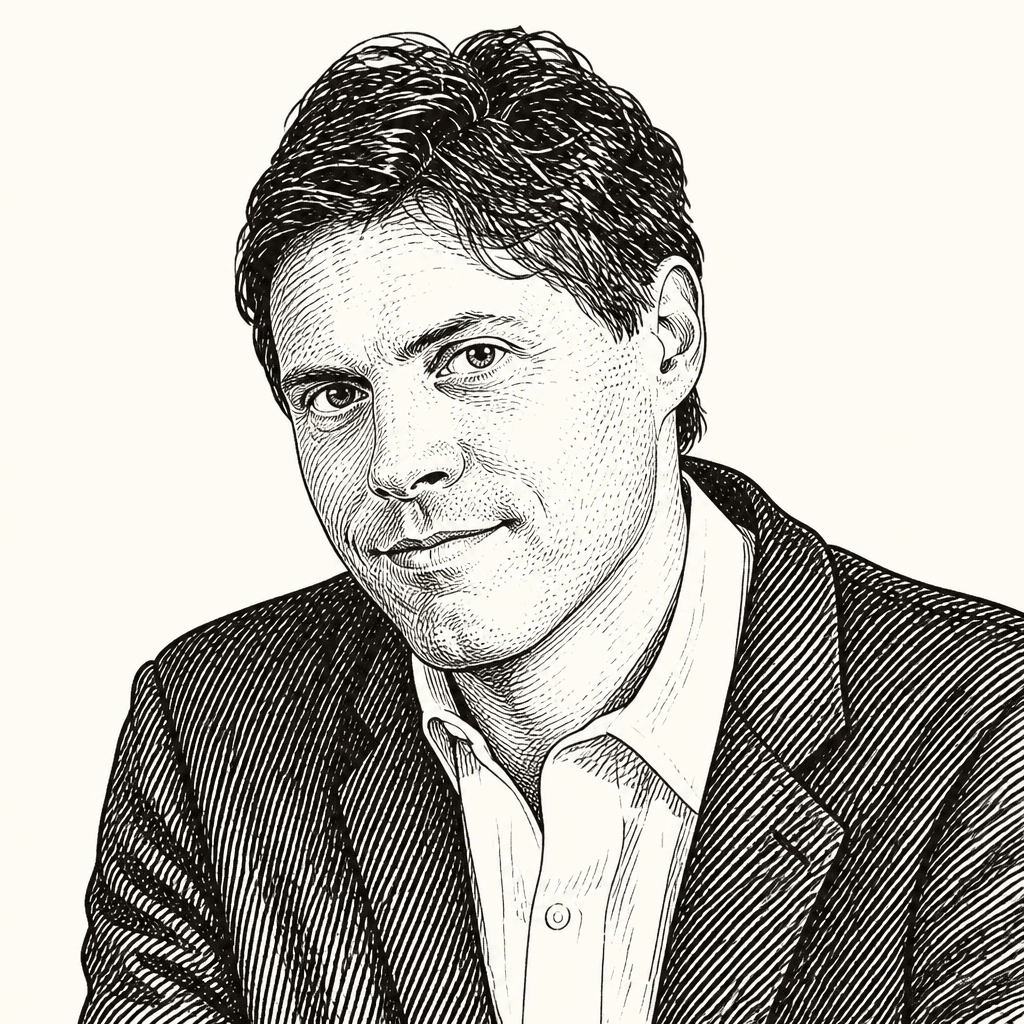
Adam Semel argues that cities should treat energy storage as civic infrastructure rather than a remote grid asset. His proposed Gravity Bank system would package pumped-hydro storage into towers that, he says, could store electricity, cool data centers and industrial facilities, and hold water reserves near urban demand. The case rests on the view that rising power needs require durable, locally integrated systems built to manage electricity, heat and water over generations.
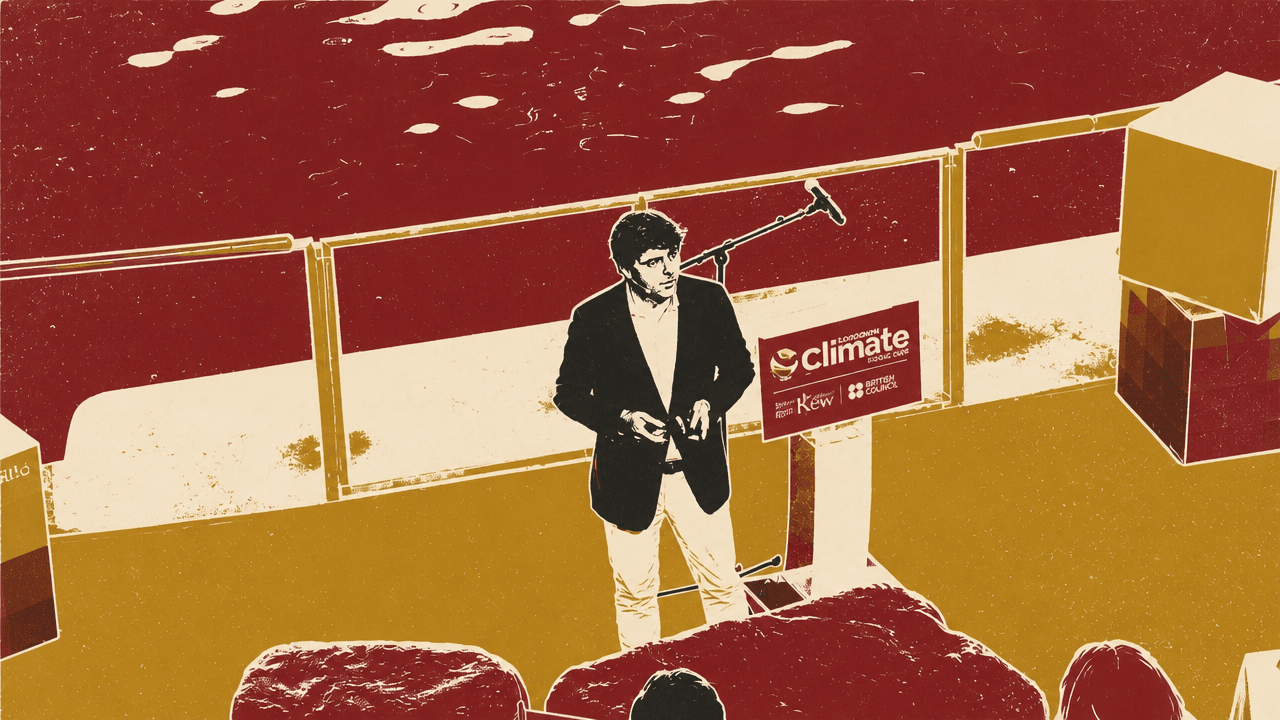
A storage tower intended to manage power, heat, and water
Adam Semel proposes Gravity Bank as more than a way to shift electricity across time. The Ourea system is intended to combine grid-scale energy storage, thermal management, and water reserve in one closed-loop infrastructure platform.
Its flagship configuration, the Gravity Bank 600, is a utility-scale tower that Semel says would store one gigawatt-hour of electricity—enough, by his estimate, to power a medium-sized city overnight for 10 hours and help stabilize a regional grid. The same water that stores energy could cool data centers and manufacturing facilities, he says, while also being held in reserve for communities facing water scarcity.
| Stated function | How Semel says Gravity Bank would serve it |
|---|---|
| Grid storage | Stores electricity and releases it to the grid when needed |
| Thermal management | Uses stored water to cool data centers and manufacturing |
| Water resilience | Holds water in reserve for communities facing scarcity |
The proposition is that buildings need not remain passive consumers of power and water. A tower placed near demand could help manage both resources for the district around it. That is the urban consequence Semel emphasizes: energy infrastructure moved into the fabric of cities and potentially integrated with mixed-use development, rather than confined to remote and specialized utility sites.
Semel grounds the need for that approach in a widening mismatch between electricity supply and demand. After roughly 25 years in which demand was nearly flat, he says, demand is projected to double within 15 years against a grid built over 150 years. Solar and wind may be abundant and affordable, but their output does not necessarily arrive when demand does. Storage, rather than generation alone, becomes the missing link.
The mechanism is pumped hydro without the mountain
Gravity Bank adapts Adam Semel’s description of pumped hydro, a technology he calls the oldest and most proven form of energy storage. In its conventional form, two reservoirs sit at different elevations. When electricity is plentiful, it pumps water from the lower reservoir to the upper one. When power is needed, the water is released downhill, driving a turbine generator as gravity converts its elevation back into electricity.
Semel compares the process to an indefinitely rechargeable battery. The charge is the work required to raise the water; the discharge is the water’s descent through a turbine.
Conventional pumped hydro depends on terrain and separate reservoirs. Ourea’s proposed redesign vertically aligns the reservoirs in a closed loop, packaging the system as a tower. Semel says this makes pumped hydro deployable in far more locations, without batteries, chemicals, or combustion.
The company emerged from workshops at Skidmore, Owings & Merrill that brought architects, engineers, builders, and suppliers together to connect building design with energy infrastructure. Energy Vault, which Semel identifies as a global energy-storage company, was also involved in forming Ourea. The resulting approach treats storage as civic infrastructure with architectural consequences, rather than as a standalone energy product.
Putting storage at the center of demand changes the siting question
The technical claim depends on a different view of where storage belongs. Large facilities can stabilize a regional grid, but Semel also describes modular versions that could be built in cities, close to electricity use and incorporated into mixed-use towers.
That choice of location matters because the system’s proposed functions are local as well as grid-facing. Cooling demand from data centers or manufacturing is concentrated at specific sites. Water reserve is a community concern. And electricity storage near dense demand could make a building part of a district’s energy-management system rather than simply another load on it.
Semel’s account also ties the system to a domestic industrial model. He says Gravity Bank would use concrete, steel, and water, with 100% of its materials and systems domestically sourced and built by people. He describes that as a hyper-local investment in jobs and a way for communities to take greater control over energy and water resilience.
The lifecycle case is similarly tied to its material durability. Semel says Gravity Bank’s embodied-carbon footprint would be repaid in just under three years—faster, in his comparison, than other storage technologies entering the market and faster than conventional pumped hydro.
The relevant standard is infrastructure that remains useful for generations
For Semel, storage should be assessed on the time horizon applied to major civic works, not on a short product cycle. He points to Hoover Dam, completed in 1936, as an example of infrastructure that still appears contemporary and still operates as designed. He says it delivers 4 billion kilowatt-hours annually to several hundred thousand homes in Nevada and Arizona, and expects it to continue operating for another century or more.
That standard informs Ourea’s stated ambition to make infrastructure both durable and visible—to “elevate infrastructure to art,” in Semel’s phrasing. The goal is not simply a tower that can store electricity, but an enduring public-scale system built into the places it serves.
Semel connects that long planning horizon to immediate environmental pressure. He recalls canoeing with his daughters in the Boundary Waters, where he describes clear lakes clean enough to drink from, then contrasts it with recent smoke conditions in Chicago that made breathing difficult and obscured the city’s visibility. New infrastructure is needed now, he says, but it should be designed to endure.
He closes with Daniel Burnham’s call to “make no little plans,” arguing that an infrastructure diagram can continue shaping civic life after its designers are gone. For Semel, the implication is direct: cities facing a growing power demand should build storage systems that can also address heat, water, local employment, and the long-term character of urban life.