The Wide Awakes Eye Turned Abolitionist Politics Into Civic Action
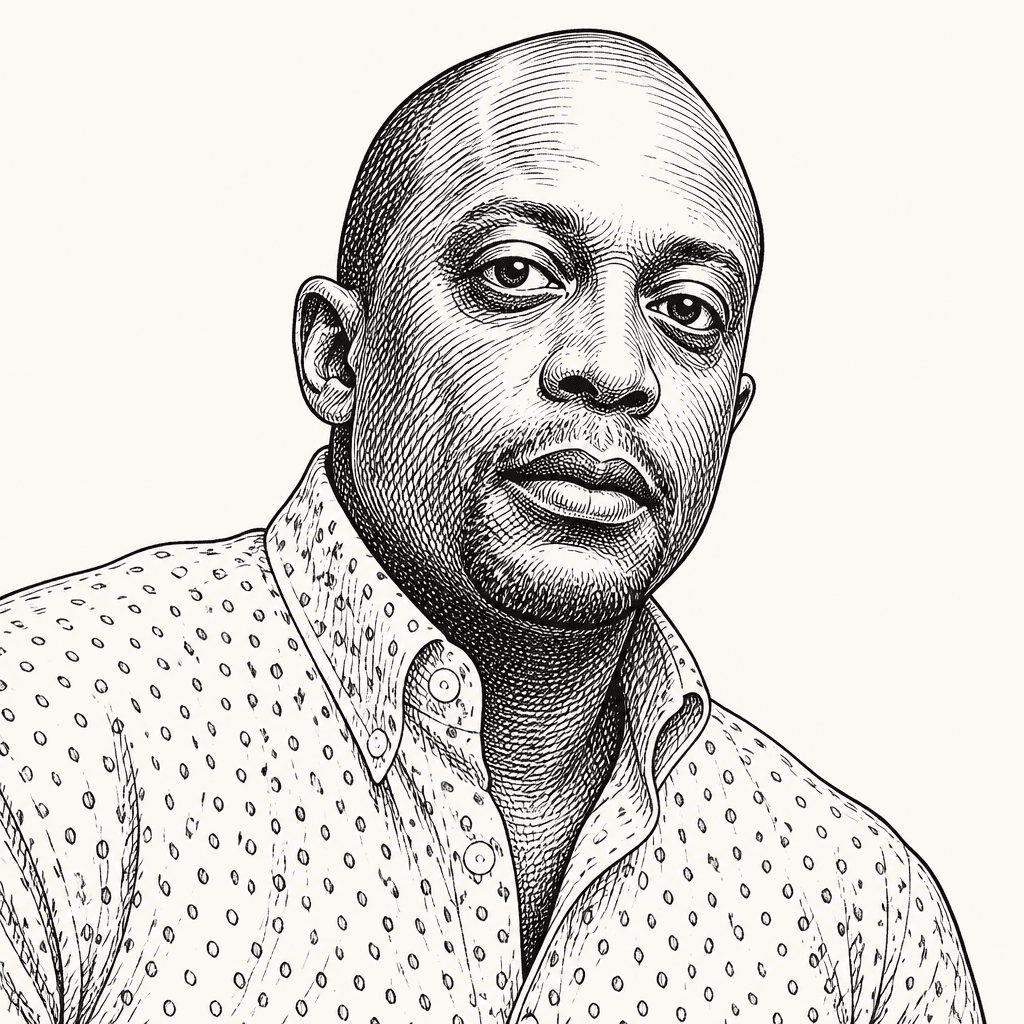
Artist Hank Willis Thomas argues that the Wide Awakes eye, a graphic emblem of an antislavery political movement in 1860, should be understood as a call to civic attention rather than a decorative symbol. In the Aspen Institute Arts Program’s Art of America series, Thomas traces how the eye worked through parades, banners, uniforms, and public spectacle, linking visual form to political action. He connects that history to current debates over being “woke,” asking how awareness becomes civic participation.
The eye was a call to civic attention, not just a symbol
The object Hank Thomas chooses is not a conventional museum artifact but a graphic mark: a logo of a single eye that, he says, first appeared in 1860, “maybe 1859.” A historical painted sign shown with his account presents it plainly, mounted on a pole, with the words “WIDE AWAKES. 1860.” The image is spare and direct: one large eye, made to be carried, seen, and recognized.
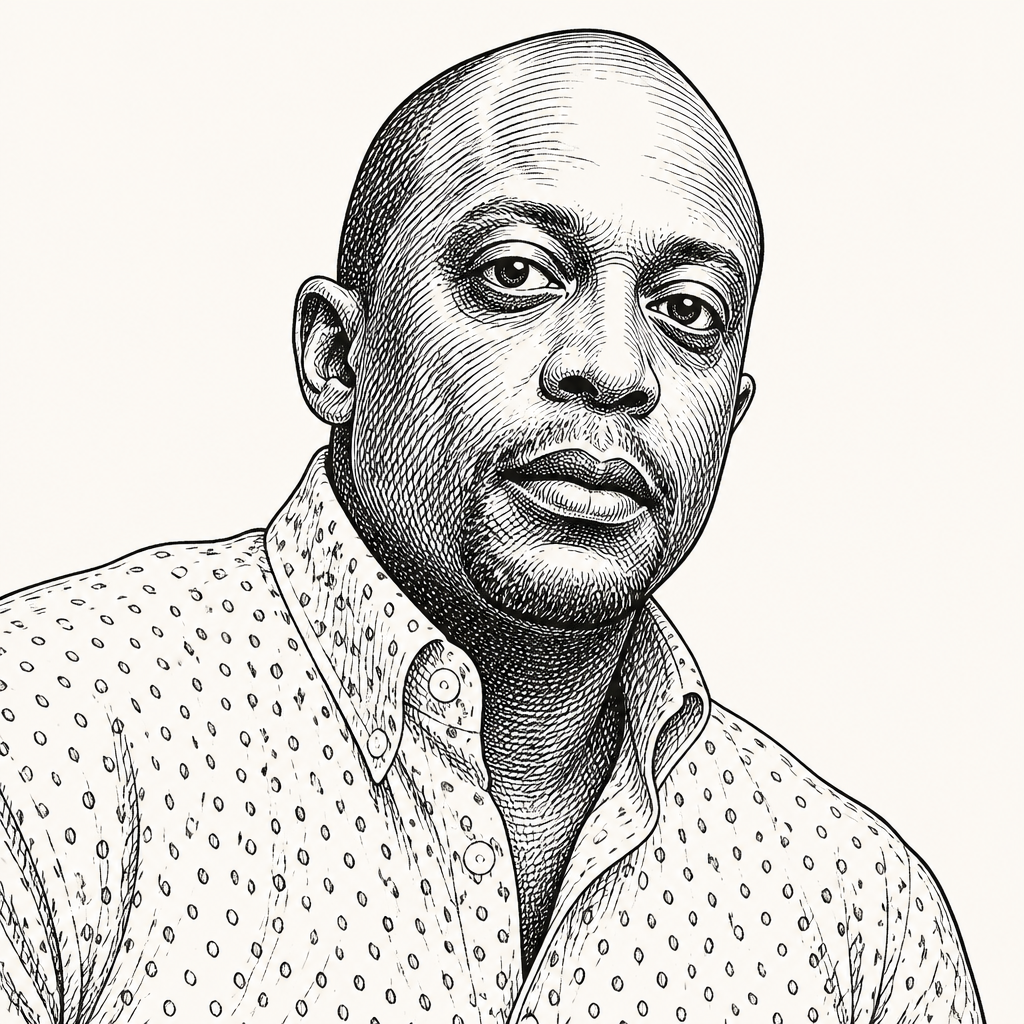
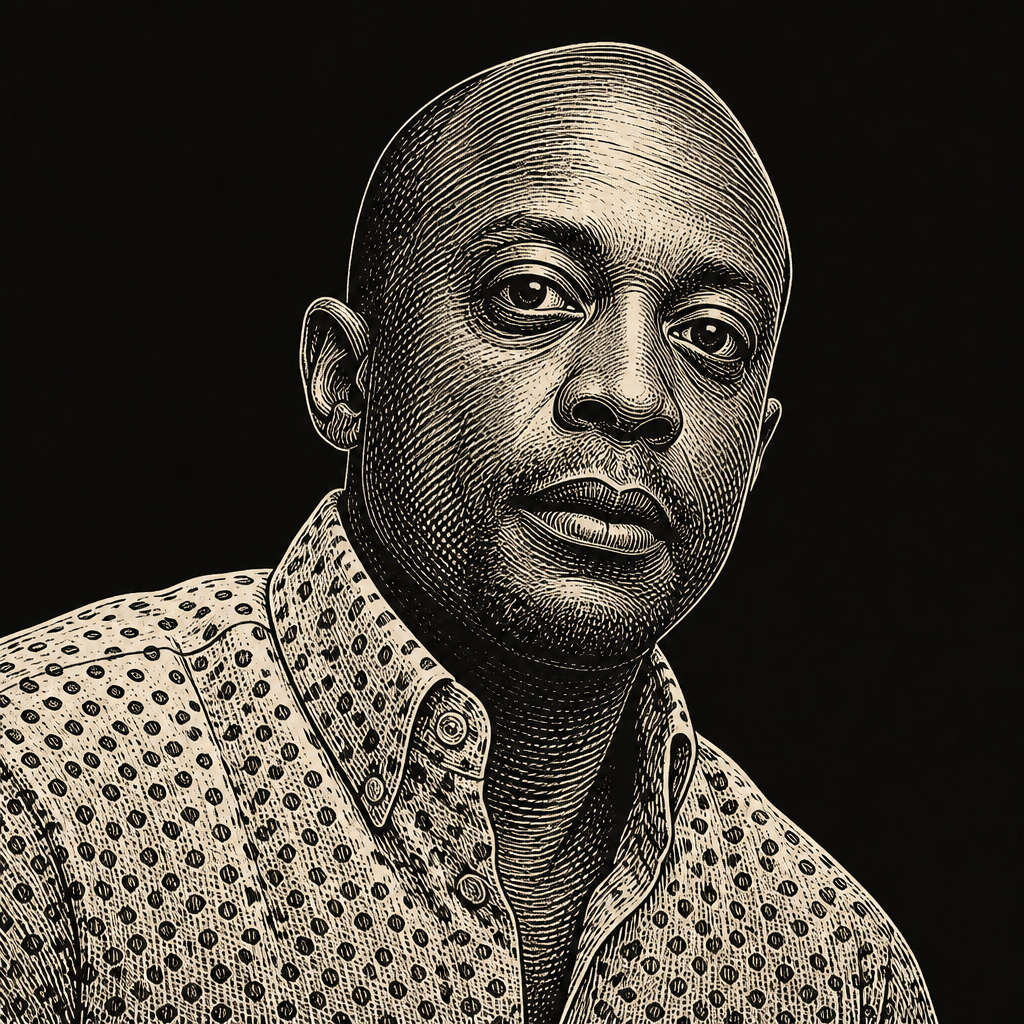
Thomas identifies the eye as the symbol of the Wide Awakes, an anti-slavery abolitionist organization. He calls them “America’s first street team,” but specifies what made that phrase politically serious in his view: their street-team work was for “enfranchisement of the large portion of the American population that was enslaved.” In his telling, the eye was not merely a graphic device attached to a movement after the fact. “The call to action was this eye.”
Historical images reinforce that public, performative character. One depicts men in uniform capes and caps, seen from behind, carrying torches and banners with the visible text “LINCOLN WIDE AWAKE.” Another shows an 1860 Harper’s Weekly page captioned “GRAND PROCESSION OF WIDE-AWAKES AT NEW YORK ON THE EVENING OF OCTOBER 3, 1860,” a crowded nighttime procession of people in a city street, carrying banners and a large illuminated structure. The movement appears through the materials of public politics: signs, uniforms, torches, parades, newspapers, and repeated visual identity.
Thomas’s interest in the eye starts with confusion. He says he first encountered it in a history book and could not understand what “this kind of eye” meant in the context of 1860. His initial associations were not abolitionist organizing but the evil eye, the all-seeing eye, and the Panopticon. The discovery that the image belonged to a mass political movement changed the meaning for him. The eye was connected, in his account, to the emancipation movement in the United States, and he describes it as the movement’s call to action.
I couldn't understand what this kind of eye meant in the context of 1860. I was thinking about the evil eye, the all seeing eye, the Panopticon.
What draws Thomas is the collision between an ambiguous visual form and a specific political use. An eye can suggest surveillance, threat, omniscience, judgment, vigilance, or conscience. In the Wide Awakes’ hands, as Thomas describes it, the image became a demand to look, wake up, and act.
Aesthetic choices mattered to the politics
For Hank Thomas, the Wide Awakes’ visual culture is part of the political story. He says the movement championed “the person by the name of Abraham Lincoln,” and he links its “aesthetic choices,” “creative civic engagement,” and parade performances to what he calls “one of the most important strides in the country’s history.”
The images shown alongside his account clarify what those aesthetic choices looked like. The Wide Awakes appeared as a coordinated public presence. They used capes and caps, torches, banners, parade formations, and slogans. A crest-like image places an eye at the center of a shield, surrounded by a banner and flanked by animal figures, with an eagle and stars above it. The visible text reads: “LINCOLN IN MIND YOUR EYE WIDE AWAKES.” The symbol was portable, repeatable, and legible across formats.
Thomas’s phrase “creative civic engagement” describes civic participation as something performed in public through form: what people wear, carry, illuminate, and gather around. The political force of the Wide Awakes, in his account, was tied to the way they made themselves visible.
That emphasis also explains why the eye holds his attention as a work of art. It is not presented as art because it was isolated from politics, but because it operated visually inside politics. The eye turned being “wide awake” into a public mark that could move through streets, newspapers, and organized processions.
“Wide awake” becomes a question about being woke
Hank Thomas brings the symbol into the present by naming the contemporary debate over being “woke.” He places that debate next to the phrase “wide awake,” asking what awareness means in civic life and how awareness translates into action and change for the better.
What does awareness mean in civic life? How does that translate to action and change for the better?
The link Thomas makes turns on consciousness, but his questions move beyond awareness as a private state. What matters in his formulation is whether awareness becomes civic action.
The eye, for Thomas, challenges viewers to look. He says its instruction is almost literal: “look deeper,” and “don’t avert your eyes.” That is the contemporary force he says inspired him and that he “wanted to kind of bring to life.” The historical symbol matters to him because, in his reading, it presses attention toward action.
An 1860 parade image shows men in uniform caps carrying signs, lanterns, and flags, with visible text including “LINCOLN,” “HAMLIN,” “HONEST OLD ABE,” “WIDE AWAKE,” and “RAIL SPLITTER.” In Thomas’s reading, the Wide Awakes’ spectacle had civic purpose. Their visual language made a claim on public attention.
Thomas’s interpretation of the eye rests on that claim. The symbol asks viewers not simply to notice history or political conflict, but to consider how awareness might translate into action and change for the better.