Women-Owned Businesses Generate $224 Billion, but Capture Less Than 1% of Corporate Spending
 Laureen Meroueh
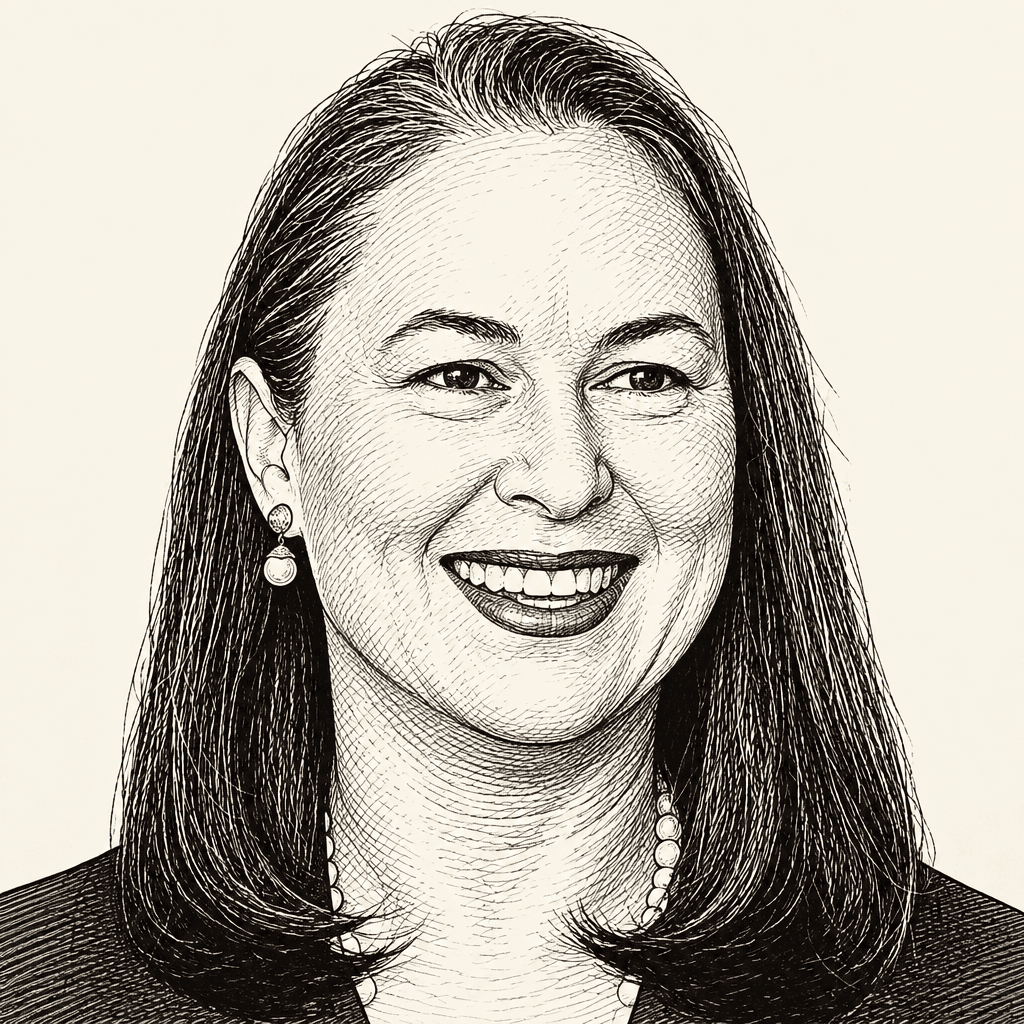 Elizabeth Vazquez
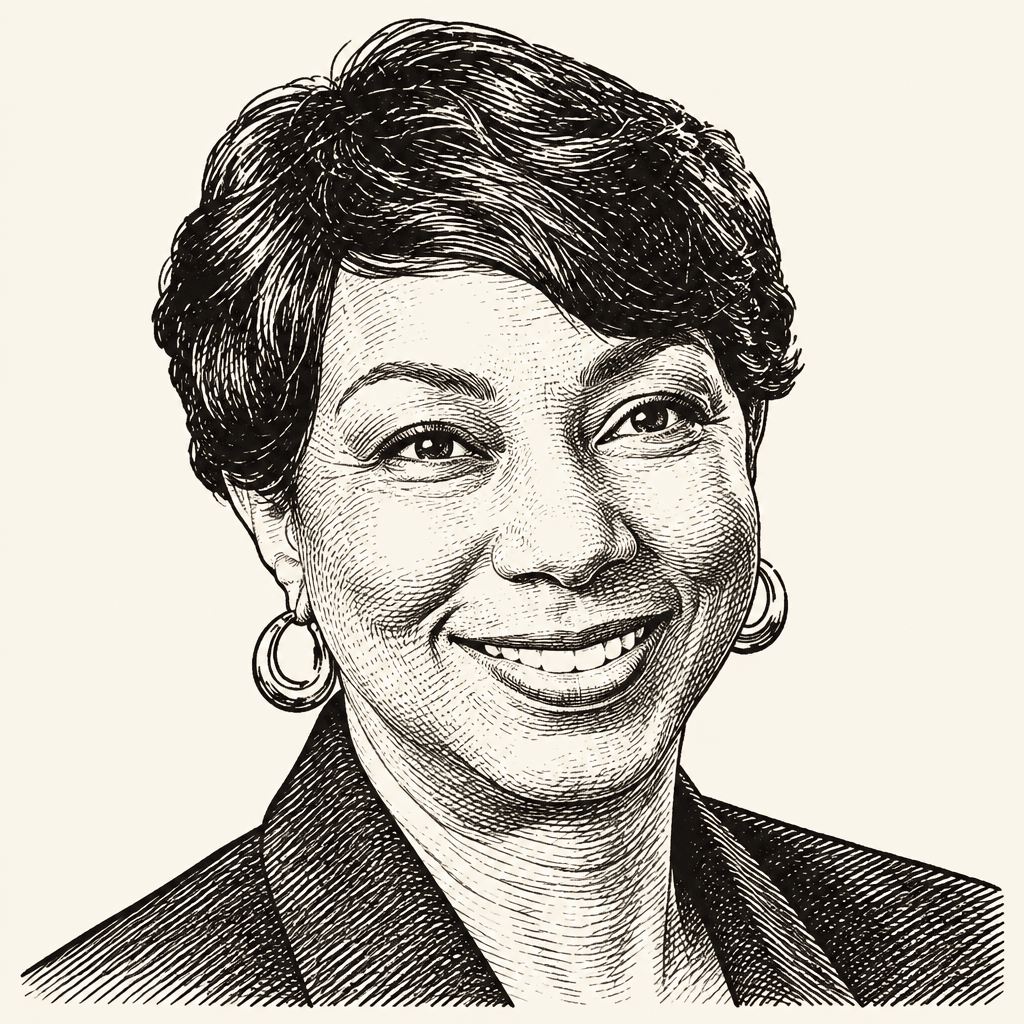 Angela Dingle
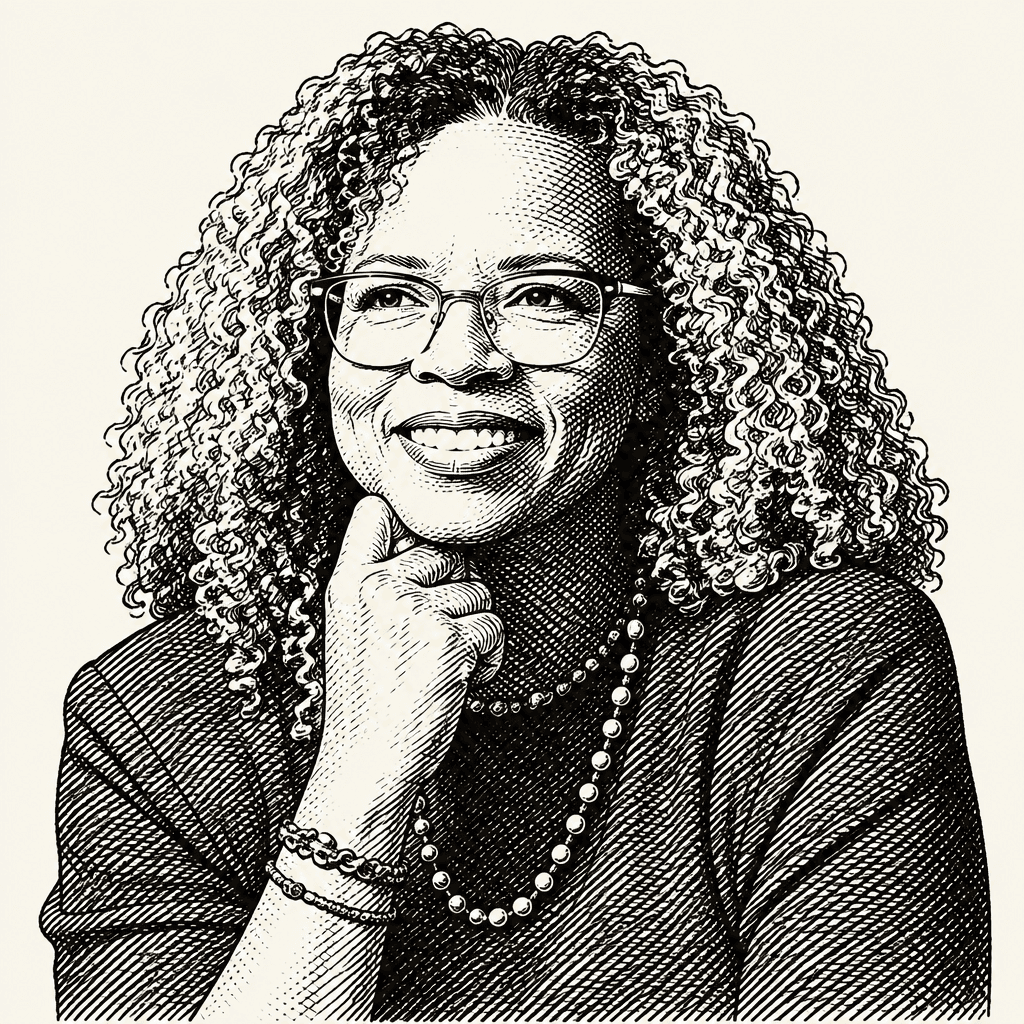 Nedra DicksonThe Aspen InstituteTuesday, October 27, 202616 min read
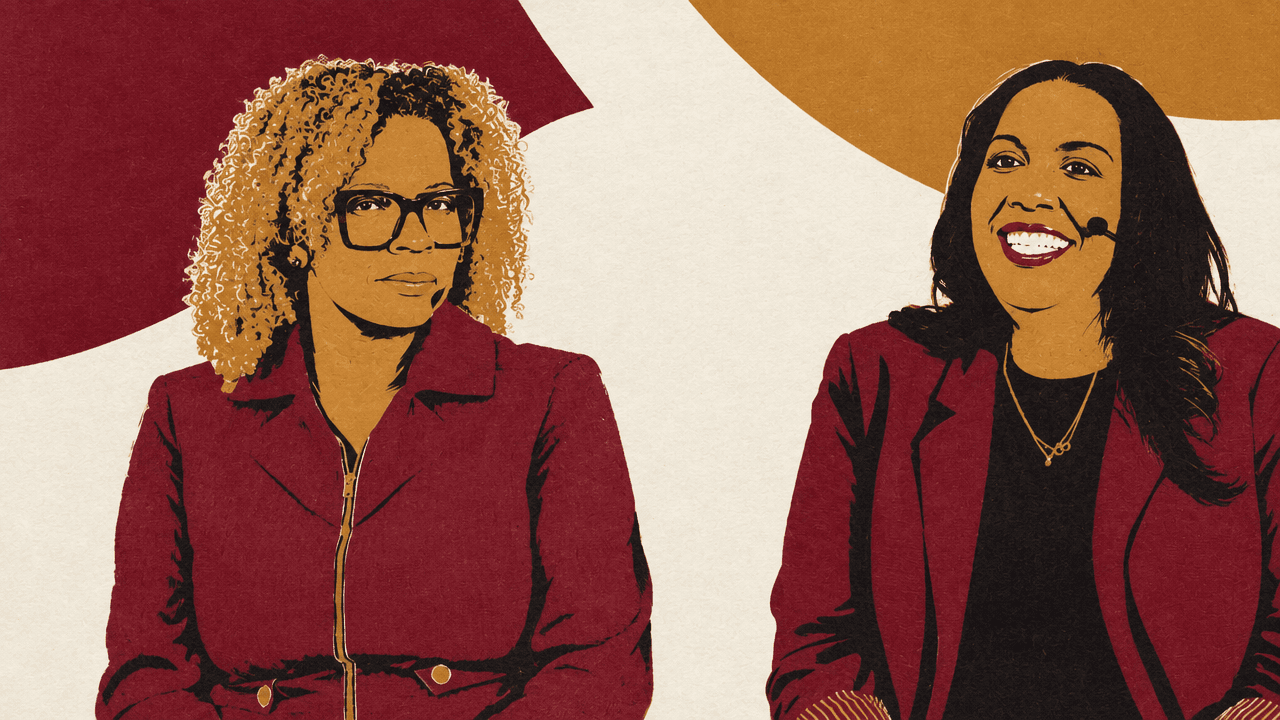
Women-owned companies are creating jobs and building businesses, but they remain largely shut out of corporate supply chains and face steep barriers to capital, the speakers at Aspen Ideas: Economy in Tulsa argued. Moderated by Angela Dingle, the discussion made the case that helping more women build lasting wealth requires more than founder grit: buyers, investors and business networks must give women-led companies practical access to contracts, funding and the relationships needed to scale.
Women are building businesses, but remain largely absent from where the money flows
Elizabeth Vazquez sees a mismatch between women’s role in starting businesses, creating jobs and solving problems, and their place in the supply chains where substantial revenue is generated. “They’re literally invisible,” she said. Large corporations spend less than 1% of their money with women-owned businesses, even though women make up half the population and own almost half of privately held companies in the United States. To Vazquez, that gap is not just unfair; it is a missed economic opportunity.
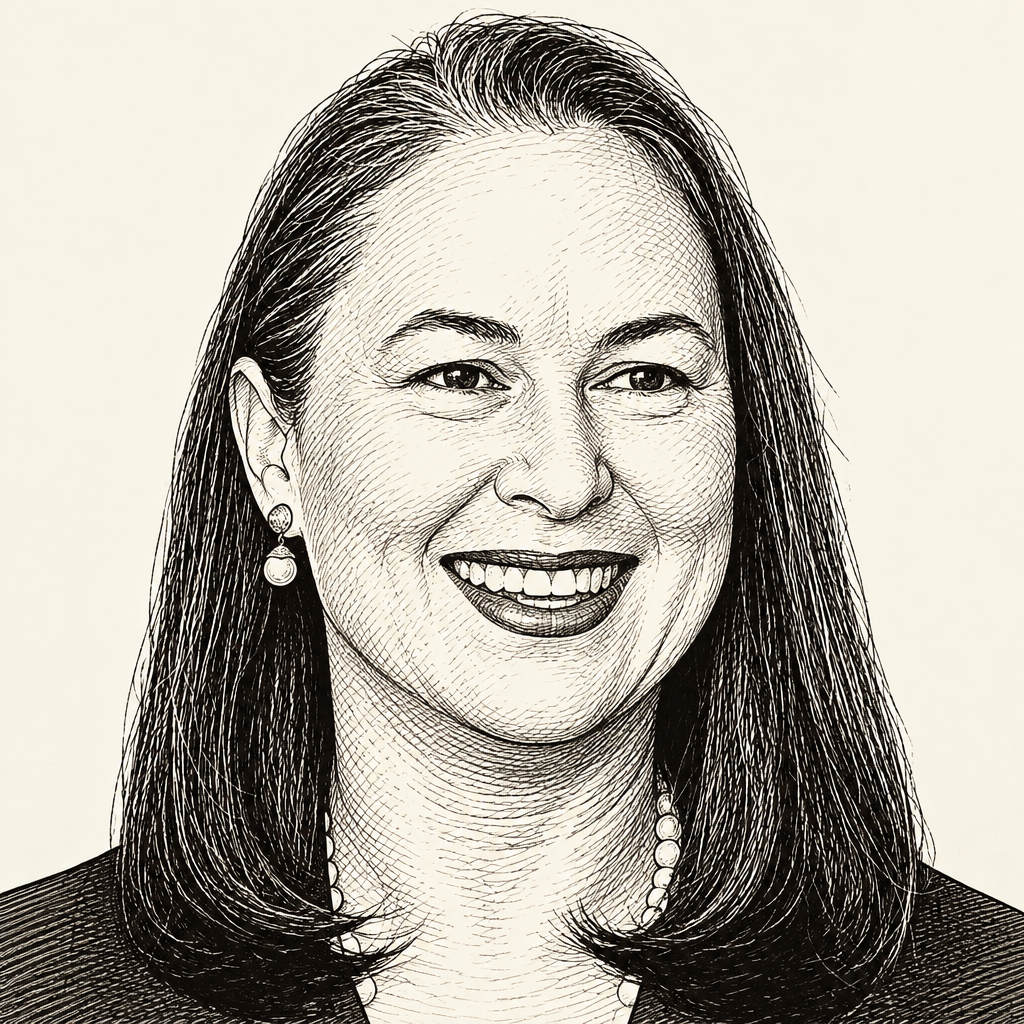
The scale of women’s businesses is already visible in the figures Nedra Dickson gave for the companies connected to the Women’s Business Enterprise National Council, or WBENC. Its 19,553 women-owned businesses span about 15 industries. Last year, Dickson said, they created 824,000 jobs and generated $224 billion in U.S. revenue. The council’s members range from companies with about $100,000 in revenue to its largest, at $16 billion.
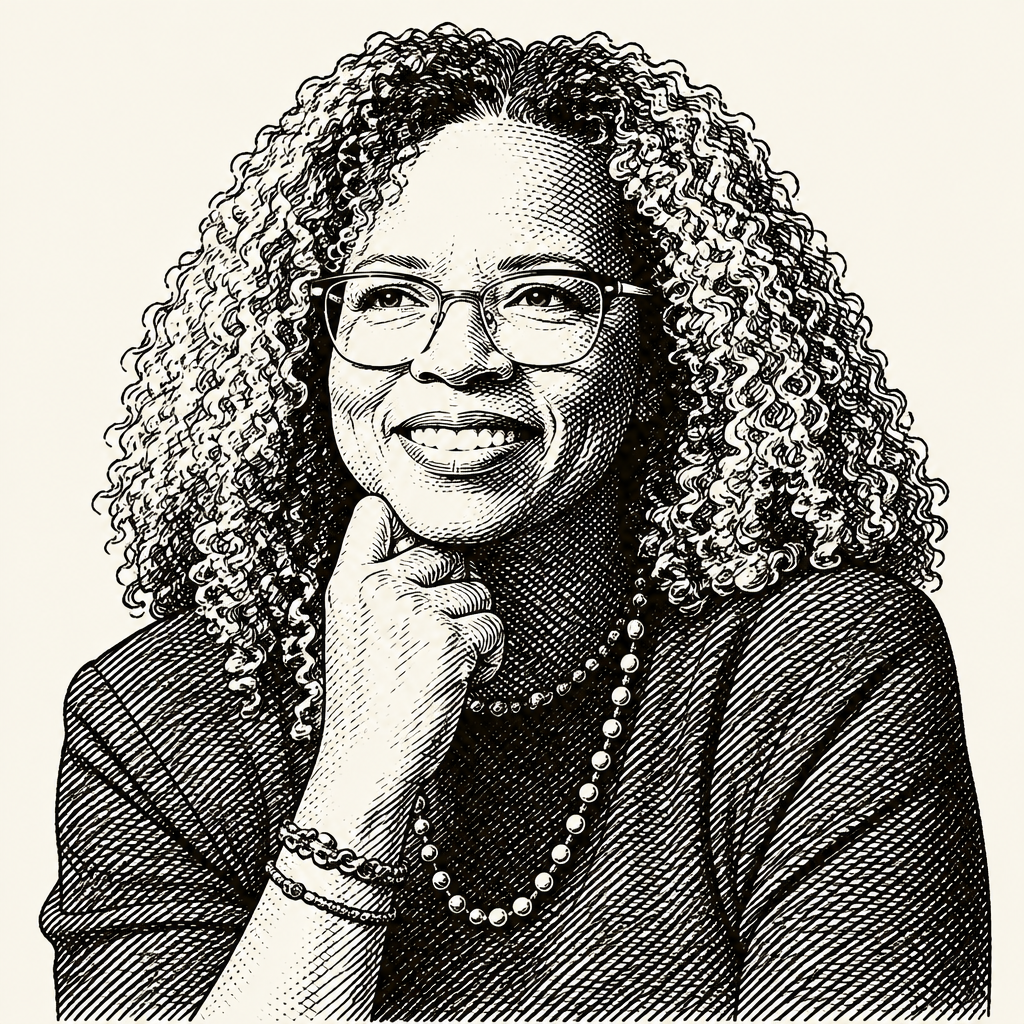
Those businesses are not only competing for corporate contracts. Dickson wants larger women-owned companies to buy from and mentor smaller ones, creating more business between members. At WBENC’s June conference, she invited companies with at least $500 million in revenue to consider buying from smaller businesses and sharing what they had learned on the way to scale. The larger firms were eager to participate, she said. The point is to make a network useful not only for introductions, but for purchases, learning and growth.
That approach addresses one part of the spending gap: access to buyers. But it also places responsibility on the buyers themselves. Angela Dingle described how, as the head of Women Impacting Public Policy, she changed the way her organization chose vendors. When staff brought her long-standing male suppliers—a photographer, a caterer—she asked them to find women-owned alternatives. When someone said a vendor’s website indicated that his wife owned the business, Dingle wanted to speak to the wife. “If I can’t talk to her, I don’t want to buy it,” she said.

Vazquez’s argument is that these decisions need not wait for a new policy or a perfect program. Women in the room, she said, represent $20 trillion in purchasing power. If they directed just 10% of it to women-owned businesses, that would amount to $2 trillion. She framed that as an invitation to be more deliberate about ordinary spending—not as a call for quotas or set-asides. Individuals and organizations can ask who is receiving their business, and whether their purchases help capable suppliers grow.
For Vazquez, that effort should reach beyond the United States. WEConnect International connects women-owned businesses in 148 countries, and its network allows companies to do business with one another across borders. Businesses that scale, she argued, often need global markets as well as local support. They need to understand the places in which they operate, ask for help, teach and learn. The networks built by organizations such as WEConnect and WBENC can make suppliers more visible to buyers, while connecting them to advocacy and local support.
Vazquez also cautioned against making this a matter of women helping only women. She said that men who care about impact—or simply want the best total value—can benefit from finding suppliers whose solutions they might not otherwise know about. Non-binary people, too, bring different experiences and innovations. The larger aim is to use purchasing and networks to bring more of those suppliers into the economy.
Laureen Meroueh put the supply-chain argument in industrial terms. Her company, Hertha Metals, is developing a different approach to steelmaking. She said the United States used to be the leading producer of steel from iron ore in the 1970s and ’80s, but that position has since declined. In her view, the country’s dependence on overseas supply chains makes domestic manufacturing more urgent. Steel is one part of the problem, and she urged entrepreneurs to identify other supply-chain needs they could address.


Hertha had just broken ground on a facility designed to produce 10,000 tons a year, which Meroueh said would employ 65 people, from operators to engineers. She also said the company was preparing to choose a state for a full-scale steel mill, which would bring 350 permanent jobs and more than 1,000 temporary jobs. The example made her larger point concrete: building a new industrial company can mean investment in production capacity, good jobs and a more domestic supply chain. It also takes substantial capital—an obstacle the speakers returned to repeatedly.
Scaling takes more than a good idea—and more than individual grit
Asked what it takes to move from transactional work to a business that can scale, Dickson began with mindset: founders have to believe that growth is possible. But she paired that with practical changes. Businesses need to embrace technology, she said, not by buying the most expensive platform, but by finding tools that make the company more efficient. They also need to recognize that one person cannot be the sales team, treasurer and procurement department indefinitely. Hiring matters because founders who try to do everything can constrain their own growth.
Dickson’s advice also came down to the terms of a deal. Drawing on her 25 years at Accenture, she warned business owners to negotiate payment terms before signing a contract. Once a company agrees to net-90 payment terms, changing them later can be extraordinarily difficult. She had seen founders sign such terms without negotiating; her instruction was to redline the contract and ask. A business can win a customer and still put itself under financial strain if it has to wait too long to be paid.
That focus on business readiness is also central to a tool WBENC was developing with its corporate members. Dickson said corporate buyers often ask for suppliers who are “ready to do business,” but readiness means different things in different industries. A pharmaceutical company, retailer and health-care company may have different requirements. Without knowing those requirements, a supplier can spend time pursuing a buyer only to discover it lacks a particular insurance policy or cybersecurity capability.
WBENC’s planned Impact Hub was designed to make those expectations visible. A corporate buyer could specify a need—for example, a Tulsa company capable of helping build steel mills—and state the requirements a supplier would have to meet. A business could see what it lacked and, Dickson said, be connected to a program or provider that could help it become ready. The goal was to move beyond certifying a company and sending it off to “happy hunting” at conferences, toward showing businesses actual opportunities and the criteria attached to them.
The platform was also intended to support more than procurement. Dickson said it could help companies find partners for a joint venture, explore a sale or acquisition, and connect with private equity. WBENC was building it with corporate members and women-owned businesses rather than designing it in isolation. About 25 corporate members had participated in the process, she said, and early supplier discussions had helped businesses identify specific gaps before pursuing particular buyers. Dickson said the Impact Hub was scheduled to go live in January and that she was determined to move corporate spending with women-owned businesses beyond the 1% figure Vazquez cited.
At Build in Tulsa, the answer to scaling starts earlier. Ashli Sims said the organization works with entrepreneurs who may be starting from zero—or, as Sims put it, from “negative one”—and tries to close what she called an imagination gap. Build in Tulsa showcases female founders and runs a female founders pitch night, where one participant had the chance to compete for $10,000. Seeing other founders build businesses can help people imagine themselves doing it, Sims said; a small amount of capital can signal that someone believes in the idea.
The organization’s Women Entrepreneurs Build program combines several kinds of support. Sims described a 12-week accelerator offering help with sales processes, hiring and leadership, alongside mental-health support, a cost-of-living stipend and a $35,000 non-dilutive investment. The money does not take an ownership stake in the business. A stipend, she stressed, matters because founders may be juggling bills, child care, elder care or health care while trying to build a company. The aim is to give them room to focus on the work without requiring them to give up ownership to get initial support.
Sims described this as combining human, social and financial capital. Advice and training cannot substitute for money, and money alone cannot create access to buyers or experienced people willing to open doors. She drew a distinction between mentorship and advocacy: a founder needs someone who will walk her into a room, send an introduction to a buyer or make a company purchase from her business. “What you really need is an advocate,” she said.
That distinction shifts the question from whether women founders have enough mentors to whether they have access to people and institutions that can act on their behalf. Dingle made a related point about purchasing: buyers have discretion over who gets a contract. Sims’s version was direct—an advocate must be willing to help a business get into the room and then buy from it.
In Tulsa, that support is designed to be collective. Build in Tulsa works with philanthropic and nonprofit partners, including Black Tech Street, Tulsa Innovation Labs and the Terrence Crutcher Family Foundation. Sims said entrepreneurship can be lonely, and she described community as a way to make asking for help, sharing experience and opening doors part of the work. The support does not rest only on the founder’s ability to navigate barriers alone.
Capital access is uneven, but founders need room to prove what works
For a capital-intensive company such as Hertha Metals, the funding gap is not an abstract concern. Meroueh announced that the company had closed a $134 million Series A. She said that less than 1% of venture capital goes to women-led businesses, and less than 0.01% goes to female founders in hard tech and industry. The Series A was a major milestone, but it was not enough to finance a steel company indefinitely: she said her next round could be $1.4 billion.
Meroueh also complicated the idea that a successful raise means she had faced no barriers. She said she had been lucky and acknowledged the privilege involved in raising the money. Her path was not from zero to a nine-figure round. She had first raised about $3 million and then $17 million, using that early capital to build and operate a one-ton-per-day demonstration plant. She said it was the world’s largest demonstration plant for single-step steelmaking.
In her account, that proof came at a cost she considered disciplined. Hertha built the plant for less than $6 million, within a total of about $20 million raised over two years. Meroueh contrasted that with male-led startups that, she said, were raising more than $100 million to build the same thing. Her argument was not that investors should simply give her more money. Capital efficiency matters, she said; investors should stop backing solutions that will not work, or treating a company differently because of who is on its leadership team.
She also pointed to the structure of venture funding. Female venture capitalists, she said, often run small funds rather than billion-dollar funds. That limits how much they can invest in companies that need large sums, including industrial startups. More women building large funds could increase the pool of capital available to women founders, but Meroueh added that the people who provide capital to those funds also have to be willing to back them. Sims agreed: the funding gap runs through the whole chain of capital, not just the final decision to invest in a startup.
The company’s early funding path also illustrates why access to an initial safety net can matter. Meroueh’s first venture began during her master’s studies at MIT, through an entrepreneurship program that offered $10,000 to build technology. At the time, she was also being paid as a researcher. Looking back, she said, that gave her financial stability if the venture failed, even though failure felt devastating in the moment. She argued for entrepreneurship programs that give students even $5,000, $10,000 or $15,000 to try an idea while they have some security.
Sims’s programs take a similar concern into account with stipends and non-dilutive investment. Those resources can reduce the pressure to make a business succeed immediately, while allowing founders to keep ownership. Meroueh said a stipend that lets an entrepreneur focus on building, rather than worrying about basic expenses, was an important part of Build in Tulsa’s model.
The funding conversation also included an account of what comes after early setbacks. Meroueh said Hertha was her third startup. Before it, she had led another company successfully but left after conflict with the man who had hired her. She described the experience as a reason she eventually founded Hertha on her own. The first two ventures did not make the third impossible; they gave her lessons that informed it. A failed venture or difficult exit can feel career-ending at the time, she said, but it is not necessarily the end.
Sims warned against telling the story as if a large funding round had appeared overnight. There had been practice, trial and error, and failure before Meroueh’s latest raise. That history matters for founders who might otherwise see the outcome without seeing the steps that made it possible. The case for early capital, support and second chances was not that every venture will succeed, but that an entrepreneur should not have to treat one attempt as her only shot.
Representation can change who sees a place for themselves
Dingle raised the question of how girls are encouraged toward technology and manufacturing, arguing that young people need to hear that they can build things and earn a living in technical fields. Meroueh drew a distinction: she did not see the goal as women competing with men for a fixed place in STEM, but as making sure women know those fields are open to them and that they are capable of entering them.
At Hertha, Meroueh said, women make up 40% of the company—a larger share than she associated with the steel industry. She said she did not lower the bar for talent or recruit women simply to meet a target. Instead, she believed female leadership at the top had naturally encouraged other women to join. That outcome was not part of her original plan, but it showed how a visible example can affect who imagines a company or industry as a place for them.
The question of who feels qualified to pursue an opportunity also came up in an audience exchange. A woman asked who women are trying to prove themselves to, and who holds the authority that makes them feel they need more research, knowledge or expertise than male peers. Dingle said some of that pressure comes from women trying to prove themselves to themselves. A woman may earn a certification and still feel that she needs another credential before pursuing an opportunity.
Dickson described a related difference in how people respond to uncertainty. She said women may feel they need to meet every requirement before going after an opportunity, while a male counterpart might pursue it while meeting only 20% of the qualifications. Her advice was not to ignore a real setback, but not to let one rejection define the next decision: if you meet 20%, go for it.
Sims said founders of color can experience a particularly sharp version of the “one shot” problem: the sense that if one opportunity fails, another will not come. Build in Tulsa tries to create enough structure and support that founders can see there will be another chance. Sims also credited examples of people who have already done the work with changing what seems possible. Every speaker, she said, had been told that something would not work. Seeing them persist can change another founder’s expectations.
The speakers did not present confidence as a substitute for confronting other people’s conduct. When an audience member asked how to handle reactions to women’s success, Dickson described being the first Black partner in a group of 9,000 at Accenture. She said she felt that people were watching for her to fail rather than succeed. The approach that had worked for her growing up—put her head down, do the work and wait to be recognized—did not work in that setting.
Instead, she learned to be confident and to surround herself with people who would be honest with her: people who would challenge her when she was wrong and back her when she needed to move forward. She named Cheryl Harris, then chair of WBENC’s board and a chief procurement officer at Allstate, as someone who had supported and challenged her. The distinction Dickson drew was between confidence and cockiness; support did not mean dispensing with candid feedback.
Vazquez added that telling stories is part of changing who is visible. Women may be encouraged to be humble and remain in the background, she said, but sharing one’s own story—and telling other people’s stories when they are not in the room—can make their contributions harder to overlook. Advocacy, in this sense, is not only making an introduction or placing an order. It also means ensuring that people’s work is recognized.
Meroueh offered a more personal response to an unsupportive environment: she left one company and built success elsewhere. She said she had previously experienced two situations in which men could not handle a younger woman being more successful. Leaving is not easy, especially for a founder on her own, she acknowledged, and changing a difficult board relationship can require navigating board politics. But her point was that a person who does not support your success should not have to remain in a position to block it.
Networks work when they lead to real relationships and concrete help
A useful network is not simply a large list of contacts. It is a set of relationships connected to specific business needs. An audience member who had left corporate work asked how an entrepreneur can find advocates after losing the daily relationships that let colleagues see her work.
Sims advised founders to be specific. Instead of asking generally for a mentor, a founder should identify the skills she needs and build relationships with people who can help fill those gaps. She also urged entrepreneurs to make the relationship reciprocal. Rather than arriving only to ask for help, a founder can explain what she is building, ask what she can offer and then say what she hopes to learn. Lasting mentorship and advocacy require real relationships, she said, not a one-way request to be supported.
Dickson advised being intentional but realistic. At a conference or event, an entrepreneur does not need to meet 50 people; she can aim to meet one or two. She described making a point of meeting a leader from the Tory Burch Foundation, whom she later discovered was in her sorority. A planned conversation became an evening together. For Dickson, the lesson was to make room for an authentic exchange and give yourself grace about how many connections you can make.
Meroueh’s advice came from the perspective of a founder who prefers to leave a conversation with clear next steps. She said that when an early-stage entrepreneur asks an established person how she can help, the answer may be that the person does not know what she can offer. Rather than treating every meeting as an immediate transaction, Meroueh suggested identifying one or two people to meet, learning where they gather—often at industry conferences—and making the effort to speak with them. Introduce what you are building, explain why their work interests you and ask about it. The likely result is not 30 new contacts, but one or two valuable relationships.
Organized networks can provide a starting point. Dingle pointed to WBENC certification, WEConnect and industry associations as ways for founders to enter communities that may provide connections beyond their former workplaces. These networks can be useful when they lead to opportunities, advocacy and buyers—not merely a directory of people to contact.
The need for support also applies to the people doing the work. Asked how they maintain their health and composure, Dickson said she had set a boundary after decades of being constantly available in a global role at Accenture: she no longer kept work email or Teams on her phone. If there was an emergency, colleagues could text her. She said the boundary was difficult to imagine at first, but had helped her sleep better.
Dingle had set aside Thursdays for time with her granddaughter and used reminders to drink water and take care of herself. She also said she went to the beach four times a year. The details were modest next to the discussion of capital and industrial investment, but they made the same point in a different register: a founder’s or leader’s ability to keep working depends partly on boundaries and support, not only on individual resolve.