Regional Food Hubs Aim to Replace Fragile Supply Chains
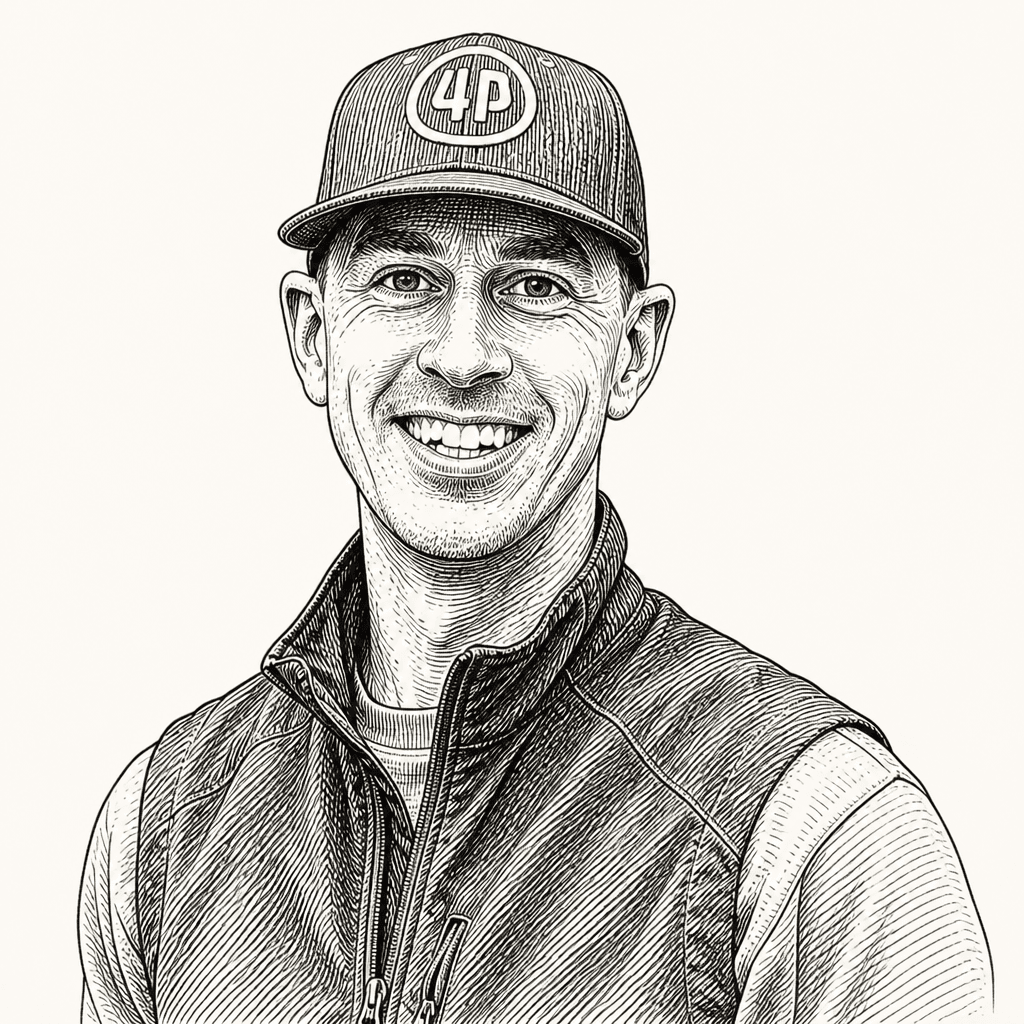
Tom McDougall, founder of 4P Foods, argues that a food system built around concentrated production and long supply chains is efficient but fragile—and leaves farmers with too little of the value their food creates. His Mid-Atlantic food hub aggregates products from several hundred farms for schools, hospitals and other large buyers, reducing intermediaries and, he says, raising farmers’ average share of each customer dollar from 11 cents to 66 cents. McDougall’s broader case is for regional “supply webs” that strengthen existing procurement while building a less concentrated food system.
A food system optimized for efficiency can break easily
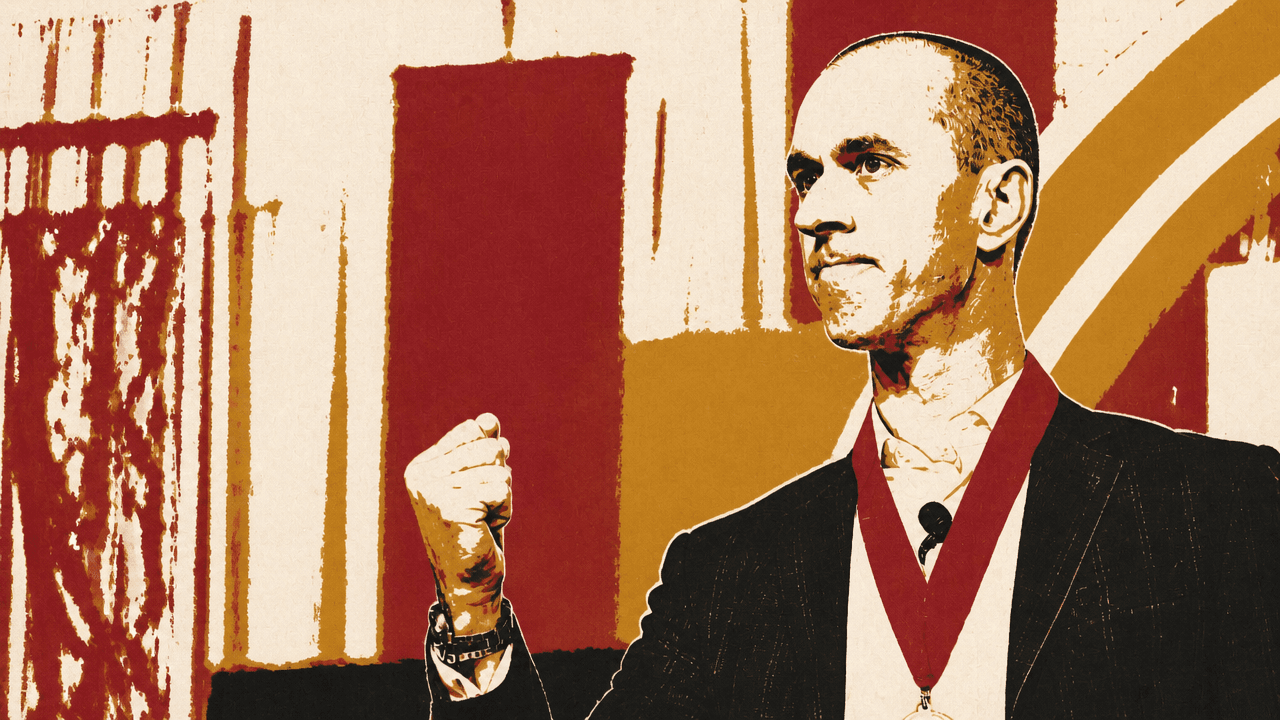
For Tom McDougall, the East Coast’s reliance on a distant growing region captures the food system’s central vulnerability. He says 60% to 70% of the produce consumed there comes from one valley in California, roughly 3,000 miles away. In a period of climate change and geopolitical instability, he asks, what happens if those supply chains break?
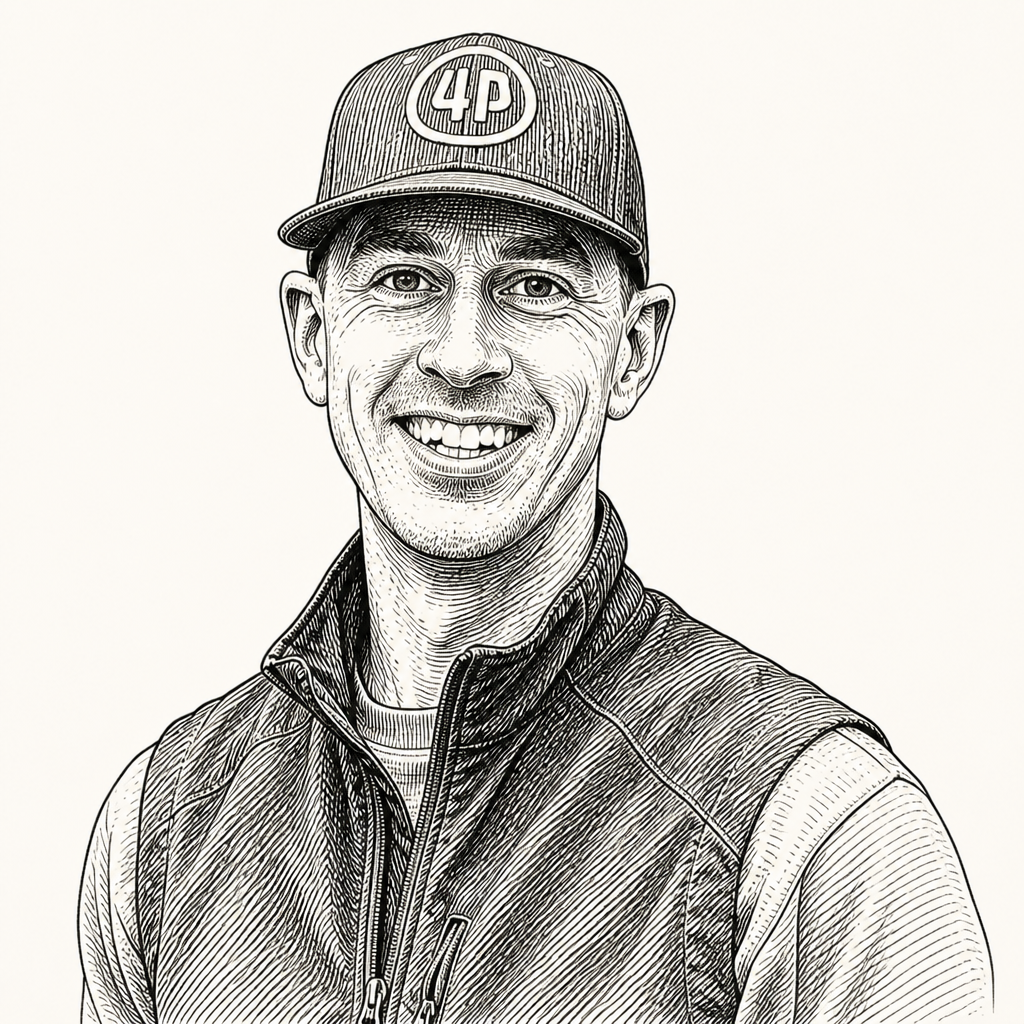
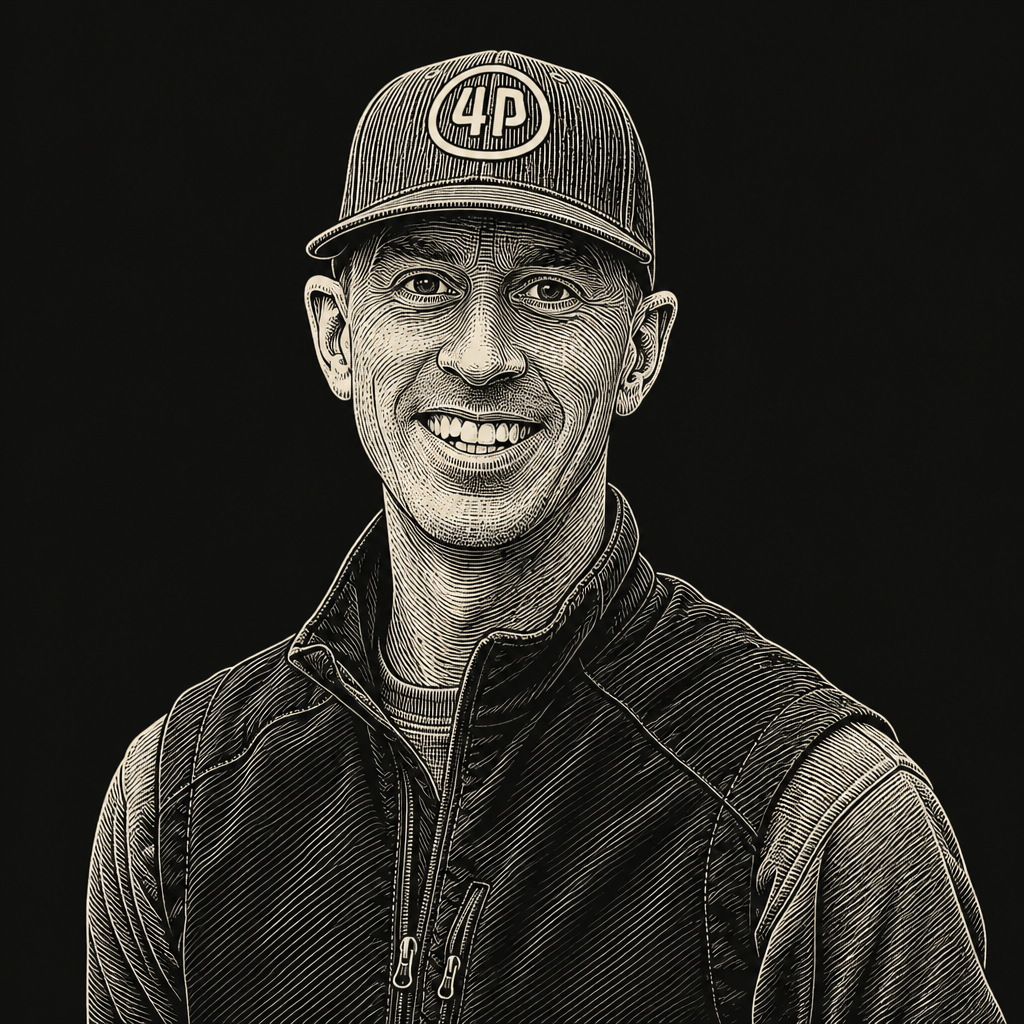
“The food system we have today,” McDougall says, “is working exactly as it was designed. Which is to say, it's not working for everybody.” In the name of efficiency, he argues, production has been concentrated in ways that make the system easier to disrupt while concentrating wealth and power.
The film placed that argument alongside several warnings: a World Meteorological Organization overlay stating that 2025 was one of the warmest years on record; a Scientific American headline warning that continued soil degradation could leave only 60 years of farming; and a Newsweek headline describing an especially difficult period for American farmers.
McDougall says farms are disappearing through bankruptcy or acquisition by larger conglomerates. More than a million farmworkers, he adds, live in what he calls “essentially modern day indentured servitude.”
He locates those conditions within a much longer history. The economic system in which food sits, McDougall says, has consolidated food, wealth, and power over roughly 400 years through “extraction, and oppression, and enslavement, and theft.”
The food system we have today, and the economic system within which it is nestled, is designed to consolidate not just food, but wealth and power.
His answer is not simply to leave the existing system behind. People and institutions are still operating inside it, he says, so it has to be improved. But he also invokes Buckminster Fuller’s proposition of building a model so much better that it makes the old one obsolete. The answer he reached through his fellowship, McDougall says, is “frustratingly both”: reform the system now while constructing different infrastructure alongside it.
A food hub makes local purchasing workable at institutional scale
4P Foods is McDougall’s practical example of that two-track approach. It works within existing procurement needs—schools, universities, restaurants, grocery stores, and public food programs—while reorganizing how regional farms reach those buyers.
The company buys food from several hundred Mid-Atlantic farms, receives it at a warehouse, inspects and packs it, and sends it out on its own trucks. McDougall describes the hub as the “missing middle” between supply and demand: an entity that performs aggregation, logistics, and delivery that individual small farms may not be able to undertake on their own.
The economics, in his account, turn on reducing the number of intermediaries. McDougall says food in a conventional supply chain changes hands seven to 12 times on average and that farmers receive about 11 cents of every customer dollar. 4P’s route is farmer, 4P, customer—one link between producer and buyer—and he says its farmers receive 66 cents on average of each customer dollar.
| Supply model | Farmer share of customer dollar |
|---|---|
| Conventional supply chain, according to McDougall | $0.11 |
| 4P Foods' model, according to McDougall | $0.66 |
For Lee O'Neill, a food hub solves a commercial problem as much as a distribution problem. A farm can grow excellent food and still not succeed if it cannot get that food to people at the required time and volume, O’Neill says. The hub allows growers to focus on production while it aggregates goods from farms and gets them to customers.
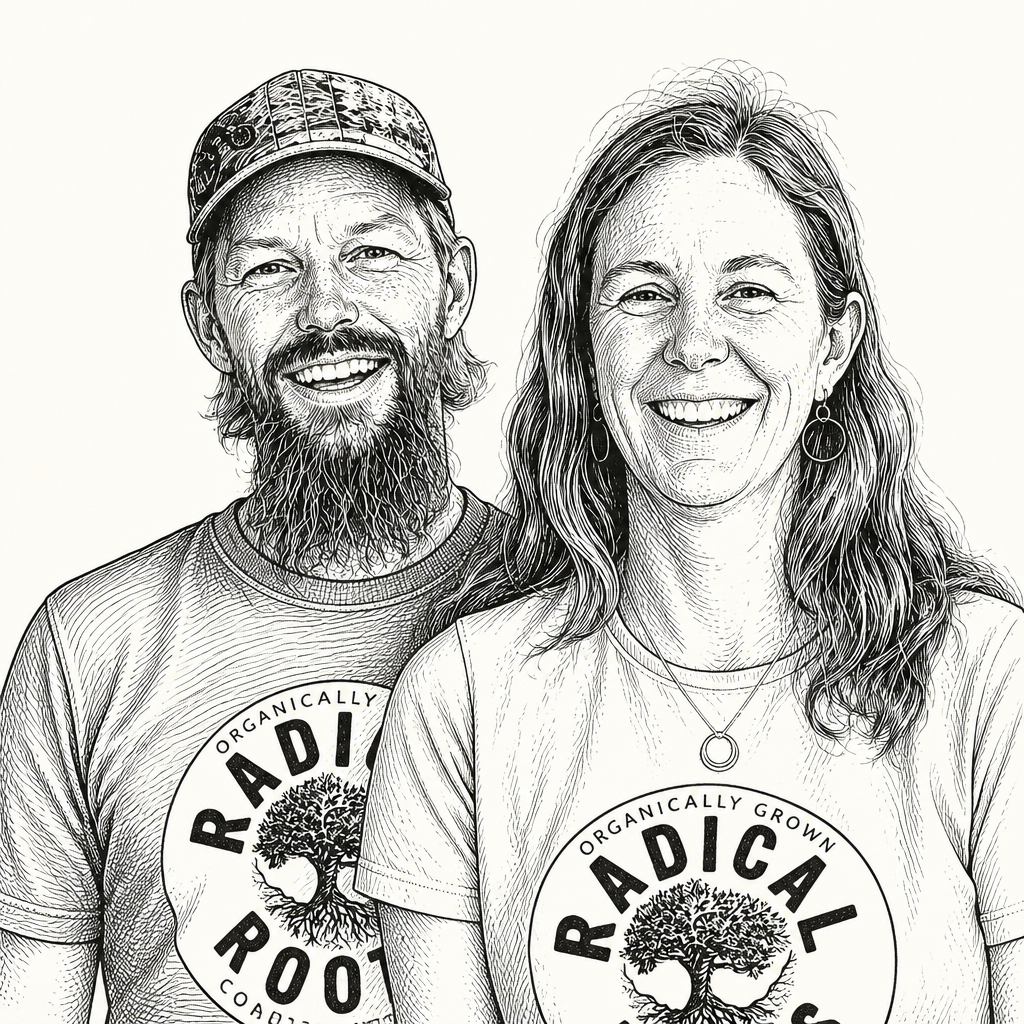
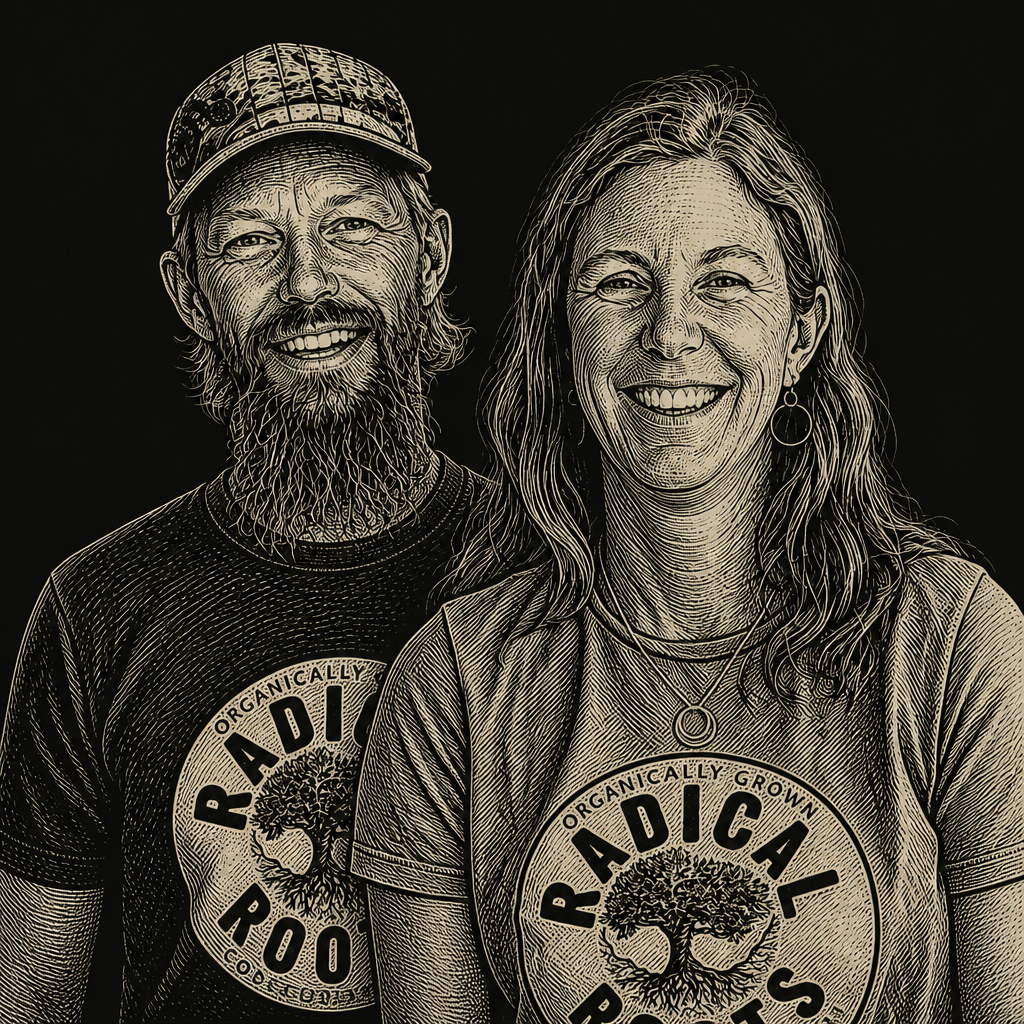
Schools illustrate why that intermediary can matter. Andrea Early says it is not feasible for multiple farmers to deliver separately to 100 school locations. Working with a distributor makes local purchasing operationally possible. The strawberries served to students that day, she says, had been harvested only a few days earlier.
4P distributes across the Washington, D.C., area, most of Maryland, and much of Virginia. McDougall says its Food Is Medicine program provides nutrient-dense, locally sourced food to food-insecure families and children. He also names Richmond City Public Schools and Fairfax County Public Schools as systems feeding 176,000 students a day.
A supply web is meant to survive individual failures
McDougall’s broader claim is that resilience requires more than shortening a route between farms and buyers. It requires replacing the logic of a linear supply chain with what he calls a “supply web”: a system with multiple points of connection, where the failure of one point does not cause the whole system to fail.
He situates 4P within a larger food-hub movement. According to McDougall, the USDA counted “70-something” food hubs in 2014; today, he estimates, there are around 500 operating in all 50 states. Collectively, he says, they aggregate from roughly 28,000 to 30,000 smallholder farms and account for around $1 billion in sales.
A McNulty Foundation impact card shown in the film credits 4P with expanding markets for U.S. farmers, sourcing local food to hundreds of thousands of families, and directing more than $100 million to the regional economy.
The regional hub is therefore not presented as a self-contained alternative economy. It connects farms to institutional customers that already need dependable volume, while making the regional food network less dependent on distant production and long sequences of middlemen.
No one is coming to save us. That’s the bad news. And the good news is that no one is coming to save us, so we get to build it ourselves.
The work is to reform the system and build beyond it
McDougall frames the future food system as a puzzle of roughly 300 pieces. Building it requires collaboration, a shared picture of the completed system, and work across connected areas such as housing, energy, education, and food. His proposed “corner pieces” are values—love, beauty, fairness, and respect—in place of extraction, oppression, and theft.
That framing preserves the tension in his argument. Existing procurement systems, public institutions, and supply networks still determine how food reaches people, which is why 4P works with schools and other established buyers rather than outside them. Yet McDougall does not regard making that system marginally less harmful as sufficient. Regional aggregation, higher farmer returns, and more distributed connections are intended as components of a different system, not merely improvements to the old one.
His closing invitation sharpens the distinction without resolving it. McDougall urges people to devote themselves to building new structures rather than only trying to make the current system “a little bit better.” But his own conclusion remains that both kinds of work are necessary: improve the food system people rely on now, while building the relationships and infrastructure that could eventually make a more resilient one possible.