The Huang Investigation Could Weaken Nvidia’s Push to Sell Chips to China
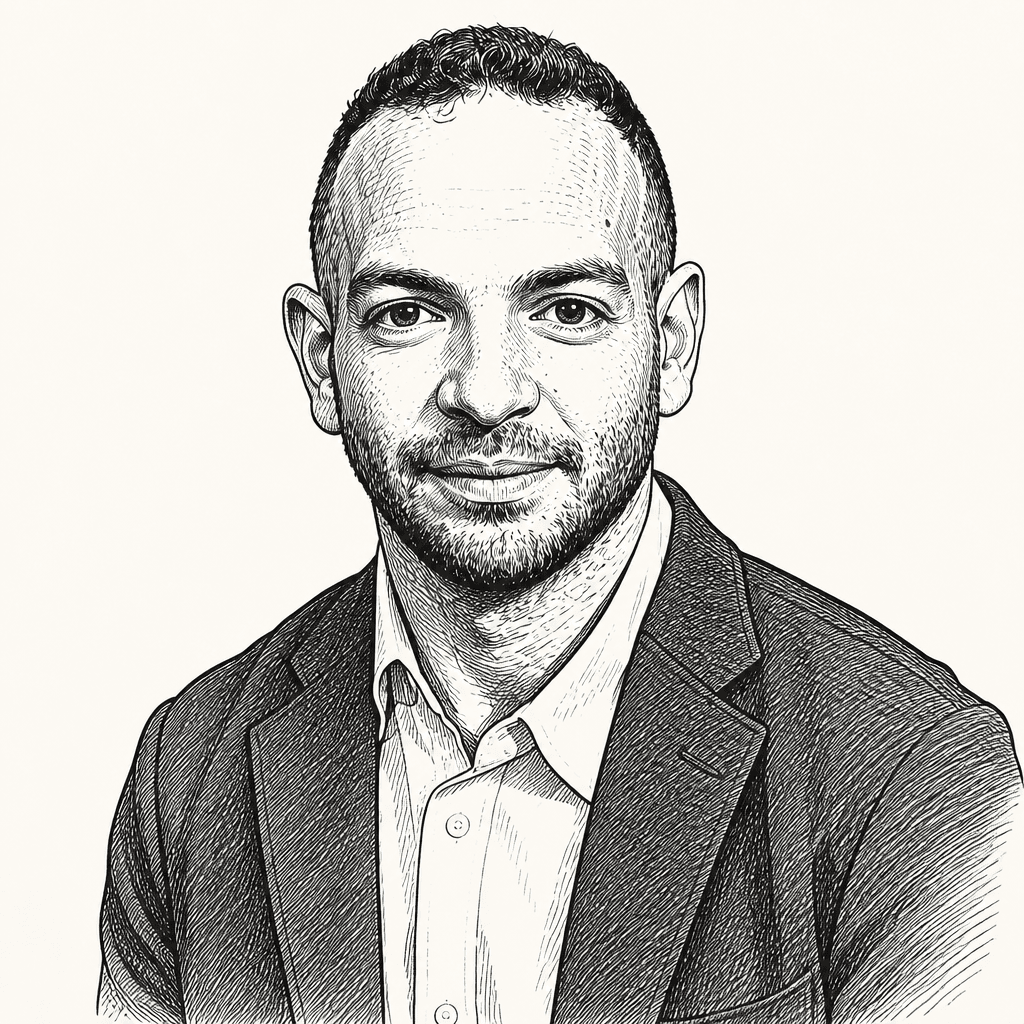
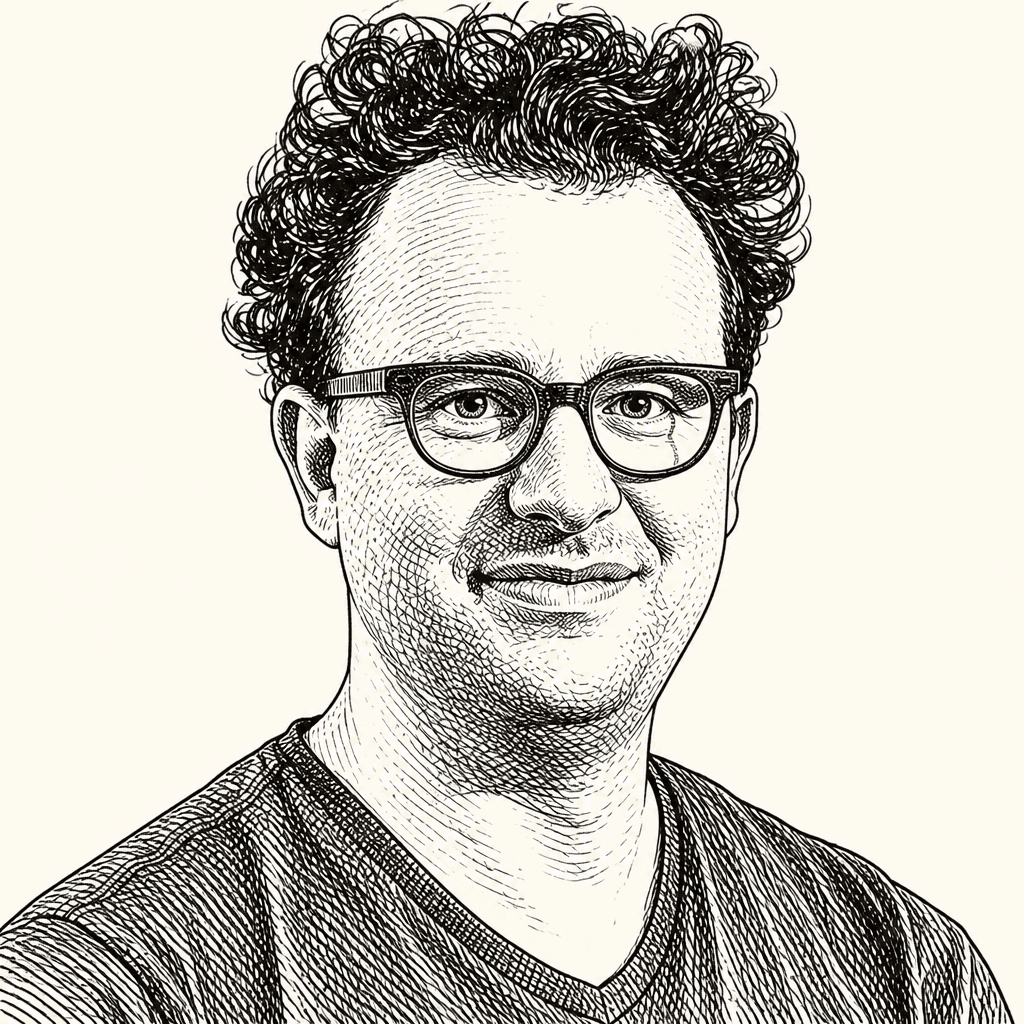
Alex Kantrowitz argues that the affair Jensen Huang acknowledged matters less as a personal scandal than as a security risk for Nvidia and the United States. The company’s board is investigating reports that Alice Wang, whom U.S. officials suspect of working with Chinese intelligence, may have gained access to sensitive information through her relationship with the Nvidia CEO. Kantrowitz expects Huang to remain in the job, but says the investigation and resulting scrutiny could weaken his influence over China chip policy and give Nvidia’s competitors an opening.
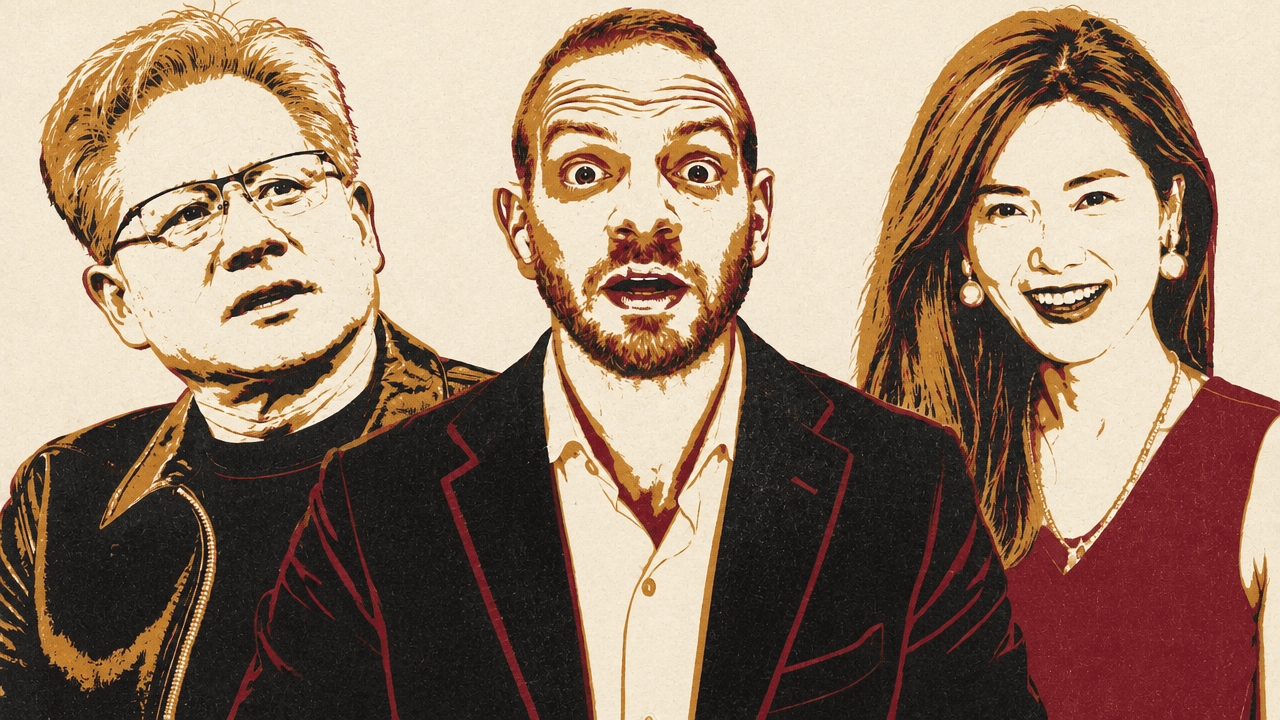
The affair matters because it created a security question
Alex Kantrowitz argues that the central issue is not Jensen Huang’s infidelity by itself. It is that the woman with whom the Nvidia chief acknowledged having an affair, Alice Wang, is suspected by U.S. officials of having worked with Chinese intelligence. Nvidia’s board has opened an investigation into reports that Huang was the target of a foreign espionage effort. The question is what information may have been exposed.
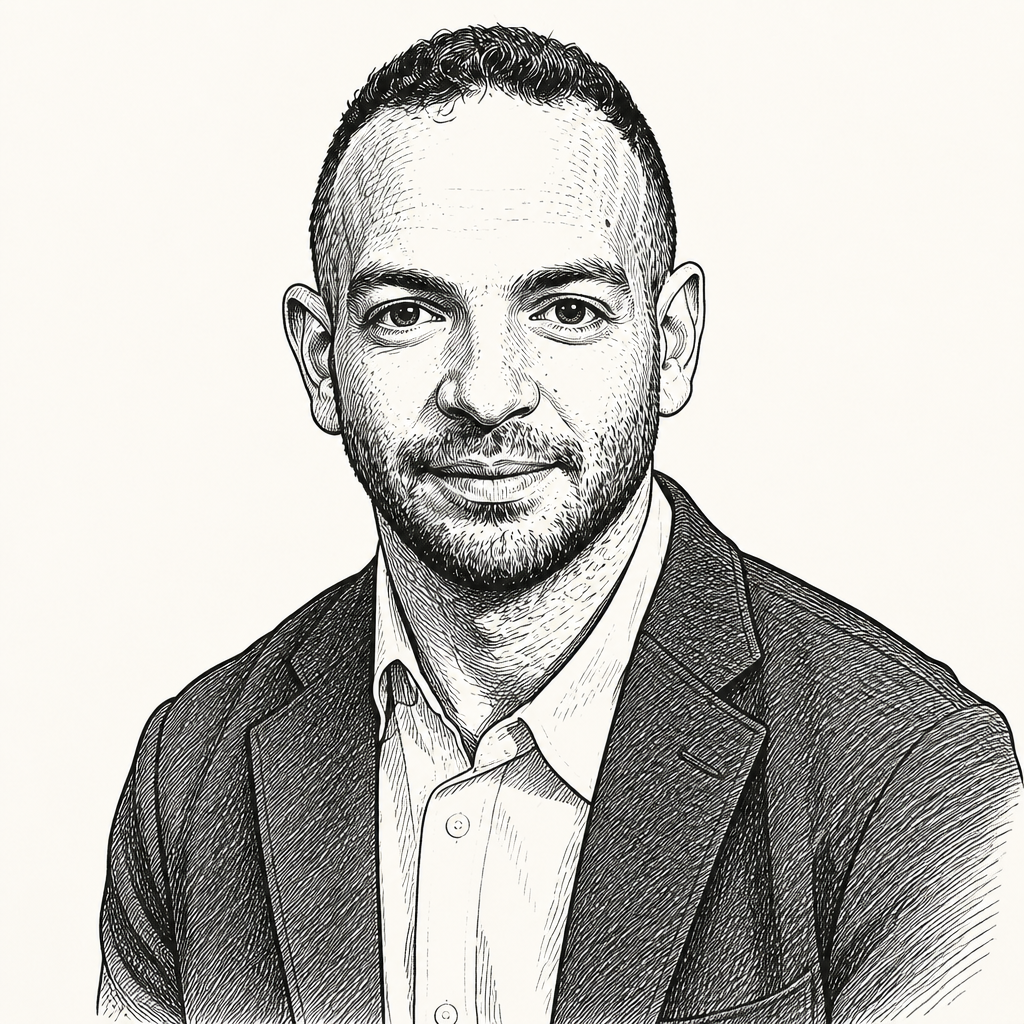
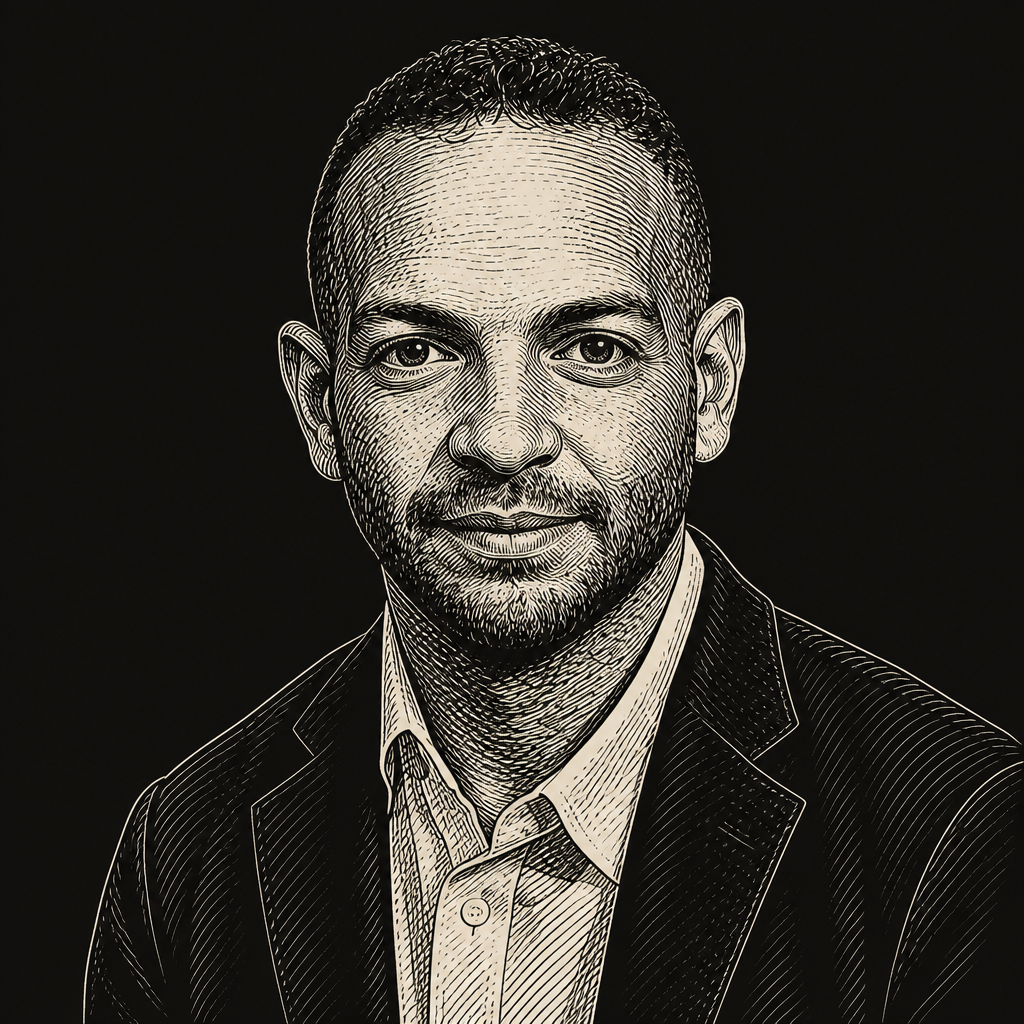
Huang apologized to Nvidia staff for being unfaithful to his wife, saying, “I owe my family and all of you an apology. There is no excuse for what I did.” Huang and his wife, Lori, have been married for about 40 years; their two adult children work at Nvidia. The apology addresses the personal breach, but not the larger concern. The board has said it has no reason to believe information was improperly shared. Its investigation is meant to address what remains unknown.
The exposure need not have involved Huang deliberately disclosing plans. Kantrowitz cites a question raised by Sinocism writer Bill Bishop: might Wang have been alone with Huang’s phone or computer while he stepped away? A device left unattended could create a route to information without any pillow-talk disclosure.
Huang’s access makes that possibility consequential. He co-founded Nvidia in 1993 and is unusually central to the company’s work and relationships. He has said he has about 60 direct reports and has spent years managing relationships with partners, customers, competitors and governments. Huang is also a close ally of President Trump; Kantrowitz recalls Trump calling him during a panel at the All-In Podcast. A relationship with Huang could offer insight into Nvidia’s plans, U.S. policy discussions or other sensitive matters.
The affair is a family matter, but it is also a corporate-security and national-security concern. A secret relationship with someone suspected of working for a foreign intelligence service can leave a person vulnerable to pressure, even if that person did not set out to compromise information.
A business relationship became a possible point of exposure
The reporting Kantrowitz describes places Wang in a commercial role connected to Nvidia’s expansion in Asia. U.S. officials, he says, concluded that she had shared information with the Chinese government while working with Nvidia on data centers in the region. He presents her professional contact with Huang as arising through ordinary business dealings. The concern is what the relationship may have made accessible.
As Kantrowitz relates CNBC’s account, Megaspeed International sold access to computing resources hosted in Southeast Asian data centers. It advertised itself as a partner in Nvidia’s regional cloud-computing business, letting customers rent capacity from data centers running Nvidia GPUs. Those chips can perform many calculations at once and have become central to the AI buildout.
A Financial Times account cited by Kantrowitz describes Wang and her business partner, Kang Wei, seeking investment in early 2025 for a Southeast Asian data-center project worth several hundred million dollars. According to two investors cited in the report, the pair said they had “no problem securing GPUs” and identified Alibaba as a client. The pitch rested in part on Wang’s claimed access to Nvidia hardware and her commercial relationship with a major Chinese technology company.
The FT account distinguishes between leasing and ownership: Chinese companies could legally lease data-center capacity outside China, while Chinese ownership of the data-center assets, including advanced Nvidia GPUs, was not allowed. That distinction describes the rules relevant to the project being pitched; it does not, by itself, establish a connection between the project and the intelligence allegations.
Huang’s China position may now carry less weight
Huang has long argued that the United States should sell Nvidia chips to China. His position combines a business interest with a strategic argument: if Chinese AI development relies on U.S. infrastructure, U.S. companies may retain access to advances made on that infrastructure. If China instead builds on its own chips, such as Huawei’s, and keeps that system closed to the United States, U.S. companies could lose access to those advances.
Nvidia makes the chips and stands to sell more of them if Chinese customers can buy them. Kantrowitz acknowledges that commercial interest while treating it as only part of Huang’s argument.
The affair threatens to weaken Huang’s standing in the export-control debate. Kantrowitz calls him the most effective advocate against restrictions on sales to China, willing to confront critics publicly. He points to the Trump administration’s decision the previous year to lift a ban on sales of Nvidia’s H200 chips to China, and says Nvidia’s access to that market has contributed to the company’s growth alongside U.S. demand.
There are risks in allowing chips into the market. Kantrowitz refers to reports that some chips sold to approved customers were later found to have been routed elsewhere, after people visited the customers’ supposed offices or data centers and found them empty. He presents this as an example of the difficulty of controlling where hardware ends up after a sale.
Huang’s position has put him at odds with Dario Amodei. Kantrowitz recalls Huang’s criticism that Amodei wanted to control the industry by suggesting only his company could build AI safely. In a prior exchange with Kantrowitz, Amodei rejected that characterization as “an outrageous lie” and “the most outrageous lie I’ve ever heard.”
Kantrowitz rejects the idea that Huang advocated selling GPUs because he had been bought off or because of his relationship with Wang. His explanation is simpler: Huang wanted to sell GPUs. But after the affair, he expects it to be harder for Huang to ask policymakers to assess his export-control arguments on their merits. Further restrictions could hurt Nvidia’s business; losing influence over the debate could have consequences beyond Huang’s reputation.
The scandal gives lawmakers and competitors an opening
Kantrowitz sees the timing as particularly difficult for Huang. He says Democrats had recently won control of both chambers of Congress, campaigning on issues including inflation, the cost of living and the war in Iran. He also says concern about AI data centers and the rise of AI had become an important issue for some voters. Hearings on AI were already likely in his view; Huang’s prominence and the allegations could make him a particularly attractive subject.
The questions, as Kantrowitz imagines them, would connect the relationship to Huang’s judgment and ability to protect sensitive information. Huang and a spokesperson had described the relationship to the New York Times and Bloomberg as nothing unusual or unexpected. A senator could ask what Huang knew, when he knew it, and how he could be trusted with national-security information if he did not recognize the alleged risk. Kantrowitz expects hearings, but says none have yet been scheduled.
He also considers why China might have pursued such a relationship. This is Kantrowitz’s theory, not a reported finding: if the operation stayed hidden, China could potentially gain information about U.S. semiconductor plans and other matters through access to Huang. If it was exposed, the resulting scandal could throw Nvidia into turmoil and give China an opportunity to catch up. In that sense, he sees a possible benefit either way: concealment might yield information; discovery might disrupt the leading U.S. AI-chip company. China denies the accusations.
The potential beneficiaries, in Kantrowitz’s view, include Amodei and Google. Amodei has argued for export controls for years; the scandal could make his position seem more credible by comparison, while damaging the standing of a prominent opponent.
Google competes with Nvidia through its tensor processing units, or TPUs. Nvidia remains the leader, Kantrowitz says, but Google’s chips should not be underestimated. He notes that Google announced two additional TPU variants on the day of his recording, including one intended for government work and highly regulated industries where data protection matters. He speculates that a Google salesperson might use uncertainty around Nvidia to persuade prospective customers to try the competing chips. With hardware this valuable, he adds, sales are not a matter of ordinary cold-calling, but the conversations could become more interesting.
Huang may stay, but with less room to maneuver
Huang faces intense publicity, a board investigation and the possibility of congressional scrutiny, while more details may still emerge. Kantrowitz notes that the board includes loyalists, but sees Nvidia’s dependence on its co-founder as the larger issue. Huang has led the company since 1993, has said he has around 60 direct reports, and has managed its relationships with partners, competitors, customers and governments. In Kantrowitz’s view, Nvidia is a Jensen Huang company.
That dependence is central to why Kantrowitz doubts Huang will be removed. “Nvidia needs him, he needs Nvidia,” he says. Huang’s children work at the company, but Kantrowitz does not think that establishes they are ready to take on his role. Huang’s departure would raise a succession question as well as a reputational one.
Kantrowitz’s prediction rests partly on the AI industry’s record of absorbing setbacks. He points to leadership turmoil, organizational splits, public opposition, local resistance to data centers, policy restrictions and claims that progress would hit a ceiling. These obstacles, he says, have not meaningfully slowed AI. Rapid improvement and strong demand have repeatedly outweighed the disruptions.
He considers the Huang affair more serious than those earlier setbacks. Even so, his bet is that Huang remains CEO, regardless of what emerges or how painful any hearings become. That prediction has limits: Kantrowitz expects Huang to be weakened and says greater export controls and competition are possible. His view is not that the scandal carries no cost, but that Nvidia’s dependence on Huang makes his removal less likely than a loss of influence and increased scrutiny.