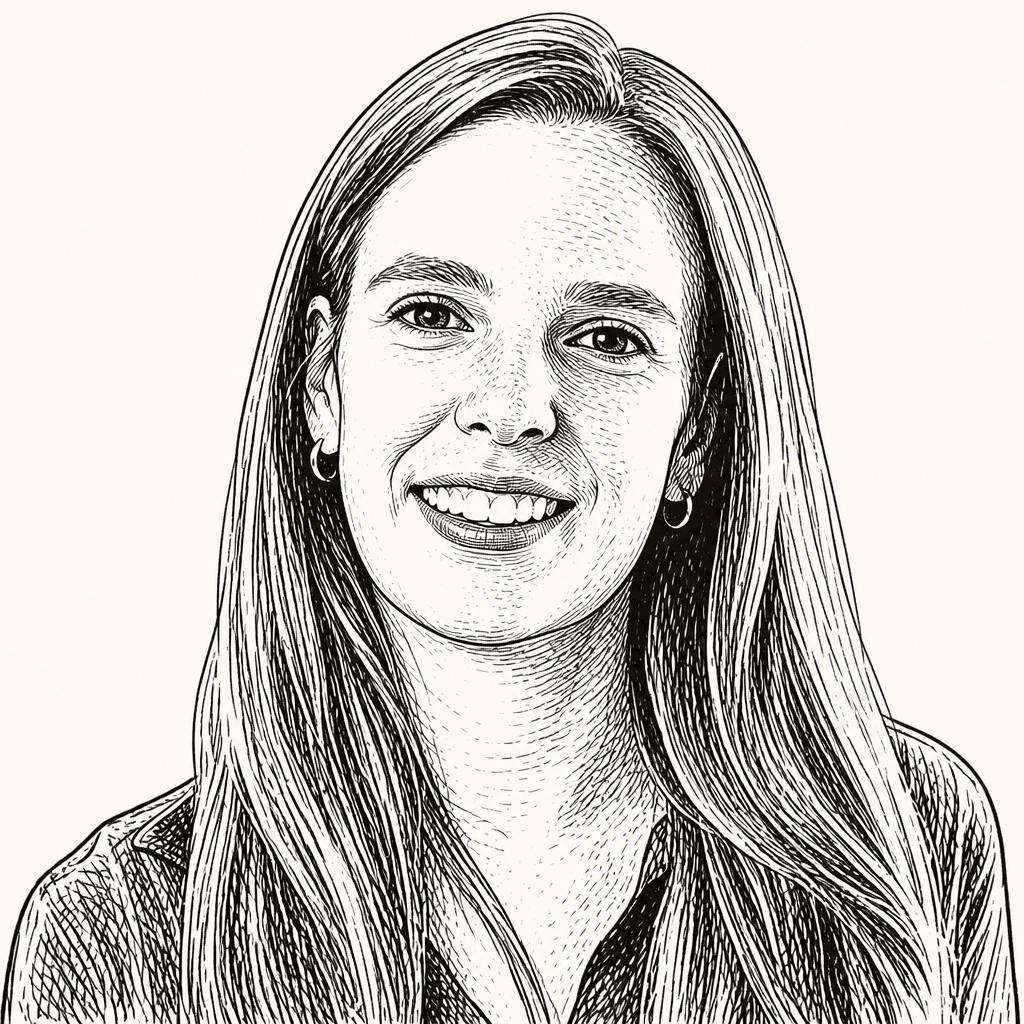
Sara Hooker
Co-founder of Adaption, building adaptive AI systems including AutoScientist; previously built research organizations and systems at Cohere, Google Brain, and Google DeepMind.
Automation and Weaker Scaling Returns Could Widen Frontier AI Access
Sara Hooker of Adaption argues that frontier AI has been constrained by tacit training expertise and the concentration of large-scale compute, leaving fewer than 5,000 people able to train models at the frontier. She contends that automated, data-aware training systems such as Adaption’s AutoScientist, together with diminishing returns from ever-larger pretraining runs, could shift advantage toward adaptation, domain data and experimentation. Hooker does not argue that compute or large models no longer matter, but that the most productive uses of compute are becoming more distributed than giant colocated pretraining runs.
Pre-Training Scale Is Losing Ground to Adaptive AI Systems
Sara Hooker, co-founder of Adaption Labs, argues in a Hugging Face ML Club India talk that AI progress is moving away from ever-larger pre-training runs as the default path and toward systems that adapt more efficiently after deployment. She says compute still matters, but the higher-return questions now concern data curation, post-training, test-time compute, interfaces, routing, and how cheaply models can learn from new information. Her case is that monolithic, one-size-fits-all models push the cost of adaptation onto users and concentrate participation among labs with the largest compute clusters.