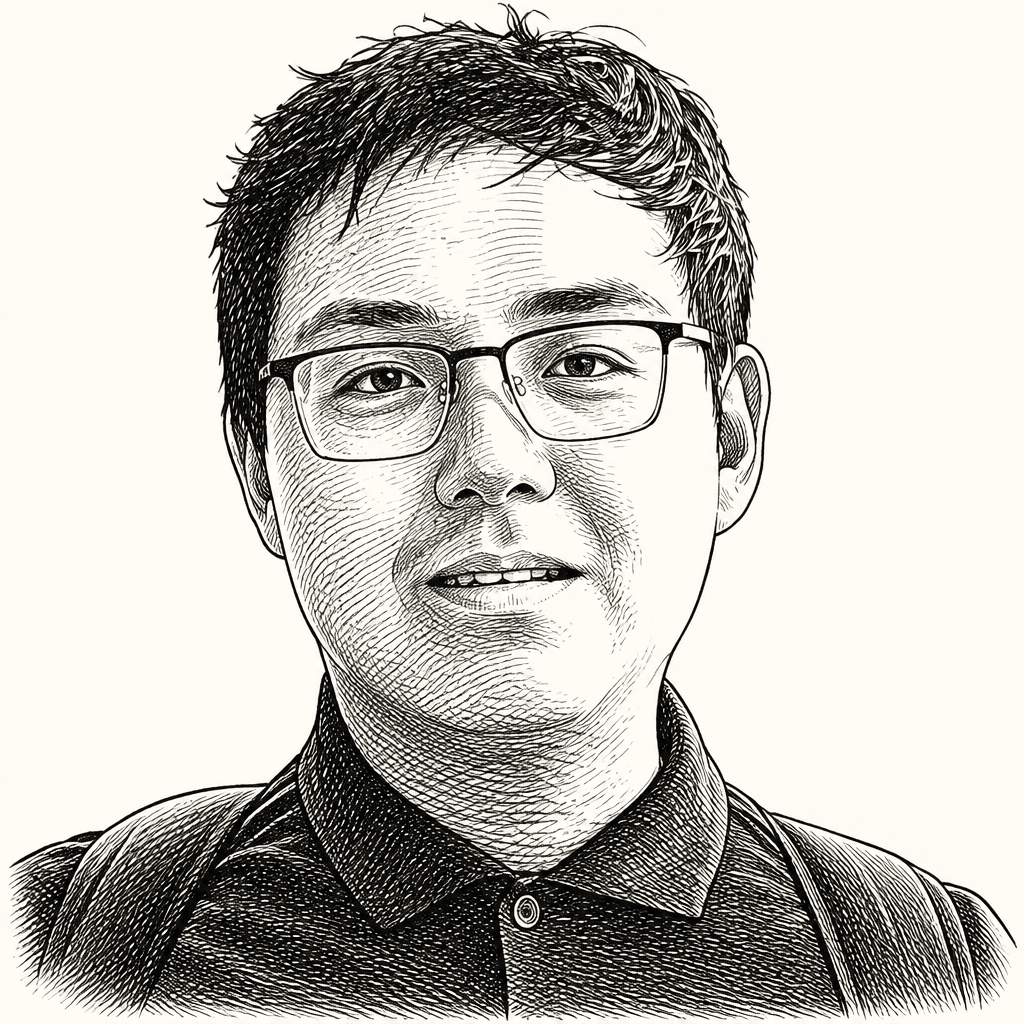
Mouyang Cheng
MIT DMSE-CSE PhD student advised by Mingda Li, developing physics-informed machine-learning methods for materials discovery and characterization, including AI-assisted materials design and work on defects and amorphous systems.
MIT DMSE-CSE PhD student advised by Mingda Li, developing physics-informed machine-learning methods for materials discovery and characterization, including AI-assisted materials design and work on defects and amorphous systems.