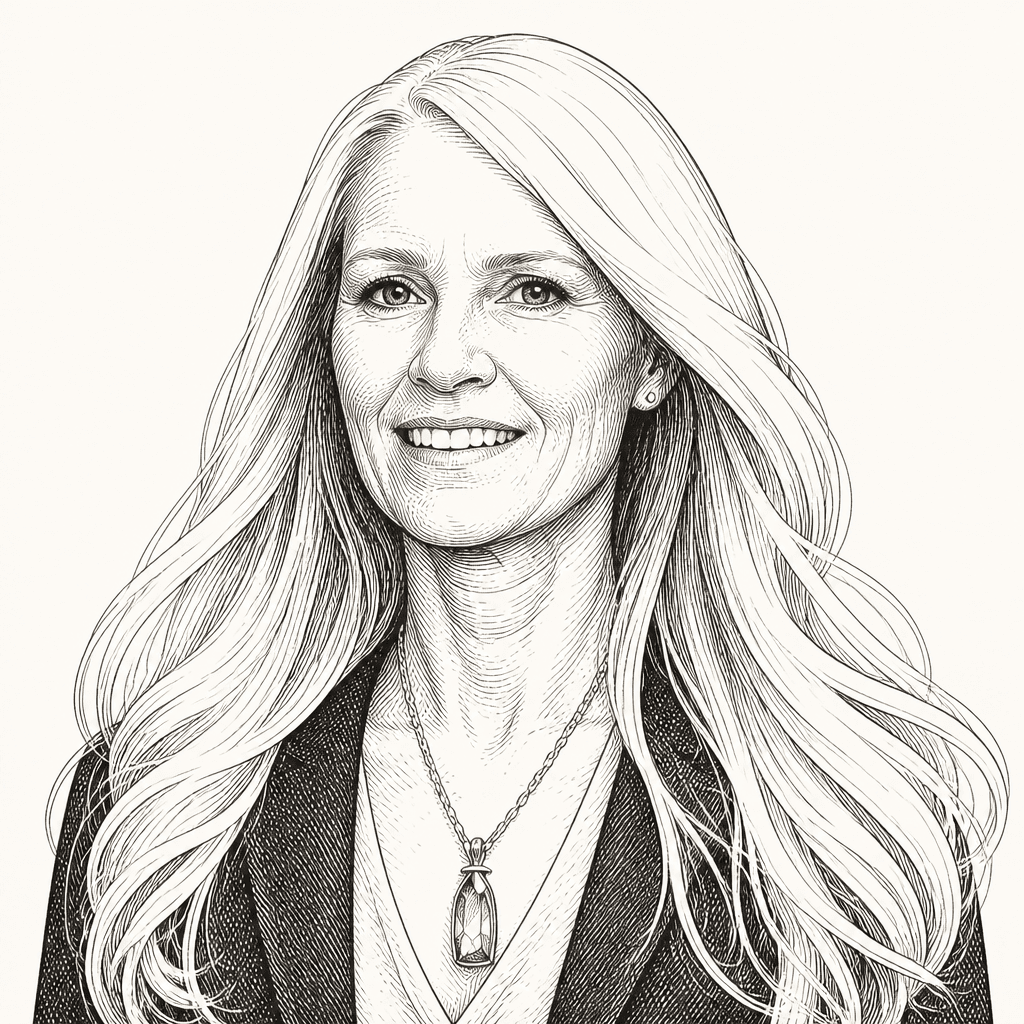
Cristal Logan
Vice President of Aspen Community Programs and Engagement at the Aspen Institute, where she oversees year-round public programs for the Aspen and Roaring Fork Valley community and leads local engagement initiatives including the Hurst Community Initiative.
Conversational Style Differences Can Be Mistaken for Character Flaws
Georgetown linguist Deborah Tannen argues that many conflicts in relationships and workplaces arise not from bad intent but from differences in conversational style. A pause, overlapping speech, a question, advice, eye contact or an indirect request can be read as rudeness, indifference or control when it was meant as attention, care or collaboration. Her remedy is to distinguish observable behavior from the motive assigned to it, then discuss what each person meant and needed.
Democracies’ Strategic Edge Depends on Diplomacy and Allied Unity
Former US ambassador to Russia Michael McFaul argues that democracies retain substantial military, economic, and institutional advantages over authoritarian rivals, but only if they use diplomacy, sustain alliances, and act collectively. McFaul contends that US overreach in Iran, estrangement from democratic partners, and retreat from international institutions risk squandering those advantages as China and Russia challenge the liberal order.
America’s Economic Edge Requires Hard Choices on Deficits, Housing, and Allies
Former Federal Reserve vice-chair Roger W. Ferguson Jr., in conversation with Piper Sandler chief global economist Nancy Lazar for the Hurst Lecture Series, argues that the US economy remains fundamentally strong but increasingly dependent on difficult political choices. Ferguson points to AI investment, deep capital markets, Fed credibility and the dollar as enduring advantages, while warning that deficits, housing shortages, immigration policy, inflation’s aftereffects and fraying alliances threaten the system that supports them. His confidence is conditional: the US can correct course, but only if policymakers accept costs voters have largely resisted.